
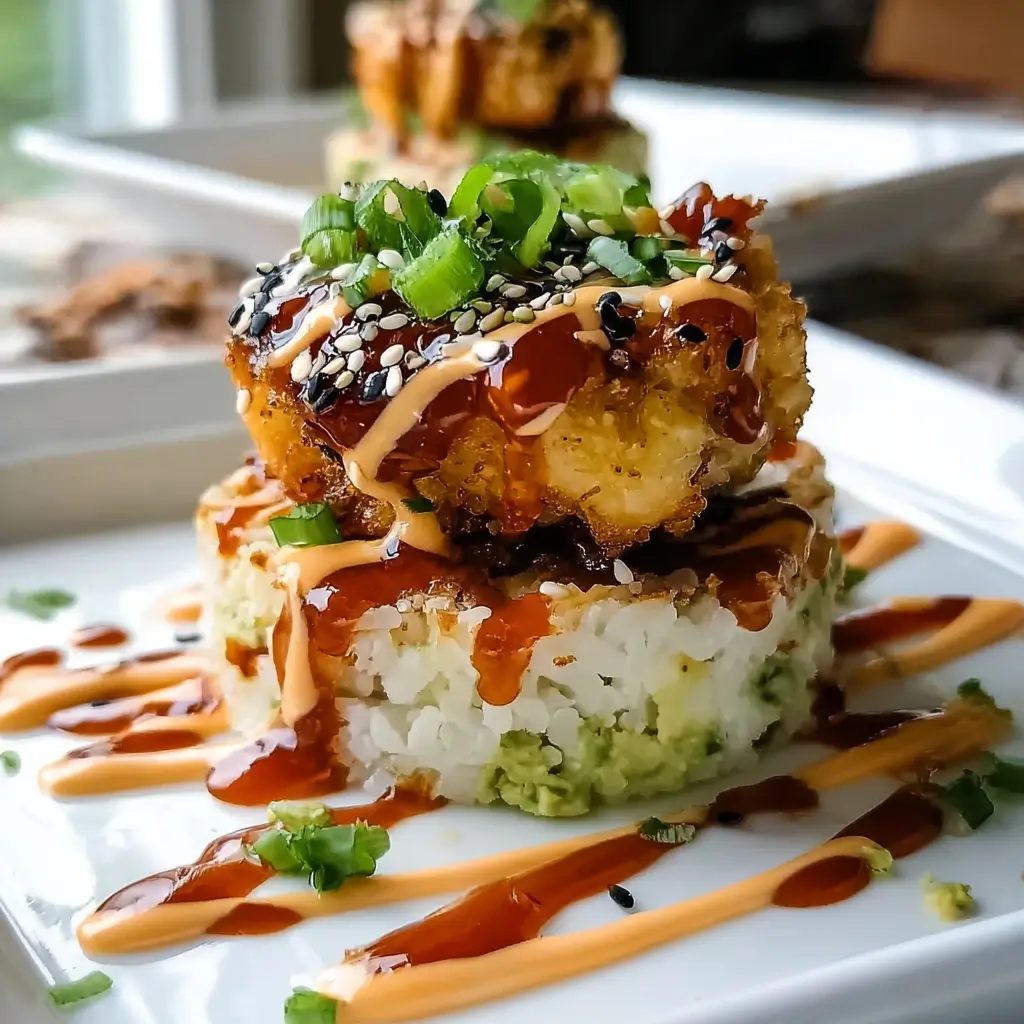
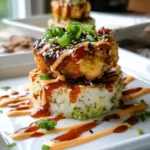
Our household has recently been on a mission to incorporate more plant-based meals that don’t skimp on flavor or satisfaction, and let me tell you, these Teriyaki Cauliflower Rice Stacks have become an absolute showstopper. The first time I made them, my family was a little skeptical about “cauliflower rice” again, but the moment they saw these vibrant, towering creations, their eyes lit up. The combination of the savory-sweet homemade teriyaki glaze, the tender-crisp vegetables, and the surprisingly hearty cauliflower rice, all beautifully presented, won them over instantly. My youngest, usually a picky eater, even asked for seconds! It’s not just a meal; it’s an experience. The slight char on the vegetables, the umami punch from the teriyaki, and the lightness of the cauliflower rice create a symphony of textures and tastes. Plus, knowing it’s packed with nutrients and relatively low-carb makes it a guilt-free indulgence that we now look forward to on a regular basis. It’s become our go-to for a “fancy” weeknight dinner that’s secretly easy to whip up.
Ingredients for Teriyaki Cauliflower Rice Stacks
This recipe aims for a delightful balance of savory, sweet, and umami, with vibrant colors and satisfying textures. The homemade teriyaki sauce is a star, but a good quality store-bought one can be used in a pinch.
For the Homemade Teriyaki Sauce (Yields approx. 1 cup):
- ½ cup (120ml) low-sodium soy sauce (or tamari for gluten-free)
- ¼ cup (60ml) water
- ¼ cup (50g) packed light brown sugar (or maple syrup/agave for refined sugar-free)
- 2 tablespoons (30ml) mirin (Japanese sweet cooking wine)
- 1 tablespoon (15ml) rice vinegar
- 2 cloves garlic, minced (about 2 teaspoons)
- 1 tablespoon fresh ginger, grated (about 1-inch piece)
- 1 tablespoon cornstarch (or arrowroot powder) mixed with 2 tablespoons cold water (slurry)
- Optional: ½ teaspoon sesame oil (add at the end for flavor)
For the Cauliflower Rice:
- 1 large head of cauliflower (about 2-2.5 lbs / 900g-1.1kg), yielding approximately 4-5 cups of riced cauliflower
- 1 tablespoon olive oil or sesame oil
- 1 clove garlic, minced
- Salt and black pepper to taste
- Optional: 1 tablespoon soy sauce or tamari for extra flavor
For the Vegetable & Protein Layer (Choose 2-3 options):
- 1 large red bell pepper, cored, seeded, and thinly sliced
- 1 large yellow or orange bell pepper, cored, seeded, and thinly sliced
- 1 large carrot, peeled and julienned or thinly sliced on the diagonal
- 1 medium head of broccoli, cut into small florets (about 2 cups)
- 1 cup (150g) shelled edamame, fresh or frozen (thawed if frozen)
- 8 oz (225g) firm or extra-firm tofu, pressed and cut into ½-inch cubes (optional, for added protein)
- 1 tablespoon olive oil or avocado oil for sautéing vegetables
For Garnish & Assembly:
- Toasted sesame seeds (white, black, or a mix)
- Thinly sliced green onions (scallions)
- Optional: A food ring or a clean, empty large can (like a 28oz tomato can with both ends removed) for stacking.
Step-by-Step Instructions
Follow these detailed steps to create your visually stunning and delicious Teriyaki Cauliflower Rice Stacks. Preparation is key, so having your ingredients prepped (mise en place) will make the cooking process smoother.
Phase 1: Prepare the Homemade Teriyaki Sauce
- Combine Ingredients: In a small saucepan, whisk together the soy sauce (or tamari), water, brown sugar (or alternative sweetener), mirin, rice vinegar, minced garlic, and grated ginger.
- Simmer: Bring the mixture to a gentle simmer over medium heat, stirring occasionally to dissolve the sugar. Let it simmer for about 3-5 minutes for the flavors to meld.
- Thicken: Give the cornstarch slurry (cornstarch mixed with cold water) a quick whisk and pour it into the simmering sauce. Continue to whisk constantly until the sauce thickens to your desired consistency, usually about 1-2 minutes. It should coat the back of a spoon.
- Finish & Set Aside: Remove the saucepan from the heat. If using, stir in the ½ teaspoon of sesame oil. Taste and adjust seasoning if necessary (more sugar for sweetness, a tiny bit more rice vinegar for tang). Set aside. The sauce will thicken slightly more as it cools.
Phase 2: Prepare the Cauliflower Rice
- Rice the Cauliflower: Wash and thoroughly dry the cauliflower head. Remove the leaves and tough core. Cut the cauliflower into large florets. Working in batches if necessary, pulse the florets in a food processor until they resemble coarse grains of rice. Be careful not to over-process, or you’ll end up with cauliflower mush. Alternatively, you can use the coarse side of a box grater.
- Sauté the Cauliflower Rice: Heat 1 tablespoon of olive oil or sesame oil in a large skillet or wok over medium-high heat. Add the minced garlic and sauté for about 30 seconds until fragrant, being careful not to burn it.
- Cook the Rice: Add the riced cauliflower to the skillet. Stir well to coat with the oil and garlic. Season with salt and pepper. Cook for 5-7 minutes, stirring occasionally, until the cauliflower rice is tender-crisp. It should still have a slight bite. Avoid overcooking, which can make it watery.
- Flavor Boost (Optional): During the last minute of cooking, you can stir in 1 tablespoon of soy sauce or tamari for an extra layer of umami flavor.
- Set Aside: Remove from heat and set aside, keeping it warm.
Phase 3: Prepare the Vegetables (and Tofu, if using)
- Prep Vegetables: Ensure all your chosen vegetables are washed, dried, and cut as specified in the ingredients list (sliced bell peppers, julienned carrots, small broccoli florets, etc.).
- Cook Tofu (if using): If adding tofu, heat ½ tablespoon of the oil in a large non-stick skillet or wok over medium-high heat. Add the pressed and cubed tofu. Cook for 5-7 minutes, turning occasionally, until golden brown and slightly crispy on all sides. Remove the tofu from the skillet and set aside. Drizzle with 1-2 tablespoons of the prepared teriyaki sauce and toss to coat.
- Sauté Vegetables: In the same skillet (add the remaining ½ tablespoon of oil if needed), add the firmer vegetables first, like carrots and broccoli. Sauté for 3-4 minutes until they begin to soften.
- Add Softer Vegetables: Add the bell peppers and edamame (if using). Continue to sauté for another 3-5 minutes until all vegetables are tender-crisp. They should still have a vibrant color and a slight crunch.
- Sauce the Vegetables: Pour about ¼ to ⅓ cup of the prepared teriyaki sauce over the vegetables. Toss well to coat everything evenly. Cook for another 1-2 minutes, allowing the sauce to slightly caramelize on the vegetables. If you cooked tofu, you can add it back to the pan with the vegetables now and toss gently.
- Set Aside: Remove from heat and set aside, keeping warm.
Phase 4: Assemble the Teriyaki Cauliflower Rice Stacks
This is where the magic happens! Presentation is key for this dish.
- Prepare Your Stacking Tool: If using a food ring (typically 3-4 inches in diameter) or a clean, large can, place it in the center of a serving plate.
- First Layer – Cauliflower Rice: Spoon a layer of the cooked cauliflower rice into the bottom of the ring/can, pressing down gently but firmly with the back of a spoon to create a compact base. Aim for about ½ to ¾ inch thick layer.
- Second Layer – Teriyaki Vegetables: Carefully spoon a layer of the teriyaki-coated vegetables (and tofu, if using) on top of the cauliflower rice layer within the ring/can. Again, press down gently to compact the layer.
- Optional Third Layer – More Cauliflower Rice: You can add another thin layer of cauliflower rice if you want a taller stack or a more defined separation.
- Optional Fourth Layer – More Vegetables: Finish with another layer of colorful vegetables for visual appeal.
- Reveal the Stack: Carefully and slowly lift the food ring or can straight up to reveal your beautifully layered stack. If it feels like it might collapse, you might need to press the layers a bit more firmly next time or ensure your cauliflower rice isn’t too wet.
- Garnish: Drizzle a little extra teriyaki sauce over and around the stack. Sprinkle generously with toasted sesame seeds and freshly sliced green onions.
- Repeat: Repeat the layering process for the remaining servings.
- Serve Immediately: These stacks are best enjoyed immediately while warm.
Nutrition Facts (Estimated)
- Servings: This recipe makes approximately 3-4 stacks, depending on the size of your food ring and appetite.
- Calories per serving (approximate, for 1 of 4 stacks, without tofu): 350-450 kcal.
- Note: Calories will vary based on the exact amount of oil used, sugar content in teriyaki sauce, specific vegetables chosen, and if tofu or other protein is added. Adding 2 oz of tofu per stack could add approximately 80-100 calories and 9-10g of protein.
This estimation assumes homemade teriyaki sauce with brown sugar and standard vegetable choices. Cauliflower rice is significantly lower in calories and carbohydrates than traditional rice.
Preparation and Cooking Time
Understanding the time commitment helps in planning your meal.
- Preparation Time: 25-35 minutes (includes making teriyaki sauce from scratch, ricing cauliflower, chopping vegetables). If using store-bought sauce and pre-riced cauliflower, this can be reduced to 15-20 minutes.
- Cooking Time: 20-30 minutes (includes cooking sauce, cauliflower rice, and vegetables).
- Assembly Time: 5-10 minutes (for 3-4 stacks).
- Total Time: Approximately 50 minutes to 1 hour 15 minutes.
How to Serve Your Masterpiece
These Teriyaki Cauliflower Rice Stacks are impressive enough for guests yet simple enough for a special weeknight meal. Here are some ideas for serving:
- Individual Plates: Serve each stack on its own plate, allowing the vibrant colors and height to be the star.
- A drizzle of extra teriyaki sauce around the base of the stack adds to the presentation.
- A small sprinkle of microgreens can add an elegant touch.
- Family Style (Deconstructed): If you’re short on time or prefer a more casual approach:
- Serve the teriyaki vegetables and cauliflower rice in separate bowls.
- Allow everyone to build their own “bowls” or less formal stacks.
- Provide garnishes like sesame seeds and green onions on the side.
- Accompaniments:
- Light Miso Soup: A small bowl of miso soup on the side complements the Japanese-inspired flavors beautifully.
- Pickled Ginger (Gari): A few slices of pickled ginger can offer a refreshing palate cleanser between bites.
- Cucumber Salad: A simple sunomono (Japanese cucumber salad) with rice vinegar, a touch of sugar, and sesame seeds adds a crisp, tangy contrast.
- Extra Protein: For heartier appetites, consider serving with a side of grilled chicken, shrimp, or salmon glazed with the same teriyaki sauce.
- Occasions:
- Healthy Weeknight Dinner: A fantastic way to elevate a regular meal.
- Vegetarian/Vegan Dinner Party Main: Impressive and satisfying for guests with dietary preferences (ensure teriyaki sauce is vegan-friendly).
- Meal Prep Component: Cook the cauliflower rice and teriyaki vegetables separately. Store them and assemble just before serving for quick lunches or dinners throughout the week (though the “stack” is best fresh).
Additional Tips for Success
Elevate your Teriyaki Cauliflower Rice Stacks with these five pro tips:
- Don’t Overcook the Cauliflower Rice: The key to good cauliflower rice is texture. Overcooking will make it mushy and watery, which can compromise the stability of your stacks. Aim for tender-crisp, where it’s cooked through but still has a slight bite. Squeezing out excess moisture after ricing (if it seems very wet) using a cheesecloth or clean kitchen towel can also help, especially if your cauliflower is very fresh.
- Achieve Tender-Crisp Vegetables: Similar to the cauliflower rice, you want your vegetables to be cooked through but retain some of their crunch and vibrant color. Stir-fry them over medium-high heat quickly. Adding them to the pan in stages – harder veggies first (like carrots and broccoli), followed by softer ones (like bell peppers) – ensures even cooking.
- Master the Teriyaki Sauce Consistency: Your homemade teriyaki sauce should be thick enough to coat the vegetables and drizzle nicely, but not so thick that it becomes gloopy. If it’s too thin, simmer it a bit longer or add a tiny bit more cornstarch slurry. If it’s too thick, whisk in a tablespoon of water at a time until it reaches the right consistency. Remember it will thicken more as it cools.
- The Ring Mold Trick & Alternatives: A food ring (3-4 inches diameter, 2-3 inches high) is ideal for creating neat stacks. Press each layer firmly but gently. If you don’t have a food ring, you can use a clean, empty tin can (like a large tuna can or a 15oz bean can with both top and bottom removed and edges smoothed). In a pinch, you can simply mound the cauliflower rice and top it artfully with the vegetables, focusing on height.
- Customize Your Flavors & Textures: Don’t be afraid to experiment!
- Spice it Up: Add a pinch of red pepper flakes or a dash of sriracha to your teriyaki sauce for some heat.
- Nutty Crunch: Besides sesame seeds, try adding chopped peanuts or cashews to the vegetable stir-fry for extra texture.
- Different Veggies: Feel free to swap in other quick-cooking vegetables like snow peas, snap peas, zucchini, mushrooms, or asparagus tips.
- Herbaceous Notes: A sprinkle of fresh cilantro at the end can add a bright, herbaceous note that complements the teriyaki.
Frequently Asked Questions (FAQ)
Q1: Can I make these Teriyaki Cauliflower Rice Stacks gluten-free?
A1: Absolutely! The main ingredient to watch is the soy sauce. Simply substitute traditional soy sauce with tamari, which is typically brewed without wheat, or use a certified gluten-free soy sauce. Also, ensure your mirin is gluten-free (most are, but it’s good to check labels). If using cornstarch as a thickener, it’s naturally gluten-free, as is arrowroot powder.
Q2: How can I make this recipe vegan?
A2: This recipe is easily made vegan. The base vegetables and cauliflower rice are already vegan. For the teriyaki sauce, ensure you’re using a vegan sweetener like brown sugar (check it’s not processed with bone char if you’re very strict, or opt for maple syrup or agave). If you choose to add protein, tofu is an excellent vegan option. Most store-bought teriyaki sauces are vegan, but always double-check the label for ingredients like honey or fish-derived flavorings.
Q3: Can I prepare any components of this dish ahead of time?
A3: Yes, several components can be prepped in advance to save time:
- Teriyaki Sauce: Can be made up to 5 days ahead and stored in an airtight container in the refrigerator.
- Cauliflower Rice: You can rice the cauliflower 1-2 days ahead and store it in an airtight container in the fridge. Cook it just before assembly for the best texture.
- Vegetables: Chop all your vegetables 1-2 days in advance and store them in airtight containers in the refrigerator.
- Tofu: Press tofu a day ahead.
For best results, cook the cauliflower rice, sauté the vegetables, and assemble the stacks just before serving to ensure they are warm and the textures are optimal.
Q4: What if I don’t have a food processor to make cauliflower rice?
A4: No problem! You can easily make cauliflower rice using a standard box grater. Use the side with the medium-to-large grating holes. Grate the cauliflower florets directly. This method produces slightly less uniform pieces than a food processor but works perfectly well. Alternatively, many grocery stores now sell pre-riced cauliflower in the produce or frozen sections, which is a great time-saver.
Q5: How do I store and reheat leftovers?
A5: It’s best to store the components separately if possible: cauliflower rice in one container, and the teriyaki vegetables (with tofu, if used) in another. Store in airtight containers in the refrigerator for up to 3-4 days.
- To Reheat:
- Cauliflower Rice: Reheat in a skillet over medium heat with a splash of water or a tiny bit of oil, or microwave until warmed through.
- Teriyaki Vegetables: Reheat in a skillet over medium heat until warmed through, or microwave. You might want to add a tiny splash of water or extra teriyaki sauce if they seem dry.
Assembled stacks can be tricky to reheat without them losing their shape or becoming soggy. If you have leftover stacks, you can try reheating them gently in the oven on a baking sheet at around 300°F (150°C) until warmed, or deconstruct them slightly before microwaving. The texture will be best if components are reheated separately and then re-stacked or served as a bowl.
Teriyaki Cauliflower Rice Stacks Recipe
Ingredients
For the Homemade Teriyaki Sauce (Yields approx. 1 cup):
- ½ cup (120ml) low-sodium soy sauce (or tamari for gluten-free)
- ¼ cup (60ml) water
- ¼ cup (50g) packed light brown sugar (or maple syrup/agave for refined sugar-free)
- 2 tablespoons (30ml) mirin (Japanese sweet cooking wine)
- 1 tablespoon (15ml) rice vinegar
- 2 cloves garlic, minced (about 2 teaspoons)
- 1 tablespoon fresh ginger, grated (about 1-inch piece)
- 1 tablespoon cornstarch (or arrowroot powder) mixed with 2 tablespoons cold water (slurry)
- Optional: ½ teaspoon sesame oil (add at the end for flavor)
For the Cauliflower Rice:
- 1 large head of cauliflower (about 2–2.5 lbs / 900g-1.1kg), yielding approximately 4-5 cups of riced cauliflower
- 1 tablespoon olive oil or sesame oil
- 1 clove garlic, minced
- Salt and black pepper to taste
- Optional: 1 tablespoon soy sauce or tamari for extra flavor
For the Vegetable & Protein Layer (Choose 2-3 options):
- 1 large red bell pepper, cored, seeded, and thinly sliced
- 1 large yellow or orange bell pepper, cored, seeded, and thinly sliced
- 1 large carrot, peeled and julienned or thinly sliced on the diagonal
- 1 medium head of broccoli, cut into small florets (about 2 cups)
- 1 cup (150g) shelled edamame, fresh or frozen (thawed if frozen)
- 8 oz (225g) firm or extra-firm tofu, pressed and cut into ½-inch cubes (optional, for added protein)
- 1 tablespoon olive oil or avocado oil for sautéing vegetables
For Garnish & Assembly:
- Toasted sesame seeds (white, black, or a mix)
- Thinly sliced green onions (scallions)
- Optional: A food ring or a clean, empty large can (like a 28oz tomato can with both ends removed) for stacking.
Instructions
Phase 1: Prepare the Homemade Teriyaki Sauce
- Combine Ingredients: In a small saucepan, whisk together the soy sauce (or tamari), water, brown sugar (or alternative sweetener), mirin, rice vinegar, minced garlic, and grated ginger.
- Simmer: Bring the mixture to a gentle simmer over medium heat, stirring occasionally to dissolve the sugar. Let it simmer for about 3-5 minutes for the flavors to meld.
- Thicken: Give the cornstarch slurry (cornstarch mixed with cold water) a quick whisk and pour it into the simmering sauce. Continue to whisk constantly until the sauce thickens to your desired consistency, usually about 1-2 minutes. It should coat the back of a spoon.
- Finish & Set Aside: Remove the saucepan from the heat. If using, stir in the ½ teaspoon of sesame oil. Taste and adjust seasoning if necessary (more sugar for sweetness, a tiny bit more rice vinegar for tang). Set aside. The sauce will thicken slightly more as it cools.
Phase 2: Prepare the Cauliflower Rice
- Rice the Cauliflower: Wash and thoroughly dry the cauliflower head. Remove the leaves and tough core. Cut the cauliflower into large florets. Working in batches if necessary, pulse the florets in a food processor until they resemble coarse grains of rice. Be careful not to over-process, or you’ll end up with cauliflower mush. Alternatively, you can use the coarse side of a box grater.
- Sauté the Cauliflower Rice: Heat 1 tablespoon of olive oil or sesame oil in a large skillet or wok over medium-high heat. Add the minced garlic and sauté for about 30 seconds until fragrant, being careful not to burn it.
- Cook the Rice: Add the riced cauliflower to the skillet. Stir well to coat with the oil and garlic. Season with salt and pepper. Cook for 5-7 minutes, stirring occasionally, until the cauliflower rice is tender-crisp. It should still have a slight bite. Avoid overcooking, which can make it watery.
- Flavor Boost (Optional): During the last minute of cooking, you can stir in 1 tablespoon of soy sauce or tamari for an extra layer of umami flavor.
- Set Aside: Remove from heat and set aside, keeping it warm.
Phase 3: Prepare the Vegetables (and Tofu, if using)
- Prep Vegetables: Ensure all your chosen vegetables are washed, dried, and cut as specified in the ingredients list (sliced bell peppers, julienned carrots, small broccoli florets, etc.).
- Cook Tofu (if using): If adding tofu, heat ½ tablespoon of the oil in a large non-stick skillet or wok over medium-high heat. Add the pressed and cubed tofu. Cook for 5-7 minutes, turning occasionally, until golden brown and slightly crispy on all sides. Remove the tofu from the skillet and set aside. Drizzle with 1-2 tablespoons of the prepared teriyaki sauce and toss to coat.
- Sauté Vegetables: In the same skillet (add the remaining ½ tablespoon of oil if needed), add the firmer vegetables first, like carrots and broccoli. Sauté for 3-4 minutes until they begin to soften.
- Add Softer Vegetables: Add the bell peppers and edamame (if using). Continue to sauté for another 3-5 minutes until all vegetables are tender-crisp. They should still have a vibrant color and a slight crunch.
- Sauce the Vegetables: Pour about ¼ to ⅓ cup of the prepared teriyaki sauce over the vegetables. Toss well to coat everything evenly. Cook for another 1-2 minutes, allowing the sauce to slightly caramelize on the vegetables. If you cooked tofu, you can add it back to the pan with the vegetables now and toss gently.
- Set Aside: Remove from heat and set aside, keeping warm.
Phase 4: Assemble the Teriyaki Cauliflower Rice Stacks
This is where the magic happens! Presentation is key for this dish.
- Prepare Your Stacking Tool: If using a food ring (typically 3-4 inches in diameter) or a clean, large can, place it in the center of a serving plate.
- First Layer – Cauliflower Rice: Spoon a layer of the cooked cauliflower rice into the bottom of the ring/can, pressing down gently but firmly with the back of a spoon to create a compact base. Aim for about ½ to ¾ inch thick layer.
- Second Layer – Teriyaki Vegetables: Carefully spoon a layer of the teriyaki-coated vegetables (and tofu, if using) on top of the cauliflower rice layer within the ring/can. Again, press down gently to compact the layer.
- Optional Third Layer – More Cauliflower Rice: You can add another thin layer of cauliflower rice if you want a taller stack or a more defined separation.
- Optional Fourth Layer – More Vegetables: Finish with another layer of colorful vegetables for visual appeal.
- Reveal the Stack: Carefully and slowly lift the food ring or can straight up to reveal your beautifully layered stack. If it feels like it might collapse, you might need to press the layers a bit more firmly next time or ensure your cauliflower rice isn’t too wet.
- Garnish: Drizzle a little extra teriyaki sauce over and around the stack. Sprinkle generously with toasted sesame seeds and freshly sliced green onions.
- Repeat: Repeat the layering process for the remaining servings.
- Serve Immediately: These stacks are best enjoyed immediately while warm.
Nutrition
- Serving Size: One Normal Portion
- Calories: 350-450 kcal