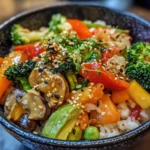
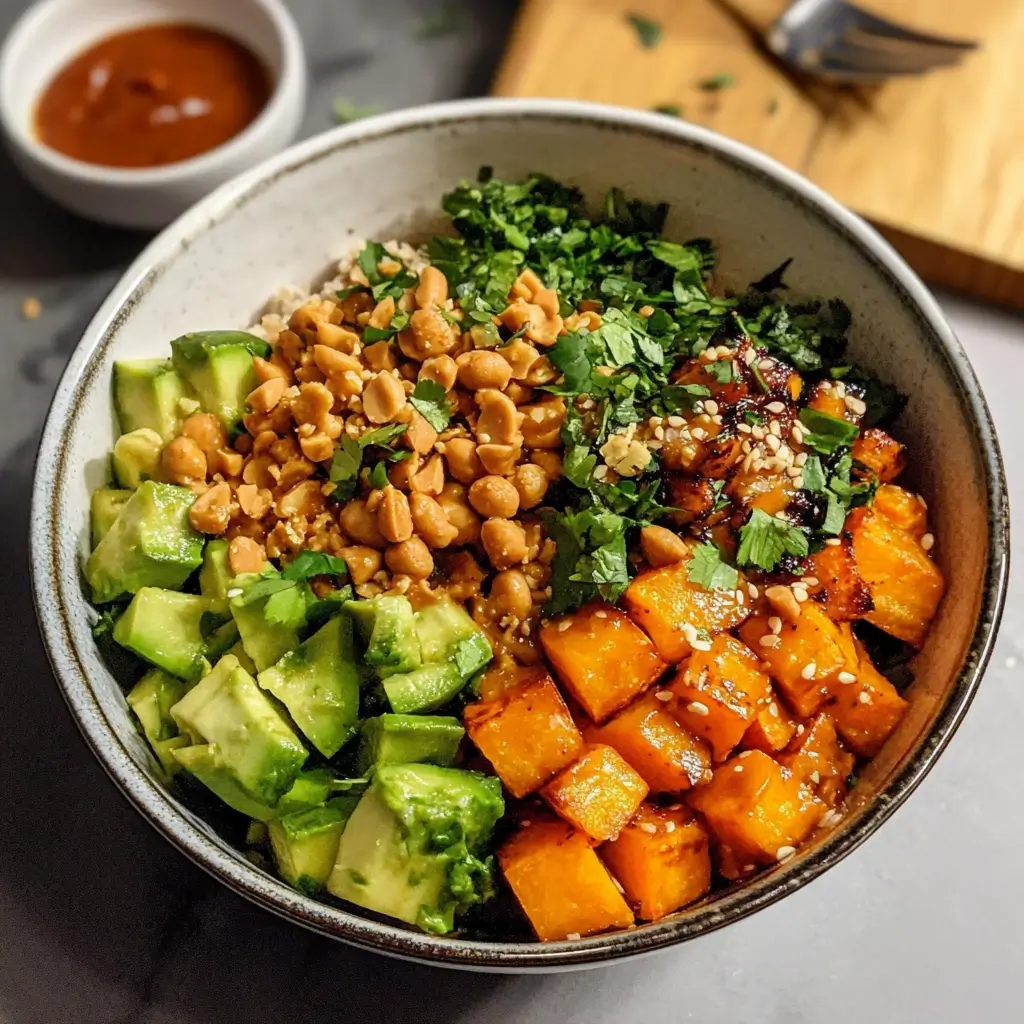
It was one of those weekday evenings where inspiration felt miles away, yet the craving for something deeply satisfying, comforting, and packed with flavor was undeniable. My family, a mix of adventurous eaters and those who appreciate familiar comforts, all have a soft spot for anything involving peanut sauce. I’d seen variations of Thai-inspired bowls floating around, and the combination of sweet potatoes with a rich, savory peanut dressing just clicked. The first time I made these Thai Peanut Sweet Potato Bowls, the aroma alone had everyone drifting into the kitchen. The vibrant colors were a feast for the eyes, and that first bite? Pure bliss. The creamy, slightly spicy peanut sauce enveloped the tender, caramelized sweet potatoes, perfectly complemented by the fluffy quinoa and the fresh crunch of accompanying veggies. It was an instant hit! Even my pickiest eater was asking for seconds, specifically requesting “more of that yummy orange stuff with the peanut sauce.” It’s since become a cherished staple in our meal rotation, a go-to for a healthy, hearty, and incredibly delicious dinner that truly feels like a treat.
The Allure of Thai Peanut Sweet Potato Bowls: A Flavor Explosion
Thai Peanut Sweet Potato Bowls are more than just a meal; they’re an experience. They capture the essence of Thai-inspired cuisine – that beautiful dance of sweet, savory, sour, and spicy – all harmonized in a single, nourishing bowl. The star, of course, is the roasted sweet potato, its natural sweetness intensified by the caramelization it achieves in the oven. Paired with a luscious, homemade peanut sauce that’s both creamy and complex, it’s a match made in culinary heaven. But the magic doesn’t stop there. These bowls are incredibly versatile, allowing for a base of fluffy quinoa or rice, a protein boost from chickpeas or tofu, and a vibrant array of fresh toppings like crisp red cabbage, crunchy carrots, and fragrant cilantro. They are inherently healthy, packed with vitamins, fiber, and plant-based protein, making them a fantastic option for weeknight dinners, meal prepping, or even a casual gathering with friends. The beauty lies in their simplicity of preparation coupled with their sophisticated flavor profile, proving that wholesome food can be incredibly exciting.
Ingredients for Your Thai Peanut Sweet Potato Bowls
This recipe aims for a balance of flavors and textures. Feel free to adjust quantities slightly based on your preference.
For the Roasted Sweet Potatoes:
- Large sweet potatoes: 2 (about 1.5 lbs / 680g), peeled and cubed into 1-inch pieces
- Olive oil: 2 tablespoons
- Smoked paprika: 1 teaspoon
- Garlic powder: 1/2 teaspoon
- Salt: 1/2 teaspoon, or to taste
- Black pepper: 1/4 teaspoon, or to taste
For the Thai Peanut Sauce:
- Creamy peanut butter: 1/2 cup (natural, unsweetened is best)
- Low-sodium soy sauce or tamari (for gluten-free): 1/4 cup
- Lime juice: 2 tablespoons (freshly squeezed is key!)
- Rice vinegar: 1 tablespoon
- Maple syrup or honey: 1-2 tablespoons (adjust to sweetness preference)
- Toasted sesame oil: 1 teaspoon
- Fresh ginger: 1 tablespoon, minced or grated
- Fresh garlic: 1-2 cloves, minced
- Sriracha or chili garlic sauce: 1-2 teaspoons (or to taste, for heat)
- Warm water: 2-4 tablespoons (to thin, as needed)
For Assembling the Bowls (per serving, adjust as needed):
- Cooked quinoa or brown rice: 1 cup per bowl
- Chickpeas: 1/2 cup per bowl, rinsed and drained (or sub baked tofu/edamame)
- Shredded red cabbage: 1/2 cup per bowl
- Shredded carrots: 1/4 cup per bowl
- Fresh cilantro: 2 tablespoons per bowl, chopped
- Chopped peanuts: 1 tablespoon per bowl, for garnish
- Lime wedges: For serving
- Optional additions: Baby spinach, steamed broccoli florets, sliced cucumber, green onions.
Crafting Your Culinary Masterpiece: Step-by-Step Instructions
Follow these steps to create your delicious and vibrant Thai Peanut Sweet Potato Bowls.
- Roast the Sweet Potatoes:
- Preheat your oven to 400°F (200°C). Line a large baking sheet with parchment paper for easy cleanup.
- In a large bowl, toss the cubed sweet potatoes with olive oil, smoked paprika, garlic powder, salt, and black pepper until evenly coated.
- Spread the sweet potatoes in a single layer on the prepared baking sheet. Ensure they are not overcrowded, as this will help them roast rather than steam. Use two baking sheets if necessary.
- Roast for 25-35 minutes, flipping halfway through, until the sweet potatoes are tender, caramelized, and slightly crispy on the edges.
- Prepare the Thai Peanut Sauce:
- While the sweet potatoes are roasting, prepare the peanut sauce. In a medium bowl, whisk together the peanut butter, soy sauce (or tamari), lime juice, rice vinegar, maple syrup (or honey), toasted sesame oil, minced ginger, minced garlic, and sriracha (or chili garlic sauce).
- The mixture will be thick. Gradually whisk in warm water, 1 tablespoon at a time, until the sauce reaches your desired consistency. It should be pourable but still creamy. Taste and adjust seasonings if needed – more lime for tang, more sweetener for sweetness, or more sriracha for heat.
- Cook Your Grain (if not already prepared):
- If you haven’t already, cook your quinoa or brown rice according to package directions. This can often be done while the sweet potatoes are roasting.
- Prepare Other Bowl Components:
- Rinse and drain your chickpeas.
- Shred the red cabbage and carrots. You can use a knife, a box grater, or the shredding attachment on a food processor.
- Chop the fresh cilantro and peanuts. Slice the lime wedges.
- If using other additions like spinach or broccoli, prepare them as needed (e.g., lightly steam broccoli).
- Assemble the Bowls:
- Once the sweet potatoes are roasted and your grain is cooked, it’s time to assemble your bowls.
- Start by adding a base of cooked quinoa or brown rice to each bowl.
- Arrange a generous portion of the roasted sweet potatoes over the grain.
- Add the chickpeas (or your chosen protein).
- Artfully arrange the shredded red cabbage and carrots alongside the other components.
- Drizzle generously with the Thai peanut sauce. Be liberal – it’s the star!
- Garnish with chopped fresh cilantro and chopped peanuts.
- Serve immediately with a lime wedge on the side for an extra burst of freshness.
Nutritional Snapshot: What’s in Your Bowl?
- Servings: This recipe makes approximately 4 servings.
- Calories per serving (estimated): Approximately 550-650 calories.
Disclaimer: Nutritional information is an estimate and can vary depending on the exact ingredients, brands, and portion sizes used. This calculation generally includes a base of quinoa, sweet potatoes, chickpeas, vegetables, and peanut sauce as per the recipe.
Timing is Everything: Preparation and Cooking Time
- Preparation Time: 20-25 minutes (includes chopping vegetables, making the sauce)
- Cooking Time: 25-35 minutes (for roasting sweet potatoes and cooking grain if not pre-cooked)
- Total Time: Approximately 45-60 minutes
How to Serve Your Thai Peanut Sweet Potato Bowls for Maximum Impact
Presentation can elevate even the simplest dish. Here’s how to serve your bowls for a visually appealing and satisfying experience:
- Layer Creatively: Don’t just dump everything in. Create distinct sections in the bowl for each component – a bed of quinoa, a pile of vibrant sweet potatoes, a colorful mound of red cabbage, a neat arrangement of carrots, and a cluster of chickpeas. This makes the bowl look more appetizing.
- Sauce Artistically: Drizzle the peanut sauce generously over the top in a zig-zag pattern or a swirl. Consider serving extra sauce on the side for those who love it extra saucy.
- Garnish Generously:
- Fresh Herbs: Chopped fresh cilantro is a must for its bright, fresh flavor. Sliced green onions (scallions) also add a nice bite.
- Crunch Factor: Chopped roasted peanuts provide a wonderful textural contrast and reinforce the peanut flavor. Toasted sesame seeds are another great option.
- A Pop of Acidity: Always include a fresh lime wedge on the side. A squeeze of lime juice just before eating brightens all the flavors.
- Spice it Up: A few extra drops of sriracha or a pinch of red pepper flakes on top can cater to spice lovers.
- Bowl Choice Matters: Serve in wide, shallow bowls. This allows all the beautiful ingredients to be visible and makes it easier to get a bit of everything in each bite.
- Family Style Option: For a crowd, consider setting up a “bowl bar.” Lay out all the components (cooked grain, roasted sweet potatoes, various toppings, protein options, and the peanut sauce) and let everyone build their own bowl. This is fun, interactive, and caters to individual preferences.
Elevate Your Bowl: Additional Tips for Perfection
- Sweet Potato Perfection: For extra crispy sweet potatoes, ensure they are thoroughly dry after peeling and cutting. Don’t overcrowd the pan, and consider adding a tablespoon of cornstarch to the oil and spices before tossing – this can help achieve a crispier exterior.
- Peanut Sauce Customization: The peanut sauce is highly adaptable.
- Spice Level: Easily adjust with more or less sriracha or chili garlic sauce. A pinch of cayenne pepper can also add heat.
- Sweetness: If you prefer less sweet, reduce the maple syrup/honey. If you like it sweeter, add a bit more.
- Creaminess: For an even richer sauce, try using full-fat coconut milk instead of some of the water.
- Nut-Free Alternative: If dealing with peanut allergies, sunflower seed butter (sunbutter) or tahini can be used as a base, though the flavor profile will change. Adjust other seasonings accordingly.
- Meal Prep Masterclass: These bowls are fantastic for meal prepping.
- Roast the sweet potatoes and cook your grain ahead of time. Store them in separate airtight containers in the refrigerator.
- Prepare the peanut sauce and store it in a jar in the fridge. It may thicken when chilled, so you might need to whisk in a little warm water before serving.
- Chop your fresh vegetables and store them separately.
- When ready to eat, simply assemble your bowls. You can enjoy them cold or gently reheat the sweet potatoes and grain.
- Protein Power-Up: While chickpeas are a great vegetarian option, feel free to switch it up.
- Tofu: Press and cube firm or extra-firm tofu. You can pan-fry, bake, or air-fry it until golden and crispy. Toss it with a bit of soy sauce or some of the peanut sauce before or after cooking.
- Edamame: Shelled edamame (steamed or pan-fried) adds a nice green color and protein.
- Chicken or Shrimp: For non-vegetarian options, grilled or shredded cooked chicken or sautéed shrimp would be delicious. Marinate them in a bit of soy sauce, ginger, and garlic before cooking.
- Vary Your Veggies: Don’t limit yourself to cabbage and carrots.
- Greens: Add a handful of baby spinach or kale to the bottom of the bowl before adding the warm grain (the heat will wilt it slightly).
- Cruciferous Crunch: Steamed or roasted broccoli florets or cauliflower florets are excellent additions.
- Fresh & Crisp: Sliced cucumbers, bell peppers (any color), or radishes add extra crunch and freshness.
Your Questions Answered: Thai Peanut Sweet Potato Bowl FAQ
Q1: Can I make this recipe gluten-free?
A: Absolutely! To make this recipe gluten-free, ensure you use tamari instead of regular soy sauce in the peanut dressing, as tamari is typically brewed without wheat. Also, double-check that your peanut butter and any other packaged ingredients are certified gluten-free if you have celiac disease or severe gluten sensitivity. Quinoa is naturally gluten-free.
Q2: How long can I store leftovers?
A: Store leftover components separately in airtight containers in the refrigerator. The roasted sweet potatoes, cooked grain, and peanut sauce will keep well for 3-4 days. Freshly chopped vegetables are best eaten within 1-2 days for maximum freshness, though they can last a bit longer. Assemble just before serving for the best texture.
Q3: Can I use a different type of squash or vegetable instead of sweet potatoes?
A: Yes, you can! Butternut squash would be a fantastic substitute, offering a similar sweetness and texture when roasted. You could also try roasted carrots, parsnips, or even cauliflower florets as the main roasted vegetable component. The cooking time may vary slightly depending on the vegetable and a_size of the pieces.
Q4: My peanut sauce is too thick/too thin. How can I fix it?
A: If your peanut sauce is too thick, gradually whisk in a little more warm water, one teaspoon at a time, until it reaches your desired consistency. If it’s too thin, you can try whisking in a little more peanut butter. Alternatively, you can gently heat the sauce in a small saucepan over low heat for a few minutes, stirring constantly; this can sometimes help it thicken slightly as some water evaporates, but be careful not to scorch it.
Q5: What if I don’t have all the exact ingredients for the peanut sauce?
A: The peanut sauce is quite forgiving.
- No fresh ginger/garlic? You can use 1/2 teaspoon of ginger powder and 1/4 teaspoon of garlic powder, though fresh is always best for flavor.
- No rice vinegar? Apple cider vinegar or extra lime juice can work in a pinch.
- No maple syrup/honey? Brown sugar or agave nectar can be used as a sweetener.
- No Sriracha? A pinch of red pepper flakes or a dash of your favorite hot sauce can substitute for heat.
The key is to taste and adjust. Aim for that balance of savory, sweet, tangy, and a hint of spice.
Why This Recipe Works: The Magic Behind the Bowl
The enduring popularity of Thai Peanut Sweet Potato Bowls isn’t accidental; it’s a testament to a carefully orchestrated symphony of flavors, textures, and nutritional benefits.
- Flavor Harmony: The core appeal lies in the classic Thai flavor quadrant: sweet (from sweet potatoes and maple/honey), salty/umami (from soy sauce/tamari and peanut butter), sour (from lime juice and rice vinegar), and spicy (from sriracha/chili). These elements don’t compete; they complement and elevate each other, creating a complex and deeply satisfying taste.
- Textural Delight: A great dish engages multiple senses, and texture is paramount. These bowls deliver: the soft, yielding tenderness of roasted sweet potatoes; the creamy, luscious coating of the peanut sauce; the slightly chewy base of quinoa or rice; the satisfying bite of chickpeas or tofu; and the crisp, refreshing crunch of raw vegetables like cabbage and carrots, finished with the brittle snap of chopped peanuts.
- Nutritional Powerhouse: Beyond taste, these bowls are packed with goodness. Sweet potatoes are rich in Vitamin A, Vitamin C, manganese, and fiber. Quinoa provides complete protein and more fiber. Chickpeas add further plant-based protein and fiber. The array of colorful vegetables contributes essential vitamins, minerals, and antioxidants. Healthy fats from peanut butter and olive oil round out the profile.
- Visual Appeal: We eat with our eyes first. The vibrant orange of the sweet potatoes, the deep purple of red cabbage, the bright green of cilantro, and the creamy beige of the peanut sauce create a visually stunning meal that’s inherently inviting.
- Adaptability: The fundamental structure of the bowl—grain + roasted veg + protein + sauce + fresh toppings—is a highly adaptable formula. This allows individuals to cater to dietary needs (vegan, gluten-free), preferences (different veggies or proteins), or simply what’s available in their pantry. This flexibility makes it a recipe that can be revisited time and again without becoming monotonous.
Customization Corner: Making It Your Own
The beauty of bowl recipes is their inherent flexibility. Here are more ways to customize your Thai Peanut Sweet Potato Bowls to suit your taste, dietary needs, or pantry stock:
- Grain Game:
- Brown Rice: A classic, hearty choice.
- Jasmine or Basmati Rice: For a more aromatic and slightly stickier texture.
- Forbidden Rice (Black Rice): Adds a nutty flavor and striking visual contrast.
- Cauliflower Rice: For a low-carb, grain-free option. Sauté it lightly with a touch of garlic and ginger.
- Noodles: Cooked rice noodles or soba noodles would transform this into a delicious noodle bowl.
- Protein Swaps & Boosts:
- Edamame (Shelled): Adds a pop of green and plant-based protein.
- Crispy Tofu: Press extra-firm tofu, cube it, toss with cornstarch and a little soy sauce, then bake, air-fry, or pan-fry until crispy.
- Tempeh: Crumble or slice tempeh and pan-fry or bake it. It has a great nutty flavor.
- Shredded Chicken: For a non-vegetarian option, use leftover rotisserie chicken or quickly pan-sear some chicken breast.
- Sautéed Shrimp: A quick and flavorful seafood addition.
- Vegetable Variety Show:
- Roasted Broccoli or Cauliflower: Roast alongside the sweet potatoes.
- Bell Peppers: Thinly sliced red, yellow, or orange bell peppers for sweetness and crunch.
- Cucumber: Diced or thinly sliced for a cooling, fresh element.
- Snow Peas or Snap Peas: Lightly steamed or raw for a sweet crunch.
- Bean Sprouts: Add a traditional Asian crunch.
- Avocado: Sliced or diced avocado adds creaminess and healthy fats.
- Sauce Sensations (Beyond Peanut):
- While the peanut sauce is iconic, if you’re looking for a change or have allergies:
- Almond Butter Sauce: Substitute almond butter for peanut butter.
- Tahini Dressing: For a nut-free option, a creamy tahini-lemon-garlic dressing would be delicious, though it would shift the flavor profile away from “Thai peanut.”
- Spicy Mango Sauce: For a fruity, sweet, and spicy alternative.
- Topping Twists:
- Toasted Sesame Seeds: Black or white, for extra crunch and nutty flavor.
- Fried Shallots or Onions: For an intense savory crunch.
- Pickled Ginger: Adds a zesty, palate-cleansing element.
- Microgreens: For a delicate, fresh, and nutritious garnish.
Experimentation is key! Use this recipe as a blueprint and don’t be afraid to try new combinations based on what you love and what you have on hand.
Print
Thai Peanut Sweet Potato Bowls Recipe
Ingredients
For the Roasted Sweet Potatoes:
-
- Large sweet potatoes: 2 (about 1.5 lbs / 680g), peeled and cubed into 1-inch pieces
-
- Olive oil: 2 tablespoons
-
- Smoked paprika: 1 teaspoon
-
- Garlic powder: 1/2 teaspoon
-
- Salt: 1/2 teaspoon, or to taste
-
- Black pepper: 1/4 teaspoon, or to taste
For the Thai Peanut Sauce:
-
- Creamy peanut butter: 1/2 cup (natural, unsweetened is best)
-
- Low-sodium soy sauce or tamari (for gluten-free): 1/4 cup
-
- Lime juice: 2 tablespoons (freshly squeezed is key!)
-
- Rice vinegar: 1 tablespoon
-
- Maple syrup or honey: 1-2 tablespoons (adjust to sweetness preference)
-
- Toasted sesame oil: 1 teaspoon
-
- Fresh ginger: 1 tablespoon, minced or grated
-
- Fresh garlic: 1-2 cloves, minced
-
- Sriracha or chili garlic sauce: 1-2 teaspoons (or to taste, for heat)
-
- Warm water: 2-4 tablespoons (to thin, as needed)
For Assembling the Bowls (per serving, adjust as needed):
-
- Cooked quinoa or brown rice: 1 cup per bowl
-
- Chickpeas: 1/2 cup per bowl, rinsed and drained (or sub baked tofu/edamame)
-
- Shredded red cabbage: 1/2 cup per bowl
-
- Shredded carrots: 1/4 cup per bowl
-
- Fresh cilantro: 2 tablespoons per bowl, chopped
-
- Chopped peanuts: 1 tablespoon per bowl, for garnish
-
- Lime wedges: For serving
-
- Optional additions: Baby spinach, steamed broccoli florets, sliced cucumber, green onions.
Instructions
-
- Roast the Sweet Potatoes:
-
- Preheat your oven to 400°F (200°C). Line a large baking sheet with parchment paper for easy cleanup.
-
- In a large bowl, toss the cubed sweet potatoes with olive oil, smoked paprika, garlic powder, salt, and black pepper until evenly coated.
-
- Spread the sweet potatoes in a single layer on the prepared baking sheet. Ensure they are not overcrowded, as this will help them roast rather than steam. Use two baking sheets if necessary.
-
- Roast for 25-35 minutes, flipping halfway through, until the sweet potatoes are tender, caramelized, and slightly crispy on the edges.
-
- Roast the Sweet Potatoes:
-
- Prepare the Thai Peanut Sauce:
-
- While the sweet potatoes are roasting, prepare the peanut sauce. In a medium bowl, whisk together the peanut butter, soy sauce (or tamari), lime juice, rice vinegar, maple syrup (or honey), toasted sesame oil, minced ginger, minced garlic, and sriracha (or chili garlic sauce).
-
- The mixture will be thick. Gradually whisk in warm water, 1 tablespoon at a time, until the sauce reaches your desired consistency. It should be pourable but still creamy. Taste and adjust seasonings if needed – more lime for tang, more sweetener for sweetness, or more sriracha for heat.
-
- Prepare the Thai Peanut Sauce:
-
- Cook Your Grain (if not already prepared):
-
- If you haven’t already, cook your quinoa or brown rice according to package directions. This can often be done while the sweet potatoes are roasting.
-
- Cook Your Grain (if not already prepared):
-
- Prepare Other Bowl Components:
-
- Rinse and drain your chickpeas.
-
- Shred the red cabbage and carrots. You can use a knife, a box grater, or the shredding attachment on a food processor.
-
- Chop the fresh cilantro and peanuts. Slice the lime wedges.
-
- If using other additions like spinach or broccoli, prepare them as needed (e.g., lightly steam broccoli).
-
- Prepare Other Bowl Components:
-
- Assemble the Bowls:
-
- Once the sweet potatoes are roasted and your grain is cooked, it’s time to assemble your bowls.
-
- Start by adding a base of cooked quinoa or brown rice to each bowl.
-
- Arrange a generous portion of the roasted sweet potatoes over the grain.
-
- Add the chickpeas (or your chosen protein).
-
- Artfully arrange the shredded red cabbage and carrots alongside the other components.
-
- Drizzle generously with the Thai peanut sauce. Be liberal – it’s the star!
-
- Garnish with chopped fresh cilantro and chopped peanuts.
-
- Serve immediately with a lime wedge on the side for an extra burst of freshness.
-
- Assemble the Bowls:
Nutrition
- Serving Size: One Normal Portion
- Calories: 550-650