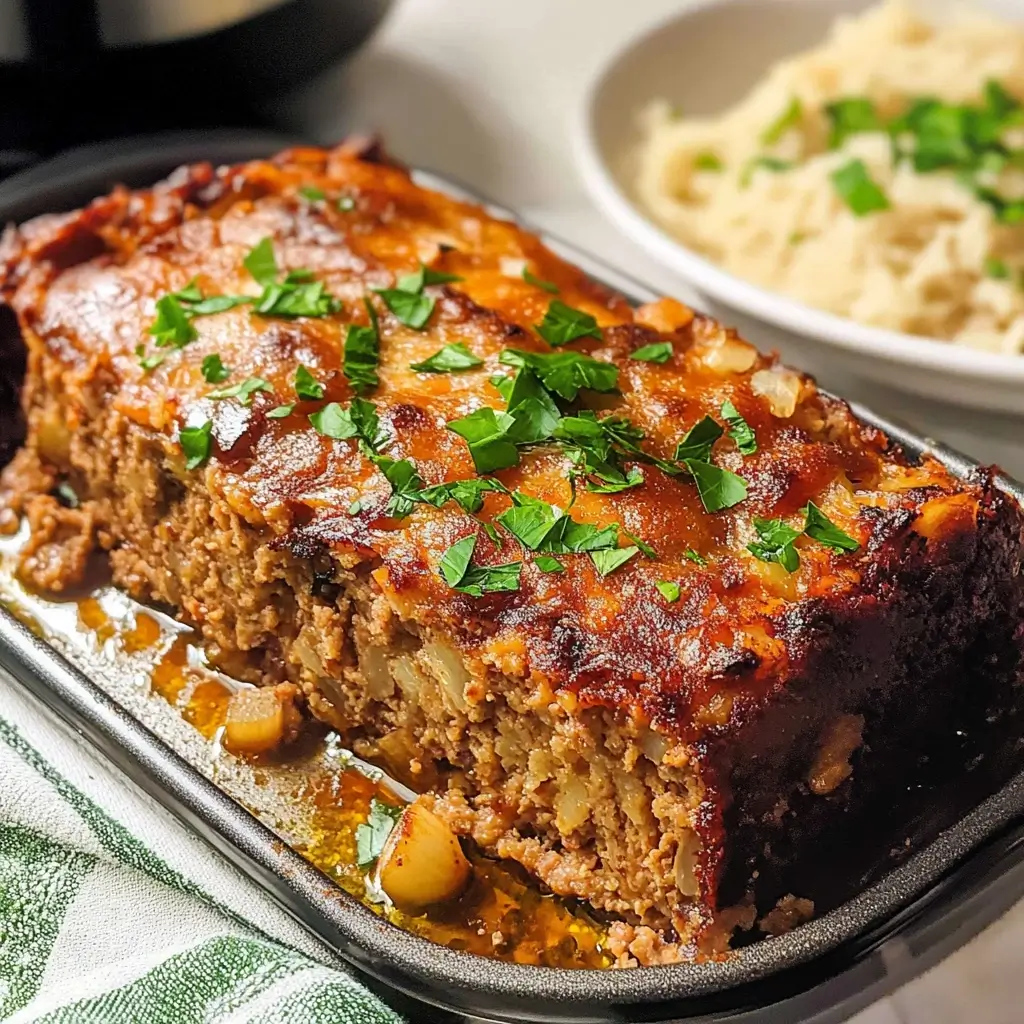
Honestly, I was skeptical. Vegan meatloaf? Could it really capture that comforting, savory, satisfying essence of the classic dish I grew up with? My family, notorious for their discerning palates (read: picky eaters), eyed the ingredients with suspicion. Lentils, mushrooms, walnuts… this wasn’t Grandma’s meatloaf. But let me tell you, the moment this beauty came out of the oven, glistening with that tangy-sweet glaze, the aroma alone started winning them over. The first bite? Silence. Followed by murmurs of “Wow,” “This is actually amazing,” and the ultimate compliment: “Can I have seconds?” This vegan meatloaf isn’t just a substitute; it’s a revelation. It’s moist, packed with incredible umami flavor, holds together beautifully, and has become a genuine comfort food staple in our home. It satisfies that deep craving for something hearty and familiar, proving that plant-based eating can be incredibly delicious and fulfilling. Forget dry, crumbly, or bland veggie loaves of the past – this recipe truly lives up to its name as the best.
Why This Vegan Meatloaf Recipe is Truly the Best
Calling a recipe “the best” is a bold claim, but this vegan meatloaf earns the title for several key reasons:
- Unbelievable Flavor: The combination of sautéed mushrooms, onions, garlic, savory herbs like thyme and sage, tamari (or soy sauce), nutritional yeast, and a hint of smoked paprika creates layers of complex, deeply satisfying umami flavor. It doesn’t try to taste exactly like beef; instead, it celebrates the rich flavors of its plant-based ingredients.
- Perfect Texture: This is where many vegan meatloaves falter. This recipe strikes the ideal balance. Cooked lentils and finely chopped walnuts provide a “meaty” chew, while rolled oats (or breadcrumbs) act as a binder, ensuring it’s moist but not mushy. It slices beautifully without crumbling into a pile of sadness. The key is the right ratio of wet-to-dry ingredients and not over-processing the mixture.
- Incredibly Moist: Dry vegan meatloaf is a tragedy. We combat this with several elements: the moisture from the sautéed vegetables, the richness of the walnuts, the binding power of the flax egg, and the essential, flavor-locking glaze brushed on top during baking.
- The Signature Glaze: No meatloaf is complete without that tangy, sweet, slightly caramelized glaze. This recipe features a classic ketchup-based glaze elevated with balsamic vinegar (or apple cider vinegar), maple syrup (or brown sugar), and a touch of Dijon mustard. It perfectly complements the savory loaf beneath.
- Wholesome & Satisfying: Packed with protein from lentils and walnuts, fiber from oats and vegetables, and essential nutrients, this is a meal you can feel good about serving. It’s hearty enough to satisfy even the biggest appetites.
- Surprisingly Easy: While there are a few steps, none are overly complicated. Sautéing the veggies, cooking the lentils (or using canned!), and mixing everything together is straightforward. The oven does most of the work.
- Crowd-Pleasing: As mentioned, this recipe has converted skeptics! It’s a fantastic option for family dinners, potlucks, or holidays when you need a show-stopping vegan main course that appeals to a wide range of tastes.
Key Ingredients and Their Roles
Understanding why certain ingredients are used can help you appreciate the recipe and even make informed substitutions if needed:
- Brown or Green Lentils: The backbone of the meatloaf. They provide a hearty, slightly crumbly texture when cooked and mashed lightly, mimicking ground meat surprisingly well. They’re also packed with protein and fiber. Avoid red lentils, as they become too mushy.
- Mushrooms (Cremini or Shiitake): The umami powerhouse! When finely chopped and sautéed, mushrooms release deep, savory flavors and add moisture and a tender bite.
- Walnuts: These provide richness, healthy fats, and a crucial textural element that prevents the loaf from becoming monotonous. Toasting them beforehand enhances their flavor. Pecans can also work. For a nut-free version, try sunflower seeds or pepitas (though the flavor profile will change slightly).
- Onion & Garlic: The essential aromatic base for almost any savory dish. Sautéing them until soft and translucent brings out their sweetness and depth.
- Rolled Oats (or Breadcrumbs): The binder. Oats absorb excess moisture and help hold the loaf together. Use certified gluten-free oats if needed. Panko or regular breadcrumbs work well too.
- Flax Egg: A vegan essential! Ground flaxseed mixed with water creates a gel-like consistency that mimics the binding properties of a traditional egg. Chia seeds can also be used (1 tablespoon chia seeds + 3 tablespoons water).
- Tamari (or Soy Sauce/Coconut Aminos): Adds saltiness and another layer of umami depth. Use tamari or coconut aminos for a gluten-free option.
- Nutritional Yeast: Provides a cheesy, nutty, savory flavor that enhances the overall richness. Don’t skip this if you can help it!
- Herbs (Thyme, Sage): Classic meatloaf seasonings. Dried herbs work perfectly here, offering that familiar, comforting aroma and taste. Rosemary or Italian seasoning blends are also good alternatives.
- Smoked Paprika: Adds a subtle smokiness that complements the savory notes beautifully.
- Tomato Paste: Concentrated tomato flavor that adds depth and a touch of acidity to the loaf base.
- Glaze Ingredients (Ketchup, Maple Syrup, Balsamic Vinegar, Dijon Mustard): This combination creates the perfect balance of sweet, tangy, and savory for the classic meatloaf topping.
Ingredients
Here’s what you’ll need to gather for this delicious vegan meatloaf:
For the Meatloaf:
- 1 tbsp Olive Oil (or vegetable broth for oil-free sautéing)
- 1 large Yellow Onion, finely chopped (about 1.5 cups)
- 3-4 cloves Garlic, minced
- 8 oz (225g) Cremini Mushrooms, finely chopped (or pulsed in a food processor)
- 1 cup (190g) cooked Brown or Green Lentils (from ~1/2 cup dry, or one 15-oz can, rinsed and drained)
- 1 cup (90g) Rolled Oats (use certified gluten-free if needed)
- 1 cup (120g) Walnuts, finely chopped or pulsed (toasting optional but recommended)
- 1/2 cup (60g) Plain Breadcrumbs (optional, can use more oats)
- 1 Flax Egg (1 tbsp ground flaxseed mixed with 3 tbsp water, let sit for 5 minutes)
- 1/4 cup (60ml) Vegetable Broth or Water
- 3 tbsp Tamari or Soy Sauce (use tamari or coconut aminos for gluten-free)
- 2 tbsp Tomato Paste
- 2 tbsp Nutritional Yeast
- 1 tsp Dried Thyme
- 1/2 tsp Dried Sage (or Rubbed Sage)
- 1/2 tsp Smoked Paprika
- 1/2 tsp Black Pepper
- 1/4 tsp Salt (adjust to taste, especially if using salted broth/tamari)
For the Glaze:
- 1/2 cup (120ml) Ketchup
- 2 tbsp Maple Syrup (or brown sugar)
- 1 tbsp Balsamic Vinegar (or apple cider vinegar)
- 1 tsp Dijon Mustard
Instructions
Follow these steps carefully for the best results:
- Prepare the Lentils (if needed): If using dry lentils, rinse ½ cup of brown or green lentils. Combine with 1.5 cups of water or vegetable broth in a saucepan. Bring to a boil, then reduce heat, cover, and simmer for 25-35 minutes, or until tender but not mushy. Drain any excess liquid very well. Let cool slightly. If using canned lentils, drain and rinse them thoroughly.
- Prepare the Flax Egg: In a small bowl, whisk together 1 tablespoon of ground flaxseed and 3 tablespoons of water. Set aside for at least 5 minutes to thicken into a gel.
- Sauté the Aromatics and Mushrooms: Heat the olive oil (or a splash of broth) in a large skillet or pot over medium heat. Add the finely chopped onion and cook for 5-7 minutes, stirring occasionally, until softened and translucent. Add the minced garlic and cook for another minute until fragrant.
- Cook the Mushrooms: Add the finely chopped mushrooms to the skillet. Cook, stirring occasionally, for 8-10 minutes. The mushrooms will initially release water; continue cooking until the water evaporates and the mushrooms are browned and significantly reduced in volume. This step is crucial for developing deep umami flavor.
- Combine Wet Base Ingredients: Stir the tomato paste, tamari (or soy sauce), dried thyme, dried sage, smoked paprika, black pepper, and salt into the mushroom mixture. Cook for 1-2 minutes, stirring constantly, to toast the spices and paste slightly. Remove from heat and let the mixture cool for a few minutes.
- Preheat Oven and Prepare Loaf Pan: Preheat your oven to 375°F (190°C). Lightly grease a standard 9×5 inch loaf pan or line it with parchment paper, leaving some overhang for easy removal.
- Process or Mash Lentils (Optional but Recommended): For a finer texture, you can lightly mash about half of the cooked lentils with a fork or pulse them a few times in a food processor. Be careful not to turn them into complete mush – you still want some texture.
- Combine All Loaf Ingredients: In a large mixing bowl, combine the cooked and slightly cooled mushroom/onion mixture, the cooked lentils (mashed and whole), rolled oats, chopped walnuts, breadcrumbs (if using), the prepared flax egg, vegetable broth (or water), and nutritional yeast.
- Mix Gently: Use a sturdy spoon or your hands (clean hands work best!) to mix everything together until just combined. Crucially, do not overmix. Overmixing can lead to a dense, tough loaf. Mix only until the ingredients are evenly distributed. The mixture should be moist but hold its shape when pressed together. If it seems too dry, add another tablespoon or two of vegetable broth or water. If it seems too wet, add a tablespoon more oats or breadcrumbs.
- Form the Loaf: Transfer the mixture to the prepared loaf pan. Press it down firmly and evenly into the pan, ensuring there are no large air pockets. Smooth the top with the back of a spoon or your hands.
- Prepare the Glaze: In a small bowl, whisk together the ketchup, maple syrup, balsamic vinegar, and Dijon mustard until smooth.
- First Bake: Place the loaf pan on a baking sheet (to catch any potential drips) and bake in the preheated oven for 30 minutes.
- Apply Glaze and Finish Baking: After 30 minutes, carefully remove the loaf pan from the oven. Spread about half of the glaze evenly over the top of the meatloaf. Return the pan to the oven and bake for another 20-30 minutes. Spread the remaining glaze over the top during the last 10 minutes of baking. The loaf is done when it’s firm to the touch, browned around the edges, and the glaze is bubbly and slightly caramelized. An internal thermometer should read around 190-200°F (88-93°C).
- Rest Before Slicing: This is a VERY IMPORTANT step! Let the vegan meatloaf rest in the loaf pan for at least 10-15 minutes before attempting to slice and serve. This allows the loaf to firm up further and helps it hold its shape when sliced. If you lined the pan with parchment paper, use the overhangs to carefully lift the loaf out onto a cutting board after resting.
- Serve: Slice thickly and serve hot.
Nutrition Facts
- Servings: 8 slices
- Calories per serving: Approximately 380-450 kcal (This is an estimate and can vary based on specific ingredients used, particularly the amount of oil and type/amount of nuts/breadcrumbs).
Disclaimer: Nutritional information is estimated using an online calculator. Actual values may vary.
Preparation Time
- Prep time: 30 minutes (includes chopping, sautéing, mixing)
- Cook time: 50-60 minutes
- Resting time: 10-15 minutes
- Total time: Approximately 1 hour 30 minutes – 1 hour 45 minutes
How to Serve
This vegan meatloaf is a fantastic centerpiece. Here are some classic and creative ways to serve it:
- The Classic Plate:
- Serve thick slices alongside creamy Vegan Mashed Potatoes.
- Drizzle with extra Vegan Gravy (mushroom gravy is especially good).
- Pair with a side of steamed or roasted green beans, peas, or broccoli.
- Comfort Food Deluxe:
- Accompany with Vegan Mac and Cheese for an ultimate comfort food experience.
- Serve with roasted root vegetables like carrots, parsnips, and sweet potatoes.
- Lighter Options:
- Serve over a bed of quinoa or brown rice.
- Pair with a large, fresh green salad with a tangy vinaigrette.
- Leftover Magic:
- Meatloaf Sandwiches: Slice cold meatloaf and serve on hearty bread (toasted or plain) with lettuce, tomato, onion, and extra ketchup or vegan mayo. This is arguably one of the best ways to enjoy leftovers!
- Crumble and Reuse: Crumble leftover meatloaf and use it in pasta sauces (like a vegan bolognese), tacos, or stuffed peppers.
- Breakfast Hash: Chop leftover meatloaf and fry it up with diced potatoes, onions, and peppers for a savory vegan breakfast hash.
Additional Tips for Success
- Don’t Skip Sautéing the Veggies: Taking the time to properly sauté the onions, garlic, and especially the mushrooms is non-negotiable for building deep flavor. Cooking out the moisture from the mushrooms concentrates their umami taste and prevents a watery loaf.
- Achieve the Right Texture (Don’t Over-Process!): Finely chop or pulse the mushrooms and walnuts, but don’t turn them into paste. Similarly, lightly mash some lentils but leave others whole. You want distinct textures within the loaf. Most importantly, do not overmix the final mixture in the bowl. Mix until just combined to avoid a dense result.
- Taste and Adjust Seasoning: Before adding the flax egg, taste a tiny bit of the cooked vegetable and lentil mixture (ensure lentils are fully cooked if tasting raw). Adjust salt, pepper, herbs, or tamari as needed. Remember the glaze will add sweetness and tang later.
- Let It Rest! (Seriously): We mentioned it in the instructions, but it bears repeating. Letting the meatloaf rest for 10-15 minutes after baking is crucial. It allows the internal structure to set, making it much easier to slice cleanly without falling apart. Be patient!
- Make-Ahead & Freezing: You can assemble the entire loaf in the pan (without the glaze) a day ahead, cover tightly, and refrigerate. Add about 10-15 minutes to the initial baking time. Leftovers store well in an airtight container in the refrigerator for 3-4 days. This meatloaf also freezes beautifully! Let it cool completely, then either freeze the whole loaf (well-wrapped) or individual slices separated by parchment paper in a freezer-safe container or bag for up to 3 months. Thaw overnight in the refrigerator before reheating.
Frequently Asked Questions (FAQ)
Q1: Can I make this vegan meatloaf gluten-free?
A1: Absolutely! It’s very easy to make this recipe gluten-free. Simply use certified gluten-free rolled oats instead of regular ones, ensure your breadcrumbs (if using) are gluten-free (or omit them and use slightly more GF oats), and use Tamari or Coconut Aminos instead of regular soy sauce. Always double-check that your other packaged ingredients (like vegetable broth and nutritional yeast) are certified gluten-free if you have celiac disease or severe sensitivity.
Q2: Can I make this recipe nut-free?
A2: Yes, you can make it nut-free. Replace the 1 cup of walnuts with 1 cup of raw sunflower seeds or pepitas (green pumpkin seeds). Toasting them lightly beforehand can enhance their flavor, similar to the walnuts. The overall taste and texture profile will be slightly different, but still delicious and hearty. You could also potentially use more cooked lentils or add finely chopped cooked vegetables like carrots or celery for bulk, though seeds provide the best textural substitute for nuts here.
Q3: My vegan meatloaf sometimes falls apart. How can I prevent this?
A3: There are a few common culprits for a crumbly loaf:
* Not enough binder: Ensure you’re using the correct amounts of rolled oats/breadcrumbs and the flax egg. Let the flax egg thicken properly.
* Too much moisture: Make sure you cook the liquid out of the mushrooms completely and drain the lentils very well. Excess liquid prevents proper binding.
* Not packed firmly: Press the mixture firmly into the loaf pan to eliminate air pockets and help it hold together.
* Not resting enough: This is crucial! Letting the loaf rest for 10-15 minutes after baking allows it to set and firm up significantly. Slicing it too hot will almost guarantee crumbling.
* Over-processing: While counterintuitive, turning the ingredients into mush in a food processor can sometimes hinder binding compared to having some varied texture.
Q4: What makes this meatloaf “meaty” without meat?
A4: The “meaty” quality comes from a combination of factors:
* Texture: Cooked brown or green lentils provide a satisfying, slightly crumbly base. Finely chopped walnuts add chewiness and richness. The oats/breadcrumbs provide structure.
* Umami Flavor: Mushrooms are naturally rich in umami, the savory “fifth taste.” Sautéing them intensifies this. Tamari/soy sauce and tomato paste also contribute significant savory depth. Nutritional yeast adds a cheesy/nutty savoriness.
* Aromatic Base: The classic combination of onion, garlic, thyme, and sage evokes traditional meatloaf flavors. Smoked paprika adds a hint of smokiness often associated with cooked meats.
* Moisture & Fat: The sautéed vegetables, walnuts (healthy fats), and the glaze ensure the loaf isn’t dry, contributing to a satisfying mouthfeel.
Q5: Can I prepare parts of this recipe in advance?
A5: Yes, absolutely! To save time on the day of baking:
* Cook the lentils: Cook the lentils up to 3 days ahead and store them in an airtight container in the fridge.
* Sauté the vegetable base: Chop and sauté the onions, garlic, and mushrooms as directed. Cool completely and store in an airtight container in the fridge for up to 2 days.
* Chop the nuts: Chop or pulse the walnuts and store them in an airtight container at room temperature.
* Assemble the loaf: As mentioned in the tips, you can fully assemble the loaf (without glaze) in the pan, cover tightly, and refrigerate for up to 24 hours before baking (add extra baking time).
* Make the glaze: Whisk the glaze ingredients together and store in an airtight container in the fridge for several days.
The Best Vegan Meatloaf Recipe
Ingredients
For the Meatloaf:
- 1 tbsp Olive Oil (or vegetable broth for oil-free sautéing)
- 1 large Yellow Onion, finely chopped (about 1.5 cups)
- 3–4 cloves Garlic, minced
- 8 oz (225g) Cremini Mushrooms, finely chopped (or pulsed in a food processor)
- 1 cup (190g) cooked Brown or Green Lentils (from ~1/2 cup dry, or one 15-oz can, rinsed and drained)
- 1 cup (90g) Rolled Oats (use certified gluten-free if needed)
- 1 cup (120g) Walnuts, finely chopped or pulsed (toasting optional but recommended)
- 1/2 cup (60g) Plain Breadcrumbs (optional, can use more oats)
- 1 Flax Egg (1 tbsp ground flaxseed mixed with 3 tbsp water, let sit for 5 minutes)
- 1/4 cup (60ml) Vegetable Broth or Water
- 3 tbsp Tamari or Soy Sauce (use tamari or coconut aminos for gluten-free)
- 2 tbsp Tomato Paste
- 2 tbsp Nutritional Yeast
- 1 tsp Dried Thyme
- 1/2 tsp Dried Sage (or Rubbed Sage)
- 1/2 tsp Smoked Paprika
- 1/2 tsp Black Pepper
- 1/4 tsp Salt (adjust to taste, especially if using salted broth/tamari)
For the Glaze:
- 1/2 cup (120ml) Ketchup
- 2 tbsp Maple Syrup (or brown sugar)
- 1 tbsp Balsamic Vinegar (or apple cider vinegar)
- 1 tsp Dijon Mustard
Instructions
- Prepare the Lentils (if needed): If using dry lentils, rinse ½ cup of brown or green lentils. Combine with 1.5 cups of water or vegetable broth in a saucepan. Bring to a boil, then reduce heat, cover, and simmer for 25-35 minutes, or until tender but not mushy. Drain any excess liquid very well. Let cool slightly. If using canned lentils, drain and rinse them thoroughly.
- Prepare the Flax Egg: In a small bowl, whisk together 1 tablespoon of ground flaxseed and 3 tablespoons of water. Set aside for at least 5 minutes to thicken into a gel.
- Sauté the Aromatics and Mushrooms: Heat the olive oil (or a splash of broth) in a large skillet or pot over medium heat. Add the finely chopped onion and cook for 5-7 minutes, stirring occasionally, until softened and translucent. Add the minced garlic and cook for another minute until fragrant.
- Cook the Mushrooms: Add the finely chopped mushrooms to the skillet. Cook, stirring occasionally, for 8-10 minutes. The mushrooms will initially release water; continue cooking until the water evaporates and the mushrooms are browned and significantly reduced in volume. This step is crucial for developing deep umami flavor.
- Combine Wet Base Ingredients: Stir the tomato paste, tamari (or soy sauce), dried thyme, dried sage, smoked paprika, black pepper, and salt into the mushroom mixture. Cook for 1-2 minutes, stirring constantly, to toast the spices and paste slightly. Remove from heat and let the mixture cool for a few minutes.
- Preheat Oven and Prepare Loaf Pan: Preheat your oven to 375°F (190°C). Lightly grease a standard 9×5 inch loaf pan or line it with parchment paper, leaving some overhang for easy removal.
- Process or Mash Lentils (Optional but Recommended): For a finer texture, you can lightly mash about half of the cooked lentils with a fork or pulse them a few times in a food processor. Be careful not to turn them into complete mush – you still want some texture.
- Combine All Loaf Ingredients: In a large mixing bowl, combine the cooked and slightly cooled mushroom/onion mixture, the cooked lentils (mashed and whole), rolled oats, chopped walnuts, breadcrumbs (if using), the prepared flax egg, vegetable broth (or water), and nutritional yeast.
- Mix Gently: Use a sturdy spoon or your hands (clean hands work best!) to mix everything together until just combined. Crucially, do not overmix. Overmixing can lead to a dense, tough loaf. Mix only until the ingredients are evenly distributed. The mixture should be moist but hold its shape when pressed together. If it seems too dry, add another tablespoon or two of vegetable broth or water. If it seems too wet, add a tablespoon more oats or breadcrumbs.
- Form the Loaf: Transfer the mixture to the prepared loaf pan. Press it down firmly and evenly into the pan, ensuring there are no large air pockets. Smooth the top with the back of a spoon or your hands.
- Prepare the Glaze: In a small bowl, whisk together the ketchup, maple syrup, balsamic vinegar, and Dijon mustard until smooth.
- First Bake: Place the loaf pan on a baking sheet (to catch any potential drips) and bake in the preheated oven for 30 minutes.
- Apply Glaze and Finish Baking: After 30 minutes, carefully remove the loaf pan from the oven. Spread about half of the glaze evenly over the top of the meatloaf. Return the pan to the oven and bake for another 20-30 minutes. Spread the remaining glaze over the top during the last 10 minutes of baking. The loaf is done when it’s firm to the touch, browned around the edges, and the glaze is bubbly and slightly caramelized. An internal thermometer should read around 190-200°F (88-93°C).
- Rest Before Slicing: This is a VERY IMPORTANT step! Let the vegan meatloaf rest in the loaf pan for at least 10-15 minutes before attempting to slice and serve. This allows the loaf to firm up further and helps it hold its shape when sliced. If you lined the pan with parchment paper, use the overhangs to carefully lift the loaf out onto a cutting board after resting.
- Serve: Slice thickly and serve hot.
Nutrition
- Serving Size: One Normal Portion
- Calories: 380-450