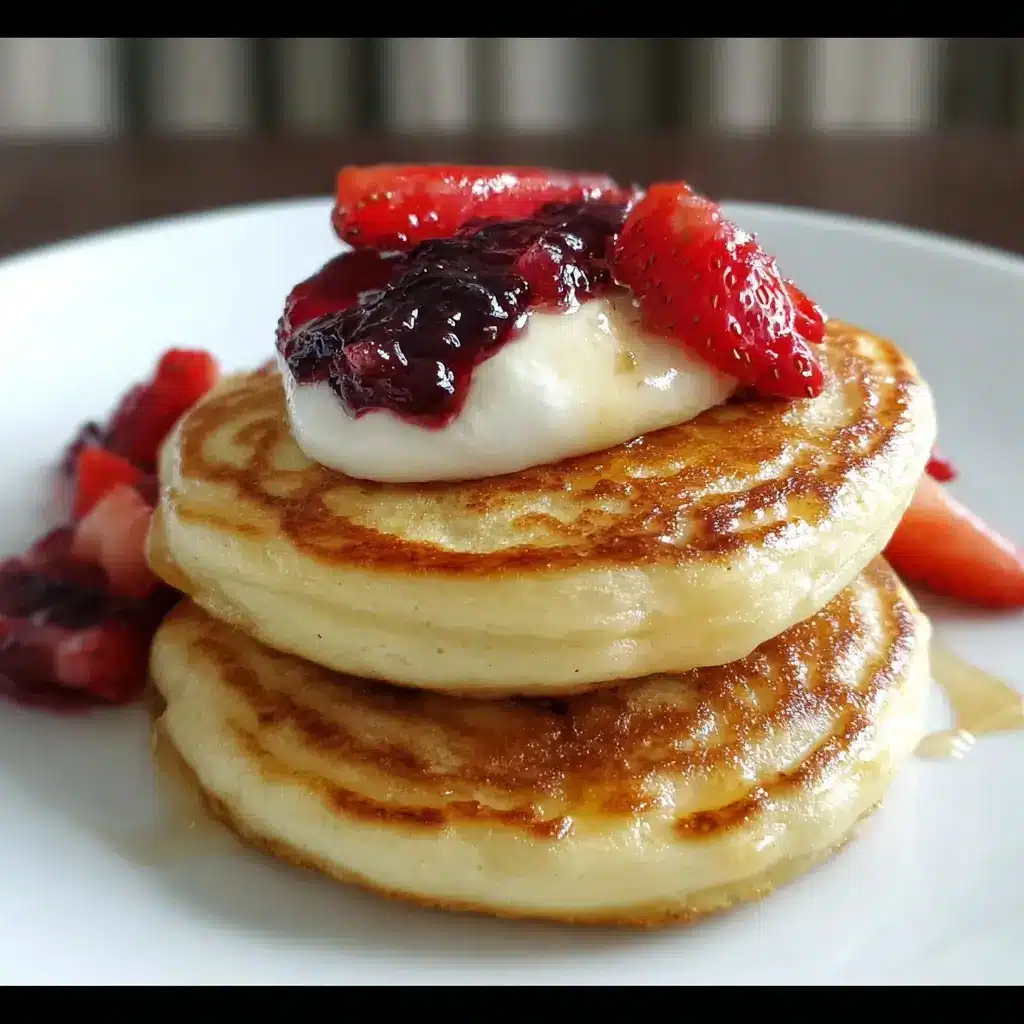
Our weekend mornings used to be a culinary battlefield. I’d try to make something healthy, the kids would demand something fun, and my husband just wanted something filling. The result was often a compromise that left no one truly satisfied. That all changed the day I decided to use up a bottle of plain kefir that was lingering in the fridge. I remembered my grandmother saying that anything sour, like buttermilk, makes for a tender bake. On a whim, I swapped it into my standard pancake recipe, and the result was nothing short of a breakfast revelation. The pancakes puffed up on the griddle like little golden clouds, far thicker and fluffier than any I’d made before. They had a subtle, pleasant tang that balanced the sweetness of the maple syrup perfectly. The best part? The whole family devoured them. They are now our non-negotiable Saturday morning tradition, a recipe that finally ticks every box: wholesome, delicious, and adored by all.
Why Kefir is the Secret Ingredient for Perfect Pancakes
Before we dive into the recipe itself, it’s worth understanding what makes kefir such a powerhouse ingredient in this context. It’s not just a random substitution for milk or buttermilk; it brings unique properties to the table that elevate your pancake game from good to unforgettable.
The Science of Fluff: Acidity and Leavening
The primary reason kefir creates such incredibly light and fluffy pancakes is its acidity. Kefir is a fermented milk drink, and this fermentation process produces lactic acid, giving it its characteristic tangy flavor. When this acid comes into contact with a leavening agent like baking soda (an alkali), a chemical reaction occurs. This reaction releases carbon dioxide gas. In your pancake batter, these tiny gas bubbles get trapped, forcing the batter to expand upwards as it cooks. This creates a beautiful lift and a tender, airy crumb that you just can’t achieve with regular milk. While buttermilk works on a similar principle, many find that the complex fermentation of kefir provides an even more robust and reliable lift.
A Boost of Flavor and Tenderness
Beyond the texture, kefir adds a wonderful depth of flavor. It’s a subtle, complex tang that is less sharp than buttermilk and more nuanced. It cuts through the richness of the eggs and butter and beautifully complements sweet toppings like maple syrup or fruit compote. This tangy note makes the pancakes taste less one-dimensionally sweet and more like a gourmet breakfast dish. Furthermore, the acidity in kefir works to break down the gluten proteins in the flour. This process, known as tenderizing, results in a pancake that is never tough or rubbery, even if you accidentally overmix the batter slightly. It ensures a melt-in-your-mouth texture every single time.
The Unbeatable Health Benefits
This is where kefir pancakes truly shine and live up to their “wholesome” name. Kefir is celebrated as a functional food, primarily for its high concentration of probiotics.
- Probiotic Powerhouse: Kefir contains dozens of strains of beneficial bacteria and yeast. These live microorganisms can help balance the microbiome in your gut, which is linked to improved digestion, reduced inflammation, and a stronger immune system. Starting your day with a probiotic-rich meal is a fantastic way to support your overall wellness.
- Nutrient-Dense: Kefir is rich in essential nutrients, including calcium for bone health, vitamin B12 for energy, magnesium, and high-quality protein. By incorporating it into your pancakes, you’re adding a significant nutritional boost to a breakfast classic.
- Improved Digestibility: The fermentation process in kefir pre-digests the lactose (milk sugar). This means that even some individuals with lactose intolerance find they can consume kefir without the digestive discomfort they experience with regular milk.
By using kefir, you’re not just making a tastier pancake; you’re making a smarter, healthier pancake that nourishes your body from the inside out.
The Ultimate Thick and Wholesome Kefir Pancakes Recipe
This recipe has been tested and tweaked to perfection to guarantee thick, fluffy, and flavorful pancakes every single time. It’s straightforward enough for a weekday treat but special enough for a celebratory brunch.
Ingredients
- 2 cups (250g) All-Purpose Flour (or a 50/50 mix with whole wheat for extra fiber)
- 2 tablespoons (25g) Granulated Sugar (or substitute with coconut sugar or maple syrup)
- 2 teaspoons Baking Powder
- 1 teaspoon Baking Soda
- ½ teaspoon Fine Sea Salt
- 2 large Eggs, preferably room temperature
- 2 cups (480ml) Plain, Unsweetened Kefir (full-fat will yield the richest results)
- 2 tablespoons Unsalted Butter, melted and slightly cooled, plus more for the griddle
- 1 teaspoon Vanilla Extract (optional, but recommended)
- ½ teaspoon Cinnamon (optional, for a warming spice note)
Step-by-Step Instructions
- Combine Dry Ingredients: In a large mixing bowl, add the flour, granulated sugar, baking powder, baking soda, and salt. Use a whisk to thoroughly combine everything. This step is crucial as it ensures the leavening agents are evenly distributed, which is key for a uniform rise.
- Combine Wet Ingredients: In a separate medium-sized bowl, crack the two large eggs. Whisk them lightly until the yolks and whites are just combined. Pour in the plain kefir, the melted and cooled butter, and the vanilla extract (if using). Whisk these wet ingredients together until they are smooth and homogenous.
- Marry the Wet and Dry: Pour the entire mixture of wet ingredients into the large bowl with the dry ingredients.
- Mix Gently (The Golden Rule): Using a spatula or a wooden spoon, gently fold the ingredients together until they are just combined. The batter should be thick and noticeably lumpy. Do not overmix! A few lumps of flour are perfectly fine and are the secret to a tender pancake. Overmixing develops the gluten in the flour, which will result in tough, rubbery pancakes.
- Let the Batter Rest: This is a non-negotiable step for maximum fluffiness. Cover the bowl with a clean kitchen towel and let the batter rest on the counter for at least 10-15 minutes. This allows the flour to fully hydrate and gives the baking soda and kefir acid time to start their magical carbon dioxide-producing reaction. You may even see a few bubbles forming on the surface.
- Preheat Your Griddle: Place a non-stick skillet or a cast-iron griddle over medium heat. You want the surface to be hot enough to make a drop of water sizzle and dance, but not so hot that it burns the butter. A consistent medium heat is perfect.
- Cook the Pancakes: Add about a teaspoon of butter to the hot griddle and swirl it around to coat the surface. Using a ¼ cup measure, scoop the thick batter onto the griddle, leaving a few inches between each pancake for them to spread.
- Watch for Bubbles: Cook for about 2-3 minutes on the first side. You’ll know it’s ready to flip when the edges look set and bubbles start to appear on the surface and pop.
- Flip and Finish: Using a thin, wide spatula, confidently flip the pancakes. Cook on the second side for another 1-2 minutes, or until golden brown and cooked through.
- Serve and Repeat: Transfer the cooked pancakes to a plate and keep them warm in a low-temperature oven (around 200°F or 90°C) while you repeat the process with the remaining batter, adding a little more butter to the griddle for each batch.
Nutrition Facts
- Servings: This recipe makes approximately 12-14 medium-sized pancakes.
- Servings Size: 3 pancakes
- Calories per serving (approximate): 380-420 kcal. (This is an estimate and can vary based on the specific type of kefir, flour, and toppings used).
Preparation Time
- Prep Time: 10 minutes
- Resting Time: 15 minutes
- Cook Time: 20 minutes
- Total Time: 45 minutes
How to Serve Your Kefir Pancakes for the Perfect Breakfast
The beauty of a pancake is its versatility as a canvas for a multitude of toppings. Depending on your mood and what you have in the pantry, you can dress these kefir pancakes up to be a simple staple, a health-conscious powerhouse, or a decadent treat.
The Classic and Comforting
For a timeless presentation that never fails to satisfy:
- A generous pat of high-quality salted butter, allowed to melt into the warm pancakes.
- A liberal drizzle of pure maple syrup.
- A light dusting of powdered sugar for a final flourish.
Healthy and Wholesome Toppings
To lean into the “wholesome” aspect and add even more nutritional value:
- Fresh Berries: A vibrant medley of blueberries, raspberries, and sliced strawberries adds antioxidants, fiber, and natural sweetness.
- Greek Yogurt or More Kefir: A dollop of plain Greek yogurt or a drizzle of kefir adds extra protein and probiotics.
- Nuts and Seeds: Toasted pecans, walnuts, or almonds provide a satisfying crunch and healthy fats. A sprinkle of chia seeds, flax seeds, or hemp hearts adds omega-3s and fiber.
- Sliced Bananas and Cinnamon: A naturally sweet combination that is both comforting and energy-boosting.
Decadent and Indulgent Toppings
For a special occasion brunch or when you simply deserve a treat:
- Chocolate: A handful of semi-sweet chocolate chips stirred into the batter or a rich chocolate or hazelnut sauce drizzled on top.
- Whipped Cream: Freshly whipped heavy cream (or a coconut cream alternative) makes for a luxurious topping.
- Fruit Compote or Caramel Sauce: A warm berry compote, a spiced apple topping, or a drizzle of salted caramel sauce can turn these pancakes into a dessert-worthy dish.
Surprising Savory Serving Suggestions
Don’t limit yourself to sweet! The tangy profile of these kefir pancakes makes them a fantastic base for savory combinations:
- Top with a perfectly fried egg, a slice of sharp cheddar cheese, and some crispy bacon or sausage.
- Serve alongside smoked salmon, a dollop of crème fraîche, and fresh dill.
- Smear with avocado and a sprinkle of everything bagel seasoning.
Pro Tips for Perfect Kefir Pancakes Every Time
After making hundreds of these pancakes, I’ve learned a few key tricks that make a noticeable difference.
- Embrace the Lumps (Seriously, Don’t Overmix!): This is the most common mistake in pancake making. When you mix flour with liquid, gluten starts to form. A little gluten gives structure, but too much makes pancakes chewy and tough. Mix only until the flour streaks disappear. Your batter should look rustic and lumpy, not like a smooth cake batter. Trust the process.
- The Power of the Rest: Do not skip the 15-minute resting period. This time is critical for two reasons. First, it allows the gluten that you did develop to relax, leading to a more tender pancake. Second, and more importantly, it gives the baking soda and kefir acid a head start on their leavening reaction, creating more bubbles and ensuring a taller, fluffier result.
- Master Your Heat Management: Inconsistent griddle temperature leads to inconsistent pancakes. Too low, and they won’t puff up properly and can become greasy. Too high, and the outside will burn before the inside is cooked. The sweet spot is medium heat. Test it by flicking a tiny drop of water onto the surface; it should sizzle and evaporate quickly. Adjust the heat as you go, as griddles can get hotter with each batch.
- Use Full-Fat Kefir for Richness: While any plain kefir will work, using a full-fat version will yield a richer flavor and a more tender, moist pancake. The extra fat content contributes to a more satisfying mouthfeel and a beautiful golden-brown color.
- Make-Ahead and Freezing Strategy: These pancakes freeze beautifully, making them a perfect solution for busy weekday mornings. Cook the entire batch, let them cool completely on a wire rack, and then stack them with a small piece of parchment paper between each pancake. Place the stack in a freezer-safe zip-top bag. To reheat, you can pop them in the toaster (our family’s favorite method), microwave them for 30-60 seconds, or warm them in a single layer on a baking sheet in the oven.
Customizing Your Kefir Pancakes: Fun Variations to Try
Once you’ve mastered the base recipe, feel free to get creative. This batter is incredibly forgiving and serves as a wonderful starting point for experimentation.
Whole Wheat Kefir Pancakes
For a nuttier flavor and a boost of fiber, replace up to half of the all-purpose flour with whole wheat flour. For example, use 1 cup of all-purpose and 1 cup of whole wheat. The result will be a slightly denser but equally delicious and more rustic pancake.
Gluten-Free Kefir Pancakes
To make this recipe gluten-free, substitute the all-purpose flour with your favorite 1-to-1 gluten-free baking blend (one that contains xanthan gum). Follow the recipe as written. The texture will be slightly different, often a bit more delicate, but the kefir will still provide that signature tang and a good amount of lift.
Adding Fun Mix-Ins
Gently fold in your favorite additions to the batter just before you let it rest. Be careful not to overmix.
- Berries: ¾ cup of fresh or frozen (don’t thaw) blueberries.
- Chocolate Chips: ¾ cup of semi-sweet or dark chocolate chips.
- Spiced Apple: ½ cup of finely diced apple and an extra ½ teaspoon of cinnamon.
- Lemon Poppy Seed: Add the zest of one lemon and 1 tablespoon of poppy seeds to the batter for a bright, fresh flavor.
Frequently Asked Questions about Kefir Pancakes
1. Can I use flavored kefir instead of plain?
You can, but proceed with caution. Vanilla-flavored kefir can be a delicious substitution. However, fruit-flavored kefirs contain a lot of extra sugar, which can cause the pancakes to burn more easily on the griddle and may make the final product overly sweet. If you do use a sweetened, flavored kefir, consider reducing or eliminating the 2 tablespoons of sugar called for in the recipe.
2. My pancakes came out flat, not thick and fluffy. What did I do wrong?
There are a few likely culprits. The most common is overmixing the batter, which deflates the air bubbles and develops too much gluten. The second is skipping the 15-minute resting time, which is crucial for the leavening to activate. Lastly, check the freshness of your baking powder and baking soda. If they are old, they will have lost their potency. To test them, put a little baking soda in vinegar and a little baking powder in hot water; if they don’t fizz vigorously, it’s time to replace them.
3. I don’t have kefir. Can I use buttermilk instead?
Absolutely! Buttermilk is an excellent substitute and works on the same acidic principle. You can swap it in at a 1:1 ratio (2 cups of buttermilk for 2 cups of kefir). The flavor will be slightly different—a cleaner, sharper tang compared to the more complex, yeasty flavor of kefir—but the pancakes will still be wonderfully thick and fluffy.
4. What if I don’t have kefir or buttermilk? Is there another substitute?
Yes, you can make a quick “clabbered milk” substitute. For every 1 cup of regular milk (whole or 2% works best), stir in 1 tablespoon of either lemon juice or white vinegar. Let it sit for 5-10 minutes. It will curdle and thicken slightly. This will create the acidity needed to react with the baking soda. So, for this recipe, you would use 2 cups of milk mixed with 2 tablespoons of lemon juice or vinegar.
5. How do I store leftover batter?
While it’s best to cook all the batter at once, you can store leftovers. Place the batter in an airtight container in the refrigerator for up to 2 days. Be aware that the leavening power will diminish over time, so the pancakes made on day two might not be quite as tall and fluffy as the first batch, but they will still be delicious. Give the batter a very gentle stir before using it.
Thick and Wholesome Kefir Pancakes Recipe
Ingredients
- 2 cups (250g) All-Purpose Flour (or a 50/50 mix with whole wheat for extra fiber)
- 2 tablespoons (25g) Granulated Sugar (or substitute with coconut sugar or maple syrup)
- 2 teaspoons Baking Powder
- 1 teaspoon Baking Soda
- ½ teaspoon Fine Sea Salt
- 2 large Eggs, preferably room temperature
- 2 cups (480ml) Plain, Unsweetened Kefir (full-fat will yield the richest results)
- 2 tablespoons Unsalted Butter, melted and slightly cooled, plus more for the griddle
- 1 teaspoon Vanilla Extract (optional, but recommended)
- ½ teaspoon Cinnamon (optional, for a warming spice note)
Instructions
- Combine Dry Ingredients: In a large mixing bowl, add the flour, granulated sugar, baking powder, baking soda, and salt. Use a whisk to thoroughly combine everything. This step is crucial as it ensures the leavening agents are evenly distributed, which is key for a uniform rise.
- Combine Wet Ingredients: In a separate medium-sized bowl, crack the two large eggs. Whisk them lightly until the yolks and whites are just combined. Pour in the plain kefir, the melted and cooled butter, and the vanilla extract (if using). Whisk these wet ingredients together until they are smooth and homogenous.
- Marry the Wet and Dry: Pour the entire mixture of wet ingredients into the large bowl with the dry ingredients.
- Mix Gently (The Golden Rule): Using a spatula or a wooden spoon, gently fold the ingredients together until they are just combined. The batter should be thick and noticeably lumpy. Do not overmix! A few lumps of flour are perfectly fine and are the secret to a tender pancake. Overmixing develops the gluten in the flour, which will result in tough, rubbery pancakes.
- Let the Batter Rest: This is a non-negotiable step for maximum fluffiness. Cover the bowl with a clean kitchen towel and let the batter rest on the counter for at least 10-15 minutes. This allows the flour to fully hydrate and gives the baking soda and kefir acid time to start their magical carbon dioxide-producing reaction. You may even see a few bubbles forming on the surface.
- Preheat Your Griddle: Place a non-stick skillet or a cast-iron griddle over medium heat. You want the surface to be hot enough to make a drop of water sizzle and dance, but not so hot that it burns the butter. A consistent medium heat is perfect.
- Cook the Pancakes: Add about a teaspoon of butter to the hot griddle and swirl it around to coat the surface. Using a ¼ cup measure, scoop the thick batter onto the griddle, leaving a few inches between each pancake for them to spread.
- Watch for Bubbles: Cook for about 2-3 minutes on the first side. You’ll know it’s ready to flip when the edges look set and bubbles start to appear on the surface and pop.
- Flip and Finish: Using a thin, wide spatula, confidently flip the pancakes. Cook on the second side for another 1-2 minutes, or until golden brown and cooked through.
- Serve and Repeat: Transfer the cooked pancakes to a plate and keep them warm in a low-temperature oven (around 200°F or 90°C) while you repeat the process with the remaining batter, adding a little more butter to the griddle for each batch.
Nutrition
- Serving Size: One Normal Portion
- Calories: 380-420