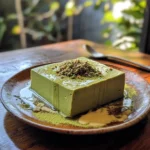


This Tofu-Miso Stew isn’t just a recipe in our household; it’s a warm hug in a bowl, a culinary ritual that brings a sense of calm and nourishment, especially on those chilly evenings or when we’re craving something deeply satisfying yet wonderfully light. The first time I made it, I was astonished by how such simple ingredients could meld into a broth so rich in umami and complexity. My partner, initially a miso soup skeptic, was instantly converted by the heartiness the tofu and vegetables added, transforming it from a mere appetizer to a fulfilling meal. Even the kids, who can be picky, are drawn to the gentle flavors and the fun of slurping up the noodles (when we add them!). It’s become our go-to for a quick, healthy, and incredibly comforting weeknight dinner. The subtle sweetness of the mirin, the savory depth of the miso, and the earthy notes from the mushrooms create a symphony of flavors that feels both ancient and incredibly modern. It’s a testament to the beauty of Japanese cuisine – simplicity elevated to an art form.
Tofu-Miso Stew: A Comprehensive Guide to Your New Favorite Comfort Food
Miso stew, or Miso Nikomi Udon when noodles are involved, is a beloved staple in Japanese cuisine. This particular version, focusing on tofu as the star protein, offers a plant-based powerhouse of flavor and nutrition. It’s versatile, easy to adapt, and delivers a profound sense of well-being with every spoonful. Get ready to embark on a culinary journey that will warm your soul and delight your taste buds.
Complete Recipe: Hearty Tofu-Miso Stew
This recipe provides a balanced and flavorful base. Feel free to adjust vegetables based on seasonality and preference.
Yields: 4 servings
Prep time: 20 minutes
Cook time: 25-30 minutes
Ingredients:
- 1 block (14-16 ounces / 400-450g) firm or extra-firm tofu, pressed and cubed
- 1 tablespoon sesame oil (toasted or regular)
- 1 tablespoon vegetable oil (or other neutral oil)
- 1 medium yellow onion, thinly sliced
- 2 cloves garlic, minced
- 1-inch piece of ginger, grated
- 8 ounces (225g) mixed mushrooms (e.g., shiitake, cremini, oyster, enoki), sliced or torn
- 1 large carrot, peeled and thinly sliced diagonally
- 4-5 cups (1 – 1.2 liters) dashi stock (kombu dashi for vegan/vegetarian, or traditional bonito dashi)
- 1/4 cup (60ml) soy sauce or tamari (for gluten-free)
- 2 tablespoons mirin
- 1/4 to 1/2 cup (60-120g) miso paste (white/shiro for milder, red/aka for stronger, or a mix – adjust to taste)
- 2 cups packed leafy greens (e.g., spinach, bok choy, napa cabbage), roughly chopped
- 2-3 scallions (green onions), thinly sliced, for garnish
- (Optional) 1 sheet of nori, toasted and crumbled, for garnish
- (Optional) Togarashi or red pepper flakes, for a touch of heat
Instructions: Crafting Your Perfect Tofu-Miso Stew
Follow these steps carefully to achieve a harmonious and delicious stew.
- Prepare the Tofu: If you haven’t already, press your tofu for at least 15-20 minutes to remove excess water. This helps it absorb flavors better and achieve a firmer texture. Cut the pressed tofu into 1-inch cubes.
- Pro-Tip: For extra flavor and texture, you can lightly pan-fry the tofu cubes in a separate skillet with a teaspoon of sesame oil until golden brown on all sides. Set aside. This step is optional but recommended.
- Sauté Aromatics & Mushrooms: In a large pot or Dutch oven, heat the sesame oil and vegetable oil over medium heat. Add the sliced onion and cook until softened and translucent, about 5-7 minutes.
- Add the minced garlic and grated ginger, and cook for another minute until fragrant, stirring constantly to prevent burning.
- Add the mixed mushrooms to the pot. Cook, stirring occasionally, until they release their liquid and start to brown, about 5-8 minutes. This develops their umami flavor.
- Build the Broth Base: Add the sliced carrots to the pot and stir for a minute. Pour in the dashi stock, soy sauce (or tamari), and mirin. Bring the mixture to a gentle simmer. Be careful not to bring it to a rolling boil.
- Cook the Vegetables: Once simmering, add the cubed tofu (if not pre-fried) to the pot. Let it simmer gently for 10-15 minutes, allowing the tofu to absorb the flavors and the carrots to become tender-crisp.
- Incorporate the Miso (The Crucial Step!): This is the most important step for preserving miso’s delicate flavors and probiotic benefits. Reduce the heat to low, so the stew is no longer simmering. In a small bowl, ladle out about 1/2 cup of the warm broth from the pot. Add the miso paste to this bowl and whisk until it’s completely dissolved and smooth. This creates a “miso slurry.”
- Why this way? Boiling miso can destroy its beneficial enzymes and alter its flavor profile, often making it taste bitter or less nuanced.
- Finish the Stew: Pour the miso slurry back into the pot. Stir gently to incorporate it throughout the stew. Do not let the stew boil after adding the miso.
- Add the chopped leafy greens (spinach, bok choy, or napa cabbage). Stir them in and let them wilt in the residual heat of the stew, which should only take 1-2 minutes.
- Taste and Adjust: Taste the broth. If it needs more saltiness or umami, you can dissolve a little more miso paste in some warm broth and add it, or add a splash more soy sauce. If it’s too salty, a tiny bit more mirin or a squeeze of lemon juice can help balance it.
- Serve: Ladle the hot Tofu-Miso Stew into bowls. Garnish generously with sliced scallions and optional toasted nori crumbles or a sprinkle of togarashi for heat.
Understanding Your Key Ingredients: The Stars of the Stew
To truly master Tofu-Miso Stew, it’s helpful to understand the role and characteristics of its main components.
The Magic of Miso Paste
Miso is a traditional Japanese seasoning produced by fermenting soybeans with salt and kōji (a fungus, Aspergillus oryzae), and sometimes rice, barley, seaweed, or other ingredients. The fermentation process can range from a few weeks to several years, deeply impacting the flavor, color, and texture.
- Types of Miso:
- Shiro Miso (White Miso): Fermented for a shorter period, made with a higher proportion of rice kōji. It’s light in color (yellow to light beige), sweet, and mild. Excellent for delicate soups, dressings, and marinades for fish.
- Shinshu Miso (Yellow Miso): A common type, slightly stronger than white miso but still relatively mild. It’s versatile and works well in many dishes.
- Aka Miso (Red Miso): Fermented for a longer period, often with a higher proportion of soybeans and sometimes barley or other grains. It’s darker (red to dark brown), saltier, and has a much more robust, pungent, and deeply umami flavor. Best for hearty stews, rich marinades, and glazes.
- Awase Miso (Mixed Miso): A blend of two or more types, often red and white, offering a balanced flavor profile. This is a great all-purpose choice.
- Health Benefits: Miso is a living food, rich in probiotics (beneficial gut bacteria), enzymes, antioxidants, and essential minerals. It’s known for aiding digestion and boosting the immune system.
- Choosing and Storing: Look for unpasteurized miso for maximum health benefits, usually found in the refrigerated section of Asian markets or health food stores. Store it in an airtight container in the refrigerator, where it can last for many months, even up to a year.
Tofu: The Versatile Protein
Tofu, or bean curd, is made from soybeans. It’s a fantastic source of plant-based protein, iron, and calcium.
- Types of Tofu:
- Silken Tofu: Very soft and custard-like. Best for blending into smoothies, sauces, or enjoyed in delicate dishes like Agedashi Tofu. Not ideal for this stew as it will fall apart.
- Firm Tofu: Holds its shape well, good for stir-fries, baking, and stews where you want distinct pieces. This is a good choice for this recipe.
- Extra-Firm Tofu: The densest type, holds its shape exceptionally well. Ideal for pan-frying, grilling, and this stew if you prefer a chewier texture.
- Pressing Tofu: Most water-packed tofu (firm and extra-firm) benefits from pressing. This removes excess water, allowing the tofu to absorb marinades and flavors more effectively and achieve a better texture when cooked (less mushy, more firm or crispy if fried). You can use a tofu press or simply wrap the tofu block in paper towels or a clean kitchen towel and place something heavy on top (like a cast iron skillet or a few heavy books) for 20-30 minutes.
- Flavoring Tofu: Tofu itself is quite bland, which is its strength! It acts like a sponge, soaking up the flavors of whatever it’s cooked with.
Dashi: The Umami Foundation
Dashi is the fundamental Japanese soup stock that forms the base of countless dishes, including miso soup. Its clean, savory, umami-rich flavor is what makes Japanese cuisine so distinctive.
- Traditional Dashi: Typically made with kombu (dried kelp) and katsuobushi (dried, fermented, and smoked bonito fish flakes).
- Vegetarian/Vegan Dashi:
- Kombu Dashi: Made solely from kombu. Soak a piece of kombu in cold water for several hours or overnight, or gently heat it in water until just before it boils, then remove the kombu.
- Shiitake Dashi: Made from dried shiitake mushrooms. Soak dried shiitake mushrooms in hot or cold water until rehydrated. The soaking liquid becomes a deeply flavorful, earthy dashi. The rehydrated mushrooms can then be sliced and used in the stew.
- Kombu-Shiitake Dashi: A combination of both for an even more complex vegan dashi.
- Instant Dashi Powder: A convenient option, available in both traditional (with bonito) and vegetarian (kombu or shiitake-based) versions. Simply dissolve the powder in hot water according to package directions. While not as nuanced as homemade, it’s a great time-saver.
Nutrition Facts (Approximate)
- Servings: 4
- Calories per serving: Approximately 300-380 calories (This can vary significantly based on the exact amount of oil, type of miso, and specific vegetables used. Adding noodles would increase this.)
Disclaimer: Nutritional information is an estimate and can vary based on specific ingredients, brands, and portion sizes.
Preparation and Cook Time
- Total Preparation Time: 20 minutes (includes pressing tofu and chopping vegetables)
- Cook Time: 25-30 minutes
- Total Time: Approximately 45-50 minutes
How to Serve Your Tofu-Miso Stew
Elevate your Tofu-Miso Stew experience with these serving suggestions:
- Classic Bowl: Serve hot in deep Japanese-style bowls.
- With Rice:
- A side of steamed short-grain Japanese rice is a perfect accompaniment to soak up the delicious broth.
- With Noodles:
- Udon Noodles: Add cooked udon noodles directly to the stew during the last few minutes of cooking (before adding leafy greens and miso) or serve the stew over a bowl of freshly cooked udon.
- Soba Noodles: Similarly, cooked soba (buckwheat) noodles can be added or served alongside.
- Ramen Noodles: For a ramen-inspired twist, serve over cooked ramen noodles.
- Garnishes are Key:
- Scallions (Green Onions): Thinly sliced, they add freshness and a mild oniony bite.
- Toasted Nori: Crumble or cut into thin strips (kizami nori) for a savory, oceanic flavor and interesting texture.
- Toasted Sesame Seeds: Add a nutty crunch.
- Togarashi (Japanese Seven Spice Blend): A sprinkle adds a complex heat and aroma.
- Fresh Herbs: A few sprigs of cilantro or mitsuba (Japanese parsley) can add a fresh, herbaceous note.
- Side Dishes (Okazu):
- Tsukemono (Japanese Pickles): Pickled ginger (gari), pickled daikon (takuan), or pickled cucumbers offer a refreshing contrast.
- Simple Green Salad: With a light ginger or sesame dressing.
- Edamame: Steamed and lightly salted.
Additional Tips for Tofu-Miso Stew Perfection
- Don’t Boil the Miso: This is the golden rule. Adding miso to boiling liquid can diminish its flavor and kill its beneficial probiotic bacteria. Always dissolve it in a little warm broth off the heat and stir it in at the very end.
- Layer Your Flavors: Sautéing the aromatics (onion, garlic, ginger) and browning the mushrooms properly before adding liquid builds a deep flavor base. Don’t rush this step.
- Customize Your Vegetables: This stew is incredibly adaptable. Feel free to add or substitute vegetables based on what’s in season or what you have on hand. Some great additions include:
- Daikon radish (peeled and thinly sliced, add with carrots)
- Bok choy (separate stems and leaves; add stems earlier, leaves at the end)
- Napa cabbage (add towards the end)
- Sugar snap peas or snow peas (add at the very end for crunch)
- Sweet potatoes or kabocha squash (cubed and simmered until tender)
- Press Your Tofu Properly: For the best texture, especially if you’re not pan-frying it separately, pressing the tofu is key. It prevents it from becoming watery in the stew and helps it absorb more of the broth’s delicious flavors.
- Taste and Adjust Seasoning at the End: The saltiness of miso pastes can vary greatly by brand and type. Always taste the stew after adding the miso and adjust if necessary. You might need a touch more miso for depth, a little soy sauce for saltiness, or even a tiny splash of rice vinegar or lemon juice to brighten the flavors if it tastes flat.
Frequently Asked Questions (FAQ) about Tofu-Miso Stew
Q1: Can I make this Tofu-Miso Stew vegan?
A1: Absolutely! This recipe is easily made vegan. The key is to use a vegan dashi. Opt for kombu dashi (made from kelp), shiitake dashi (made from dried shiitake mushrooms), or a combination of both. Ensure all other ingredients, like miso paste, are also vegan (most are, but it’s good to check labels).
Q2: What’s the best type of miso to use for this stew?
A2: This depends on your preference!
- White Miso (Shiro Miso): Will give a milder, slightly sweeter stew. Great if you’re new to miso or prefer a lighter flavor.
- Red Miso (Aka Miso): Will result in a much richer, saltier, and more umami-intense stew.
- Awase Miso (Mixed Miso): Offers a good balance.
I often like to use a combination of white and a little red miso (or awase) to get both delicacy and depth. Start with less if using red miso, as its flavor is potent.
Q3: How can I store and reheat leftover Tofu-Miso Stew?
A3: Store leftover stew in an airtight container in the refrigerator for up to 3-4 days. To reheat, gently warm it on the stovetop over low to medium-low heat. Avoid boiling it, especially vigorously, to preserve the miso’s flavor and beneficial properties. You may find the flavor deepens overnight. If the stew has noodles, they might absorb a lot of liquid, so you may need to add a splash more dashi or water when reheating.
Q4: Can I add other proteins besides tofu?
A4: While this recipe focuses on tofu, you certainly can adapt it. For a non-vegetarian version, thinly sliced chicken or pork could be simmered in the broth until cooked through. Cooked shrimp or white fish (added towards the end as they cook quickly) would also be delicious. For other plant-based options, consider adding tempeh (cubed and pan-fried) or edamame.
Q5: My stew tastes a bit bland. How can I fix it?
A5: Several things can boost the flavor:
- More Miso: The most obvious fix. Dissolve a bit more miso in warm broth and stir it in.
- Soy Sauce/Tamari: A splash can increase saltiness and umami.
- Mirin: If it lacks a touch of sweetness or complexity, a little more mirin can help.
- Umami Boosters: A dash of mushroom seasoning (if you have it), a tiny bit of nutritional yeast for a cheesy note, or even a drop or two of sesame oil can enhance the flavor.
- Acidity: A tiny squeeze of lemon juice or a dash of rice vinegar right before serving can brighten all the flavors.
- Aromatics: Ensure you sautéed your onions, garlic, and ginger sufficiently to develop their base flavors. Next time, consider adding more.
- Dashi Quality: A flavorful dashi is crucial. If using instant, make sure it’s a good quality one.
This Tofu-Miso Stew is more than just a meal; it’s an experience. It’s a journey into the heart of Japanese comfort cooking, adaptable to your pantry and your palate. Enjoy the process of making it, and savor every nourishing, flavorful spoonful!
Print
Tofu-Miso Stew Recipe
Ingredients
- 1 block (14-16 ounces / 400-450g) firm or extra-firm tofu, pressed and cubed
- 1 tablespoon sesame oil (toasted or regular)
- 1 tablespoon vegetable oil (or other neutral oil)
- 1 medium yellow onion, thinly sliced
- 2 cloves garlic, minced
- 1-inch piece of ginger, grated
- 8 ounces (225g) mixed mushrooms (e.g., shiitake, cremini, oyster, enoki), sliced or torn
- 1 large carrot, peeled and thinly sliced diagonally
- 4–5 cups (1 – 1.2 liters) dashi stock (kombu dashi for vegan/vegetarian, or traditional bonito dashi)
- 1/4 cup (60ml) soy sauce or tamari (for gluten-free)
- 2 tablespoons mirin
- 1/4 to 1/2 cup (60-120g) miso paste (white/shiro for milder, red/aka for stronger, or a mix – adjust to taste)
- 2 cups packed leafy greens (e.g., spinach, bok choy, napa cabbage), roughly chopped
- 2–3 scallions (green onions), thinly sliced, for garnish
- (Optional) 1 sheet of nori, toasted and crumbled, for garnish
- (Optional) Togarashi or red pepper flakes, for a touch of heat
Instructions
- Prepare the Tofu: If you haven’t already, press your tofu for at least 15-20 minutes to remove excess water. This helps it absorb flavors better and achieve a firmer texture. Cut the pressed tofu into 1-inch cubes.
- Pro-Tip: For extra flavor and texture, you can lightly pan-fry the tofu cubes in a separate skillet with a teaspoon of sesame oil until golden brown on all sides. Set aside. This step is optional but recommended.
- Sauté Aromatics & Mushrooms: In a large pot or Dutch oven, heat the sesame oil and vegetable oil over medium heat. Add the sliced onion and cook until softened and translucent, about 5-7 minutes.
- Add the minced garlic and grated ginger, and cook for another minute until fragrant, stirring constantly to prevent burning.
- Add the mixed mushrooms to the pot. Cook, stirring occasionally, until they release their liquid and start to brown, about 5-8 minutes. This develops their umami flavor.
- Build the Broth Base: Add the sliced carrots to the pot and stir for a minute. Pour in the dashi stock, soy sauce (or tamari), and mirin. Bring the mixture to a gentle simmer. Be careful not to bring it to a rolling boil.
- Cook the Vegetables: Once simmering, add the cubed tofu (if not pre-fried) to the pot. Let it simmer gently for 10-15 minutes, allowing the tofu to absorb the flavors and the carrots to become tender-crisp.
- Incorporate the Miso (The Crucial Step!): This is the most important step for preserving miso’s delicate flavors and probiotic benefits. Reduce the heat to low, so the stew is no longer simmering. In a small bowl, ladle out about 1/2 cup of the warm broth from the pot. Add the miso paste to this bowl and whisk until it’s completely dissolved and smooth. This creates a “miso slurry.”
- Why this way? Boiling miso can destroy its beneficial enzymes and alter its flavor profile, often making it taste bitter or less nuanced.
- Finish the Stew: Pour the miso slurry back into the pot. Stir gently to incorporate it throughout the stew. Do not let the stew boil after adding the miso.
- Add the chopped leafy greens (spinach, bok choy, or napa cabbage). Stir them in and let them wilt in the residual heat of the stew, which should only take 1-2 minutes.
- Taste and Adjust: Taste the broth. If it needs more saltiness or umami, you can dissolve a little more miso paste in some warm broth and add it, or add a splash more soy sauce. If it’s too salty, a tiny bit more mirin or a squeeze of lemon juice can help balance it.
- Serve: Ladle the hot Tofu-Miso Stew into bowls. Garnish generously with sliced scallions and optional toasted nori crumbles or a sprinkle of togarashi for heat.
Nutrition
- Serving Size: One Normal Portion
- Calories: 300-380