
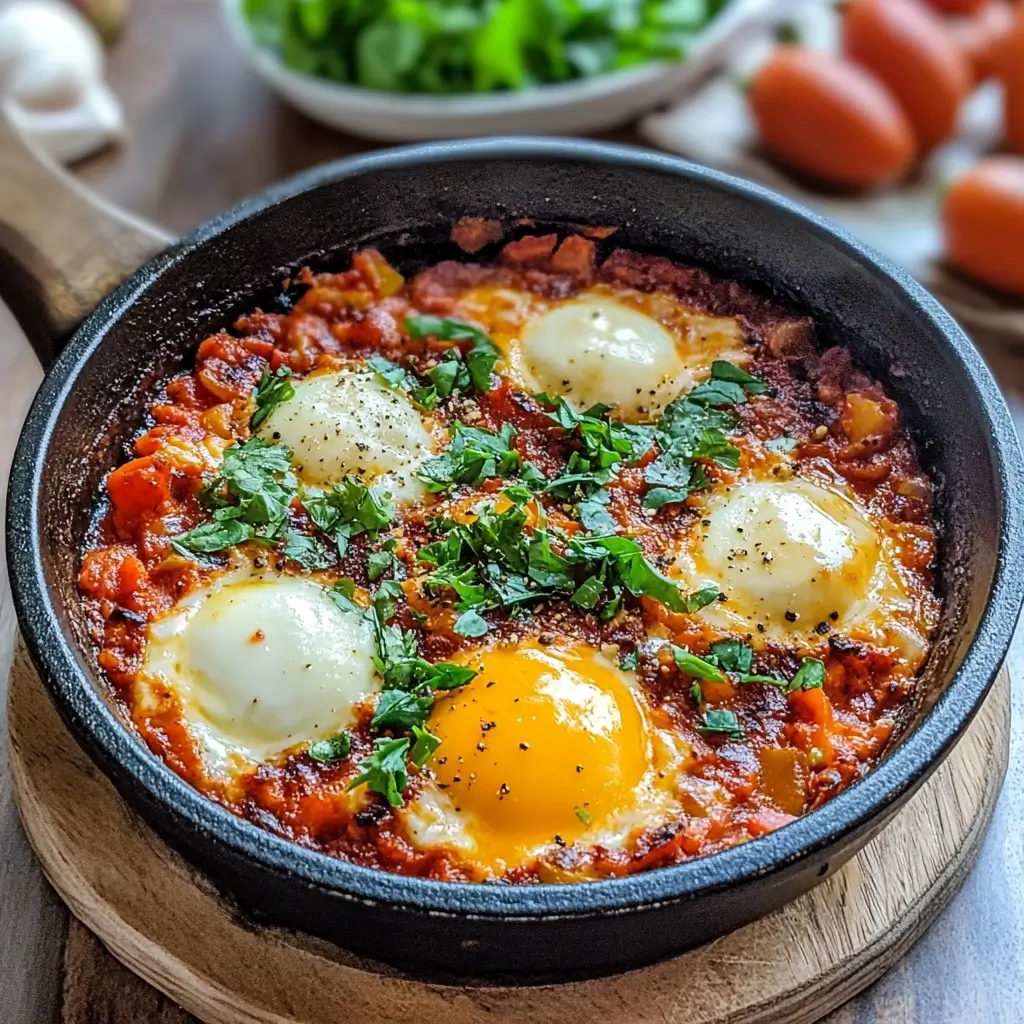

This Turkish Shakshuka, or Menemen as it’s affectionately known in Turkey, has become an absolute staple in our household. The first time I made it, the vibrant colours and the incredible aroma filling my kitchen were enough to win me over, even before the first bite. My family, initially curious about this “eggy tomato dish,” were instantly converted. The kids love dipping crusty bread into the rich, savoury tomato and pepper sauce, fishing out perfectly cooked eggs with runny yolks. It’s our go-to for lazy weekend brunches, a quick and satisfying weeknight dinner, and even when we have guests over – it’s always a crowd-pleaser. The simplicity of the ingredients, combined with the depth of flavour, makes it a culinary masterpiece that feels both exotic and comforting. It’s more than just a recipe; it’s an experience, a warm hug in a pan that brings everyone to the table with smiles.
What is Turkish Shakshuka (Menemen)?
Turkish Shakshuka, more commonly known in Turkey as “Menemen,” is a traditional and beloved Turkish dish primarily made with eggs, tomatoes, green peppers, and onions, seasoned with spices like paprika, oregano, and red pepper flakes (pul biber). Unlike its North African cousin, which often features a spicier tomato sauce with poached eggs, Menemen typically involves scrambling the eggs lightly into the tomato and pepper mixture, resulting in a softer, more integrated consistency, though variations with whole, just-set yolks are also popular.
The dish is named after the town of Menemen in İzmir Province, Aegean Turkey, where it is said to have originated. It’s a quintessential Turkish breakfast or brunch item, often served communally directly from the pan, accompanied by copious amounts of fresh Turkish bread (ekmek) for dipping. The beauty of Menemen lies in its rustic simplicity, its versatility, and the way it showcases fresh, seasonal ingredients. It’s a one-pan wonder that is both incredibly flavorful and remarkably easy to prepare, making it a favorite across Turkey and increasingly, around the world. Some variations include cheese (like feta or kaşar), sucuk (spicy Turkish sausage), or different types of peppers, but the core remains the delightful harmony of gently cooked eggs in a flavourful tomato and pepper base.
Why You’ll Adore This Easy Turkish Shakshuka Recipe
There are countless reasons why this Easy Turkish Shakshuka (Menemen) recipe will quickly become a favorite in your culinary repertoire:
- Incredibly Flavorful: The combination of sweet tomatoes, slightly charred peppers, savoury onions, and aromatic spices creates a symphony of tastes that is both complex and comforting. The richness of the eggs ties everything together beautifully.
- Quick and Easy to Make: Despite its impressive flavour profile, Menemen is surprisingly simple and fast to prepare. From chopping board to table, it can be ready in under 30 minutes, making it perfect for busy mornings or quick dinners.
- One-Pan Wonder: Fewer dishes to wash? Yes, please! This entire meal is cooked in a single skillet, minimizing cleanup and maximizing convenience.
- Healthy and Nutritious: Packed with vegetables and protein-rich eggs, this dish is a wholesome and satisfying meal. It’s naturally vegetarian and can easily be adapted for various dietary needs.
- Highly Versatile and Customizable: While this recipe provides a classic base, Menemen is wonderfully adaptable. You can adjust the spice levels, add different vegetables (like spinach or mushrooms), incorporate cheese (feta is fantastic!), or even add some sucuk (Turkish sausage) for a meatier version.
- Perfect for Any Meal: Though traditionally a breakfast or brunch dish in Turkey, Menemen is so satisfying that it makes an excellent light lunch or a quick, comforting dinner.
- Budget-Friendly: The core ingredients – eggs, tomatoes, onions, peppers – are generally inexpensive and readily available, making this a cost-effective yet delicious meal option.
- Crowd-Pleaser: Whether you’re cooking for your family or hosting a brunch, Menemen is almost universally loved. Its vibrant appearance and delicious taste are sure to impress.
- Authentic Turkish Experience: This recipe brings the heart of Turkish home cooking into your kitchen, allowing you to enjoy an authentic taste of Turkey without needing a plane ticket.
- Great for Using Up Produce: Have some tomatoes or peppers that need using? Menemen is the perfect vehicle for them, transforming simple produce into a star dish.
Ingredients for Turkish Shakshuka (Menemen)
This recipe serves 3-4 people and aims for a classic, flavourful Menemen.
- Olive Oil: 2-3 tablespoons (extra virgin preferred for flavour)
- Onion: 1 medium, finely chopped (about 1 cup)
- Green Peppers: 2 medium, Turkish green peppers (sivri biber) or 1 large green bell pepper, deseeded and chopped. If using sivri biber, you might want 3-4 depending on size.
- Red Bell Pepper: 1/2 large, deseeded and chopped (optional, for colour and sweetness)
- Garlic: 2-3 cloves, minced (optional, but adds depth)
- Tomatoes:
- 4-5 large ripe tomatoes (about 600-700g), peeled and finely chopped (see tips for easy peeling). Alternatively, use:
- 1 can (14.5 oz / 400g) crushed or diced good-quality tomatoes, undrained.
- Spices:
- Paprika: 1 teaspoon (sweet or smoked)
- Pul Biber (Aleppo Pepper Flakes): 1/2 – 1 teaspoon, or to taste (adjust for desired heat). Can substitute with regular red pepper flakes, but use less.
- Dried Oregano: 1/2 teaspoon
- Salt: 1/2 teaspoon, or to taste
- Black Pepper: 1/4 teaspoon, or to taste
- Eggs: 4-6 large, free-range if possible
- Fresh Parsley: 2-3 tablespoons, chopped (for garnish)
- Feta Cheese: Crumbled, for garnish (optional, but highly recommended)
A Note on Peppers:
Traditional Turkish Menemen often uses “sivri biber” (long, light green, mildly spicy peppers) or “Çarliston biber” (similar to Anaheim or Poblano). If you can find these, they add a more authentic flavour. If not, green bell peppers are a good substitute. Adding red bell pepper introduces a lovely sweetness and colour.
Step-by-Step Instructions
Follow these simple steps to create your delicious Turkish Shakshuka:
- Prepare the Vegetables:
- Finely chop the onion.
- Deseed and chop the green peppers (and red bell pepper, if using) into small, bite-sized pieces.
- Mince the garlic cloves.
- If using fresh tomatoes: Score an ‘X’ on the bottom of each tomato. Blanch them in boiling water for 30-60 seconds, then transfer to an ice bath. The skins should peel off easily. Chop the peeled tomatoes finely. (Alternatively, you can grate large tomatoes on the coarse side of a box grater, discarding the skin).
- Sauté the Aromatics:
- Heat the olive oil in a large skillet or pan (a 10-12 inch cast iron or non-stick skillet works well) over medium heat.
- Add the chopped onion and sauté for 5-7 minutes, until softened and translucent, stirring occasionally.
- Add the chopped green peppers (and red bell pepper, if using) to the skillet. Cook for another 5-8 minutes, stirring occasionally, until the peppers are softened and slightly charred.
- Stir in the minced garlic (if using) and cook for another minute until fragrant, being careful not to burn it.
- Build the Tomato Base:
- Add the chopped fresh tomatoes (or canned crushed/diced tomatoes) to the skillet.
- Stir in the paprika, pul biber (Aleppo pepper flakes), dried oregano, salt, and black pepper. Mix well to combine all the ingredients.
- Bring the mixture to a gentle simmer. Reduce the heat to medium-low, cover the pan (optional, helps tomatoes break down), and let it cook for 10-15 minutes. Stir occasionally. The sauce should thicken slightly, and the flavours will meld. If it looks too dry, you can add a tablespoon or two of water. Taste and adjust seasoning if necessary.
- Add the Eggs:
- Once the tomato and pepper mixture has thickened to your liking, you have two main options for adding the eggs:
- Option 1 (Classic Menemen – Slightly Scrambled): Crack the eggs directly into the tomato mixture. Using a spoon or spatula, gently break the yolks and lightly swirl them into the whites and the tomato sauce. Don’t overmix; you want streaks of white and yolk visible.
- Option 2 (Shakshuka-style – Whole Yolks): Use the back of a spoon to make small wells in the tomato mixture for each egg. Crack an egg into each well.
- Season the eggs lightly with a pinch of salt and pepper.
- Once the tomato and pepper mixture has thickened to your liking, you have two main options for adding the eggs:
- Cook the Eggs:
- Cover the skillet with a lid and cook on low heat for 3-7 minutes, or until the egg whites are set but the yolks are still runny (or cooked to your desired doneness). Keep a close eye on them to avoid overcooking. For runnier yolks, aim for the shorter cooking time.
- Garnish and Serve:
- Once the eggs are cooked to your liking, remove the skillet from the heat.
- Sprinkle generously with freshly chopped parsley and crumbled feta cheese (if using).
- Serve immediately, directly from the pan.
Nutrition Facts
- Servings: 3-4
- Calories per serving (approximate): 250-350 kcal
Please note: The nutritional information is an estimate and can vary significantly based on the exact ingredients used (e.g., amount of oil, type and quantity of cheese, size of eggs) and portion sizes. This estimate assumes 4 servings and includes a moderate amount of feta cheese.
For a more precise calculation, you can use an online nutrition calculator with your specific ingredient measurements.
This dish is a good source of protein, Vitamin A, Vitamin C, and lycopene (from tomatoes).
Preparation Time
- Prep Time: 15-20 minutes (includes chopping vegetables and peeling tomatoes if using fresh)
- Cook Time: 20-25 minutes
- Total Time: Approximately 35-45 minutes
This timing makes Turkish Shakshuka (Menemen) an excellent choice for a hearty breakfast, a quick brunch, or even a light and satisfying dinner. The majority of the “active” time is in the initial chopping, after which the dish simmers and cooks with minimal intervention.
How to Serve Turkish Shakshuka (Menemen)
Serving Menemen is part of its charm – it’s often a communal, rustic affair. Here’s how to best enjoy it:
- Directly from the Pan:
- The most traditional and appealing way to serve Menemen is straight from the skillet it was cooked in. Place the hot pan in the center of the table (on a trivet, of course!) and let everyone dig in.
- With Crusty Bread (Essential!):
- Turkish Bread (Ekmek/Pide): The absolute best companion. Its fluffy interior and slightly chewy crust are perfect for soaking up the flavourful tomato sauce and runny egg yolks.
- Sourdough Bread: Thick slices of toasted sourdough offer a tangy contrast.
- Baguette: Sliced baguette, fresh or lightly toasted, works wonderfully.
- Whole Wheat Bread: A healthier, hearty option.
- The act of “banmak” (dipping bread into the sauce) is integral to the Menemen experience.
- Garnishes Galore:
- Fresh Herbs: Beyond the parsley in the recipe, consider:
- Fresh dill
- Fresh mint
- Chopped chives or spring onions
- Extra Cheese:
- More crumbled feta on the side.
- Grated Kaşar cheese (a Turkish semi-hard cheese) can be sprinkled over during the last few minutes of cooking to melt.
- A dollop of labneh or thick Greek yogurt.
- Spice it Up:
- A small bowl of extra pul biber (Aleppo pepper flakes) or red pepper flakes for those who like more heat.
- A drizzle of good quality chili oil.
- Fresh Herbs: Beyond the parsley in the recipe, consider:
- Side Dishes:
- Olives: A bowl of Turkish olives (Kalamata or green).
- Fresh Vegetables: Sliced cucumbers and tomatoes for a refreshing contrast.
- Pickles: Turkish pickles (turşu) add a tangy kick.
- Simple Green Salad: A light salad with a lemon-olive oil vinaigrette can round out the meal if serving for lunch or dinner.
- Drinks:
- Turkish Tea (Çay): The classic accompaniment for a Turkish breakfast.
- Ayran: A savoury yogurt drink, very refreshing.
- Freshly squeezed orange juice.
Serving Etiquette (Informal):
Everyone typically uses their own fork and pieces of bread to scoop directly from the communal pan. It’s a wonderfully social and interactive way to enjoy a meal.
Additional Tips for the Perfect Menemen
- Use the Best Quality Tomatoes: The flavour of your Menemen heavily relies on the tomatoes.
- Fresh Ripe Tomatoes: In summer, use juicy, ripe, in-season tomatoes. Roma tomatoes or other fleshy varieties work well as they have fewer seeds and less water content. Peeling them (by blanching or grating) results in a smoother sauce.
- Canned Tomatoes: If good fresh tomatoes aren’t available, high-quality canned crushed or diced tomatoes (like San Marzano) are an excellent substitute. They provide consistent flavour and texture year-round.
- Don’t rush the tomato cooking: Allow the tomatoes to simmer and break down properly, concentrating their flavour and creating a rich base before adding the eggs.
- Don’t Overcook the Eggs: This is crucial for the best texture.
- Runny Yolks: For many, the joy of Menemen is dipping bread into a perfectly runny yolk that mingles with the tomato sauce. Cook just until the whites are set but the yolks are still liquid.
- Gentle Heat: Once eggs are added, reduce heat to low and cover the pan. This allows the eggs to cook gently from the steam and ambient heat.
- Carry-over Cooking: Remember that eggs will continue to cook slightly from the residual heat in the pan even after you remove it from the stove.
- Master Your Spice Balance (Pul Biber is Key):
- Pul Biber (Aleppo Pepper): This is the star spice for authentic Turkish flavour. It has a mild, fruity heat and a beautiful deep red colour. Adjust the amount to your preference.
- Other Spices: Paprika adds sweetness and colour (smoked paprika adds a lovely depth), and oregano brings a classic Mediterranean aroma. Freshly ground black pepper is always a good idea.
- Taste and Adjust: Always taste the tomato base before adding the eggs and adjust seasonings as needed.
- Choose Your Peppers Wisely:
- Authentic Turkish Peppers: If you can find Turkish sivri biber (long, light green, mildly hot) or Çarliston peppers (similar to Anaheim), they will lend the most authentic taste.
- Bell Peppers: Green bell peppers are a common substitute. You can also add red, yellow, or orange bell peppers for extra sweetness and colour.
- Sauté Properly: Ensure peppers are well-softened before adding tomatoes; their flavour mellows and sweetens with proper cooking.
- Consider the Pan:
- Wide Skillet: A wide skillet (10-12 inches) provides enough surface area for the tomato mixture to cook down properly and for the eggs to have their own space.
- Material: Cast iron skillets retain heat wonderfully and cook evenly, contributing to a nice char on the peppers. Heavy-bottomed stainless steel or good quality non-stick pans also work well.
- Serving: A pan that’s presentable enough to go from stove to table (like cast iron or a nice ceramic-coated pan) enhances the rustic, communal experience.
Frequently Asked Questions (FAQ)
Q1: What is the main difference between Turkish Shakshuka (Menemen) and North African/Middle Eastern Shakshuka?
A: While both are delicious egg dishes cooked in a tomato-pepper sauce, the primary difference lies in the egg preparation and often the spice profile.
- Menemen (Turkish): The eggs are typically stirred or lightly scrambled into the tomato mixture as they cook, resulting in a softer, more integrated consistency. Sometimes, whole eggs are used, but the overall feel is often less structured than Shakshuka. The spice profile is generally milder, focusing on pul biber, oregano, and paprika.
- Shakshuka (North African/Middle Eastern): Eggs are usually poached whole in wells made in a often spicier tomato and pepper sauce (which might include spices like cumin, coriander, harissa). The yolks are typically left intact and runny.
Q2: Can I make Menemen vegan?
A: Yes, absolutely! To make a vegan Menemen:
- Egg Substitute: Instead of eggs, you can crumble firm or extra-firm tofu into the sauce during the last 5-7 minutes of cooking. Season the tofu well. Alternatively, a chickpea flour scramble (besan chilla style) mixed in can also work. Some people also enjoy it simply as a rich tomato and pepper stew without any egg substitute, focusing on the vegetable base with good bread.
- Cheese: Omit feta or use a vegan feta alternative.
- Ensure all other ingredients are plant-based.
Q3: How do I store and reheat leftover Menemen?
A:
- Storage: Allow the Menemen to cool completely, then transfer it to an airtight container. Store in the refrigerator for up to 2-3 days.
- Reheating:
- Stovetop (Recommended): Gently reheat in a skillet over low to medium-low heat until warmed through. You might want to add a splash of water if it seems too thick. Be careful not to overcook the eggs further.
- Microwave: Reheat in short intervals, stirring gently, until warm. Note that microwaving can sometimes alter the texture of the eggs, making them a bit rubbery if overdone.
- It’s best enjoyed fresh, but leftovers are still tasty.
Q4: Can I use canned tomatoes instead of fresh ones?
A: Yes, high-quality canned tomatoes are an excellent substitute, especially when good fresh tomatoes are out of season.
- Types: Use one 14.5 oz (400g) can of crushed tomatoes for a smoother sauce, or diced tomatoes for a chunkier texture. Some even use tomato passata (purée).
- Quality Matters: Opt for reputable brands, as the tomato flavour is central to the dish. San Marzano tomatoes are often recommended.
- No peeling or extensive chopping is needed, which saves prep time.
Q5: What kind of peppers are traditionally used, and what are good substitutes?
A:
- Traditional Turkish Peppers:
- Sivri Biber: These are long, slender, light green peppers that can range from mild to moderately spicy. They are a very common choice.
- Çarliston Biber (Charleston Pepper): Similar in appearance to Anaheim peppers, these are also light green and typically mild.
- Good Substitutes:
- Anaheim Peppers: A great substitute for Çarliston biber, offering mild heat.
- Poblano Peppers: Offer a mild to medium heat and earthy flavour.
- Cubanelle Peppers: Sweet and mild, good for flavour without much heat.
- Green Bell Pepper: The most widely available substitute. It lacks the slight heat of Turkish peppers but provides good flavour and structure. You can add a pinch more pul biber if you want to compensate for the lack of heat from the pepper itself.
- Red Bell Pepper: Often added alongside green peppers for sweetness and colour, though not always traditional as the sole pepper.
This Easy Turkish Shakshuka (Menemen) recipe is more than just a meal; it’s an invitation to savour simple, wholesome ingredients transformed into something truly special. Enjoy the process, and delight in the delicious results!
Print
Turkish Shakshuka Recipe
Ingredients
- Olive Oil: 2-3 tablespoons (extra virgin preferred for flavour)
- Onion: 1 medium, finely chopped (about 1 cup)
- Green Peppers: 2 medium, Turkish green peppers (sivri biber) or 1 large green bell pepper, deseeded and chopped. If using sivri biber, you might want 3-4 depending on size.
- Red Bell Pepper: 1/2 large, deseeded and chopped (optional, for colour and sweetness)
- Garlic: 2-3 cloves, minced (optional, but adds depth)
- Tomatoes:
- 4–5 large ripe tomatoes (about 600-700g), peeled and finely chopped (see tips for easy peeling). Alternatively, use:
- 1 can (14.5 oz / 400g) crushed or diced good-quality tomatoes, undrained.
- Spices:
- Paprika: 1 teaspoon (sweet or smoked)
- Pul Biber (Aleppo Pepper Flakes): 1/2 – 1 teaspoon, or to taste (adjust for desired heat). Can substitute with regular red pepper flakes, but use less.
- Dried Oregano: 1/2 teaspoon
- Salt: 1/2 teaspoon, or to taste
- Black Pepper: 1/4 teaspoon, or to taste
- Eggs: 4-6 large, free-range if possible
- Fresh Parsley: 2-3 tablespoons, chopped (for garnish)
- Feta Cheese: Crumbled, for garnish (optional, but highly recommended)
Instructions
- Prepare the Vegetables:
- Finely chop the onion.
- Deseed and chop the green peppers (and red bell pepper, if using) into small, bite-sized pieces.
- Mince the garlic cloves.
- If using fresh tomatoes: Score an ‘X’ on the bottom of each tomato. Blanch them in boiling water for 30-60 seconds, then transfer to an ice bath. The skins should peel off easily. Chop the peeled tomatoes finely. (Alternatively, you can grate large tomatoes on the coarse side of a box grater, discarding the skin).
- Sauté the Aromatics:
- Heat the olive oil in a large skillet or pan (a 10-12 inch cast iron or non-stick skillet works well) over medium heat.
- Add the chopped onion and sauté for 5-7 minutes, until softened and translucent, stirring occasionally.
- Add the chopped green peppers (and red bell pepper, if using) to the skillet. Cook for another 5-8 minutes, stirring occasionally, until the peppers are softened and slightly charred.
- Stir in the minced garlic (if using) and cook for another minute until fragrant, being careful not to burn it.
- Build the Tomato Base:
- Add the chopped fresh tomatoes (or canned crushed/diced tomatoes) to the skillet.
- Stir in the paprika, pul biber (Aleppo pepper flakes), dried oregano, salt, and black pepper. Mix well to combine all the ingredients.
- Bring the mixture to a gentle simmer. Reduce the heat to medium-low, cover the pan (optional, helps tomatoes break down), and let it cook for 10-15 minutes. Stir occasionally. The sauce should thicken slightly, and the flavours will meld. If it looks too dry, you can add a tablespoon or two of water. Taste and adjust seasoning if necessary.
- Add the Eggs:
- Once the tomato and pepper mixture has thickened to your liking, you have two main options for adding the eggs:
- Option 1 (Classic Menemen – Slightly Scrambled): Crack the eggs directly into the tomato mixture. Using a spoon or spatula, gently break the yolks and lightly swirl them into the whites and the tomato sauce. Don’t overmix; you want streaks of white and yolk visible.
- Option 2 (Shakshuka-style – Whole Yolks): Use the back of a spoon to make small wells in the tomato mixture for each egg. Crack an egg into each well.
- Season the eggs lightly with a pinch of salt and pepper.
- Once the tomato and pepper mixture has thickened to your liking, you have two main options for adding the eggs:
- Cook the Eggs:
- Cover the skillet with a lid and cook on low heat for 3-7 minutes, or until the egg whites are set but the yolks are still runny (or cooked to your desired doneness). Keep a close eye on them to avoid overcooking. For runnier yolks, aim for the shorter cooking time.
- Garnish and Serve:
- Once the eggs are cooked to your liking, remove the skillet from the heat.
- Sprinkle generously with freshly chopped parsley and crumbled feta cheese (if using).
- Serve immediately, directly from the pan.
Nutrition
- Serving Size: One Normal Portion
- Calories: 250-350