
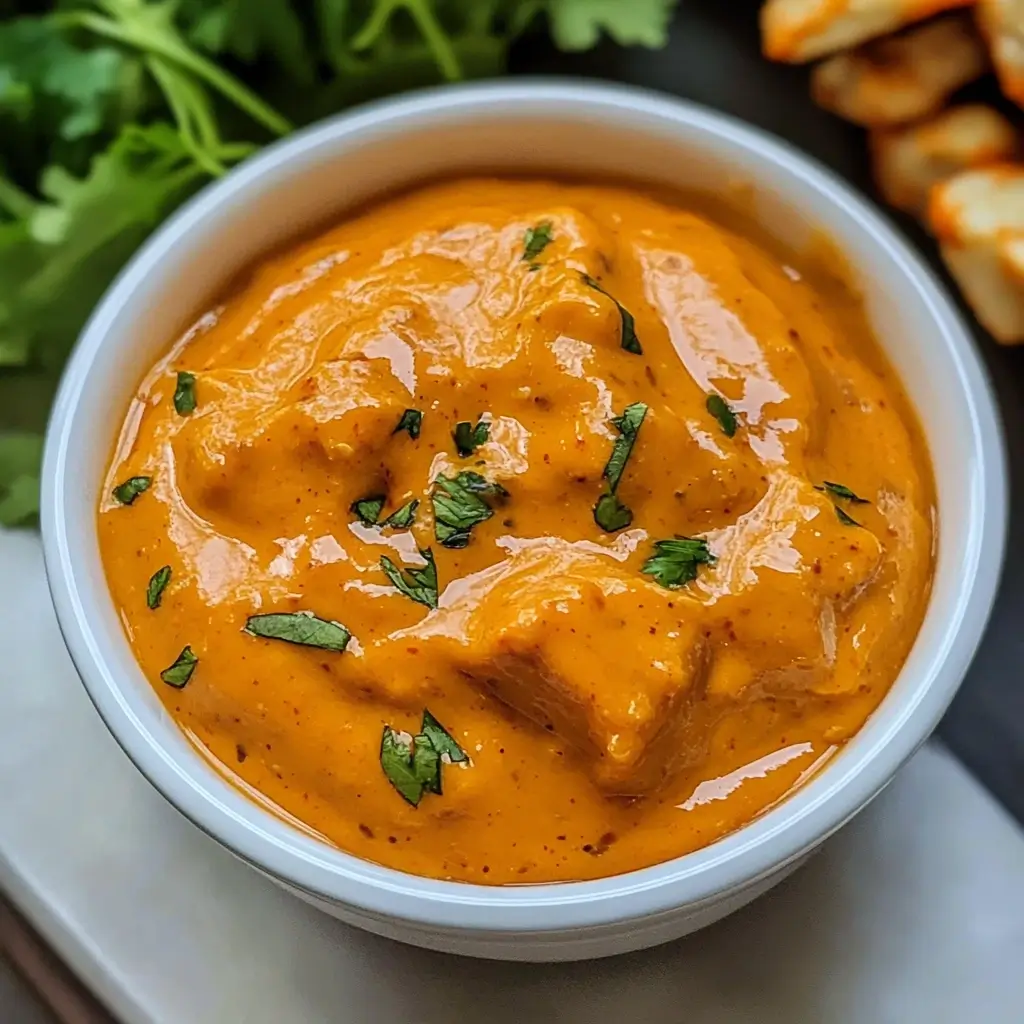

Honestly, finding a truly great vegan buffalo sauce felt like a quest for the holy grail for a while. Store-bought versions often missed the mark – too thin, too vinegary, or just lacking that signature creamy richness I remembered from my pre-vegan days. I tinkered for ages, trying different fats, hot sauces, and spice combinations. The breakthrough came during a Super Bowl party prep frenzy. I needed something fast, flavorful, and guaranteed to impress a mixed crowd of vegans and omnivores alike. This recipe was born out of that necessity, combining classic Frank’s RedHot tang with the richness of vegan butter and a few subtle spices. When my notoriously picky brother-in-law went back for thirds of the buffalo cauliflower wings, declaring them “better than the real thing,” I knew I’d cracked the code. It’s become a staple in our house since – drizzled on tofu scrambles, mixed into mac and cheese, slathered on sandwiches, and, of course, coating endless batches of crispy cauliflower. It’s ridiculously easy, surprisingly authentic, and proves that plant-based eating doesn’t mean sacrificing bold, craveable flavour. This sauce isn’t just good for vegan; it’s just plain good.
**Ingredients for the Ultimate Vegan Buffalo Sauce**
Crafting the perfect Vegan Buffalo Sauce relies on a few key components working in harmony. While the core is simple – hot sauce and fat – the supporting players elevate it from basic to brilliant. Here’s what you’ll need, with specific amounts for achieving that classic, balanced flavour profile:
- 1 cup Frank’s RedHot Original Cayenne Pepper Sauce: This is widely considered the traditional base for classic Buffalo sauce. Its specific blend of aged cayenne peppers, distilled vinegar, water, salt, and garlic powder provides the signature tangy heat without being overwhelmingly spicy. While you can substitute other cayenne-based hot sauces, Frank’s RedHot Original delivers the most authentic flavour profile. Avoid sauces that are overly thick, sweet, or smoky unless you’re intentionally creating a variation.
- 1/2 cup Vegan Butter (Stick form recommended): This is crucial for richness, creaminess, and mouthfeel, replacing the dairy butter used in traditional recipes. Stick-style vegan butters (like Miyoko’s Kitchen Cultured Vegan Butter or Melt Organic Vegan Butter Sticks) tend to have a lower water content and higher fat percentage compared to tub margarines, which helps the sauce emulsify better and prevents it from becoming too thin or greasy. Ensure it’s unsalted or adjust the seasoning accordingly if using salted.
- 1 tablespoon White Distilled Vinegar: While the hot sauce already contains vinegar, adding a little extra amplifies the tanginess that cuts through the richness of the butter, creating that signature Buffalo flavour brightness. Apple cider vinegar can be used as a substitute, offering a slightly fruitier tang.
- 1/2 teaspoon Garlic Powder: This adds a foundational savoury depth that complements the cayenne and vinegar. Ensure you’re using garlic powder, not garlic salt, to control the sodium level. Fresh minced garlic can be used (about 1-2 cloves), but sauté it lightly in the butter before adding the hot sauce to mellow its raw flavour. Powder provides a smoother, more integrated taste for this sauce.
- 1/4 teaspoon Vegan Worcestershire Sauce (Optional, but recommended): Traditional Worcestershire sauce contains anchovies, making it unsuitable for vegans. However, several excellent vegan versions are available (like Annie’s Homegrown Organic Vegan Worcestershire Sauce or Wizard’s Vegan Worcestershire). This ingredient adds a complex umami depth and savoury background note that truly elevates the sauce. If you can’t find it, a tiny splash of soy sauce or tamari can provide some umami, but the flavour profile will differ slightly. Always double-check labels to ensure it’s vegan.
- Pinch of Cayenne Pepper (Optional): If you find Frank’s RedHot Original isn’t quite spicy enough for your taste, a small pinch of ground cayenne pepper can boost the heat level without significantly altering the core flavour. Add sparingly and taste as you go.
- Salt to Taste (Optional): Depending on the saltiness of your chosen hot sauce and vegan butter, you may or may not need additional salt. Taste the sauce after it has simmered and emulsified before deciding whether to add any extra salt. Often, it’s not required.
Gathering these specific ingredients ensures you’re on the path to creating a rich, tangy, perfectly spiced Vegan Buffalo Sauce that rivals any traditional version.
**Step-by-Step Instructions: Crafting Your Perfect Vegan Buffalo Sauce**
Making this vibrant sauce is surprisingly simple and quick. The key lies in gently heating the ingredients and whisking them together to create a stable, creamy emulsion. Follow these steps carefully for optimal results:
- Prepare Your Workspace: Gather all your measured ingredients (hot sauce, vegan butter, vinegar, garlic powder, optional vegan Worcestershire, optional cayenne) and have a small saucepan and a whisk ready. Using the right tools makes the process smoother.
- Melt the Vegan Butter: Place the 1/2 cup of vegan butter into the small saucepan over low to medium-low heat. It’s crucial to melt the butter gently. Avoid high heat, which can cause the butter to separate, brown too quickly, or even burn, negatively impacting the final flavour and texture of your sauce. Allow it to melt completely, swirling the pan occasionally.
- Incorporate the Hot Sauce and Seasonings: Once the butter is fully melted, reduce the heat to low. Pour in the 1 cup of Frank’s RedHot Original Cayenne Pepper Sauce, the 1 tablespoon of white distilled vinegar, the 1/2 teaspoon of garlic powder, and the optional 1/4 teaspoon of vegan Worcestershire sauce and pinch of cayenne pepper (if using).
- Whisk to Emulsify: Immediately begin whisking the mixture together continuously. This is the most critical step. You are encouraging the fat (from the butter) and the water-based liquids (hot sauce, vinegar) to combine into a smooth, homogeneous sauce – an emulsion. Keep whisking gently but consistently as the sauce heats up. Don’t let it come to a rolling boil.
- Simmer Gently: Allow the sauce to come to a gentle simmer over low heat. You should see small bubbles forming around the edges, but it shouldn’t be boiling vigorously. Continue whisking occasionally as it simmers for about 3-5 minutes. This short simmering time allows the flavours to meld together beautifully and helps the sauce thicken slightly. If you desire a thicker sauce, you can simmer it for a few extra minutes, whisking frequently, but be mindful it will also thicken further as it cools.
- Taste and Adjust: Remove the saucepan from the heat. Carefully taste the sauce (let it cool slightly on a spoon first!). If you desire more tang, add another tiny splash of vinegar. If you want more heat, add another small pinch of cayenne. If it tastes flat (unlikely, but possible depending on your ingredients), add a tiny pinch of salt. Whisk well after any additions.
- Serve or Store: Your homemade Vegan Buffalo Sauce is now ready! You can use it immediately while warm for tossing wings or drizzling, or let it cool completely before transferring it to an airtight container for storage in the refrigerator.
By following these simple steps, focusing on gentle heat and consistent whisking, you’ll create a beautifully emulsified, flavourful, and perfectly textured Vegan Buffalo Sauce every single time.
**Nutrition Facts (Approximate)**
Understanding the nutritional profile can be helpful. Please note that these values are estimates and can vary based on the specific brands of vegan butter, hot sauce, and other ingredients used.
- Servings: This recipe yields approximately 1.5 cups of sauce.
- Serving Size: A typical serving is considered 2 tablespoons.
- Approximate Calories per Serving (2 tablespoons): 80-100 calories.
Disclaimer: The primary source of calories in this sauce comes from the vegan butter (fat). The sodium content can also be relatively high due to the hot sauce and potentially added salt. This sauce is best enjoyed in moderation as part of a balanced diet. For a precise nutritional analysis, consider using an online recipe calculator and inputting the exact brands and quantities of ingredients you used.
**Preparation Time**
One of the best things about this homemade Vegan Buffalo Sauce is how incredibly quick it is to whip up!
- Preparation Time: 2-3 minutes (Measuring ingredients)
- Cook Time: 5-8 minutes (Melting butter, whisking, simmering)
- Total Time: Approximately 7-11 minutes
This minimal time investment yields a sauce far superior in flavour and texture to most store-bought options, making it perfect for weeknight meals, quick snacks, or last-minute party preparations.
**How to Serve Your Delicious Vegan Buffalo Sauce**
The versatility of Vegan Buffalo Sauce is one of its greatest strengths! It adds a spicy, tangy kick to a huge variety of dishes. Here are some popular and creative ways to serve it:
- Classic Vegan Wings:
- Cauliflower Wings: Toss baked or air-fried cauliflower florets in the warm sauce until evenly coated. Serve immediately with vegan ranch or blue cheese dressing and celery sticks. This is arguably the most popular vegan application.
- Tofu Wings: Use pressed, cubed, and baked/fried tofu. The firm texture holds up well to the sauce.
- Seitan Wings: Coat store-bought or homemade seitan pieces in the sauce for a “meatier” wing experience.
- Mushroom Wings: Large oyster mushrooms, battered and fried, make fantastic vessels for buffalo sauce.
- As a Dip:
- Serve the sauce warm or at room temperature as a dip for:
- Raw vegetables (celery, carrots, bell peppers, cucumber)
- French Fries or Sweet Potato Fries
- Vegan Chicken Nuggets or Tenders
- Onion Rings
- Potato Wedges
- Pretzel Bites
- Serve the sauce warm or at room temperature as a dip for:
- Sandwiches and Wraps:
- Drizzle generously over vegan fried chicken sandwiches.
- Mix with shredded jackfruit or chickpeas for a spicy Buffalo wrap filling.
- Add a kick to tofu scramble wraps or breakfast burritos.
- Use as a spread (sparingly) on veggie burgers.
- Salads:
- Create a spicy salad dressing by whisking the buffalo sauce with vegan ranch dressing or vegan mayonnaise. Adjust ratio to your liking.
- Toss with greens, crispy chickpeas, avocado, and corn for a Buffalo Chickpea Salad.
- Drizzle over taco salads for an unexpected twist.
- Pasta and Grains:
- Stir into vegan mac and cheese for a spicy, creamy Buffalo Mac.
- Mix with cooked quinoa or rice, black beans, and corn for a zesty grain bowl.
- Potatoes:
- Drizzle over baked potatoes or roasted potatoes.
- Mix into mashed potatoes for a flavour explosion.
- Pizza:
- Use as a base sauce (instead of tomato) for a Buffalo Cauliflower Pizza.
- Drizzle over a finished vegan pizza (especially one with vegan chicken or veggies) for an extra layer of flavour.
- Other Creative Uses:
- Mix into hummus for Buffalo Hummus.
- Stir into vegan sour cream or cream cheese for a creamy Buffalo spread.
- Use as a marinade for tofu or tempeh before grilling or baking.
The possibilities are vast! Don’t be afraid to experiment and find your favourite ways to incorporate this zesty sauce into your meals.
**Additional Tips for Vegan Buffalo Sauce Perfection**
While the basic recipe is straightforward, these tips can help you troubleshoot, customize, and perfect your sauce:
- Hot Sauce Selection is Key: As mentioned, Frank’s RedHot Original provides the most classic flavour. However, if you experiment, stick to cayenne pepper-based sauces that are relatively thin and vinegar-forward. Thicker sauces (like Sriracha or Gochujang) or those with strong competing flavours (like chipotle or habanero) will create a delicious sauce, but it won’t taste like traditional Buffalo sauce. Consider the heat level (Scoville Heat Units or SHU) – Frank’s Original is relatively mild (around 450 SHU). If using a hotter sauce, you might want to adjust the ratio of hot sauce to vegan butter (using slightly less hot sauce or more butter) to balance the heat.
- The Importance of Vegan Butter Choice: The type of vegan butter significantly impacts the final emulsion and texture. Stick-style butters generally have a higher fat content and less water than tub-style margarines. This higher fat content helps create a more stable, creamier, and less greasy sauce that is less likely to separate upon cooling or reheating. If you only have tub margarine, your sauce might be thinner or require more careful whisking and potentially a tiny bit of cornstarch slurry (see next tip) if it refuses to thicken adequately.
- Adjusting Consistency: If your sauce seems too thin after simmering, you can let it simmer gently for a few minutes longer, whisking frequently, to allow some excess liquid to evaporate. Remember it thickens as it cools. If it’s still too thin for your liking, create a small slurry by whisking 1/2 teaspoon of cornstarch with 1 teaspoon of cold water until smooth. Slowly drizzle a small amount of the slurry into the simmering sauce while whisking constantly until it thickens slightly. Be cautious – a little goes a long way, and over-thickening can make it gloppy. Conversely, if your sauce becomes too thick upon cooling, gently reheat it over low heat, whisking in a teaspoon or two of water or additional vinegar until it reaches your desired consistency.
- Customizing Spice and Flavour: Don’t be afraid to tweak the recipe to your personal preference.
- Milder: Use slightly less hot sauce and slightly more vegan butter. You could also add a teaspoon of maple syrup or agave nectar to counterbalance the heat and vinegar slightly, though this will make it less traditional.
- Spicier: Add a pinch (or more) of ground cayenne pepper during simmering. For serious heat, consider adding a tiny dash of a hotter hot sauce (like one containing habanero), but do so very sparingly and taste frequently.
- Smokier: Add 1/4 teaspoon of smoked paprika along with the garlic powder.
- Richer Umami: Ensure you’re using vegan Worcestershire sauce. A tiny drop of liquid smoke could also be added for complexity, but use extreme caution as it’s potent.
- Storage and Reheating Savvy: Store leftover Vegan Buffalo Sauce in an airtight container (like a glass jar) in the refrigerator. It should last for at least 1-2 weeks. The sauce will solidify in the fridge due to the vegan butter. To reuse, gently reheat it in a small saucepan over low heat, whisking frequently, until it’s melted, smooth, and warmed through. Alternatively, you can microwave it in short bursts (15-20 seconds), whisking between intervals, until smooth. Avoid overheating, which can cause it to separate. If separation occurs, vigorous whisking while gently heating usually brings it back together.
By keeping these tips in mind, you can confidently create, customize, and store your perfect batch of homemade Vegan Buffalo Sauce.
**Frequently Asked Questions (FAQ) about Vegan Buffalo Sauce**
Here are answers to some common questions about making and using this Vegan Buffalo Sauce recipe:
- Q: Can I make this Vegan Buffalo Sauce oil-free or lower in fat?
- A: Traditional Buffalo sauce relies heavily on fat (butter) for its characteristic richness and creamy texture, which helps coat food evenly. While you can create a spicy, tangy sauce without the vegan butter, it won’t truly replicate Buffalo sauce. For a lower-fat alternative, some people blend soaked raw cashews with hot sauce, vinegar, garlic powder, and water until smooth. This creates a creamy sauce, but the flavour profile and texture will be distinctly different – more nutty and less rich than the butter-based version. You could also try thickening hot sauce with a cornstarch slurry and adding seasonings, but it will lack the mouthfeel and richness provided by the fat. This recipe is designed for authentic flavour, which includes the vegan butter.
- Q: What is truly the best hot sauce to use for authentic flavour?
- A: For the most authentic, classic American Buffalo wing flavour, Frank’s RedHot Original Cayenne Pepper Sauce is the undisputed standard. It was reportedly used in the original Anchor Bar recipe in Buffalo, New York. Its specific balance of aged cayenne heat, vinegar tang, and garlic notes is what defines the flavour profile. While other cayenne-based hot sauces like Crystal, Texas Pete, or Cholula Original can work and produce delicious spicy sauces, they each have slightly different flavour nuances (vinegar levels, saltiness, heat intensity) that will subtly change the final taste compared to using Frank’s.
- Q: How long will homemade Vegan Buffalo Sauce last in the refrigerator?
- A: When stored properly in an airtight container (a clean glass jar with a tight-fitting lid is ideal) in the refrigerator, this homemade Vegan Buffalo Sauce should stay fresh and flavourful for at least 1 to 2 weeks. Its high vinegar and salt content act as natural preservatives. Always use clean utensils when scooping sauce out to avoid introducing bacteria. Visually inspect and smell the sauce before use; if it looks or smells off, discard it.
- Q: Can I make this sauce ahead of time?
- A: Absolutely! This sauce is perfect for making ahead. Prepare the sauce according to the instructions, let it cool completely to room temperature, and then transfer it to an airtight container and refrigerate. It will solidify when cold due to the vegan butter. Simply follow the reheating instructions (gentle heat on the stovetop or microwave, whisking frequently) when you’re ready to use it. Making it ahead is great for meal prep or getting a head start on party food.
- Q: Is this Vegan Buffalo Sauce recipe gluten-free?
- A: This recipe can easily be gluten-free, but it depends entirely on the specific ingredients you choose. You need to verify that all your components are certified gluten-free:
- Hot Sauce: Frank’s RedHot Original is generally considered gluten-free, but always check the label for confirmation or certification, as formulations can sometimes change.
- Vegan Butter: Most reputable vegan butters are gluten-free, but check the packaging.
- White Distilled Vinegar: Typically gluten-free.
- Garlic Powder & Cayenne: Single-ingredient spices are naturally gluten-free, but check for potential cross-contamination warnings if you have celiac disease.
- Vegan Worcestershire Sauce: This is the most common source of hidden gluten (or non-vegan ingredients like anchovies). Ensure you select a brand explicitly labelled both “Vegan” and “Gluten-Free.”
- By carefully selecting certified gluten-free versions of all ingredients, especially the Worcestershire sauce, you can ensure your final Vegan Buffalo Sauce is safe for those with gluten sensitivities or celiac disease.
- A: This recipe can easily be gluten-free, but it depends entirely on the specific ingredients you choose. You need to verify that all your components are certified gluten-free:
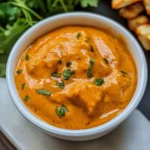
Vegan Buffalo Sauce Recipe
Ingredients
- 1 cup Frank’s RedHot Original Cayenne Pepper Sauce: This is widely considered the traditional base for classic Buffalo sauce. Its specific blend of aged cayenne peppers, distilled vinegar, water, salt, and garlic powder provides the signature tangy heat without being overwhelmingly spicy. While you can substitute other cayenne-based hot sauces, Frank’s RedHot Original delivers the most authentic flavour profile. Avoid sauces that are overly thick, sweet, or smoky unless you’re intentionally creating a variation.
- 1/2 cup Vegan Butter (Stick form recommended): This is crucial for richness, creaminess, and mouthfeel, replacing the dairy butter used in traditional recipes. Stick-style vegan butters (like Miyoko’s Kitchen Cultured Vegan Butter or Melt Organic Vegan Butter Sticks) tend to have a lower water content and higher fat percentage compared to tub margarines, which helps the sauce emulsify better and prevents it from becoming too thin or greasy. Ensure it’s unsalted or adjust the seasoning accordingly if using salted.
- 1 tablespoon White Distilled Vinegar: While the hot sauce already contains vinegar, adding a little extra amplifies the tanginess that cuts through the richness of the butter, creating that signature Buffalo flavour brightness. Apple cider vinegar can be used as a substitute, offering a slightly fruitier tang.
- 1/2 teaspoon Garlic Powder: This adds a foundational savoury depth that complements the cayenne and vinegar. Ensure you’re using garlic powder, not garlic salt, to control the sodium level. Fresh minced garlic can be used (about 1–2 cloves), but sauté it lightly in the butter before adding the hot sauce to mellow its raw flavour. Powder provides a smoother, more integrated taste for this sauce.
- 1/4 teaspoon Vegan Worcestershire Sauce (Optional, but recommended): Traditional Worcestershire sauce contains anchovies, making it unsuitable for vegans. However, several excellent vegan versions are available (like Annie’s Homegrown Organic Vegan Worcestershire Sauce or Wizard’s Vegan Worcestershire). This ingredient adds a complex umami depth and savoury background note that truly elevates the sauce. If you can’t find it, a tiny splash of soy sauce or tamari can provide some umami, but the flavour profile will differ slightly. Always double-check labels to ensure it’s vegan.
- Pinch of Cayenne Pepper (Optional): If you find Frank’s RedHot Original isn’t quite spicy enough for your taste, a small pinch of ground cayenne pepper can boost the heat level without significantly altering the core flavour. Add sparingly and taste as you go.
- Salt to Taste (Optional): Depending on the saltiness of your chosen hot sauce and vegan butter, you may or may not need additional salt. Taste the sauce after it has simmered and emulsified before deciding whether to add any extra salt. Often, it’s not required.
Instructions
- Prepare Your Workspace: Gather all your measured ingredients (hot sauce, vegan butter, vinegar, garlic powder, optional vegan Worcestershire, optional cayenne) and have a small saucepan and a whisk ready. Using the right tools makes the process smoother.
- Melt the Vegan Butter: Place the 1/2 cup of vegan butter into the small saucepan over low to medium-low heat. It’s crucial to melt the butter gently. Avoid high heat, which can cause the butter to separate, brown too quickly, or even burn, negatively impacting the final flavour and texture of your sauce. Allow it to melt completely, swirling the pan occasionally.
- Incorporate the Hot Sauce and Seasonings: Once the butter is fully melted, reduce the heat to low. Pour in the 1 cup of Frank’s RedHot Original Cayenne Pepper Sauce, the 1 tablespoon of white distilled vinegar, the 1/2 teaspoon of garlic powder, and the optional 1/4 teaspoon of vegan Worcestershire sauce and pinch of cayenne pepper (if using).
- Whisk to Emulsify: Immediately begin whisking the mixture together continuously. This is the most critical step. You are encouraging the fat (from the butter) and the water-based liquids (hot sauce, vinegar) to combine into a smooth, homogeneous sauce – an emulsion. Keep whisking gently but consistently as the sauce heats up. Don’t let it come to a rolling boil.
- Simmer Gently: Allow the sauce to come to a gentle simmer over low heat. You should see small bubbles forming around the edges, but it shouldn’t be boiling vigorously. Continue whisking occasionally as it simmers for about 3-5 minutes. This short simmering time allows the flavours to meld together beautifully and helps the sauce thicken slightly. If you desire a thicker sauce, you can simmer it for a few extra minutes, whisking frequently, but be mindful it will also thicken further as it cools.
- Taste and Adjust: Remove the saucepan from the heat. Carefully taste the sauce (let it cool slightly on a spoon first!). If you desire more tang, add another tiny splash of vinegar. If you want more heat, add another small pinch of cayenne. If it tastes flat (unlikely, but possible depending on your ingredients), add a tiny pinch of salt. Whisk well after any additions.
- Serve or Store: Your homemade Vegan Buffalo Sauce is now ready! You can use it immediately while warm for tossing wings or drizzling, or let it cool completely before transferring it to an airtight container for storage in the refrigerator.
Nutrition
- Serving Size: One Normal Portion
- Calories: 80-100