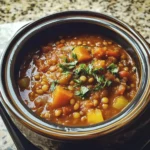
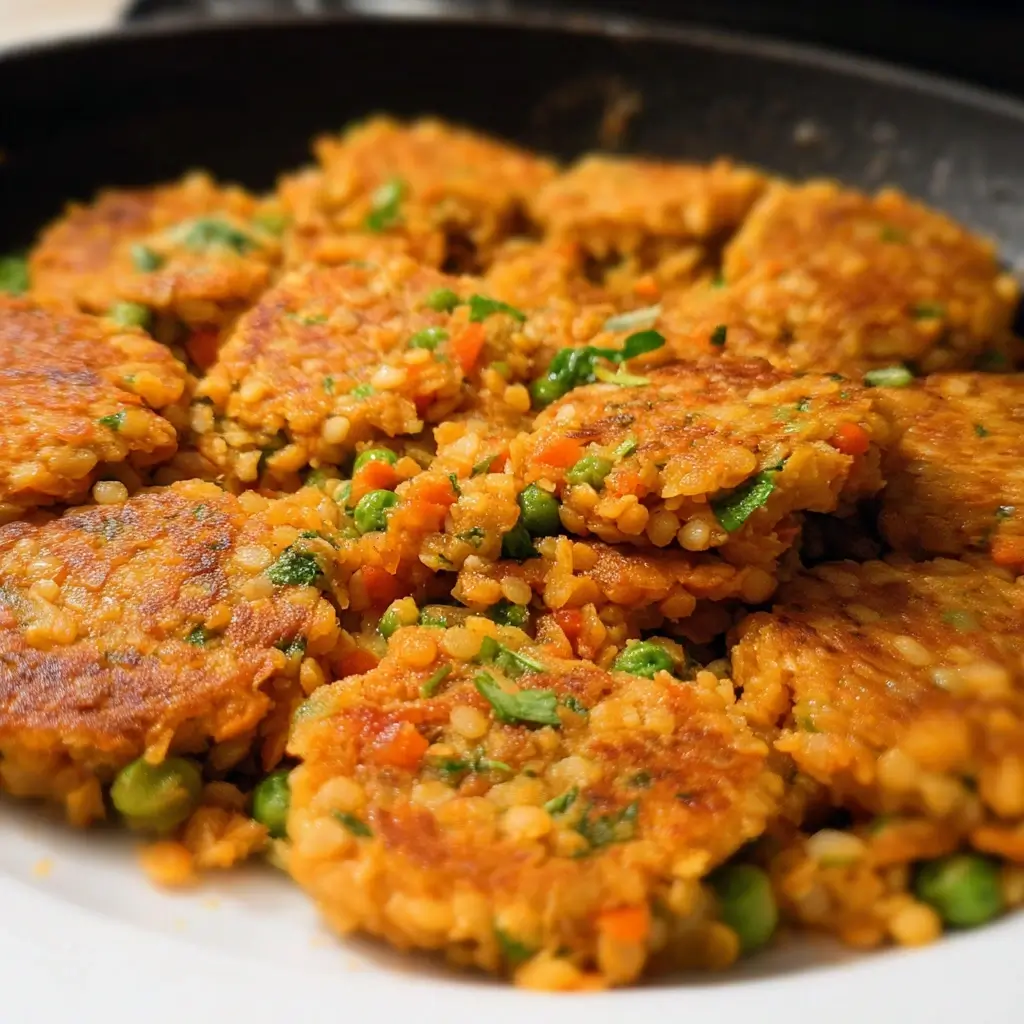
There are certain recipes that become more than just a meal; they become a solution. In our house, this Vegan Bulgur Red Lentil Vegetable Skillet is exactly that. It entered our lives on a hectic Tuesday evening when I was staring into the pantry, desperately seeking inspiration. I saw a bag of bulgur, a jar of red lentils, and a crisper drawer with a respectable, if slightly random, collection of vegetables. What began as an experiment quickly turned into a revelation. The aroma that filled the kitchen—earthy cumin, sweet paprika, and fragrant garlic—drew everyone in. The final dish was a symphony of textures and flavors: the satisfying chew of the bulgur, the creamy softness of the dissolved red lentils, and the tender bite of the vegetables, all enveloped in a savory, spiced sauce. It was hearty, deeply satisfying, and astonishingly easy to make in a single pan. Since that first night, it has become a cornerstone of our weekly meal plan. It’s the meal I turn to for a guaranteed win—it’s healthy, budget-friendly, packed with plant-based goodness, and beloved by the entire family. It’s proof that simple, wholesome ingredients can come together to create something truly spectacular.
Complete Recipe: Vegan Bulgur Red Lentil Vegetable Skillet
This recipe is designed to be a complete, balanced, and flavorful one-pan meal. The combination of bulgur wheat and red lentils creates a fantastic texture and a complete protein profile, making it as nourishing as it is delicious.
Ingredients:
- 2 tablespoons olive oil (or avocado oil)
- 1 large yellow onion, finely diced
- 2 large carrots, peeled and diced
- 2 celery stalks, finely diced
- 4-5 cloves garlic, minced
- 1 red bell pepper, diced
- 1 zucchini, diced
- 1 ½ teaspoons ground cumin
- 1 ½ teaspoons smoked paprika
- 1 teaspoon dried oregano
- ½ teaspoon ground coriander
- ¼ teaspoon red pepper flakes (adjust to your spice preference)
- 1 cup dry red lentils, rinsed thoroughly
- 1 cup coarse bulgur wheat
- 6 cups vegetable broth, low sodium (plus more if needed)
- 1 (15-ounce) can of diced tomatoes, undrained
- 2 tablespoons tomato paste
- 1 teaspoon sea salt (or to taste)
- ½ teaspoon black pepper, freshly ground
- 1 large handful of fresh spinach or kale, chopped
- Juice of ½ a lemon
For Garnish (Optional):
- Fresh parsley, chopped
- Fresh cilantro, chopped
- A dollop of vegan yogurt or sour cream
- Toasted pumpkin seeds or sunflower seeds
- Sliced green onions
Instructions
Follow these step-by-step instructions for a perfect skillet meal every time. The key is to build layers of flavor from the very beginning.
- Sauté the Aromatics: Place a large, deep skillet or Dutch oven over medium heat. Add the olive oil. Once shimmering, add the diced yellow onion, carrots, and celery (this trio is known as a mirepoix and builds a fantastic flavor base). Sauté for 6-8 minutes, stirring occasionally, until the vegetables begin to soften and the onion becomes translucent.
- Add More Veggies and Garlic: Add the diced red bell pepper and zucchini to the skillet. Continue to cook for another 4-5 minutes, allowing them to soften slightly. Add the minced garlic and cook for just one more minute until fragrant. Be careful not to burn the garlic, as it can become bitter.
- Toast the Spices: Sprinkle the ground cumin, smoked paprika, dried oregano, ground coriander, and red pepper flakes over the vegetables. Stir continuously for about 30-60 seconds. Toasting the spices in the hot pan with the vegetables awakens their essential oils, making them significantly more aromatic and flavorful.
- Incorporate Lentils and Liquids: Add the rinsed red lentils, the can of undrained diced tomatoes, and the tomato paste to the skillet. Stir everything together, using your spoon to break up the tomato paste and ensure it’s well combined with the vegetables and spices.
- Simmer and Cook: Pour in the 6 cups of vegetable broth. Bring the mixture to a boil, then reduce the heat to low, cover the skillet with a tight-fitting lid, and let it simmer. Cook for 15 minutes. This initial cooking time is primarily for the red lentils and hardier vegetables to soften.
- Add the Bulgur: After 15 minutes, remove the lid and give everything a good stir. Pour in the 1 cup of bulgur wheat and stir to fully submerge it in the liquid. If the mixture looks too dry, you can add another ½ cup of vegetable broth or water at this stage.
- Final Cook: Place the lid back on the skillet and continue to cook on low heat for another 15-20 minutes, or until the bulgur is tender and has absorbed most of the liquid. The red lentils should be very soft, almost melting into the sauce to create a creamy consistency.
- Wilt the Greens and Finish: Turn off the heat. Remove the lid and add the chopped spinach or kale. Stir it into the hot mixture; the residual heat will be enough to wilt the greens perfectly in a minute or two.
- Final Seasoning and Rest: Squeeze the juice of half a lemon over the skillet. This brightens all the flavors and cuts through the richness. Stir it in, then taste the dish and adjust with more salt and pepper as needed. Let the skillet sit, covered and off the heat, for 5-10 minutes. This allows the flavors to meld together and any remaining liquid to be absorbed.
- Serve: Fluff the mixture with a fork and serve hot, garnished with fresh parsley, a dollop of vegan yogurt, or your favorite toppings.
Nutrition Facts
- Servings: 6-8 generous servings
- Calories per serving: Approximately 350-400 kcal (This is an estimate and can vary based on the specific ingredients used, such as oil and vegetable types.)
This dish is a nutritional powerhouse. It’s rich in dietary fiber from the bulgur, lentils, and vegetables, which aids in digestion and promotes satiety. It’s also an excellent source of plant-based protein, complex carbohydrates for sustained energy, and essential vitamins and minerals like iron, magnesium, and B vitamins.
Preparation Time
- Prep Time: 15 minutes (for chopping vegetables)
- Cook Time: 45-50 minutes
- Total Time: Approximately 1 hour
How to Serve Your Vegan Bulgur Lentil Skillet
This versatile dish can be served in numerous ways, making it suitable for a simple weeknight dinner, a healthy lunch, or even for entertaining guests. Here are some of our favorite ways to serve it:
- As a Hearty Main Course:
- Serve a generous scoop directly into a bowl.
- Top with a dollop of unsweetened vegan coconut or soy yogurt to add a creamy, cooling contrast.
- Sprinkle with fresh herbs like cilantro or parsley for a burst of freshness.
- Add a crunchy element with a scattering of toasted pumpkin seeds, sunflower seeds, or chopped walnuts.
- For a Complete Meal-Prep Lunch:
- Portion the cooled skillet mixture into individual airtight containers.
- When ready to eat, it can be enjoyed cold, like a hearty grain salad, or reheated in the microwave.
- Pack toppings like fresh herbs or a lemon wedge separately to add just before serving for the best flavor and texture.
- Creative Serving Ideas:
- Stuffed Bell Peppers: Halve bell peppers, remove the seeds, and pre-bake them until slightly tender. Fill them with the bulgur-lentil mixture, top with vegan cheese or breadcrumbs, and bake until heated through and golden.
- Lettuce Wraps: Use large, crisp lettuce leaves (like romaine or iceberg) as a cup and fill them with the skillet mixture for a lighter, low-carb serving option.
- With a Side of Bread: Serve alongside warm, crusty bread or whole-wheat pita for scooping up every last delicious bite.
The Deeper Dive: Understanding the Core Ingredients
To truly appreciate this recipe, it helps to understand why its main components work so beautifully together. This isn’t just a random assortment of ingredients; it’s a carefully balanced combination of texture, flavor, and nutrition.
Bulgur Wheat: The Ancient, Quick-Cooking Grain
Bulgur is not just another grain; it’s a staple in Middle Eastern and Mediterranean cuisine with a rich history. It’s made from whole wheat groats that have been parboiled, dried, and then cracked into different sizes (fine, medium, coarse).
- Why It Works Here: The parboiling process is what makes bulgur a weeknight hero. It’s already partially cooked, so it requires significantly less cooking time than other whole grains like brown rice or wheat berries. In this skillet, we use coarse bulgur, which maintains a distinct, pleasantly chewy texture even after absorbing the savory broth. It doesn’t turn to mush, providing a wonderful contrast to the creamy lentils.
- Nutritional Profile: Bulgur is a whole grain, meaning it retains the bran, germ, and endosperm. It’s incredibly high in fiber, which is fantastic for digestive health and keeping you full longer. It’s also a good source of manganese, magnesium, and iron.
Red Lentils: The Creamy, Quick-Cooking Legume
Red lentils (also known as Masoor dal) are different from their green or brown counterparts. They are split and have had their seed coat removed, which is why they cook so quickly and break down into a soft, creamy consistency.
- Why They Work Here: This tendency to break down is a feature, not a bug, in this recipe. As the red lentils cook, they dissolve into the broth, thickening it and creating a rich, creamy sauce that beautifully coats the bulgur and vegetables. They add body and a subtle, earthy sweetness. This eliminates the need for any cream or dairy-based thickeners to achieve a luxurious texture.
- Nutritional Profile: Lentils are a plant-based protein superstar. When combined with a whole grain like bulgur, they form a complete protein, providing all the essential amino acids your body needs. They are also packed with fiber, folate, and iron, making them an excellent food for energy and overall health.
Additional Tips for Recipe Perfection
Take your skillet from great to absolutely unforgettable with these five essential tips.
- Don’t Rush the Sauté (Build Your Flavor Base): The initial step of sautéing the onion, carrots, and celery is arguably the most important. This is where you build the foundational layer of flavor for the entire dish. Be patient and allow them to cook until truly softened and lightly caramelized. This process, known as “sweating,” releases their natural sugars and creates a deep, savory-sweet base that you can’t achieve by just boiling everything together.
- Rinse Your Lentils and Bulgur: While it might seem like a skippable step, rinsing your red lentils is crucial. It removes any dust or debris and helps wash away some of the surface starches, which can sometimes lead to excess foaming. Similarly, giving your bulgur a quick rinse in a fine-mesh sieve can remove any powdery residue, ensuring a cleaner taste and texture.
- Use a High-Quality Vegetable Broth: Since the vegetable broth is the primary cooking liquid and a major source of flavor, its quality matters. Choose a rich, flavorful, low-sodium vegetable broth. A bland, watery broth will result in a bland dish. If you have homemade broth, this is the perfect time to use it! If using store-bought, feel free to add a bay leaf or a sprig of thyme to the pot while it simmers for an extra layer of flavor.
- The Final Squeeze of Lemon is Non-Negotiable: The addition of fresh lemon juice at the end is a game-changer. The acidity cuts through the earthiness of the lentils and the richness of the spices, brightening and lifting all the flavors. It makes the entire dish taste more vibrant and fresh. Don’t be tempted to use bottled lemon juice; the flavor of a fresh lemon is far superior. A splash of apple cider vinegar could also work in a pinch.
- Let It Rest Before Serving: Just like a good stew or a pot of rice, this skillet benefits immensely from a short resting period. After you turn off the heat and stir in the greens and lemon juice, put the lid back on and let it stand for 5-10 minutes. This allows the bulgur to absorb the very last bit of steam and liquid, resulting in a perfect texture. It also gives the flavors a chance to meld and settle into a more cohesive and delicious final product.
FAQ Section: Your Questions Answered
Here are answers to some common questions about making this vegan bulgur and lentil skillet.
1. Can I make this recipe gluten-free?
Absolutely! The main source of gluten in this recipe is the bulgur wheat. To make it gluten-free, you can easily substitute the bulgur with an equal amount of quinoa or certified gluten-free coarse corn grits (polenta). If using quinoa, you can add it at the same time as the lentils, as it has a similar cooking time. If using brown rice, you would need to add it much earlier and adjust the liquid and cooking time accordingly (brown rice typically needs 40-45 minutes to cook).
2. How do I store and reheat leftovers?
This dish is fantastic for leftovers and meal prep. Store any cooled leftovers in an airtight container in the refrigerator for up to 4-5 days. The flavors will actually deepen and become even better overnight. To reheat, you can microwave individual portions until hot. Alternatively, you can reheat it on the stovetop in a skillet over medium-low heat. You may need to add a splash of water or vegetable broth to loosen it up as it reheats, as the bulgur will have continued to absorb liquid in the fridge.
3. My skillet seems too watery or too dry. What went wrong?
The final consistency can vary slightly depending on the exact size of your vegetables, the intensity of your simmer, and how tightly your lid fits.
- If it’s too watery: Remove the lid for the last 5-10 minutes of cooking. This allows excess steam to escape and the liquid to reduce.
- If it’s too dry: Don’t hesitate to add more liquid. Simply pour in an extra ½ to 1 cup of hot vegetable broth or water during the final cooking stage and stir it in. Continue to cook until the bulgur is tender.
4. Can I use other types of lentils?
While you can use other lentils, it will significantly change the dish. Green or brown lentils hold their shape when cooked and will not break down to create the same creamy sauce as red lentils. If you use them, you will have a dish with distinct, separate lentils and a much thinner sauce. You would also need to increase the initial simmering time before adding the bulgur, as green/brown lentils take longer to cook (around 25-30 minutes).
5. Is this recipe kid-friendly?
Yes, this recipe is generally very kid-friendly! The texture is soft, it’s packed with savory flavor, and it’s a great way to get vegetables into their diet. To make it even more appealing for picky eaters, you can dice the vegetables very finely so they blend into the background. You may also want to omit or significantly reduce the red pepper flakes to ensure it’s not spicy. Serving it with a familiar topping like a dollop of vegan sour cream or a sprinkle of vegan cheese can also make it more approachable for children.
Vegan Bulgur Red Lentil Vegetable Skillet Recipe
Ingredients
- 2 tablespoons olive oil (or avocado oil)
- 1 large yellow onion, finely diced
- 2 large carrots, peeled and diced
- 2 celery stalks, finely diced
- 4–5 cloves garlic, minced
- 1 red bell pepper, diced
- 1 zucchini, diced
- 1 ½ teaspoons ground cumin
- 1 ½ teaspoons smoked paprika
- 1 teaspoon dried oregano
- ½ teaspoon ground coriander
- ¼ teaspoon red pepper flakes (adjust to your spice preference)
- 1 cup dry red lentils, rinsed thoroughly
- 1 cup coarse bulgur wheat
- 6 cups vegetable broth, low sodium (plus more if needed)
- 1 (15-ounce) can of diced tomatoes, undrained
- 2 tablespoons tomato paste
- 1 teaspoon sea salt (or to taste)
- ½ teaspoon black pepper, freshly ground
- 1 large handful of fresh spinach or kale, chopped
- Juice of ½ a lemon
Instructions
- Sauté the Aromatics: Place a large, deep skillet or Dutch oven over medium heat. Add the olive oil. Once shimmering, add the diced yellow onion, carrots, and celery (this trio is known as a mirepoix and builds a fantastic flavor base). Sauté for 6-8 minutes, stirring occasionally, until the vegetables begin to soften and the onion becomes translucent.
- Add More Veggies and Garlic: Add the diced red bell pepper and zucchini to the skillet. Continue to cook for another 4-5 minutes, allowing them to soften slightly. Add the minced garlic and cook for just one more minute until fragrant. Be careful not to burn the garlic, as it can become bitter.
- Toast the Spices: Sprinkle the ground cumin, smoked paprika, dried oregano, ground coriander, and red pepper flakes over the vegetables. Stir continuously for about 30-60 seconds. Toasting the spices in the hot pan with the vegetables awakens their essential oils, making them significantly more aromatic and flavorful.
- Incorporate Lentils and Liquids: Add the rinsed red lentils, the can of undrained diced tomatoes, and the tomato paste to the skillet. Stir everything together, using your spoon to break up the tomato paste and ensure it’s well combined with the vegetables and spices.
- Simmer and Cook: Pour in the 6 cups of vegetable broth. Bring the mixture to a boil, then reduce the heat to low, cover the skillet with a tight-fitting lid, and let it simmer. Cook for 15 minutes. This initial cooking time is primarily for the red lentils and hardier vegetables to soften.
- Add the Bulgur: After 15 minutes, remove the lid and give everything a good stir. Pour in the 1 cup of bulgur wheat and stir to fully submerge it in the liquid. If the mixture looks too dry, you can add another ½ cup of vegetable broth or water at this stage.
- Final Cook: Place the lid back on the skillet and continue to cook on low heat for another 15-20 minutes, or until the bulgur is tender and has absorbed most of the liquid. The red lentils should be very soft, almost melting into the sauce to create a creamy consistency.
- Wilt the Greens and Finish: Turn off the heat. Remove the lid and add the chopped spinach or kale. Stir it into the hot mixture; the residual heat will be enough to wilt the greens perfectly in a minute or two.
- Final Seasoning and Rest: Squeeze the juice of half a lemon over the skillet. This brightens all the flavors and cuts through the richness. Stir it in, then taste the dish and adjust with more salt and pepper as needed. Let the skillet sit, covered and off the heat, for 5-10 minutes. This allows the flavors to meld together and any remaining liquid to be absorbed.
- Serve: Fluff the mixture with a fork and serve hot, garnished with fresh parsley, a dollop of vegan yogurt, or your favorite toppings.
Nutrition
- Serving Size: One Normal Portion
- Calories: 350-400