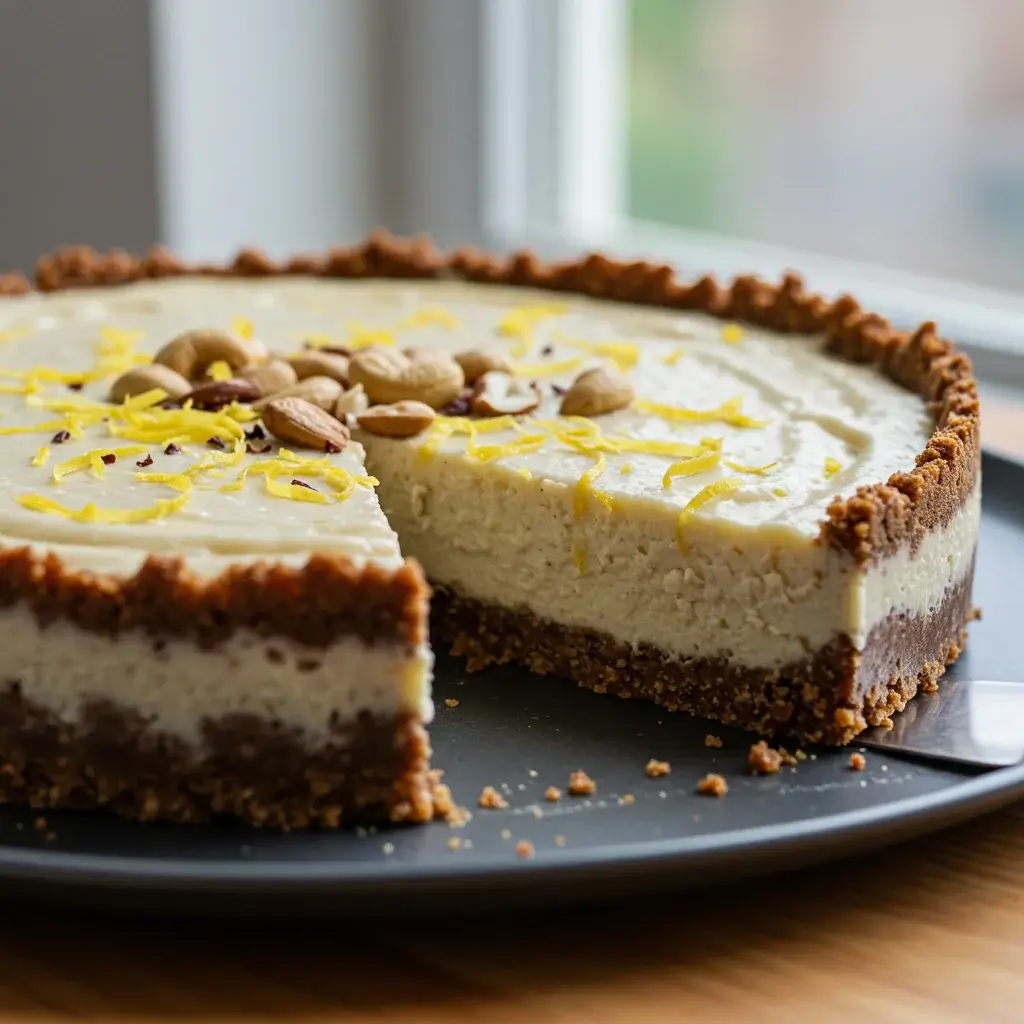
In recent years, vegan cheesecake has taken center stage in the world of plant-based desserts. Its creamy texture and rich flavors offer a delightful alternative to traditional cheesecakes, making it a favorite among vegans and non-vegans alike. Whether you’re looking to cut down on dairy or simply try something new, a vegan cheesecake can be a perfect addition to your dessert repertoire. In this comprehensive guide, we’ll walk you through everything you need to know to make a perfect vegan cheesecake, from selecting ingredients to serving it with flair.
Ingredients
Creating a delectable vegan cheesecake requires a careful selection of plant-based ingredients that mimic the rich and creamy texture of traditional cheesecakes. Here’s what you’ll need:
For the Crust:
- 1 ½ cups vegan graham crackers (or any vegan cookie of your choice)
- ½ cup raw almonds or walnuts
- ¼ cup coconut oil, melted
- 2 tablespoons maple syrup or agave nectar
For the Cheesecake Filling:
- 2 cups raw cashews, soaked overnight
- 1 cup coconut cream (the thick part from a can of full-fat coconut milk)
- ½ cup maple syrup
- ⅓ cup lemon juice
- 1 tablespoon vanilla extract
- Pinch of sea salt
Optional Toppings:
- Fresh berries (strawberries, blueberries, raspberries)
- Vegan chocolate shavings
- Crushed nuts
- Fruit compote
Instructions
Creating a vegan cheesecake is simpler than it might seem. Follow these steps to craft your own delicious dessert:
Step 1: Prepare the Crust
- Process the dry ingredients: In a food processor, combine the vegan graham crackers or cookies with the nuts. Pulse until you achieve a fine crumb consistency.
- Add wet ingredients: Pour in the melted coconut oil and maple syrup. Blend again until the mixture resembles wet sand.
- Press into the pan: Transfer the crust mixture into a 9-inch springform pan. Press down firmly to create an even layer. Place the pan in the freezer while you prepare the filling.
Step 2: Prepare the Filling
- Blend the cashews: Drain and rinse the soaked cashews. Add them to a high-speed blender.
- Add remaining ingredients: Into the blender, add coconut cream, maple syrup, lemon juice, vanilla extract, and a pinch of sea salt.
- Blend until smooth: Blend on high speed until the mixture is completely smooth and creamy. This may take a few minutes, so be patient and scrape down the sides as needed.
- Pour onto crust: Remove the crust from the freezer and pour the cheesecake filling over it. Smooth the top with a spatula.
Step 3: Chill and Set
- Freeze: Place the cheesecake in the freezer for at least 4 hours, or until completely firm.
- Thaw before serving: Before serving, remove the cheesecake from the freezer and let it thaw for about 10-15 minutes.
Nutrition Facts
Understanding the nutritional profile of your vegan cheesecake is crucial, whether you’re watching your caloric intake or managing dietary restrictions. Here’s a rough estimate of the nutrition facts per serving (assuming 10 servings):
- Calories: 350
- Fat: 24g
- Saturated Fat: 12g
- Carbohydrates: 30g
- Sugar: 15g
- Fiber: 3g
- Protein: 6g
Note: Nutritional values may vary based on specific brands and quantities used.
How to Serve
Serving your vegan cheesecake can be as simple or as elaborate as you wish, allowing you to tailor the presentation to suit the occasion or your personal style. A well-presented dessert not only enhances the visual appeal but can also elevate the overall dining experience. Here are some creative ideas to make your vegan cheesecake stand out:
Classic with a Twist
One of the simplest yet most effective ways to serve your vegan cheesecake is by topping it with fresh berries. A medley of vibrant strawberries, blueberries, raspberries, or blackberries can add a burst of color and freshness, balancing the rich, creamy texture of the cheesecake. For an added touch of indulgence, drizzle a homemade vegan chocolate sauce over the top. To make a quick vegan chocolate sauce, simply melt together dairy-free chocolate chips with a bit of coconut milk until smooth. This combination not only enhances the visual appeal but also offers a delightful contrast of flavors that is sure to please the palate.
Nutty Delight
To add an extra layer of texture and flavor, consider sprinkling crushed nuts on top of your cheesecake. Nuts such as pistachios, walnuts, or even almonds can provide a satisfying crunch that complements the creaminess of the cheesecake. For a more refined presentation, toast the nuts lightly before crushing them; this will enhance their flavor and aroma. You can also mix in a bit of sea salt to create a sweet-and-salty contrast, which will elevate the overall experience. If you want to take it a step further, consider creating a nut-based crust for the cheesecake itself, which can tie the flavors together beautifully.
Fruit Compote
A homemade fruit compote can serve as a delicious accompaniment that adds a tangy contrast to the sweet, creamy cheesecake. To make a simple compote, cook down your choice of berries (like raspberries or strawberries) with a bit of maple syrup or agave nectar, and a splash of lemon juice to brighten the flavors. Simmer until the mixture thickens slightly, and then cool before serving. You can serve the compote on the side for guests to add as they please, or spoon it over the cheesecake for a more dramatic presentation. This not only adds visual interest but also introduces a fresh burst of flavor that balances the richness of the cheesecake.
Chocolate Ganache
For those looking to impress with a touch of decadence, drizzling your cheesecake with a rich vegan chocolate ganache is a must. To create this luscious topping, heat equal parts coconut cream and dairy-free chocolate until melted and smooth. Allow it to cool slightly before drizzling over the top of the cheesecake for a glossy finish. The ganache can also be used as a filling by layering it between the cheesecake and crust, or even as a dip on the side for guests to enjoy. The richness of the chocolate pairs perfectly with the creamy cheesecake, making it an irresistible combination for chocolate lovers.
Garnishing Ideas
Beyond these main serving suggestions, consider adding garnishes that enhance both flavor and presentation. Fresh mint leaves add a pop of color and a refreshing aroma, while edible flowers like nasturtiums or violets can create a stunning visual impact. A dusting of cocoa powder or powdered sugar can give your cheesecake a finished look, while also adding a hint of sweetness.
Serving Suggestions
When it comes to serving, think about the context of your gathering. For a casual get-together, individual slices can be plated on colorful dessert plates, while for a more formal occasion, consider presenting the cheesecake on a beautiful cake stand, adorned with fresh flowers or fruit. Pair your cheesecake with a delightful beverage, such as a vegan latte or herbal tea, to create a cohesive dining experience.
By incorporating these serving ideas, you can elevate your vegan cheesecake from a simple dessert to a show-stopping centerpiece that will delight your guests and leave a lasting impression. Enjoy the process of decorating your cheesecake and let your creativity shine through!
Additional Tips
Creating a delectable vegan cheesecake requires attention to detail and a few essential tips to enhance its flavor and texture. By following these suggestions, you can elevate your cheesecake, ensuring it turns out creamy, rich, and utterly delicious.
Soaking the Cashews
Soaking the cashews is a crucial step that cannot be overlooked. By soaking them overnight or for a minimum of four hours, you allow the nuts to absorb water, which softens their texture. This process not only facilitates easier blending but also contributes to a creamier filling.
- Quick Soaking Method: If you’re short on time, you can use a quick soak method by boiling the cashews for about 10-15 minutes instead of soaking them overnight. Just be sure to drain and rinse them afterward to remove any excess salt or impurities.
- Using Raw Cashews: Always opt for raw cashews instead of roasted ones for the best results. Roasted cashews have a distinct flavor that might overpower the subtle sweetness and tang of your cheesecake.
Blend Thoroughly
To achieve the silkiest filling, blending is key. Using a high-speed blender is recommended, as it can effectively break down the soaked cashews and other ingredients into a smooth, lump-free mixture.
- Blending Techniques: Start by blending the cashews alone with a bit of water to create a creamy base before adding the remaining ingredients. This ensures that the cashews are thoroughly blended without any graininess. Gradually increase the speed of your blender as you add in the other components like sweeteners, citrus juices, and flavorings.
- Scrape Down the Sides: During the blending process, pause occasionally to scrape down the sides of the blender with a spatula. This ensures that all ingredients are incorporated evenly and helps eliminate any unblended bits.
Choose the Right Coconut Milk
The choice of coconut milk plays a significant role in the final taste and texture of your vegan cheesecake. Full-fat coconut milk is essential as it provides the necessary creaminess and richness that mimics traditional cream cheese.
- Canned vs. Carton Coconut Milk: Always choose canned full-fat coconut milk over carton varieties, which often contain additives and are diluted with more water. Canned coconut milk has a higher fat content, which contributes to a more decadent cheesecake.
- Chilling the Coconut Milk: For an extra creamy consistency, refrigerate the can of coconut milk overnight before use. This allows the cream to separate from the liquid, making it easier to scoop out and blend into your cheesecake filling.
Experiment with Flavors
One of the most exciting aspects of making a vegan cheesecake is the opportunity to experiment with various flavors. While classic vanilla is always a hit, don’t hesitate to explore other flavor profiles that can transform your cheesecake into a unique dessert.
- Flavor Additions: Consider adding a splash of almond extract for a nutty undertone, or incorporate a shot of espresso or instant coffee granules for a delightful coffee-flavored cheesecake. For chocolate lovers, incorporating cocoa powder or melted dark chocolate can create a rich, indulgent dessert.
- Seasonal Variations: You can also play with seasonal flavors by adding pumpkin puree and spices for a fall-inspired cheesecake or fresh berries and lemon zest for a refreshing summer treat. The possibilities are endless, so let your creativity shine!
- Toppings and Garnishes: Once your cheesecake is set, enhance its presentation and flavor with various toppings. Fresh fruit, a drizzle of vegan chocolate sauce, or a sprinkle of crushed nuts can add visual appeal and an extra layer of taste.
Incorporating these additional tips can significantly enhance your vegan cheesecake recipe, ensuring it not only looks beautiful but also tastes incredible. By focusing on the quality of your ingredients and the blending process, as well as experimenting with flavors, you’ll create a dessert that impresses both vegans and non-vegans alike. Enjoy your cheesecake journey and the delightful reactions from those lucky enough to indulge!
FAQs
1. Can I make this cheesecake gluten-free?
Absolutely! Simply use gluten-free vegan cookies or graham crackers for the crust.
2. How long can I store vegan cheesecake?
Vegan cheesecake can be stored in the refrigerator for up to 5 days. For longer storage, keep it in the freezer for up to a month.
3. What can I use instead of cashews?
If you’re allergic to cashews, you can try using soaked macadamia nuts or silken tofu as an alternative.
4. Can I use a different sweetener?
Yes, you can substitute maple syrup with agave nectar, coconut sugar, or any sweetener of your choice. Adjust the quantity to taste.
Conclusion
Vegan cheesecake is a versatile and delicious dessert that proves you don’t need dairy to enjoy a creamy, indulgent treat. With the right ingredients and a little creativity, you can craft a cheesecake that not only satisfies your sweet tooth but also aligns with your dietary preferences. Whether you’re serving it for a special occasion or enjoying it as a personal treat, this vegan cheesecake is sure to impress. So, gather your ingredients, follow our step-by-step guide, and dive into the delightful world of vegan desserts. Happy baking!
Print
Vegan Cheesecake Recipe
Ingredients
For the Crust:
- 1 ½ cups vegan graham crackers (or any vegan cookie of your choice)
- ½ cup raw almonds or walnuts
- ¼ cup coconut oil, melted
- 2 tablespoons maple syrup or agave nectar
For the Cheesecake Filling:
- 2 cups raw cashews, soaked overnight
- 1 cup coconut cream (the thick part from a can of full-fat coconut milk)
- ½ cup maple syrup
- ⅓ cup lemon juice
- 1 tablespoon vanilla extract
- Pinch of sea salt
Optional Toppings:
- Fresh berries (strawberries, blueberries, raspberries)
- Vegan chocolate shavings
- Crushed nuts
- Fruit compote
Instructions
Step 1: Prepare the Crust
- Process the dry ingredients: In a food processor, combine the vegan graham crackers or cookies with the nuts. Pulse until you achieve a fine crumb consistency.
- Add wet ingredients: Pour in the melted coconut oil and maple syrup. Blend again until the mixture resembles wet sand.
- Press into the pan: Transfer the crust mixture into a 9-inch springform pan. Press down firmly to create an even layer. Place the pan in the freezer while you prepare the filling.
Step 2: Prepare the Filling
- Blend the cashews: Drain and rinse the soaked cashews. Add them to a high-speed blender.
- Add remaining ingredients: Into the blender, add coconut cream, maple syrup, lemon juice, vanilla extract, and a pinch of sea salt.
- Blend until smooth: Blend on high speed until the mixture is completely smooth and creamy. This may take a few minutes, so be patient and scrape down the sides as needed.
- Pour onto crust: Remove the crust from the freezer and pour the cheesecake filling over it. Smooth the top with a spatula.
Step 3: Chill and Set
- Freeze: Place the cheesecake in the freezer for at least 4 hours, or until completely firm.
- Thaw before serving: Before serving, remove the cheesecake from the freezer and let it thaw for about 10-15 minutes.
Nutrition
- Serving Size: one normal portion
- Calories: 350
- Sugar: 15g
- Fat: 24g
- Saturated Fat: 12g
- Carbohydrates: 30g
- Fiber: 3g
- Protein: 6g