
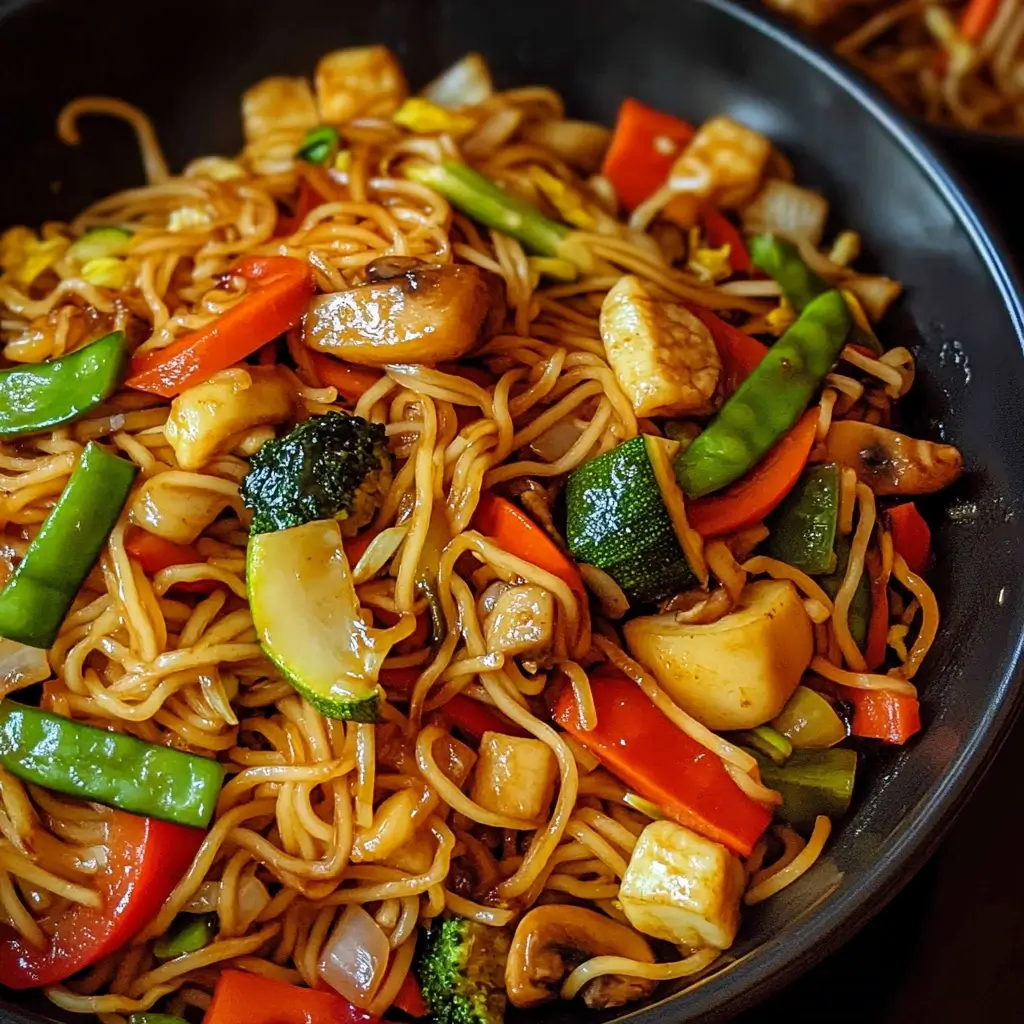

It’s funny how some of the simplest dishes can become family staples. Vegetable Lo Mein is one of those recipes in our house. Initially, it was a way to use up leftover vegetables lurking in the crisper drawer, but it quickly transformed into a requested meal. Even my notoriously picky eaters, who usually eye anything green with suspicion, devour bowls of this noodle dish with surprising enthusiasm. There’s something about the savory sauce, the perfectly cooked noodles, and the vibrant mix of vegetables that just works. It’s become our go-to for busy weeknights, a crowd-pleasing dish for casual gatherings, and honestly, sometimes just because we’re craving that comforting, flavorful bite. If you’re looking for a recipe that’s versatile, easy to customize, and guaranteed to please, then you’ve absolutely landed in the right place. Get ready to discover how to make vegetable lo mein that’s even better than takeout!
Ingredients
Creating a truly delicious Vegetable Lo Mein starts with understanding the role each ingredient plays. This isn’t just about throwing things into a pan; it’s about building layers of flavor and texture. Let’s break down the key components of this recipe, exploring not just what to use, but also why and how you can elevate your ingredients for an even more fantastic dish.
For the Noodles:
- 1 pound Lo Mein Noodles: The heart of any Lo Mein is, of course, the noodles. Lo Mein noodles are specifically designed for this dish, typically made from wheat flour and eggs, giving them a satisfying chewiness and ability to soak up sauce without becoming mushy. You can find them fresh or dried in most Asian grocery stores and increasingly in well-stocked supermarkets.
- Fresh vs. Dried: Fresh lo mein noodles, often sold refrigerated, offer a slightly more tender texture and often require less cooking time. Dried lo mein noodles are more readily available and shelf-stable. If using dried, be sure to cook them according to package directions, usually until just al dente, as they will continue to cook in the stir-fry. Overcooked noodles can become gummy, so err on the side of slightly undercooked.
- Alternatives: If you can’t find lo mein noodles specifically, don’t despair! Spaghetti or linguine can be used as substitutes in a pinch. Look for thicker varieties and cook them al dente. For a gluten-free option, consider using brown rice noodles or even zucchini noodles (zoodles) for a lighter, lower-carb version, though the texture will be different.
- 1 tablespoon Sesame Oil: Sesame oil is crucial for adding that authentic Asian flavor profile. Its nutty aroma and rich taste are essential, especially when stir-frying. Make sure to use toasted sesame oil, which has a much more pronounced flavor than regular sesame oil.
- Why Toasted Sesame Oil? Toasted sesame oil is made from sesame seeds that have been toasted before pressing. This toasting process intensifies the flavor, giving it that characteristic nutty and slightly smoky aroma. Regular sesame oil lacks this depth of flavor.
For the Vegetables:
Vegetable Lo Mein is wonderfully versatile, allowing you to use a wide array of vegetables based on your preferences and what’s in season. Aim for a colorful mix to not only enhance the visual appeal but also to provide a variety of textures and nutrients. The total amount of vegetables should be around 4-5 cups, but feel free to adjust based on your noodle-to-vegetable ratio preference.
- 1 cup Broccoli Florets: Broccoli adds a lovely crunch and mild bitterness that balances the savory sauce. Cut the florets into bite-sized pieces for even cooking.
- Preparation Tip: To ensure broccoli cooks evenly, you can blanch it briefly before stir-frying. Simply drop the florets into boiling water for 1-2 minutes, then immediately plunge them into ice water to stop the cooking process. This helps them retain their bright green color and crisp-tender texture.
- 1 cup Sliced Carrots: Carrots provide sweetness and vibrant color. Slice them thinly on a bias (diagonally) for a more elegant presentation and quicker cooking.
- Variety is Key: Consider using different types of carrots, like baby carrots halved or rainbow carrots for added visual appeal.
- 1 cup Sliced Bell Peppers (any color): Bell peppers contribute sweetness and a slight vegetal flavor. Red, yellow, or orange peppers are sweeter than green peppers. Slice them into strips or squares.
- Flavor Profiles: Each color of bell pepper has a slightly different flavor profile. Red peppers are the sweetest, followed by orange and yellow. Green peppers are the least sweet and have a slightly more bitter edge.
- 1/2 cup Sliced Onion (yellow or white): Onion adds a foundational savory flavor to the dish. Yellow or white onions are good choices as they become sweet when cooked. Slice them thinly.
- Shallots as an Alternative: For a milder, slightly sweeter onion flavor, consider using shallots instead of yellow or white onions.
- 1/2 cup Snow Peas or Snap Peas: Snow peas or snap peas offer a delicate sweetness and satisfying crunch. Trim the ends and remove any strings before using.
- Timing is Important: Add snow peas or snap peas towards the end of cooking as they cook quickly and you want to retain their crispness.
- 1/2 cup Mushrooms (sliced): Mushrooms add an earthy, umami flavor. Cremini, shiitake, or button mushrooms all work well. Slice them thinly.
- Enhancing Mushroom Flavor: For a deeper mushroom flavor, you can sauté the mushrooms separately in a little butter or olive oil before adding them to the stir-fry. This helps to caramelize them and intensify their taste.
- Optional Vegetables: Feel free to get creative and add other vegetables you enjoy or have on hand. Some excellent additions include:
- Bok Choy or Napa Cabbage: Adds a mild, leafy green element.
- Zucchini or Yellow Squash: Adds a soft, mild flavor and texture.
- Asparagus: Adds a slightly bitter, spring-like flavor.
- Baby Corn: Adds sweetness and a satisfying crunch.
- Water Chestnuts: Adds a unique crispness and slightly sweet flavor.
- Edamame (shelled): Adds protein and a vibrant green color.
For the Sauce:
The sauce is what brings everything together, coating the noodles and vegetables in a symphony of savory, slightly sweet, and umami flavors. A well-balanced sauce is key to a truly delicious Lo Mein.
- 1/4 cup Soy Sauce (low sodium): Soy sauce provides the essential savory and salty base of the sauce. Using low sodium soy sauce allows you to control the saltiness and adjust it to your preference.
- Types of Soy Sauce: Consider using different types of soy sauce for nuanced flavor. Light soy sauce is saltier and thinner, while dark soy sauce is less salty, thicker, and adds color. For this recipe, low sodium light soy sauce is ideal.
- 2 tablespoons Oyster Sauce (vegetarian oyster sauce for vegan option): Oyster sauce adds a rich, umami depth and slight sweetness to the sauce. For a vegetarian or vegan version, use vegetarian oyster sauce made from mushrooms.
- Vegetarian Oyster Sauce Options: Look for vegetarian oyster sauce made from shiitake mushrooms or other umami-rich ingredients. These offer a similar depth of flavor to traditional oyster sauce.
- 2 tablespoons Hoisin Sauce: Hoisin sauce contributes sweetness, saltiness, and a slightly tangy flavor, as well as a beautiful glossy sheen to the sauce.
- Flavor Profile of Hoisin Sauce: Hoisin sauce is a thick, dark, and fragrant sauce, often described as being sweet, salty, and umami-rich, with notes of fermented soybeans, garlic, and spices.
- 1 tablespoon Rice Vinegar: Rice vinegar adds a touch of acidity to balance the sweetness and savory flavors, brightening the overall sauce.
- Alternatives to Rice Vinegar: If you don’t have rice vinegar, you can substitute with apple cider vinegar or white wine vinegar in a pinch, but rice vinegar is preferred for its milder, slightly sweet flavor.
- 1 tablespoon Cornstarch: Cornstarch is used to thicken the sauce, giving it a glossy, clingy texture that coats the noodles and vegetables beautifully.
- Slurry Technique: Mix the cornstarch with a tablespoon of cold water to create a slurry before adding it to the sauce. This prevents lumps from forming and ensures a smooth, even thickening.
- 1 tablespoon Sugar (brown sugar or granulated): A touch of sugar balances the savory and acidic elements, rounding out the flavor profile. Brown sugar adds a hint of molasses for extra depth.
- Sweetness Adjustment: Adjust the amount of sugar to your preference. If you prefer a less sweet Lo Mein, reduce the sugar slightly.
- 1 teaspoon Ground Ginger: Ground ginger adds warmth and a subtle spice to the sauce. Freshly grated ginger is even better if you have it on hand.
- Fresh Ginger vs. Ground Ginger: Freshly grated ginger has a brighter, more pungent flavor than ground ginger. If using fresh ginger, use about 1 tablespoon of grated ginger.
- 1/2 teaspoon Garlic Powder: Garlic powder adds a savory garlic flavor that complements the other ingredients. Freshly minced garlic can also be used.
- Fresh Garlic Option: If using fresh garlic, use 2-3 cloves of minced garlic and sauté it briefly with the ginger before adding the vegetables.
- 1/4 cup Vegetable Broth (or water): Vegetable broth adds moisture to the sauce and helps to bring all the flavors together. Water can be used as a substitute.
- Flavor Enhancement with Broth: Using vegetable broth instead of water adds an extra layer of flavor to the sauce. Chicken broth can also be used if you are not making a vegetarian dish.
For Stir-Frying:
- 2 tablespoons Vegetable Oil: Vegetable oil with a high smoke point, such as canola oil, peanut oil, or grapeseed oil, is essential for stir-frying at high heat.
- High Smoke Point Oils: Using an oil with a high smoke point is important for stir-frying as it prevents the oil from burning and smoking excessively at high temperatures.
Optional Garnishes:
- Sesame Seeds: Toasted sesame seeds add a nutty flavor and visual appeal as a garnish.
- Chopped Green Onions: Freshly chopped green onions provide a mild oniony bite and vibrant green color.
- Red Pepper Flakes: For a touch of heat, sprinkle with red pepper flakes.
Instructions
Making Vegetable Lo Mein at home is surprisingly straightforward. The key to success lies in preparation and following the steps methodically. Here’s a detailed, step-by-step guide to creating restaurant-quality Lo Mein in your own kitchen.
Step 1: Prepare the Noodles
- Cook the Noodles: Cook the lo mein noodles according to package directions. Most dried lo mein noodles require boiling for just a few minutes until al dente. Fresh noodles may need even less time. Be careful not to overcook them, as they will become mushy in the stir-fry.
- Al Dente is Key: Aim for al dente noodles, meaning they should be slightly firm to the bite. They will continue to cook a bit more when stir-fried.
- Drain and Rinse: Once cooked, immediately drain the noodles in a colander. Rinse them under cold water to stop the cooking process and prevent them from sticking together.
- Why Rinse? Rinsing the noodles removes excess starch and helps to keep them from becoming gummy and clumpy.
- Toss with Sesame Oil: In a large bowl, toss the drained noodles with 1 tablespoon of sesame oil. This further prevents sticking and adds flavor. Set aside.
- Flavor Infusion: Tossing with sesame oil not only prevents sticking but also infuses the noodles with that signature sesame aroma and taste from the very beginning.
Step 2: Prepare the Vegetables
- Wash and Chop: Wash and chop all your vegetables into bite-sized pieces. Slice carrots, bell peppers, onions, and mushrooms. Cut broccoli into florets. Trim snow peas or snap peas.
- Uniform Size for Even Cooking: Ensuring your vegetables are cut into roughly uniform sizes is crucial for even cooking. This prevents some vegetables from being overcooked while others are still raw.
- Blanch Broccoli (Optional): If you prefer crisp-tender broccoli, blanch it briefly. Bring a pot of water to a boil, add the broccoli florets, and cook for 1-2 minutes. Immediately transfer to an ice bath to stop cooking. Drain and set aside.
- Blanching Benefits: Blanching broccoli not only ensures a crisp-tender texture but also helps to retain its bright green color, making the dish more visually appealing.
Step 3: Make the Sauce
- Whisk Sauce Ingredients: In a small bowl, whisk together the soy sauce, oyster sauce (or vegetarian oyster sauce), hoisin sauce, rice vinegar, cornstarch, sugar, ground ginger, garlic powder, and vegetable broth (or water). Whisk until the cornstarch is fully dissolved and the sauce is smooth.
- Smooth Sauce is Essential: Make sure the cornstarch is completely dissolved to avoid lumps in your sauce. A smooth sauce will coat the noodles and vegetables evenly.
- Taste and Adjust: Taste the sauce and adjust seasonings as needed. You might want to add a little more soy sauce for saltiness, sugar for sweetness, or rice vinegar for acidity, depending on your preference.
- Personalize Your Sauce: Don’t be afraid to customize the sauce to your taste. This is where you can really make the recipe your own.
Step 4: Stir-Fry the Vegetables
- Heat the Wok or Large Skillet: Heat a wok or large skillet over high heat. Add 2 tablespoons of vegetable oil and heat until shimmering hot.
- High Heat is Crucial: Stir-frying requires high heat to cook vegetables quickly while retaining their crispness. A wok is ideal because it distributes heat evenly, but a large skillet will also work.
- Stir-Fry Aromatics (Optional): If using fresh garlic and ginger, add them to the hot oil and stir-fry for about 30 seconds until fragrant. Be careful not to burn them.
- Blooming Aromatics: Briefly stir-frying aromatics like garlic and ginger in hot oil releases their fragrance and flavor, infusing the oil and the entire dish with their essence.
- Add Heartier Vegetables: Add the onions, carrots, and bell peppers to the wok or skillet. Stir-fry for 3-4 minutes until they start to soften slightly but are still crisp-tender.
- Staggering Vegetable Addition: Adding vegetables in stages, starting with the heartier ones that take longer to cook, ensures that all vegetables are cooked to the desired tenderness.
- Add Mushrooms and Broccoli: Add the sliced mushrooms and broccoli (if not pre-blanched, add broccoli earlier with carrots and peppers). Stir-fry for another 2-3 minutes until the mushrooms are softened and broccoli is bright green and tender-crisp.
- Maintaining Vegetable Texture: The goal is to keep the vegetables slightly crisp-tender, not mushy. Stir-frying at high heat helps to achieve this.
- Add Snow Peas or Snap Peas: Add the snow peas or snap peas (and any other delicate vegetables like zucchini or bok choy) and stir-fry for 1-2 minutes until they are bright green and crisp-tender.
- Quick-Cooking Vegetables Last: Delicate vegetables like snow peas and snap peas cook very quickly, so add them towards the end to prevent them from becoming overcooked.
Step 5: Combine Noodles, Vegetables, and Sauce
- Pour in the Sauce: Pour the prepared sauce over the vegetables in the wok or skillet. Stir-fry for 1-2 minutes, allowing the sauce to thicken and coat the vegetables evenly.
- Sauce Thickening: The cornstarch in the sauce will activate in the heat and thicken the sauce quickly. Keep stirring to ensure even thickening and prevent sticking.
- Add Noodles: Add the cooked and oiled lo mein noodles to the wok or skillet with the vegetables and sauce.
- Gentle Incorporation: Gently toss and stir everything together, ensuring the noodles are evenly coated with the sauce and mixed with the vegetables.
- Heat Through: Continue to stir-fry for another 1-2 minutes, or until the noodles are heated through and everything is well combined.
- Final Heating: This final stir-fry step ensures that the noodles are heated through and that all the flavors meld together beautifully.
Step 6: Serve
- Garnish (Optional): Garnish with sesame seeds, chopped green onions, and red pepper flakes (if using).
- Serve Immediately: Serve the Vegetable Lo Mein hot and enjoy!
- Fresh is Best: Lo Mein is best served immediately while it’s hot and the noodles are still tender.
Nutrition Facts
(Approximate values, may vary based on specific ingredients and brands used)
Serving Size: Approximately 1.5 cups
Servings Per Recipe: 6
Per Serving:
- Calories: 350-450 kcal
- Protein: 10-15g
- Fat: 10-15g
- Saturated Fat: 2-3g
- Unsaturated Fat: 7-10g
- Cholesterol: 0mg
- Sodium: 500-700mg (can be lower with low sodium soy sauce)
- Carbohydrates: 50-60g
- Fiber: 5-7g
- Sugar: 10-15g
- Vitamin A: 40-60% DV (Daily Value)
- Vitamin C: 60-80% DV
- Calcium: 6-8% DV
- Iron: 8-10% DV
Notes on Nutrition:
- Vegetable Rich: This recipe is packed with vegetables, making it a good source of vitamins, minerals, and fiber.
- Moderate Calories: Calorie count is moderate, making it a satisfying yet not overly heavy meal.
- Sodium Content: Sodium content can be adjusted by using low sodium soy sauce and controlling the amount of oyster sauce and hoisin sauce.
- Customizable: You can adjust the nutrition profile by using whole wheat noodles for more fiber, adding lean protein like tofu or edamame for more protein, and reducing oil for lower fat content.
Preparation Time
- Prep Time: 20-25 minutes (chopping vegetables, preparing sauce)
- Cook Time: 15-20 minutes (cooking noodles, stir-frying)
- Total Time: 35-45 minutes
Tips to Speed Up Prep Time:
- Pre-Chopped Vegetables: Purchase pre-chopped vegetables from the grocery store to save time on chopping.
- Make Sauce Ahead: Prepare the sauce a day or two in advance and store it in the refrigerator.
- Use Pre-Cooked Noodles: If using fresh lo mein noodles, they often require less cooking time than dried noodles.
- Efficient Chopping Techniques: Practice efficient knife skills to chop vegetables quickly and safely.
- Organize Ingredients: Have all your ingredients prepped and measured before you start cooking (mise en place). This makes the stir-frying process much faster and smoother.
How to Serve
Vegetable Lo Mein is a versatile dish that can be served in various ways, either as a main course or a side dish. Here are some serving suggestions to elevate your meal:
- As a Main Course:
- Classic Lo Mein Bowl: Serve generous portions of Vegetable Lo Mein in bowls as a satisfying and complete meal.
- Protein Additions: Enhance it with protein by adding:
- Tofu: Crispy or pan-fried tofu cubes tossed in with the noodles.
- Edamame: Shelled edamame for extra protein and texture.
- Plant-Based Protein Strips: Vegetarian or vegan chicken or beef strips for a heartier meal.
- Garnish Extravaganza: Offer a variety of garnishes on the side so everyone can customize their bowl:
- Toasted Sesame Seeds
- Chopped Green Onions
- Red Pepper Flakes (for heat)
- Cilantro (for freshness)
- Lime Wedges (for a citrusy zing)
- As a Side Dish:
- Complement to Asian Entrees: Serve alongside other Asian-inspired dishes like:
- Kung Pao Chicken (vegetarian version with tofu or mushrooms)
- Sweet and Sour Tofu or Vegetables
- Vegetable Stir-Fry with different sauces
- Grilled or Baked Teriyaki Tofu or Vegetables
- Part of a Buffet: Include Vegetable Lo Mein as part of an Asian-themed buffet spread, offering a noodle option alongside rice dishes and other entrees.
- Complement to Asian Entrees: Serve alongside other Asian-inspired dishes like:
- Serving Temperature and Presentation:
- Serve Hot: Lo Mein is best served hot, right after it’s cooked.
- Warm Bowls: Warm your serving bowls slightly to keep the Lo Mein hotter for longer.
- Garnish for Visual Appeal: Even simple garnishes like sesame seeds and green onions can make the dish look more appealing.
- Family Style or Individual Portions: Serve family-style in a large serving dish or plate individual portions for a more formal setting.
- Drink Pairings:
- Green Tea: A classic and refreshing pairing with Asian cuisine.
- Jasmine Tea: Another fragrant and complementary tea.
- Light Beer: A light lager or pilsner can be a good, refreshing beer option.
- Dry White Wine: A crisp dry white wine like Sauvignon Blanc or Pinot Grigio can pair well with the savory flavors.
- Sparkling Water with Lime: A simple and refreshing non-alcoholic option.
Additional Tips for Perfect Vegetable Lo Mein
- High Heat is Your Friend: Stir-frying is all about high heat. Ensure your wok or skillet is screaming hot before adding oil and vegetables. This quick, high-heat cooking method is what gives Lo Mein its signature stir-fried flavor and crisp-tender vegetables. Don’t overcrowd the pan, as this will lower the temperature and cause steaming instead of stir-frying. Cook in batches if necessary.
- Prep Everything in Advance (Mise en Place): Stir-frying is a fast cooking process. Having all your vegetables chopped, sauce mixed, and noodles cooked before you start is crucial. This ensures that you can add ingredients quickly and efficiently without burning anything. “Mise en place,” the French culinary phrase meaning “everything in its place,” is your best friend in stir-frying.
- Don’t Overcook the Noodles: Overcooked noodles will become mushy and unappetizing in Lo Mein. Cook the noodles just until al dente according to package directions, and remember they will continue to cook a bit more when you stir-fry them with the vegetables and sauce. Rinsing them in cold water after cooking stops the cooking process and prevents sticking.
- Customize Your Vegetables: Feel free to get creative with your vegetable selection based on your preferences and what’s in season. Don’t be afraid to experiment with different combinations. Seasonal vegetables like asparagus in spring, summer squash in summer, or root vegetables in fall can all be delicious additions. The key is to use a variety of textures and flavors.
- Taste and Adjust the Sauce: The sauce is the soul of Lo Mein. Taste it before adding it to the stir-fry and adjust the seasonings to your liking. Do you prefer it sweeter? Add a touch more sugar or hoisin sauce. Want more tang? Add a little more rice vinegar. Like it spicier? Add a pinch of red pepper flakes or a dash of sriracha. Personalizing the sauce to your taste is what will make your Lo Mein truly exceptional.
FAQ Section
Q1: Can I make Vegetable Lo Mein ahead of time?
A1: While Vegetable Lo Mein is best served fresh and hot, you can prepare components ahead of time to make the cooking process faster. You can chop the vegetables and make the sauce up to a day in advance and store them separately in the refrigerator. Cook the noodles right before you plan to stir-fry and serve to maintain the best texture. Reheating fully assembled Lo Mein can make the noodles a bit softer and the vegetables less crisp, but it’s still palatable. If you do reheat, add a splash of water or broth to loosen the sauce and prevent drying out.
Q2: Can I freeze Vegetable Lo Mein?
A2: Freezing fully cooked Vegetable Lo Mein is not highly recommended as the noodles can become mushy and the vegetables can lose their texture upon thawing. However, if you must freeze it, allow it to cool completely, then portion it into freezer-safe containers. When thawing, defrost in the refrigerator overnight and reheat in a skillet or microwave, adding a bit of water or broth to rehydrate. For best results, consume within 1-2 months. Alternatively, you can freeze the stir-fried vegetables and sauce separately from the noodles and cook fresh noodles when you are ready to eat.
Q3: How can I make this recipe gluten-free?
A3: To make Vegetable Lo Mein gluten-free, you need to make a few substitutions. First, use gluten-free noodles such as brown rice noodles or gluten-free lo mein noodles (check labels carefully). Ensure your soy sauce is gluten-free (tamari is a common gluten-free soy sauce alternative). Oyster sauce and hoisin sauce can sometimes contain gluten, so look for certified gluten-free versions, or substitute vegetarian oyster sauce with a mushroom-based stir-fry sauce and hoisin sauce with a blend of gluten-free soy sauce, brown sugar, and a touch of rice vinegar and molasses. Always double-check the ingredient labels of all your sauces to ensure they are gluten-free.
Q4: What other vegetables can I add to Vegetable Lo Mein?
A4: Vegetable Lo Mein is incredibly versatile, and you can add almost any vegetables you enjoy! Some excellent additions include baby corn, water chestnuts, bamboo shoots, zucchini, yellow squash, asparagus, bok choy, Napa cabbage, kale, spinach, and eggplant. Consider seasonal vegetables and what you have on hand. The key is to cut them into similar sizes for even cooking and to adjust cooking times based on their density, adding heartier vegetables earlier and quicker-cooking vegetables later in the stir-fry process.
Q5: Can I make this recipe vegan?
A5: Yes, this recipe is easily made vegan! Simply ensure you use vegetarian oyster sauce (made from mushrooms) instead of traditional oyster sauce. Oyster sauce is the only non-vegan ingredient in the base recipe. Double-check that your hoisin sauce is also vegan, as some brands may contain honey, although most are plant-based. All other ingredients are naturally vegan. Enjoy your delicious and ethical Vegetable Lo Mein!
Print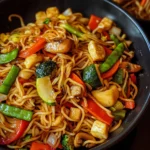
Vegetable Lo Mein Recipe
Ingredients
For the Noodles:
- 1 pound Lo Mein Noodles: The heart of any Lo Mein is, of course, the noodles. Lo Mein noodles are specifically designed for this dish, typically made from wheat flour and eggs, giving them a satisfying chewiness and ability to soak up sauce without becoming mushy. You can find them fresh or dried in most Asian grocery stores and increasingly in well-stocked supermarkets.
- Fresh vs. Dried: Fresh lo mein noodles, often sold refrigerated, offer a slightly more tender texture and often require less cooking time. Dried lo mein noodles are more readily available and shelf-stable. If using dried, be sure to cook them according to package directions, usually until just al dente, as they will continue to cook in the stir-fry. Overcooked noodles can become gummy, so err on the side of slightly undercooked.
- Alternatives: If you can’t find lo mein noodles specifically, don’t despair! Spaghetti or linguine can be used as substitutes in a pinch. Look for thicker varieties and cook them al dente. For a gluten-free option, consider using brown rice noodles or even zucchini noodles (zoodles) for a lighter, lower-carb version, though the texture will be different.
- 1 tablespoon Sesame Oil: Sesame oil is crucial for adding that authentic Asian flavor profile. Its nutty aroma and rich taste are essential, especially when stir-frying. Make sure to use toasted sesame oil, which has a much more pronounced flavor than regular sesame oil.
- Why Toasted Sesame Oil? Toasted sesame oil is made from sesame seeds that have been toasted before pressing. This toasting process intensifies the flavor, giving it that characteristic nutty and slightly smoky aroma. Regular sesame oil lacks this depth of flavor.
For the Vegetables:
Vegetable Lo Mein is wonderfully versatile, allowing you to use a wide array of vegetables based on your preferences and what’s in season. Aim for a colorful mix to not only enhance the visual appeal but also to provide a variety of textures and nutrients. The total amount of vegetables should be around 4-5 cups, but feel free to adjust based on your noodle-to-vegetable ratio preference.
- 1 cup Broccoli Florets: Broccoli adds a lovely crunch and mild bitterness that balances the savory sauce. Cut the florets into bite-sized pieces for even cooking.
- Preparation Tip: To ensure broccoli cooks evenly, you can blanch it briefly before stir-frying. Simply drop the florets into boiling water for 1-2 minutes, then immediately plunge them into ice water to stop the cooking process. This helps them retain their bright green color and crisp-tender texture.
- 1 cup Sliced Carrots: Carrots provide sweetness and vibrant color. Slice them thinly on a bias (diagonally) for a more elegant presentation and quicker cooking.
- Variety is Key: Consider using different types of carrots, like baby carrots halved or rainbow carrots for added visual appeal.
- 1 cup Sliced Bell Peppers (any color): Bell peppers contribute sweetness and a slight vegetal flavor. Red, yellow, or orange peppers are sweeter than green peppers. Slice them into strips or squares.
- Flavor Profiles: Each color of bell pepper has a slightly different flavor profile. Red peppers are the sweetest, followed by orange and yellow. Green peppers are the least sweet and have a slightly more bitter edge.
- 1/2 cup Sliced Onion (yellow or white): Onion adds a foundational savory flavor to the dish. Yellow or white onions are good choices as they become sweet when cooked. Slice them thinly.
- Shallots as an Alternative: For a milder, slightly sweeter onion flavor, consider using shallots instead of yellow or white onions.
- 1/2 cup Snow Peas or Snap Peas: Snow peas or snap peas offer a delicate sweetness and satisfying crunch. Trim the ends and remove any strings before using.
- Timing is Important: Add snow peas or snap peas towards the end of cooking as they cook quickly and you want to retain their crispness.
- 1/2 cup Mushrooms (sliced): Mushrooms add an earthy, umami flavor. Cremini, shiitake, or button mushrooms all work well. Slice them thinly.
- Enhancing Mushroom Flavor: For a deeper mushroom flavor, you can sauté the mushrooms separately in a little butter or olive oil before adding them to the stir-fry. This helps to caramelize them and intensify their taste.
- Optional Vegetables: Feel free to get creative and add other vegetables you enjoy or have on hand. Some excellent additions include:
- Bok Choy or Napa Cabbage: Adds a mild, leafy green element.
- Zucchini or Yellow Squash: Adds a soft, mild flavor and texture.
- Asparagus: Adds a slightly bitter, spring-like flavor.
- Baby Corn: Adds sweetness and a satisfying crunch.
- Water Chestnuts: Adds a unique crispness and slightly sweet flavor.
- Edamame (shelled): Adds protein and a vibrant green color.
For the Sauce:
The sauce is what brings everything together, coating the noodles and vegetables in a symphony of savory, slightly sweet, and umami flavors. A well-balanced sauce is key to a truly delicious Lo Mein.
- 1/4 cup Soy Sauce (low sodium): Soy sauce provides the essential savory and salty base of the sauce. Using low sodium soy sauce allows you to control the saltiness and adjust it to your preference.
- Types of Soy Sauce: Consider using different types of soy sauce for nuanced flavor. Light soy sauce is saltier and thinner, while dark soy sauce is less salty, thicker, and adds color. For this recipe, low sodium light soy sauce is ideal.
- 2 tablespoons Oyster Sauce (vegetarian oyster sauce for vegan option): Oyster sauce adds a rich, umami depth and slight sweetness to the sauce. For a vegetarian or vegan version, use vegetarian oyster sauce made from mushrooms.
- Vegetarian Oyster Sauce Options: Look for vegetarian oyster sauce made from shiitake mushrooms or other umami-rich ingredients. These offer a similar depth of flavor to traditional oyster sauce.
- 2 tablespoons Hoisin Sauce: Hoisin sauce contributes sweetness, saltiness, and a slightly tangy flavor, as well as a beautiful glossy sheen to the sauce.
- Flavor Profile of Hoisin Sauce: Hoisin sauce is a thick, dark, and fragrant sauce, often described as being sweet, salty, and umami-rich, with notes of fermented soybeans, garlic, and spices.
- 1 tablespoon Rice Vinegar: Rice vinegar adds a touch of acidity to balance the sweetness and savory flavors, brightening the overall sauce.
- Alternatives to Rice Vinegar: If you don’t have rice vinegar, you can substitute with apple cider vinegar or white wine vinegar in a pinch, but rice vinegar is preferred for its milder, slightly sweet flavor.
- 1 tablespoon Cornstarch: Cornstarch is used to thicken the sauce, giving it a glossy, clingy texture that coats the noodles and vegetables beautifully.
- Slurry Technique: Mix the cornstarch with a tablespoon of cold water to create a slurry before adding it to the sauce. This prevents lumps from forming and ensures a smooth, even thickening.
- 1 tablespoon Sugar (brown sugar or granulated): A touch of sugar balances the savory and acidic elements, rounding out the flavor profile. Brown sugar adds a hint of molasses for extra depth.
- Sweetness Adjustment: Adjust the amount of sugar to your preference. If you prefer a less sweet Lo Mein, reduce the sugar slightly.
- 1 teaspoon Ground Ginger: Ground ginger adds warmth and a subtle spice to the sauce. Freshly grated ginger is even better if you have it on hand.
- Fresh Ginger vs. Ground Ginger: Freshly grated ginger has a brighter, more pungent flavor than ground ginger. If using fresh ginger, use about 1 tablespoon of grated ginger.
- 1/2 teaspoon Garlic Powder: Garlic powder adds a savory garlic flavor that complements the other ingredients. Freshly minced garlic can also be used.
- Fresh Garlic Option: If using fresh garlic, use 2-3 cloves of minced garlic and sauté it briefly with the ginger before adding the vegetables.
- 1/4 cup Vegetable Broth (or water): Vegetable broth adds moisture to the sauce and helps to bring all the flavors together. Water can be used as a substitute.
- Flavor Enhancement with Broth: Using vegetable broth instead of water adds an extra layer of flavor to the sauce. Chicken broth can also be used if you are not making a vegetarian dish.
For Stir-Frying:
- 2 tablespoons Vegetable Oil: Vegetable oil with a high smoke point, such as canola oil, peanut oil, or grapeseed oil, is essential for stir-frying at high heat.
- High Smoke Point Oils: Using an oil with a high smoke point is important for stir-frying as it prevents the oil from burning and smoking excessively at high temperatures.
Instructions
Step 1: Prepare the Noodles
- Cook the Noodles: Cook the lo mein noodles according to package directions. Most dried lo mein noodles require boiling for just a few minutes until al dente. Fresh noodles may need even less time. Be careful not to overcook them, as they will become mushy in the stir-fry.
- Al Dente is Key: Aim for al dente noodles, meaning they should be slightly firm to the bite. They will continue to cook a bit more when stir-fried.
- Drain and Rinse: Once cooked, immediately drain the noodles in a colander. Rinse them under cold water to stop the cooking process and prevent them from sticking together.
- Why Rinse? Rinsing the noodles removes excess starch and helps to keep them from becoming gummy and clumpy.
- Toss with Sesame Oil: In a large bowl, toss the drained noodles with 1 tablespoon of sesame oil. This further prevents sticking and adds flavor. Set aside.
- Flavor Infusion: Tossing with sesame oil not only prevents sticking but also infuses the noodles with that signature sesame aroma and taste from the very beginning.
Step 2: Prepare the Vegetables
- Wash and Chop: Wash and chop all your vegetables into bite-sized pieces. Slice carrots, bell peppers, onions, and mushrooms. Cut broccoli into florets. Trim snow peas or snap peas.
- Uniform Size for Even Cooking: Ensuring your vegetables are cut into roughly uniform sizes is crucial for even cooking. This prevents some vegetables from being overcooked while others are still raw.
- Blanch Broccoli (Optional): If you prefer crisp-tender broccoli, blanch it briefly. Bring a pot of water to a boil, add the broccoli florets, and cook for 1-2 minutes. Immediately transfer to an ice bath to stop cooking. Drain and set aside.
- Blanching Benefits: Blanching broccoli not only ensures a crisp-tender texture but also helps to retain its bright green color, making the dish more visually appealing.
Step 3: Make the Sauce
- Whisk Sauce Ingredients: In a small bowl, whisk together the soy sauce, oyster sauce (or vegetarian oyster sauce), hoisin sauce, rice vinegar, cornstarch, sugar, ground ginger, garlic powder, and vegetable broth (or water). Whisk until the cornstarch is fully dissolved and the sauce is smooth.
- Smooth Sauce is Essential: Make sure the cornstarch is completely dissolved to avoid lumps in your sauce. A smooth sauce will coat the noodles and vegetables evenly.
- Taste and Adjust: Taste the sauce and adjust seasonings as needed. You might want to add a little more soy sauce for saltiness, sugar for sweetness, or rice vinegar for acidity, depending on your preference.
- Personalize Your Sauce: Don’t be afraid to customize the sauce to your taste. This is where you can really make the recipe your own.
Step 4: Stir-Fry the Vegetables
- Heat the Wok or Large Skillet: Heat a wok or large skillet over high heat. Add 2 tablespoons of vegetable oil and heat until shimmering hot.
- High Heat is Crucial: Stir-frying requires high heat to cook vegetables quickly while retaining their crispness. A wok is ideal because it distributes heat evenly, but a large skillet will also work.
- Stir-Fry Aromatics (Optional): If using fresh garlic and ginger, add them to the hot oil and stir-fry for about 30 seconds until fragrant. Be careful not to burn them.
- Blooming Aromatics: Briefly stir-frying aromatics like garlic and ginger in hot oil releases their fragrance and flavor, infusing the oil and the entire dish with their essence.
- Add Heartier Vegetables: Add the onions, carrots, and bell peppers to the wok or skillet. Stir-fry for 3-4 minutes until they start to soften slightly but are still crisp-tender.
- Staggering Vegetable Addition: Adding vegetables in stages, starting with the heartier ones that take longer to cook, ensures that all vegetables are cooked to the desired tenderness.
- Add Mushrooms and Broccoli: Add the sliced mushrooms and broccoli (if not pre-blanched, add broccoli earlier with carrots and peppers). Stir-fry for another 2-3 minutes until the mushrooms are softened and broccoli is bright green and tender-crisp.
- Maintaining Vegetable Texture: The goal is to keep the vegetables slightly crisp-tender, not mushy. Stir-frying at high heat helps to achieve this.
- Add Snow Peas or Snap Peas: Add the snow peas or snap peas (and any other delicate vegetables like zucchini or bok choy) and stir-fry for 1-2 minutes until they are bright green and crisp-tender.
- Quick-Cooking Vegetables Last: Delicate vegetables like snow peas and snap peas cook very quickly, so add them towards the end to prevent them from becoming overcooked.
Step 5: Combine Noodles, Vegetables, and Sauce
- Pour in the Sauce: Pour the prepared sauce over the vegetables in the wok or skillet. Stir-fry for 1-2 minutes, allowing the sauce to thicken and coat the vegetables evenly.
- Sauce Thickening: The cornstarch in the sauce will activate in the heat and thicken the sauce quickly. Keep stirring to ensure even thickening and prevent sticking.
- Add Noodles: Add the cooked and oiled lo mein noodles to the wok or skillet with the vegetables and sauce.
- Gentle Incorporation: Gently toss and stir everything together, ensuring the noodles are evenly coated with the sauce and mixed with the vegetables.
- Heat Through: Continue to stir-fry for another 1-2 minutes, or until the noodles are heated through and everything is well combined.
- Final Heating: This final stir-fry step ensures that the noodles are heated through and that all the flavors meld together beautifully.
Step 6: Serve
- Garnish (Optional): Garnish with sesame seeds, chopped green onions, and red pepper flakes (if using).
- Serve Immediately: Serve the Vegetable Lo Mein hot and enjoy!
- Fresh is Best: Lo Mein is best served immediately while it’s hot and the noodles are still tender.
Nutrition
- Serving Size: one normal portion
- Calories: 350-450 kcal
- Sugar: 10-15g
- Sodium: 500-700mg
- Fat: 10-15g
- Saturated Fat: 2-3g
- Unsaturated Fat: 7-10g
- Carbohydrates: 50-60g
- Fiber: 5-7g
- Protein: 10-15g
- Cholesterol: 0mg