
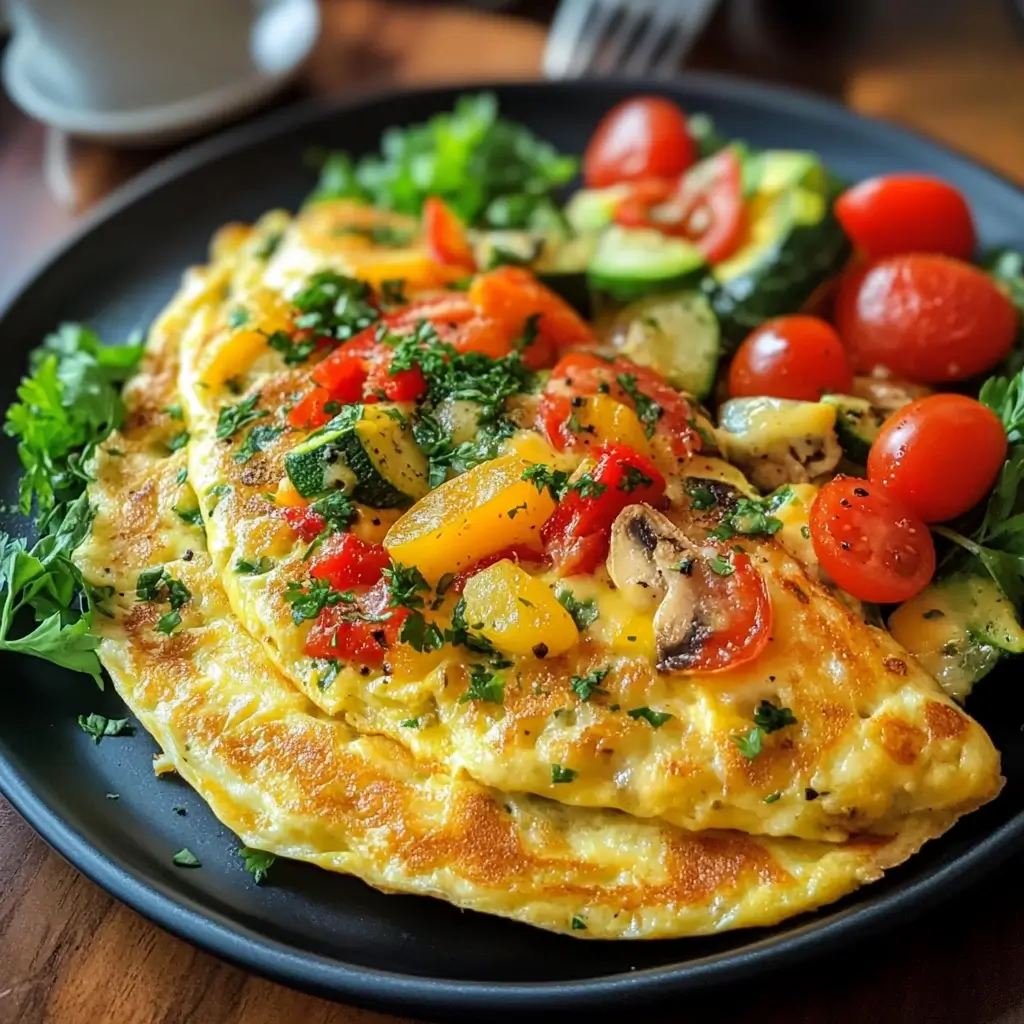

It’s funny how some of the simplest dishes become absolute staples in our home, and the humble vegetable omelette is a reigning champion. My kids, who can be notoriously picky, will devour a cheesy, veggie-packed omelette without a second thought, especially if they get to “help” choose the fillings. For my husband, it’s the perfect quick, protein-rich breakfast or light lunch that keeps him fueled. And for me? It’s a culinary chameleon – a way to use up leftover vegetables, a canvas for flavor experimentation, and a guaranteed satisfying meal that comes together in minutes. I’ve tweaked and perfected my technique over the years, and this version, bursting with colorful vegetables and cooked to fluffy perfection, is the one we always come back to. It’s more than just breakfast; it’s a little slice of morning joy, a healthy start, and a testament to how delicious simple food can be.
The Ultimate Vegetable Omelette: A Symphony of Flavor and Freshness
This recipe focuses on creating a fluffy, flavorful omelette packed with a vibrant array of sautéed vegetables. It’s designed to be easily customizable to your tastes and what you have on hand.
Yields: 1 generous serving
Prep time: 10-15 minutes
Cook time: 5-7 minutes
Ingredients:
- For the Omelette Base:
- Large Eggs: 3
- Milk or Cream: 1 tablespoon (optional, for extra richness and fluffiness; water can also be used)
- Salt: ¼ teaspoon, or to taste
- Freshly Ground Black Pepper: ⅛ teaspoon, or to taste
- Unsalted Butter or Olive Oil: 1 teaspoon, for cooking the omelette
- For the Vegetable Filling:
- Olive Oil or Butter: 1 teaspoon, for sautéing vegetables
- Small Onion: ¼, finely chopped (about ¼ cup)
- Bell Pepper: ¼ of a medium pepper (any color: red, yellow, orange, or green), finely chopped (about ¼ cup)
- Mushrooms: 2-3 medium cremini or button mushrooms, sliced or chopped (about ½ cup)
- Fresh Spinach: 1 cup, loosely packed (will wilt down significantly)
- Cherry Tomatoes: 3-4, halved or quartered
- Garlic: 1 small clove, minced (optional, for extra flavor)
- Salt and Pepper: A pinch of each, for seasoning vegetables
- Optional Add-ins:
- Shredded Cheese: ¼ cup (Cheddar, Monterey Jack, Gruyère, Feta, or Mozzarella work well)
- Fresh Herbs: 1 tablespoon, chopped (e.g., parsley, chives, dill) for garnish or mixed into eggs
Step-by-Step Instructions to Omelette Perfection
Follow these detailed instructions to create a restaurant-quality vegetable omelette in your own kitchen. The key is in the preparation of the vegetables and the gentle cooking of the eggs.
- Prepare the Vegetables (Mise en Place is Key!):
- Begin by washing and thoroughly drying all your vegetables. This prevents excess moisture from making your omelette watery.
- Onion: Peel and finely chop the onion. A small dice ensures it cooks quickly and distributes evenly.
- Bell Pepper: Remove the stem, seeds, and white pith from the bell pepper. Dice it into small, uniform pieces similar in size to the onion. Using a mix of colors can make your omelette visually stunning.
- Mushrooms: Wipe the mushrooms clean with a damp paper towel (avoid washing if possible, as they absorb water). Slice or chop them according to your preference. Sliced mushrooms offer a meatier texture, while chopped ones blend in more.
- Spinach: If using baby spinach, it’s usually ready to go. For larger spinach leaves, give them a rough chop.
- Cherry Tomatoes: Slice them in half or quarters depending on their size.
- Garlic (if using): Peel and mince the garlic finely.
- Sauté the Vegetables:
- Place a small to medium-sized non-stick skillet (an 8-inch or 10-inch pan is ideal for a single omelette) over medium heat.
- Add 1 teaspoon of olive oil or butter to the pan. Once the butter is melted or the oil shimmers, add the chopped onion and bell pepper.
- Sauté for 2-3 minutes, stirring occasionally, until the onions become translucent and the peppers begin to soften. You’re looking for them to lose their raw crunch but still retain some texture.
- Add the sliced or chopped mushrooms and minced garlic (if using). Continue to sauté for another 2-3 minutes, until the mushrooms release their liquid and start to brown slightly. Season the vegetables with a small pinch of salt and pepper at this stage to draw out their flavors.
- Add the fresh spinach to the pan. It will look like a lot, but it wilts down quickly. Stir gently until the spinach is just wilted, which should take about 1-2 minutes.
- Finally, add the halved or quartered cherry tomatoes. Cook for just another minute, allowing them to warm through but not break down completely.
- Once all vegetables are cooked to your liking (they should be tender-crisp), remove them from the skillet and set them aside in a small bowl. Wipe the skillet clean with a paper towel if there are any browned bits, or use a separate clean non-stick skillet for the omelette itself.
- Whisk the Eggs:
- In a medium-sized bowl, crack the 3 large eggs.
- Add the tablespoon of milk, cream, or water (if using). This addition can help create a slightly more tender and fluffier omelette, though it’s perfectly fine to omit it.
- Season with ¼ teaspoon of salt and ⅛ teaspoon of freshly ground black pepper. Remember that you’ve already seasoned the vegetables, so don’t overdo it.
- Using a fork or a whisk, beat the eggs vigorously for about 30-60 seconds. You want them to be uniformly yellow and slightly frothy, with no visible streaks of yolk or white. Be careful not to overbeat, as this can sometimes lead to a tougher omelette. The goal is to incorporate some air.
- Cook the Omelette:
- Return the clean 8-inch or 10-inch non-stick skillet to the stove over medium to medium-low heat. It’s crucial not to use excessively high heat, as this will cook the eggs too quickly, potentially making them rubbery or browned before the inside is set.
- Add 1 teaspoon of unsalted butter or olive oil to the pan. Swirl the pan to coat the bottom evenly as the butter melts or the oil heats. The fat should shimmer but not smoke.
- Pour the whisked egg mixture into the hot, greased skillet. It should sizzle gently upon contact.
- Let the eggs cook undisturbed for about 30-60 seconds, or until the edges begin to set and look slightly opaque. You’ll see small bubbles forming.
- Once the edges are set, gently tilt the pan and use a heat-resistant silicone spatula to lift the cooked egg from one edge, allowing the uncooked egg from the top to flow underneath. Repeat this process around the edges of the omelette 2-3 times. This helps the omelette cook more evenly and quickly.
- Continue cooking until most of the liquid egg on top has set, but the surface is still slightly moist and glistening. This usually takes another 1-2 minutes. Avoid overcooking at this stage, as the residual heat will continue to cook the eggs even after filling and folding.
- Add Fillings and Fold:
- Sprinkle your sautéed vegetables evenly over one half of the omelette.
- If using cheese, sprinkle it over the vegetables.
- Using your spatula, carefully fold the unfilled half of the omelette over the half with the fillings. You can either fold it directly in half (like a taco) or make a tri-fold (folding one-third in, then the other third over that).
- Press down gently on the top of the folded omelette with the spatula to help seal it and ensure the cheese melts (if using).
- Finish Cooking and Serve:
- Cook for another 30 seconds to 1 minute, just to ensure the filling is heated through and the cheese is melted and gooey. If you prefer your eggs more well-done, you can cook it for a little longer, or even carefully flip the entire folded omelette to cook the other side briefly.
- Gently slide the finished vegetable omelette from the skillet onto a warm plate.
- Garnish with fresh chopped herbs like parsley or chives, if desired, for an extra touch of freshness and color. Serve immediately and enjoy!
Nutrition Facts
- Servings: 1 large omelette
- Calories per serving: Approximately 350-450 calories.
Disclaimer: The exact nutritional information will vary based on the specific types and amounts of vegetables, cheese, and cooking fat used. This is an estimate.
A 3-egg omelette with the specified vegetables, cooked with a teaspoon of olive oil, and including about ¼ cup of cheddar cheese would fall into this range. Eggs are a fantastic source of high-quality protein, vitamins (like B12, D, and riboflavin), and minerals. The vegetables contribute fiber, vitamins (A, C, K), and antioxidants, making this a nutrient-dense meal.
Preparation Time Breakdown
To help you plan your cooking, here’s a more detailed breakdown of the time involved:
- Vegetable Chopping and Preparation: 7-10 minutes (This can vary depending on your knife skills and the number of vegetables you’re using).
- Sautéing Vegetables: 5-7 minutes
- Whisking Eggs: 1 minute
- Cooking Omelette: 5-7 minutes
- Total Estimated Time: Approximately 18-25 minutes
This makes the vegetable omelette an excellent choice for a relatively quick weekday breakfast, a leisurely weekend brunch, or even a speedy light dinner. If you prep your vegetables the night before (chop onions, peppers, mushrooms), you can significantly reduce the morning prep time to under 10 minutes total.
How to Serve Your Delicious Vegetable Omelette
A beautifully cooked vegetable omelette is a star in its own right, but the right accompaniments can elevate it from a simple meal to a truly satisfying experience. Here are some serving suggestions:
- Classic Breakfast Companions:
- Toast: A slice or two of toasted bread is almost mandatory.
- Whole-wheat toast for added fiber.
- Sourdough toast for a tangy counterpoint.
- Rye toast for a robust flavor.
- Serve with a pat of butter or a smear of avocado.
- Breakfast Meats (Optional): If you’re looking for a heartier meal, consider:
- Crispy bacon strips.
- Sausage links or patties (turkey or pork).
- A slice of grilled ham.
- Potatoes:
- Crispy hash browns or home fries.
- Roasted breakfast potatoes with herbs.
- Toast: A slice or two of toasted bread is almost mandatory.
- Fresh and Light Pairings:
- Fresh Fruit Salad: A bowl of mixed berries, melon, and grapes adds a refreshing sweetness and vibrant color.
- Sliced Avocado: Creamy avocado slices seasoned with salt, pepper, and a squeeze of lime juice are a perfect healthy fat addition.
- Simple Green Salad: For a brunch or light lunch, serve with a side salad dressed with a light vinaigrette. Arugula or mixed greens work well.
- Sliced Tomatoes: Fresh, juicy tomato slices, perhaps with a drizzle of balsamic glaze.
- Flavor Boosters and Garnishes:
- Salsa or Pico de Gallo: Adds a zesty, tangy kick.
- Hot Sauce: For those who like a bit of spice (Sriracha, Tabasco, Cholula).
- Sour Cream or Greek Yogurt: A dollop can add a creamy coolness, especially if your omelette has a bit of spice.
- Fresh Herbs: Beyond parsley and chives, consider fresh dill, cilantro (if using Mexican-inspired fillings), or basil.
- A Sprinkle of Everything Bagel Seasoning: Adds a wonderful savory crunch.
- Presentation Matters:
- Serve on a warm plate to keep the omelette from cooling too quickly.
- A sprig of parsley or a few chives artfully placed on top can make it look even more appealing.
- If serving with multiple sides, arrange them neatly around the omelette.
Think about balance in terms of flavors and textures. The soft, fluffy omelette pairs well with crunchy toast, creamy avocado, or zesty salsa. The richness of the eggs and cheese is nicely offset by fresh fruit or a tangy vinaigrette on a salad.
Additional Tips for Omelette Excellence (5 Tips)
Mastering the art of omelette making comes with a few key insights. Here are five additional tips to help you achieve omelette perfection every time:
- Invest in a Quality Non-Stick Pan (and Treat it Right!):
This is arguably the most crucial tip. A good quality non-stick skillet (8-inch for a 2-egg omelette, 10-inch for a 3-4 egg omelette) is your best friend. It allows the omelette to cook evenly and slide out effortlessly without tearing.- Why it matters: Eggs are notorious for sticking. A non-stick surface minimizes this, reducing the need for excessive fat and preventing frustrating messes.
- Care: Use only silicone, nylon, or wooden utensils to avoid scratching the non-stick coating. Hand wash it gently with a soft sponge. Avoid extreme temperature changes (like putting a hot pan in cold water) which can warp the pan and damage the coating.
- Don’t Overcrowd the Pan with Vegetables:
While it’s tempting to load up your omelette with a mountain of veggies, overfilling can lead to a few problems.- Why it matters: Too many fillings make the omelette difficult to fold neatly. The excess moisture from a large volume of vegetables can also seep into the eggs, making the omelette watery or preventing it from setting properly. The egg-to-filling ratio is important for structural integrity.
- Solution: Sauté your desired vegetables, but only add a moderate amount (e.g., ½ to ¾ cup of cooked vegetables for a 3-egg omelette) to one half of the omelette before folding. If you have extra sautéed veggies, serve them on the side!
- Control Your Heat – Medium to Medium-Low is Ideal:
Many beginners make the mistake of cooking omelettes on high heat, hoping to speed up the process. This often results in an omelette that is browned or even burnt on the outside while still runny on the inside, or one that becomes tough and rubbery.- Why it matters: Gentle, consistent heat allows the eggs to cook through evenly, resulting in a tender, custard-like texture. It gives you more control over the cooking process.
- Technique: Start with medium heat to melt your butter or warm your oil. Once you pour in the eggs, you might even reduce it slightly to medium-low, especially if your stove runs hot. Patience is key for a delicate omelette.
- The “Lift and Tilt” Technique for Even Cooking:
Instead of just letting the eggs sit and cook like a pancake, actively helping the uncooked egg reach the hot pan surface ensures a more evenly cooked and fluffier result.- Why it matters: This technique prevents the bottom from overcooking while the top remains liquid. It also incorporates more air and creates layers.
- How-to: Once the edges of the omelette begin to set (after about 30-60 seconds), use a flexible, heat-resistant spatula to gently lift one cooked edge of the omelette. Tilt the pan so that the liquid, uncooked egg from the top flows underneath the cooked portion. Repeat this around 2-3 different spots on the omelette’s edge.
- Know When It’s Done – Aim for “Just Set”:
The perfect omelette should be tender and moist, not dry or rubbery. This means taking it off the heat when it’s mostly set but still has a slight sheen or wetness on top, especially in the center.- Why it matters: Eggs continue to cook from residual heat even after being removed from the pan (this is called carryover cooking). If you cook it until it looks completely dry in the pan, it will likely be overcooked by the time you serve it.
- Visual Cue: The surface should look mostly set, but if you gently shake the pan, the center might still have a slight jiggle. When you fold it, the trapped heat will finish cooking the interior to perfection, melting the cheese beautifully.
By keeping these tips in mind, you’ll be well on your way to consistently making impressive and delicious vegetable omelettes.
Frequently Asked Questions (FAQ) About Vegetable Omelettes
Here are answers to some common questions you might have about making the perfect vegetable omelette:
Q1: How do I make my omelette fluffy without it falling apart?
- A: Several factors contribute to a fluffy omelette:
- Don’t overbeat the eggs: Whisk just until the yolks and whites are combined and slightly frothy. Overbeating can make them tough. Some people find a fork works just as well as a whisk for a small number of eggs.
- A splash of liquid: Adding a tablespoon of milk, cream, or even water per 2-3 eggs can introduce a little steam during cooking, making it tenderer and slightly puffier.
- Moderate heat: Cooking too fast on high heat makes eggs seize up and become dense. Medium to medium-low heat allows them to cook gently and evenly.
- The “lift and tilt” method: As described in the tips, lifting the cooked edges and letting raw egg flow underneath creates layers and incorporates air.
- Don’t overfill: An overstuffed omelette is prone to tearing when you try to fold it.
Q2: Can I use frozen vegetables in my omelette?
- A: Yes, you can use frozen vegetables, but with a crucial extra step: thaw them completely and drain any excess water thoroughly. Pat them dry with paper towels before sautéing.
- Why it’s important: Frozen vegetables release a lot of water when they cook. If you add them directly to the eggs or sauté them without draining, you’ll end up with a watery omelette and diluted flavors. Sautéing them after thawing and drying helps to cook off any remaining moisture and concentrate their flavor. Good options include frozen spinach (squeeze it very dry!), peas, or corn.
Q3: My omelette always sticks to the pan. What am I doing wrong?
- A: Sticking is a common frustration. Here’s how to combat it:
- Non-stick pan: This is the most important factor. Ensure you’re using a good quality non-stick skillet that’s in good condition (no deep scratches).
- Sufficient fat: Use enough butter or oil to lightly coat the bottom of the pan. About 1 teaspoon is usually adequate for an 8-10 inch pan. Make sure it’s heated properly (butter melted and foamy, or oil shimmering) before adding the eggs.
- Correct heat: If the pan is too cold, the eggs will soak up the fat and stick. If it’s excessively hot, they can scorch and stick. Medium heat is generally best.
- Clean pan: Ensure your pan is clean. Any leftover food particles can cause sticking.
- Don’t move it too soon: Let the bottom of the omelette set slightly before trying to lift the edges.
Q4: What are some other delicious vegetable combinations for an omelette?
- A: The beauty of a vegetable omelette is its versatility! Here are a few ideas beyond the classic onion, pepper, and mushroom:
- Mediterranean: Spinach, feta cheese, Kalamata olives, and sun-dried tomatoes.
- Mexican-inspired: Black beans (rinsed and drained), corn, diced jalapeño (if you like heat), cilantro, and Monterey Jack or cotija cheese. Serve with salsa and avocado.
- Spring Delight: Asparagus (blanched or sautéed), peas, and goat cheese or Gruyère.
- Italian Flair: Roasted red peppers, zucchini, fresh basil, and mozzarella or Parmesan.
- Hearty Greens & Garlic: Kale (sautéed until tender), lots of garlic, and a sharp cheddar.
Remember to pre-cook any harder vegetables (like asparagus or broccoli florets) until tender-crisp before adding them to the omelette.
Q5: Can I make a vegetable omelette ahead of time or store leftovers?
- A: Omelettes are definitely best enjoyed fresh, right out of the pan, as their texture is optimal when warm and fluffy.
- Making ahead: You can prep components ahead: chop vegetables and store them in an airtight container in the fridge. You can even sauté the vegetables and store them. Whisking eggs ahead isn’t generally recommended as they can oxidize.
- Leftovers: If you do have leftover omelette, it can be stored in an airtight container in the refrigerator for 1-2 days.
- Reheating: The best way to reheat an omelette is gently in a non-stick skillet over low heat with a lid (to help steam and warm it through without drying out), or briefly in the microwave. Be aware that the texture won’t be quite as good as freshly made – it can become a bit more rubbery. Avoid overheating.

Vegetable Omelette Recipe
Ingredients
- For the Omelette Base:
- Large Eggs: 3
- Milk or Cream: 1 tablespoon (optional, for extra richness and fluffiness; water can also be used)
- Salt: ¼ teaspoon, or to taste
- Freshly Ground Black Pepper: ⅛ teaspoon, or to taste
- Unsalted Butter or Olive Oil: 1 teaspoon, for cooking the omelette
- For the Vegetable Filling:
- Olive Oil or Butter: 1 teaspoon, for sautéing vegetables
- Small Onion: ¼, finely chopped (about ¼ cup)
- Bell Pepper: ¼ of a medium pepper (any color: red, yellow, orange, or green), finely chopped (about ¼ cup)
- Mushrooms: 2-3 medium cremini or button mushrooms, sliced or chopped (about ½ cup)
- Fresh Spinach: 1 cup, loosely packed (will wilt down significantly)
- Cherry Tomatoes: 3-4, halved or quartered
- Garlic: 1 small clove, minced (optional, for extra flavor)
- Salt and Pepper: A pinch of each, for seasoning vegetables
- Optional Add-ins:
- Shredded Cheese: ¼ cup (Cheddar, Monterey Jack, Gruyère, Feta, or Mozzarella work well)
- Fresh Herbs: 1 tablespoon, chopped (e.g., parsley, chives, dill) for garnish or mixed into eggs
Instructions
- Prepare the Vegetables (Mise en Place is Key!):
- Begin by washing and thoroughly drying all your vegetables. This prevents excess moisture from making your omelette watery.
- Onion: Peel and finely chop the onion. A small dice ensures it cooks quickly and distributes evenly.
- Bell Pepper: Remove the stem, seeds, and white pith from the bell pepper. Dice it into small, uniform pieces similar in size to the onion. Using a mix of colors can make your omelette visually stunning.
- Mushrooms: Wipe the mushrooms clean with a damp paper towel (avoid washing if possible, as they absorb water). Slice or chop them according to your preference. Sliced mushrooms offer a meatier texture, while chopped ones blend in more.
- Spinach: If using baby spinach, it’s usually ready to go. For larger spinach leaves, give them a rough chop.
- Cherry Tomatoes: Slice them in half or quarters depending on their size.
- Garlic (if using): Peel and mince the garlic finely.
- Sauté the Vegetables:
- Place a small to medium-sized non-stick skillet (an 8-inch or 10-inch pan is ideal for a single omelette) over medium heat.
- Add 1 teaspoon of olive oil or butter to the pan. Once the butter is melted or the oil shimmers, add the chopped onion and bell pepper.
- Sauté for 2-3 minutes, stirring occasionally, until the onions become translucent and the peppers begin to soften. You’re looking for them to lose their raw crunch but still retain some texture.
- Add the sliced or chopped mushrooms and minced garlic (if using). Continue to sauté for another 2-3 minutes, until the mushrooms release their liquid and start to brown slightly. Season the vegetables with a small pinch of salt and pepper at this stage to draw out their flavors.
- Add the fresh spinach to the pan. It will look like a lot, but it wilts down quickly. Stir gently until the spinach is just wilted, which should take about 1-2 minutes.
- Finally, add the halved or quartered cherry tomatoes. Cook for just another minute, allowing them to warm through but not break down completely.
- Once all vegetables are cooked to your liking (they should be tender-crisp), remove them from the skillet and set them aside in a small bowl. Wipe the skillet clean with a paper towel if there are any browned bits, or use a separate clean non-stick skillet for the omelette itself.
- Whisk the Eggs:
- In a medium-sized bowl, crack the 3 large eggs.
- Add the tablespoon of milk, cream, or water (if using). This addition can help create a slightly more tender and fluffier omelette, though it’s perfectly fine to omit it.
- Season with ¼ teaspoon of salt and ⅛ teaspoon of freshly ground black pepper. Remember that you’ve already seasoned the vegetables, so don’t overdo it.
- Using a fork or a whisk, beat the eggs vigorously for about 30-60 seconds. You want them to be uniformly yellow and slightly frothy, with no visible streaks of yolk or white. Be careful not to overbeat, as this can sometimes lead to a tougher omelette. The goal is to incorporate some air.
- Cook the Omelette:
- Return the clean 8-inch or 10-inch non-stick skillet to the stove over medium to medium-low heat. It’s crucial not to use excessively high heat, as this will cook the eggs too quickly, potentially making them rubbery or browned before the inside is set.
- Add 1 teaspoon of unsalted butter or olive oil to the pan. Swirl the pan to coat the bottom evenly as the butter melts or the oil heats. The fat should shimmer but not smoke.
- Pour the whisked egg mixture into the hot, greased skillet. It should sizzle gently upon contact.
- Let the eggs cook undisturbed for about 30-60 seconds, or until the edges begin to set and look slightly opaque. You’ll see small bubbles forming.
- Once the edges are set, gently tilt the pan and use a heat-resistant silicone spatula to lift the cooked egg from one edge, allowing the uncooked egg from the top to flow underneath. Repeat this process around the edges of the omelette 2-3 times. This helps the omelette cook more evenly and quickly.
- Continue cooking until most of the liquid egg on top has set, but the surface is still slightly moist and glistening. This usually takes another 1-2 minutes. Avoid overcooking at this stage, as the residual heat will continue to cook the eggs even after filling and folding.
- Add Fillings and Fold:
- Sprinkle your sautéed vegetables evenly over one half of the omelette.
- If using cheese, sprinkle it over the vegetables.
- Using your spatula, carefully fold the unfilled half of the omelette over the half with the fillings. You can either fold it directly in half (like a taco) or make a tri-fold (folding one-third in, then the other third over that).
- Press down gently on the top of the folded omelette with the spatula to help seal it and ensure the cheese melts (if using).
- Finish Cooking and Serve:
- Cook for another 30 seconds to 1 minute, just to ensure the filling is heated through and the cheese is melted and gooey. If you prefer your eggs more well-done, you can cook it for a little longer, or even carefully flip the entire folded omelette to cook the other side briefly.
- Gently slide the finished vegetable omelette from the skillet onto a warm plate.
- Garnish with fresh chopped herbs like parsley or chives, if desired, for an extra touch of freshness and color. Serve immediately and enjoy!
Nutrition
- Serving Size: One Normal Portion
- Calories: 350-450