

Vegetable sushi rolls are a delightful and healthy option for those looking to enjoy a plant-based version of this popular Japanese dish. Not only are they packed with flavor and nutrition, but they also offer a fun and creative way to enjoy your favorite vegetables. Making sushi at home might seem daunting, but with the right ingredients and instructions, you’ll be rolling like a pro in no time. This guide will walk you through everything you need to know to prepare perfect vegetable sushi rolls.
Ingredients for Vegetable Sushi Rolls
Creating the perfect vegetable sushi roll begins with gathering the right ingredients. Here’s what you’ll need:
- 1 cup sushi rice
- 1 ¼ cups water
- 4 nori sheets
- 1 avocado, sliced
- 1 cucumber, julienned
- 1 carrot, julienned
- ½ bell pepper, julienned
- Soy sauce (or tamari) for dipping
Instructions for Making Vegetable Sushi Rolls
Follow these step-by-step instructions to make your vegetable sushi rolls:
- Rinse and Cook the Rice: Start by rinsing the sushi rice under cold water until the water runs clear. This helps remove excess starch, ensuring the rice is sticky but not mushy. Cook the rice with 1 ¼ cups of water according to the package directions.
- Cool the Rice: Once the rice is cooked, let it cool for about 10 minutes. This cooling period allows the rice to firm up slightly, making it easier to handle.
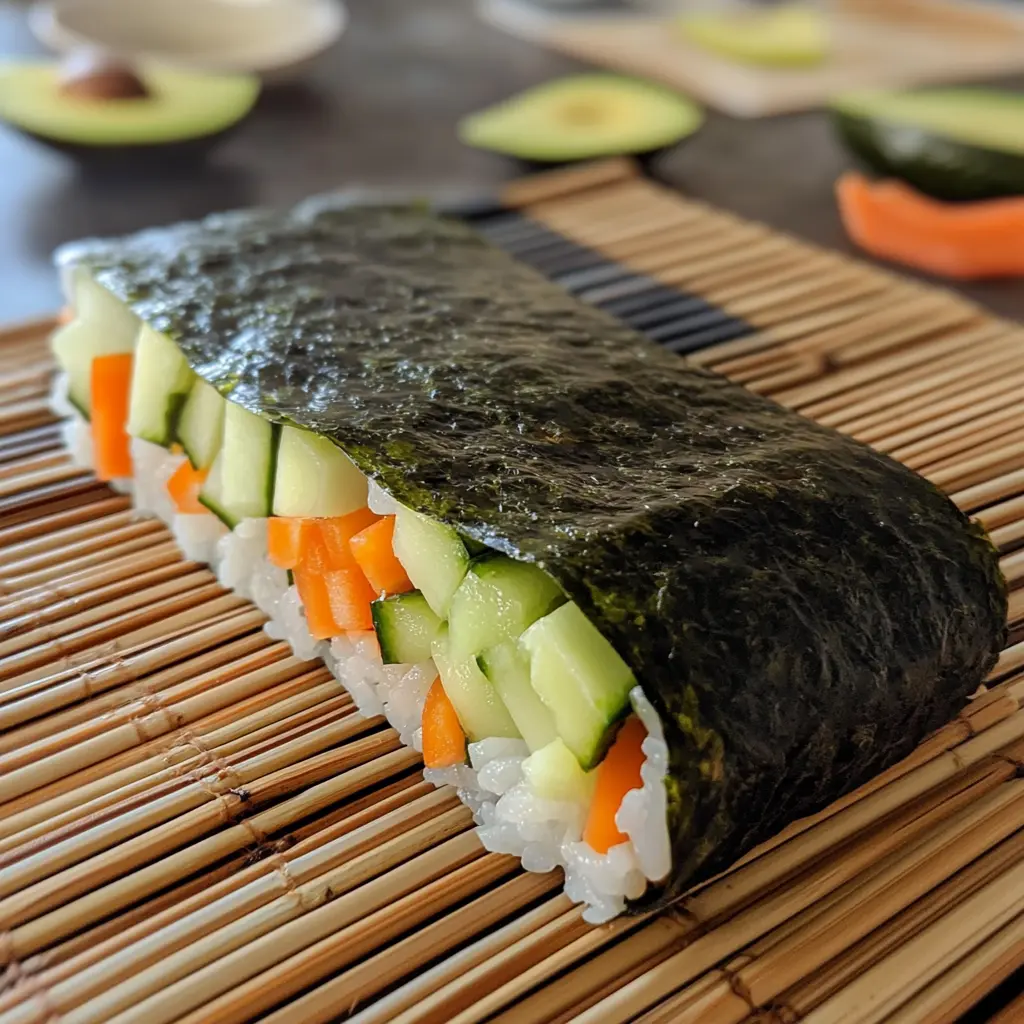
- Prepare the Nori Sheet: Place a nori sheet on a bamboo mat or a clean, flat surface.
- Spread the Rice: Spread a thin layer of the cooled rice over the nori sheet, leaving a 1-inch border at the top. This border will help seal the roll.
- Add the Vegetables: Arrange the avocado slices, cucumber, carrot, and bell pepper across the center of the rice. You can adjust the quantity of each vegetable to your liking.
- Roll the Sushi: Starting from the bottom edge, roll the sushi tightly using the bamboo mat to help guide and shape the roll. Seal the edge with a little water to ensure it stays closed.
- Slice and Serve: Slice the roll into bite-sized pieces using a sharp knife. Serve the sushi rolls with soy sauce or tamari for dipping.
Nutrition Facts
Understanding the nutritional content of your sushi rolls can help you make informed dietary choices. Here are the nutrition facts per serving:
- Calories: 180
- Protein: 4g
- Carbohydrates: 34g
- Fat: 4g
- Fiber: 4g
- Sodium: 400mg
How to Serve Vegetable Sushi Rolls
Serving your homemade vegetable sushi rolls can be an art in itself, transforming a simple meal into an elegant dining experience. The way you present your sushi not only enhances its visual appeal but also elevates the overall enjoyment of the meal. Here are some detailed presentation tips to help you create a stunning sushi dining experience:
1. Plating Your Sushi
Neat Arrangement: Begin by selecting an attractive plate that complements the colors of your sushi. A simple, clean white plate can create a beautiful contrast, allowing the vibrant colors of the vegetables to stand out. Arrange the sushi pieces in a neat line or in a circular pattern, ensuring that each piece is easily accessible. You can alternate between different types of rolls for a visually appealing display.
Garnishing: Garnish your sushi with traditional accompaniments such as pickled ginger and wasabi. Place a small mound of pickled ginger on one side of the plate, as its pink hue adds a pop of color. The wasabi, with its bright green color, can be shaped into small peaks or placed in a small dollop. This not only adds flavor but also enhances the visual appeal, suggesting an authentic sushi experience.
Additional Touches: Consider adding edible flowers or microgreens to the plate for an extra touch of elegance. These small details can elevate your presentation and create a more sophisticated dining atmosphere. You could also use a bamboo sushi mat as a base for serving, which adds an authentic Japanese flair to your presentation.
2. Dipping Sauce
Variety of Sauces: Serving your sushi with a selection of dipping sauces can enhance the flavor experience. Small bowls of soy sauce or tamari should be provided for traditional dipping. You can elevate this by offering additional options such as:
- Spicy Mayo: A blend of mayonnaise, sriracha, and a dash of lime juice can create a creamy, spicy sauce that pairs beautifully with sushi.
- Tangy Ponzu Sauce: This citrus-based sauce adds a refreshing zing and can be a delightful contrast to the umami of the sushi.
- Sesame Soy Dressing: A mixture of soy sauce, sesame oil, and rice vinegar can add depth and complexity to your meal.
Place these sauces in small, decorative bowls to maintain the aesthetic appeal of your presentation. Consider using chopsticks or small spoons for easy dipping, and ensure that each guest has access to their preferred sauce.
3. Completing the Meal with Pairings
Soup and Salads: To create a well-rounded meal, pair your sushi with light, complementary dishes. A warm bowl of miso soup, with its rich umami flavors, serves as a perfect starter and can balance the freshness of the sushi. You can enhance the soup with tofu cubes, scallions, or seaweed for added texture and flavor.
Seaweed Salad: Another excellent pairing is a fresh seaweed salad. This dish, often dressed with sesame oil, rice vinegar, and a sprinkle of sesame seeds, provides a crunchy contrast to the soft sushi rolls. The vibrant greens and the light dressing will add a refreshing element to your meal.
Beverage Pairings: Consider offering a selection of beverages that complement your sushi. Green tea, whether hot or iced, is a classic choice that enhances the flavors of the meal. Alternatively, a light, crisp sake or a refreshing Japanese beer can also be delightful accompaniments.
4. Creating the Right Atmosphere
Ambiance: Finally, don’t underestimate the importance of ambiance in enhancing your sushi dining experience. Dim the lights slightly, light some candles, or use soft, ambient music to create a relaxing atmosphere. A well-set table with chopsticks, elegant napkins, and perhaps a small vase with fresh flowers can make the meal feel special.
In conclusion, serving your homemade vegetable sushi rolls can be transformed into an artful experience through thoughtful plating, diverse dipping sauces, and complementary pairings. By paying attention to these details, you can create not just a meal but a memorable dining occasion that delights all the senses.
Additional Tips for Making Vegetable Sushi Rolls
Enhance your sushi-making skills with these additional tips to take your vegetable sushi rolls from basic to extraordinary:
Rice Vinegar Flavoring
Adding flavor to your sushi rice is a crucial step that can significantly elevate the taste of your rolls. Start by mixing a tablespoon of rice vinegar with your cooked sushi rice. This not only imparts a subtle tanginess but also balances the sweetness of the rice. For an even more aromatic profile, consider adding a pinch of sugar and a dash of salt to the vinegar mixture before gently folding it into your rice. This combination creates a well-rounded flavor that complements the fresh vegetables and any other fillings you choose. Allow the rice to sit for a few minutes after mixing in the vinegar to let the flavors meld together.
Knife Skills
Precision is key to creating visually appealing sushi rolls, and using the right knife technique can make a significant difference. Invest in a high-quality, sharp knife designed for sushi or a chef’s knife. Before cutting your rolls, dampen the blade with a little water. This simple trick prevents the sticky rice from adhering to the knife, resulting in clean, precise cuts. Additionally, employ a gentle sawing motion rather than pressing down hard, which can crush the roll. For the best presentation, slice each roll into six to eight pieces, ensuring uniformity in size, which not only looks appetizing but also ensures even distribution of flavors in each bite.
Experiment with Fillings
One of the most exciting aspects of making vegetable sushi rolls is the opportunity for creativity. While traditional fillings like cucumber, avocado, and carrots are popular, don’t hesitate to think outside the box. Incorporate a variety of colors and textures by adding ingredients such as bell peppers, asparagus, or radishes. For added protein, consider including marinated tofu, grilled tempeh, or even crunchy sprouts like alfalfa or mung bean sprouts. You can also experiment with flavor profiles by including herbs such as cilantro or mint for a fresh twist, or adding a touch of sriracha or wasabi to give your rolls a spicy kick. The possibilities are endless, so feel free to mix and match until you find your perfect combination.
Practice Makes Perfect
Sushi making is an art that requires patience and practice. Don’t be discouraged if your first attempts do not turn out perfectly. Each roll is a learning experience that contributes to your skill development. Consider hosting a sushi-making evening with friends or family, where everyone can try their hand at rolling. This not only makes for a fun social event but also allows you to learn from each other’s techniques. As you practice, focus on perfecting your rice-cooking skills, mastering the rolling technique, and honing your knife skills. Over time, you’ll notice improvement in your consistency, speed, and overall presentation, allowing you to create beautiful and delicious sushi rolls that impress your guests.
By incorporating these tips into your sushi-making routine, you’ll not only enhance your skills but also enjoy the delicious journey of creating vegetable sushi rolls that are as delightful to the palate as they are to the eye. Happy rolling!
FAQs about Vegetable Sushi Rolls
1. Can I use brown rice instead of sushi rice?
Yes, you can substitute brown rice for sushi rice. However, brown rice has a different texture and may not be as sticky, which can make rolling a bit more challenging.
2. Are there other dipping sauces I can try?
Absolutely! Besides soy sauce, you can try dipping sauces like ponzu, sweet chili sauce, or a combination of soy sauce with sesame oil and a touch of honey.
3. How do I store leftover sushi rolls?
You can store leftover sushi rolls in an airtight container in the refrigerator for up to 24 hours. Keep in mind that the rice may harden, so it’s best to consume them fresh.
4. Can I make sushi rolls without a bamboo mat?
Yes, if you don’t have a bamboo mat, you can use parchment paper or a clean kitchen towel to help roll the sushi.
Conclusion
Making vegetable sushi rolls at home is a delightful culinary adventure that combines creativity, health, and deliciousness. With fresh, vibrant ingredients and a few basic techniques, you can craft beautiful and flavorful sushi that rivals your favorite restaurant’s offerings. Whether you’re hosting a gathering, enjoying a quiet evening meal, or looking for a fun activity with family and friends, vegetable sushi rolls are an excellent choice.
One of the greatest advantages of vegetable sushi is its versatility. You can customize the rolls with your favorite vegetables, such as cucumber, avocado, carrots, bell peppers, or even pickled radish. For an added layer of flavor, consider incorporating ingredients like marinated tofu, creamy vegan mayo, or a sprinkle of sesame seeds. These rolls are naturally vegan and gluten-free (when made with tamari or gluten-free soy sauce), making them a crowd-pleasing option for a wide range of dietary preferences.
Rolling sushi may seem intimidating at first, but with a bamboo mat and some practice, it becomes an enjoyable and rewarding process. The key is to use good-quality sushi rice, cooked and seasoned to perfection, as it serves as the foundation for your rolls. Learning how to spread the rice evenly and roll the nori tightly around the fillings are essential steps that elevate the final product. Even if your first few attempts are imperfect, the process is fun and fosters a sense of accomplishment.
Making vegetable sushi rolls at home is also an opportunity to focus on health. Packed with vitamins, minerals, and fiber, these rolls are a nutritious choice that doesn’t compromise on taste. The absence of raw fish means they are safer to prepare for beginners, while still providing the same fresh, satisfying flavors associated with traditional sushi. Pairing your rolls with soy sauce, pickled ginger, and wasabi adds an authentic touch to the experience.
Vegetable sushi rolls are perfect for any occasion. They make a stunning appetizer for parties, a light and refreshing lunch, or even a creative addition to a picnic. Plus, they’re easy to pack and transport, making them a convenient meal or snack. The visually appealing presentation of the rolls, with their colorful fillings and precise cuts, makes them a feast for the eyes as well as the palate.
Embarking on the journey of making vegetable sushi rolls is about more than just food—it’s about enjoying the process, experimenting with flavors, and sharing a dish that brings joy and satisfaction to everyone who tastes it. So, roll up your sleeves, grab your ingredients, and let your creativity shine through in every bite!
Print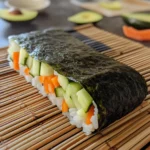
Vegetable Sushi Rolls at Home
Ingredients
Creating the perfect vegetable sushi roll begins with gathering the right ingredients. Here’s what you’ll need:
- 1 cup sushi rice
- 1 ¼ cups water
- 4 nori sheets
- 1 avocado, sliced
- 1 cucumber, julienned
- 1 carrot, julienned
- ½ bell pepper, julienned
- Soy sauce (or tamari) for dipping
Instructions
Follow these step-by-step instructions to make your vegetable sushi rolls:
- Rinse and Cook the Rice: Start by rinsing the sushi rice under cold water until the water runs clear. This helps remove excess starch, ensuring the rice is sticky but not mushy. Cook the rice with 1 ¼ cups of water according to the package directions.
- Cool the Rice: Once the rice is cooked, let it cool for about 10 minutes. This cooling period allows the rice to firm up slightly, making it easier to handle.
- Prepare the Nori Sheet: Place a nori sheet on a bamboo mat or a clean, flat surface.
- Spread the Rice: Spread a thin layer of the cooled rice over the nori sheet, leaving a 1-inch border at the top. This border will help seal the roll.
- Add the Vegetables: Arrange the avocado slices, cucumber, carrot, and bell pepper across the center of the rice. You can adjust the quantity of each vegetable to your liking.
- Roll the Sushi: Starting from the bottom edge, roll the sushi tightly using the bamboo mat to help guide and shape the roll. Seal the edge with a little water to ensure it stays closed.
- Slice and Serve: Slice the roll into bite-sized pieces using a sharp knife. Serve the sushi rolls with soy sauce or tamari for dipping.
Nutrition
- Serving Size: 1 normal portion
- Calories: 180
- Sodium: 400mg
- Fat: 4g
- Carbohydrates: 34g
- Fiber: 4g
- Protein: 4g