
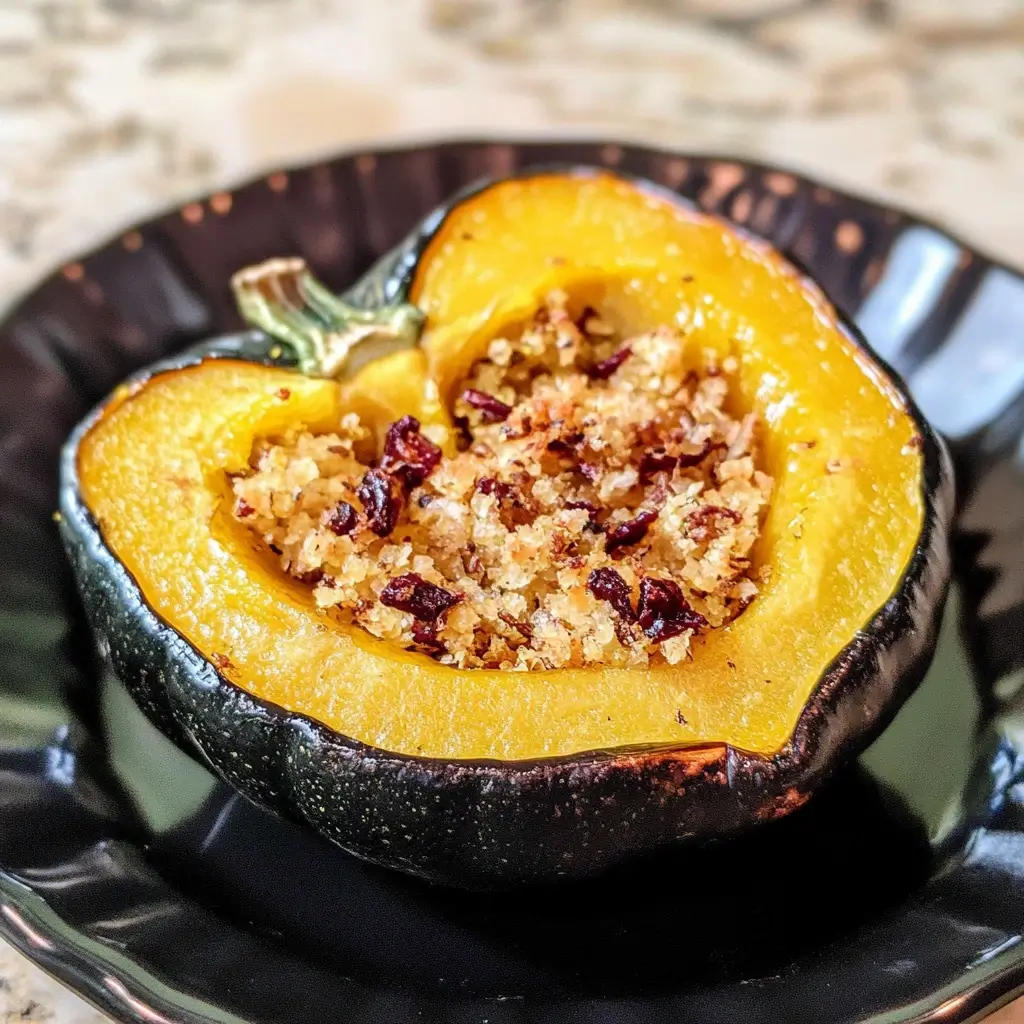

There are some dishes that just scream comfort, warmth, and effortless elegance, and for my family, this Vegetarian Air Fryer Acorn Squash has quickly climbed the ranks to become a fall and winter staple. I remember the first time I tried making acorn squash in the air fryer – I was skeptical. Could this countertop appliance really achieve that perfect balance of tender flesh and delightfully caramelized edges that usually required a long roast in a conventional oven? The answer was a resounding YES! The aroma that filled the kitchen as it cooked – a sweet, nutty, slightly spiced fragrance – had everyone migrating towards the kitchen. When I served it, sliced into beautiful, deep-orange crescents with glistening edges, the reaction was immediate delight. Even my pickiest eater, who usually eyes unfamiliar vegetables with suspicion, took a bite and declared it “like candy, but squash!” It’s become my go-to side dish for weeknight dinners when I need something healthy yet satisfying, and it’s impressive enough to grace our holiday table. The speed and simplicity of the air fryer method mean less time hovering over the stove and more time enjoying the meal and the company. This recipe isn’t just food; it’s a taste of cozy evenings and happy family moments, all made incredibly easy.
Ingredients for Perfect Air Fryer Acorn Squash
To create this wonderfully simple yet flavorful dish, you’ll need just a handful of wholesome ingredients. The beauty of this recipe lies in its adaptability, but this combination offers a classic, slightly sweet profile that perfectly complements the nutty nature of the acorn squash.
- Acorn Squash: 1 medium-sized (about 1.5 – 2 lbs). Look for one that feels heavy for its size, has smooth, dull skin (not shiny, which can indicate early picking), and is free from soft spots or blemishes. A deep, dark green color is ideal, though some variegation with orange is perfectly normal.
- Olive Oil: 1.5 Tablespoons. Extra virgin olive oil lends a lovely fruity note, but light olive oil or other high-heat friendly oils like avocado oil or grapeseed oil work well too. This helps the squash caramelize and prevents it from drying out in the air fryer.
- Maple Syrup: 1 Tablespoon. Pure maple syrup provides a natural sweetness and helps achieve those beautiful caramelized edges. You can substitute with brown sugar (packed) or honey (if not strictly vegan), but maple syrup offers a distinct, autumnal flavor. Adjust the amount based on your preference for sweetness.
- Ground Cinnamon: ½ Teaspoon. A classic pairing with winter squash, cinnamon adds warmth and depth. Feel free to adjust the amount or add complementary spices.
- Fine Sea Salt: ¼ Teaspoon (or to taste). Salt is crucial for enhancing all the other flavors, balancing the sweetness, and drawing out the natural taste of the squash.
- Black Pepper: ⅛ Teaspoon (or to taste). Freshly ground black pepper adds a subtle hint of spice and complexity.
Optional additions for variation:
- Nutmeg or Ginger: A pinch of ground nutmeg or ginger can add another layer of warmth.
- Cayenne Pepper: For a touch of heat to contrast the sweetness, add a tiny pinch.
- Fresh Herbs: Chopped fresh rosemary or thyme can be added before serving for a savory twist.
Choosing quality ingredients, especially a good acorn squash and pure maple syrup, will make a noticeable difference in the final taste.
Step-by-Step Instructions for Air Frying Acorn Squash
Using the air fryer transforms acorn squash preparation from a lengthy roasting process into a quick and efficient task. Follow these simple steps for perfectly cooked, tender, and caramelized squash every time.
- Prepare the Acorn Squash: Thoroughly wash the outside of the acorn squash under running water, scrubbing gently to remove any dirt. Pat it completely dry with a clean kitchen towel or paper towels. A dry surface helps the oil adhere better and promotes crisping.
- Cut the Squash Safely: This is often the trickiest part. Place the dry squash on a stable cutting board. Using a large, sharp chef’s knife is crucial for safety and ease.
- Option 1 (Rings/Half-Moons): If your squash is manageable and your knife is sharp, you can trim off the very top (stem) and bottom ends to create flat surfaces. Stand the squash on one flat end and carefully cut it in half vertically, from top to bottom. If cutting through the stem area is too difficult, cut alongside it. Alternatively, lay the squash on its side and carefully slice it horizontally into 1-inch thick rings.
- Option 2 (Wedges – Recommended for Ease): Trim off the stem end. Stand the squash on this flat end. Carefully insert the tip of your knife near the center and cut downwards towards the cutting board. Rotate the squash and repeat on the other side until it’s split in half lengthwise.
- Remove the Seeds: Use a sturdy spoon (a grapefruit spoon or ice cream scoop works great) to scoop out the seeds and stringy pulp from the cavity of each squash half (or ring). Scrape the sides clean. You can discard the seeds or save them for roasting later (like pumpkin seeds!).
- Slice into Pieces:
- If you cut halves: Place each half cut-side down on the cutting board. Slice them crosswise into approximately 1-inch thick crescent shapes or wedges. Consistent thickness is key for even cooking.
- If you cut rings: You can leave them as rings or cut the rings in half or quarters for smaller pieces.
- Season the Squash: Place the sliced acorn squash pieces into a large bowl. Drizzle the olive oil, maple syrup, ground cinnamon, salt, and black pepper over the squash. Use your hands or a large spoon to toss everything together gently but thoroughly, ensuring each piece is evenly coated with the oil and seasonings. Make sure the seasoning gets into the nooks and crannies.
- Preheat the Air Fryer (Optional but Recommended): While not always strictly necessary, preheating your air fryer for about 3-5 minutes at 380°F (190°C) can help the squash start cooking immediately and achieve better caramelization. Consult your air fryer manual for specific preheating instructions.
- Arrange in Air Fryer Basket: Place the seasoned acorn squash pieces in a single layer in the air fryer basket. It’s crucial not to overcrowd the basket. Air needs to circulate around the pieces for even cooking and crisping. If necessary, cook the squash in two batches. Ensure the pieces are not overlapping significantly.
- Air Fry: Insert the basket into the air fryer. Cook at 380°F (190°C) for approximately 12-18 minutes.
- Flip or Shake: Around the halfway point (after 6-9 minutes), pause the air fryer and carefully pull out the basket. Use tongs to flip the squash pieces over or give the basket a good shake. This ensures even cooking and browning on all sides.
- Continue Cooking & Check for Doneness: Return the basket to the air fryer and continue cooking for the remaining time. The exact cooking time will vary depending on the thickness of your slices, your specific air fryer model, and how full the basket is. Start checking for doneness around the 12-minute mark. The squash is ready when it is fork-tender (a fork pierces the flesh easily with little resistance) and the edges are beautifully browned and caramelized. If it’s not quite tender, continue cooking in 2-3 minute increments until done.
- Serve: Carefully remove the hot acorn squash from the air fryer basket using tongs. Serve immediately while warm.
Nutritional Information (Estimated)
Nutritional values are estimates and can vary based on the exact size of the squash, the specific brands of ingredients used, and potential variations in oil or syrup amounts. This recipe typically yields 2 to 4 servings, depending on whether it’s served as a main component or a side dish.
- Servings: 2-4
- Calories per Serving (assuming 4 servings): Approximately 120-160 kcal
Key Nutritional Highlights:
- Rich in Vitamins: Acorn squash is an excellent source of Vitamin C, an antioxidant important for immune function, and provides a good amount of Vitamin A (as beta-carotene), crucial for eye health.
- Good Source of Fiber: Contains dietary fiber, which aids digestion and helps promote feelings of fullness.
- Minerals: Offers potassium, which is important for blood pressure regulation, and magnesium, involved in numerous bodily functions.
- Vegetarian & Often Vegan: This recipe is naturally vegetarian. If using pure maple syrup and olive oil (not honey or butter), it is also vegan.
- Relatively Low in Fat: Primarily uses healthy unsaturated fats from olive oil.
Remember, this is a generally healthy preparation method, especially compared to deep-frying or recipes laden with excessive butter and sugar. The air fryer allows for great flavor and texture with minimal added fat.
Preparation and Cooking Time
Understanding the time commitment helps plan your meal effectively. This air fryer method significantly cuts down on the traditional oven roasting time.
- Preparation Time: 10-15 minutes
- Washing and Drying: 1-2 minutes
- Cutting and Seeding: 5-8 minutes (can take longer if you’re new to cutting hard winter squash)
- Slicing and Seasoning: 4-5 minutes
- Cooking Time: 12-18 minutes
- Air Frying: 12-18 minutes (depending on air fryer and squash thickness)
- Preheating (Optional): 3-5 minutes
- Total Time: Approximately 25-35 minutes (excluding optional preheating time)
This relatively short total time makes Vegetarian Air Fryer Acorn Squash a fantastic option for busy weeknights as well as a quick addition to more elaborate meals.
How to Serve Your Delicious Air Fryer Acorn Squash
This versatile dish can be served in numerous ways, fitting seamlessly into various meal types. Here are some ideas to inspire you:
- Classic Side Dish:
- Serve alongside your favorite vegetarian main courses like lentil loaf, stuffed bell peppers, pan-seared tofu or tempeh, or a hearty mushroom stew.
- It pairs beautifully with other fall and winter flavors – think roasted Brussels sprouts, cranberry sauce, or wild rice pilaf.
- Excellent accompaniment to holiday meals like Thanksgiving or Christmas, offering a sweet and savory counterpoint to other dishes.
- Vegetarian Main Course Component:
- Use the air-fried slices as a base and top with a savory filling like:
- Cooked quinoa or wild rice mixed with dried cranberries, toasted pecans, and sautéed onions.
- A mixture of lentils, mushrooms, and herbs.
- Cannellini beans sautéed with garlic, spinach, and sun-dried tomatoes.
- Sprinkle with feta or goat cheese (if not vegan) just before serving.
- Use the air-fried slices as a base and top with a savory filling like:
- Salad Addition:
- Let the squash cool slightly, then chop it into bite-sized cubes.
- Add to warm winter salads with kale or spinach, grains (like farro or barley), nuts (walnuts or pecans), seeds (pumpkin seeds), and a tangy vinaigrette.
- Grain Bowl or Buddha Bowl Star:
- Arrange slices or cubes in a bowl alongside components like:
- A base of quinoa, brown rice, or farro.
- Roasted chickpeas or black beans for protein.
- Other roasted or fresh vegetables (broccoli, sweet potato, beets).
- A dollop of hummus or a drizzle of tahini dressing.
- Arrange slices or cubes in a bowl alongside components like:
- Breakfast or Brunch Item:
- Serve alongside scrambled eggs or tofu scramble.
- Add cubes to oatmeal or yogurt bowls with nuts and seeds for a surprisingly delicious and hearty start to the day.
- Simple Snack:
- Enjoy the warm, tender slices on their own as a healthy and satisfying snack.
Garnishes:
- A sprinkle of fresh chopped parsley or cilantro.
- Toasted pumpkin seeds (pepitas) for crunch.
- Pomegranate seeds for a burst of color and juicy tartness.
- A drizzle of extra maple syrup or a balsamic glaze.
- A sprinkle of flaky sea salt just before serving.
Pro Tips for Even Better Air Fryer Acorn Squash
Take your air fryer acorn squash from great to absolutely perfect with these helpful tips:
- Score the Flesh (Optional but Beneficial): After slicing the squash, you can lightly score the flesh (the cut side) in a crosshatch pattern (like you might do for a baked potato) before seasoning. Don’t cut too deep, just lightly into the surface. This allows the oil, syrup, and seasonings to penetrate deeper, resulting in more flavor throughout each piece and potentially helping it cook slightly faster.
- Cut Uniform Pieces: Strive for consistency in the thickness of your squash slices or wedges (aim for around 1 inch). If some pieces are much thicker than others, the thinner ones might burn before the thicker ones are tender. Uniformity ensures even cooking, so every bite is perfectly cooked.
- Don’t Overcrowd the Basket: This is perhaps the most crucial air fryer rule. Air fryers work by circulating hot air rapidly. If the basket is too full, the air cannot circulate effectively around each piece. This leads to steaming rather than “frying,” resulting in uneven cooking and soggy squash instead of tender pieces with caramelized edges. Cook in batches if necessary for the best texture.
- Embrace Preheating: While some skip this step, preheating your air fryer for 3-5 minutes at the target temperature (380°F/190°C) helps kickstart the cooking process. When the hot squash hits the hot basket and encounters the already circulating hot air, it promotes better browning and caramelization right from the start.
- Check Doneness with a Fork, Not Just Time: Air fryer models vary, as do acorn squash sizes and densities. While the 12-18 minute range is a good guideline, always test for doneness by piercing the thickest part of a squash piece with a fork or the tip of a paring knife. It should slide in easily with minimal resistance. Rely on this tactile check rather than strictly adhering to the timer for perfectly tender results every time. Adjust cooking time in short increments as needed.
Frequently Asked Questions (FAQ) about Air Fryer Acorn Squash
Here are answers to some common questions about making vegetarian acorn squash in the air fryer:
- Q: Can I make this recipe savory instead of sweet?
- A: Absolutely! Acorn squash is wonderfully versatile. Omit the maple syrup and cinnamon. Instead, toss the squash with olive oil, salt, pepper, and savory herbs and spices. Great options include garlic powder, onion powder, smoked paprika, dried rosemary, thyme, or sage. You could even add a sprinkle of nutritional yeast for a cheesy flavor (vegan) or grated Parmesan cheese during the last few minutes of cooking (vegetarian).
- Q: Is this recipe vegan? How can I ensure it is?
- A: Yes, the base recipe as written using olive oil and pure maple syrup is naturally vegan! Just be sure your maple syrup is 100% pure and doesn’t contain any additives. Avoid using honey (which is not vegan) or butter (unless using a vegan butter alternative). This recipe is inherently plant-based and dairy-free when these common ingredients are used.
- Q: How do I store and reheat leftover air fryer acorn squash?
- A: Allow the cooked acorn squash to cool completely. Store leftovers in an airtight container in the refrigerator for up to 3-4 days. To reheat, the air fryer is the best option to retain some texture: place the squash back in the air fryer basket at around 350°F (175°C) for 3-5 minutes, or until heated through. You can also reheat it in a conventional oven or toaster oven, or gently in the microwave (though the microwave may make it softer).
- Q: Do I need to peel the acorn squash before air frying?
- A: No, you do not need to peel acorn squash! The skin becomes tender and perfectly edible after cooking, especially in the air fryer. It also adds a bit of fiber and helps the squash pieces hold their shape. If you strongly prefer squash without the skin, you can peel it before cutting and seasoning, but it’s quite difficult due to the ridges and generally unnecessary for this preparation. Most people enjoy the slightly chewy, tender texture of the cooked skin.
- Q: Can I use a different type of winter squash for this recipe?
- A: Yes, this air fryer method works well for other types of winter squash too! Butternut squash (peeled and cubed), delicata squash (no peeling needed, just slice into rings or half-moons), or even kabocha squash (skin is edible) are great substitutes. Keep in mind that cooking times may need slight adjustments based on the density and moisture content of the specific squash variety and the size of your pieces. Start checking for doneness a bit earlier or be prepared to cook a little longer. Delicata squash, being thinner-skinned and less dense, often cooks faster than acorn squash. Butternut squash cubes might take a similar amount of time or slightly longer, depending on the cube size.
Vegetarian Air Fryer Acorn Squash Recipe
Ingredients
- Acorn Squash: 1 medium-sized (about 1.5 – 2 lbs). Look for one that feels heavy for its size, has smooth, dull skin (not shiny, which can indicate early picking), and is free from soft spots or blemishes. A deep, dark green color is ideal, though some variegation with orange is perfectly normal.
- Olive Oil: 1.5 Tablespoons. Extra virgin olive oil lends a lovely fruity note, but light olive oil or other high-heat friendly oils like avocado oil or grapeseed oil work well too. This helps the squash caramelize and prevents it from drying out in the air fryer.
- Maple Syrup: 1 Tablespoon. Pure maple syrup provides a natural sweetness and helps achieve those beautiful caramelized edges. You can substitute with brown sugar (packed) or honey (if not strictly vegan), but maple syrup offers a distinct, autumnal flavor. Adjust the amount based on your preference for sweetness.
- Ground Cinnamon: ½ Teaspoon. A classic pairing with winter squash, cinnamon adds warmth and depth. Feel free to adjust the amount or add complementary spices.
- Fine Sea Salt: ¼ Teaspoon (or to taste). Salt is crucial for enhancing all the other flavors, balancing the sweetness, and drawing out the natural taste of the squash.
- Black Pepper: ⅛ Teaspoon (or to taste). Freshly ground black pepper adds a subtle hint of spice and complexity.
Instructions
- Prepare the Acorn Squash: Thoroughly wash the outside of the acorn squash under running water, scrubbing gently to remove any dirt. Pat it completely dry with a clean kitchen towel or paper towels. A dry surface helps the oil adhere better and promotes crisping.
- Cut the Squash Safely: This is often the trickiest part. Place the dry squash on a stable cutting board. Using a large, sharp chef’s knife is crucial for safety and ease.
- Option 1 (Rings/Half-Moons): If your squash is manageable and your knife is sharp, you can trim off the very top (stem) and bottom ends to create flat surfaces. Stand the squash on one flat end and carefully cut it in half vertically, from top to bottom. If cutting through the stem area is too difficult, cut alongside it. Alternatively, lay the squash on its side and carefully slice it horizontally into 1-inch thick rings.
- Option 2 (Wedges – Recommended for Ease): Trim off the stem end. Stand the squash on this flat end. Carefully insert the tip of your knife near the center and cut downwards towards the cutting board. Rotate the squash and repeat on the other side until it’s split in half lengthwise.
- Remove the Seeds: Use a sturdy spoon (a grapefruit spoon or ice cream scoop works great) to scoop out the seeds and stringy pulp from the cavity of each squash half (or ring). Scrape the sides clean. You can discard the seeds or save them for roasting later (like pumpkin seeds!).
- Slice into Pieces:
- If you cut halves: Place each half cut-side down on the cutting board. Slice them crosswise into approximately 1-inch thick crescent shapes or wedges. Consistent thickness is key for even cooking.
- If you cut rings: You can leave them as rings or cut the rings in half or quarters for smaller pieces.
- Season the Squash: Place the sliced acorn squash pieces into a large bowl. Drizzle the olive oil, maple syrup, ground cinnamon, salt, and black pepper over the squash. Use your hands or a large spoon to toss everything together gently but thoroughly, ensuring each piece is evenly coated with the oil and seasonings. Make sure the seasoning gets into the nooks and crannies.
- Preheat the Air Fryer (Optional but Recommended): While not always strictly necessary, preheating your air fryer for about 3-5 minutes at 380°F (190°C) can help the squash start cooking immediately and achieve better caramelization. Consult your air fryer manual for specific preheating instructions.
- Arrange in Air Fryer Basket: Place the seasoned acorn squash pieces in a single layer in the air fryer basket. It’s crucial not to overcrowd the basket. Air needs to circulate around the pieces for even cooking and crisping. If necessary, cook the squash in two batches. Ensure the pieces are not overlapping significantly.
- Air Fry: Insert the basket into the air fryer. Cook at 380°F (190°C) for approximately 12-18 minutes.
- Flip or Shake: Around the halfway point (after 6-9 minutes), pause the air fryer and carefully pull out the basket. Use tongs to flip the squash pieces over or give the basket a good shake. This ensures even cooking and browning on all sides.
- Continue Cooking & Check for Doneness: Return the basket to the air fryer and continue cooking for the remaining time. The exact cooking time will vary depending on the thickness of your slices, your specific air fryer model, and how full the basket is. Start checking for doneness around the 12-minute mark. The squash is ready when it is fork-tender (a fork pierces the flesh easily with little resistance) and the edges are beautifully browned and caramelized. If it’s not quite tender, continue cooking in 2-3 minute increments until done.
- Serve: Carefully remove the hot acorn squash from the air fryer basket using tongs. Serve immediately while warm.
Nutrition
- Serving Size: one normal portion
- Calories: 120-160