
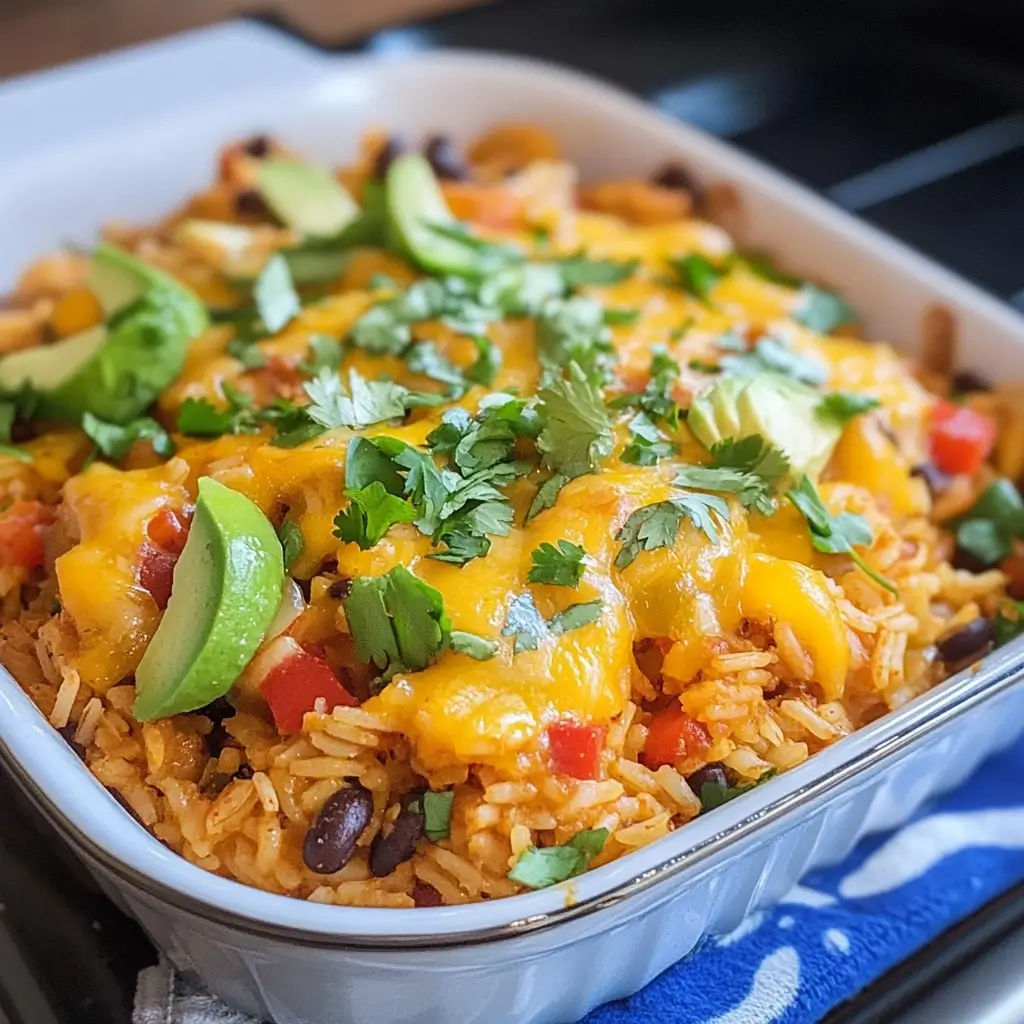

In our household, weeknight dinners are often a dance between deliciousness and convenience. Let’s be honest, after a long day, the last thing anyone wants is to spend hours slaving away in the kitchen. That’s why this Vegetarian Fajita Rice Casserole has become an absolute superstar in our recipe rotation. From the moment the aroma of sizzling fajita veggies mingled with the comforting scent of cheesy rice filled the house, I knew we were onto a winner. Even my pickiest eater, who usually approaches vegetables with a healthy dose of skepticism, devoured a generous helping, declaring it “surprisingly awesome!”. This casserole isn’t just easy to throw together; it’s bursting with vibrant flavors, textures, and colors that make every bite a celebration. It’s the perfect way to sneak in a healthy dose of veggies while satisfying even the heartiest appetites. Whether you’re a seasoned vegetarian or simply looking to incorporate more plant-based meals into your diet, this Vegetarian Fajita Rice Casserole is guaranteed to become a new family favorite. Get ready to experience a flavor fiesta that’s both incredibly delicious and wonderfully simple!
Ingredients
This recipe utilizes readily available ingredients, making it a breeze to whip up any night of the week. The beauty of a casserole like this is its flexibility – feel free to adapt the vegetables based on your preferences and what you have on hand. The core elements, however, are designed to create that authentic fajita flavor profile that we all know and love, combined with the comforting heartiness of a rice casserole. Here’s what you’ll need to gather to embark on this culinary adventure:
- For the Vegetables:
- 2 tablespoons olive oil
- 1 large red bell pepper, thinly sliced
- 1 large yellow bell pepper, thinly sliced
- 1 large orange bell pepper, thinly sliced (or use another color if preferred)
- 1 large green bell pepper, thinly sliced
- 1 large onion, thinly sliced
- 1 (15 ounce) can black beans, rinsed and drained
- 1 (15 ounce) can corn, drained (canned, frozen, or fresh kernels work)
- 1 jalapeño pepper, seeded and minced (optional, for a touch of heat)
- 2 cloves garlic, minced
- 2 tablespoons fajita seasoning (store-bought or homemade – see tips for homemade recipe)
- 1 teaspoon cumin
- 1/2 teaspoon smoked paprika
- Salt and black pepper to taste
- For the Rice Casserole Base:
- 2 cups cooked rice (white or brown rice, cooked according to package directions)
- 1 (10 ounce) can diced tomatoes and green chilies (like Rotel), undrained
- 1 (10.75 ounce) can condensed cream of mushroom soup (or vegetarian cream of mushroom soup)
- 1 cup vegetable broth
- 1 cup shredded cheddar cheese (or Monterey Jack, or a blend)
- 1/2 cup shredded pepper jack cheese (for extra spice, optional)
- 1/4 cup chopped fresh cilantro, for garnish (optional)
- Sour cream or guacamole, for serving (optional)
Ingredient Deep Dive and Substitutions:
Let’s explore some of these ingredients in more detail and discuss potential substitutions to tailor this recipe to your needs and preferences:
- Bell Peppers: The vibrant mix of bell peppers is crucial for both flavor and visual appeal in fajitas. Using a variety of colors not only looks beautiful but also offers a broader spectrum of nutrients. Feel free to adjust the quantities of each color based on availability or preference. If you only have two colors on hand, that’s perfectly fine!
- Onion: Yellow or white onions are classic choices for fajitas, providing a savory base flavor. Red onions can also be used for a slightly sharper taste.
- Black Beans and Corn: These add protein, fiber, and a delightful sweetness to the casserole. You can use different types of beans like pinto beans or kidney beans if you prefer. Frozen corn kernels are a great alternative to canned corn and can be added directly to the vegetable mixture without thawing. Fresh corn kernels, especially during corn season, will add a burst of summer sweetness.
- Jalapeño: For those who enjoy a bit of heat, a minced jalapeño pepper adds a wonderful kick. Remember to remove the seeds and membranes for a milder heat level. If you’re sensitive to spice, you can omit the jalapeño altogether, or use a milder pepper like poblano for a subtle smoky flavor.
- Garlic: Fresh garlic is always recommended for its robust flavor. If you don’t have fresh garlic, you can use 1 teaspoon of garlic powder as a substitute, but fresh garlic will provide a more authentic taste.
- Fajita Seasoning: Store-bought fajita seasoning blends are readily available and convenient. However, making your own homemade fajita seasoning allows you to control the ingredients and adjust the spice levels to your liking. A basic homemade fajita seasoning blend typically includes chili powder, cumin, paprika, garlic powder, onion powder, oregano, cayenne pepper (optional), and salt.
- Cumin and Smoked Paprika: These spices enhance the fajita flavor profile, adding warmth and smokiness. Smoked paprika, in particular, brings a depth of flavor that complements the vegetables beautifully. If you don’t have smoked paprika, regular paprika can be used, but the smoky element will be slightly less pronounced.
- Rice: Both white rice and brown rice work well in this casserole. Brown rice will add more fiber and a slightly nutty flavor, while white rice will provide a milder taste and softer texture. You can also experiment with other types of rice like basmati or jasmine rice for different flavor nuances. Leftover cooked rice is perfect for this recipe, making it an excellent way to utilize leftovers.
- Diced Tomatoes and Green Chilies (Rotel): These add moisture, acidity, and a subtle spicy kick. If you prefer less spice, you can use mild Rotel or simply diced tomatoes. Fire-roasted diced tomatoes will add a deeper, smoky flavor to the casserole.
- Cream of Mushroom Soup: This acts as a creamy binder for the casserole. Vegetarian cream of mushroom soup is readily available for vegetarian diets. If you prefer a lighter option, you can use cream of chicken soup (if not vegetarian) or try making a homemade creamy sauce using milk or vegetable broth thickened with flour or cornstarch. For a dairy-free option, consider using a plant-based cream of mushroom soup or a cashew cream sauce.
- Vegetable Broth: Adds moisture and flavor to the rice base. Chicken broth can be used if you are not strictly vegetarian.
- Cheeses: Cheddar and pepper jack cheese provide a classic cheesy flavor with a touch of spice. Monterey Jack, Colby Jack, or a Mexican cheese blend are also excellent choices. For a vegan version, use your favorite vegan shredded cheese alternatives.
- Cilantro: Fresh cilantro adds a bright, herbaceous finish to the casserole. If you’re not a fan of cilantro, you can substitute it with fresh parsley or chopped green onions.
- Sour Cream or Guacamole: These are optional toppings but highly recommended for adding coolness and creaminess to balance the flavors of the casserole. Plain Greek yogurt is a lighter alternative to sour cream. Salsa or pico de gallo are also great topping options.
Instructions
Creating this Vegetarian Fajita Rice Casserole is a straightforward process, broken down into simple steps. From sautéing the vibrant vegetables to layering everything into a cheesy, flavorful bake, each stage is designed to be easy and efficient. Follow these instructions to bring this delicious dish to life:
- Preheat Oven and Prepare Baking Dish: Preheat your oven to 375°F (190°C). Lightly grease a 9×13 inch baking dish. This will prevent sticking and make cleanup easier later.
- Sauté the Fajita Vegetables: Heat olive oil in a large skillet over medium-high heat. Add sliced bell peppers and onions. Sauté for 8-10 minutes, or until the vegetables are tender-crisp and slightly softened. Stir occasionally to ensure even cooking.
- Add Aromatics and Spices: Add minced garlic and jalapeño (if using) to the skillet. Cook for another minute until fragrant, being careful not to burn the garlic. Stir in fajita seasoning, cumin, and smoked paprika. Cook for 1 minute more, allowing the spices to become fragrant and coat the vegetables evenly.
- Incorporate Beans and Corn: Add drained black beans and corn to the skillet. Stir to combine with the vegetables and spices. Cook for 2-3 minutes, heating through the beans and corn. Season with salt and black pepper to taste. Remove from heat and set aside.
- Prepare the Rice Base: In a large bowl, combine cooked rice, diced tomatoes and green chilies (Rotel), cream of mushroom soup, and vegetable broth. Stir well to ensure everything is thoroughly mixed and the rice is evenly coated in the creamy sauce.
- Layer the Casserole: Pour half of the rice mixture into the prepared baking dish, spreading it evenly across the bottom. Top with the sautéed fajita vegetable mixture, distributing it over the rice layer. Sprinkle shredded cheddar cheese and pepper jack cheese (if using) evenly over the vegetables. Finally, top with the remaining rice mixture, creating the final layer.
- Bake the Casserole: Cover the baking dish with aluminum foil. Bake in the preheated oven for 20 minutes. Remove the foil and bake for another 15-20 minutes, or until the casserole is heated through, bubbly around the edges, and the cheese is melted and golden brown.
- Rest and Garnish: Let the casserole rest for 5-10 minutes before serving. This allows the flavors to meld together and the casserole to set slightly, making it easier to serve. Garnish with fresh cilantro, if desired.
- Serve and Enjoy: Serve hot, with sour cream or guacamole on the side, if desired. This Vegetarian Fajita Rice Casserole is delicious on its own or paired with a simple side salad.
Detailed Step-by-Step Breakdown with Tips:
Let’s delve deeper into each step with extra tips and insights to ensure perfect results:
- Step 1: Preheat Oven and Prepare Baking Dish: Preheating the oven is crucial for even baking. Make sure your oven reaches the correct temperature before placing the casserole inside. Greasing the baking dish can be done with cooking spray, butter, or olive oil. You can also line the dish with parchment paper for even easier cleanup, though greasing is generally sufficient.
- Step 2: Sauté the Fajita Vegetables: Using medium-high heat allows the vegetables to sauté and slightly caramelize, enhancing their flavor. Don’t overcrowd the skillet, as this can steam the vegetables instead of sautéing them. If necessary, sauté the vegetables in batches. Sautéing until tender-crisp ensures they retain some texture and don’t become mushy in the casserole.
- Step 3: Add Aromatics and Spices: Adding garlic and jalapeño towards the end of the sautéing process prevents them from burning, which can result in a bitter taste. Cooking the spices in the hot oil releases their aromatic oils, intensifying their flavor and allowing them to fully infuse the vegetables.
- Step 4: Incorporate Beans and Corn: Rinsing and draining canned beans removes excess sodium and any starchy liquid. You can adjust the amount of beans and corn based on your preference. If using frozen corn, you can add it directly to the skillet without thawing.
- Step 5: Prepare the Rice Base: Make sure the cooked rice is slightly cooled before mixing it with the other ingredients, especially if using hot, freshly cooked rice, to avoid overly softening the soup and tomatoes. Ensure all ingredients are well combined to create a homogenous rice base.
- Step 6: Layer the Casserole: Layering is key to distributing flavors and textures evenly throughout the casserole. The bottom layer of rice prevents the vegetables from sticking to the dish. Distributing the cheese evenly ensures every bite has a cheesy element.
- Step 7: Bake the Casserole: Covering the casserole with foil during the initial baking period prevents the top from browning too quickly and allows the inside to heat through thoroughly. Removing the foil for the last portion of baking allows the cheese to melt and brown beautifully. Baking until bubbly indicates that the casserole is heated through and the flavors have melded together.
- Step 8: Rest and Garnish: Resting is an important step for casseroles. It allows the casserole to firm up slightly and prevents it from being too watery when served. Garnishing with fresh cilantro adds a pop of color and freshness.
- Step 9: Serve and Enjoy: This casserole is incredibly versatile and can be served as a main course for dinner or as a hearty side dish at potlucks and gatherings. Reheating leftovers is easy in the microwave or oven.
Nutrition Facts
Understanding the nutritional content of your meals is important for making informed dietary choices. While precise nutritional values can vary slightly based on specific ingredient brands and portion sizes, here’s an estimated nutritional breakdown for a serving of Vegetarian Fajita Rice Casserole. Please note that these are approximate values and should be used as a general guideline.
- Servings: Approximately 8 servings
- Calories per serving: Approximately 350-400 calories (This can vary based on cheese amounts and toppings)
Approximate Nutritional Breakdown per Serving:
- Protein: 15-20 grams
- Fat: 15-20 grams (primarily from cheese and olive oil, can be reduced by using less cheese or lower-fat cheese options)
- Saturated Fat: 8-10 grams (can be reduced by using lower-fat cheese options)
- Cholesterol: 30-40 mg (primarily from cheese, vegetarian and can be further reduced by using vegan cheese)
- Sodium: 700-900 mg (can be reduced by using low-sodium broth and canned goods, and controlling added salt)
- Carbohydrates: 40-50 grams
- Fiber: 5-7 grams
- Sugar: 5-8 grams
Key Nutritional Highlights:
- Good Source of Protein: The black beans and cheese contribute significant protein, making this casserole a satisfying and balanced meal.
- Rich in Fiber: The vegetables, beans, and brown rice (if used) provide a good amount of dietary fiber, which is beneficial for digestion and satiety.
- Vitamins and Minerals: The variety of vegetables offers a range of vitamins and minerals, including Vitamin C, Vitamin A, potassium, and folate.
- Moderate Calorie Count: When portioned appropriately, this casserole fits within a moderate calorie range for a main meal.
- Customizable: You can adjust the recipe to further optimize its nutritional profile by using lower-fat cheeses, reducing added salt, and incorporating more vegetables.
Important Considerations:
- Sodium Content: Canned goods and processed ingredients like cream of mushroom soup can contribute to the sodium content. Using low-sodium or no-salt-added versions of these ingredients can help reduce sodium levels.
- Fat Content: The cheese is a significant source of fat in this recipe. Using reduced-fat cheese or a smaller amount of cheese can lower the fat content.
- Serving Size: Pay attention to serving sizes to manage calorie intake effectively. This recipe is designed for approximately 8 servings.
This nutritional information is intended as a general guide. For more precise nutritional data, you can use online nutritional calculators and input the specific brands and quantities of ingredients you use.
Preparation Time
One of the great advantages of this Vegetarian Fajita Rice Casserole is its relatively quick preparation time, making it perfect for busy weeknights or when you need a satisfying meal without spending hours in the kitchen. Here’s a breakdown of the estimated time involved:
- Prep Time: 20-25 minutes (This includes chopping vegetables, preparing the rice base, and sautéing the vegetables)
- Cook Time: 35-40 minutes (This includes baking time in the oven)
- Total Time: Approximately 55-65 minutes
Time Breakdown Details:
- Vegetable Prep (10-15 minutes): Washing, slicing bell peppers and onions, mincing garlic and jalapeño (if using). This is often the most time-consuming part of the prep, but efficient knife skills can significantly reduce this time. Pre-chopped vegetables can also be used to save time.
- Sautéing Vegetables (10-12 minutes): Sautéing the vegetables until tender-crisp takes about 8-10 minutes, plus a few more minutes for adding aromatics and spices. This step is active cooking time, requiring occasional stirring.
- Rice Base Preparation (5 minutes): Combining cooked rice, Rotel, cream of mushroom soup, and vegetable broth is a quick and easy step. Using pre-cooked rice (leftover or pre-cooked pouches) saves significant time.
- Casserole Assembly (5 minutes): Layering the casserole ingredients in the baking dish is a fast process, taking just a few minutes.
- Baking Time (35-40 minutes): The casserole bakes in the oven for about 35-40 minutes, with the last 15-20 minutes uncovered. During baking time, you are free to do other things, making it a relatively hands-off cooking period.
- Resting Time (5-10 minutes): Allowing the casserole to rest before serving is recommended, but not strictly necessary if you are short on time.
Tips to Speed Up Preparation:
- Use Pre-Chopped Vegetables: Buying pre-chopped bell peppers and onions can save significant prep time, especially on busy weeknights.
- Utilize Pre-Cooked Rice: Using leftover cooked rice or pre-cooked rice pouches drastically reduces preparation time.
- Prepare Ingredients in Advance: Chop vegetables and prepare the rice base earlier in the day or even the day before and store them separately in the refrigerator. This makes assembly very quick when you are ready to bake.
- Streamline Sautéing: While sautéing, work efficiently. Have all your vegetables prepped and ready to add to the skillet in stages.
- Assemble While Oven Preheats: While the oven is preheating, assemble the casserole. This utilizes time effectively.
Overall, this Vegetarian Fajita Rice Casserole is a relatively quick and easy meal to prepare, especially considering the flavorful and satisfying results. With a little bit of planning and efficient prep techniques, you can have this delicious casserole on the table in about an hour.
How to Serve
This Vegetarian Fajita Rice Casserole is a versatile dish that can be served in a variety of ways, making it suitable for different occasions and preferences. Its robust flavors and textures make it satisfying on its own, but it also pairs wonderfully with various accompaniments. Here are some serving suggestions to elevate your dining experience:
- Classic Toppings:
- Sour Cream or Greek Yogurt: Adds a cool and creamy contrast to the warm, savory casserole.
- Guacamole or Avocado: Provides richness, healthy fats, and a fresh, vibrant flavor.
- Salsa or Pico de Gallo: Offers a zesty, tangy, and refreshing element.
- Chopped Fresh Cilantro: A bright, herbaceous garnish that enhances the fajita flavors.
- Sliced Green Onions: Adds a mild oniony bite and visual appeal.
- Shredded Lettuce: Provides a crisp, cool texture.
- Diced Tomatoes: Adds freshness and acidity.
- Side Dishes for a Complete Meal:
- Side Salad: A simple green salad with a light vinaigrette dressing provides a refreshing counterpoint to the richness of the casserole. Consider a Mexican-inspired salad with corn and black beans for thematic consistency.
- Cornbread or Tortillas: Serve with warm cornbread or tortillas for scooping up the casserole or enjoying alongside. Tortilla chips are also a fun and crunchy option.
- Refried Beans: For a truly hearty and Mexican-inspired meal, serve with a side of refried beans.
- Mexican Rice: If you want to double down on the rice theme, a side of plain Mexican rice can complement the casserole.
- Roasted Vegetables: Roasted vegetables like broccoli, asparagus, or sweet potatoes can add extra nutrients and variety to the meal.
- Serving Styles and Occasions:
- Weeknight Dinner: This casserole is perfect as a quick and easy weeknight dinner. Serve it directly from the baking dish for a casual family meal.
- Potlucks and Gatherings: Casseroles are ideal for potlucks and gatherings as they are easy to transport and serve a crowd. Keep it warm in a slow cooker or chafing dish if needed.
- Leftovers for Lunch: Leftover casserole makes a fantastic and convenient lunch the next day. Reheat it in the microwave or oven.
- Build-Your-Own Casserole Bar: For a fun and interactive meal, set up a “build-your-own casserole bar” with various toppings and side dishes. This is especially great for parties or family gatherings, allowing everyone to customize their meal.
- Beverage Pairings:
- Margaritas: A classic margarita perfectly complements the Mexican flavors of the casserole.
- Iced Tea or Lemonade: Refreshing and non-alcoholic options that pair well with the savory dish.
- Mexican Beer: A crisp Mexican beer like Modelo or Corona is a natural pairing.
- Sparkling Water with Lime: A light and refreshing option.
By offering a variety of toppings and side dishes, you can cater to different tastes and create a complete and satisfying meal around this delicious Vegetarian Fajita Rice Casserole. The key is to choose accompaniments that complement the flavors and textures of the casserole without overpowering it.
Additional Tips
To ensure your Vegetarian Fajita Rice Casserole is a resounding success every time, and to add your own personal touch, consider these helpful tips and tricks:
- Homemade Fajita Seasoning for Enhanced Flavor: While store-bought fajita seasoning is convenient, crafting your own homemade blend allows for greater control over the ingredients and spice levels. A simple homemade blend can include: 2 tablespoons chili powder, 1 tablespoon cumin, 1 tablespoon paprika (smoked paprika for extra smokiness), 1 teaspoon garlic powder, 1 teaspoon onion powder, 1 teaspoon oregano, 1/2 teaspoon cayenne pepper (optional, for heat), and 1 teaspoon salt. Mix these spices together and store in an airtight container. Use 2 tablespoons of this blend in the recipe.
- Customize Your Vegetables: Feel free to get creative with your vegetable selection! Add other fajita-friendly vegetables like zucchini, summer squash, mushrooms, or poblano peppers. Roasting the vegetables beforehand can intensify their flavor and add a slightly caramelized char. For a heartier casserole, include diced sweet potatoes or butternut squash.
- Spice It Up (or Tone It Down): Control the heat level to suit your preference. For a spicier casserole, add more jalapeño or include a pinch of cayenne pepper to the vegetable mixture or rice base. You can also use hot Rotel or add a dash of hot sauce. For a milder version, omit the jalapeño entirely and use mild Rotel or diced tomatoes without green chilies. Using pepper jack cheese will also add a subtle kick.
- Make it Cheesy (or Less Cheesy): Cheese is a key component of this casserole, but you can adjust the amount and type of cheese to your liking. Use a generous amount of cheese for a extra gooey casserole, or reduce the cheese for a lighter option. Experiment with different cheese blends like Monterey Jack, Colby Jack, or a Mexican cheese blend. For a vegan version, use your favorite plant-based shredded cheese alternatives.
- Make-Ahead and Freezer-Friendly: This casserole is an excellent make-ahead meal. You can assemble it completely and store it, covered, in the refrigerator for up to 24 hours before baking. For longer storage, the assembled casserole can be frozen (unbaked). Wrap it tightly in plastic wrap and then aluminum foil. Freeze for up to 2-3 months. To bake from frozen, thaw overnight in the refrigerator, or bake directly from frozen, adding approximately 20-30 minutes to the baking time.
By incorporating these tips, you can personalize this Vegetarian Fajita Rice Casserole to your taste and make it a regular staple in your meal planning. Experiment with different variations and find your perfect combination of flavors and textures!
FAQ Section
Here are some frequently asked questions about Vegetarian Fajita Rice Casserole to address common queries and provide helpful information:
Q1: Can I make this casserole vegan?
A: Yes, absolutely! To make this casserole vegan, you need to substitute a few key ingredients. First, use a vegan cream of mushroom soup alternative. Many brands offer plant-based cream of mushroom soups. Second, replace the cheddar and pepper jack cheese with your favorite vegan shredded cheese alternatives. There are many excellent vegan cheese options available that melt and taste great in casseroles. Ensure all other ingredients are plant-based, and you’ll have a delicious vegan version.
Q2: Can I use brown rice instead of white rice?
A: Yes, you can definitely use brown rice! Brown rice is a healthier whole grain option that adds a slightly nutty flavor and chewier texture to the casserole. Cook the brown rice according to package directions before adding it to the recipe. Keep in mind that brown rice may absorb slightly more liquid than white rice, so you might need to add a splash more vegetable broth if the casserole seems dry before baking.
Q3: Can I make this casserole ahead of time?
A: Yes, this casserole is perfect for making ahead of time! You can assemble the entire casserole, cover it tightly, and store it in the refrigerator for up to 24 hours before baking. This makes it ideal for meal prepping or for busy days when you want to get dinner on the table quickly. You can also freeze the unbaked casserole for longer storage (see tip #5 above).
Q4: I don’t have cream of mushroom soup, what can I use instead?
A: If you don’t have cream of mushroom soup, you can use other creamed soups as substitutes. Cream of celery soup or cream of chicken soup (if not strictly vegetarian) are good alternatives. You can also make a simple homemade creamy sauce by whisking together a roux of butter (or vegan butter) and flour, then gradually adding milk or vegetable broth until thickened. Season with salt, pepper, and a pinch of nutmeg for flavor.
Q5: How do I reheat leftovers?
A: Leftover Vegetarian Fajita Rice Casserole reheats beautifully. You can reheat individual portions in the microwave for 2-3 minutes, or until heated through. For larger portions or the whole casserole, reheat in the oven at 350°F (175°C) for 15-20 minutes, or until heated through and bubbly. Cover with foil if the top starts to brown too quickly. Adding a tablespoon or two of vegetable broth or water when reheating can help prevent it from drying out.
This FAQ section aims to address common questions and concerns, providing helpful information to ensure a successful and enjoyable experience making and serving this Vegetarian Fajita Rice Casserole.
Print
Vegetarian Fajita Rice Casserole Recipe
Ingredients
- For the Vegetables:
- 2 tablespoons olive oil
- 1 large red bell pepper, thinly sliced
- 1 large yellow bell pepper, thinly sliced
- 1 large orange bell pepper, thinly sliced (or use another color if preferred)
- 1 large green bell pepper, thinly sliced
- 1 large onion, thinly sliced
- 1 (15 ounce) can black beans, rinsed and drained
- 1 (15 ounce) can corn, drained (canned, frozen, or fresh kernels work)
- 1 jalapeño pepper, seeded and minced (optional, for a touch of heat)
- 2 cloves garlic, minced
- 2 tablespoons fajita seasoning (store-bought or homemade – see tips for homemade recipe)
- 1 teaspoon cumin
- 1/2 teaspoon smoked paprika
- Salt and black pepper to taste
- For the Rice Casserole Base:
- 2 cups cooked rice (white or brown rice, cooked according to package directions)
- 1 (10 ounce) can diced tomatoes and green chilies (like Rotel), undrained
- 1 (10.75 ounce) can condensed cream of mushroom soup (or vegetarian cream of mushroom soup)
- 1 cup vegetable broth
- 1 cup shredded cheddar cheese (or Monterey Jack, or a blend)
- 1/2 cup shredded pepper jack cheese (for extra spice, optional)
- 1/4 cup chopped fresh cilantro, for garnish (optional)
- Sour cream or guacamole, for serving (optional)
Instructions
- Preheat Oven and Prepare Baking Dish: Preheat your oven to 375°F (190°C). Lightly grease a 9×13 inch baking dish. This will prevent sticking and make cleanup easier later.
- Sauté the Fajita Vegetables: Heat olive oil in a large skillet over medium-high heat. Add sliced bell peppers and onions. Sauté for 8-10 minutes, or until the vegetables are tender-crisp and slightly softened. Stir occasionally to ensure even cooking.
- Add Aromatics and Spices: Add minced garlic and jalapeño (if using) to the skillet. Cook for another minute until fragrant, being careful not to burn the garlic. Stir in fajita seasoning, cumin, and smoked paprika. Cook for 1 minute more, allowing the spices to become fragrant and coat the vegetables evenly.
- Incorporate Beans and Corn: Add drained black beans and corn to the skillet. Stir to combine with the vegetables and spices. Cook for 2-3 minutes, heating through the beans and corn. Season with salt and black pepper to taste. Remove from heat and set aside.
- Prepare the Rice Base: In a large bowl, combine cooked rice, diced tomatoes and green chilies (Rotel), cream of mushroom soup, and vegetable broth. Stir well to ensure everything is thoroughly mixed and the rice is evenly coated in the creamy sauce.
- Layer the Casserole: Pour half of the rice mixture into the prepared baking dish, spreading it evenly across the bottom. Top with the sautéed fajita vegetable mixture, distributing it over the rice layer. Sprinkle shredded cheddar cheese and pepper jack cheese (if using) evenly over the vegetables. Finally, top with the remaining rice mixture, creating the final layer.
- Bake the Casserole: Cover the baking dish with aluminum foil. Bake in the preheated oven for 20 minutes. Remove the foil and bake for another 15-20 minutes, or until the casserole is heated through, bubbly around the edges, and the cheese is melted and golden brown.
- Rest and Garnish: Let the casserole rest for 5-10 minutes before serving. This allows the flavors to meld together and the casserole to set slightly, making it easier to serve. Garnish with fresh cilantro, if desired.
- Serve and Enjoy: Serve hot, with sour cream or guacamole on the side, if desired. This Vegetarian Fajita Rice Casserole is delicious on its own or paired with a simple side salad.
- Preheat Oven and Prepare Baking Dish: Preheat your oven to 375°F (190°C). Lightly grease a 9×13 inch baking dish. This will prevent sticking and make cleanup easier later.
- Sauté the Fajita Vegetables: Heat olive oil in a large skillet over medium-high heat. Add sliced bell peppers and onions. Sauté for 8-10 minutes, or until the vegetables are tender-crisp and slightly softened. Stir occasionally to ensure even cooking.
- Add Aromatics and Spices: Add minced garlic and jalapeño (if using) to the skillet. Cook for another minute until fragrant, being careful not to burn the garlic. Stir in fajita seasoning, cumin, and smoked paprika. Cook for 1 minute more, allowing the spices to become fragrant and coat the vegetables evenly.
- Incorporate Beans and Corn: Add drained black beans and corn to the skillet. Stir to combine with the vegetables and spices. Cook for 2-3 minutes, heating through the beans and corn. Season with salt and black pepper to taste. Remove from heat and set aside.
- Prepare the Rice Base: In a large bowl, combine cooked rice, diced tomatoes and green chilies (Rotel), cream of mushroom soup, and vegetable broth. Stir well to ensure everything is thoroughly mixed and the rice is evenly coated in the creamy sauce.
- Layer the Casserole: Pour half of the rice mixture into the prepared baking dish, spreading it evenly across the bottom. Top with the sautéed fajita vegetable mixture, distributing it over the rice layer. Sprinkle shredded cheddar cheese and pepper jack cheese (if using) evenly over the vegetables. Finally, top with the remaining rice mixture, creating the final layer.
- Bake the Casserole: Cover the baking dish with aluminum foil. Bake in the preheated oven for 20 minutes. Remove the foil and bake for another 15-20 minutes, or until the casserole is heated through, bubbly around the edges, and the cheese is melted and golden brown.
- Rest and Garnish: Let the casserole rest for 5-10 minutes before serving. This allows the flavors to meld together and the casserole to set slightly, making it easier to serve. Garnish with fresh cilantro, if desired.
- Serve and Enjoy: Serve hot, with sour cream or guacamole on the side, if desired. This Vegetarian Fajita Rice Casserole is delicious on its own or paired with a simple side salad.
Nutrition
- Serving Size: one normal portion
- Calories: 350-400
- Sugar: 5-8 grams
- Sodium: 700-900 mg
- Fat: 15-20 grams
- Saturated Fat: 8-10 grams
- Carbohydrates: 40-50 grams
- Fiber: 5-7 grams
- Protein: 15-20 grams
- Cholesterol: 30-40 mg