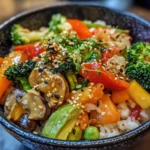
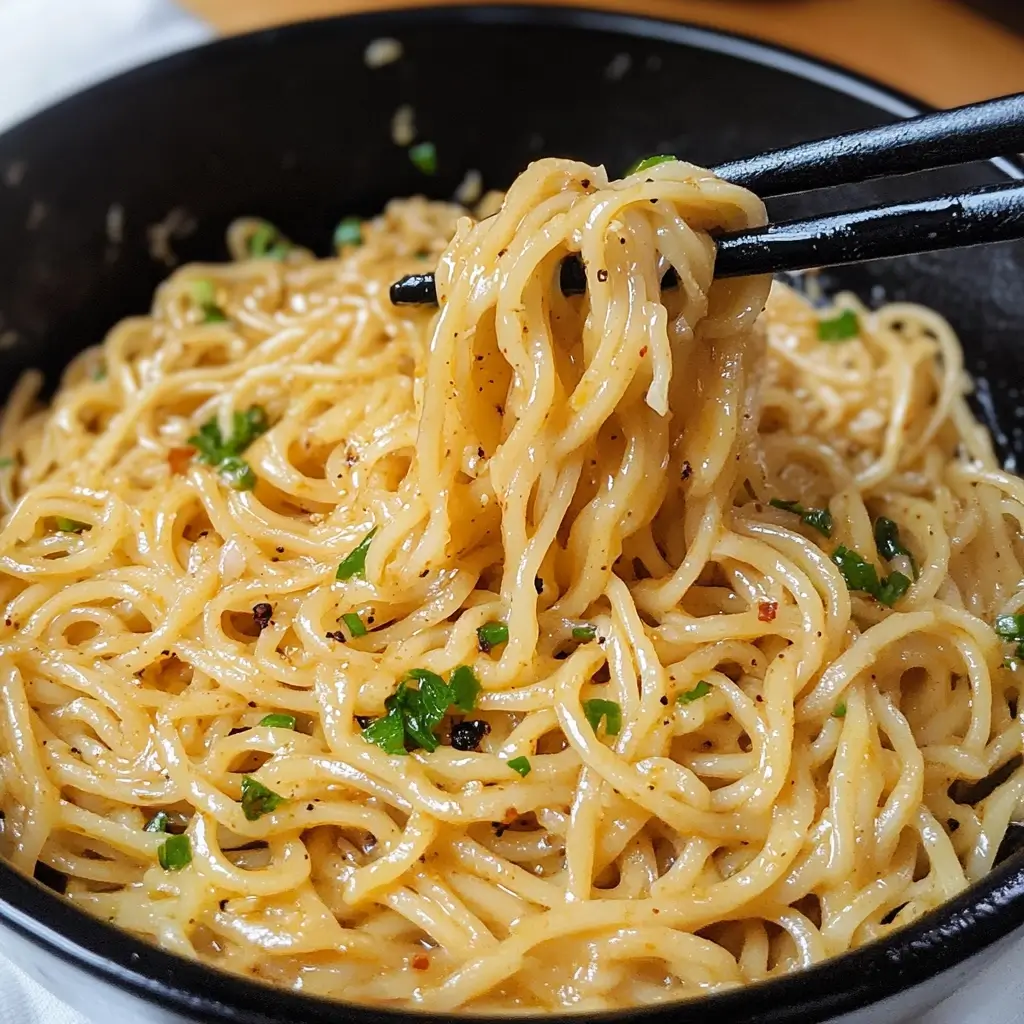

It was one of those evenings – a long day at work, the kids were “starving” (their words, not mine, five minutes after a snack), and the thought of a complicated dinner was enough to make me want to order takeout. But then I remembered the simple, soul-satisfying magic of garlic noodles. I’d been tweaking a vegetarian version for a while, aiming for that perfect balance of savory, garlicky, slightly sweet, and utterly addictive flavor. This time, I think I nailed it. The aroma of garlic and soy sauce sizzling in the pan filled the kitchen, drawing everyone in. My partner, usually a staunch meat-eater, hovered, asking, “Is that ready yet?” The kids, surprisingly, didn’t even ask where the chicken was. They just devoured their bowls, slurping up the glossy, sauce-coated noodles with pure delight. Seeing those happy, sauce-smeared faces and empty plates was the best review I could have asked for. These Vegetarian Garlic Noodles have since become a non-negotiable part of our weekly meal rotation. They’re quick, use pantry staples, and deliver a flavor punch that rivals any restaurant dish. It’s a recipe born from a need for speed and comfort, and it delivers on both, every single time.
Ingredients
Here’s what you’ll need to create this aromatic and flavorful dish:
- Noodles:
- 1 pound (450g) spaghetti, linguine, or Chinese egg-style noodles (check for egg-free if vegan)
- For the Garlic Butter Base:
- 6 tablespoons (85g) unsalted butter (or vegan butter substitute)
- 1/4 cup (60ml) olive oil or other neutral cooking oil (like canola or avocado oil)
- 12-15 large cloves garlic, minced (about 1/3 to 1/2 cup, adjust to your garlic preference!)
- 1 teaspoon red pepper flakes (optional, for a touch of heat, adjust to taste)
- For the Savory Sauce:
- 1/2 cup (120ml) low-sodium soy sauce (or tamari for gluten-free)
- 1/4 cup (60ml) vegetarian oyster sauce (mushroom-based) or hoisin sauce
- 2 tablespoons brown sugar, packed (or maple syrup/agave for vegan)
- 1 tablespoon rice vinegar
- 1 tablespoon toasted sesame oil
- 1 teaspoon cornstarch (optional, for a slightly thicker sauce, mixed with 1 tablespoon cold water to make a slurry)
- Vegetables (Optional but Recommended):
- 1 red bell pepper, thinly sliced
- 1 cup broccoli florets, blanched or steamed lightly
- 1/2 cup shredded carrots
- 4-5 shiitake mushrooms, sliced (or 1 cup cremini mushrooms, sliced)
- Garnish:
- 1/4 cup chopped fresh green onions (scallions)
- 2 tablespoons toasted sesame seeds
- Freshly cracked black pepper, to taste
- A sprinkle of Parmesan cheese (optional, for a non-vegan cheesy kick – use nutritional yeast for a vegan alternative)
Why these ingredients work together:
- Noodles: The foundation. Spaghetti and linguine offer a familiar texture and great sauce-clinging ability. Asian noodles provide an authentic touch.
- Butter & Oil: The combination creates a rich base for sautéing the garlic without the butter burning too quickly. The oil raises the smoke point.
- Garlic: The star! Using a generous amount, finely minced, ensures its flavor infuses every strand of noodle. Don’t skimp here.
- Red Pepper Flakes: A subtle warmth that cuts through the richness. Easily omitted if you prefer no heat.
- Soy Sauce: Provides the primary salty and umami backbone of the sauce. Low-sodium allows for better control of the saltiness.
- Vegetarian Oyster Sauce/Hoisin: Adds depth, sweetness, and a complex umami flavor that mimics traditional oyster sauce without any animal products. Hoisin will be slightly sweeter and spicier.
- Brown Sugar: Balances the saltiness of the soy sauce and adds a touch of molasses-like depth.
- Rice Vinegar: A hint of acidity brightens the overall flavor profile, preventing it from becoming too heavy.
- Toasted Sesame Oil: Added at the end for its distinct nutty aroma and flavor. It’s a finishing oil, not a cooking oil here.
- Cornstarch Slurry: Helps the sauce thicken slightly and cling beautifully to the noodles, giving them a glossy coat.
- Vegetables: Add color, texture, nutrients, and make the dish more substantial. Choose quick-cooking veggies that complement Asian flavors.
- Garnishes: Elevate the dish with freshness (green onions), nuttiness (sesame seeds), and a final flourish of flavor.
This combination aims for a balance of salty, sweet, savory (umami), a hint of acidity, and a rich garlicky aroma, making it incredibly satisfying.
Instructions
Follow these steps carefully for perfectly cooked Vegetarian Garlic Noodles every time:
- Prepare the Noodles:
- Bring a large pot of salted water to a rolling boil. Add the noodles (spaghetti, linguine, or Asian noodles) and cook according to package directions until al dente – tender but still with a slight bite.
- Crucial Step: Before draining, reserve about 1 cup of the starchy pasta water. This water is gold for adjusting sauce consistency later.
- Drain the noodles and set aside. You can toss them with a tiny drizzle of olive oil to prevent sticking if they’ll sit for more than a few minutes.
- Prepare the Sauce Base:
- While the noodles are cooking, prepare your sauce ingredients. In a small bowl, whisk together the low-sodium soy sauce, vegetarian oyster sauce (or hoisin), brown sugar, and rice vinegar. Set aside.
- If using cornstarch for a thicker sauce, mix the cornstarch with 1 tablespoon of cold water in a separate tiny bowl until smooth, creating a slurry. Set this aside as well.
- Sauté Aromatics and Vegetables (if using):
- Place a large skillet, wok, or Dutch oven over medium heat.
- Add the butter and olive oil. Allow the butter to melt completely.
- Add the minced garlic and red pepper flakes (if using). Sauté for 1-2 minutes until fragrant and the garlic is lightly golden. Be very careful not to burn the garlic, as it will turn bitter. Lower the heat if necessary.
- If adding vegetables: Add the harder vegetables first, like bell pepper, broccoli, and carrots. Sauté for 3-5 minutes until they are tender-crisp. If using mushrooms, add them and cook until they release their moisture and start to brown.
- Combine Sauce and Noodles:
- Pour the prepared soy sauce mixture into the skillet with the garlic (and vegetables, if using). Bring to a gentle simmer, stirring constantly, for about 1-2 minutes, allowing the sugar to dissolve and the sauce to slightly thicken.
- If using the cornstarch slurry, give it a quick re-stir and pour it into the simmering sauce. Cook, stirring continuously, for another minute or until the sauce visibly thickens to a glossy consistency.
- Add Noodles and Finish:
- Add the cooked and drained noodles to the skillet with the sauce.
- Using tongs, toss everything together thoroughly to ensure every strand of noodle is coated with the luscious garlic sauce.
- If the sauce seems too thick or the noodles are sticking, add a splash (1-2 tablespoons at a time) of the reserved pasta water, tossing until you reach your desired consistency. The starchy water will help the sauce emulsify and cling to the noodles beautifully.
- Remove the skillet from the heat. Stir in the toasted sesame oil. This is added off-heat to preserve its delicate aroma and flavor.
- Serve:
- Taste and adjust seasoning if necessary (though it should be well-seasoned from the soy sauce). You might want a little more soy sauce for saltiness or a tiny pinch more sugar for sweetness, depending on your preference.
- Divide the Vegetarian Garlic Noodles among serving bowls.
- Garnish generously with chopped green onions, toasted sesame seeds, and a few grinds of freshly cracked black pepper. If desired, add a sprinkle of Parmesan cheese or nutritional yeast.
- Serve immediately while hot and enjoy the incredible flavors!
This process ensures that the garlic is fragrant but not burnt, the sauce is well-balanced and glossy, and the noodles are perfectly coated, resulting in a truly irresistible dish.
Nutrition Facts
- Servings: This recipe generously serves 4-6 people as a main course, or 6-8 as a side dish.
- Calories per serving (approximate):
- Based on 6 servings (as a main course, without optional vegetables or Parmesan): Approximately 550-650 calories per serving.
- Based on 4 servings (as a main course, without optional vegetables or Parmesan): Approximately 800-950 calories per serving.
Please Note:
The calorie count is an estimate and can vary significantly based on:
- Type and brand of noodles: Whole wheat noodles will have different fiber and calorie content than refined white flour noodles.
- Amount of oil and butter used: These are calorie-dense, so variations will impact the total.
- Specific brands of sauces: Soy sauce, vegetarian oyster sauce, and hoisin sauce calorie/sugar content can vary.
- Optional additions: Vegetables will add nutrients and some calories. Cheese or nutritional yeast will also alter the count.
For a more precise nutritional breakdown, it’s recommended to use an online recipe calculator and input your exact ingredients and quantities. This recipe is high in carbohydrates from the noodles and fats from the oil and butter, providing energy. The garlic offers allicin and other beneficial compounds, while soy sauce and vegetarian oyster sauce contribute umami and sodium. Adding vegetables significantly boosts the vitamin, mineral, and fiber content.
Preparation Time
- Prep Time (Chopping & Measuring): 15-20 minutes
- This includes mincing the garlic, measuring out sauce ingredients, and chopping any optional vegetables. Mincing a large quantity of garlic can be time-consuming; using a garlic press can speed this up.
- Cook Time: 15-20 minutes
- This includes boiling the noodles (8-12 minutes typically), sautéing the garlic and vegetables (5-7 minutes), and combining everything (2-3 minutes).
- Total Time: Approximately 30-40 minutes
This timeframe makes Vegetarian Garlic Noodles an excellent option for a relatively quick weeknight dinner. If you pre-chop your garlic and vegetables, or buy pre-chopped versions, you can reduce the prep time further, potentially getting the dish on the table in under 30 minutes. The cooking process is quite active, with elements cooking simultaneously (noodles boiling while you start the sauce), which helps to keep the overall time down.
How to Serve
These Vegetarian Garlic Noodles are incredibly versatile and can be served in various delightful ways. Here are some ideas to make them shine:
- As a Standalone Main Course:
- Serve generous portions in bowls, allowing the simple yet profound flavors of the garlic and sauce to be the star.
- Garnish Power: Don’t underestimate the impact of fresh garnishes.
- A liberal sprinkle of finely chopped green onions (both white and green parts).
- A scattering of toasted sesame seeds for nutty crunch.
- A few flakes of red chili pepper for those who like an extra kick.
- Freshly chopped cilantro can add a bright, herbaceous note.
- A light dusting of nutritional yeast for a cheesy, umami flavor (vegan) or grated Parmesan cheese (vegetarian, non-vegan).
- With Added Protein:
- Crispy Tofu: Serve topped with pan-fried or baked crispy tofu cubes seasoned with salt, pepper, and a touch of soy sauce.
- Edamame: Toss in some shelled edamame during the last few minutes of cooking the noodles with the sauce for a boost of plant-based protein and color.
- Fried or Baked Tempeh: Marinated and pan-fried or baked tempeh strips or crumbles.
- A Perfect Fried Egg: A runny yolk from a fried egg on top can create an even richer, more decadent sauce.
- With Extra Vegetables:
- While the recipe suggests some, feel free to incorporate more!
- Stir-fried Bok Choy: Quickly stir-fry some baby bok choy with a little garlic and ginger.
- Steamed Asparagus: Serve alongside tender-crisp steamed asparagus spears.
- Sautéed Spinach or Kale: Wilt some spinach or kale into the noodles during the final tossing stage.
- Roasted Vegetables: A side of colorful roasted vegetables like zucchini, eggplant, or cherry tomatoes.
- While the recipe suggests some, feel free to incorporate more!
- As Part of a Larger Asian-Inspired Meal:
- Serve smaller portions alongside other dishes such as:
- Asian Cucumber Salad: A refreshing, tangy counterpoint.
- Vegetable Spring Rolls or Dumplings: For a delightful textural contrast.
- Miso Soup: A light and savory starter.
- A simple green salad with a ginger-sesame dressing.
- Serve smaller portions alongside other dishes such as:
- Presentation Tips for Entertaining:
- Serve family-style on a large platter, allowing guests to serve themselves.
- Use attractive chopsticks or serving tongs.
- Arrange garnishes in small bowls on the side so guests can customize their own toppings.
No matter how you choose to serve them, these Vegetarian Garlic Noodles are best enjoyed hot, straight from the skillet, when the aromas are at their peak and the sauce is perfectly glossy.
Additional Tips
To elevate your Vegetarian Garlic Noodles from great to absolutely spectacular, consider these five essential tips:
- The Magic of Pasta Water: Never underestimate the power of reserved pasta water. It’s rich in starch released from the noodles during cooking. When added to your sauce, this starchy water helps to emulsify the fats (butter and oil) with the liquids, creating a smoother, glossier sauce that clings beautifully to every noodle strand. It also helps to adjust the consistency if your sauce becomes too thick. Always save at least a cup before draining your pasta.
- Garlic Gold, Not Garlic Grief: The key to incredible garlic flavor is to cook it until it’s fragrant and just lightly golden. If garlic burns, it turns acrid and bitter, which can ruin the entire dish. Sauté it over medium to medium-low heat, stirring frequently. If your pan is too hot or you get distracted, it can burn in seconds. If you do accidentally burn it, it’s better to discard it and start over with fresh garlic and oil/butter. Your patience will be rewarded.
- Freshness First, Especially with Aromatics: While dried noodles and pantry sauces are fine, using fresh garlic is non-negotiable for this recipe. Pre-minced jarred garlic often has a muted or slightly off-flavor due to preservatives. Taking a few extra minutes to mince fresh cloves makes a world of difference. Similarly, fresh green onions for garnish add a burst of vibrant flavor and color that dried herbs can’t replicate.
- Customize Your Heat and Veggies: This recipe is a fantastic template. Feel free to adjust the amount of red pepper flakes to your personal spice preference – or omit them entirely. You can also experiment with different quick-cooking vegetables. Snap peas, snow peas, thinly sliced zucchini, or even some wilted spinach added at the end can all be delicious additions. Just be mindful of cooking times so everything remains tender-crisp.
- Taste and Adjust Before Serving: The final, and perhaps most crucial, step in any cooking process is to taste your food before it hits the plate. Once the noodles are sauced and tossed, take a bite. Does it need a tiny bit more saltiness (a splash more soy sauce)? A touch more sweetness (a pinch more sugar)? A brighter note (a squeeze of lime or a dash more rice vinegar)? Small adjustments at this stage can perfect the flavor balance and tailor it precisely to your liking.
By keeping these tips in mind, you’ll ensure your Vegetarian Garlic Noodles are consistently delicious, flavorful, and perfectly textured.
FAQ Section
Here are answers to some frequently asked questions about making Vegetarian Garlic Noodles:
Q1: Can I make this recipe gluten-free?
A1: Absolutely! To make gluten-free Vegetarian Garlic Noodles, simply substitute the regular pasta (spaghetti or linguine) with your favorite gluten-free pasta variety. Rice noodles, corn-based pasta, or quinoa pasta work well. Also, ensure your soy sauce is a gluten-free tamari, and double-check that your vegetarian oyster sauce or hoisin sauce is certified gluten-free, as some brands may contain wheat.
Q2: How can I make this recipe fully vegan?
A2: This recipe is easily adaptable for a vegan diet. The main change is to replace the unsalted butter with a good quality vegan butter substitute or use additional olive oil (though butter adds a specific richness). Ensure your chosen noodles are egg-free (many dried spaghetti/linguine brands are, but always check, especially for fresh or Asian egg noodles). Also, verify that your vegetarian oyster sauce is indeed vegan (most mushroom-based ones are) and not just vegetarian (which could imply dairy). If using Parmesan as a garnish, switch to nutritional yeast for a similar cheesy, umami kick.
Q3: What’s the best way to store and reheat leftovers?
A3: Store leftover Vegetarian Garlic Noodles in an airtight container in the refrigerator for up to 3-4 days. To reheat, you can microwave them in 30-second intervals, stirring in between, until heated through. Alternatively, for best results, reheat them in a skillet over medium-low heat. Add a splash of water or vegetable broth (or even a tiny bit more soy sauce) to help loosen the noodles and refresh the sauce, preventing them from drying out. Toss gently until warmed.
Q4: Can I add other proteins or vegetables not listed?
A4: Yes, definitely! This recipe is very versatile. For protein, consider adding pan-fried or baked tofu, tempeh, seitan, or edamame. For vegetables, almost any quick-cooking or pre-cooked vegetable works well. Think about adding blanched asparagus, sautéed mushrooms (cremini, oyster, king oyster), steamed snap peas, snow peas, thinly sliced zucchini, or even wilted spinach or kale stirred in at the end. Just ensure you adjust cooking times accordingly so vegetables are tender-crisp and not overcooked.
Q5: My sauce seems too thick/thin. How can I fix it?
A5: If your sauce is too thick, the best solution is to add a little of the reserved starchy pasta water, a tablespoon or two at a time, while tossing the noodles until it reaches your desired consistency. The starch in the water helps it integrate smoothly. If you didn’t reserve pasta water, a little plain hot water or vegetable broth can also work. If your sauce is too thin (especially if you omitted the optional cornstarch slurry), you can let it simmer for an extra minute or two before adding the noodles to allow it to reduce slightly. Alternatively, you can remove the noodles, make a small cornstarch slurry (1 teaspoon cornstarch mixed with 1 tablespoon cold water), stir it into the sauce, and simmer until thickened, then return the noodles to the pan.
Vegetarian Garlic Noodles Recipe
Ingredients
- Noodles:
- 1 pound (450g) spaghetti, linguine, or Chinese egg-style noodles (check for egg-free if vegan)
- For the Garlic Butter Base:
- 6 tablespoons (85g) unsalted butter (or vegan butter substitute)
- 1/4 cup (60ml) olive oil or other neutral cooking oil (like canola or avocado oil)
- 12–15 large cloves garlic, minced (about 1/3 to 1/2 cup, adjust to your garlic preference!)
- 1 teaspoon red pepper flakes (optional, for a touch of heat, adjust to taste)
- For the Savory Sauce:
- 1/2 cup (120ml) low-sodium soy sauce (or tamari for gluten-free)
- 1/4 cup (60ml) vegetarian oyster sauce (mushroom-based) or hoisin sauce
- 2 tablespoons brown sugar, packed (or maple syrup/agave for vegan)
- 1 tablespoon rice vinegar
- 1 tablespoon toasted sesame oil
- 1 teaspoon cornstarch (optional, for a slightly thicker sauce, mixed with 1 tablespoon cold water to make a slurry)
- Vegetables (Optional but Recommended):
- 1 red bell pepper, thinly sliced
- 1 cup broccoli florets, blanched or steamed lightly
- 1/2 cup shredded carrots
- 4–5 shiitake mushrooms, sliced (or 1 cup cremini mushrooms, sliced)
- Garnish:
- 1/4 cup chopped fresh green onions (scallions)
- 2 tablespoons toasted sesame seeds
- Freshly cracked black pepper, to taste
- A sprinkle of Parmesan cheese (optional, for a non-vegan cheesy kick – use nutritional yeast for a vegan alternative)
Instructions
- Prepare the Noodles:
- Bring a large pot of salted water to a rolling boil. Add the noodles (spaghetti, linguine, or Asian noodles) and cook according to package directions until al dente – tender but still with a slight bite.
- Crucial Step: Before draining, reserve about 1 cup of the starchy pasta water. This water is gold for adjusting sauce consistency later.
- Drain the noodles and set aside. You can toss them with a tiny drizzle of olive oil to prevent sticking if they’ll sit for more than a few minutes.
- Prepare the Sauce Base:
- While the noodles are cooking, prepare your sauce ingredients. In a small bowl, whisk together the low-sodium soy sauce, vegetarian oyster sauce (or hoisin), brown sugar, and rice vinegar. Set aside.
- If using cornstarch for a thicker sauce, mix the cornstarch with 1 tablespoon of cold water in a separate tiny bowl until smooth, creating a slurry. Set this aside as well.
- Sauté Aromatics and Vegetables (if using):
- Place a large skillet, wok, or Dutch oven over medium heat.
- Add the butter and olive oil. Allow the butter to melt completely.
- Add the minced garlic and red pepper flakes (if using). Sauté for 1-2 minutes until fragrant and the garlic is lightly golden. Be very careful not to burn the garlic, as it will turn bitter. Lower the heat if necessary.
- If adding vegetables: Add the harder vegetables first, like bell pepper, broccoli, and carrots. Sauté for 3-5 minutes until they are tender-crisp. If using mushrooms, add them and cook until they release their moisture and start to brown.
- Combine Sauce and Noodles:
- Pour the prepared soy sauce mixture into the skillet with the garlic (and vegetables, if using). Bring to a gentle simmer, stirring constantly, for about 1-2 minutes, allowing the sugar to dissolve and the sauce to slightly thicken.
- If using the cornstarch slurry, give it a quick re-stir and pour it into the simmering sauce. Cook, stirring continuously, for another minute or until the sauce visibly thickens to a glossy consistency.
- Add Noodles and Finish:
- Add the cooked and drained noodles to the skillet with the sauce.
- Using tongs, toss everything together thoroughly to ensure every strand of noodle is coated with the luscious garlic sauce.
- If the sauce seems too thick or the noodles are sticking, add a splash (1-2 tablespoons at a time) of the reserved pasta water, tossing until you reach your desired consistency. The starchy water will help the sauce emulsify and cling to the noodles beautifully.
- Remove the skillet from the heat. Stir in the toasted sesame oil. This is added off-heat to preserve its delicate aroma and flavor.
- Serve:
- Taste and adjust seasoning if necessary (though it should be well-seasoned from the soy sauce). You might want a little more soy sauce for saltiness or a tiny pinch more sugar for sweetness, depending on your preference.
- Divide the Vegetarian Garlic Noodles among serving bowls.
- Garnish generously with chopped green onions, toasted sesame seeds, and a few grinds of freshly cracked black pepper. If desired, add a sprinkle of Parmesan cheese or nutritional yeast.
- Serve immediately while hot and enjoy the incredible flavors!
Nutrition
- Serving Size: One Normal Portion
- Calories: 550-650