

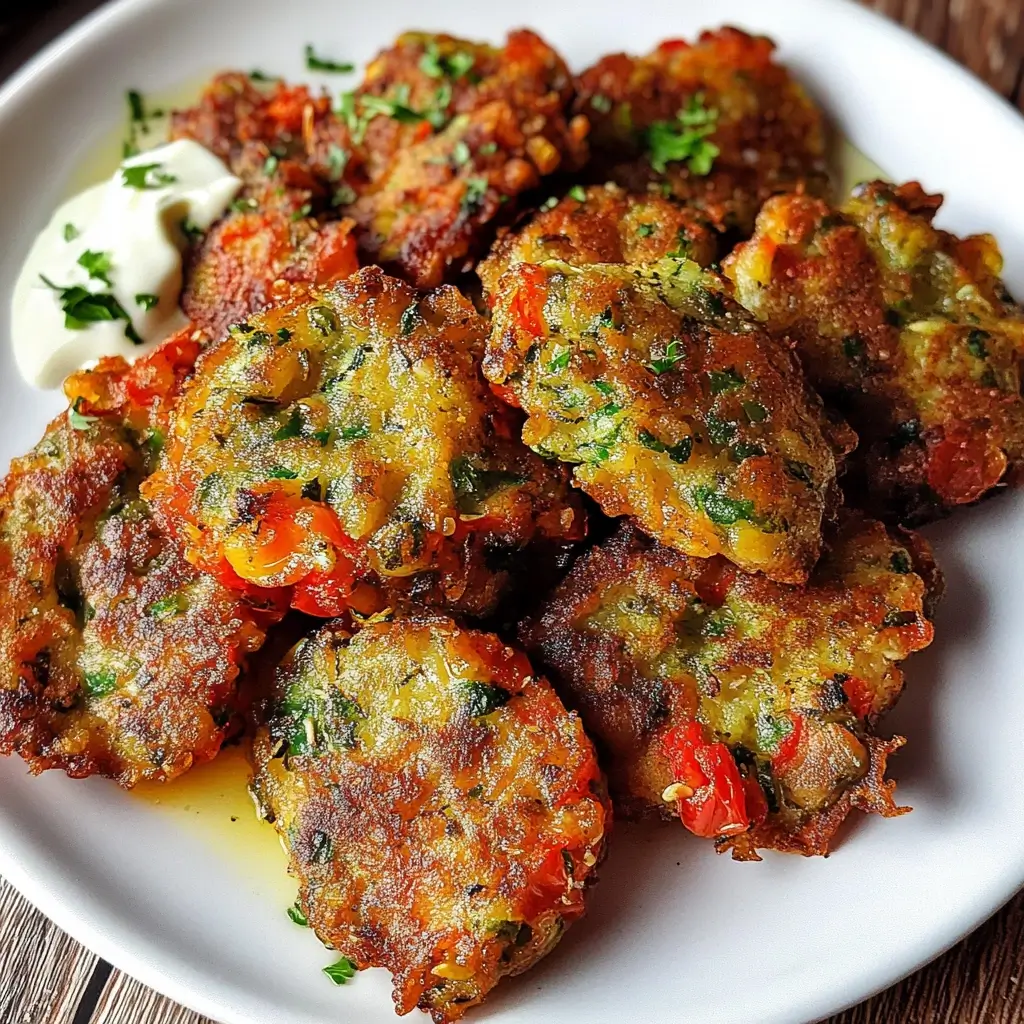
I still remember the first time I sunk my teeth into a perfectly fried Domatokefteda. It was on a sun-drenched terrace in Oia, Santorini, the Aegean Sea stretching out like a sapphire carpet below. The air was thick with the scent of oregano, the sea, and something deliciously savory. That “something” turned out to be these incredible tomato fritters. They were crispy on the outside, almost lacy, giving way to a soft, herb-infused, intensely tomatoey interior. It wasn’t just a snack; it was an experience. Back home, I was determined to recreate that magic. After a few (okay, many) attempts, tweaking herb combinations and tomato prep, I landed on this recipe. It’s become a family legend, the star of summer gatherings and a comforting reminder of Greek sunshine, even on a cloudy day. My kids, who can be notoriously picky, devour these by the dozen, fighting over the last crispy morsel. They are, simply put, a taste of happiness.
What Exactly Are Domatokeftedes? A Taste of the Aegean
Domatokeftedes (ντοματοκεφτέδες), often translated as Greek Tomato Fritters or Tomato Balls, are a beloved traditional meze (appetizer) hailing primarily from the Cycladic islands, with Santorini being its most famous champion. The volcanic soil of Santorini yields uniquely flavorful, firm, and less watery tomatoes, making them ideal for this dish. However, with a few simple tricks, you can achieve fantastic results with good quality tomatoes from anywhere.
These fritters are a testament to Greek ingenuity, transforming humble ingredients – ripe tomatoes, onions, fresh herbs, and flour – into something extraordinarily delicious. They are typically pan-fried to a golden-brown crispness, offering a delightful contrast in textures. The flavor profile is bright, herbaceous, and deeply savory, capturing the essence of Mediterranean summer. While often vegetarian, it’s important to note that this recipe, as presented, is fully vegetarian and can easily be adapted to be vegan.
Why You’ll Fall in Love with These Vegetarian Greek Tomato Fritters
Beyond their incredible taste, there are so many reasons to adore these Domatokeftedes:
- Bursting with Fresh Flavor: The combination of ripe tomatoes, sweet onion, and aromatic herbs like mint, parsley, and oregano creates an explosion of Mediterranean goodness.
- Irresistible Texture: A perfectly crispy, golden exterior gives way to a tender, almost creamy interior. It’s a textural delight!
- Surprisingly Easy to Make: While they look impressive, the process is straightforward, involving chopping, mixing, and frying.
- Crowd-Pleaser: Perfect as an appetizer, a meze, a light lunch, or even a side dish. They disappear fast at any gathering!
- Customizable: Feel free to play around with the herbs or add a pinch of chili flakes for a little heat.
- Budget-Friendly: Utilizes simple, readily available ingredients.
Ingredients for Authentic Domatokeftedes
To bring these Greek delights to your table, you’ll need the following:
- Tomatoes: 1 kg (approx. 2.2 lbs) ripe but firm tomatoes (Roma or beefsteak work well; if using very juicy tomatoes, you might need slightly more flour or longer draining time)
- Red Onion: 1 large (or 2 small), finely chopped or grated
- Fresh Mint: ½ cup packed, finely chopped
- Fresh Parsley: ½ cup packed, finely chopped
- Dried Greek Oregano: 1 tablespoon (or 2 tablespoons fresh, chopped)
- All-Purpose Flour: 1 ½ cups (approx. 180-200g), plus more if needed (see notes)
- Baking Powder: 1 ½ teaspoons
- Salt: 1 ½ teaspoons, plus more for draining tomatoes
- Freshly Ground Black Pepper: ½ teaspoon, or to taste
- Optional: Feta Cheese: 50g (approx. 2 oz) crumbled (for an extra salty, tangy kick)
- Olive Oil or Vegetable Oil: For frying (enough for about ½ inch depth in your pan)
A Note on Tomatoes: The quality and type of tomatoes are key. Ideally, use firm, fleshy tomatoes with fewer seeds and less water content. If your tomatoes are very juicy, the draining step (see instructions) is crucial. Santorini tomatoes, if you can find them, are naturally less watery.
Step-by-Step Instructions to Craft Your Fritters
Follow these instructions carefully for perfectly crispy and flavorful Domatokeftedes:
1. Prepare the Tomatoes (The Crucial Step!):
* Wash the tomatoes thoroughly.
* Roughly chop the tomatoes. You don’t need to peel or deseed them entirely, but removing some of the very watery, seedy pulp can be beneficial if your tomatoes are particularly juicy.
* Place the chopped tomatoes in a colander set over a bowl. Sprinkle them generously with about 1 teaspoon of salt. Toss gently and let them drain for at least 30 minutes, or up to 1 hour. This step is VITAL to draw out excess moisture, which prevents soggy fritters and helps them crisp up beautifully.
* After draining, gently squeeze the tomatoes with your hands to remove any remaining excess liquid. Discard the collected liquid (or save it for soups!). You want the tomato pulp to be relatively dry.
2. Combine Aromatic Ingredients:
* In a large mixing bowl, add the drained and squeezed tomatoes, finely chopped red onion, chopped fresh mint, chopped fresh parsley, and dried oregano.
* If using, add the crumbled feta cheese at this stage.
3. Make the Batter:
* In a separate small bowl, whisk together the all-purpose flour, baking powder, 1 ½ teaspoons of salt (remember you already salted the tomatoes for draining, so adjust if needed), and freshly ground black pepper.
* Gradually add the dry ingredients to the tomato and herb mixture. Stir gently with a wooden spoon or spatula until just combined. DO NOT OVERMIX. Overmixing can lead to tough fritters. The batter should be thick, almost like a chunky drop-biscuit dough. It shouldn’t be runny. If it seems too wet (common if tomatoes were very juicy), add a little more flour, one tablespoon at a time, until it reaches the desired consistency. It should hold its shape loosely when dropped from a spoon.
4. Rest the Batter (Optional but Recommended):
* Cover the bowl with plastic wrap and let the batter rest in the refrigerator for 15-30 minutes. This allows the flour to hydrate fully and the flavors to meld, often resulting in a better texture.
5. Fry the Domatokeftedes:
* Pour olive oil or vegetable oil into a large, heavy-bottomed skillet or frying pan to a depth of about ½ inch (1-1.5 cm).
* Heat the oil over medium-high heat. The oil is ready when a small drop of batter sizzles immediately and turns golden brown in about 1-2 minutes, or when it reaches around 175-180°C (350°F) on a thermometer.
* Carefully drop heaping tablespoons of the batter into the hot oil, being sure not to overcrowd the pan. Overcrowding will lower the oil temperature and result in greasy, unevenly cooked fritters. Fry in batches.
* Flatten the fritters slightly with the back of your spoon once they are in the oil to ensure even cooking.
* Fry for about 2-4 minutes per side, or until they are deeply golden brown and crispy. The exact time will depend on the size of your fritters and the oil temperature.
* Use a slotted spoon to carefully remove the cooked fritters from the oil.
6. Drain and Serve:
* Transfer the fried Domatokeftedes to a wire rack set over a baking sheet or to a plate lined with paper towels to drain any excess oil. Sprinkling them with a tiny pinch more salt while they are hot can enhance their flavor.
* Serve warm for the best taste and texture.
Nutrition Facts (Approximate)
- Servings: This recipe makes approximately 20-24 medium-sized fritters.
- Serving Size: Consider 4-5 fritters as an appetizer serving.
- Calories per Serving (approx. 4 fritters): 220-280 calories.
Disclaimer: Nutritional information is an estimate and can vary significantly based on factors such as the exact ingredients used (especially the type and amount of oil absorbed during frying), portion sizes, and any modifications made to the recipe.
Preparation & Cooking Time
- Preparation Time: 45 minutes (includes 30 minutes for draining tomatoes)
- Resting Time (optional): 15-30 minutes
- Cooking Time: 20-30 minutes (frying in batches)
- Total Time (excluding optional rest): Approximately 1 hour 5 minutes to 1 hour 15 minutes
How to Serve Your Delicious Domatokeftedes
These Vegetarian Greek Tomato Fritters are incredibly versatile. Here are some delightful ways to serve them:
- The Classic Way:
- With Tzatziki: A generous dollop of cool, creamy, garlicky tzatziki sauce is the quintessential accompaniment. The contrast is heavenly.
- Lemon Wedges: A simple squeeze of fresh lemon juice brightens up the flavors beautifully.
- As Part of a Meze Platter:
- Arrange them alongside other Greek favorites such as:
- Olives (Kalamata or green)
- Feta cheese
- Pita bread (warm and fluffy)
- Hummus or other dips like Tirokafteri (spicy feta dip) or Skordalia (garlic and potato dip)
- Dolmades (stuffed vine leaves)
- Grilled halloumi
- Arrange them alongside other Greek favorites such as:
- As a Light Lunch or Supper:
- Serve a generous portion with a fresh Greek salad (Horiatiki) dressed with olive oil and oregano.
- Pair with a simple side of crusty bread to soak up any leftover tomato goodness.
- With Other Dips:
- Plain Greek Yogurt: A simpler alternative to tzatziki, perhaps with a drizzle of olive oil and a sprinkle of paprika.
- Roasted Red Pepper Dip (Florinis Piperies Dip): Adds a smoky sweetness.
- Innovative Pairings:
- Alongside grilled fish or chicken for a more substantial meal.
- As a topping for a hearty grain bowl.
Additional Tips for Fritter Perfection
- Don’t Skip Draining the Tomatoes: This is the most critical step for achieving crispy, non-soggy fritters. The salt helps draw out excess water. Squeeze them well!
- Mind Your Oil Temperature: If the oil is too cool, the fritters will absorb too much oil and become greasy. If it’s too hot, they’ll brown too quickly on the outside before the inside is cooked. Aim for a steady medium-high heat. Test with a small piece of batter.
- Avoid Overcrowding the Pan: Frying in batches ensures the oil temperature remains stable, leading to evenly cooked, crispy fritters. Give them space!
- Don’t Overmix the Batter: Mix the wet and dry ingredients until just combined. A few lumps are okay. Overmixing develops the gluten in the flour, which can make the fritters tough rather than tender.
- Fresh Herbs Make a Difference: While dried oregano is traditional and excellent, using fresh mint and parsley significantly elevates the flavor. If you have access to fresh Greek oregano, even better! Finely chop them to release their aromatic oils.
Frequently Asked Questions (FAQ) About Vegetarian Greek Tomato Fritters
Q1: Can I make Domatokeftedes ahead of time?
A: Domatokeftedes are best enjoyed fresh and warm, right after frying, when they are at their crispiest. However, you can prepare the batter (up to step 3 or 4) a few hours ahead and store it covered in the refrigerator. Fry them just before serving. If you have leftovers, they can be stored in an airtight container in the refrigerator for 2-3 days and reheated in an oven or air fryer at around 175°C (350°F) for 5-10 minutes until warmed through and re-crisped. Avoid microwaving, as it will make them soggy.
Q2: Why are my tomato fritters soggy or oily?
A: There are a few common culprits:
* Tomatoes weren’t drained enough: Excess moisture from the tomatoes will make the batter too wet, leading to soggy fritters.
* Oil temperature too low: If the oil isn’t hot enough, the fritters absorb oil instead of quickly crisping up.
* Overcrowding the pan: This lowers the oil temperature significantly.
* Batter too thin: If the batter is too runny, add a bit more flour.
Q3: Can I bake these tomato fritters instead of frying them?
A: Yes, you can bake them for a healthier alternative, though the texture will be different – less crispy and more scone-like. Preheat your oven to 200°C (400°F). Lightly grease a baking sheet or line it with parchment paper. Drop spoonfuls of the batter onto the sheet, flattening them slightly. You might want to spray the tops with a little olive oil spray. Bake for 15-25 minutes, flipping halfway, until golden brown and cooked through. They won’t be as traditionally crispy as fried ones, but still delicious.
Q4: What are the best tomatoes to use for Domatokeftedes?
A: The ideal tomatoes are firm, fleshy, and have a lower water content and fewer seeds. Roma (plum) tomatoes or good quality beefsteak tomatoes are excellent choices. If you can find authentic Santorini tomatoes, they are unparalleled for this recipe due to their unique characteristics. Cherry tomatoes can also be used, though they require more chopping and may have a higher skin-to-flesh ratio. The key is to ensure thorough draining, regardless of the type.
Q5: Can I make these Greek Tomato Fritters vegan or gluten-free?
A:
* Vegan: This recipe is already egg-free. If you’re concerned about any trace dairy in feta (if using), simply omit the feta or use a vegan feta alternative. Ensure your baking powder is vegan (most are).
* Gluten-Free: Yes, you can substitute the all-purpose flour with a good quality gluten-free all-purpose flour blend. Look for one that contains xanthan gum or add a pinch if your blend doesn’t include it. The texture might be slightly different, but they will still be delicious. You may need to adjust the amount of GF flour slightly depending on the blend.
These Vegetarian Greek Tomato Fritters are more than just a recipe; they are a celebration of simple, fresh ingredients and the vibrant flavors of the Mediterranean. Each crispy, savory bite is a reminder of sun-kissed islands and the joy of shared food. So, gather your tomatoes, chop your herbs, and get ready to transport your taste buds to Greece! Kali Orexi! (Good Appetite!)
Print
Vegetarian Greek Tomato Fritters Recipe
Ingredients
- Tomatoes: 1 kg (approx. 2.2 lbs) ripe but firm tomatoes (Roma or beefsteak work well; if using very juicy tomatoes, you might need slightly more flour or longer draining time)
- Red Onion: 1 large (or 2 small), finely chopped or grated
- Fresh Mint: ½ cup packed, finely chopped
- Fresh Parsley: ½ cup packed, finely chopped
- Dried Greek Oregano: 1 tablespoon (or 2 tablespoons fresh, chopped)
- All-Purpose Flour: 1 ½ cups (approx. 180-200g), plus more if needed (see notes)
- Baking Powder: 1 ½ teaspoons
- Salt: 1 ½ teaspoons, plus more for draining tomatoes
- Freshly Ground Black Pepper: ½ teaspoon, or to taste
- Optional: Feta Cheese: 50g (approx. 2 oz) crumbled (for an extra salty, tangy kick)
- Olive Oil or Vegetable Oil: For frying (enough for about ½ inch depth in your pan)
Instructions
- Tomatoes: 1 kg (approx. 2.2 lbs) ripe but firm tomatoes (Roma or beefsteak work well; if using very juicy tomatoes, you might need slightly more flour or longer draining time)
- Red Onion: 1 large (or 2 small), finely chopped or grated
- Fresh Mint: ½ cup packed, finely chopped
- Fresh Parsley: ½ cup packed, finely chopped
- Dried Greek Oregano: 1 tablespoon (or 2 tablespoons fresh, chopped)
- All-Purpose Flour: 1 ½ cups (approx. 180-200g), plus more if needed (see notes)
- Baking Powder: 1 ½ teaspoons
- Salt: 1 ½ teaspoons, plus more for draining tomatoes
- Freshly Ground Black Pepper: ½ teaspoon, or to taste
- Optional: Feta Cheese: 50g (approx. 2 oz) crumbled (for an extra salty, tangy kick)
- Olive Oil or Vegetable Oil: For frying (enough for about ½ inch depth in your pan)
Nutrition
- Serving Size: One Normal Portion
- Calories: 220-280