
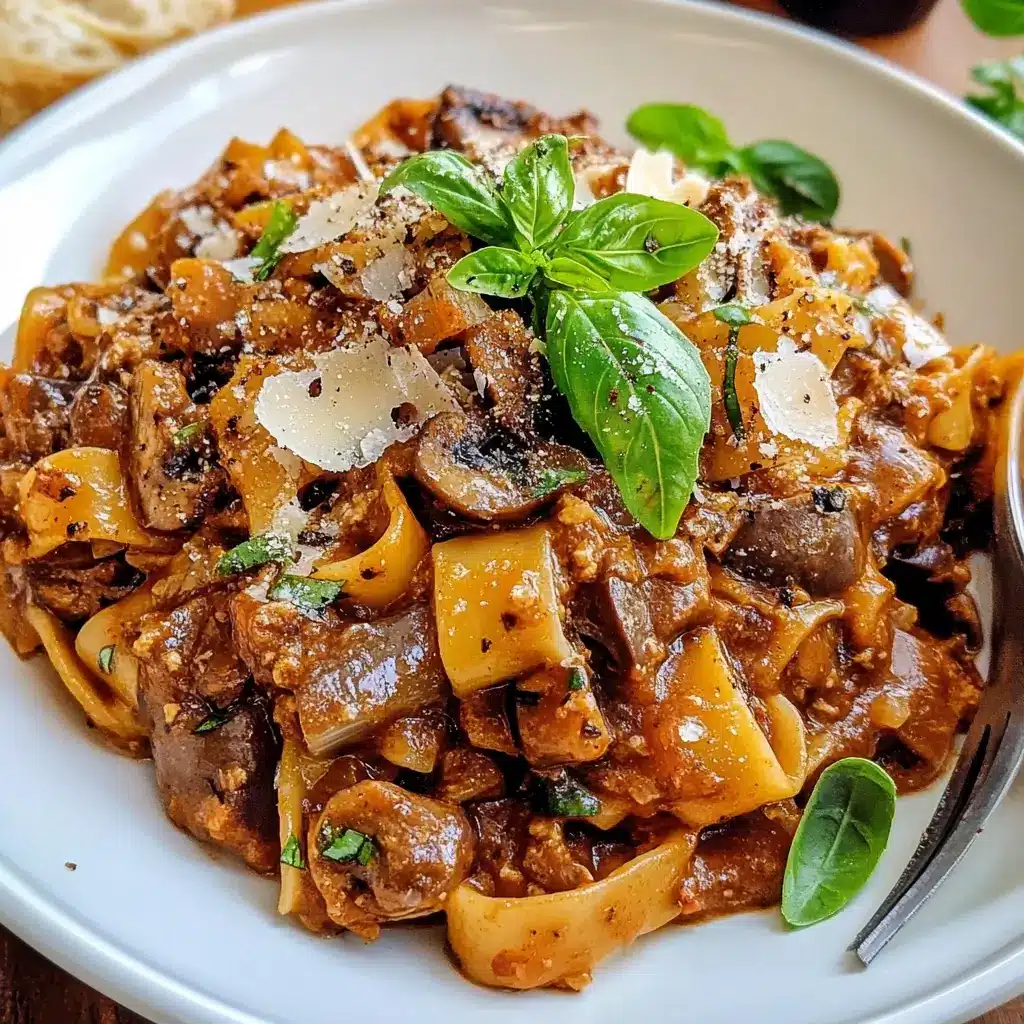

I still remember the first time I made this Vegetarian Mushroom Ragu for my family. We’re decidedly not a vegetarian household, and frankly, the idea of a “ragu” without meat initially met with some skepticism around the dinner table. My husband, a lover of traditional Bolognese, raised an eyebrow. My kids asked, “Where’s the meat?” But the aroma filling the kitchen as it simmered – rich, earthy, deeply savoury – started to win them over before they even took a bite. When we finally sat down, ladling the thick, dark sauce over steaming bowls of pappardelle, the silence that followed the first mouthfuls was golden. Then came the praise: “Wow, this is really good,” “It tastes so…meaty!”, “Can we have this again next week?”. This Vegetarian Mushroom Ragu didn’t just pass the test; it became an instant family favourite. It’s hearty, deeply satisfying, and packed with such incredible umami depth that you genuinely don’t miss the meat. It’s become my go-to for a comforting weeknight dinner, elegant enough for guests, and proof that plant-based cooking can be every bit as robust and flavourful as its meaty counterparts. It’s more than just a recipe; it’s a bowl of pure comfort.
The Ultimate Vegetarian Mushroom Ragu: Ingredients You’ll Need
Crafting a truly exceptional Vegetarian Mushroom Ragu relies on building layers of flavour. While simple at its core, the choice and combination of ingredients are key to achieving that coveted depth and richness often associated with traditional meat sauces. Here’s what you’ll need to create this umami powerhouse:
- Olive Oil: 3 tablespoons (Extra Virgin recommended for flavour) – The foundation for sautéing our aromatics and mushrooms, contributing richness.
- Yellow Onion: 1 large, finely chopped (about 1.5 cups) – Provides a sweet, aromatic base. Proper cooking releases its natural sugars, adding depth.
- Carrots: 2 medium, finely chopped (about 1 cup) – Adds subtle sweetness and earthiness, contributing to the classic soffritto base. Fine chopping helps them meld into the sauce.
- Celery: 2 stalks, finely chopped (about 1 cup) – Offers a savoury, slightly vegetal note that balances the sweetness of the carrots and onions. Crucial for the traditional ragu flavour profile.
- Garlic: 4-6 cloves, minced – Provides pungent warmth and aroma. Adjust the amount based on your preference for garlic intensity.
- Mixed Fresh Mushrooms: 1.5 lbs (about 24 oz or 680g), cleaned and roughly chopped – This is the star! A mix provides complexity.
- Recommendation: Use a combination like Cremini (Baby Bella) for earthiness, Shiitake for their smoky, meaty flavour, and standard White Button mushrooms for bulk and moisture. If you can find them, King Oyster mushrooms add a fantastic chewy texture. Don’t chop too finely; you want some texture.
- Dried Porcini Mushrooms: ½ ounce (about 15g) – The secret weapon for intense umami depth. Rehydrating them creates a flavourful broth that elevates the entire sauce. Don’t skip these if possible!
- Tomato Paste: 3 tablespoons – Concentrated tomato flavour and umami. Toasting it briefly deepens its flavour and reduces raw acidity.
- Dry Red Wine: ¾ cup (such as Cabernet Sauvignon, Merlot, or Chianti) – Adds acidity, complexity, and helps deglaze the pan, lifting flavourful browned bits. Choose a wine you’d enjoy drinking. An alcohol-free alternative is using more mushroom or vegetable broth with a splash of balsamic vinegar.
- Crushed Tomatoes: 1 large can (28 ounces or ~800g) – Good quality crushed tomatoes (like San Marzano style) provide the main body and fruity acidity of the sauce.
- Vegetable Broth: 1 cup (plus more if needed) – Adds liquid and savoury flavour. Use low-sodium broth to better control the saltiness. The reserved porcini soaking liquid will also be used here.
- Fresh Thyme: 2 sprigs (or 1 teaspoon dried thyme) – Adds a classic, earthy, slightly floral aroma that pairs beautifully with mushrooms.
- Fresh Rosemary: 1 sprig (or ½ teaspoon dried rosemary) – Provides a piney, robust flavour. Use sparingly as it can be strong.
- Bay Leaf: 1 – Contributes subtle background notes that enhance the overall complexity during simmering. Remember to remove it before serving.
- Salt: 1.5 teaspoons (Kosher or sea salt preferred), plus more to taste – Essential for enhancing all the flavours. Season gradually and taste often.
- Black Pepper: ½ teaspoon freshly ground, plus more to taste – Adds a touch of warmth and spice.
- Optional Umami Boosters:
- Soy Sauce or Tamari: 1-2 teaspoons (adds saltiness and deep savoury notes)
- Miso Paste (White or Yellow): 1 teaspoon (dissolve in a little warm water first; adds complex umami)
- Optional Finishing Touches:
- Splash of Balsamic Vinegar: Adds brightness and complexity at the end.
- Butter or Vegan Butter: 1 tablespoon stirred in at the end for richness and gloss.
- Fresh Parsley or Basil: Chopped, for garnish and freshness.
- Parmesan Cheese or Nutritional Yeast: For serving (use nutritional yeast for a vegan option).
Crafting Your Hearty Mushroom Ragu: Step-by-Step Instructions
Making this Vegetarian Mushroom Ragu is a process of patient layering. Each step builds upon the last, creating a sauce far greater than the sum of its parts. Follow these instructions carefully for the best results:
- Prepare the Porcini: Place the dried porcini mushrooms in a medium heatproof bowl. Pour 1.5 cups of boiling water over them. Let them steep for at least 20-30 minutes, allowing them to fully rehydrate and release their intense flavour into the water. Once softened, carefully lift the mushrooms out of the liquid, squeezing gently to release excess water back into the bowl. Finely chop the rehydrated porcini. Crucially, strain the soaking liquid through a fine-mesh sieve lined with a coffee filter or paper towel to remove any grit. Reserve this precious, flavourful liquid – it’s liquid gold!
- Build the Soffritto Base: Heat the olive oil in a large, heavy-bottomed pot or Dutch oven over medium heat. Once shimmering, add the finely chopped onion, carrots, and celery (the soffritto). Season lightly with a pinch of salt (about ¼ teaspoon). Cook, stirring occasionally, for 10-15 minutes, or until the vegetables are very soft, slightly translucent, and the onions are golden, but not browned. This slow cooking process sweats the vegetables, releasing their sugars and building a sweet, aromatic foundation for the ragu. Don’t rush this step.
- Add Aromatics and Tomato Paste: Add the minced garlic and cook, stirring constantly, for about 1 minute until fragrant. Be careful not to burn the garlic, which can make it bitter. Stir in the tomato paste and cook for another 1-2 minutes, stirring constantly. Toasting the tomato paste slightly deepens its flavour and cooks out any raw taste. The paste will darken slightly in colour.
- Cook the Fresh Mushrooms: Increase the heat slightly to medium-high. Add the chopped fresh mushrooms and the finely chopped rehydrated porcini mushrooms to the pot. Add another pinch of salt (about ¼ teaspoon) – salt helps draw moisture out of the mushrooms. Cook, stirring occasionally, for 10-15 minutes. The mushrooms will initially release a lot of water. Keep cooking, allowing this liquid to evaporate. Continue cooking until the mushrooms are well-browned and slightly crispy around the edges. This browning process (Maillard reaction) is essential for developing deep, savoury, “meaty” flavour. Don’t overcrowd the pan; if necessary, cook the mushrooms in batches to ensure proper browning rather than steaming.
- Deglaze with Wine: Pour in the red wine. Bring it to a simmer, scraping the bottom of the pot with a wooden spoon to dislodge any browned bits (the fond). These bits are packed with flavour! Let the wine bubble and reduce by about half, cooking for 3-5 minutes, allowing the alcohol flavour to cook off, leaving behind its complex fruity notes and acidity. If not using wine, you can deglaze with a portion of the vegetable broth or the reserved porcini liquid.
- Add Liquids and Seasonings: Stir in the crushed tomatoes, the reserved porcini soaking liquid (remember, it’s strained!), 1 cup of vegetable broth, the fresh thyme sprigs, rosemary sprig, and the bay leaf. Add the remaining 1 teaspoon of salt and the ½ teaspoon of freshly ground black pepper. If using optional umami boosters like soy sauce or miso paste, add them now. Stir everything together thoroughly.
- Simmer and Meld Flavours: Bring the sauce to a gentle simmer. Once simmering, reduce the heat to low, cover the pot loosely (leaving the lid slightly ajar allows steam to escape and the sauce to thicken), and let it cook for at least 45 minutes, or preferably 60-75 minutes. Stir occasionally, scraping the bottom of the pot to prevent sticking. The longer it simmers, the more the flavours will meld, deepen, and concentrate, and the sauce will thicken beautifully. If the sauce becomes too thick during simmering, add a splash more vegetable broth or water to reach your desired consistency.
- Final Touches and Adjustments: After simmering, remove the thyme sprigs, rosemary sprig, and bay leaf. Taste the ragu carefully. Adjust seasoning as needed – does it need more salt? More pepper? A touch of brightness? You can stir in a splash of balsamic vinegar (about 1-2 teaspoons) now for acidity and complexity, or a tablespoon of butter (or vegan butter) for extra richness and a glossy finish. Stir well.
- Rest Before Serving: Ideally, let the ragu rest off the heat for 10-15 minutes before serving. This allows the flavours to settle and meld even further. Like many stews and sauces, this ragu often tastes even better the next day!
Nutritional Snapshot: Understanding Your Meal
While exact nutritional values can vary based on specific ingredients and portion sizes, here’s an approximate breakdown for this Vegetarian Mushroom Ragu (calculated for the sauce only, excluding pasta or other accompaniments):
- Servings: This recipe generously yields approximately 6 servings.
- Calories per serving (approximate): 250-300 kcal
Key Nutritional Highlights:
- Plant-Powered: Entirely vegetarian (and easily made vegan), relying on vegetables and fungi for substance.
- Rich in Fiber: The abundance of mushrooms, onions, carrots, celery, and tomatoes makes this sauce a good source of dietary fiber, crucial for digestive health.
- Source of Vitamins and Minerals: Mushrooms provide B vitamins (like riboflavin and niacin) and minerals like selenium and potassium. Tomatoes are rich in Vitamin C and lycopene, a powerful antioxidant. Other vegetables contribute a range of micronutrients.
- Lower in Saturated Fat: Compared to traditional meat-based ragu, this version is significantly lower in saturated fat, making it a heart-friendlier option.
- Umami Satisfaction: The combination of fresh and dried mushrooms, tomato paste, and optional boosters delivers deep umami flavour, contributing to satiety without meat.
Disclaimer: These are estimates. For precise nutritional information, consider using an online recipe calculator with your specific ingredient brands and measurements.
Timing Your Culinary Creation: Preparation and Cooking Time
Understanding the time commitment helps plan your cooking. While not overly complex, achieving the depth of flavour characteristic of a great ragu requires some patience, particularly during the simmering stage.
- Preparation Time: 25-35 minutes (This includes washing and chopping vegetables, mincing garlic, rehydrating porcini, and measuring ingredients. Using a food processor for chopping the soffritto vegetables can speed this up, but hand-chopping yields a slightly better texture.)
- Cooking Time: 75-95 minutes (Includes sautéing soffritto: 10-15 min; cooking mushrooms: 10-15 min; deglazing: 5 min; simmering: 45-60+ min)
- Total Time: Approximately 1 hour 40 minutes to 2 hours 10 minutes
Time Breakdown Insights:
- Active Time: Roughly 40-50 minutes (chopping, sautéing, stirring).
- Passive Time: Roughly 60-75 minutes (rehydrating porcini, simmering the sauce). The simmering time is largely hands-off, requiring only occasional stirring. This is a great time to prepare your pasta or other accompaniments, clean up the kitchen, or relax!
While it takes a bit longer than a quick weeknight sauce, much of the time is simmering, allowing flavours to develop beautifully. It’s an ideal recipe for a relaxed weekend afternoon or can be made ahead and reheated.
How to Serve Your Delicious Vegetarian Mushroom Ragu
This versatile ragu pairs wonderfully with a variety of bases and garnishes. Here are some classic and creative ways to serve it:
- Classic Pasta Pairings:
- Pappardelle: Wide, flat ribbons are the traditional choice for ragu, as they hold the chunky sauce beautifully.
- Tagliatelle: Similar to pappardelle but slightly narrower, another excellent option.
- Rigatoni: The ridges and wide tubes capture the sauce perfectly.
- Penne: A common choice, ensure it’s cooked al dente.
- Gnocchi: Soft potato dumplings are heavenly smothered in this rich sauce.
- Beyond Pasta:
- Creamy Polenta: Serve the ragu spooned over soft, cheesy (or vegan cheesy) polenta for ultimate comfort food.
- Crusty Bread: Perfect for mopping up every last bit of sauce. Serve alongside or as garlic bread.
- Baked Potatoes or Sweet Potatoes: Use the ragu as a hearty topping.
- Zucchini Noodles (Zoodles) or Spaghetti Squash: A lighter, gluten-free alternative to pasta.
- Layered in Lasagna: Use this ragu as the base for a delicious vegetarian or vegan lasagna.
- Over Mashed Potatoes: A comforting and satisfying pairing.
- As a Bruschetta Topping: Spoon onto toasted baguette slices for an appetizer.
- Garnishes and Finishing Touches:
- Fresh Herbs: Chopped fresh parsley or basil adds brightness and freshness.
- Cheese: A generous grating of Parmesan, Pecorino Romano adds salty, nutty notes. For a vegan option, use a high-quality vegan Parmesan alternative or nutritional yeast for a cheesy flavour.
- Red Pepper Flakes: A pinch adds a welcome kick of heat.
- High-Quality Olive Oil: A final drizzle enhances richness and flavour.
- Cream or Crème Fraîche: A small dollop stirred in just before serving adds extra creaminess (use a plant-based cream for vegan).
Elevate Your Ragu: 5 Expert Tips for Perfection
Take your Vegetarian Mushroom Ragu from great to absolutely spectacular with these pro tips:
- Master the Mushroom Browning: Don’t rush cooking the fresh mushrooms. Achieving deep browning is paramount for developing that complex, savoury, almost “meaty” flavour base. Use medium-high heat, don’t overcrowd the pan (work in batches if needed), and let them cook undisturbed for periods to allow caramelization. Wait until their released liquid evaporates, then let them brown properly. This Maillard reaction is where the magic happens.
- Don’t Skip the Dried Porcini (and Their Liquid!): Dried porcini mushrooms are concentrated umami bombs. Rehydrating them not only provides intensely flavoured mushroom pieces to chop and add but also creates an incredibly rich broth. Straining this broth carefully (to remove grit) and adding it to the sauce along with the vegetable broth significantly deepens the flavour profile in a way fresh mushrooms alone cannot achieve. It’s a non-negotiable for truly exceptional ragu.
- Embrace the Long Simmer: While the sauce might seem “done” after 30 minutes, the extended simmering time (45-75 minutes or even longer on very low heat) is crucial. This allows the flavours to meld, concentrate, and deepen. The acidity from the tomatoes mellows, the vegetables break down further, and the sauce thickens naturally, creating a cohesive and intensely flavourful result. Patience here pays huge dividends. Keep the lid slightly ajar to allow for evaporation and thickening.
- Build Flavour Layers Systematically: Pay attention to each stage – sweating the soffritto slowly to release sweetness, toasting the tomato paste to deepen its flavour, browning the mushrooms for umami, deglazing with wine to capture fond, and adding herbs early enough to infuse their essence during the simmer. Each step contributes a vital layer to the final complex taste.
- Taste and Adjust Fearlessly at the End: Your palate is the final judge. After simmering, taste the ragu critically. Does it need more salt to make the flavours pop? More black pepper for warmth? A touch of acidity (balsamic vinegar or lemon juice) to brighten things up? A pinch of sugar if the tomatoes are too acidic? Maybe a final knob of butter (or vegan butter) for richness? Don’t be afraid to make small adjustments until the flavour profile is perfectly balanced and deeply satisfying to you.
Your Vegetarian Mushroom Ragu Questions Answered: FAQ
Here are answers to some common questions about making this hearty vegetarian sauce:
- Q: Can I use only one type of mushroom?
- A: Yes, you absolutely can, but using a variety offers more complex flavour and texture. If using only one type, Cremini (Baby Bella) mushrooms are an excellent all-around choice as they have a good balance of earthiness and structure. White button mushrooms will work but offer less depth of flavour. Using only Shiitake might be overpowering for some. If you can, combine at least two types for better results. And always try to include the dried porcini!
- Q: How can I make this recipe vegan?
- A: This recipe is easily made vegan! The primary non-vegan ingredient might be Parmesan cheese for serving and potentially butter if you use it as a finishing touch. Simply omit the butter or use a plant-based butter alternative. For serving, skip the Parmesan or use nutritional yeast (for a cheesy, umami flavour) or a store-bought vegan Parmesan substitute. Ensure your red wine is vegan-certified if that’s a concern (some wines use animal products in fining). The core ragu recipe is naturally vegan if these minor adjustments are made.
- Q: Can I make this ragu without wine?
- A: Yes, you can omit the red wine. Wine adds acidity, depth, and helps deglaze the pan. To substitute, you can deglaze the pan with an equal amount of extra vegetable broth or use some of the reserved porcini mushroom liquid. To replace some of the complexity and acidity the wine provides, consider adding 1-2 teaspoons of balsamic vinegar or red wine vinegar towards the end of the simmering time. It won’t be exactly the same flavour profile, but it will still be delicious.
- Q: How long does this mushroom ragu last, and how should I store it?
- A: Properly stored, this Vegetarian Mushroom Ragu lasts well. Allow the sauce to cool completely, then transfer it to an airtight container. It will keep in the refrigerator for 4-5 days. Like many sauces, the flavour often improves on the second day as the tastes continue to meld.
- Q: Can I freeze this Vegetarian Mushroom Ragu?
- A: Yes, this ragu freezes beautifully! Let it cool completely, then transfer it to freezer-safe airtight containers or heavy-duty freezer bags. Leave a little headspace for expansion. It can be frozen for up to 3 months for best quality. To reheat, thaw it overnight in the refrigerator and then gently reheat on the stovetop over medium-low heat, stirring occasionally, until heated through. You may need to add a splash of water or broth if it has thickened too much upon reheating. Freezing makes it perfect for batch cooking and having future meals ready to go.

Vegetarian Mushroom Ragu Recipe
Ingredients
- Olive Oil: 3 tablespoons (Extra Virgin recommended for flavour) – The foundation for sautéing our aromatics and mushrooms, contributing richness.
- Yellow Onion: 1 large, finely chopped (about 1.5 cups) – Provides a sweet, aromatic base. Proper cooking releases its natural sugars, adding depth.
- Carrots: 2 medium, finely chopped (about 1 cup) – Adds subtle sweetness and earthiness, contributing to the classic soffritto base. Fine chopping helps them meld into the sauce.
- Celery: 2 stalks, finely chopped (about 1 cup) – Offers a savoury, slightly vegetal note that balances the sweetness of the carrots and onions. Crucial for the traditional ragu flavour profile.
- Garlic: 4-6 cloves, minced – Provides pungent warmth and aroma. Adjust the amount based on your preference for garlic intensity.
- Mixed Fresh Mushrooms: 1.5 lbs (about 24 oz or 680g), cleaned and roughly chopped – This is the star! A mix provides complexity.
- Recommendation: Use a combination like Cremini (Baby Bella) for earthiness, Shiitake for their smoky, meaty flavour, and standard White Button mushrooms for bulk and moisture. If you can find them, King Oyster mushrooms add a fantastic chewy texture. Don’t chop too finely; you want some texture.
- Dried Porcini Mushrooms: ½ ounce (about 15g) – The secret weapon for intense umami depth. Rehydrating them creates a flavourful broth that elevates the entire sauce. Don’t skip these if possible!
- Tomato Paste: 3 tablespoons – Concentrated tomato flavour and umami. Toasting it briefly deepens its flavour and reduces raw acidity.
- Dry Red Wine: ¾ cup (such as Cabernet Sauvignon, Merlot, or Chianti) – Adds acidity, complexity, and helps deglaze the pan, lifting flavourful browned bits. Choose a wine you’d enjoy drinking. An alcohol-free alternative is using more mushroom or vegetable broth with a splash of balsamic vinegar.
- Crushed Tomatoes: 1 large can (28 ounces or ~800g) – Good quality crushed tomatoes (like San Marzano style) provide the main body and fruity acidity of the sauce.
- Vegetable Broth: 1 cup (plus more if needed) – Adds liquid and savoury flavour. Use low-sodium broth to better control the saltiness. The reserved porcini soaking liquid will also be used here.
- Fresh Thyme: 2 sprigs (or 1 teaspoon dried thyme) – Adds a classic, earthy, slightly floral aroma that pairs beautifully with mushrooms.
- Fresh Rosemary: 1 sprig (or ½ teaspoon dried rosemary) – Provides a piney, robust flavour. Use sparingly as it can be strong.
- Bay Leaf: 1 – Contributes subtle background notes that enhance the overall complexity during simmering. Remember to remove it before serving.
- Salt: 1.5 teaspoons (Kosher or sea salt preferred), plus more to taste – Essential for enhancing all the flavours. Season gradually and taste often.
- Black Pepper: ½ teaspoon freshly ground, plus more to taste – Adds a touch of warmth and spice.
- Optional Umami Boosters:
- Soy Sauce or Tamari: 1-2 teaspoons (adds saltiness and deep savoury notes)
- Miso Paste (White or Yellow): 1 teaspoon (dissolve in a little warm water first; adds complex umami)
- Optional Finishing Touches:
- Splash of Balsamic Vinegar: Adds brightness and complexity at the end.
- Butter or Vegan Butter: 1 tablespoon stirred in at the end for richness and gloss.
- Fresh Parsley or Basil: Chopped, for garnish and freshness.
- Parmesan Cheese or Nutritional Yeast: For serving (use nutritional yeast for a vegan option).
Instructions
- Prepare the Porcini: Place the dried porcini mushrooms in a medium heatproof bowl. Pour 1.5 cups of boiling water over them. Let them steep for at least 20-30 minutes, allowing them to fully rehydrate and release their intense flavour into the water. Once softened, carefully lift the mushrooms out of the liquid, squeezing gently to release excess water back into the bowl. Finely chop the rehydrated porcini. Crucially, strain the soaking liquid through a fine-mesh sieve lined with a coffee filter or paper towel to remove any grit. Reserve this precious, flavourful liquid – it’s liquid gold!
- Build the Soffritto Base: Heat the olive oil in a large, heavy-bottomed pot or Dutch oven over medium heat. Once shimmering, add the finely chopped onion, carrots, and celery (the soffritto). Season lightly with a pinch of salt (about ¼ teaspoon). Cook, stirring occasionally, for 10-15 minutes, or until the vegetables are very soft, slightly translucent, and the onions are golden, but not browned. This slow cooking process sweats the vegetables, releasing their sugars and building a sweet, aromatic foundation for the ragu. Don’t rush this step.
- Add Aromatics and Tomato Paste: Add the minced garlic and cook, stirring constantly, for about 1 minute until fragrant. Be careful not to burn the garlic, which can make it bitter. Stir in the tomato paste and cook for another 1-2 minutes, stirring constantly. Toasting the tomato paste slightly deepens its flavour and cooks out any raw taste. The paste will darken slightly in colour.
- Cook the Fresh Mushrooms: Increase the heat slightly to medium-high. Add the chopped fresh mushrooms and the finely chopped rehydrated porcini mushrooms to the pot. Add another pinch of salt (about ¼ teaspoon) – salt helps draw moisture out of the mushrooms. Cook, stirring occasionally, for 10-15 minutes. The mushrooms will initially release a lot of water. Keep cooking, allowing this liquid to evaporate. Continue cooking until the mushrooms are well-browned and slightly crispy around the edges. This browning process (Maillard reaction) is essential for developing deep, savoury, “meaty” flavour. Don’t overcrowd the pan; if necessary, cook the mushrooms in batches to ensure proper browning rather than steaming.
- Deglaze with Wine: Pour in the red wine. Bring it to a simmer, scraping the bottom of the pot with a wooden spoon to dislodge any browned bits (the fond). These bits are packed with flavour! Let the wine bubble and reduce by about half, cooking for 3-5 minutes, allowing the alcohol flavour to cook off, leaving behind its complex fruity notes and acidity. If not using wine, you can deglaze with a portion of the vegetable broth or the reserved porcini liquid.
- Add Liquids and Seasonings: Stir in the crushed tomatoes, the reserved porcini soaking liquid (remember, it’s strained!), 1 cup of vegetable broth, the fresh thyme sprigs, rosemary sprig, and the bay leaf. Add the remaining 1 teaspoon of salt and the ½ teaspoon of freshly ground black pepper. If using optional umami boosters like soy sauce or miso paste, add them now. Stir everything together thoroughly.
- Simmer and Meld Flavours: Bring the sauce to a gentle simmer. Once simmering, reduce the heat to low, cover the pot loosely (leaving the lid slightly ajar allows steam to escape and the sauce to thicken), and let it cook for at least 45 minutes, or preferably 60-75 minutes. Stir occasionally, scraping the bottom of the pot to prevent sticking. The longer it simmers, the more the flavours will meld, deepen, and concentrate, and the sauce will thicken beautifully. If the sauce becomes too thick during simmering, add a splash more vegetable broth or water to reach your desired consistency.
- Final Touches and Adjustments: After simmering, remove the thyme sprigs, rosemary sprig, and bay leaf. Taste the ragu carefully. Adjust seasoning as needed – does it need more salt? More pepper? A touch of brightness? You can stir in a splash of balsamic vinegar (about 1-2 teaspoons) now for acidity and complexity, or a tablespoon of butter (or vegan butter) for extra richness and a glossy finish. Stir well.
- Rest Before Serving: Ideally, let the ragu rest off the heat for 10-15 minutes before serving. This allows the flavours to settle and meld even further. Like many stews and sauces, this ragu often tastes even better the next day!
Nutrition
- Serving Size: One Normal Portion
- Calories: 250-300 kcal