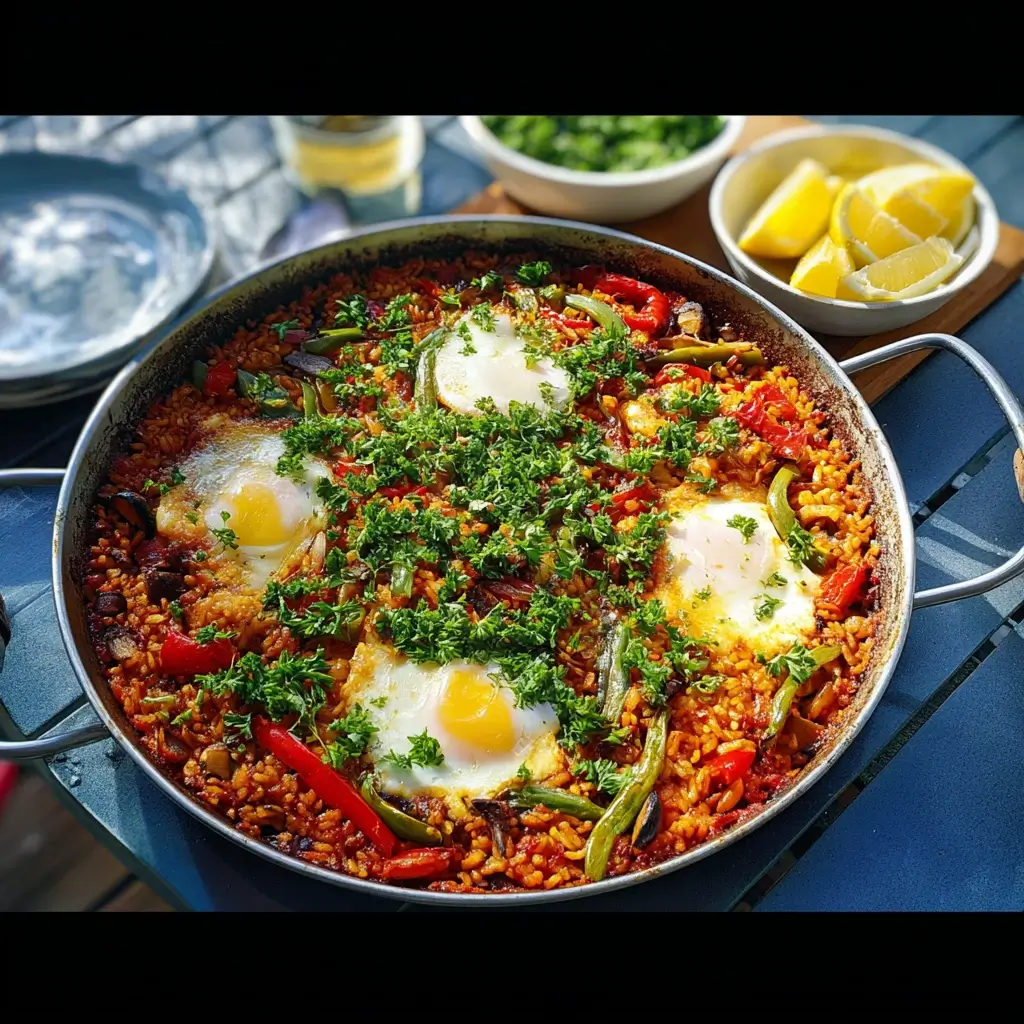
Of all the dishes that transport you straight to a sun-drenched Spanish terrace, paella reigns supreme. For years, I believed that a truly spectacular paella had to be laden with seafood or chorizo. That all changed one Sunday afternoon when, determined to create a showstopper for a mixed group of vegetarian and omnivore friends, I dove headfirst into crafting the perfect vegetarian paella. I was nervous, worried it would be seen as a “lesser” version. But as the unmistakable aroma of saffron, smoked paprika, and rosemary began to fill my kitchen, I knew I was onto something special. When I brought the wide, rustic pan to the table, adorned with a vibrant mosaic of colourful vegetables and glistening rice, a hush fell over the group. The first bite was a revelation. It was smoky, deeply savoury, and bursting with the distinct flavours of each vegetable, all held together by the perfectly cooked, saffron-infused rice. The best part? The coveted socarrat – that crispy, slightly caramelized layer of rice at the bottom of the pan – was there in all its glory. My family now requests this dish for celebrations, and it has become a testament to the fact that plant-based cooking can be every bit as decadent, complex, and satisfying as its meaty counterparts. This isn’t just a recipe; it’s an event, a centerpiece, and a delicious journey to the heart of Spain, no passport required.
The Ultimate Vegetarian Paella: A Complete Recipe
This recipe is designed to serve 4-6 people generously as a main course. The key is in the layering of flavours, starting with a rich sofrito and finishing with the iconic saffron-infused broth.
The Flavor Base (Sofrito & Spices)
- 3 tablespoons extra-virgin olive oil
- 1 large Spanish onion, finely chopped
- 1 red bell pepper, cored, seeded, and diced
- 1 green bell pepper, cored, seeded, and diced
- 6 cloves garlic, minced
- 1 can (15 ounces / 400g) crushed or finely diced tomatoes, preferably San Marzano
- 2 teaspoons smoked sweet paprika (Pimentón de la Vera Dulce)
- 1/2 teaspoon saffron threads (a generous pinch)
- 1 teaspoon dried rosemary (or 1 fresh sprig)
The Rice and Liquid
- 2 cups (approx. 400g) Bomba or Calasparra rice (do not substitute if possible)
- 6 cups (approx. 1.5 litres) high-quality, hot vegetable broth
- 1/2 cup dry white wine, such as Verdejo or Sauvignon Blanc (optional, can be replaced with more broth)
- Salt to taste (start with 1.5 teaspoons, adjust as needed)
- Freshly ground black pepper
The Vegetables & Garnish
- 1 cup frozen or fresh green beans, trimmed and halved
- 1 cup artichoke hearts, canned or jarred in water (not oil), drained and quartered
- 1/2 cup butter beans or garrofó beans, drained and rinsed
- 1 whole lemon, cut into wedges for serving
- Fresh parsley, chopped, for garnish
Step-by-Step Instructions for Perfect Paella
Making paella is a process, not a race. Follow these steps carefully, and especially heed the “do not stir” rule at the end. The best paella is made in a proper paella pan (around 15-17 inches for this quantity), but a large, wide, flat-bottomed skillet or stainless steel pan can work in a pinch.
1. Prepare Your “Mise en Place”
Before you turn on the heat, have everything ready. Chop your onions, peppers, and garlic. Open your can of tomatoes. Measure out your rice, spices, and liquids. Drain and rinse your beans and artichokes. Cooking paella moves quickly, so being prepared is the key to a stress-free experience.
2. Bloom the Saffron
This is a crucial step to unlock the full colour and aroma of the saffron. In a small bowl, combine the hot vegetable broth (about 1/4 cup of it) with the saffron threads. Let it steep while you begin cooking. You will see the water turn a beautiful, fiery orange-gold.
3. Sauté the Hearty Vegetables
Place your paella pan over medium-high heat. Add the 3 tablespoons of olive oil. Once shimmering, add the diced red and green bell peppers. Sauté for 5-7 minutes, stirring occasionally, until they are softened and slightly charred at the edges. This initial sear builds a foundational layer of flavour. Remove the peppers from the pan with a slotted spoon and set them aside.
4. Create the Sofrito (The Soul of the Paella)
Lower the heat to medium. In the same oil, add the finely chopped onion. Cook for 8-10 minutes, stirring frequently, until it is soft, translucent, and sweet. Do not rush this step. Add the minced garlic and the smoked paprika and cook for another minute until fragrant, being careful not to burn the garlic.
5. Deepen the Flavor
Pour in the optional white wine to deglaze the pan, scraping up any browned bits from the bottom. Let it bubble and reduce by about half. Add the crushed tomatoes, 1.5 teaspoons of salt, and the rosemary. Cook this mixture, stirring occasionally, for about 10-15 minutes. The goal is for the liquid to evaporate and the sofrito to become a thick, dark, jam-like paste. This concentrated base is what gives the paella its incredible depth.
6. Toast the Rice
Add the Bomba rice directly to the sofrito. Stir constantly for 1-2 minutes to coat every grain in the flavourful paste. This toasting step helps the rice absorb liquid evenly and prevents it from becoming mushy.
7. Add the Liquids and Assemble
Pour in the saffron-infused broth and the remaining hot vegetable broth. Stir everything once—and only once—to distribute the rice evenly across the bottom of the pan. From this point forward, DO NOT STIR THE RICE AGAIN! Shaking the pan gently is acceptable, but stirring will release starches and result in a creamy risotto texture, which is not what we want.
8. Arrange the Toppings
Bring the liquid to a strong simmer. Taste the broth and adjust for salt if necessary. It should taste slightly saltier than you think it needs, as the rice will absorb a lot of it. Now, artfully arrange the reserved sautéed peppers, green beans, artichoke hearts, and butter beans over the top of the rice.
9. The Simmer and the Socarrat
Let the paella simmer vigorously for about 10 minutes, then reduce the heat to low. Continue to cook for another 8-12 minutes, or until the rice has absorbed almost all of the liquid. You may need to rotate the pan to ensure even cooking, especially on a standard stovetop burner. For the final minute or two, turn the heat up to medium-high. Listen carefully. You will hear a faint crackling and popping sound. This is the sound of the bottom layer of rice toasting and caramelizing into the glorious socarrat. Be brave, but be vigilant—you want it toasted, not burnt. You can also gently push a spoon into the bottom to feel for that crispy resistance.
10. The Essential Rest
Remove the pan from the heat. If you used a fresh rosemary sprig, remove it now. Cover the paella loosely with a clean kitchen towel or a large sheet of aluminum foil. Let it rest for a non-negotiable 5-10 minutes. This resting period allows the last bit of moisture to be absorbed, the flavours to meld, and the rice to finish cooking to perfection.
11. Garnish and Serve
Uncover the paella at the table for a dramatic reveal. Garnish generously with fresh chopped parsley and arrange the lemon wedges around the edge.
Nutrition Facts
- Servings: 6
- Calories per serving: Approximately 450-500 kcal
Disclaimer: The nutritional information is an estimate and can vary based on the specific ingredients used, such as the type of vegetable broth and whether or not wine is included.
Preparation Time
- Prep time: 20 minutes
- Cook time: 45-50 minutes
- Resting time: 10 minutes
- Total Time: Approximately 1 hour 15 minutes
How to Serve Your Vegetarian Paella
Serving paella is part of the experience. Traditionally, it’s a communal dish meant to be shared and enjoyed with loved ones. Here’s how to do it right:
- Serve Directly from the Pan: The most authentic way to serve paella is to place the entire pan in the center of the table. This creates a stunning, rustic centerpiece and allows everyone to dig in. Provide large serving spoons or, for a truly traditional feel, let guests eat directly from the pan with their own spoons (a custom in some parts of Spain).
- Lemon Wedges are a Must: Squeezing fresh lemon juice over your portion just before eating is essential. The bright acidity cuts through the richness of the rice and makes all the other flavours pop.
- A Dollop of Aioli: While not strictly traditional for all paellas, a creamy garlic aioli is a spectacular accompaniment to this vegetarian version. It adds a rich, garlicky creaminess that complements the smoky paprika and saffron beautifully. You can make a quick “cheater’s” aioli by mixing high-quality mayonnaise with a minced garlic clove, a squeeze of lemon juice, and a pinch of salt.
- Simple Side Salad: You don’t need complex side dishes. A simple green salad with a light vinaigrette is the perfect fresh contrast to the hearty paella. Think mixed greens, a few cherry tomatoes, and thinly sliced red onion.
- Spanish Wine Pairing: Enhance the meal with a crisp, dry Spanish white wine.
- Albariño: With its notes of citrus and saline minerality, it’s a classic pairing.
- Verdejo: Crisp and slightly bitter, it cuts through the richness beautifully.
- For red wine lovers, a light-bodied Tempranillo Joven (young Tempranillo) served slightly chilled can also work.
Additional Tips for Paella Perfection
- Invest in the Right Rice (It’s Non-Negotiable): The single most important ingredient is the rice. Bomba or other Spanish short-grain varieties like Calasparra are essential. These grains are unique because they can absorb three times their volume in liquid without breaking down and getting mushy. They remain firm and distinct. Using Arborio will give you a creamy risotto, and using long-grain rice like Basmati or Jasmine will result in a dry, separated dish that isn’t paella.
- Master the Socarrat: Don’t be afraid of the socarrat! This crispy, toasted bottom layer is the prize every paella lover seeks. The key is a wide, thin-bottomed pan and a final blast of heat. Once the liquid is nearly absorbed, listen for the crackle. You can also smell it—a toasty aroma that’s distinct from a burning smell. It takes practice, but the reward is a textural contrast that elevates the dish from good to unforgettable.
- The Broth is Boss: Your paella will only be as good as your broth. Since there’s no meat or seafood lending flavour, a rich, high-quality vegetable broth is paramount. If you’re using store-bought, choose a low-sodium, high-quality organic brand. For the ultimate paella, make your own by simmering onion, carrots, celery, leek ends, mushroom stems, and parsley for an hour. The difference is astounding. Always use hot broth to maintain the cooking temperature when you add it to the pan.
- Embrace Seasonal Variations: This recipe is a fantastic template. Feel free to swap the vegetables based on what’s fresh and in season.
- Spring: Asparagus spears and fresh English peas.
- Summer: Diced zucchini, summer squash, and fresh corn kernels.
- Autumn: Roasted butternut squash cubes and a variety of wild mushrooms like cremini, shiitake, or chanterelle. Add the mushrooms after the sofrito stage and sauté until they release their liquid.
- Heat Management is Key: Most home stovetops have burners that are smaller than a paella pan. To cook evenly, you must manage the heat. Start in the center, and as the paella cooks, carefully rotate the pan every few minutes. Alternatively, you can start the paella on the stovetop and finish it on a barbecue grill or even in the oven (at 400°F / 200°C for the final 15 minutes) for more even, all-around heat.
Frequently Asked Questions (FAQ)
1. Can I make this vegetarian paella vegan?
Absolutely! This recipe is easily made vegan. The core recipe is already dairy-free and egg-free. The only thing to watch out for is the serving suggestion of aioli. Traditional aioli is made with egg yolks. To keep it vegan, simply use a store-bought vegan mayonnaise as the base for your quick aioli, or look up a recipe for a classic vegan aioli made with aquafaba or cashews.
2. What if I don’t have a proper paella pan?
While a paella pan is ideal due to its width and heat conductivity, you can still make a delicious version without one. The best alternative is a 12-inch or larger carbon steel or stainless steel skillet. A cast-iron skillet can also work, but it retains a lot of heat, so be extra careful not to burn the bottom when trying to achieve the socarrat. The key is to use the widest, shallowest pan you have to maximize the surface area for the rice. Avoid deep pots like a Dutch oven, as they will steam the rice rather than toasting it.
3. Why did my paella turn out mushy?
Mushy paella is a common pitfall and is almost always caused by one of three things:
- Stirring: You stirred the rice after adding the liquid. Stirring releases the rice’s starches, creating a creamy, risotto-like texture. Resist the urge!
- Wrong Rice: You used a medium-grain rice like Arborio or a long-grain rice that doesn’t have the right absorption properties. Stick to Bomba or Calasparra.
- Incorrect Liquid Ratio: You added too much broth. The standard is a ratio of 1 part rice to 3 parts liquid by volume. Stick to this ratio and let the rice absorb all the liquid before resting.
4. Can I use brown rice for a healthier version?
You can, but you must adjust the technique significantly, and the final result will be different in texture from a traditional paella. Brown rice takes much longer to cook and requires more liquid. You would need to par-cook the brown rice first or increase the liquid ratio and the overall simmering time substantially. The delicate saffron flavour may get lost, and achieving a socarrat is much more difficult. It can be a tasty vegetable and rice dish, but it won’t be a true paella.
5. How do I store and reheat leftover paella?
Store any leftovers in an airtight container in the refrigerator for up to 3 days. The texture will change upon reheating—it won’t be as perfect as it was fresh, and the socarrat will be gone. The best way to reheat it is in a skillet over medium heat. Add a splash of water or vegetable broth and a drizzle of olive oil, and heat, stirring occasionally, until warmed through. You can even try to crisp up the bottom a bit again. Microwaving works in a pinch but can make the rice a bit rubbery.
Vegetarian Paella Recipe
Ingredients
The Flavor Base (Sofrito & Spices)
- 3 tablespoons extra-virgin olive oil
- 1 large Spanish onion, finely chopped
- 1 red bell pepper, cored, seeded, and diced
- 1 green bell pepper, cored, seeded, and diced
- 6 cloves garlic, minced
- 1 can (15 ounces / 400g) crushed or finely diced tomatoes, preferably San Marzano
- 2 teaspoons smoked sweet paprika (Pimentón de la Vera Dulce)
- 1/2 teaspoon saffron threads (a generous pinch)
- 1 teaspoon dried rosemary (or 1 fresh sprig)
The Rice and Liquid
- 2 cups (approx. 400g) Bomba or Calasparra rice (do not substitute if possible)
- 6 cups (approx. 1.5 litres) high-quality, hot vegetable broth
- 1/2 cup dry white wine, such as Verdejo or Sauvignon Blanc (optional, can be replaced with more broth)
- Salt to taste (start with 1.5 teaspoons, adjust as needed)
- Freshly ground black pepper
The Vegetables & Garnish
- 1 cup frozen or fresh green beans, trimmed and halved
- 1 cup artichoke hearts, canned or jarred in water (not oil), drained and quartered
- 1/2 cup butter beans or garrofó beans, drained and rinsed
- 1 whole lemon, cut into wedges for serving
- Fresh parsley, chopped, for garnish
Instructions
1. Prepare Your “Mise en Place”
Before you turn on the heat, have everything ready. Chop your onions, peppers, and garlic. Open your can of tomatoes. Measure out your rice, spices, and liquids. Drain and rinse your beans and artichokes. Cooking paella moves quickly, so being prepared is the key to a stress-free experience.
2. Bloom the Saffron
This is a crucial step to unlock the full colour and aroma of the saffron. In a small bowl, combine the hot vegetable broth (about 1/4 cup of it) with the saffron threads. Let it steep while you begin cooking. You will see the water turn a beautiful, fiery orange-gold.
3. Sauté the Hearty Vegetables
Place your paella pan over medium-high heat. Add the 3 tablespoons of olive oil. Once shimmering, add the diced red and green bell peppers. Sauté for 5-7 minutes, stirring occasionally, until they are softened and slightly charred at the edges. This initial sear builds a foundational layer of flavour. Remove the peppers from the pan with a slotted spoon and set them aside.
4. Create the Sofrito (The Soul of the Paella)
Lower the heat to medium. In the same oil, add the finely chopped onion. Cook for 8-10 minutes, stirring frequently, until it is soft, translucent, and sweet. Do not rush this step. Add the minced garlic and the smoked paprika and cook for another minute until fragrant, being careful not to burn the garlic.
5. Deepen the Flavor
Pour in the optional white wine to deglaze the pan, scraping up any browned bits from the bottom. Let it bubble and reduce by about half. Add the crushed tomatoes, 1.5 teaspoons of salt, and the rosemary. Cook this mixture, stirring occasionally, for about 10-15 minutes. The goal is for the liquid to evaporate and the sofrito to become a thick, dark, jam-like paste. This concentrated base is what gives the paella its incredible depth.
6. Toast the Rice
Add the Bomba rice directly to the sofrito. Stir constantly for 1-2 minutes to coat every grain in the flavourful paste. This toasting step helps the rice absorb liquid evenly and prevents it from becoming mushy.
7. Add the Liquids and Assemble
Pour in the saffron-infused broth and the remaining hot vegetable broth. Stir everything once—and only once—to distribute the rice evenly across the bottom of the pan. From this point forward, DO NOT STIR THE RICE AGAIN! Shaking the pan gently is acceptable, but stirring will release starches and result in a creamy risotto texture, which is not what we want.
8. Arrange the Toppings
Bring the liquid to a strong simmer. Taste the broth and adjust for salt if necessary. It should taste slightly saltier than you think it needs, as the rice will absorb a lot of it. Now, artfully arrange the reserved sautéed peppers, green beans, artichoke hearts, and butter beans over the top of the rice.
9. The Simmer and the Socarrat
Let the paella simmer vigorously for about 10 minutes, then reduce the heat to low. Continue to cook for another 8-12 minutes, or until the rice has absorbed almost all of the liquid. You may need to rotate the pan to ensure even cooking, especially on a standard stovetop burner. For the final minute or two, turn the heat up to medium-high. Listen carefully. You will hear a faint crackling and popping sound. This is the sound of the bottom layer of rice toasting and caramelizing into the glorious socarrat. Be brave, but be vigilant—you want it toasted, not burnt. You can also gently push a spoon into the bottom to feel for that crispy resistance.
10. The Essential Rest
Remove the pan from the heat. If you used a fresh rosemary sprig, remove it now. Cover the paella loosely with a clean kitchen towel or a large sheet of aluminum foil. Let it rest for a non-negotiable 5-10 minutes. This resting period allows the last bit of moisture to be absorbed, the flavours to meld, and the rice to finish cooking to perfection.
11. Garnish and Serve
Uncover the paella at the table for a dramatic reveal. Garnish generously with fresh chopped parsley and arrange the lemon wedges around the edge.
Nutrition
- Serving Size: One Normal Portion
- Calories: 450-500 kcal