

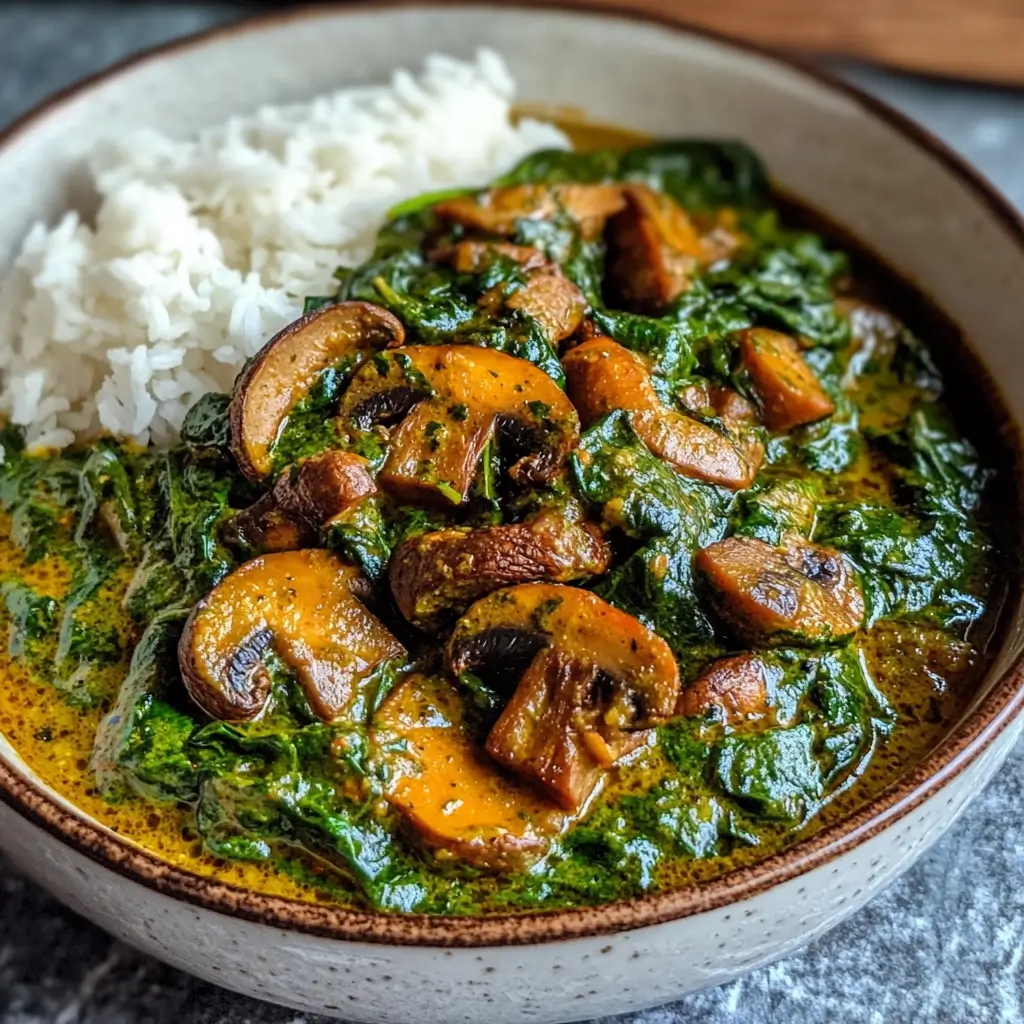

There are some recipes that just instantly feel like a hug in a bowl, and this Vegetarian Spinach and Mushroom Curry is exactly that for my family. I remember the first time I made it on a whim one chilly Tuesday evening. The kitchen filled with the most incredible aroma of toasted spices and simmering coconut milk, drawing everyone in before dinner was even close to ready. My partner, usually a bit skeptical of heavily vegetable-based curries, took one bite and his eyes widened. “Okay,” he conceded, “this is seriously good.” Even my notoriously picky youngest, who eyes anything green with suspicion, was happily scooping it up with chunks of naan bread, charmed by the creamy sauce and the tender mushrooms. It’s since become a firm favourite, a go-to for busy weeknights when we crave something nourishing and deeply satisfying, but also special enough for a relaxed weekend meal with friends. It’s proof that vegetarian food can be incredibly flavourful, comforting, and surprisingly easy to whip up. The combination of earthy mushrooms, vibrant spinach, and that rich, subtly sweet, and perfectly spiced coconut curry sauce is just magic. It’s healthy, hearty, and feels indulgent without being heavy. Honestly, making this curry always brings a sense of calm and satisfaction to my kitchen, and sharing it brings even more joy.
Ingredients for Our Creamy Vegetarian Spinach and Mushroom Curry
Crafting this delightful curry requires a balance of fresh produce, aromatic spices, and creamy elements. Sourcing good quality ingredients will significantly elevate the final dish. Below is a detailed list of everything you’ll need. We’ve aimed for readily available items, but feel free to make substitutions based on your pantry and preferences (see tips section for ideas!).
For the Base & Aromatics:
- Cooking Oil: 2 tablespoons (Vegetable, sunflower, coconut, or light olive oil work well) – Choose a neutral oil with a reasonably high smoke point for sautéing. Coconut oil can add a subtle complementary flavour.
- Onion: 1 large (about 1.5 cups chopped) – Yellow or white onions are ideal. Finely chop for a smoother sauce texture. Red onions can be used but will lend a slightly sharper flavour and colour.
- Garlic: 4-5 large cloves (about 1.5 tablespoons minced) – Fresh garlic is key for depth of flavour. Don’t skimp here! Use a garlic press or mince very finely.
- Ginger: 1.5-inch piece (about 1.5 tablespoons grated or minced) – Fresh ginger root provides a warm, zesty kick that complements the other spices beautifully. Grate it finely using a microplane or mince thoroughly.
- Green Chilli: 1-2 (optional, adjust to heat preference) – Finely chopped. Serrano or bird’s eye chillies work well. Remove seeds and membrane for less heat, or omit entirely if you prefer a mild curry.
The Stars – Vegetables:
- Mushrooms: 1 pound (about 450-500g) – Cremini (baby bella) or white button mushrooms are excellent choices. Clean them well (wipe with a damp cloth, don’t soak) and slice them about ¼ inch thick. You can also use quartered mushrooms for a chunkier texture, or explore varieties like shiitake (remove tough stems) or oyster mushrooms.
- Fresh Spinach: 10 ounces (about 280-300g) – A large bag or bunch of fresh baby spinach is perfect. Wash it thoroughly and ensure it’s well-drained. You can roughly chop larger spinach leaves if you prefer, but baby spinach usually wilts down nicely whole. Frozen spinach can be used in a pinch (thaw and squeeze out excess water).
Spices – The Soul of the Curry:
- Cumin Seeds: 1 teaspoon – Whole seeds toasted at the beginning release incredible aroma.
- Mustard Seeds: ½ teaspoon (optional, but recommended) – Black or brown mustard seeds add a lovely pungent pop when toasted.
- Turmeric Powder: 1 teaspoon – Provides earthy flavour and vibrant golden colour. Known for its anti-inflammatory properties.
- Coriander Powder: 1.5 teaspoons – Adds a mild, slightly citrusy, and earthy depth.
- Cumin Powder: 1 teaspoon – Ground cumin complements the whole seeds, adding a warmer, deeper flavour note.
- Garam Masala: 1 teaspoon – A warming blend of spices typically added towards the end of cooking to preserve its aromatic fragrance. Blends vary, so use one you enjoy.
- Red Chilli Powder or Cayenne Pepper: ¼ – ½ teaspoon (adjust to heat preference) – Provides warmth and heat. Start with less and add more if needed. Kashmiri red chilli powder offers great colour with milder heat.
- Salt: 1.5 teaspoons (or to taste) – Essential for bringing all the flavours together. Adjust seasoning at the end.
Liquids & Creaminess:
- Canned Diced Tomatoes: 1 can (14.5 oz / 400g) – Undrained. Choose good quality diced tomatoes. Alternatively, use crushed tomatoes for a smoother sauce, or even 2 cups of fresh, finely chopped ripe tomatoes (you may need to cook them down a bit longer).
- Full-Fat Coconut Milk: 1 can (13.5 oz / 400ml) – This is crucial for the creamy texture and signature flavour. Full-fat provides the best richness. Shake the can well before opening as the cream often separates. Light coconut milk can be used for a less rich version, but the texture won’t be as luxurious.
- Vegetable Broth or Water: ½ cup (120ml) – Used to adjust the consistency of the curry sauce. Add more if you prefer a thinner sauce.
- Lemon Juice: 1 tablespoon (freshly squeezed) – Added at the end to brighten the flavours and cut through the richness.
Optional Garnishes:
- Fresh Cilantro (Coriander Leaves): ¼ cup, chopped – Adds freshness and visual appeal.
- Cashew Cream: (Soak ½ cup raw cashews in hot water for 30 mins, drain, blend with ¼ cup water until smooth) – For extra richness or a dairy-free creamy swirl.
- Plain Yogurt or Coconut Yogurt: A dollop for serving.
- Toasted Nuts or Seeds: Sliced almonds, cashews, or pumpkin seeds for crunch.
Step-by-Step Instructions: Crafting Your Spinach and Mushroom Curry
Follow these detailed steps to create a truly delicious and aromatic Vegetarian Spinach and Mushroom Curry. Patience during the sautéing and simmering stages is key to developing deep flavours.
1. Prepare Your Ingredients (Mise en Place):
- Wash and finely chop the onion.
- Mince the garlic cloves finely.
- Peel and grate or finely mince the fresh ginger.
- If using, finely chop the green chilli (removing seeds for less heat).
- Clean the mushrooms thoroughly with a damp cloth or soft brush (avoid soaking them as they absorb water) and slice them evenly, about ¼ inch thick. If using larger mushrooms, you might want to quarter or halve them before slicing.
- Wash the fresh spinach thoroughly under cold running water. Spin it dry in a salad spinner or pat it dry gently with paper towels. If using large spinach leaves, you can give them a rough chop.
- Measure out all your spices and have them ready in small bowls. This makes the cooking process much smoother and prevents spices from burning while you search for the next one.
- Open the cans of diced tomatoes and coconut milk (shake the coconut milk can well first).
- Have the vegetable broth or water measured and ready.
- Juice the lemon.
- Chop the fresh cilantro for garnish if using.
2. Bloom the Spices (Tadka/Tempering):
- Place a large, heavy-bottomed pot, Dutch oven, or deep skillet over medium heat.
- Add the 2 tablespoons of cooking oil and let it heat up for about 30 seconds until it shimmers slightly.
- Carefully add the 1 teaspoon of cumin seeds and (if using) ½ teaspoon of mustard seeds.
- Stir the seeds constantly for about 30-60 seconds. They will start to sizzle, pop (especially the mustard seeds – be careful, they can jump!), and become fragrant. This process, called blooming or tadka, releases their essential oils and deepens their flavour. Don’t let them burn – they should turn a slightly darker shade and smell nutty.
3. Sauté the Aromatics:
- Once the seeds are fragrant, immediately add the finely chopped onion to the pot.
- Sauté the onion, stirring frequently, for about 5-7 minutes, or until it becomes soft, translucent, and starts to get lightly golden around the edges. Don’t rush this step; well-cooked onions form the sweet foundation of the curry base. Adjust the heat if needed to prevent burning.
- Add the minced garlic, grated ginger, and chopped green chilli (if using).
- Stir constantly and cook for another 1-2 minutes until the raw smell of garlic disappears and the mixture is highly aromatic. Be careful not to burn the garlic, which can turn bitter.
4. Cook the Mushrooms:
- Increase the heat slightly to medium-high.
- Add the sliced mushrooms to the pot.
- Cook the mushrooms, stirring occasionally, for about 6-8 minutes. Initially, they will release a lot of water. Continue cooking until most of this liquid has evaporated and the mushrooms have shrunk significantly and started to brown nicely. Browning the mushrooms develops their deep, umami flavour, which is crucial for a hearty vegetarian curry. Season the mushrooms lightly with a pinch of salt during this stage to help draw out moisture and enhance flavour.
5. Add Ground Spices and Tomatoes:
- Reduce the heat back to medium-low. This prevents the ground spices from burning.
- Add the ground spices: 1 teaspoon turmeric powder, 1.5 teaspoons coriander powder, 1 teaspoon cumin powder, and ¼ – ½ teaspoon red chilli powder/cayenne pepper.
- Stir the spices constantly into the mushroom and onion mixture for about 1 minute. Cooking the spices in oil like this toasts them, removes any raw taste, and fully incorporates their flavour into the base. The mixture should become incredibly fragrant.
- Pour in the entire can (undrained) of diced tomatoes. Stir well, scraping the bottom of the pot to lift any browned bits (deglazing), which adds more flavour.
- Bring the mixture to a gentle simmer and cook for about 5 minutes, stirring occasionally. This allows the tomatoes to break down slightly and meld with the spices, creating a cohesive sauce base. The oil may start to separate slightly around the edges, which is a good sign the base is well-cooked.
6. Simmer the Curry Sauce:
- Pour in the well-shaken can of full-fat coconut milk and the ½ cup of vegetable broth or water.
- Add 1.5 teaspoons of salt (you can adjust later).
- Stir everything together thoroughly until well combined.
- Bring the curry to a gentle simmer (do not bring to a rolling boil, as high heat can sometimes cause coconut milk to separate).
- Once simmering, reduce the heat to low, cover the pot partially (leaving a small gap for steam to escape), and let it simmer gently for 10-15 minutes. This allows the flavours to meld and deepen beautifully, and the sauce to thicken slightly. Stir occasionally to prevent sticking. If the curry becomes too thick for your liking during this time, add a splash more vegetable broth or water.
7. Wilt the Spinach:
- Uncover the pot. Add the fresh spinach to the curry. It might seem like a lot, but it will wilt down considerably. Add it in batches if necessary, stirring gently after each addition until it starts to wilt before adding more.
- Stir the spinach into the hot curry sauce until it has completely wilted and turned a vibrant dark green. This should only take about 2-4 minutes. Avoid overcooking the spinach, as it can become mushy and lose its bright colour.
8. Finish and Adjust Seasoning:
- Turn off the heat.
- Stir in the 1 teaspoon of garam masala. Adding it at the end preserves its delicate aroma and flavour.
- Stir in the 1 tablespoon of freshly squeezed lemon juice. This brightens up all the flavours and adds a lovely contrast to the richness of the coconut milk.
- Taste the curry carefully. Adjust the seasoning as needed. Does it need more salt? More heat (add a pinch more chilli powder)? More brightness (a tiny bit more lemon juice)?
9. Serve:
- Ladle the hot Vegetarian Spinach and Mushroom Curry into serving bowls.
- Garnish generously with fresh chopped cilantro, if desired. You can also add a swirl of cashew cream or a dollop of plain/coconut yogurt for extra creaminess and visual appeal.
Nutrition Facts: A Healthy Glance
Understanding the nutritional profile of your meals can be helpful. Please note that these values are estimates and can vary based on specific ingredients used (e.g., type of oil, brand of coconut milk, exact size of vegetables) and serving sizes.
- Servings: This recipe typically yields 4 generous servings.
- Calories Per Serving (Estimated): Approximately 350-450 kcal per serving.
Key Nutritional Highlights:
- Vegetable-Rich: Packed with spinach (iron, vitamins A & K) and mushrooms (B vitamins, selenium, potassium).
- Healthy Fats: Primarily from coconut milk (medium-chain triglycerides) and cooking oil. Choosing unsaturated oils like olive or sunflower can improve the fat profile.
- Fibre: Good source of dietary fibre from the vegetables and spices, aiding digestion.
- Plant-Based: Naturally vegetarian and easily made vegan (ensure no dairy like ghee is used in oil, serve without dairy yogurt).
- Flavorful Spices: Many spices used (turmeric, ginger, cumin) are known for their potential anti-inflammatory and antioxidant properties.
Disclaimer: For precise nutritional information, it’s recommended to use a recipe nutrition calculator with your specific ingredients and measurements.
Preparation Time: Quick & Easy Curry
This curry is relatively quick to come together, making it suitable for a satisfying weeknight dinner. Here’s a breakdown of the estimated time:
- Preparation Time: 15-20 minutes (Chopping vegetables, measuring spices, opening cans)
- Cook Time: 35-45 minutes (Sautéing, simmering, wilting spinach)
- Total Time: 50 – 65 minutes
Getting your “mise en place” (all ingredients prepped and ready) before you start cooking is the key to making the process smooth and efficient, aligning with the shorter end of this time estimate.
How to Serve Your Delicious Vegetarian Spinach and Mushroom Curry
This creamy and flavourful curry pairs beautifully with various accompaniments that help soak up the delicious sauce. Here are some serving suggestions:
- Rice:
- Basmati Rice: Fluffy, fragrant basmati rice is a classic pairing. Its delicate aroma complements the curry perfectly.
- Jasmine Rice: Slightly stickier and subtly fragrant, another excellent choice.
- Brown Rice: A healthier option with a nuttier flavour and chewier texture.
- Jeera Rice: Basmati rice tempered with cumin seeds (and sometimes whole spices like cloves or cardamom) adds another layer of flavour.
- Quinoa: A protein-rich, gluten-free alternative that works surprisingly well.
- Indian Breads:
- Naan Bread: Soft, chewy naan (plain, garlic, or butter) is perfect for scooping up the curry. Warm it slightly before serving.
- Roti / Chapati: Whole wheat flatbreads offer a simpler, healthier alternative to naan.
- Paratha: Flaky, layered flatbread (plain or stuffed) adds a richer touch.
- Side Dishes & Condiments:
- Raita: A cooling yogurt-based side dish (like cucumber raita or onion-tomato raita) provides a refreshing contrast to the curry’s warmth. Use coconut yogurt for a vegan option.
- Indian Pickle (Achaar): A small amount of tangy, spicy pickle adds a burst of flavour.
- Simple Salad: A crisp salad of cucumber, tomatoes, and onions with a lemon dressing can offer a fresh counterpoint.
- Papadums: Crispy lentil wafers add a delightful crunch.
- Garnishes (Beyond Cilantro):
- A swirl of plain yogurt or coconut yogurt.
- A drizzle of cashew cream.
- Toasted slivered almonds or cashews for texture.
- A sprinkle of red pepper flakes for extra heat.
- A lemon or lime wedge on the side for squeezing over.
Present the curry hot in bowls, allowing individuals to add their preferred accompaniments and garnishes.
Additional Tips for Curry Perfection
Take your Vegetarian Spinach and Mushroom Curry from great to absolutely sensational with these extra tips:
- Mushroom Variety & Browning: Don’t be afraid to experiment with mushrooms! While cremini and button are reliable, shiitake mushrooms (stems removed) add a deeper, meatier flavour. Oyster mushrooms offer a delicate texture. The key is to brown them properly, as mentioned in the instructions. Cook them over medium-high heat until their liquid evaporates and they get golden edges – this concentrates their flavour and prevents a watery curry. Don’t overcrowd the pan; cook them in batches if necessary.
- Achieving Creaminess: Full-fat coconut milk is essential for that luxurious, creamy texture. Shake the can vigorously before opening. If you want an even richer curry without dairy, blend ½ cup of raw cashews (soaked in hot water for 30 minutes and drained) with ¼ to ½ cup of water until perfectly smooth, then stir this cashew cream into the curry during the last 5 minutes of simmering. Alternatively, a tablespoon of tomato paste added with the ground spices can deepen the flavour and add body.
- Balancing Flavours & Spice Level: Taste and adjust seasoning at the end of cooking. The flavours meld and intensify as the curry simmers. If it tastes flat, it likely needs more salt. If it lacks brightness, add more lemon juice. For heat control: use mild green chillies (or omit), start with the lower amount of red chilli powder, and use a mild garam masala. You can always add more heat, but it’s hard to take away. Serving with cooling yogurt or raita also helps balance spiciness.
- Prep Ahead for Ease: You can chop the onion, garlic, and ginger the day before and store them in an airtight container in the fridge. Mushrooms can also be cleaned and sliced ahead of time. Having the spices measured out is also a huge time-saver. This makes assembling the curry much faster on a busy weeknight. The curry base (up to the point before adding coconut milk and spinach) can sometimes be made ahead and refrigerated or frozen, then finished later.
- Using Frozen Spinach: If fresh spinach isn’t available, you can substitute about 5-6 ounces (around 150g) of frozen chopped spinach. Make sure to thaw it completely and squeeze out as much excess water as possible before adding it to the curry. Add it during the last 5-10 minutes of simmering to allow it to heat through properly. Failing to squeeze out the water can result in a diluted, watery curry sauce.
Frequently Asked Questions (FAQ) about Spinach and Mushroom Curry
Here are answers to some common questions about making this delicious vegetarian curry:
- Q: Can I make this curry vegan?
- A: Absolutely! This recipe is easily made vegan. Just ensure you are using a plant-based cooking oil (like vegetable, coconut, or sunflower oil – avoid ghee) and serve it without any dairy yogurt garnish. Opt for coconut yogurt or the suggested cashew cream for a creamy topping if desired. The core recipe relies on coconut milk, making it naturally dairy-free.
- Q: How can I adjust the spice level?
- A: You have several control points for heat. For mild curry: omit the green chilli entirely, use only ¼ teaspoon (or less) of red chilli powder (Kashmiri chilli powder gives colour with less heat), and choose a mild garam masala blend. For medium heat: use one green chilli (seeds removed) and ½ teaspoon red chilli powder. For spicier curry: use 1-2 green chillies with seeds, increase red chilli powder (up to 1 teaspoon, cautiously), or add a pinch of cayenne pepper. Always taste and adjust carefully.
- Q: Can I freeze this Spinach and Mushroom Curry?
- A: Yes, this curry generally freezes well, though the texture might change slightly upon reheating, especially the spinach. Let the curry cool completely before transferring it to freezer-safe airtight containers. Leave a little headspace for expansion. It can be frozen for up to 2-3 months. To reheat, thaw it overnight in the refrigerator and then gently reheat on the stovetop over medium-low heat, stirring occasionally, until heated through. You might need to add a splash of water or vegetable broth if it has thickened too much. Avoid boiling it vigorously. Add fresh cilantro garnish after reheating.
- Q: What other vegetables can I add to this curry?
- A: This curry is quite versatile! Feel free to add other vegetables along with or instead of some of the mushrooms. Good additions include:
- Peas: Add frozen peas during the last 5 minutes of simmering.
- Potatoes: Add cubed potatoes (like Yukon Gold) early on, perhaps after sautéing the onions, and allow them to simmer until tender (this will increase cooking time).
- Cauliflower: Add florets along with the mushrooms or slightly after, allowing them time to become tender.
- Bell Peppers: Add sliced bell peppers (any colour) during the last 10-15 minutes of simmering.
- Chickpeas: A can of rinsed and drained chickpeas can be added along with the coconut milk for extra protein and substance.
Adjust simmering time accordingly to ensure all vegetables are cooked through.
- A: This curry is quite versatile! Feel free to add other vegetables along with or instead of some of the mushrooms. Good additions include:
- Q: My curry isn’t creamy enough / is too thin. How can I fix it?
- A: If your curry isn’t creamy, ensure you used full-fat coconut milk, as light versions lack the richness. You can also add the cashew cream described in the tips section for extra creaminess. If the curry is too thin, you can let it simmer uncovered for a little longer (5-10 minutes) over low heat to allow some liquid to evaporate and the sauce to reduce and thicken. Alternatively, you can make a slurry by mixing 1 tablespoon of cornstarch with 2 tablespoons of cold water, then stir it into the simmering curry and cook for another minute or two until thickened. Use this sparingly, as it can affect the final texture slightly.

Vegetarian Spinach and Mushroom Curry Recipe
Ingredients
For the Base & Aromatics:
- Cooking Oil: 2 tablespoons (Vegetable, sunflower, coconut, or light olive oil work well) – Choose a neutral oil with a reasonably high smoke point for sautéing. Coconut oil can add a subtle complementary flavour.
- Onion: 1 large (about 1.5 cups chopped) – Yellow or white onions are ideal. Finely chop for a smoother sauce texture. Red onions can be used but will lend a slightly sharper flavour and colour.
- Garlic: 4-5 large cloves (about 1.5 tablespoons minced) – Fresh garlic is key for depth of flavour. Don’t skimp here! Use a garlic press or mince very finely.
- Ginger: 1.5-inch piece (about 1.5 tablespoons grated or minced) – Fresh ginger root provides a warm, zesty kick that complements the other spices beautifully. Grate it finely using a microplane or mince thoroughly.
- Green Chilli: 1-2 (optional, adjust to heat preference) – Finely chopped. Serrano or bird’s eye chillies work well. Remove seeds and membrane for less heat, or omit entirely if you prefer a mild curry.
The Stars – Vegetables:
- Mushrooms: 1 pound (about 450-500g) – Cremini (baby bella) or white button mushrooms are excellent choices. Clean them well (wipe with a damp cloth, don’t soak) and slice them about ¼ inch thick. You can also use quartered mushrooms for a chunkier texture, or explore varieties like shiitake (remove tough stems) or oyster mushrooms.
- Fresh Spinach: 10 ounces (about 280-300g) – A large bag or bunch of fresh baby spinach is perfect. Wash it thoroughly and ensure it’s well-drained. You can roughly chop larger spinach leaves if you prefer, but baby spinach usually wilts down nicely whole. Frozen spinach can be used in a pinch (thaw and squeeze out excess water).
Spices – The Soul of the Curry:
- Cumin Seeds: 1 teaspoon – Whole seeds toasted at the beginning release incredible aroma.
- Mustard Seeds: ½ teaspoon (optional, but recommended) – Black or brown mustard seeds add a lovely pungent pop when toasted.
- Turmeric Powder: 1 teaspoon – Provides earthy flavour and vibrant golden colour. Known for its anti-inflammatory properties.
- Coriander Powder: 1.5 teaspoons – Adds a mild, slightly citrusy, and earthy depth.
- Cumin Powder: 1 teaspoon – Ground cumin complements the whole seeds, adding a warmer, deeper flavour note.
- Garam Masala: 1 teaspoon – A warming blend of spices typically added towards the end of cooking to preserve its aromatic fragrance. Blends vary, so use one you enjoy.
- Red Chilli Powder or Cayenne Pepper: ¼ – ½ teaspoon (adjust to heat preference) – Provides warmth and heat. Start with less and add more if needed. Kashmiri red chilli powder offers great colour with milder heat.
- Salt: 1.5 teaspoons (or to taste) – Essential for bringing all the flavours together. Adjust seasoning at the end.
Liquids & Creaminess:
- Canned Diced Tomatoes: 1 can (14.5 oz / 400g) – Undrained. Choose good quality diced tomatoes. Alternatively, use crushed tomatoes for a smoother sauce, or even 2 cups of fresh, finely chopped ripe tomatoes (you may need to cook them down a bit longer).
- Full-Fat Coconut Milk: 1 can (13.5 oz / 400ml) – This is crucial for the creamy texture and signature flavour. Full-fat provides the best richness. Shake the can well before opening as the cream often separates. Light coconut milk can be used for a less rich version, but the texture won’t be as luxurious.
- Vegetable Broth or Water: ½ cup (120ml) – Used to adjust the consistency of the curry sauce. Add more if you prefer a thinner sauce.
- Lemon Juice: 1 tablespoon (freshly squeezed) – Added at the end to brighten the flavours and cut through the richness.
Instructions
1. Prepare Your Ingredients (Mise en Place):
- Wash and finely chop the onion.
- Mince the garlic cloves finely.
- Peel and grate or finely mince the fresh ginger.
- If using, finely chop the green chilli (removing seeds for less heat).
- Clean the mushrooms thoroughly with a damp cloth or soft brush (avoid soaking them as they absorb water) and slice them evenly, about ¼ inch thick. If using larger mushrooms, you might want to quarter or halve them before slicing.
- Wash the fresh spinach thoroughly under cold running water. Spin it dry in a salad spinner or pat it dry gently with paper towels. If using large spinach leaves, you can give them a rough chop.
- Measure out all your spices and have them ready in small bowls. This makes the cooking process much smoother and prevents spices from burning while you search for the next one.
- Open the cans of diced tomatoes and coconut milk (shake the coconut milk can well first).
- Have the vegetable broth or water measured and ready.
- Juice the lemon.
- Chop the fresh cilantro for garnish if using.
2. Bloom the Spices (Tadka/Tempering):
- Place a large, heavy-bottomed pot, Dutch oven, or deep skillet over medium heat.
- Add the 2 tablespoons of cooking oil and let it heat up for about 30 seconds until it shimmers slightly.
- Carefully add the 1 teaspoon of cumin seeds and (if using) ½ teaspoon of mustard seeds.
- Stir the seeds constantly for about 30-60 seconds. They will start to sizzle, pop (especially the mustard seeds – be careful, they can jump!), and become fragrant. This process, called blooming or tadka, releases their essential oils and deepens their flavour. Don’t let them burn – they should turn a slightly darker shade and smell nutty.
3. Sauté the Aromatics:
- Once the seeds are fragrant, immediately add the finely chopped onion to the pot.
- Sauté the onion, stirring frequently, for about 5-7 minutes, or until it becomes soft, translucent, and starts to get lightly golden around the edges. Don’t rush this step; well-cooked onions form the sweet foundation of the curry base. Adjust the heat if needed to prevent burning.
- Add the minced garlic, grated ginger, and chopped green chilli (if using).
- Stir constantly and cook for another 1-2 minutes until the raw smell of garlic disappears and the mixture is highly aromatic. Be careful not to burn the garlic, which can turn bitter.
4. Cook the Mushrooms:
- Increase the heat slightly to medium-high.
- Add the sliced mushrooms to the pot.
- Cook the mushrooms, stirring occasionally, for about 6-8 minutes. Initially, they will release a lot of water. Continue cooking until most of this liquid has evaporated and the mushrooms have shrunk significantly and started to brown nicely. Browning the mushrooms develops their deep, umami flavour, which is crucial for a hearty vegetarian curry. Season the mushrooms lightly with a pinch of salt during this stage to help draw out moisture and enhance flavour.
5. Add Ground Spices and Tomatoes:
- Reduce the heat back to medium-low. This prevents the ground spices from burning.
- Add the ground spices: 1 teaspoon turmeric powder, 1.5 teaspoons coriander powder, 1 teaspoon cumin powder, and ¼ – ½ teaspoon red chilli powder/cayenne pepper.
- Stir the spices constantly into the mushroom and onion mixture for about 1 minute. Cooking the spices in oil like this toasts them, removes any raw taste, and fully incorporates their flavour into the base. The mixture should become incredibly fragrant.
- Pour in the entire can (undrained) of diced tomatoes. Stir well, scraping the bottom of the pot to lift any browned bits (deglazing), which adds more flavour.
- Bring the mixture to a gentle simmer and cook for about 5 minutes, stirring occasionally. This allows the tomatoes to break down slightly and meld with the spices, creating a cohesive sauce base. The oil may start to separate slightly around the edges, which is a good sign the base is well-cooked.
6. Simmer the Curry Sauce:
- Pour in the well-shaken can of full-fat coconut milk and the ½ cup of vegetable broth or water.
- Add 1.5 teaspoons of salt (you can adjust later).
- Stir everything together thoroughly until well combined.
- Bring the curry to a gentle simmer (do not bring to a rolling boil, as high heat can sometimes cause coconut milk to separate).
- Once simmering, reduce the heat to low, cover the pot partially (leaving a small gap for steam to escape), and let it simmer gently for 10-15 minutes. This allows the flavours to meld and deepen beautifully, and the sauce to thicken slightly. Stir occasionally to prevent sticking. If the curry becomes too thick for your liking during this time, add a splash more vegetable broth or water.
7. Wilt the Spinach:
- Uncover the pot. Add the fresh spinach to the curry. It might seem like a lot, but it will wilt down considerably. Add it in batches if necessary, stirring gently after each addition until it starts to wilt before adding more.
- Stir the spinach into the hot curry sauce until it has completely wilted and turned a vibrant dark green. This should only take about 2-4 minutes. Avoid overcooking the spinach, as it can become mushy and lose its bright colour.
8. Finish and Adjust Seasoning:
- Turn off the heat.
- Stir in the 1 teaspoon of garam masala. Adding it at the end preserves its delicate aroma and flavour.
- Stir in the 1 tablespoon of freshly squeezed lemon juice. This brightens up all the flavours and adds a lovely contrast to the richness of the coconut milk.
- Taste the curry carefully. Adjust the seasoning as needed. Does it need more salt? More heat (add a pinch more chilli powder)? More brightness (a tiny bit more lemon juice)?
9. Serve:
- Ladle the hot Vegetarian Spinach and Mushroom Curry into serving bowls.
- Garnish generously with fresh chopped cilantro, if desired. You can also add a swirl of cashew cream or a dollop of plain/coconut yogurt for extra creaminess and visual appeal.
Nutrition
- Serving Size: one normal portion
- Calories: 350-450