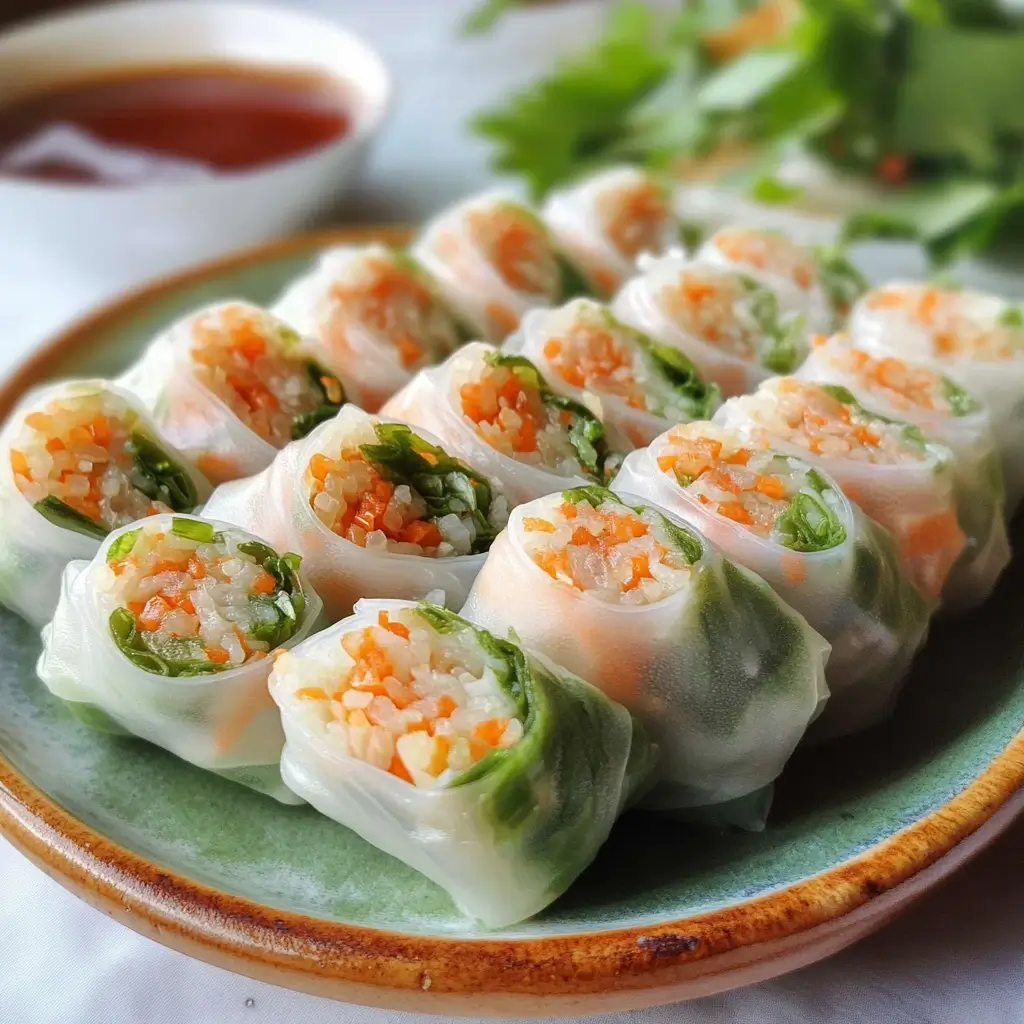
It’s amazing how some dishes can transport you straight to a different place and culture with just one bite. For me, Vietnamese Spring Rolls, or Gỏi Cuốn, do exactly that. The first time I tried making these at home, my family was instantly hooked. There’s something so satisfying about the crisp rice paper giving way to fresh herbs, tender shrimp, and soft noodles, all dipped in a rich, nutty peanut sauce. What’s even better is how surprisingly simple they are to put together. Forget about complicated recipes that take hours – these spring rolls are truly quick and easy, perfect for a light lunch, a healthy appetizer, or even a fun dinner project with the kids. The vibrant flavors and textures are not only delicious but also incredibly refreshing, making them a go-to in our house, especially during warmer months. If you’re looking for a dish that’s both healthy and bursting with flavor, look no further. These Vietnamese Spring Rolls are guaranteed to become a new favorite in your kitchen too!
Ingredients
This recipe uses fresh, vibrant ingredients that come together to create a light yet satisfying dish. Here’s everything you’ll need to make these delicious Vietnamese Spring Rolls and their accompanying peanut sauce:
For the Spring Rolls:
- 0.5 lbs (or 14 pieces) jumbo shrimp: Jumbo shrimp provides a substantial and flavorful protein filling. You can use fresh or frozen shrimp (thawed). Look for shrimp that are firm and have a fresh, ocean-like smell. If using frozen shrimp, ensure they are fully thawed and patted dry before cooking. Using jumbo shrimp ensures each roll has a noticeable and satisfying piece of shrimp.
- 9 sheets rice paper (8.5 inches wide in diameter): Rice paper is the key to the delicate and slightly chewy wrapper of spring rolls. Choose rice paper that is specifically labeled for spring rolls and is about 8.5 inches in diameter for easy handling and rolling. Ensure the rice paper is stored properly to prevent it from becoming brittle or cracked. High-quality rice paper will be flexible and easy to work with once moistened.
- 4.90 oz rice vermicelli (uncooked): Rice vermicelli adds a light and delicate carbohydrate element to the rolls. Look for thin rice vermicelli noodles, sometimes labeled as “rice sticks.” These cook quickly and provide a pleasant texture contrast to the other fillings. Make sure to cook them al dente to prevent them from becoming mushy inside the spring rolls.
- 9 pieces green leaf lettuce (washed, each leaf trimmed to about 5-inches long): Green leaf lettuce provides a crisp, refreshing base for the fillings and helps to hold the spring rolls together. Choose fresh, crisp green leaf lettuce. Wash thoroughly and pat dry before using. Trimming the leaves to about 5 inches makes them easier to fit inside the rice paper and ensures they don’t overwhelm the other ingredients.
- ½ inch ginger (peeled): Fresh ginger adds a subtle warmth and aromatic depth to the shrimp cooking water. Use fresh ginger for the best flavor. Peel the ginger before slicing and adding it to the boiling water. A small piece of ginger is enough to infuse the shrimp with a delicate flavor without overpowering it.
- 1 shallot (peeled and halved): Shallot, similar to ginger, infuses the shrimp cooking water with a mild, oniony sweetness. Use a fresh shallot. Peel and halve it before adding it to the boiling water. Shallots offer a milder and slightly sweeter flavor compared to onions, making them ideal for this recipe.
- 27 mint leaves: Fresh mint leaves provide a burst of refreshing, cool flavor that is characteristic of Vietnamese cuisine and perfectly complements the other ingredients. Use fresh mint leaves for the best flavor and aroma. Wash and dry the mint leaves before using. The quantity of mint leaves can be adjusted to your preference, but 3 leaves per roll is a good starting point.
For the Peanut Sauce:
- ½ cup hoisin sauce: Hoisin sauce is the base of the peanut sauce, providing a rich, savory-sweet, and slightly tangy flavor. Choose a good quality hoisin sauce. Hoisin sauce is readily available in most supermarkets in the Asian foods section. It is a thick, dark sauce with a complex flavor profile that is essential for the classic peanut sauce.
- ½ cup water (cold): Cold water is used to thin out the hoisin sauce and peanut butter, creating a smooth and dippable consistency. Use cold water to help emulsify the sauce and prevent it from becoming too thick. Adjust the amount of water slightly to achieve your desired consistency.
- 2 tablespoons peanut butter (smooth or chunky, both work): Peanut butter adds a creamy, nutty flavor and richness to the sauce. You can use either smooth or chunky peanut butter depending on your preference. Smooth peanut butter will result in a smoother sauce, while chunky peanut butter will add a bit of texture. Natural peanut butter works well, but avoid peanut butter with added sugars if you want to control the sweetness of the sauce.
- 1 tablespoon peanuts (crushed): Crushed peanuts add a delightful crunchy texture and enhance the nutty flavor of the sauce. Use roasted peanuts for the best flavor. Crush them coarsely or finely depending on your preference. Toasting the peanuts lightly before crushing can enhance their flavor even further.
- 6 cloves garlic (minced): Fresh garlic adds a pungent and aromatic flavor to the peanut sauce, providing a savory counterpoint to the sweetness of the hoisin sauce. Use fresh garlic cloves for the best flavor. Mince the garlic finely to ensure it incorporates evenly into the sauce. Garlic is a key ingredient in the peanut sauce, adding depth and complexity.
- 2 teaspoons vegetable oil (or any neutral oil): Vegetable oil (or any neutral oil like canola or grapeseed oil) is used to sauté the garlic, mellowing its raw flavor and infusing the oil with garlic aroma. Use a neutral oil that doesn’t have a strong flavor. Sautéing the garlic in oil before adding the other sauce ingredients helps to release its flavor and prevent it from being too harsh.
Instructions
Follow these step-by-step instructions to create perfect Vietnamese Spring Rolls and their delicious peanut sauce. Each step is designed to be clear and easy to follow, ensuring your success in making this refreshing dish.
Making the Peanut Sauce:
- Sauté the Garlic: Heat 2 teaspoons of vegetable oil in a small saucepan over low heat. Add 6 cloves of minced garlic to the hot oil. Sauté the garlic for 15-20 seconds, or until it becomes fragrant. Be careful not to burn the garlic, as burnt garlic will taste bitter. Sautéing the garlic in oil mellows its raw flavor and infuses the oil with a pleasant garlic aroma, which will enhance the overall flavor of the peanut sauce.
- Combine Sauce Ingredients: To the saucepan with the sautéed garlic, add ½ cup of hoisin sauce, 2 tablespoons of peanut butter, and ½ cup of cold water. Stir all the ingredients together to combine them well. Ensure the peanut butter is fully incorporated into the hoisin sauce and water mixture, creating a smooth base for the sauce.
- Bring to a Boil: Increase the heat to medium-high and bring the sauce to a boil. Once the sauce starts to boil, reduce the heat immediately. Boiling the sauce helps to thicken it slightly and meld the flavors together. Keep a close watch on the sauce to prevent it from boiling over.
- Cool and Chill: Remove the saucepan from the heat and transfer the peanut sauce to a small bowl to cool down. Allow the sauce to cool to room temperature before placing it in the refrigerator to chill. Chilling the sauce will help it thicken further and enhance its flavors.
- Garnish with Peanuts: Sprinkle 1 tablespoon of crushed peanuts on top of the cooled peanut sauce. The crushed peanuts add a delightful textural contrast and nutty flavor to the sauce. You can add the peanuts just before serving to maintain their crunchiness.
- Refrigerate: Place the bowl of peanut sauce in the refrigerator to chill until ready to serve. Chilling the sauce allows the flavors to meld together and the sauce to thicken to the perfect dipping consistency. The peanut sauce can be made ahead of time and stored in the refrigerator for several days.
Preparing the Shrimp:
- Boil Water with Aromatics: Fill a medium pot with enough water to cover the shrimp. Bring the water to a boiling point over high heat. Add ½ inch of peeled ginger and 1 peeled and halved shallot to the boiling water. These aromatics will infuse the shrimp with subtle flavors as they cook. Using aromatics in the boiling water elevates the flavor of the shrimp beyond just plain boiled shrimp.
- Boil the Shrimp: Once the water is boiling and the aromatics have been added, carefully add 0.5 lbs (or 14 pieces) of jumbo shrimp to the pot. You can boil the shrimp with the shell on for extra flavor, or use peeled shrimp if preferred. Boiling shrimp with the shell on helps to retain moisture and flavor.
- Cook Until Opaque: Boil the shrimp for approximately 2 minutes, or until they turn opaque and are no longer translucent. Shrimp cook very quickly, so be careful not to overcook them, as overcooked shrimp can become rubbery. The shrimp are cooked when they turn pink and opaque throughout.
- Ice Bath: Strain the cooked shrimp from the boiling water and immediately transfer them to an ice bath filled with cold water. The ice bath will stop the cooking process and cool the shrimp down quickly, preventing them from overcooking and ensuring they remain tender and juicy.
- Peel and Slice: Allow the shrimp to cool completely in the ice bath before peeling off the shells. Once cooled, carefully peel the shells off the shrimp. Using a sharp knife, slice each shrimp in half lengthwise. Slicing the shrimp in half makes them easier to arrange inside the spring rolls and ensures even distribution of shrimp in each roll.
- Devein (Optional): If needed, devein the shrimp at this point by removing the black vein that runs along the back of each shrimp half. Deveining is optional but recommended for aesthetic purposes and to remove any potential grit.
Preparing the Rice Noodles:
- Boil Water: Bring a large pot of water to a boil over high heat. Ensure there is enough water to fully submerge the rice noodles.
- Cook Rice Noodles: Once the water is boiling, add 4.90 oz of uncooked rice vermicelli to the pot. Cook the rice noodles for 2-3 minutes, or until they are al dente. Follow the package instructions for cooking time, as it may vary slightly depending on the brand and thickness of the noodles. Al dente noodles will have a slight bite to them and will not be mushy.
- Strain and Rinse: Strain the cooked rice noodles in a colander. Immediately rinse the noodles under cold running water to stop the cooking process and remove excess starch. Rinsing the noodles prevents them from sticking together and keeps them cool for assembly.
- Shake and Transfer: Shake out any excess water from the rinsed rice noodles. Transfer the noodles to a large bowl. Removing excess water prevents the spring rolls from becoming soggy. Having the noodles in a large bowl makes them easy to access when assembling the spring rolls.
Assembling the Spring Rolls:
- Prepare Rice Paper: Fill a shallow dish or pan with room temperature water. Quickly wet one sheet of rice paper by dipping it in the water for about 1 second on each side. Do not over soak the rice paper, as it will become too soft and difficult to work with. The rice paper should still be slightly firm but pliable.
- Lay Rice Paper: Place the wet rice paper onto a clean, flat work surface. A damp cutting board or clean kitchen towel works well as a work surface.
- Add Lettuce: Place one piece of green leaf lettuce in the bottom half of the circular rice paper wrapper, closer to you. The lettuce provides a base for the other fillings and helps to prevent the rice paper from tearing.
- Add Shrimp and Mint: In the top half of the circular wrapper, place 3 shrimp halves, pink side down. Position the shrimp attractively, as they will be visible through the translucent rice paper. Place a few mint leaves (about 3) on top of each shrimp. The mint leaves add a refreshing flavor and visual appeal.
- Add Rice Noodles: With wet hands, take about ⅓ cup of cooked vermicelli rice noodles and place them inside the lettuce leaf. Spread the noodles into a log shape. Wetting your hands prevents the noodles from sticking to your fingers. Arranging the noodles in a log shape makes them easier to roll up inside the spring roll.
- Roll and Tuck: Starting from the end closest to you, roll the rice paper away from you, tucking in the lettuce and noodles as you roll. Roll tightly but gently to avoid tearing the rice paper.
- Tuck in Sides: Once you have rolled over the lettuce and noodles, tuck in the sides of the rice paper wrapper, similar to rolling a burrito. Tucking in the sides creates a neat and sealed spring roll.
- Finish Rolling: Continue rolling the spring roll until it is completely sealed. Ensure the roll is firm and compact.
- Repeat and Slice: Repeat the rolling process with the remaining ingredients until you have made 9 spring rolls. Once all the rolls are assembled, use a wet, sharp knife to slice each spring roll in half crosswise. Wetting the knife prevents the rice paper from sticking and tearing.
- Serve and Enjoy: Arrange the sliced spring rolls on a platter and serve immediately with the homemade Vietnamese peanut sauce. Enjoy these refreshing and delicious spring rolls as a healthy appetizer, light lunch, or side dish!
Nutrition Facts
Vietnamese Spring Rolls are not only delicious but also a relatively healthy option, especially when compared to fried spring rolls. Here’s a quick look at the nutritional information per serving:
- Servings: 9 rolls
- Calories per serving: Approximately 182 kcal
Please note that these are approximate values and can vary slightly based on the specific ingredients used and portion sizes. These spring rolls are naturally lower in fat and calories compared to many appetizers, making them a great choice for those watching their calorie intake. They are also a good source of lean protein from the shrimp and contain fresh vegetables and herbs, contributing to a balanced and nutritious snack or meal.
Preparation Time
One of the best things about this recipe is how quickly it comes together. Here’s a breakdown of the time involved:
- Prep Time: 13 minutes (This includes preparing the ingredients like peeling shrimp, chopping garlic, prepping vegetables etc.)
- Cook Time: 7 minutes (This includes cooking the shrimp and rice noodles.)
- Assembly Time: 10 minutes (This is the time it takes to wet the rice paper and assemble all 9 spring rolls.)
- Total Time: 30 minutes
In just 30 minutes, you can have a batch of fresh, flavorful, and healthy Vietnamese Spring Rolls ready to enjoy! This makes them perfect for a quick weeknight meal, a last-minute appetizer for guests, or a refreshing dish to bring to a potluck.
How to Serve
Vietnamese Spring Rolls are incredibly versatile and can be served in various ways. Here are some ideas to make the most of your Gỏi Cuốn:
- Appetizer: Perfect as a light and refreshing starter before a meal. Serve 2-3 spring roll halves per person as an appetizer.
- Main Course: Enjoy them as a light and healthy main course, especially for lunch or a warm evening dinner. Serve 3-4 whole spring rolls per person for a satisfying light meal.
- Side Dish: Accompany heartier Vietnamese dishes like Pho or Bun Cha with these spring rolls for a balanced and flavorful meal.
- Dipping Sauce Variety: While the peanut hoisin sauce is classic, you can also offer other dipping sauces to cater to different tastes. Consider:
- Nuoc Cham: A traditional Vietnamese dipping sauce made with fish sauce, lime juice, sugar, water, chili, and garlic.
- Sweet Chili Sauce: A readily available and popular dipping sauce for spring rolls.
- Sriracha Mayo: For those who like a bit of spice and creamy texture.
- Garnishes: Enhance the presentation and flavor by garnishing the serving platter with:
- Extra mint leaves: For added freshness and visual appeal.
- Cilantro sprigs: For a different herbal note.
- Lime wedges: For squeezing over the spring rolls just before eating, adding a burst of citrus.
- Toasted sesame seeds: Sprinkled on top for a nutty aroma and texture.
- Occasions: Suitable for various occasions, from casual family meals to more formal gatherings. Their vibrant appearance and refreshing taste make them a crowd-pleaser at parties, potlucks, and picnics.
- Make-Ahead Component: You can prepare the peanut sauce and cook the shrimp and noodles ahead of time. Store them separately in the refrigerator and assemble the spring rolls just before serving for the freshest taste.
Additional Tips for Perfect Spring Rolls
To ensure your Vietnamese Spring Rolls are a success every time, here are 5 helpful tips:
- Don’t Oversoak the Rice Paper: The key to perfect rice paper rolls is to hydrate the rice paper just enough. Dip each sheet in room temperature water for only 1-2 seconds per side. It should still feel slightly firm when you take it out. Over-soaked rice paper becomes too sticky and tears easily, making it difficult to roll. It will continue to soften as you work with it.
- Use Room Temperature Water: Avoid using hot or cold water to hydrate the rice paper. Room temperature water is ideal for softening the rice paper to the right consistency without making it too sticky or brittle.
- Arrange Fillings Neatly: Take a little time to arrange your fillings neatly before rolling. Place the shrimp pink side down and the mint leaves strategically so they are visible through the translucent rice paper. This not only looks more appealing but also ensures a balanced flavor in each bite. Don’t overfill the rolls, as this can make them difficult to roll and prone to tearing.
- Wet Hands for Noodles: When handling the cooked rice noodles, lightly wet your hands. This prevents the noodles from sticking to your fingers and makes them easier to manage when placing them inside the spring rolls. It also helps to keep the noodles from drying out too quickly.
- Serve Immediately or Wrap Individually: Vietnamese Spring Rolls are best enjoyed fresh and soon after assembly. If you need to make them ahead of time, wrap each roll individually in plastic wrap to prevent them from drying out and sticking together. Store them in the refrigerator for up to a few hours. However, keep in mind that they are always best when freshly made. For longer storage, consider preparing all the components separately and assembling the rolls just before serving.
FAQ Section: Ingredients
Q1: Can I use different protein instead of shrimp?
A: Yes, absolutely! Vietnamese Spring Rolls are very versatile. You can substitute shrimp with other proteins like cooked chicken breast (shredded or sliced), pork (thinly sliced and cooked), tofu (firm or extra-firm, pan-fried or baked), or even thinly sliced beef (quickly stir-fried). For a vegetarian or vegan option, you can use only tofu or add more vegetables like julienned carrots, cucumber, or bell peppers.
Q2: Can I use different types of noodles besides rice vermicelli?
A: While rice vermicelli is traditional and recommended for its light texture, you can experiment with other types of thin noodles. Glass noodles (bean thread noodles) are a good alternative, as they are also light and clear. Just be sure to cook any noodle according to package directions and rinse them well after cooking to prevent sticking. Avoid thicker noodles as they may make the spring rolls too bulky and harder to roll.
Q3: What if I don’t have hoisin sauce for the peanut sauce? Are there substitutes?
A: Hoisin sauce is a key ingredient for the classic peanut sauce flavor, but if you don’t have it, you can try a combination of soy sauce, brown sugar, and a touch of molasses or honey to mimic the sweet and savory notes. You can also add a dash of rice vinegar for tanginess and a pinch of five-spice powder for depth. While these substitutes won’t perfectly replicate hoisin sauce, they can provide a similar flavor profile in a pinch.
Q4: Can I use different types of lettuce or greens?
A: Yes, green leaf lettuce is recommended for its mild flavor and flexibility, but you can use other types of lettuce or greens based on your preference and availability. Romaine lettuce (inner leaves), butter lettuce, or even red leaf lettuce can work well. You can also add other fresh herbs besides mint, such as cilantro, Thai basil, or perilla leaves for different flavor variations.
Q5: Can I make the peanut sauce without peanut butter? I have a peanut allergy.
A: If you have a peanut allergy, you’ll need to omit the peanut butter. You can create a similar sauce using tahini (sesame seed paste) or sunflower seed butter as a base for a nut-free version. You can also increase the amount of hoisin sauce and adjust the sweetness and thickness with water and a touch of sugar or honey. Ensure all other ingredients are also allergy-safe and always double-check labels for cross-contamination warnings if you have severe allergies.
Print
Vietnamese Spring Rolls Recipe
Ingredients
For the Spring Rolls:
- 0.5 lbs (or 14 pieces) jumbo shrimp: Jumbo shrimp provides a substantial and flavorful protein filling. You can use fresh or frozen shrimp (thawed). Look for shrimp that are firm and have a fresh, ocean-like smell. If using frozen shrimp, ensure they are fully thawed and patted dry before cooking. Using jumbo shrimp ensures each roll has a noticeable and satisfying piece of shrimp.
- 9 sheets rice paper (8.5 inches wide in diameter): Rice paper is the key to the delicate and slightly chewy wrapper of spring rolls. Choose rice paper that is specifically labeled for spring rolls and is about 8.5 inches in diameter for easy handling and rolling. Ensure the rice paper is stored properly to prevent it from becoming brittle or cracked. High-quality rice paper will be flexible and easy to work with once moistened.
- 4.90 oz rice vermicelli (uncooked): Rice vermicelli adds a light and delicate carbohydrate element to the rolls. Look for thin rice vermicelli noodles, sometimes labeled as “rice sticks.” These cook quickly and provide a pleasant texture contrast to the other fillings. Make sure to cook them al dente to prevent them from becoming mushy inside the spring rolls.
- 9 pieces green leaf lettuce (washed, each leaf trimmed to about 5-inches long): Green leaf lettuce provides a crisp, refreshing base for the fillings and helps to hold the spring rolls together. Choose fresh, crisp green leaf lettuce. Wash thoroughly and pat dry before using. Trimming the leaves to about 5 inches makes them easier to fit inside the rice paper and ensures they don’t overwhelm the other ingredients.
- ½ inch ginger (peeled): Fresh ginger adds a subtle warmth and aromatic depth to the shrimp cooking water. Use fresh ginger for the best flavor. Peel the ginger before slicing and adding it to the boiling water. A small piece of ginger is enough to infuse the shrimp with a delicate flavor without overpowering it.
- 1 shallot (peeled and halved): Shallot, similar to ginger, infuses the shrimp cooking water with a mild, oniony sweetness. Use a fresh shallot. Peel and halve it before adding it to the boiling water. Shallots offer a milder and slightly sweeter flavor compared to onions, making them ideal for this recipe.
- 27 mint leaves: Fresh mint leaves provide a burst of refreshing, cool flavor that is characteristic of Vietnamese cuisine and perfectly complements the other ingredients. Use fresh mint leaves for the best flavor and aroma. Wash and dry the mint leaves before using. The quantity of mint leaves can be adjusted to your preference, but 3 leaves per roll is a good starting point.
For the Peanut Sauce:
- ½ cup hoisin sauce: Hoisin sauce is the base of the peanut sauce, providing a rich, savory-sweet, and slightly tangy flavor. Choose a good quality hoisin sauce. Hoisin sauce is readily available in most supermarkets in the Asian foods section. It is a thick, dark sauce with a complex flavor profile that is essential for the classic peanut sauce.
- ½ cup water (cold): Cold water is used to thin out the hoisin sauce and peanut butter, creating a smooth and dippable consistency. Use cold water to help emulsify the sauce and prevent it from becoming too thick. Adjust the amount of water slightly to achieve your desired consistency.
- 2 tablespoons peanut butter (smooth or chunky, both work): Peanut butter adds a creamy, nutty flavor and richness to the sauce. You can use either smooth or chunky peanut butter depending on your preference. Smooth peanut butter will result in a smoother sauce, while chunky peanut butter will add a bit of texture. Natural peanut butter works well, but avoid peanut butter with added sugars if you want to control the sweetness of the sauce.
- 1 tablespoon peanuts (crushed): Crushed peanuts add a delightful crunchy texture and enhance the nutty flavor of the sauce. Use roasted peanuts for the best flavor. Crush them coarsely or finely depending on your preference. Toasting the peanuts lightly before crushing can enhance their flavor even further.
- 6 cloves garlic (minced): Fresh garlic adds a pungent and aromatic flavor to the peanut sauce, providing a savory counterpoint to the sweetness of the hoisin sauce. Use fresh garlic cloves for the best flavor. Mince the garlic finely to ensure it incorporates evenly into the sauce. Garlic is a key ingredient in the peanut sauce, adding depth and complexity.
- 2 teaspoons vegetable oil (or any neutral oil): Vegetable oil (or any neutral oil like canola or grapeseed oil) is used to sauté the garlic, mellowing its raw flavor and infusing the oil with garlic aroma. Use a neutral oil that doesn’t have a strong flavor. Sautéing the garlic in oil before adding the other sauce ingredients helps to release its flavor and prevent it from being too harsh.
Instructions
Making the Peanut Sauce:
- Sauté the Garlic: Heat 2 teaspoons of vegetable oil in a small saucepan over low heat. Add 6 cloves of minced garlic to the hot oil. Sauté the garlic for 15-20 seconds, or until it becomes fragrant. Be careful not to burn the garlic, as burnt garlic will taste bitter. Sautéing the garlic in oil mellows its raw flavor and infuses the oil with a pleasant garlic aroma, which will enhance the overall flavor of the peanut sauce.
- Combine Sauce Ingredients: To the saucepan with the sautéed garlic, add ½ cup of hoisin sauce, 2 tablespoons of peanut butter, and ½ cup of cold water. Stir all the ingredients together to combine them well. Ensure the peanut butter is fully incorporated into the hoisin sauce and water mixture, creating a smooth base for the sauce.
- Bring to a Boil: Increase the heat to medium-high and bring the sauce to a boil. Once the sauce starts to boil, reduce the heat immediately. Boiling the sauce helps to thicken it slightly and meld the flavors together. Keep a close watch on the sauce to prevent it from boiling over.
- Cool and Chill: Remove the saucepan from the heat and transfer the peanut sauce to a small bowl to cool down. Allow the sauce to cool to room temperature before placing it in the refrigerator to chill. Chilling the sauce will help it thicken further and enhance its flavors.
- Garnish with Peanuts: Sprinkle 1 tablespoon of crushed peanuts on top of the cooled peanut sauce. The crushed peanuts add a delightful textural contrast and nutty flavor to the sauce. You can add the peanuts just before serving to maintain their crunchiness.
- Refrigerate: Place the bowl of peanut sauce in the refrigerator to chill until ready to serve. Chilling the sauce allows the flavors to meld together and the sauce to thicken to the perfect dipping consistency. The peanut sauce can be made ahead of time and stored in the refrigerator for several days.
Preparing the Shrimp:
- Boil Water with Aromatics: Fill a medium pot with enough water to cover the shrimp. Bring the water to a boiling point over high heat. Add ½ inch of peeled ginger and 1 peeled and halved shallot to the boiling water. These aromatics will infuse the shrimp with subtle flavors as they cook. Using aromatics in the boiling water elevates the flavor of the shrimp beyond just plain boiled shrimp.
- Boil the Shrimp: Once the water is boiling and the aromatics have been added, carefully add 0.5 lbs (or 14 pieces) of jumbo shrimp to the pot. You can boil the shrimp with the shell on for extra flavor, or use peeled shrimp if preferred. Boiling shrimp with the shell on helps to retain moisture and flavor.
- Cook Until Opaque: Boil the shrimp for approximately 2 minutes, or until they turn opaque and are no longer translucent. Shrimp cook very quickly, so be careful not to overcook them, as overcooked shrimp can become rubbery. The shrimp are cooked when they turn pink and opaque throughout.
- Ice Bath: Strain the cooked shrimp from the boiling water and immediately transfer them to an ice bath filled with cold water. The ice bath will stop the cooking process and cool the shrimp down quickly, preventing them from overcooking and ensuring they remain tender and juicy.
- Peel and Slice: Allow the shrimp to cool completely in the ice bath before peeling off the shells. Once cooled, carefully peel the shells off the shrimp. Using a sharp knife, slice each shrimp in half lengthwise. Slicing the shrimp in half makes them easier to arrange inside the spring rolls and ensures even distribution of shrimp in each roll.
- Devein (Optional): If needed, devein the shrimp at this point by removing the black vein that runs along the back of each shrimp half. Deveining is optional but recommended for aesthetic purposes and to remove any potential grit.
Preparing the Rice Noodles:
- Boil Water: Bring a large pot of water to a boil over high heat. Ensure there is enough water to fully submerge the rice noodles.
- Cook Rice Noodles: Once the water is boiling, add 4.90 oz of uncooked rice vermicelli to the pot. Cook the rice noodles for 2-3 minutes, or until they are al dente. Follow the package instructions for cooking time, as it may vary slightly depending on the brand and thickness of the noodles. Al dente noodles will have a slight bite to them and will not be mushy.
- Strain and Rinse: Strain the cooked rice noodles in a colander. Immediately rinse the noodles under cold running water to stop the cooking process and remove excess starch. Rinsing the noodles prevents them from sticking together and keeps them cool for assembly.
- Shake and Transfer: Shake out any excess water from the rinsed rice noodles. Transfer the noodles to a large bowl. Removing excess water prevents the spring rolls from becoming soggy. Having the noodles in a large bowl makes them easy to access when assembling the spring rolls.
Assembling the Spring Rolls:
- Prepare Rice Paper: Fill a shallow dish or pan with room temperature water. Quickly wet one sheet of rice paper by dipping it in the water for about 1 second on each side. Do not over soak the rice paper, as it will become too soft and difficult to work with. The rice paper should still be slightly firm but pliable.
- Lay Rice Paper: Place the wet rice paper onto a clean, flat work surface. A damp cutting board or clean kitchen towel works well as a work surface.
- Add Lettuce: Place one piece of green leaf lettuce in the bottom half of the circular rice paper wrapper, closer to you. The lettuce provides a base for the other fillings and helps to prevent the rice paper from tearing.
- Add Shrimp and Mint: In the top half of the circular wrapper, place 3 shrimp halves, pink side down. Position the shrimp attractively, as they will be visible through the translucent rice paper. Place a few mint leaves (about 3) on top of each shrimp. The mint leaves add a refreshing flavor and visual appeal.
- Add Rice Noodles: With wet hands, take about ⅓ cup of cooked vermicelli rice noodles and place them inside the lettuce leaf. Spread the noodles into a log shape. Wetting your hands prevents the noodles from sticking to your fingers. Arranging the noodles in a log shape makes them easier to roll up inside the spring roll.
- Roll and Tuck: Starting from the end closest to you, roll the rice paper away from you, tucking in the lettuce and noodles as you roll. Roll tightly but gently to avoid tearing the rice paper.
- Tuck in Sides: Once you have rolled over the lettuce and noodles, tuck in the sides of the rice paper wrapper, similar to rolling a burrito. Tucking in the sides creates a neat and sealed spring roll.
- Finish Rolling: Continue rolling the spring roll until it is completely sealed. Ensure the roll is firm and compact.
- Repeat and Slice: Repeat the rolling process with the remaining ingredients until you have made 9 spring rolls. Once all the rolls are assembled, use a wet, sharp knife to slice each spring roll in half crosswise. Wetting the knife prevents the rice paper from sticking and tearing.
- Serve and Enjoy: Arrange the sliced spring rolls on a platter and serve immediately with the homemade Vietnamese peanut sauce. Enjoy these refreshing and delicious spring rolls as a healthy appetizer, light lunch, or side dish!
Nutrition
- Serving Size: One Normal Portion
- Calories: 182 kcal