
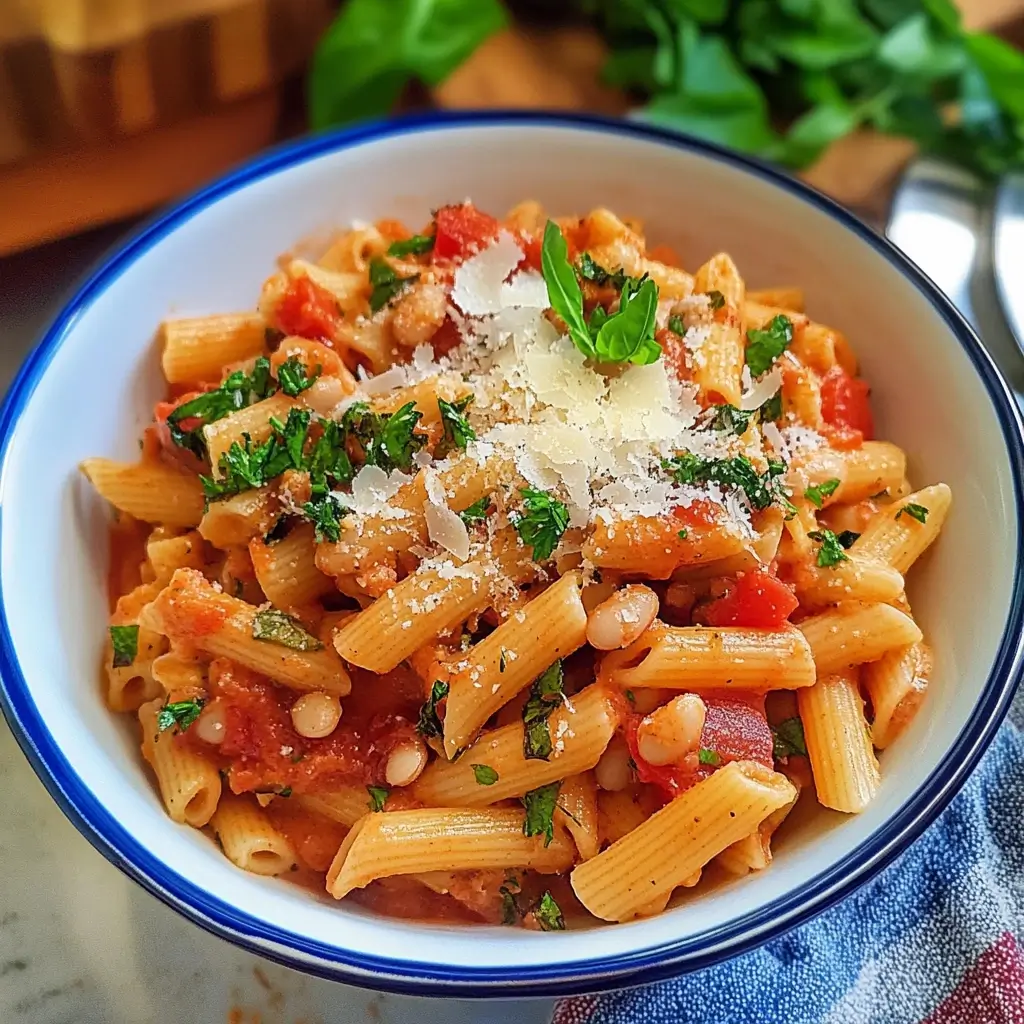

I remember the first time I made this White Bean Pasta. It was one of those frantic Tuesday evenings where takeout felt inevitable. I’d glanced in the pantry, feeling uninspired, until my eyes landed on a can of cannellini beans and a box of pasta. A little skeptical but driven by necessity, I decided to experiment. What emerged from the kitchen less than 30 minutes later wasn’t just edible; it was revelatory. The sauce, creamy not from heavy cream or excessive cheese, but from the humble white beans themselves, clung beautifully to the pasta. It was subtly infused with garlic, a hint of rosemary, and brightened with lemon. My family, initially wary of a “bean pasta,” were instant converts. Forks scraped plates clean, and requests for seconds echoed around the table. Since that night, this Creamy White Bean Pasta has become a treasured staple in our home – our go-to for a quick, comforting, surprisingly healthy, and utterly delicious weeknight dinner. It feels like a hug in a bowl, proving that sometimes the simplest ingredients, treated with a little care, create the most memorable meals. It’s budget-friendly, pantry-friendly, and endlessly adaptable, making it a true culinary hero.
Complete Recipe: Creamy Garlic & Herb White Bean Pasta
This recipe transforms pantry staples into a luscious, satisfying pasta dish that feels indulgent yet remains fundamentally wholesome. The magic lies in blending some of the cannellini beans with pasta water and aromatics to create a naturally creamy, protein-packed sauce.
Yields: 4-6 servings
Prep time: 10 minutes
Cook time: 20 minutes
Ingredients:
- Pasta: 1 pound (454g) dried pasta (such as rigatoni, penne, shells, fusilli, or orecchiette – shapes with ridges or cups work well)
- White Beans: 2 cans (15 ounces / 425g each) cannellini beans (or Great Northern beans), rinsed and drained
- Olive Oil: 3 tablespoons extra virgin olive oil, plus more for drizzling
- Garlic: 5-6 large cloves garlic, thinly sliced or minced (use more or less to your taste)
- Shallot (Optional but Recommended): 1 large shallot, finely chopped (or ½ small yellow onion)
- Vegetable Broth or Water: ½ cup (120ml), plus more if needed for thinning the sauce
- Reserved Pasta Water: About 1 cup (240ml) – crucial for the sauce texture!
- Fresh Rosemary or Thyme: 1 tablespoon fresh rosemary, finely chopped, OR 1 teaspoon dried rosemary (or substitute with fresh/dried thyme)
- Red Pepper Flakes: ¼ to ½ teaspoon (optional, adjust for heat preference)
- Lemon: 1 medium lemon (zest of the whole lemon + juice of half the lemon)
- Baby Spinach or Kale: 3-4 large handfuls (about 5 ounces / 140g), fresh (optional, for added greens)
- Salt: Kosher salt or sea salt, to taste (for pasta water and sauce)
- Black Pepper: Freshly ground black pepper, to taste
- Optional Garnish:
- Grated Parmesan cheese (or nutritional yeast for vegan)
- Fresh parsley, chopped
- Extra drizzle of good quality olive oil
- Additional red pepper flakes
- Toasted breadcrumbs
Instructions
Follow these steps carefully to achieve the perfect creamy consistency and balanced flavor profile for your White Bean Pasta.
- Cook the Pasta: Bring a large pot of generously salted water to a rolling boil. Add the pasta and cook according to package directions until al dente (typically 8-12 minutes). Crucially, before draining the pasta, reserve about 1.5 cups (360ml) of the starchy pasta water. Drain the pasta and set aside (do not rinse). Tossing it with a tiny drizzle of olive oil can prevent sticking if it sits for a few minutes.
- Sauté Aromatics: While the pasta is cooking, heat the 3 tablespoons of olive oil in a large skillet or Dutch oven over medium heat. Add the chopped shallot (if using) and cook, stirring occasionally, until softened and translucent, about 3-4 minutes. Add the sliced or minced garlic and the red pepper flakes (if using). Cook for another 1-2 minutes, stirring constantly, until the garlic is fragrant and lightly golden. Be careful not to burn the garlic, as it will become bitter.
- Prepare the Beans: Add the rinsed and drained cannellini beans and the chopped fresh rosemary (or dried) to the skillet. Stir everything together and cook for about 2 minutes, allowing the beans to warm through and absorb some of the aromatic flavors. Season lightly with salt and freshly ground black pepper.
- Create the Creamy Base: Carefully transfer about half of the bean mixture from the skillet to a blender or food processor. Add the ½ cup (120ml) of vegetable broth (or water) and the reserved lemon zest to the blender. Blend on high speed until completely smooth and creamy. If the mixture is too thick, add a splash more broth or some of the reserved pasta water until you reach a thick, pourable sauce consistency, similar to a heavy cream.
- Combine Sauce Components: Pour the blended bean mixture back into the skillet with the remaining whole beans and aromatics. Stir well to combine. Add the juice of half the lemon. Bring the sauce to a gentle simmer over medium-low heat.
- Adjust Consistency: This is where the reserved pasta water works its magic. Gradually stir in about ½ cup (120ml) of the hot, starchy pasta water into the skillet. The starch in the water will help emulsify the sauce, making it even creamier and helping it cling to the pasta. Continue adding pasta water, a tablespoon or two at a time, until the sauce reaches your desired consistency – it should be fluid enough to coat the pasta generously but not watery. Remember the sauce will thicken slightly as it cools and absorbs into the pasta.
- Wilt Greens (If Using): If adding spinach or kale, stir it into the simmering sauce now. Cook for 1-3 minutes, stirring gently, just until the greens have wilted down. Don’t overcook them.
- Combine Pasta and Sauce: Add the drained pasta directly to the skillet with the creamy bean sauce. Toss everything together gently but thoroughly, ensuring every piece of pasta is well-coated. If the mixture seems too thick, add another splash of reserved pasta water.
- Final Seasoning: Taste the pasta and adjust seasonings as needed. Add more salt, black pepper, lemon juice, or red pepper flakes according to your preference. If you are using Parmesan, you can stir some in now or save it all for serving.
- Serve: Divide the White Bean Pasta among warm bowls. Garnish generously with your chosen toppings: a sprinkle of grated Parmesan or nutritional yeast, chopped fresh parsley, an extra drizzle of good quality extra virgin olive oil, and perhaps a pinch more red pepper flakes or lemon zest. Serve immediately.
Nutrition Facts
- Servings: This recipe typically yields 4 large main course servings or 6 smaller servings.
- Calories Per Serving (Approximate): Around 450-600 calories per serving (estimated for 4 servings), depending on the specific pasta used, the amount of olive oil, and optional additions like cheese.
Disclaimer: Nutritional information is an estimate only and can vary significantly based on ingredients used, portion sizes, and optional additions. This pasta is a good source of plant-based protein and fiber, primarily from the cannellini beans. Using whole wheat pasta will further increase the fiber content.
Preparation Time
Understanding the time commitment helps plan your meal preparation effectively. This dish is celebrated for its speed and efficiency.
- Preparation Time: 10 minutes (chopping garlic/shallot, rinsing beans, measuring ingredients)
- Cooking Time: 20 minutes (cooking pasta, sautéing aromatics, blending sauce, combining)
- Total Time: Approximately 30 minutes
This timeframe makes it an ideal candidate for busy weeknights when you want a wholesome, flavorful meal without spending hours in the kitchen. The multitasking aspect (sautéing while pasta cooks) significantly speeds up the process.
How to Serve
This Creamy White Bean Pasta is wonderfully satisfying on its own, but pairing it with the right accompaniments can elevate the meal further. Here are some serving suggestions:
- Essential Side:
- Crusty Bread: Absolutely essential for mopping up every last bit of the delicious creamy sauce. Garlic bread, a warm baguette, or a rustic sourdough loaf are all excellent choices.
- Simple Salads:
- Arugula Salad: A simple salad of fresh arugula tossed with a lemon vinaigrette, shaved Parmesan, and perhaps some toasted pine nuts provides a peppery contrast.
- Mixed Green Salad: A classic mixed green salad with a light vinaigrette (balsamic or red wine) adds freshness. Cherry tomatoes, cucumber, and red onion slices work well.
- Caprese Salad: Sliced fresh mozzarella, ripe tomatoes, fresh basil leaves, drizzled with balsamic glaze and olive oil – a classic Italian pairing.
- Vegetable Sides:
- Roasted Broccoli or Broccolini: Roasting brings out the sweetness and adds a nice textural contrast. Toss with olive oil, salt, pepper, and maybe a pinch of red pepper flakes before roasting.
- Sautéed Asparagus: Quickly sautéed with garlic and olive oil until tender-crisp.
- Grilled Zucchini: Adds a smoky element if you have a grill pan or outdoor grill available.
- Garnishes (Don’t Skip!):
- Generous Parmesan: Freshly grated Parmesan cheese adds a salty, umami depth. Use a vegetable peeler for beautiful shards.
- Nutritional Yeast: A fantastic vegan alternative for a cheesy, savory flavor.
- Fresh Herbs: Chopped fresh parsley adds brightness and color. Fresh basil or even a little fresh oregano could also work.
- Quality Olive Oil Drizzle: A final swirl of high-quality extra virgin olive oil enhances the richness and flavor.
- Lemon Zest: A little extra zest grated over the top right before serving adds a burst of fresh aroma.
- Red Pepper Flakes: For those who like an extra kick of heat.
- Toasted Breadcrumbs: Add a delightful crunch. Toast plain or panko breadcrumbs in a dry skillet or with a little olive oil until golden brown.
- Wine Pairing:
- White Wine: Crisp, dry white wines complement the creamy sauce and lemon notes beautifully. Consider a Sauvignon Blanc, Pinot Grigio, or an unoaked Chardonnay.
- Light Red Wine: A light-bodied red like a Pinot Noir can also work, especially if you’ve added heartier elements like mushrooms or sausage (see tips below).
Present the pasta in large, shallow bowls to showcase the creamy sauce and toppings. For a family meal, serving it from a large platter family-style is also inviting.
Additional Tips for Success
Take your White Bean Pasta from great to absolutely exceptional with these five key tips:
- Master the Pasta Water: Don’t underestimate the power of starchy pasta water! It’s the secret ingredient that emulsifies the sauce, giving it that luscious, creamy texture without heavy cream. Tip: Reserve more water than you think you need (at least 1.5 cups). It’s better to have extra than not enough. Add it gradually to the sauce until it reaches the perfect consistency – remember it should generously coat the back of a spoon. Using it hot helps maintain the sauce temperature.
- Balance the Bean Texture: The recipe calls for blending half the beans for creaminess and leaving the other half whole for texture. Tip: Adjust this ratio based on your preference. For an ultra-smooth sauce, blend slightly more than half the beans. For a chunkier, more rustic texture, blend slightly less. Ensure the blended portion is completely smooth for the best velvety mouthfeel. Using a high-speed blender yields the smoothest results.
- Don’t Skimp on Aromatics & Flavor Layers: The base flavors of garlic, shallot (or onion), herbs, and lemon are crucial. Tip: Sauté the aromatics properly until softened and fragrant – don’t rush this step. Bloom the dried herbs (if using) or add fresh herbs towards the end for maximum impact. The lemon zest added during blending infuses the sauce deeply, while the lemon juice added later provides brightness. Taste and adjust seasonings (salt, pepper, red pepper flakes, lemon juice) at the end when everything is combined. A tiny pinch of sugar can sometimes balance the acidity if needed, though usually the beans provide enough natural sweetness.
- Embrace Customization: This recipe is a fantastic base for variations. Tip: Think seasonally or use what you have on hand!
- Vegetables: Add sautéed mushrooms, roasted red peppers, sun-dried tomatoes (oil-packed, chopped), peas, chopped artichoke hearts, or roasted butternut squash cubes. Add heartier vegetables along with the aromatics or stir in delicate ones with the spinach.
- Protein: For non-vegetarian versions, stir in cooked shredded chicken, crumbled Italian sausage (cooked separately and drained), sautéed shrimp, or even a flaked drained can of tuna (added at the end).
- Flavor Boosters: A teaspoon of Dijon mustard blended into the sauce adds tang. A tablespoon of nutritional yeast enhances cheesy flavor (especially for vegans). A small amount of white miso paste can add umami depth. For non-vegetarians, an anchovy fillet mashed into the aromatics provides incredible savoriness.
- Storage and Reheating Savvy: Leftover white bean pasta can be delicious, but pasta often absorbs sauce and can become dry upon reheating. Tip: Store leftovers in an airtight container in the refrigerator for up to 3 days. When reheating, it’s best to do so gently on the stovetop over low-medium heat. Add a splash of water, vegetable broth, or even a bit of milk (dairy or non-dairy) to loosen the sauce and restore its creaminess as it heats. Avoid microwaving if possible, as it can make the pasta texture rubbery. Freshen it up with a squeeze of lemon juice or a sprinkle of fresh herbs after reheating. Freezing is generally not recommended as the pasta texture can suffer upon thawing.
FAQ Section (Frequently Asked Questions)
Here are answers to some common questions about making this Creamy White Bean Pasta:
- Q: Can I make this recipe vegan?
- A: Absolutely! This recipe is easily made vegan. The creaminess comes primarily from the beans themselves. Simply omit the optional Parmesan cheese garnish or replace it with a sprinkle of nutritional yeast for a cheesy flavor, or use your favorite store-bought vegan Parmesan alternative. Ensure your vegetable broth is certified vegan if using. The base recipe using olive oil, beans, pasta, aromatics, and vegetables is naturally plant-based.
- Q: Can I make this recipe gluten-free?
- A: Yes, making this gluten-free is straightforward. Substitute the regular pasta with your preferred brand of gluten-free pasta (brown rice, quinoa, lentil, or chickpea pasta all work). Cook the gluten-free pasta according to its specific package directions, as cooking times can vary significantly. Important: Gluten-free pasta often produces less starchy water. While you should still reserve the pasta water, you might find you need slightly less of it, or the sauce might be marginally less ‘clingy’ than with traditional wheat pasta. Taste and adjust consistency as needed. The rest of the ingredients are naturally gluten-free, but always double-check labels (especially for broth) if Celiac disease is a concern.
- Q: Can I use different types of white beans?
- A: Yes, while cannellini beans are recommended for their creamy texture and mild flavor, you can substitute other white beans. Great Northern beans are a very close substitute and work beautifully. Navy beans are smaller and also become creamy when blended, though they might have a slightly different flavor profile. Even chickpeas (garbanzo beans) could be used in a pinch, although they will result in a different texture and a distinctly nuttier, earthier flavor – it would be a delicious variation, but perhaps less of a classic “white bean” pasta. Always rinse and drain canned beans well regardless of the type.
- Q: What if I don’t have fresh herbs? Can I use dried herbs?
- A: Yes, you can definitely substitute dried herbs for fresh, though the flavor profile will be slightly different (dried herbs tend to be more concentrated and earthy). A general rule of thumb is to use about one-third the amount of dried herbs as fresh herbs called for. So, for the 1 tablespoon of fresh rosemary, you would use about 1 teaspoon of dried rosemary. Add dried herbs earlier in the cooking process (along with the garlic and shallots) to give them time to rehydrate and release their flavor into the oil. If using dried thyme instead, the same ratio applies (approx. 1 tsp dried for 1 tbsp fresh). If using dried basil, it’s often best added nearer the end, similar to fresh basil.
- Q: Can I prepare parts of this recipe ahead of time?
- A: Yes, you can do some prep work in advance to make assembly even faster. You can chop the garlic and shallot and store them in an airtight container in the refrigerator for a day or two. You can rinse and drain the beans ahead of time. You could even make the entire sauce (up through step 7, before adding the pasta and wilting the greens) and store it in an airtight container in the refrigerator for 2-3 days. When ready to serve, gently reheat the sauce on the stovetop, adding a splash of broth or water to loosen it if needed, then cook your pasta fresh, reserve pasta water, add the pasta and greens (if using) to the reheated sauce, and toss to combine. Cooking the pasta fresh just before serving yields the best texture.
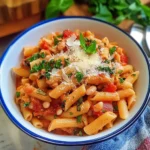
White Bean Pasta Recipe
Ingredients
- Pasta: 1 pound (454g) dried pasta (such as rigatoni, penne, shells, fusilli, or orecchiette – shapes with ridges or cups work well)
- White Beans: 2 cans (15 ounces / 425g each) cannellini beans (or Great Northern beans), rinsed and drained
- Olive Oil: 3 tablespoons extra virgin olive oil, plus more for drizzling
- Garlic: 5-6 large cloves garlic, thinly sliced or minced (use more or less to your taste)
- Shallot (Optional but Recommended): 1 large shallot, finely chopped (or ½ small yellow onion)
- Vegetable Broth or Water: ½ cup (120ml), plus more if needed for thinning the sauce
- Reserved Pasta Water: About 1 cup (240ml) – crucial for the sauce texture!
- Fresh Rosemary or Thyme: 1 tablespoon fresh rosemary, finely chopped, OR 1 teaspoon dried rosemary (or substitute with fresh/dried thyme)
- Red Pepper Flakes: ¼ to ½ teaspoon (optional, adjust for heat preference)
- Lemon: 1 medium lemon (zest of the whole lemon + juice of half the lemon)
- Baby Spinach or Kale: 3-4 large handfuls (about 5 ounces / 140g), fresh (optional, for added greens)
- Salt: Kosher salt or sea salt, to taste (for pasta water and sauce)
- Black Pepper: Freshly ground black pepper, to taste
- Optional Garnish:
- Grated Parmesan cheese (or nutritional yeast for vegan)
- Fresh parsley, chopped
- Extra drizzle of good quality olive oil
- Additional red pepper flakes
- Toasted breadcrumbs
Instructions
- Cook the Pasta: Bring a large pot of generously salted water to a rolling boil. Add the pasta and cook according to package directions until al dente (typically 8-12 minutes). Crucially, before draining the pasta, reserve about 1.5 cups (360ml) of the starchy pasta water. Drain the pasta and set aside (do not rinse). Tossing it with a tiny drizzle of olive oil can prevent sticking if it sits for a few minutes.
- Sauté Aromatics: While the pasta is cooking, heat the 3 tablespoons of olive oil in a large skillet or Dutch oven over medium heat. Add the chopped shallot (if using) and cook, stirring occasionally, until softened and translucent, about 3-4 minutes. Add the sliced or minced garlic and the red pepper flakes (if using). Cook for another 1-2 minutes, stirring constantly, until the garlic is fragrant and lightly golden. Be careful not to burn the garlic, as it will become bitter.
- Prepare the Beans: Add the rinsed and drained cannellini beans and the chopped fresh rosemary (or dried) to the skillet. Stir everything together and cook for about 2 minutes, allowing the beans to warm through and absorb some of the aromatic flavors. Season lightly with salt and freshly ground black pepper.
- Create the Creamy Base: Carefully transfer about half of the bean mixture from the skillet to a blender or food processor. Add the ½ cup (120ml) of vegetable broth (or water) and the reserved lemon zest to the blender. Blend on high speed until completely smooth and creamy. If the mixture is too thick, add a splash more broth or some of the reserved pasta water until you reach a thick, pourable sauce consistency, similar to a heavy cream.
- Combine Sauce Components: Pour the blended bean mixture back into the skillet with the remaining whole beans and aromatics. Stir well to combine. Add the juice of half the lemon. Bring the sauce to a gentle simmer over medium-low heat.
- Adjust Consistency: This is where the reserved pasta water works its magic. Gradually stir in about ½ cup (120ml) of the hot, starchy pasta water into the skillet. The starch in the water will help emulsify the sauce, making it even creamier and helping it cling to the pasta. Continue adding pasta water, a tablespoon or two at a time, until the sauce reaches your desired consistency – it should be fluid enough to coat the pasta generously but not watery. Remember the sauce will thicken slightly as it cools and absorbs into the pasta.
- Wilt Greens (If Using): If adding spinach or kale, stir it into the simmering sauce now. Cook for 1-3 minutes, stirring gently, just until the greens have wilted down. Don’t overcook them.
- Combine Pasta and Sauce: Add the drained pasta directly to the skillet with the creamy bean sauce. Toss everything together gently but thoroughly, ensuring every piece of pasta is well-coated. If the mixture seems too thick, add another splash of reserved pasta water.
- Final Seasoning: Taste the pasta and adjust seasonings as needed. Add more salt, black pepper, lemon juice, or red pepper flakes according to your preference. If you are using Parmesan, you can stir some in now or save it all for serving.
- Serve: Divide the White Bean Pasta among warm bowls. Garnish generously with your chosen toppings: a sprinkle of grated Parmesan or nutritional yeast, chopped fresh parsley, an extra drizzle of good quality extra virgin olive oil, and perhaps a pinch more red pepper flakes or lemon zest. Serve immediately.
Nutrition
- Serving Size: One Normal Portion
- Calories: 450-600