
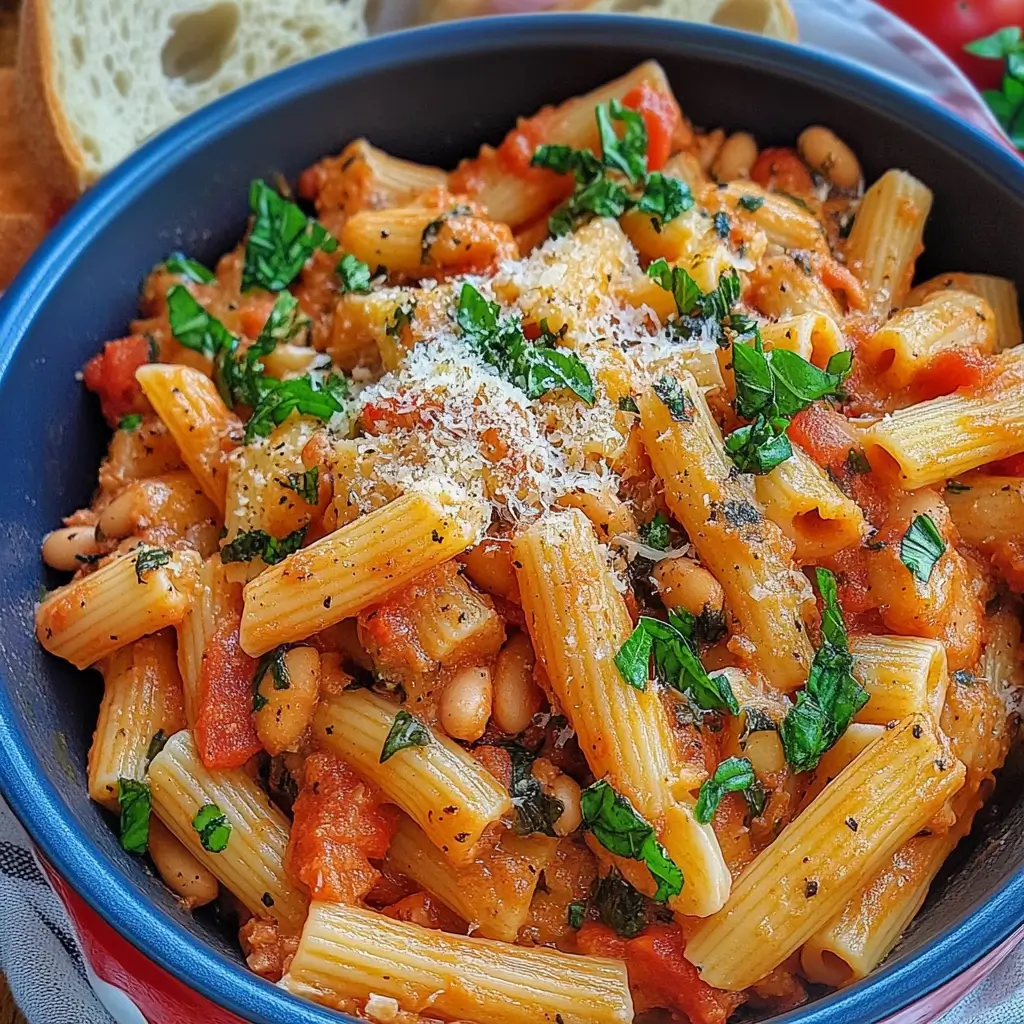
It was one of those busy weeknights when inspiration felt miles away, and the fridge seemed to mock me with its half-empty shelves. Pantry staples were calling my name, and that’s when I remembered a recipe I had bookmarked ages ago – White Bean Pasta. Skeptical yet intrigued, I decided to give it a try. The result? A revelation! This dish wasn’t just quick and easy; it was bursting with flavor, creamy without being heavy, and surprisingly satisfying. Even my kids, notorious pasta critics, devoured it, asking for seconds and even thirds! Since that night, White Bean Pasta has become a regular in our rotation. It’s a testament to how simple ingredients, when combined thoughtfully, can create a truly delightful and nourishing meal. If you’re looking for a weeknight wonder that’s both healthy and delicious, look no further. This White Bean Pasta recipe is about to become your new go-to.
Ingredients
This White Bean Pasta recipe thrives on simplicity, utilizing pantry staples and fresh ingredients to create a dish that’s both flavorful and satisfying. Here’s what you’ll need to gather to bring this culinary magic to life:
- Pasta: 1 pound (450g) of your favorite pasta shape. While short shapes like penne, fusilli, rotini, or orecchiette work exceptionally well to capture the creamy sauce, long pasta like spaghetti or linguine are also perfectly acceptable for a different textural experience. Feel free to choose whole wheat pasta for added fiber, gluten-free pasta for dietary restrictions, or even legume-based pasta for an extra protein boost and unique flavor profile. The key is to select a pasta that you enjoy and that cooks evenly.
- Cannellini Beans (White Kidney Beans): 2 cans (15 ounces/425g each) of cannellini beans, drained and rinsed. Cannellini beans are the star of the show, providing the creamy base for our sauce and a wonderfully mild, slightly nutty flavor. Their creamy texture, when blended, creates a luxurious sauce without the need for heavy cream. Ensure you rinse them thoroughly to remove excess sodium and any starchy liquid from the can, which can sometimes impart a slightly metallic taste. If you prefer, you can cook dried cannellini beans from scratch. Soak them overnight and then simmer until tender before using in the recipe. This will often result in a more flavorful bean and allows you to control the salt content.
- Garlic: 4-5 cloves of garlic, minced. Garlic is the aromatic backbone of this dish, adding depth and complexity to the simple flavors. Freshly minced garlic is always recommended for the most potent flavor, but in a pinch, pre-minced garlic from a jar can be used. Adjust the amount to your preference; if you are a garlic lover, feel free to add an extra clove or two. For a milder garlic flavor, you can roast the garlic cloves before mincing them. Roasted garlic imparts a sweeter, mellower taste that can be a delightful variation.
- Olive Oil: ¼ cup extra virgin olive oil, plus more for drizzling. Olive oil is essential for sautéing the aromatics and adding richness to the sauce. Extra virgin olive oil is preferred for its superior flavor and health benefits. It provides a fruity and slightly peppery note that complements the other ingredients beautifully. You can also use regular olive oil or avocado oil as substitutes, but extra virgin olive oil truly elevates the flavor profile of this dish.
- Vegetable Broth (or Chicken Broth): 1 cup vegetable broth. Vegetable broth adds moisture to the sauce and enhances the overall flavor. Opt for low-sodium vegetable broth to control the salt content of the dish. Chicken broth can be used as a non-vegetarian alternative, adding a slightly richer flavor. You can also use pasta cooking water as a substitute for broth, which will add starch and help emulsify the sauce, creating an even creamier texture.
- Fresh Rosemary: 2 tablespoons fresh rosemary, finely chopped. Rosemary brings a fragrant, piney, and slightly lemony aroma to the dish, perfectly complementing the white beans and garlic. Fresh rosemary is highly recommended for its vibrant flavor. If using dried rosemary, use about 1 teaspoon, as dried herbs are more concentrated. Other fresh herbs like thyme, oregano, or sage can be used as substitutes or additions, each imparting a unique flavor nuance.
- Red Pepper Flakes (Optional): ¼ teaspoon red pepper flakes, or to taste. Red pepper flakes add a subtle kick of heat that balances the richness of the beans and garlic. Adjust the amount to your spice preference. If you are sensitive to spice, you can omit them entirely. For a more pronounced heat, you can use a pinch of cayenne pepper or a finely chopped chili pepper instead.
- Lemon Juice: 1 tablespoon fresh lemon juice. Lemon juice brightens the flavors of the dish, adding a touch of acidity that cuts through the richness and enhances the overall taste. Freshly squeezed lemon juice is always best. If you don’t have fresh lemons, bottled lemon juice can be used as a substitute, but the flavor may be slightly less vibrant.
- Parmesan Cheese (Optional, for vegetarian version): ¼ cup grated Parmesan cheese, plus more for serving. Parmesan cheese adds a salty, umami-rich flavor and a touch of sharpness that complements the creamy beans and herbs. Use freshly grated Parmesan for the best flavor and texture. If you are vegan or dairy-free, nutritional yeast can be used as a vegan alternative to Parmesan, providing a cheesy, savory flavor. You can also omit it entirely for a vegan version.
- Salt and Black Pepper: To taste. Salt and freshly ground black pepper are essential for seasoning and enhancing all the flavors in the dish. Season generously throughout the cooking process, tasting and adjusting as needed. Start with a moderate amount and add more to taste, as you can always add more salt but it’s difficult to remove it. Freshly ground black pepper provides a more robust and aromatic flavor compared to pre-ground pepper.
- Fresh Parsley (for garnish): ¼ cup fresh parsley, chopped, for garnish. Fresh parsley adds a vibrant pop of color and a fresh, herbaceous flavor as a final touch. It also provides a visual appeal. Other fresh herbs like basil or chives can be used as alternative garnishes.
This carefully curated list of ingredients, when combined in the right way, will create a White Bean Pasta dish that is not only simple and quick to prepare but also incredibly flavorful, satisfying, and nourishing. The beauty of this recipe lies in its adaptability – feel free to adjust ingredients based on your preferences and what you have on hand.
Instructions
Creating this delectable White Bean Pasta is surprisingly straightforward, requiring minimal effort for maximum flavor. Follow these step-by-step instructions to bring this easy and delicious dish to your table:
- Cook the Pasta: Bring a large pot of salted water to a rolling boil. Add your chosen pasta and cook according to package directions until al dente. “Al dente” means “to the tooth” in Italian, referring to pasta that is cooked through but still firm to the bite, not mushy. Before draining the pasta, reserve about 1 cup of pasta water. This starchy water is crucial for creating a creamy and emulsified sauce later on. Drain the pasta and set aside.
- Sauté Aromatics: While the pasta is cooking, heat the olive oil in a large skillet or Dutch oven over medium heat. Once the oil is shimmering, add the minced garlic and red pepper flakes (if using). Sauté for about 1-2 minutes, or until the garlic becomes fragrant and lightly golden, being careful not to burn it. Burnt garlic can taste bitter and ruin the flavor of the dish. The aroma of sautéing garlic should fill your kitchen, signaling the beginning of deliciousness.
- Blend the Bean Sauce: In a blender or food processor, combine the drained and rinsed cannellini beans, vegetable broth, and sautéed garlic mixture from the skillet. Blend until completely smooth and creamy. For an extra smooth sauce, you can blend for a longer duration. If you prefer a slightly chunkier sauce, you can reserve about half a cup of the beans and add them to the skillet later without blending. Taste the sauce and season with salt and black pepper to your liking. Remember to start with less salt and add more as needed.
- Combine Sauce and Pasta: Pour the blended white bean sauce into the skillet you used for sautéing the garlic. Heat the sauce over medium-low heat. Add the cooked pasta to the skillet and toss to coat it evenly with the creamy white bean sauce. If the sauce seems too thick, gradually add some of the reserved pasta water, a tablespoon at a time, until you reach your desired consistency. The pasta water’s starch will help bind the sauce and pasta together, creating a luscious and clinging sauce.
- Add Rosemary and Lemon Juice: Stir in the chopped fresh rosemary and lemon juice. The rosemary will infuse its fragrant aroma throughout the dish, and the lemon juice will brighten the flavors, adding a necessary touch of acidity. Taste the pasta again and adjust seasoning with salt, pepper, and lemon juice as needed. This is the stage to fine-tune the flavors to your personal preference.
- Incorporate Parmesan Cheese (Optional): If using Parmesan cheese, stir in the grated Parmesan cheese until it melts into the sauce and is well combined. This will add a cheesy richness and umami depth to the dish. Continue to stir until the cheese is fully melted and the sauce is smooth and creamy.
- Serve and Garnish: Serve the White Bean Pasta immediately while it’s hot and creamy. Garnish each serving with a drizzle of extra virgin olive oil, a sprinkle of fresh parsley, and additional grated Parmesan cheese (if desired). A pinch of red pepper flakes can also be added for extra visual appeal and a touch more heat.
Following these simple instructions will lead you to a flavorful and satisfying White Bean Pasta dish that is perfect for a quick weeknight meal or a comforting weekend lunch. The creamy bean sauce, infused with garlic, rosemary, and lemon, coats the pasta beautifully, creating a harmonious and delicious culinary experience.
Nutrition Facts
This White Bean Pasta is not only delicious but also packed with nutritional benefits. Here’s a breakdown of the estimated nutrition facts per serving:
- Servings: This recipe typically serves 4-6 people, depending on portion sizes.
- Calories per Serving (estimated, per serving of 6): Approximately 450-550 calories.
Detailed Nutritional Information (estimated, per serving of 6):
- Carbohydrates: 60-70 grams
- Primarily from pasta and white beans, providing complex carbohydrates for sustained energy.
- Includes dietary fiber from beans and whole wheat pasta (if used), aiding digestion and promoting satiety.
- Protein: 15-20 grams
- Good source of plant-based protein from cannellini beans.
- Contributes to muscle building and repair, as well as overall satiety.
- Fat: 15-20 grams
- Healthy fats primarily from olive oil.
- Includes monounsaturated and polyunsaturated fats, beneficial for heart health.
- Saturated fat content will be higher if Parmesan cheese is used (approximately 3-5 grams per serving with Parmesan).
- Fiber: 10-12 grams
- Excellent source of dietary fiber from white beans and pasta, especially if whole wheat pasta is used.
- Fiber aids in digestion, regulates blood sugar levels, and promotes feelings of fullness.
- Sodium: Varies depending on broth and added salt. Aim for lower sodium by using low-sodium broth and controlling added salt. Approximately 400-600mg sodium if low sodium broth is used, and salt is added moderately.
- Vitamins and Minerals:
- Rich in iron from white beans, important for oxygen transport and energy production.
- Good source of folate, crucial for cell growth and development.
- Provides potassium, important for blood pressure regulation.
- Contains magnesium, essential for muscle and nerve function.
- Vitamin C and antioxidants from fresh herbs and lemon juice.
Important Notes:
- These nutrition facts are estimates and can vary based on specific ingredients used, brands, and portion sizes.
- Using whole wheat pasta will increase fiber content and slightly alter carbohydrate and calorie counts.
- Adding Parmesan cheese will increase fat, saturated fat, and sodium content.
- To reduce calories and fat, you can reduce the amount of olive oil slightly or use less Parmesan cheese.
- To increase protein, consider adding grilled chicken, shrimp, or chickpeas to the dish.
- This dish is naturally vegetarian and can be made vegan by omitting Parmesan cheese and ensuring vegetable broth is vegan.
White Bean Pasta is a nutritionally balanced meal, offering a good source of complex carbohydrates, plant-based protein, healthy fats, and fiber. It’s a satisfying and wholesome option that can be enjoyed as part of a healthy diet.
Preparation Time
One of the many advantages of White Bean Pasta is its incredibly quick preparation time. From start to finish, you can have a delicious and satisfying meal on the table in under 30 minutes.
- Prep Time: 10 minutes. This includes:
- Gathering ingredients.
- Mincing garlic.
- Chopping rosemary and parsley.
- Draining and rinsing cannellini beans.
- Boiling water for pasta (can be started simultaneously with other prep).
- Cook Time: 15-20 minutes. This includes:
- Cooking pasta (8-12 minutes, depending on pasta type).
- Sautéing garlic (1-2 minutes).
- Blending bean sauce (2-3 minutes).
- Combining sauce and pasta and simmering (2-3 minutes).
- Total Time: Approximately 25-30 minutes.
This rapid preparation time makes White Bean Pasta an ideal choice for busy weeknights when you need a nutritious and flavorful meal without spending hours in the kitchen. It’s a fantastic option for a quick lunch as well. The minimal prep and cook time ensures that you can enjoy a homemade, healthy, and delicious pasta dish even when time is limited. The efficient process, combined with the readily available ingredients, makes this recipe a true weeknight winner.
How to Serve
White Bean Pasta is incredibly versatile and can be served in a variety of ways to suit different occasions and preferences. Here are some delicious serving suggestions:
- Classic Warm Pasta Dish:
- Serve immediately after preparation while hot and creamy.
- Garnish generously with fresh parsley, a drizzle of extra virgin olive oil, and freshly grated Parmesan cheese (if desired).
- Offer additional red pepper flakes on the side for those who prefer extra heat.
- With a Fresh Salad:
- Pair with a simple side salad dressed with a light vinaigrette.
- Arugula salad with lemon vinaigrette or a mixed greens salad with balsamic dressing complements the richness of the pasta.
- The freshness and acidity of the salad balance the creamy pasta perfectly.
- Alongside Crusty Bread:
- Serve with warm, crusty bread, such as baguette slices or ciabatta.
- The bread is perfect for soaking up the delicious white bean sauce left on the plate.
- Garlic bread or focaccia can also be excellent choices for a more indulgent side.
- With Roasted Vegetables:
- Enhance the meal with roasted vegetables like broccoli, asparagus, bell peppers, or zucchini.
- Roasting vegetables brings out their natural sweetness and adds a different texture and flavor profile.
- Toss roasted vegetables with a bit of olive oil, salt, pepper, and herbs like thyme or oregano before roasting.
- As a Lighter Lunch:
- Enjoy a smaller portion of White Bean Pasta as a satisfying and nutritious lunch.
- It’s a great alternative to heavier pasta dishes and provides sustained energy for the afternoon.
- Elevate with Protein:
- Add grilled chicken, shrimp, or chickpeas to the pasta for a protein boost and a more substantial meal.
- Sautéed Italian sausage or white fish flakes can also be delicious additions.
- For a vegan protein option, consider adding white beans that were not blended for texture, or toasted lentils.
- Cold Pasta Salad Variation:
- Once cooled, White Bean Pasta can be transformed into a refreshing pasta salad.
- Toss with chopped cherry tomatoes, cucumber, red onion, olives, and a lemon-herb vinaigrette.
- This makes a fantastic dish for picnics, potlucks, or a light summer meal.
- Wine Pairing Suggestions:
- Pair with a crisp white wine like Pinot Grigio, Sauvignon Blanc, or Vermentino.
- These wines have acidity and freshness that complement the creamy pasta and herbs.
- A light-bodied red wine like Pinot Noir or a dry rosé can also be enjoyable pairings.
No matter how you choose to serve it, White Bean Pasta is a crowd-pleasing dish that is both comforting and versatile. Its simple yet elegant flavors make it suitable for casual weeknight dinners or more special occasions.
Additional Tips for Perfect White Bean Pasta
To elevate your White Bean Pasta from good to absolutely fantastic, here are five essential tips to keep in mind:
- Don’t Skimp on the Garlic: Garlic is a foundational flavor in this dish. Freshly minced garlic is crucial for the best aromatic punch. Sauté it gently in olive oil until fragrant and lightly golden, but be careful not to burn it. Burnt garlic will impart a bitter taste. If you’re a real garlic enthusiast, consider adding roasted garlic to the sauce for a sweeter, mellower garlic dimension alongside the sautéed garlic.
- Reserve Enough Pasta Water: Pasta water is liquid gold in pasta dishes, and this recipe is no exception. Before draining your pasta, make sure to reserve at least one cup of the starchy cooking water. This water is essential for adjusting the consistency of the sauce and helping it cling beautifully to the pasta. The starch in the water emulsifies with the sauce, creating a creamier and more cohesive texture. Add it gradually to the sauce until you reach your desired consistency.
- Taste and Season Generously: Seasoning is key to bringing out the best flavors in simple dishes. Don’t be afraid to season generously with salt and freshly ground black pepper throughout the cooking process. Taste the bean sauce before adding the pasta and adjust seasoning as needed. Remember that you can always add more salt, but it’s harder to remove it. Lemon juice is also crucial for brightening the flavors, so ensure you add enough to balance the richness of the beans.
- Embrace Fresh Herbs: Fresh rosemary is a star in this recipe, but don’t limit yourself. Fresh parsley for garnish is a must, and you can experiment with other fresh herbs like thyme, oregano, or sage in the sauce for different flavor profiles. Fresh herbs provide a vibrancy and aroma that dried herbs simply cannot replicate. If using dried herbs, remember that they are more concentrated, so use about one-third the amount of fresh herbs.
- Customize and Make it Your Own: This White Bean Pasta recipe is a fantastic base, but feel free to customize it to your liking. Want more heat? Add extra red pepper flakes or a pinch of cayenne pepper. Prefer a chunkier sauce? Reserve some beans and add them unblended at the end. Want to make it vegan? Simply omit the Parmesan cheese or substitute with nutritional yeast. You can also add vegetables like sautéed spinach, kale, or sun-dried tomatoes for added nutrients and flavor. Don’t be afraid to experiment and make this recipe your own signature dish.
By following these tips, you’ll be well on your way to creating a White Bean Pasta dish that is not only quick and easy but also incredibly flavorful, satisfying, and perfectly tailored to your taste.
FAQ Section: Your White Bean Pasta Questions Answered
Got questions about making the perfect White Bean Pasta? We’ve got answers! Here are five frequently asked questions to help you master this delicious recipe:
Q1: Can I use different types of white beans besides cannellini beans?
A: Absolutely! While cannellini beans are traditionally used and provide a wonderfully creamy texture, you can definitely substitute with other white beans like Great Northern beans or Navy beans. Great Northern beans are similar in size and texture to cannellini beans and will work very well. Navy beans are smaller and will create a slightly less creamy but still delicious sauce. Just ensure you drain and rinse any canned beans thoroughly before using them. You can also use cooked dried beans of any of these varieties.
Q2: Can I make this White Bean Pasta gluten-free?
A: Yes, making this recipe gluten-free is very easy! Simply use your favorite gluten-free pasta. There are many excellent gluten-free pasta options available today, made from ingredients like rice, corn, quinoa, or legumes. Ensure that all other ingredients you use are also gluten-free, although naturally, the base recipe ingredients are gluten-free except for traditional wheat pasta.
Q3: Can I add protein to this dish to make it a more substantial meal?
A: Definitely! White Bean Pasta is a great base for adding protein. For vegetarian options, you can add chickpeas (either whole or roasted), lentils, or tofu cubes. For non-vegetarian options, grilled chicken, shrimp, or Italian sausage are excellent additions. You can also add flakes of cooked white fish like cod or halibut. Simply cook your chosen protein separately and add it to the pasta during the last few minutes of cooking to heat through.
Q4: How long does White Bean Pasta keep in the refrigerator, and how should I store it?
A: White Bean Pasta can be stored in an airtight container in the refrigerator for up to 3-4 days. The sauce may thicken as it cools, so you may need to add a splash of water or broth when reheating to restore its creamy consistency. Reheat gently in a skillet over medium-low heat or in the microwave, stirring occasionally. It’s generally best enjoyed fresh, but leftovers are still delicious.
Q5: Can I freeze White Bean Pasta?
A: Freezing White Bean Pasta is not recommended. The creamy bean sauce can sometimes separate and become grainy upon thawing and reheating, and the pasta texture may also become softer. For the best quality and texture, it’s best to enjoy White Bean Pasta fresh or store leftovers in the refrigerator for a few days. If you want to prep ahead, you can make the white bean sauce ahead of time and store it in the refrigerator for up to 3 days. Then, when you are ready to eat, simply cook the pasta and combine it with the pre-made sauce.
Print
White Bean Pasta Recipe
Ingredients
- Pasta: 1 pound (450g) of your favorite pasta shape. While short shapes like penne, fusilli, rotini, or orecchiette work exceptionally well to capture the creamy sauce, long pasta like spaghetti or linguine are also perfectly acceptable for a different textural experience. Feel free to choose whole wheat pasta for added fiber, gluten-free pasta for dietary restrictions, or even legume-based pasta for an extra protein boost and unique flavor profile. The key is to select a pasta that you enjoy and that cooks evenly.
- Cannellini Beans (White Kidney Beans): 2 cans (15 ounces/425g each) of cannellini beans, drained and rinsed. Cannellini beans are the star of the show, providing the creamy base for our sauce and a wonderfully mild, slightly nutty flavor. Their creamy texture, when blended, creates a luxurious sauce without the need for heavy cream. Ensure you rinse them thoroughly to remove excess sodium and any starchy liquid from the can, which can sometimes impart a slightly metallic taste. If you prefer, you can cook dried cannellini beans from scratch. Soak them overnight and then simmer until tender before using in the recipe. This will often result in a more flavorful bean and allows you to control the salt content.
- Garlic: 4-5 cloves of garlic, minced. Garlic is the aromatic backbone of this dish, adding depth and complexity to the simple flavors. Freshly minced garlic is always recommended for the most potent flavor, but in a pinch, pre-minced garlic from a jar can be used. Adjust the amount to your preference; if you are a garlic lover, feel free to add an extra clove or two. For a milder garlic flavor, you can roast the garlic cloves before mincing them. Roasted garlic imparts a sweeter, mellower taste that can be a delightful variation.
- Olive Oil: ¼ cup extra virgin olive oil, plus more for drizzling. Olive oil is essential for sautéing the aromatics and adding richness to the sauce. Extra virgin olive oil is preferred for its superior flavor and health benefits. It provides a fruity and slightly peppery note that complements the other ingredients beautifully. You can also use regular olive oil or avocado oil as substitutes, but extra virgin olive oil truly elevates the flavor profile of this dish.
- Vegetable Broth (or Chicken Broth): 1 cup vegetable broth. Vegetable broth adds moisture to the sauce and enhances the overall flavor. Opt for low-sodium vegetable broth to control the salt content of the dish. Chicken broth can be used as a non-vegetarian alternative, adding a slightly richer flavor. You can also use pasta cooking water as a substitute for broth, which will add starch and help emulsify the sauce, creating an even creamier texture.
- Fresh Rosemary: 2 tablespoons fresh rosemary, finely chopped. Rosemary brings a fragrant, piney, and slightly lemony aroma to the dish, perfectly complementing the white beans and garlic. Fresh rosemary is highly recommended for its vibrant flavor. If using dried rosemary, use about 1 teaspoon, as dried herbs are more concentrated. Other fresh herbs like thyme, oregano, or sage can be used as substitutes or additions, each imparting a unique flavor nuance.
- Red Pepper Flakes (Optional): ¼ teaspoon red pepper flakes, or to taste. Red pepper flakes add a subtle kick of heat that balances the richness of the beans and garlic. Adjust the amount to your spice preference. If you are sensitive to spice, you can omit them entirely. For a more pronounced heat, you can use a pinch of cayenne pepper or a finely chopped chili pepper instead.
- Lemon Juice: 1 tablespoon fresh lemon juice. Lemon juice brightens the flavors of the dish, adding a touch of acidity that cuts through the richness and enhances the overall taste. Freshly squeezed lemon juice is always best. If you don’t have fresh lemons, bottled lemon juice can be used as a substitute, but the flavor may be slightly less vibrant.
- Parmesan Cheese (Optional, for vegetarian version): ¼ cup grated Parmesan cheese, plus more for serving. Parmesan cheese adds a salty, umami-rich flavor and a touch of sharpness that complements the creamy beans and herbs. Use freshly grated Parmesan for the best flavor and texture. If you are vegan or dairy-free, nutritional yeast can be used as a vegan alternative to Parmesan, providing a cheesy, savory flavor. You can also omit it entirely for a vegan version.
- Salt and Black Pepper: To taste. Salt and freshly ground black pepper are essential for seasoning and enhancing all the flavors in the dish. Season generously throughout the cooking process, tasting and adjusting as needed. Start with a moderate amount and add more to taste, as you can always add more salt but it’s difficult to remove it. Freshly ground black pepper provides a more robust and aromatic flavor compared to pre-ground pepper.
- Fresh Parsley (for garnish): ¼ cup fresh parsley, chopped, for garnish. Fresh parsley adds a vibrant pop of color and a fresh, herbaceous flavor as a final touch. It also provides a visual appeal. Other fresh herbs like basil or chives can be used as alternative garnishes.
Instructions
- Cook the Pasta: Bring a large pot of salted water to a rolling boil. Add your chosen pasta and cook according to package directions until al dente. “Al dente” means “to the tooth” in Italian, referring to pasta that is cooked through but still firm to the bite, not mushy. Before draining the pasta, reserve about 1 cup of pasta water. This starchy water is crucial for creating a creamy and emulsified sauce later on. Drain the pasta and set aside.
- Sauté Aromatics: While the pasta is cooking, heat the olive oil in a large skillet or Dutch oven over medium heat. Once the oil is shimmering, add the minced garlic and red pepper flakes (if using). Sauté for about 1-2 minutes, or until the garlic becomes fragrant and lightly golden, being careful not to burn it. Burnt garlic can taste bitter and ruin the flavor of the dish. The aroma of sautéing garlic should fill your kitchen, signaling the beginning of deliciousness.
- Blend the Bean Sauce: In a blender or food processor, combine the drained and rinsed cannellini beans, vegetable broth, and sautéed garlic mixture from the skillet. Blend until completely smooth and creamy. For an extra smooth sauce, you can blend for a longer duration. If you prefer a slightly chunkier sauce, you can reserve about half a cup of the beans and add them to the skillet later without blending. Taste the sauce and season with salt and black pepper to your liking. Remember to start with less salt and add more as needed.
- Combine Sauce and Pasta: Pour the blended white bean sauce into the skillet you used for sautéing the garlic. Heat the sauce over medium-low heat. Add the cooked pasta to the skillet and toss to coat it evenly with the creamy white bean sauce. If the sauce seems too thick, gradually add some of the reserved pasta water, a tablespoon at a time, until you reach your desired consistency. The pasta water’s starch will help bind the sauce and pasta together, creating a luscious and clinging sauce.
- Add Rosemary and Lemon Juice: Stir in the chopped fresh rosemary and lemon juice. The rosemary will infuse its fragrant aroma throughout the dish, and the lemon juice will brighten the flavors, adding a necessary touch of acidity. Taste the pasta again and adjust seasoning with salt, pepper, and lemon juice as needed. This is the stage to fine-tune the flavors to your personal preference.
- Incorporate Parmesan Cheese (Optional): If using Parmesan cheese, stir in the grated Parmesan cheese until it melts into the sauce and is well combined. This will add a cheesy richness and umami depth to the dish. Continue to stir until the cheese is fully melted and the sauce is smooth and creamy.
- Serve and Garnish: Serve the White Bean Pasta immediately while it’s hot and creamy. Garnish each serving with a drizzle of extra virgin olive oil, a sprinkle of fresh parsley, and additional grated Parmesan cheese (if desired). A pinch of red pepper flakes can also be added for extra visual appeal and a touch more heat.
Nutrition
- Serving Size: one normal portion
- Calories: 450-550
- Sodium: 400-600mg
- Fat: 15-20 grams
- Carbohydrates: 60-70 grams
- Fiber: 10-12 grams
- Protein: 15-20 grams