
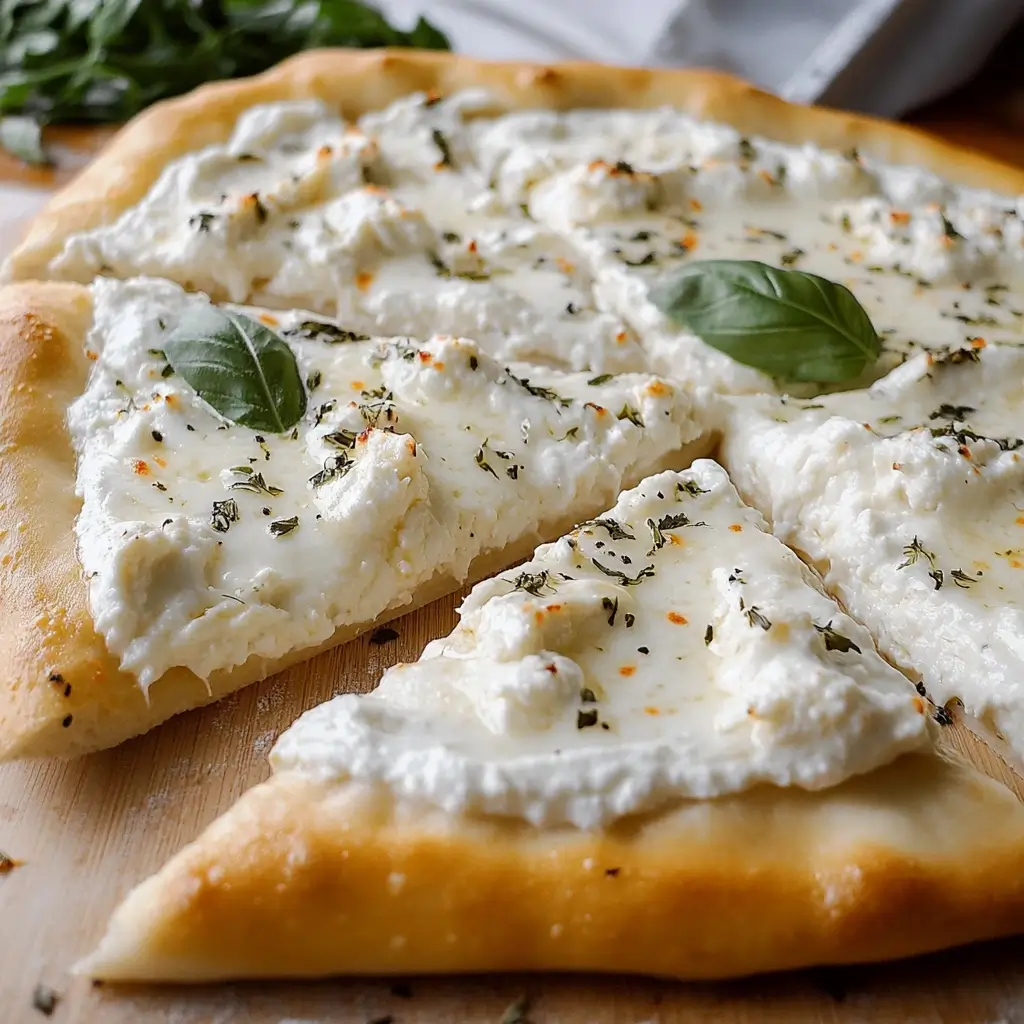
There’s something undeniably comforting and luxurious about a white pizza. Forget the tangy tomato sauce for a moment, and imagine a canvas of perfectly baked dough, swirled with creamy ricotta, dotted with melted mozzarella, and kissed with fragrant garlic and herbs. That’s exactly what this White Pizza with Ricotta and Mozzarella is, and trust me, it’s become a staple in our household. From casual Friday night dinners to impromptu gatherings with friends, this pizza is always a hit. My kids, who are typically die-hard pepperoni fans, devour slice after slice, and even my pizza-snob brother-in-law couldn’t stop raving about the delicate balance of flavors and textures. It’s simple enough to throw together on a busy weeknight but elegant enough to impress guests. If you’re looking for a pizza that’s a little different, a little more sophisticated, and a whole lot delicious, then you absolutely have to try this recipe. Prepare to fall in love with the creamy, cheesy, and utterly irresistible magic of white pizza.
Ingredients: The Foundation of Flavor
The beauty of white pizza lies in the quality of its ingredients. Since there’s no strong tomato sauce to hide behind, each component truly shines. Choosing the right ingredients will elevate your white pizza from good to extraordinary. Let’s break down each element and discuss why it’s important and what options you have.
- Pizza Dough: The foundation of any great pizza is, of course, the dough. You have several options here, each offering a slightly different texture and flavor profile.
- Homemade Pizza Dough: For the ultimate pizza experience, making your own dough is highly recommended. It might seem daunting, but with a little practice, it’s incredibly rewarding. Homemade dough allows you to control the ingredients and achieve the perfect texture – whether you prefer a thin and crispy crust or a thicker, chewier one. Consider using a classic Neapolitan dough recipe for a slightly chewy crust with airy pockets, or an American-style dough for a more substantial and slightly sweeter base. Experiment with different flours like ’00’ flour for a tender crust or bread flour for a chewier texture. Making dough from scratch also allows you to incorporate flavors right into the base, such as garlic powder, dried herbs like oregano or rosemary, or even a touch of Parmesan cheese for extra depth. Remember that homemade dough often tastes best when allowed to cold ferment in the refrigerator for 24-72 hours, developing a more complex flavor.
- Store-Bought Pizza Dough (Fresh): For convenience, fresh pizza dough from the refrigerated section of your grocery store is a fantastic option. Look for high-quality dough from local bakeries or reputable brands. These pre-made doughs save time and effort without sacrificing too much on flavor. When selecting store-bought dough, check the ingredient list for minimal preservatives and avoid doughs that are overly processed or contain artificial flavors. Let the dough come to room temperature for at least an hour before stretching it out; this makes it much easier to handle and prevents tearing.
- Store-Bought Pizza Dough (Frozen): Frozen pizza dough is the most convenient option and a great pantry staple to have on hand. While it might not have the same nuanced flavor as fresh or homemade dough, it can still produce a delicious pizza. Ensure you thaw the dough completely according to package instructions before using it. Allow ample time for thawing at room temperature or overnight in the refrigerator for best results. Frozen dough can sometimes be a bit denser, so you might need to stretch it a bit thinner than fresh dough.
- Ricotta Cheese: Ricotta is the star of this white pizza, providing a creamy, slightly tangy base that perfectly complements the mozzarella.
- Whole Milk Ricotta: For the richest and creamiest texture, opt for whole milk ricotta. The higher fat content creates a luxurious mouthfeel and prevents the ricotta from drying out during baking. Look for ricotta that is smooth and has a slightly sweet and milky flavor. Avoid ricotta that is overly watery or grainy.
- Part-Skim Ricotta: If you’re looking to lighten things up slightly, part-skim ricotta is a reasonable substitute. However, be aware that it can be a bit drier than whole milk ricotta. To combat dryness, you can drain excess liquid from the ricotta before using it and consider adding a tablespoon or two of heavy cream or olive oil to enhance its creaminess.
- Fresh Ricotta (Homemade): For the ultimate ricotta experience, consider making your own fresh ricotta. It’s surprisingly easy to make at home with just milk, cream, and an acid like lemon juice or vinegar. Homemade ricotta is incredibly light, fluffy, and flavorful, and it will truly elevate your white pizza to another level. The taste difference between store-bought and homemade ricotta is significant, with homemade having a fresher, cleaner flavor.
- Mozzarella Cheese: Mozzarella provides that classic pizza cheese pull and a mild, milky flavor that harmonizes with the ricotta.
- Fresh Mozzarella (Ball): Fresh mozzarella, packed in water, is the best choice for white pizza. It melts beautifully and has a superior flavor and texture compared to pre-shredded mozzarella. Look for balls of mozzarella that are firm and milky white. Slice or tear the fresh mozzarella into pieces for even melting and distribution on the pizza. Pat the mozzarella dry with paper towels before using it to remove excess moisture, which can make the pizza soggy.
- Low-Moisture Mozzarella (Block): Low-moisture mozzarella, often sold in blocks and pre-shredded, is a more convenient option. While it doesn’t melt quite as creamily as fresh mozzarella, it still works well and is readily available. If using pre-shredded mozzarella, consider tossing it lightly with a bit of cornstarch to help prevent clumping and promote better browning. Block mozzarella can be shredded or sliced, depending on your preference.
- Buffalo Mozzarella (Mozzarella di Bufala): For a truly decadent white pizza, splurge on buffalo mozzarella. Made from buffalo milk, it is incredibly rich, creamy, and flavorful. Buffalo mozzarella has a slightly tangier and more complex flavor than cow’s milk mozzarella. It’s best enjoyed fresh, so use it sparingly and savor its unique taste.
- Garlic: Garlic is essential for adding aromatic depth and savory notes to the white pizza.
- Fresh Garlic: Fresh garlic cloves, minced or thinly sliced, are the best choice for white pizza. Their pungent aroma and flavor infuse the pizza beautifully as it bakes. Mincing garlic releases more of its flavor, while thinly sliced garlic offers a milder, sweeter taste. You can also roast garlic cloves before adding them to the pizza for a sweeter, mellower garlic flavor.
- Garlic Powder: In a pinch, garlic powder can be used, but it lacks the fresh vibrancy of fresh garlic. If using garlic powder, sprinkle it sparingly over the pizza to avoid overpowering the other flavors. Garlic powder is best used as a subtle background flavor rather than the primary garlic element.
- Roasted Garlic Paste: Roasted garlic paste offers a convenient way to incorporate the sweet, mellow flavor of roasted garlic. You can buy pre-made roasted garlic paste or easily make your own by roasting garlic cloves until soft and then mashing them into a paste.
- Olive Oil: High-quality olive oil is crucial for flavor and texture.
- Extra Virgin Olive Oil: Always use extra virgin olive oil for the best flavor and health benefits. Extra virgin olive oil has a fruity, peppery flavor that enhances the taste of the pizza and helps create a crispy crust. Use it generously to brush the dough, drizzle over the toppings, and even finish the baked pizza.
- Infused Olive Oils: For an extra layer of flavor, consider using infused olive oils, such as garlic-infused or herb-infused olive oil. These can add subtle nuances to the pizza without overpowering the other ingredients. Choose infused oils that complement the other flavors in the pizza, such as basil-infused or rosemary-infused olive oil.
- Fresh Herbs: Fresh herbs add brightness, aroma, and a pop of color to the white pizza.
- Basil: Fresh basil is a classic Italian herb that pairs perfectly with ricotta and mozzarella. Its sweet, slightly peppery flavor adds a refreshing element to the pizza. Tear fresh basil leaves and scatter them over the pizza after it comes out of the oven for the best flavor and vibrant green color.
- Oregano: Fresh oregano has a more robust, slightly pungent flavor that complements the richness of the cheese. Use it sparingly, as its flavor can be quite strong. Sprinkle fresh oregano leaves over the pizza before baking or after for a more pronounced flavor.
- Rosemary: Fresh rosemary adds a piney, fragrant aroma and a slightly woodsy flavor to the pizza. Use rosemary sparingly, as its flavor can be overpowering. Strip the rosemary leaves from the stem and chop them finely before scattering them over the pizza.
- Parsley: Fresh parsley offers a clean, slightly peppery flavor that brightens up the pizza. Italian flat-leaf parsley is preferred for its stronger flavor compared to curly parsley. Chop fresh parsley and sprinkle it over the pizza after baking for a fresh, vibrant finish.
- Salt and Black Pepper: Simple seasonings that are essential for bringing out the flavors of all the other ingredients.
- Sea Salt or Kosher Salt: These salts have a cleaner, less metallic taste than iodized table salt. Use them to season the ricotta mixture and sprinkle over the pizza before baking. Flaky sea salt, like Maldon, can be sprinkled over the finished pizza for a textural and flavor boost.
- Freshly Ground Black Pepper: Freshly ground black pepper has a more complex and aromatic flavor than pre-ground pepper. Use it to season the ricotta mixture and sprinkle over the pizza. You can also use white pepper for a milder peppery flavor if desired.
Instructions: Crafting the Perfect White Pizza
Making white pizza is a straightforward process, but following these detailed instructions will ensure you achieve pizza perfection every time.
- Preheat Your Oven and Baking Surface: This is arguably the most crucial step for achieving a crispy crust. Preheat your oven to the highest temperature it can reach, ideally 500°F (260°C) or even hotter if your oven allows. Place a pizza stone or baking steel in the oven while it preheats. The stone or steel needs to be scorching hot to create that perfect crispy bottom crust. Allow at least 30-45 minutes for the stone or steel to fully preheat. If you don’t have a pizza stone or steel, you can use a heavy baking sheet, but it won’t retain heat as effectively, and the crust may not be as crispy.
- Prepare the Ricotta Mixture: In a medium bowl, combine the ricotta cheese, minced garlic, a drizzle of olive oil, salt, and freshly ground black pepper. Mix everything together thoroughly until well combined. Taste and adjust seasoning as needed. You can add a pinch of dried oregano or red pepper flakes to the ricotta mixture for extra flavor if desired. Set the ricotta mixture aside.
- Stretch or Shape the Pizza Dough: Lightly flour your work surface. If using homemade or fresh store-bought dough, gently stretch or shape it into your desired pizza shape. For a classic round pizza, start from the center and work your way outwards, gently stretching and rotating the dough. For a rectangular or oval pizza, you can use a rolling pin, but be careful not to deflate the dough too much. Aim for a thickness that you prefer; thinner crusts will cook faster and crispier, while thicker crusts will be chewier. If using frozen dough, ensure it is fully thawed and follow the package instructions for stretching.
- Prepare the Pizza Base: Carefully remove the preheated pizza stone or baking steel from the oven. Lightly dust a pizza peel with flour or cornmeal (cornmeal helps prevent sticking and adds a bit of texture to the bottom crust). Gently place the stretched pizza dough onto the prepared pizza peel. Brush the pizza dough lightly with olive oil. This helps create a barrier against moisture from the ricotta and mozzarella and promotes browning.
- Assemble the White Pizza: Spread the ricotta mixture evenly over the pizza dough, leaving a small border for the crust. Don’t overload the pizza with ricotta, as too much moisture can make the crust soggy. Distribute the fresh mozzarella slices or pieces evenly over the ricotta layer. Drizzle a little more olive oil over the pizza. This adds flavor and helps the cheese melt beautifully. Sprinkle with a pinch of salt and freshly ground black pepper.
- Bake the Pizza: Carefully slide the pizza from the pizza peel onto the preheated pizza stone or baking steel in the oven. Bake for 8-12 minutes, or until the crust is golden brown and crispy, and the mozzarella is melted, bubbly, and lightly golden in spots. The baking time will vary depending on your oven temperature, the thickness of your crust, and the type of dough you are using. Keep a close eye on the pizza to prevent burning. If the crust is browning too quickly, you can lower the oven temperature slightly or move the pizza to a lower rack in the oven.
- Garnish and Serve: Once the pizza is baked to perfection, remove it from the oven and transfer it to a cutting board. Immediately garnish with fresh basil leaves, oregano, rosemary, or parsley, or a combination of your favorite herbs. Let the pizza cool for a minute or two before slicing and serving. This allows the cheese to set slightly and makes it easier to slice. Slice the pizza into wedges and serve hot.
Nutrition Facts (Per Serving – Estimated)
(Note: Nutritional values are estimates and can vary based on specific ingredients and portion sizes.)
- Servings: 8 slices
- Calories per serving (approximate): 350-450 calories
- Fat: 20-25g
- Saturated Fat: 10-15g
- Cholesterol: 60-80mg
- Sodium: 400-600mg
- Carbohydrates: 30-40g
- Fiber: 2-3g
- Sugar: 2-4g
- Protein: 15-20g
These values are estimates and can change based on the type of dough, cheese, and olive oil used, as well as the size of the pizza slices. For a more precise nutritional breakdown, you can use online nutritional calculators and input the specific ingredients and quantities you used.
Preparation Time
- Prep time: 20-30 minutes (if using pre-made dough) / 1-2 hours (if making homemade dough, including dough rising time)
- Cook time: 8-12 minutes
- Total time: 30-45 minutes (with pre-made dough) / 1 hour 30 minutes – 2 hours 30 minutes (with homemade dough)
These times are estimates and can vary based on your experience level and the specific dough recipe you are using. Factor in extra time if you are making dough from scratch and allowing it to cold ferment for enhanced flavor.
How to Serve White Pizza
White pizza with ricotta and mozzarella is incredibly versatile and can be served in various ways to create a complete and satisfying meal.
- Classic Pizza Night: Serve it as the main course for a casual pizza night with family or friends. Pair it with a simple green salad tossed with a light vinaigrette to balance the richness of the pizza.
- Appetizer or Starter: Cut the pizza into smaller squares or strips and serve it as an appetizer at a party or gathering. It’s a crowd-pleasing finger food that’s easy to eat and always disappears quickly.
- Lunch Option: Enjoy a slice or two of white pizza for a satisfying and flavorful lunch. It’s a great alternative to sandwiches or salads and provides a comforting midday meal.
- Side Dish with Italian Entrees: Serve white pizza as a side dish alongside other Italian entrees like pasta dishes, lasagna, or grilled chicken or fish. The creamy, cheesy flavors complement a wide range of Italian cuisine.
- With Salad and Soup Combo: Create a lighter meal by pairing white pizza with a hearty soup like minestrone or tomato soup and a side salad. This combination offers a balanced and flavorful meal.
- Wine Pairing: Serve with a crisp white wine like Pinot Grigio, Sauvignon Blanc, or a dry Rosé. The acidity of these wines cuts through the richness of the cheese and complements the flavors of the pizza. For red wine lovers, a light-bodied red like Pinot Noir or Chianti Classico can also pair well.
- Beer Pairing: Pair with a light and refreshing beer like a pale ale, pilsner, or Italian-style lager. The crispness of the beer complements the creamy pizza and cleanses the palate.
- Garnish Enhancements: Offer additional garnishes on the side, such as:
- Red pepper flakes: For those who like a touch of heat.
- Freshly grated Parmesan cheese: For extra cheesy flavor.
- A drizzle of balsamic glaze: For a touch of sweetness and tanginess.
- Pesto: A dollop of pesto adds a vibrant herbaceous flavor.
- Artichoke hearts: Marinated artichoke hearts complement the creamy cheeses.
- Sun-dried tomatoes: Adds a burst of tangy, chewy sweetness.
Additional Tips for Perfect White Pizza
Mastering white pizza is all about attention to detail. Here are five essential tips to elevate your white pizza game:
- Don’t Overload the Toppings: Less is often more with white pizza. Resist the urge to pile on too much ricotta and mozzarella. Overloading the pizza can lead to a soggy crust and uneven cooking. A thin, even layer of ricotta and a moderate amount of mozzarella will allow the crust to crisp up properly and the flavors to shine through. Focus on quality over quantity when it comes to toppings.
- Preheat the Baking Surface Thoroughly: As mentioned earlier, a scorching hot pizza stone or baking steel is critical for achieving a crispy bottom crust. Allow ample time for your baking surface to preheat fully – at least 30-45 minutes. The intense heat from the preheated surface will instantly start cooking the bottom of the dough as soon as it hits, creating that desirable crispy texture.
- Use High-Quality Ingredients: Since white pizza relies on fewer ingredients, the quality of each component is even more important. Invest in good quality ricotta, fresh mozzarella, and extra virgin olive oil. The flavor difference between high-quality ingredients and lower-quality ones will be noticeable in the final pizza. Fresh, flavorful ingredients are the key to a truly exceptional white pizza.
- Control the Moisture: Excess moisture is the enemy of a crispy pizza crust. Drain any excess liquid from the ricotta cheese before using it. Pat fresh mozzarella dry with paper towels to remove excess moisture. Avoid adding overly watery toppings. Brushing the dough with olive oil before adding toppings also helps create a moisture barrier.
- Experiment with Flavor Enhancements: While classic white pizza is delicious on its own, don’t be afraid to experiment with flavor variations. Consider adding:
- Caramelized onions: Sweet and savory caramelized onions add depth and complexity.
- Sautéed mushrooms: Earthy mushrooms complement the creamy cheeses beautifully.
- Prosciutto or pancetta: Crispy prosciutto or pancetta adds a salty, savory element.
- Spinach or arugula: Wilted spinach or fresh arugula adds a touch of green and freshness.
- Lemon zest: A sprinkle of lemon zest brightens up the flavors and adds a zesty note.
- Truffle oil (sparingly): A drizzle of truffle oil (use sparingly, as it can be overpowering) adds a luxurious, earthy aroma and flavor.
FAQ Section: Your White Pizza Questions Answered
Here are some frequently asked questions about making white pizza with ricotta and mozzarella to help you troubleshoot and achieve pizza perfection.
Q1: Can I use pre-shredded mozzarella instead of fresh mozzarella?
A: Yes, you can use pre-shredded low-moisture mozzarella for convenience. However, fresh mozzarella (especially fresh mozzarella balls packed in water) melts much creamier and has a superior flavor and texture. If using pre-shredded mozzarella, consider tossing it lightly with a teaspoon of cornstarch to prevent clumping and promote better browning. For the best results, fresh mozzarella is always recommended for white pizza.
Q2: My pizza crust is soggy in the middle. What am I doing wrong?
A: A soggy crust is a common pizza problem. Several factors can contribute to this:
- Oven not hot enough: Ensure your oven is preheated to the highest temperature possible (ideally 500°F/260°C or hotter) and that your pizza stone or steel is thoroughly preheated.
- Too many toppings: Overloading the pizza with toppings, especially moist ones like ricotta and mozzarella, can release too much moisture and make the crust soggy. Use toppings sparingly and evenly.
- Dough too thick: A very thick crust may not cook through properly in the center before the top browns, resulting in a doughy or soggy middle. Stretch your dough to a thinner consistency.
- Not brushing with olive oil: Brushing the dough with olive oil before adding toppings creates a moisture barrier that helps prevent sogginess.
- Using watery ricotta: Drain excess liquid from the ricotta cheese before using it.
Q3: Can I make white pizza without ricotta?
A: Yes, while ricotta is a classic element in white pizza, you can certainly make it without. You can simply use mozzarella as the base cheese, or try other creamy cheeses like mascarpone, crème fraîche, or even a béchamel sauce as the base. Without ricotta, the flavor profile will be different, but still delicious. Experiment with different cheese combinations and flavorings to create your own unique white pizza variation.
Q4: How do I store leftover white pizza?
A: Leftover white pizza is best stored in the refrigerator. Allow the pizza to cool completely before wrapping it tightly in plastic wrap or aluminum foil, or placing it in an airtight container. Store it in the refrigerator for up to 3-4 days. To reheat, you can use the oven (best for crispiness), a skillet (for a crispy bottom crust), or the microwave (quick but may result in a slightly softer crust). For oven reheating, preheat your oven to 350°F (175°C) and reheat the pizza slices on a baking sheet for 5-10 minutes, or until heated through and crispy again.
Q5: Can I freeze white pizza dough?
A: Yes, you can freeze pizza dough, whether homemade or store-bought. If using homemade dough, allow it to rise once, then punch it down, divide it into portions, and wrap each portion tightly in plastic wrap and then in a freezer bag. Frozen dough can be stored in the freezer for up to 2-3 months. Thaw the dough overnight in the refrigerator or at room temperature for several hours before using. Frozen store-bought dough should be thawed according to package instructions. Freezing dough is a great way to have pizza dough on hand whenever you crave homemade pizza.
Print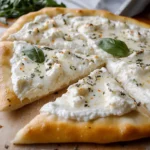
White Pizza with Ricotta and Mozzarella Recipe
Ingredients
- Pizza Dough: The foundation of any great pizza is, of course, the dough. You have several options here, each offering a slightly different texture and flavor profile.
- Homemade Pizza Dough: For the ultimate pizza experience, making your own dough is highly recommended. It might seem daunting, but with a little practice, it’s incredibly rewarding. Homemade dough allows you to control the ingredients and achieve the perfect texture – whether you prefer a thin and crispy crust or a thicker, chewier one. Consider using a classic Neapolitan dough recipe for a slightly chewy crust with airy pockets, or an American-style dough for a more substantial and slightly sweeter base. Experiment with different flours like ’00’ flour for a tender crust or bread flour for a chewier texture. Making dough from scratch also allows you to incorporate flavors right into the base, such as garlic powder, dried herbs like oregano or rosemary, or even a touch of Parmesan cheese for extra depth. Remember that homemade dough often tastes best when allowed to cold ferment in the refrigerator for 24-72 hours, developing a more complex flavor.
- Store-Bought Pizza Dough (Fresh): For convenience, fresh pizza dough from the refrigerated section of your grocery store is a fantastic option. Look for high-quality dough from local bakeries or reputable brands. These pre-made doughs save time and effort without sacrificing too much on flavor. When selecting store-bought dough, check the ingredient list for minimal preservatives and avoid doughs that are overly processed or contain artificial flavors. Let the dough come to room temperature for at least an hour before stretching it out; this makes it much easier to handle and prevents tearing.
- Store-Bought Pizza Dough (Frozen): Frozen pizza dough is the most convenient option and a great pantry staple to have on hand. While it might not have the same nuanced flavor as fresh or homemade dough, it can still produce a delicious pizza. Ensure you thaw the dough completely according to package instructions before using it. Allow ample time for thawing at room temperature or overnight in the refrigerator for best results. Frozen dough can sometimes be a bit denser, so you might need to stretch it a bit thinner than fresh dough.
- Ricotta Cheese: Ricotta is the star of this white pizza, providing a creamy, slightly tangy base that perfectly complements the mozzarella.
- Whole Milk Ricotta: For the richest and creamiest texture, opt for whole milk ricotta. The higher fat content creates a luxurious mouthfeel and prevents the ricotta from drying out during baking. Look for ricotta that is smooth and has a slightly sweet and milky flavor. Avoid ricotta that is overly watery or grainy.
- Part-Skim Ricotta: If you’re looking to lighten things up slightly, part-skim ricotta is a reasonable substitute. However, be aware that it can be a bit drier than whole milk ricotta. To combat dryness, you can drain excess liquid from the ricotta before using it and consider adding a tablespoon or two of heavy cream or olive oil to enhance its creaminess.
- Fresh Ricotta (Homemade): For the ultimate ricotta experience, consider making your own fresh ricotta. It’s surprisingly easy to make at home with just milk, cream, and an acid like lemon juice or vinegar. Homemade ricotta is incredibly light, fluffy, and flavorful, and it will truly elevate your white pizza to another level. The taste difference between store-bought and homemade ricotta is significant, with homemade having a fresher, cleaner flavor.
- Mozzarella Cheese: Mozzarella provides that classic pizza cheese pull and a mild, milky flavor that harmonizes with the ricotta.
- Fresh Mozzarella (Ball): Fresh mozzarella, packed in water, is the best choice for white pizza. It melts beautifully and has a superior flavor and texture compared to pre-shredded mozzarella. Look for balls of mozzarella that are firm and milky white. Slice or tear the fresh mozzarella into pieces for even melting and distribution on the pizza. Pat the mozzarella dry with paper towels before using it to remove excess moisture, which can make the pizza soggy.
- Low-Moisture Mozzarella (Block): Low-moisture mozzarella, often sold in blocks and pre-shredded, is a more convenient option. While it doesn’t melt quite as creamily as fresh mozzarella, it still works well and is readily available. If using pre-shredded mozzarella, consider tossing it lightly with a bit of cornstarch to help prevent clumping and promote better browning. Block mozzarella can be shredded or sliced, depending on your preference.
- Buffalo Mozzarella (Mozzarella di Bufala): For a truly decadent white pizza, splurge on buffalo mozzarella. Made from buffalo milk, it is incredibly rich, creamy, and flavorful. Buffalo mozzarella has a slightly tangier and more complex flavor than cow’s milk mozzarella. It’s best enjoyed fresh, so use it sparingly and savor its unique taste.
- Garlic: Garlic is essential for adding aromatic depth and savory notes to the white pizza.
- Fresh Garlic: Fresh garlic cloves, minced or thinly sliced, are the best choice for white pizza. Their pungent aroma and flavor infuse the pizza beautifully as it bakes. Mincing garlic releases more of its flavor, while thinly sliced garlic offers a milder, sweeter taste. You can also roast garlic cloves before adding them to the pizza for a sweeter, mellower garlic flavor.
- Garlic Powder: In a pinch, garlic powder can be used, but it lacks the fresh vibrancy of fresh garlic. If using garlic powder, sprinkle it sparingly over the pizza to avoid overpowering the other flavors. Garlic powder is best used as a subtle background flavor rather than the primary garlic element.
- Roasted Garlic Paste: Roasted garlic paste offers a convenient way to incorporate the sweet, mellow flavor of roasted garlic. You can buy pre-made roasted garlic paste or easily make your own by roasting garlic cloves until soft and then mashing them into a paste.
- Olive Oil: High-quality olive oil is crucial for flavor and texture.
- Extra Virgin Olive Oil: Always use extra virgin olive oil for the best flavor and health benefits. Extra virgin olive oil has a fruity, peppery flavor that enhances the taste of the pizza and helps create a crispy crust. Use it generously to brush the dough, drizzle over the toppings, and even finish the baked pizza.
- Infused Olive Oils: For an extra layer of flavor, consider using infused olive oils, such as garlic-infused or herb-infused olive oil. These can add subtle nuances to the pizza without overpowering the other ingredients. Choose infused oils that complement the other flavors in the pizza, such as basil-infused or rosemary-infused olive oil.
- Fresh Herbs: Fresh herbs add brightness, aroma, and a pop of color to the white pizza.
- Basil: Fresh basil is a classic Italian herb that pairs perfectly with ricotta and mozzarella. Its sweet, slightly peppery flavor adds a refreshing element to the pizza. Tear fresh basil leaves and scatter them over the pizza after it comes out of the oven for the best flavor and vibrant green color.
- Oregano: Fresh oregano has a more robust, slightly pungent flavor that complements the richness of the cheese. Use it sparingly, as its flavor can be quite strong. Sprinkle fresh oregano leaves over the pizza before baking or after for a more pronounced flavor.
- Rosemary: Fresh rosemary adds a piney, fragrant aroma and a slightly woodsy flavor to the pizza. Use rosemary sparingly, as its flavor can be overpowering. Strip the rosemary leaves from the stem and chop them finely before scattering them over the pizza.
- Parsley: Fresh parsley offers a clean, slightly peppery flavor that brightens up the pizza. Italian flat-leaf parsley is preferred for its stronger flavor compared to curly parsley. Chop fresh parsley and sprinkle it over the pizza after baking for a fresh, vibrant finish.
- Salt and Black Pepper: Simple seasonings that are essential for bringing out the flavors of all the other ingredients.
- Sea Salt or Kosher Salt: These salts have a cleaner, less metallic taste than iodized table salt. Use them to season the ricotta mixture and sprinkle over the pizza before baking. Flaky sea salt, like Maldon, can be sprinkled over the finished pizza for a textural and flavor boost.
- Freshly Ground Black Pepper: Freshly ground black pepper has a more complex and aromatic flavor than pre-ground pepper. Use it to season the ricotta mixture and sprinkle over the pizza. You can also use white pepper for a milder peppery flavor if desired.
Instructions
- Preheat Your Oven and Baking Surface: This is arguably the most crucial step for achieving a crispy crust. Preheat your oven to the highest temperature it can reach, ideally 500°F (260°C) or even hotter if your oven allows. Place a pizza stone or baking steel in the oven while it preheats. The stone or steel needs to be scorching hot to create that perfect crispy bottom crust. Allow at least 30-45 minutes for the stone or steel to fully preheat. If you don’t have a pizza stone or steel, you can use a heavy baking sheet, but it won’t retain heat as effectively, and the crust may not be as crispy.
- Prepare the Ricotta Mixture: In a medium bowl, combine the ricotta cheese, minced garlic, a drizzle of olive oil, salt, and freshly ground black pepper. Mix everything together thoroughly until well combined. Taste and adjust seasoning as needed. You can add a pinch of dried oregano or red pepper flakes to the ricotta mixture for extra flavor if desired. Set the ricotta mixture aside.
- Stretch or Shape the Pizza Dough: Lightly flour your work surface. If using homemade or fresh store-bought dough, gently stretch or shape it into your desired pizza shape. For a classic round pizza, start from the center and work your way outwards, gently stretching and rotating the dough. For a rectangular or oval pizza, you can use a rolling pin, but be careful not to deflate the dough too much. Aim for a thickness that you prefer; thinner crusts will cook faster and crispier, while thicker crusts will be chewier. If using frozen dough, ensure it is fully thawed and follow the package instructions for stretching.
- Prepare the Pizza Base: Carefully remove the preheated pizza stone or baking steel from the oven. Lightly dust a pizza peel with flour or cornmeal (cornmeal helps prevent sticking and adds a bit of texture to the bottom crust). Gently place the stretched pizza dough onto the prepared pizza peel. Brush the pizza dough lightly with olive oil. This helps create a barrier against moisture from the ricotta and mozzarella and promotes browning.
- Assemble the White Pizza: Spread the ricotta mixture evenly over the pizza dough, leaving a small border for the crust. Don’t overload the pizza with ricotta, as too much moisture can make the crust soggy. Distribute the fresh mozzarella slices or pieces evenly over the ricotta layer. Drizzle a little more olive oil over the pizza. This adds flavor and helps the cheese melt beautifully. Sprinkle with a pinch of salt and freshly ground black pepper.
- Bake the Pizza: Carefully slide the pizza from the pizza peel onto the preheated pizza stone or baking steel in the oven. Bake for 8-12 minutes, or until the crust is golden brown and crispy, and the mozzarella is melted, bubbly, and lightly golden in spots. The baking time will vary depending on your oven temperature, the thickness of your crust, and the type of dough you are using. Keep a close eye on the pizza to prevent burning. If the crust is browning too quickly, you can lower the oven temperature slightly or move the pizza to a lower rack in the oven.
- Garnish and Serve: Once the pizza is baked to perfection, remove it from the oven and transfer it to a cutting board. Immediately garnish with fresh basil leaves, oregano, rosemary, or parsley, or a combination of your favorite herbs. Let the pizza cool for a minute or two before slicing and serving. This allows the cheese to set slightly and makes it easier to slice. Slice the pizza into wedges and serve hot.
Nutrition
- Serving Size: One Normal Portion
- Calories: 350-450
- Sugar: 2-4g
- Sodium: 400-600mg
- Fat: 20-25g
- Saturated Fat: 10-15g
- Carbohydrates: 30-40g
- Fiber: 2-3g
- Protein: 15-20g
- Cholesterol: 60-80mg