
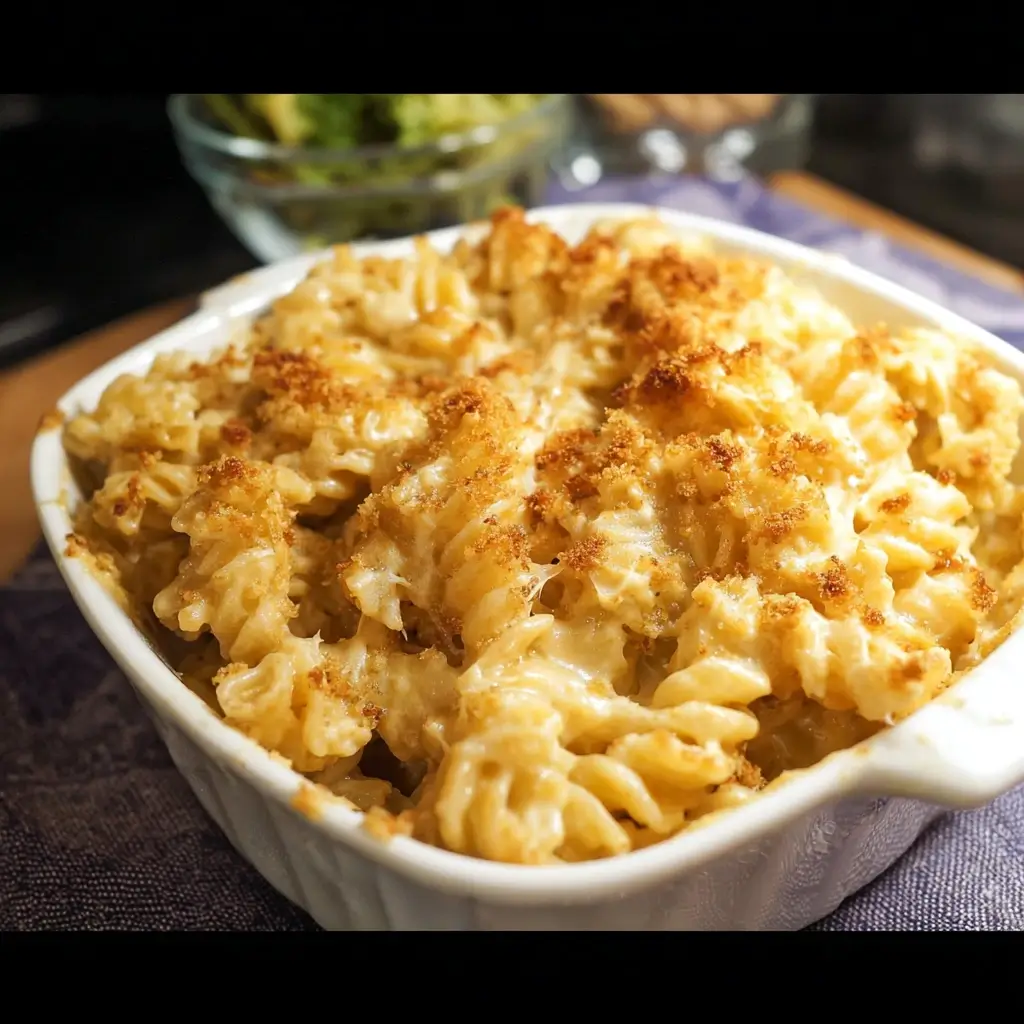

Of all the classic comfort foods, macaroni and cheese reigns supreme in my household. It’s the one dish that can turn a gloomy day around, the go-to for a quick weeknight dinner, and the undisputed king of potluck contributions. For years, however, I wrestled with a familiar dilemma: how to make our beloved mac and cheese a little bit healthier without sacrificing the creamy, cheesy, soul-hugging goodness we all craved. My attempts were often met with skepticism. The kids would eye the slightly darker pasta with suspicion, and my husband would politely note it “tasted… healthy.” That all changed with this recipe. This isn’t just a healthier alternative; it’s a genuinely spectacular dish in its own right. The whole wheat pasta brings a wonderful, slightly nutty flavor and a satisfyingly firm texture that stands up beautifully to the rich, velvety cheese sauce. The first time I served this version, I held my breath. But then, silence. Not the bad kind of silence, but the focused, enthusiastic silence of a family completely engrossed in their meal. Spoons scraped against bowls, and soon, requests for seconds filled the air. They didn’t just like it; they loved it. This Whole Wheat Macaroni and Cheese has become our new standard, proving that you truly don’t have to choose between delicious and nutritious.
The Ultimate Creamy Whole Wheat Macaroni and Cheese Recipe
This recipe is designed for maximum flavor and creaminess, using a classic béchamel base and a blend of cheeses that deliver a perfect melt and a sharp, savory punch. The whole wheat pasta isn’t just a substitution; its nutty undertones are a key component of the final flavor profile.
Ingredients You’ll Need
- For the Pasta:
- 1 lb (16 ounces or 450g) whole wheat elbow macaroni or other short pasta shape (like shells, rotini, or penne)
- 1 tablespoon salt (for boiling water)
- 1 tablespoon olive oil (optional, for the water)
- For the Creamy Cheese Sauce:
- 5 tablespoons unsalted butter
- 1/2 cup all-purpose flour (or whole wheat flour)
- 1 teaspoon dry mustard powder
- 1/2 teaspoon smoked paprika
- 1/4 teaspoon garlic powder
- 1/4 teaspoon freshly ground black pepper
- A pinch of cayenne pepper or nutmeg (optional, for depth)
- 4 cups whole milk, warmed
- 4 cups (16 ounces or 450g) sharp cheddar cheese, freshly grated
- 1 cup (4 ounces or 113g) Gruyère cheese, freshly grated (or Monterey Jack for a milder, creamier melt)
- 1/2 cup reserved pasta water
- For the Optional Toasted Breadcrumb Topping:
- 1 cup panko breadcrumbs (or coarse whole wheat breadcrumbs)
- 2 tablespoons unsalted butter, melted
- 1/4 cup grated Parmesan cheese
- 1/2 teaspoon dried parsley or Italian seasoning
Step-by-Step Instructions for Perfect Whole Wheat Mac and Cheese
Follow these instructions carefully to ensure a smooth, luscious sauce and perfectly cooked pasta every time. The key is in the technique, especially when creating the cheese sauce.
- Preheat and Prep: Preheat your oven to 375°F (190°C). Lightly grease a 9×13 inch baking dish or a similar 3-quart casserole dish. If you are using the breadcrumb topping, now is a good time to mix the panko, melted butter, Parmesan, and herbs in a small bowl. Set aside.
- Cook the Pasta: Bring a large pot of water to a rolling boil. Add a generous tablespoon of salt. The salt seasons the pasta from the inside out. Add the whole wheat macaroni and cook according to package directions, but under-cook it by 2 minutes. This is crucial, as the pasta will continue to cook in the oven. It should be very al dente. Before draining, carefully reserve about 1 cup of the starchy pasta water. Drain the pasta and set it aside. Do not rinse it.
- Start the Roux: While the pasta is cooking, begin your cheese sauce. In a large saucepan or Dutch oven, melt the 5 tablespoons of butter over medium heat. Once the butter is melted and foamy, whisk in the flour, dry mustard, smoked paprika, garlic powder, black pepper, and cayenne (if using).
- Cook the Roux: Continue whisking constantly for 1-2 minutes. This step is essential to cook out the raw flour taste and is the foundation of your béchamel sauce. The mixture should be smooth, bubbly, and smell slightly nutty. This paste is called a roux.
- Build the Béchamel Sauce: Gradually pour in the warmed milk, about one cup at a time, whisking vigorously after each addition to ensure there are no lumps. Warming the milk first helps prevent the sauce from seizing and results in a smoother consistency. Continue whisking until all the milk is incorporated.
- Thicken the Sauce: Increase the heat slightly to medium-high and bring the sauce to a gentle simmer, stirring frequently to prevent scorching on the bottom. Let it simmer and thicken for about 5-7 minutes, or until it’s thick enough to coat the back of a spoon.
- Melt the Cheese: Remove the saucepan from the heat. This is an important step to prevent the cheese from becoming grainy or oily. Add the shredded sharp cheddar and Gruyère cheese to the sauce in handfuls, stirring with a wooden spoon or spatula until each addition is fully melted and incorporated before adding the next. The sauce should be glossy, smooth, and incredibly cheesy.
- Combine and Adjust: Pour the drained (but not rinsed) pasta into the pot with the cheese sauce. Stir gently until every piece of macaroni is lovingly coated. If the sauce seems too thick, stir in a few tablespoons of the reserved pasta water until you reach your desired consistency. The starchy water helps the sauce cling to the pasta.
- Assemble for Baking: Pour the macaroni and cheese mixture into your prepared baking dish and spread it into an even layer. If you prefer a “stovetop style” mac and cheese, you can stop here and serve immediately!
- Add Topping and Bake: Sprinkle the prepared breadcrumb mixture evenly over the top of the macaroni and cheese. Place the dish in the preheated oven and bake for 20-25 minutes, or until the sauce is bubbly and the topping is golden brown and crisp.
- Rest and Serve: Let the macaroni and cheese rest for 5-10 minutes after removing it from the oven. This allows the sauce to set up slightly, making it easier to serve. Garnish with fresh chives or parsley if desired, and serve hot.
Nutrition at a Glance
This information is an estimate and can vary based on the specific ingredients used.
- Servings: 8-10 hearty servings
- Calories per serving (approximate): 550-650 calories
Timing Your Masterpiece: Prep and Cook Time
Properly planning your time will make the cooking process smooth and enjoyable.
- Preparation Time: 15 minutes (shredding cheese, measuring ingredients)
- Cook Time: 35-40 minutes (boiling pasta, making the sauce, baking)
- Total Time: 50-55 minutes
Why This Whole Wheat Mac and Cheese Will Win You Over
Switching to whole wheat pasta isn’t just about adding fiber; it’s about elevating the entire dish.
- Enhanced Flavor: Unlike mild white pasta, whole wheat pasta has a distinct, nutty, and slightly earthy flavor. This complexity provides a beautiful counterpoint to the rich, sharp cheese sauce, creating a more balanced and interesting bite. It’s not just a vehicle for the sauce; it’s an active participant in the flavor profile.
- Superior Texture: Whole wheat pasta is naturally firmer and has more “bite” or chewiness than its refined counterpart. This structural integrity means it holds up exceptionally well to the thick, creamy sauce and the heat of the oven, resisting any tendency to become mushy.
- Nutritional Powerhouse: This is the obvious benefit. Whole wheat pasta is a fantastic source of dietary fiber, which aids in digestion and promotes a feeling of fullness. It also retains more B vitamins, iron, and magnesium compared to white pasta. This turns a classic indulgence into a more well-rounded and satisfying meal.
The Secret to the Perfect Cheese Sauce: An Ingredient Deep Dive
The soul of any macaroni and cheese is the sauce. Understanding the role of each component is key to achieving perfection.
Choosing Your Whole Wheat Pasta
Not all pasta shapes are created equal. For a dish like this, you want a shape with plenty of nooks and crannies for the sauce to cling to.
- Elbow Macaroni: The classic choice for a reason. Its hollow, curved shape is a perfect vessel for cheese sauce.
- Shells (Conchiglie): The little cups are designed to scoop up and hold onto maximum sauce.
- Rotini or Fusilli: The corkscrew shape traps sauce in its spirals, ensuring a cheesy bite every time.
- Penne Rigate: The ridges on the outside of this pasta give the sauce something to grip onto.
The Cheese Trinity: Flavor, Creaminess, and Melt
The combination of cheeses is not accidental. Each one plays a critical role.
- Sharp Cheddar (The Flavor King): This is the backbone of your mac and cheese flavor. Use a good quality sharp or extra-sharp cheddar for a tangy, robust taste that cuts through the richness of the sauce. Avoid mild cheddar, as its flavor will get lost.
- Gruyère (The Nutty Sophisticate): Gruyère is a classic melting cheese from Switzerland. It adds a delicious nutty, slightly sweet, and earthy flavor that complements the whole wheat pasta perfectly. It also melts into a wonderfully smooth and stretchy consistency.
- The Secret Weapon (The Melter): While the recipe calls for Gruyère, you could substitute it with another great melting cheese like Monterey Jack or Fontina for an even gooier, more “cheese-pull” worthy result. Monterey Jack is very mild, so it won’t compete with the cheddar but will significantly boost the creaminess.
Building the Béchamel: The Foundation of Creaminess
A béchamel is a classic mother sauce made from a roux (butter and flour) and milk. It’s what gives your mac and cheese its luxurious, velvety texture without needing processed cheeses like Velveeta.
- The Roux: This simple paste of equal parts fat and flour is a powerful thickener. Cooking it for a minute or two is vital to eliminate the raw flour taste and develop a deeper, toasted flavor.
- The Milk: Whole milk is highly recommended for the richest, creamiest result due to its higher fat content. You can use 2% milk, but the sauce may be slightly less decadent. Always warm your milk before adding it to the hot roux to prevent lumps and ensure a silky-smooth texture.
How to Serve Your Homemade Mac and Cheese
This dish is a star on its own, but it also plays well with others. Here are some fantastic ways to serve it:
- As the Main Course:
- Serve in large bowls, garnished with fresh parsley or chives.
- Pair with a simple, crisp green salad with a vinaigrette dressing to cut through the richness.
- Serve alongside steamed or roasted green vegetables like broccoli, asparagus, or green beans.
- As a Classic Side Dish:
- It’s the perfect companion for barbecue dishes like pulled pork, brisket, or grilled chicken.
- Serve it alongside a classic meatloaf or crispy fried chicken for the ultimate comfort food meal.
- Make it part of a holiday spread for Thanksgiving or Christmas; it’s always a crowd-pleaser.
- For a Crowd:
- This recipe is easily doubled and baked in a larger dish for potlucks or family gatherings.
- Set up a “mac and cheese bar” with bowls of toppings like crispy bacon bits, sautéed mushrooms, caramelized onions, and jalapeños for guests to customize their own servings.
Elevate Your Dish: Pro Tips for the Best Mac and Cheese Ever
- Shred Your Own Cheese: This is the single most important tip for a smooth sauce. Pre-shredded cheeses are coated with anti-caking agents like potato starch or cellulose, which prevent them from melting smoothly and can result in a grainy or greasy sauce. Buy blocks of cheese and shred them yourself—it’s worth the extra five minutes.
- Season at Every Stage: Don’t wait until the end to add flavor. Salt the pasta water, season the béchamel sauce with mustard powder and spices, and use flavorful cheeses. Building layers of flavor is key to a complex and delicious final product.
- Mind the Pasta Water: That starchy, salty water left over from boiling your pasta is liquid gold. The starches in the water help to emulsify the cheese sauce, making it extra creamy and helping it adhere perfectly to the pasta. Always reserve a cup before you drain.
- Remove Sauce From Heat Before Adding Cheese: To avoid a broken or grainy sauce, always take your béchamel off the direct heat before you start stirring in the shredded cheese. The residual heat of the sauce is more than enough to melt the cheese gently and perfectly.
- Don’t Be Afraid of a Little Spice: The small amounts of dry mustard and cayenne pepper won’t make the dish spicy. Instead, they work in the background to sharpen the cheese flavor and add a subtle warmth and complexity that elevates the entire dish from good to unforgettable.
Frequently Asked Questions (FAQ)
1. Can I make this mac and cheese ahead of time?
Yes, you can! You can assemble the entire dish (without the breadcrumb topping), let it cool completely, cover it tightly, and refrigerate it for up to 2 days. When ready to bake, let it sit at room temperature for 30 minutes, then add the fresh breadcrumb topping and bake as directed. You may need to add 10-15 minutes to the baking time to ensure it’s heated through.
2. My cheese sauce turned out grainy. What did I do wrong?
Graininess is usually caused by one of two things: the heat was too high when you added the cheese, causing the proteins to curdle, or you used pre-shredded cheese with anti-caking agents. To fix this, always remove the sauce from the heat before melting the cheese, and always shred your own cheese from a block.
3. Can I make this recipe on the stovetop instead of baking it?
Absolutely! This recipe makes a fantastic stovetop mac and cheese. Simply follow all the steps through combining the cooked pasta with the finished cheese sauce (Step 8). At that point, ensure it’s heated through, and serve it immediately. It will be extra creamy and saucy.
4. What are some good vegetable or protein add-ins?
This recipe is a wonderful canvas for additions! For vegetables, try stirring in steamed broccoli florets, sautéed spinach and garlic, roasted butternut squash puree, or sweet peas. For protein, cooked and crumbled bacon, shredded rotisserie chicken, sautéed mushrooms, or browned sausage are all excellent choices. Stir them in at the same time you add the pasta to the sauce.
5. Can I freeze this macaroni and cheese?
You can, but be aware that the texture may change slightly upon reheating. Dairy-based sauces can sometimes separate after freezing. For best results, assemble the mac and cheese in a freezer-safe dish without the topping. Let it cool completely, then wrap it tightly in plastic wrap and then foil. It can be frozen for up to 2 months. To reheat, thaw overnight in the refrigerator, add the topping, and bake as directed. You may want to stir in a splash of milk before baking to restore creaminess.
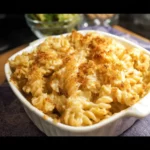
Whole Wheat Macaroni and Cheese Recipe
Ingredients
- For the Pasta:
- 1 lb (16 ounces or 450g) whole wheat elbow macaroni or other short pasta shape (like shells, rotini, or penne)
- 1 tablespoon salt (for boiling water)
- 1 tablespoon olive oil (optional, for the water)
- For the Creamy Cheese Sauce:
- 5 tablespoons unsalted butter
- 1/2 cup all-purpose flour (or whole wheat flour)
- 1 teaspoon dry mustard powder
- 1/2 teaspoon smoked paprika
- 1/4 teaspoon garlic powder
- 1/4 teaspoon freshly ground black pepper
- A pinch of cayenne pepper or nutmeg (optional, for depth)
- 4 cups whole milk, warmed
- 4 cups (16 ounces or 450g) sharp cheddar cheese, freshly grated
- 1 cup (4 ounces or 113g) Gruyère cheese, freshly grated (or Monterey Jack for a milder, creamier melt)
- 1/2 cup reserved pasta water
- For the Optional Toasted Breadcrumb Topping:
- 1 cup panko breadcrumbs (or coarse whole wheat breadcrumbs)
- 2 tablespoons unsalted butter, melted
- 1/4 cup grated Parmesan cheese
- 1/2 teaspoon dried parsley or Italian seasoning
Instructions
- Preheat and Prep: Preheat your oven to 375°F (190°C). Lightly grease a 9×13 inch baking dish or a similar 3-quart casserole dish. If you are using the breadcrumb topping, now is a good time to mix the panko, melted butter, Parmesan, and herbs in a small bowl. Set aside.
- Cook the Pasta: Bring a large pot of water to a rolling boil. Add a generous tablespoon of salt. The salt seasons the pasta from the inside out. Add the whole wheat macaroni and cook according to package directions, but under-cook it by 2 minutes. This is crucial, as the pasta will continue to cook in the oven. It should be very al dente. Before draining, carefully reserve about 1 cup of the starchy pasta water. Drain the pasta and set it aside. Do not rinse it.
- Start the Roux: While the pasta is cooking, begin your cheese sauce. In a large saucepan or Dutch oven, melt the 5 tablespoons of butter over medium heat. Once the butter is melted and foamy, whisk in the flour, dry mustard, smoked paprika, garlic powder, black pepper, and cayenne (if using).
- Cook the Roux: Continue whisking constantly for 1-2 minutes. This step is essential to cook out the raw flour taste and is the foundation of your béchamel sauce. The mixture should be smooth, bubbly, and smell slightly nutty. This paste is called a roux.
- Build the Béchamel Sauce: Gradually pour in the warmed milk, about one cup at a time, whisking vigorously after each addition to ensure there are no lumps. Warming the milk first helps prevent the sauce from seizing and results in a smoother consistency. Continue whisking until all the milk is incorporated.
- Thicken the Sauce: Increase the heat slightly to medium-high and bring the sauce to a gentle simmer, stirring frequently to prevent scorching on the bottom. Let it simmer and thicken for about 5-7 minutes, or until it’s thick enough to coat the back of a spoon.
- Melt the Cheese: Remove the saucepan from the heat. This is an important step to prevent the cheese from becoming grainy or oily. Add the shredded sharp cheddar and Gruyère cheese to the sauce in handfuls, stirring with a wooden spoon or spatula until each addition is fully melted and incorporated before adding the next. The sauce should be glossy, smooth, and incredibly cheesy.
- Combine and Adjust: Pour the drained (but not rinsed) pasta into the pot with the cheese sauce. Stir gently until every piece of macaroni is lovingly coated. If the sauce seems too thick, stir in a few tablespoons of the reserved pasta water until you reach your desired consistency. The starchy water helps the sauce cling to the pasta.
- Assemble for Baking: Pour the macaroni and cheese mixture into your prepared baking dish and spread it into an even layer. If you prefer a “stovetop style” mac and cheese, you can stop here and serve immediately!
- Add Topping and Bake: Sprinkle the prepared breadcrumb mixture evenly over the top of the macaroni and cheese. Place the dish in the preheated oven and bake for 20-25 minutes, or until the sauce is bubbly and the topping is golden brown and crisp.
- Rest and Serve: Let the macaroni and cheese rest for 5-10 minutes after removing it from the oven. This allows the sauce to set up slightly, making it easier to serve. Garnish with fresh chives or parsley if desired, and serve hot.
Nutrition
- Serving Size: One Normal Portion
- Calories: 550-650