
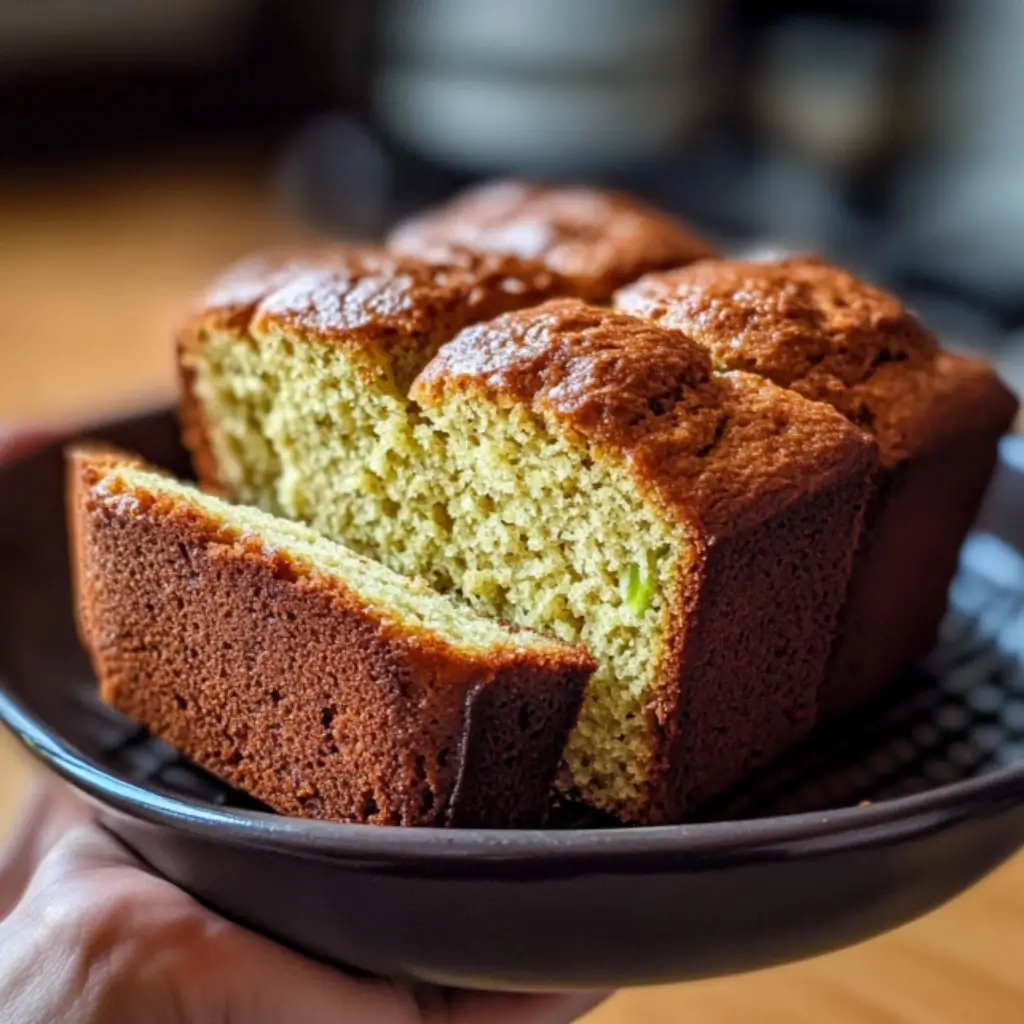

Delicious Zucchini Walnut Bread, filled with the goodness of zucchini and crunchy walnuts, is a delightful treat for any time of day. This recipe has become a staple in our home, and for good reason! Every time I bake a loaf (or two, as this recipe generously makes!), the aroma fills the kitchen with a warm, comforting scent that instantly brings smiles to everyone’s faces. The moist, tender crumb, studded with sweet zucchini and crunchy walnuts, is simply irresistible. My kids, who are usually picky eaters when it comes to vegetables, devour slice after slice, completely oblivious to the healthy zucchini hidden within. It’s the perfect balance of sweet and wholesome, making it ideal for breakfast, a midday snack, or a comforting dessert. Whether you’re a seasoned baker or just starting out, this zucchini bread recipe is incredibly easy to follow and consistently yields a perfect loaf every time. Trust me, once you try this recipe, it will quickly become a family favorite in your home too!
Ingredients
The secret to a truly exceptional zucchini bread lies in the quality and balance of the ingredients. Each component plays a crucial role in creating the perfect texture, flavor, and overall deliciousness of this classic baked good. Let’s delve deeper into each ingredient and understand its importance in this recipe:
- 3 cups All-Purpose Flour: The foundation of our zucchini bread, all-purpose flour provides structure and substance. It’s important to use the correct measurement – lightly spoon the flour into your measuring cup and level it off with a straight edge to avoid using too much flour, which can result in a dry bread. For a slightly different texture and flavor profile, you can experiment with substituting a portion of the all-purpose flour with whole wheat flour. Replacing up to 1 cup of all-purpose flour with whole wheat will add a nuttier flavor and a slightly denser crumb, along with increased fiber content. However, be mindful that using too much whole wheat flour can make the bread drier, so it’s best to start with a smaller substitution and adjust to your preference. If you are looking for a gluten-free option, a gluten-free all-purpose blend can be used. Ensure it is a blend designed for baking and follow the package instructions, as gluten-free flours can sometimes absorb liquid differently. You might need to slightly adjust the liquid content in the recipe if using a gluten-free blend.
- 1 teaspoon Salt: Salt is a crucial flavor enhancer in baking. It might seem like a small amount, but salt balances the sweetness, brings out the other flavors, and controls the yeast activity in recipes that use yeast (though not in this quick bread). In this zucchini bread, salt enhances the sweetness of the sugar and complements the warm spices. Using kosher salt or sea salt is recommended for baking as they are purer and have a cleaner taste compared to iodized table salt, which can sometimes leave a metallic aftertaste. If you only have table salt, you can use it, but reduce the amount slightly, as it’s denser than kosher or sea salt.
- 1 teaspoon Baking Powder: Baking powder is a chemical leavening agent that creates lift and lightness in baked goods. It’s a double-acting leavening agent, meaning it reacts twice: once when it’s mixed with liquid and again when it’s heated in the oven. This double action ensures a good rise and a tender crumb. It’s crucial to use fresh baking powder, as it loses its potency over time. To test if your baking powder is still active, place a teaspoon of baking powder in a cup of hot water. If it fizzes vigorously, it’s still good to use. If not, it’s time to replace it.
- 1 teaspoon Baking Soda: Baking soda is another chemical leavening agent, but unlike baking powder, it requires an acidic ingredient to activate. In this zucchini bread recipe, the molasses in brown sugar (if used as a substitute for some of the white sugar) and the natural acidity of zucchini can activate the baking soda. Baking soda also contributes to browning and a slightly different texture compared to baking powder. Like baking powder, baking soda should also be fresh for optimal results. You can test its freshness by placing a teaspoon of baking soda in a cup of vinegar. It should fizz vigorously if it’s still active.
- 1 tablespoon Ground Cinnamon: Cinnamon is the star spice in zucchini bread, providing warmth, depth of flavor, and that classic comforting aroma we associate with this baked treat. Use good quality ground cinnamon for the best flavor. For an even richer flavor profile, consider using freshly ground cinnamon from cinnamon sticks. You can also experiment with adding other warm spices like nutmeg, cloves, or ginger in combination with cinnamon or as substitutes. A blend of 1 teaspoon cinnamon, ½ teaspoon nutmeg, and ¼ teaspoon cloves can create a lovely spiced zucchini bread.
- 3 large Eggs: Eggs are essential for binding the ingredients together, adding moisture, richness, and structure to the zucchini bread. They also contribute to the bread’s tender crumb and golden color. Use large eggs at room temperature for the best results. Room temperature eggs emulsify more easily with the other ingredients, resulting in a smoother batter and a more evenly textured bread. If you forget to take your eggs out of the refrigerator ahead of time, you can quickly warm them by placing them in a bowl of warm (not hot) water for about 5-10 minutes.
- 1 cup Vegetable Oil: Vegetable oil provides moisture and tenderness to the zucchini bread, contributing to its soft and moist crumb. Oils with neutral flavors, like canola oil, vegetable oil, or sunflower oil, are ideal so they don’t overpower the other flavors in the bread. You can also use melted coconut oil for a subtle coconut flavor, or light olive oil for a slightly fruitier note. Avoid using strong-flavored oils like extra virgin olive oil, as their flavor can be too pronounced in the bread.
- 2 ¼ cups White Sugar: White sugar provides sweetness and moisture to the zucchini bread. It also helps with browning and tenderizing the crumb. You can adjust the amount of sugar slightly to your preference. If you prefer a less sweet bread, you can reduce the sugar by up to ¼ cup. For a richer flavor, you can substitute part of the white sugar with brown sugar. Using half white sugar and half packed light brown sugar will add a molasses-like depth of flavor and make the bread even moister. Brown sugar also contributes to a chewier texture and a slightly darker color.
- 3 teaspoons Vanilla Extract: Vanilla extract enhances the overall flavor profile of the zucchini bread, adding a warm, sweet, and aromatic note. Use pure vanilla extract for the best flavor. Imitation vanilla extract can have a slightly artificial taste. For an even more intense vanilla flavor, consider using vanilla bean paste or scraping the seeds from a vanilla bean. If using vanilla bean paste, use the same amount as vanilla extract. If using vanilla bean seeds, use the seeds from about ½ inch of a vanilla bean.
- 2 cups Grated Zucchini: Zucchini is the star ingredient! It adds moisture, subtle sweetness, and nutritional value to the bread. Use fresh zucchini for the best flavor and moisture. There’s no need to peel the zucchini; simply wash it and grate it using the large holes of a box grater. It’s important to squeeze out excess moisture from the grated zucchini before adding it to the batter. Zucchini contains a lot of water, and if you don’t remove the excess moisture, it can make the bread soggy. Place the grated zucchini in a clean kitchen towel or cheesecloth and squeeze firmly to remove as much liquid as possible. This step is crucial for achieving the right texture in your zucchini bread.
- 1 cup Chopped Walnuts: Walnuts add a delightful crunch, nutty flavor, and textural contrast to the soft zucchini bread. Use raw or toasted walnuts. Toasted walnuts have a deeper, richer flavor. To toast walnuts, spread them in a single layer on a baking sheet and bake at 350°F (175°C) for 8-10 minutes, or until fragrant. Watch them carefully to prevent burning. You can also toast walnuts in a dry skillet over medium heat, stirring frequently, until fragrant. If you are not a fan of walnuts, you can substitute them with other nuts like pecans, almonds, or hazelnuts. You can also use seeds like pumpkin seeds or sunflower seeds for a nut-free option. For those with nut allergies, consider using chocolate chips, dried cranberries, or raisins as alternatives for texture and flavor.
Instructions
Baking zucchini bread is a straightforward and rewarding process. Following these step-by-step instructions will guide you to creating a perfect, moist, and delicious loaf every time. Let’s break down each step in detail:
1. Preheat Oven to 325°F (165°C) and Prepare Pans by Greasing and Flouring Them.
- Preheating the Oven: Preheating the oven to the correct temperature is crucial for even baking. 325°F (165°C) is the ideal temperature for zucchini bread. Baking at a lower temperature allows the bread to cook through evenly without browning too quickly on the outside. Use an oven thermometer to ensure your oven is accurately preheated. Oven temperatures can vary, and an accurate temperature is essential for consistent baking results.
- Preparing the Pans: Proper pan preparation is essential to prevent the zucchini bread from sticking and to ensure easy removal after baking. Use two 8×4-inch loaf pans. You can also use one 9×5-inch loaf pan, but the baking time may need to be adjusted slightly (it might take a bit longer). To grease the pans, you can use butter, shortening, or cooking spray. Make sure to grease all sides and corners of the pans thoroughly. After greasing, flour the pans. Sprinkle a couple of tablespoons of flour into each pan, tilting and tapping the pan to coat the bottom and sides evenly. Then, tap out any excess flour. Alternatively, you can use parchment paper to line the pans. Cut parchment paper to fit the bottom and sides of the pans, leaving an overhang on the sides to help lift the baked bread out easily. Grease the pans lightly before lining them with parchment paper. This method ensures that the bread will not stick and is very easy to remove.
2. Sift Dry Ingredients Together in a Large Bowl.
- Sifting Dry Ingredients: Sifting the dry ingredients – flour, salt, baking powder, baking soda, and cinnamon – is an important step for achieving a light and airy zucchini bread. Sifting helps to remove any lumps from the flour and leavening agents, ensuring they are evenly distributed throughout the batter. This even distribution of leavening agents is crucial for a consistent rise and texture. Sifting also aerates the flour, making it lighter and easier to incorporate into the wet ingredients. If you don’t have a sifter, you can use a fine-mesh sieve or a whisk. Place the dry ingredients in a large bowl and whisk them together vigorously for about a minute to break up any lumps and aerate the mixture.
3. In a Separate Bowl, Beat Eggs, Oil, Sugar, and Vanilla Until Combined.
- Combining Wet Ingredients: In a separate large bowl, combine the wet ingredients: eggs, vegetable oil, sugar, and vanilla extract. Use an electric mixer or a whisk to beat these ingredients together until they are well combined and slightly emulsified. Beating the eggs with the sugar and oil helps to create a smoother batter and contributes to the moist texture of the bread. Beat until the mixture is pale and slightly thickened. This process incorporates air into the batter, which further contributes to the light and airy texture of the zucchini bread.
4. Add Flour Mixture to the Egg Mixture and Beat Well.
- Combining Wet and Dry Ingredients: Gradually add the sifted dry ingredients to the wet ingredients. Add the dry ingredients in batches, mixing until just combined after each addition. Be careful not to overmix the batter at this stage. Overmixing can develop the gluten in the flour, resulting in a tough and dense bread. Mix until the dry ingredients are just incorporated and no streaks of flour remain. A few lumps in the batter are okay; they will disappear as you stir in the zucchini and walnuts.
5. Stir in Grated Zucchini and Chopped Walnuts Until Combined.
- Adding Zucchini and Walnuts: Gently fold in the grated zucchini and chopped walnuts into the batter using a spatula or wooden spoon. Stir until they are evenly distributed throughout the batter. Make sure the zucchini and walnuts are well incorporated, but again, avoid overmixing. Overmixing at this stage can also lead to a tougher bread. The zucchini adds moisture and sweetness, while the walnuts provide crunch and nutty flavor, creating a wonderful textural and flavor contrast.
6. Pour Batter into Prepared Pans and Bake for 40-60 Minutes Until a Toothpick Comes Out Clean.
- Pouring Batter into Pans: Divide the batter evenly between the two prepared loaf pans. Use a spatula to scrape all the batter from the bowl and distribute it evenly in the pans. Smooth the tops of the batter with a spatula.
- Baking and Testing for Doneness: Place the pans in the preheated oven and bake for 40-60 minutes, or until a toothpick inserted into the center of a loaf comes out clean. The baking time may vary depending on your oven and the size of your loaf pans. Start checking for doneness around 40 minutes. If the tops of the bread are browning too quickly, you can loosely tent them with aluminum foil to prevent them from burning while the inside continues to bake. To check for doneness, insert a wooden toothpick or a thin skewer into the center of a loaf. If it comes out clean, with no moist batter clinging to it, the bread is done. If there is wet batter on the toothpick, continue baking for another 5-10 minutes and test again.
7. Cool in Pans on a Wire Rack for 20 Minutes, then Invert onto the Rack to Cool Completely.
- Cooling in Pans: Once the zucchini bread is baked, remove the pans from the oven and let them cool in the pans on a wire rack for 20 minutes. This cooling period allows the bread to set slightly and makes it easier to remove from the pans without breaking.
- Inverting and Cooling Completely: After 20 minutes of cooling in the pans, gently loosen the edges of the bread with a knife or spatula. Invert the loaves onto the wire rack to cool completely. Cooling completely on a wire rack allows air to circulate around the bread, preventing the bottom from becoming soggy. Allow the zucchini bread to cool completely before slicing and serving. While it’s tempting to slice into warm bread, it’s best to let it cool fully as it will slice more cleanly and the flavors will develop further as it cools.
Nutrition Facts
This recipe makes 24 servings.
Serving Size: 1 slice
Calories: 255kcal
Nutritional information is an estimate and can vary based on specific ingredients used and serving size.
It’s important to remember that while zucchini bread is a delicious treat, it should be enjoyed in moderation as part of a balanced diet. While zucchini adds some nutritional value, the bread is also relatively high in calories, sugar, and fat. Being mindful of portion sizes and considering zucchini bread as an occasional indulgence rather than an everyday staple is key for maintaining a healthy eating pattern.
Preparation Time
This zucchini bread recipe is wonderfully quick to prepare, making it perfect for busy days when you crave a homemade treat.
- Prep Time: 15 minutes
- Cook Time: 1 hour
- Total Time: 1 hour 15 minutes
How to Serve
Zucchini bread is incredibly versatile and can be enjoyed in countless ways, making it suitable for any time of day. Here are some delightful serving suggestions:
- Warm with Butter: The simplest and perhaps most classic way to enjoy zucchini bread is warm, with a generous pat of butter melting on top. The warmth enhances the bread’s moistness and flavor, while the butter adds richness and creaminess.
- Toasted with Cream Cheese: Toast a slice of zucchini bread lightly and spread it with cream cheese for a delightful breakfast or brunch option. The slightly tangy cream cheese complements the sweetness of the bread beautifully.
- With a Dollop of Yogurt or Sour Cream: For a lighter option, serve a slice of zucchini bread with a dollop of plain yogurt or sour cream. This adds a creamy coolness that contrasts nicely with the warm spices of the bread. You can also drizzle a bit of honey or maple syrup over the yogurt for added sweetness.
- As a Dessert with Ice Cream: Elevate zucchini bread to a dessert by serving it warm with a scoop of vanilla ice cream or cinnamon ice cream. The warm bread and cold ice cream create a delightful temperature contrast, and the flavors complement each other perfectly.
- Alongside Coffee or Tea: Zucchini bread is a perfect accompaniment to a cup of coffee or tea, whether for breakfast, an afternoon snack, or a cozy evening treat. Its comforting flavors and moist texture make it an ideal pairing for hot beverages.
- As Part of a Brunch Spread: Include zucchini bread as part of a brunch buffet. Its versatility makes it a crowd-pleaser, and it pairs well with both sweet and savory brunch dishes.
- Cut into Cubes for Bread Pudding: Transform leftover zucchini bread into a decadent bread pudding. Cubing the bread and soaking it in a custard mixture before baking creates a warm and comforting dessert.
- Grilled Zucchini Bread: For a unique twist, try grilling slices of zucchini bread. Grilling caramelizes the sugars on the surface, adding a smoky flavor and crispy edges. Serve grilled zucchini bread with a scoop of ice cream or a drizzle of caramel sauce.
Additional Tips for Perfect Zucchini Bread
To ensure your zucchini bread is always moist, flavorful, and utterly irresistible, consider these helpful tips:
- Don’t Overmix the Batter: Overmixing is a common mistake in baking that can lead to tough and dense zucchini bread. Mix the wet and dry ingredients until just combined. A few lumps are okay; they will disappear when you add the zucchini and walnuts. Gentle mixing ensures a tender crumb.
- Squeeze Out Excess Moisture from Zucchini: Zucchini is high in water content. After grating the zucchini, place it in a clean kitchen towel or cheesecloth and squeeze out as much excess moisture as possible. This step is crucial for preventing soggy zucchini bread.
- Use Room Temperature Ingredients: Using room temperature eggs, oil, and even zucchini (after squeezing, let it sit at room temp briefly) helps the ingredients emulsify more easily and creates a smoother batter. Room temperature ingredients blend together more uniformly, resulting in a better texture and rise in your zucchini bread.
- Add Chocolate Chips or Other Mix-Ins: While walnuts are classic, feel free to experiment with other mix-ins to customize your zucchini bread. Chocolate chips, dried cranberries, raisins, pecans, or even shredded coconut can be added for different flavor and textural profiles. About 1 cup of mix-ins is a good amount for this recipe.
- Store Zucchini Bread Properly: To keep zucchini bread moist and fresh, store it at room temperature in an airtight container for up to 3-4 days, or in the refrigerator for up to a week. For longer storage, you can freeze zucchini bread for up to 2-3 months. Wrap it tightly in plastic wrap and then in foil or place it in a freezer-safe bag. Thaw overnight in the refrigerator or at room temperature before serving.
Frequently Asked Questions (FAQ)
Here are some common questions and answers about making zucchini bread:
Q1: Can I use yellow squash instead of zucchini?
A: Yes, you can substitute yellow squash for zucchini in this recipe. Yellow squash has a similar texture and mild flavor to zucchini and will work well in zucchini bread. Follow the same preparation instructions – grate the yellow squash and squeeze out excess moisture before adding it to the batter.
Q2: I don’t have walnuts. What else can I use?
A: If you don’t have walnuts or prefer not to use them, you have several alternatives. Pecans, almonds, hazelnuts, or macadamia nuts are all excellent substitutes. You can also use seeds like pumpkin seeds or sunflower seeds for a nut-free option. For a different flavor profile, consider adding chocolate chips, dried cranberries, or raisins instead.
Q3: How do I prevent my zucchini bread from being dry?
A: Dry zucchini bread can be a disappointment. To ensure moist zucchini bread, make sure you are using the correct amount of oil and sugar as indicated in the recipe. Don’t overbake the bread – check for doneness with a toothpick starting at 40 minutes and remove it from the oven as soon as a toothpick comes out clean. Also, ensure you are properly measuring your flour – spoon and level method is recommended to avoid using too much flour. Lastly, storing the bread properly in an airtight container will help maintain its moisture.
Q4: Can I freeze zucchini bread?
A: Yes, zucchini bread freezes very well. Allow the bread to cool completely after baking. Wrap it tightly in plastic wrap, and then wrap it again in aluminum foil or place it in a freezer-safe bag. Freeze for up to 2-3 months. To thaw, place the frozen zucchini bread in the refrigerator overnight or at room temperature for a few hours. You can also reheat slices in the microwave or oven for a warm treat.
Q5: Can I make this recipe into muffins instead of loaves?
A: Absolutely! This zucchini bread recipe can easily be adapted to make muffins. Preheat your oven to 375°F (190°C) and line a muffin tin with paper liners or grease it well. Fill each muffin cup about ¾ full with batter. Bake for 18-22 minutes, or until a toothpick inserted into the center of a muffin comes out clean. Muffins will bake faster than loaves, so keep an eye on them and adjust the baking time accordingly.

Zucchini Bread Recipe
Ingredients
- 3 cups All-Purpose Flour: The foundation of our zucchini bread, all-purpose flour provides structure and substance. It’s important to use the correct measurement – lightly spoon the flour into your measuring cup and level it off with a straight edge to avoid using too much flour, which can result in a dry bread. For a slightly different texture and flavor profile, you can experiment with substituting a portion of the all-purpose flour with whole wheat flour. Replacing up to 1 cup of all-purpose flour with whole wheat will add a nuttier flavor and a slightly denser crumb, along with increased fiber content. However, be mindful that using too much whole wheat flour can make the bread drier, so it’s best to start with a smaller substitution and adjust to your preference. If you are looking for a gluten-free option, a gluten-free all-purpose blend can be used. Ensure it is a blend designed for baking and follow the package instructions, as gluten-free flours can sometimes absorb liquid differently. You might need to slightly adjust the liquid content in the recipe if using a gluten-free blend.
- 1 teaspoon Salt: Salt is a crucial flavor enhancer in baking. It might seem like a small amount, but salt balances the sweetness, brings out the other flavors, and controls the yeast activity in recipes that use yeast (though not in this quick bread). In this zucchini bread, salt enhances the sweetness of the sugar and complements the warm spices. Using kosher salt or sea salt is recommended for baking as they are purer and have a cleaner taste compared to iodized table salt, which can sometimes leave a metallic aftertaste. If you only have table salt, you can use it, but reduce the amount slightly, as it’s denser than kosher or sea salt.
- 1 teaspoon Baking Powder: Baking powder is a chemical leavening agent that creates lift and lightness in baked goods. It’s a double-acting leavening agent, meaning it reacts twice: once when it’s mixed with liquid and again when it’s heated in the oven. This double action ensures a good rise and a tender crumb. It’s crucial to use fresh baking powder, as it loses its potency over time. To test if your baking powder is still active, place a teaspoon of baking powder in a cup of hot water. If it fizzes vigorously, it’s still good to use. If not, it’s time to replace it.
- 1 teaspoon Baking Soda: Baking soda is another chemical leavening agent, but unlike baking powder, it requires an acidic ingredient to activate. In this zucchini bread recipe, the molasses in brown sugar (if used as a substitute for some of the white sugar) and the natural acidity of zucchini can activate the baking soda. Baking soda also contributes to browning and a slightly different texture compared to baking powder. Like baking powder, baking soda should also be fresh for optimal results. You can test its freshness by placing a teaspoon of baking soda in a cup of vinegar. It should fizz vigorously if it’s still active.
- 1 tablespoon Ground Cinnamon: Cinnamon is the star spice in zucchini bread, providing warmth, depth of flavor, and that classic comforting aroma we associate with this baked treat. Use good quality ground cinnamon for the best flavor. For an even richer flavor profile, consider using freshly ground cinnamon from cinnamon sticks. You can also experiment with adding other warm spices like nutmeg, cloves, or ginger in combination with cinnamon or as substitutes. A blend of 1 teaspoon cinnamon, ½ teaspoon nutmeg, and ¼ teaspoon cloves can create a lovely spiced zucchini bread.
- 3 large Eggs: Eggs are essential for binding the ingredients together, adding moisture, richness, and structure to the zucchini bread. They also contribute to the bread’s tender crumb and golden color. Use large eggs at room temperature for the best results. Room temperature eggs emulsify more easily with the other ingredients, resulting in a smoother batter and a more evenly textured bread. If you forget to take your eggs out of the refrigerator ahead of time, you can quickly warm them by placing them in a bowl of warm (not hot) water for about 5-10 minutes.
- 1 cup Vegetable Oil: Vegetable oil provides moisture and tenderness to the zucchini bread, contributing to its soft and moist crumb. Oils with neutral flavors, like canola oil, vegetable oil, or sunflower oil, are ideal so they don’t overpower the other flavors in the bread. You can also use melted coconut oil for a subtle coconut flavor, or light olive oil for a slightly fruitier note. Avoid using strong-flavored oils like extra virgin olive oil, as their flavor can be too pronounced in the bread.
- 2 ¼ cups White Sugar: White sugar provides sweetness and moisture to the zucchini bread. It also helps with browning and tenderizing the crumb. You can adjust the amount of sugar slightly to your preference. If you prefer a less sweet bread, you can reduce the sugar by up to ¼ cup. For a richer flavor, you can substitute part of the white sugar with brown sugar. Using half white sugar and half packed light brown sugar will add a molasses-like depth of flavor and make the bread even moister. Brown sugar also contributes to a chewier texture and a slightly darker color.
- 3 teaspoons Vanilla Extract: Vanilla extract enhances the overall flavor profile of the zucchini bread, adding a warm, sweet, and aromatic note. Use pure vanilla extract for the best flavor. Imitation vanilla extract can have a slightly artificial taste. For an even more intense vanilla flavor, consider using vanilla bean paste or scraping the seeds from a vanilla bean. If using vanilla bean paste, use the same amount as vanilla extract. If using vanilla bean seeds, use the seeds from about ½ inch of a vanilla bean.
- 2 cups Grated Zucchini: Zucchini is the star ingredient! It adds moisture, subtle sweetness, and nutritional value to the bread. Use fresh zucchini for the best flavor and moisture. There’s no need to peel the zucchini; simply wash it and grate it using the large holes of a box grater. It’s important to squeeze out excess moisture from the grated zucchini before adding it to the batter. Zucchini contains a lot of water, and if you don’t remove the excess moisture, it can make the bread soggy. Place the grated zucchini in a clean kitchen towel or cheesecloth and squeeze firmly to remove as much liquid as possible. This step is crucial for achieving the right texture in your zucchini bread.
- 1 cup Chopped Walnuts: Walnuts add a delightful crunch, nutty flavor, and textural contrast to the soft zucchini bread. Use raw or toasted walnuts. Toasted walnuts have a deeper, richer flavor. To toast walnuts, spread them in a single layer on a baking sheet and bake at 350°F (175°C) for 8-10 minutes, or until fragrant. Watch them carefully to prevent burning. You can also toast walnuts in a dry skillet over medium heat, stirring frequently, until fragrant. If you are not a fan of walnuts, you can substitute them with other nuts like pecans, almonds, or hazelnuts. You can also use seeds like pumpkin seeds or sunflower seeds for a nut-free option. For those with nut allergies, consider using chocolate chips, dried cranberries, or raisins as alternatives for texture and flavor.
Instructions
1. Preheat Oven to 325°F (165°C) and Prepare Pans by Greasing and Flouring Them.
- Preheating the Oven: Preheating the oven to the correct temperature is crucial for even baking. 325°F (165°C) is the ideal temperature for zucchini bread. Baking at a lower temperature allows the bread to cook through evenly without browning too quickly on the outside. Use an oven thermometer to ensure your oven is accurately preheated. Oven temperatures can vary, and an accurate temperature is essential for consistent baking results.
- Preparing the Pans: Proper pan preparation is essential to prevent the zucchini bread from sticking and to ensure easy removal after baking. Use two 8×4-inch loaf pans. You can also use one 9×5-inch loaf pan, but the baking time may need to be adjusted slightly (it might take a bit longer). To grease the pans, you can use butter, shortening, or cooking spray. Make sure to grease all sides and corners of the pans thoroughly. After greasing, flour the pans. Sprinkle a couple of tablespoons of flour into each pan, tilting and tapping the pan to coat the bottom and sides evenly. Then, tap out any excess flour. Alternatively, you can use parchment paper to line the pans. Cut parchment paper to fit the bottom and sides of the pans, leaving an overhang on the sides to help lift the baked bread out easily. Grease the pans lightly before lining them with parchment paper. This method ensures that the bread will not stick and is very easy to remove.
2. Sift Dry Ingredients Together in a Large Bowl.
- Sifting Dry Ingredients: Sifting the dry ingredients – flour, salt, baking powder, baking soda, and cinnamon – is an important step for achieving a light and airy zucchini bread. Sifting helps to remove any lumps from the flour and leavening agents, ensuring they are evenly distributed throughout the batter. This even distribution of leavening agents is crucial for a consistent rise and texture. Sifting also aerates the flour, making it lighter and easier to incorporate into the wet ingredients. If you don’t have a sifter, you can use a fine-mesh sieve or a whisk. Place the dry ingredients in a large bowl and whisk them together vigorously for about a minute to break up any lumps and aerate the mixture.
3. In a Separate Bowl, Beat Eggs, Oil, Sugar, and Vanilla Until Combined.
- Combining Wet Ingredients: In a separate large bowl, combine the wet ingredients: eggs, vegetable oil, sugar, and vanilla extract. Use an electric mixer or a whisk to beat these ingredients together until they are well combined and slightly emulsified. Beating the eggs with the sugar and oil helps to create a smoother batter and contributes to the moist texture of the bread. Beat until the mixture is pale and slightly thickened. This process incorporates air into the batter, which further contributes to the light and airy texture of the zucchini bread.
4. Add Flour Mixture to the Egg Mixture and Beat Well.
- Combining Wet and Dry Ingredients: Gradually add the sifted dry ingredients to the wet ingredients. Add the dry ingredients in batches, mixing until just combined after each addition. Be careful not to overmix the batter at this stage. Overmixing can develop the gluten in the flour, resulting in a tough and dense bread. Mix until the dry ingredients are just incorporated and no streaks of flour remain. A few lumps in the batter are okay; they will disappear as you stir in the zucchini and walnuts.
5. Stir in Grated Zucchini and Chopped Walnuts Until Combined.
- Adding Zucchini and Walnuts: Gently fold in the grated zucchini and chopped walnuts into the batter using a spatula or wooden spoon. Stir until they are evenly distributed throughout the batter. Make sure the zucchini and walnuts are well incorporated, but again, avoid overmixing. Overmixing at this stage can also lead to a tougher bread. The zucchini adds moisture and sweetness, while the walnuts provide crunch and nutty flavor, creating a wonderful textural and flavor contrast.
6. Pour Batter into Prepared Pans and Bake for 40-60 Minutes Until a Toothpick Comes Out Clean.
- Pouring Batter into Pans: Divide the batter evenly between the two prepared loaf pans. Use a spatula to scrape all the batter from the bowl and distribute it evenly in the pans. Smooth the tops of the batter with a spatula.
- Baking and Testing for Doneness: Place the pans in the preheated oven and bake for 40-60 minutes, or until a toothpick inserted into the center of a loaf comes out clean. The baking time may vary depending on your oven and the size of your loaf pans. Start checking for doneness around 40 minutes. If the tops of the bread are browning too quickly, you can loosely tent them with aluminum foil to prevent them from burning while the inside continues to bake. To check for doneness, insert a wooden toothpick or a thin skewer into the center of a loaf. If it comes out clean, with no moist batter clinging to it, the bread is done. If there is wet batter on the toothpick, continue baking for another 5-10 minutes and test again.
7. Cool in Pans on a Wire Rack for 20 Minutes, then Invert onto the Rack to Cool Completely.
- Cooling in Pans: Once the zucchini bread is baked, remove the pans from the oven and let them cool in the pans on a wire rack for 20 minutes. This cooling period allows the bread to set slightly and makes it easier to remove from the pans without breaking.
- Inverting and Cooling Completely: After 20 minutes of cooling in the pans, gently loosen the edges of the bread with a knife or spatula. Invert the loaves onto the wire rack to cool completely. Cooling completely on a wire rack allows air to circulate around the bread, preventing the bottom from becoming soggy. Allow the zucchini bread to cool completely before slicing and serving. While it’s tempting to slice into warm bread, it’s best to let it cool fully as it will slice more cleanly and the flavors will develop further as it cools.
Nutrition
- Serving Size: One Normal Portion
- Calories: 255kcal