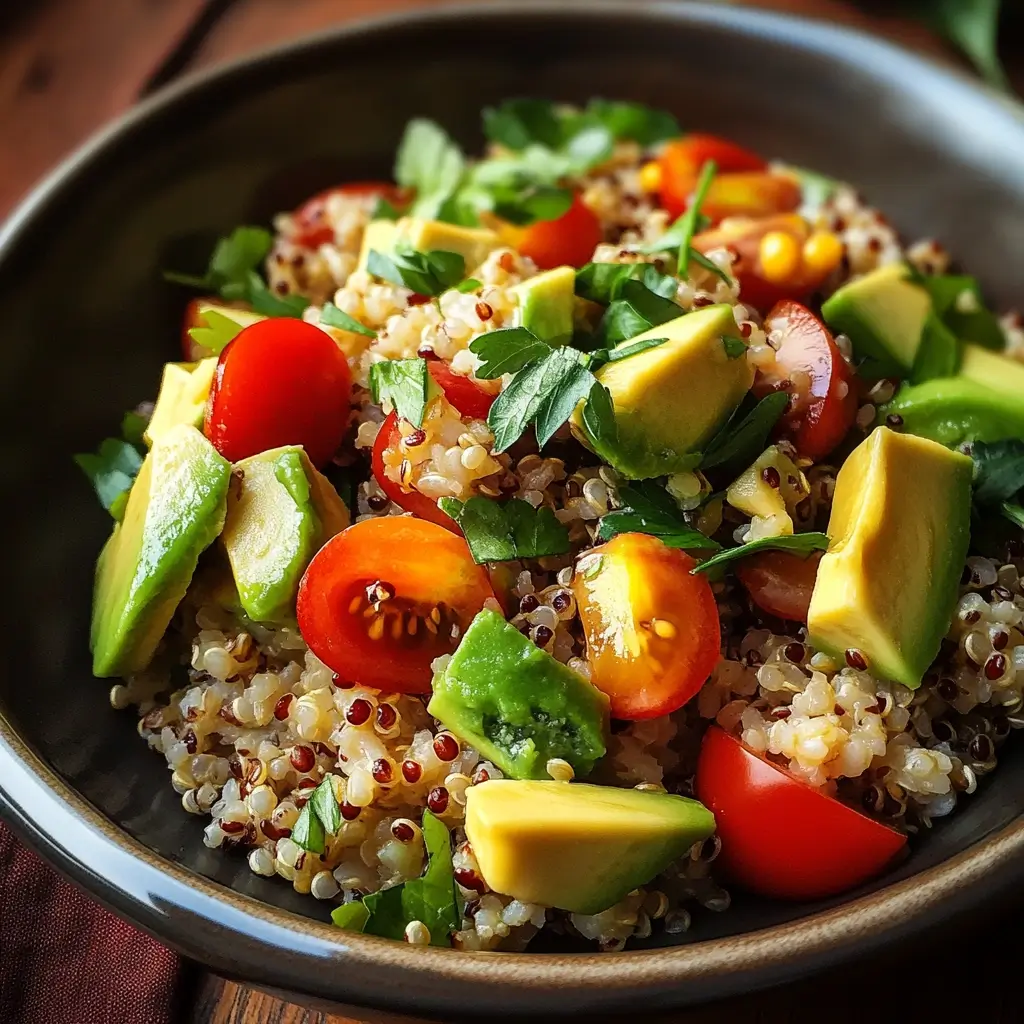
My family is always on the lookout for meals that are both healthy and delicious, and this Quinoa and Brown Rice Salad with Avocado has become a true staple in our kitchen. It’s one of those recipes that just clicks – the textures are fantastic, the flavors are bright and vibrant, and it’s incredibly versatile. From summer barbecues to quick weeknight dinners, this salad has proven to be a crowd-pleaser every time. Even my kids, who can be picky eaters, happily devour this, especially when I let them help with tossing in their favorite veggies. What I love most is how customizable it is; you can easily adapt it to whatever vegetables you have on hand, and the creamy avocado just ties everything together beautifully. If you’re searching for a nutritious, flavorful, and easy-to-make salad that’s perfect for any occasion, look no further. This Quinoa and Brown Rice Salad with Avocado is a winner!
Ingredients
To create this vibrant and wholesome salad, you’ll need a selection of fresh and flavorful ingredients. The combination of quinoa and brown rice provides a hearty base, while the avocado lends a creamy richness. Fresh vegetables add crunch and vitamins, and a zesty dressing brings everything to life. Let’s break down each component in detail to ensure you have everything you need to create the perfect Quinoa and Brown Rice Salad with Avocado.
For the Grains:
- 1 cup Quinoa: Quinoa is a nutritional powerhouse, often referred to as a superfood. It’s a complete protein, meaning it contains all nine essential amino acids, making it an excellent choice for vegetarians and vegans. Beyond protein, quinoa is rich in fiber, iron, magnesium, and antioxidants. For this salad, white quinoa is commonly used for its mild flavor and fluffy texture, but you can also experiment with red or black quinoa for a slightly nuttier taste and more vibrant color. Ensure you rinse the quinoa thoroughly before cooking to remove any saponins, which can give it a bitter taste.
- ½ cup Brown Rice: Brown rice is another whole grain that adds a wonderful chewy texture and nutty flavor to the salad. Unlike white rice, brown rice retains its bran and germ layers, making it significantly higher in fiber, magnesium, selenium, and manganese. Choosing brown rice over white rice boosts the nutritional value of the salad and provides sustained energy release due to its complex carbohydrates. Long-grain brown rice is a good choice for this salad as it cooks up fluffy and separate, but you can also use short-grain brown rice if you prefer a slightly stickier texture.
For the Vegetables:
- 1 large Avocado, diced: Avocado is the star of this salad, providing creamy texture and healthy fats. Avocados are rich in monounsaturated fats, which are beneficial for heart health. They are also packed with vitamins K, C, E, and B vitamins, as well as potassium and fiber. Choose a ripe but firm avocado for dicing – it should yield slightly to gentle pressure but not be mushy. Hass avocados are a popular choice due to their creamy texture and rich flavor. To prevent browning, toss the diced avocado with a little lemon or lime juice immediately after cutting.
- 1 Cucumber, diced: Cucumber adds a refreshing coolness and crispness to the salad. It is primarily composed of water, making it very hydrating and low in calories. Cucumbers are also a good source of vitamin K and antioxidants. English cucumbers or Persian cucumbers are excellent choices because they have fewer seeds and thinner skin, but any type of cucumber will work. Peeling the cucumber is optional; leaving the skin on adds extra fiber and nutrients.
- 1 cup Cherry Tomatoes or Grape Tomatoes, halved: Tomatoes bring a burst of juicy sweetness and vibrant color to the salad. They are rich in lycopene, a powerful antioxidant linked to various health benefits. Cherry tomatoes and grape tomatoes are particularly convenient as they are small and require minimal chopping. Choose ripe, firm tomatoes for the best flavor and texture.
- ½ Red Onion, finely diced: Red onion adds a sharp, pungent flavor that balances the other ingredients. Red onions contain antioxidants and sulfur compounds that may have health benefits. If you find the raw onion flavor too strong, you can soak the diced red onion in cold water for 10-15 minutes to mellow its intensity before adding it to the salad.
- 1 Bell Pepper (any color), diced: Bell peppers contribute a sweet, slightly tangy flavor and a satisfying crunch. They are an excellent source of vitamin C and antioxidants. You can use any color bell pepper – red, yellow, orange, or green – depending on your preference and what you have available. Each color offers slightly different nutritional profiles, with red bell peppers generally being the highest in vitamin C and antioxidants.
- Optional Vegetables: Feel free to get creative and add other vegetables to your salad based on your preferences and what’s in season. Some great additions include:
- Corn kernels (fresh or grilled): Adds sweetness and a juicy pop.
- Black beans or chickpeas: Boosts protein and fiber content.
- Carrots, shredded or diced: Adds sweetness and crunch.
- Zucchini or yellow squash, diced and grilled or raw: Adds a mild flavor and texture.
- Spinach or arugula, chopped: Adds leafy greens and extra nutrients.
For the Dressing:
- ¼ cup Extra Virgin Olive Oil: Extra virgin olive oil is the base of the dressing and provides healthy monounsaturated fats and a rich, fruity flavor. It’s important to use high-quality extra virgin olive oil for the best taste and health benefits.
- ¼ cup Fresh Lemon Juice: Fresh lemon juice brightens the salad with its tangy citrus flavor and helps to balance the richness of the avocado and olive oil. It also prevents the avocado from browning and adds vitamin C. Freshly squeezed lemon juice is always preferable to bottled juice for its superior flavor.
- 2 tablespoons Fresh Herbs, chopped (Parsley, Cilantro, or a mix): Fresh herbs are essential for adding aromatic freshness and flavor to the dressing. Parsley and cilantro are classic choices that complement the other ingredients beautifully. You can use either one or a combination of both. Other herbs like mint, dill, or basil can also be used for different flavor profiles.
- 1 clove Garlic, minced (optional): Garlic adds a pungent, savory note to the dressing. If you enjoy garlic flavor, minced garlic is a great addition. If you prefer a milder flavor, you can omit it or use a small amount of garlic powder.
- Salt and Freshly Ground Black Pepper, to taste: Salt and pepper are crucial for seasoning the dressing and bringing out the flavors of all the ingredients. Use sea salt or kosher salt for the best flavor, and freshly ground black pepper for a more aromatic taste. Adjust the amount of salt and pepper to your liking.
Instructions
Creating this Quinoa and Brown Rice Salad with Avocado is straightforward and involves cooking the grains, preparing the vegetables, making the dressing, and then combining everything together. Follow these step-by-step instructions for a perfectly delicious and satisfying salad.
Step 1: Cook the Quinoa
- Rinse the quinoa: Place 1 cup of quinoa in a fine-mesh sieve and rinse it thoroughly under cold running water for about 1-2 minutes. This step is crucial to remove saponins, natural compounds that can give quinoa a bitter taste. Rinsing ensures a cleaner, more pleasant flavor.
- Combine quinoa and water: In a medium saucepan, combine the rinsed quinoa with 2 cups of water or vegetable broth. Using broth instead of water will add a richer flavor to the quinoa.
- Bring to a boil and simmer: Bring the mixture to a boil over medium-high heat. Once boiling, reduce the heat to low, cover the saucepan, and simmer for 15-20 minutes, or until all the liquid is absorbed and the quinoa is cooked through. The quinoa is done when it becomes translucent and the germ ring (a small white ring around the grain) is visible.
- Fluff and cool: Remove the saucepan from the heat and let it stand, covered, for 5 minutes. Then, fluff the quinoa with a fork. Spread the cooked quinoa out on a large plate or baking sheet to cool completely. This will prevent it from becoming mushy in the salad. Cooling the quinoa separately ensures the salad maintains a fresh and vibrant texture.
Step 2: Cook the Brown Rice
- Rinse the brown rice (optional): While rinsing brown rice isn’t as crucial as rinsing quinoa, you can rinse ½ cup of brown rice in a fine-mesh sieve under cold water for a minute or two if you prefer.
- Combine brown rice and water: In a separate medium saucepan, combine the brown rice with 1 cup of water or vegetable broth. The water-to-rice ratio for brown rice is typically 2:1, but for this salad, slightly less water can result in grains that are a bit firmer and less likely to become mushy.
- Bring to a boil and simmer: Bring the mixture to a boil over medium-high heat. Once boiling, reduce the heat to low, cover the saucepan tightly, and simmer for 40-50 minutes, or until all the liquid is absorbed and the brown rice is tender. Brown rice takes longer to cook than quinoa because of its bran layer.
- Fluff and cool: Remove the saucepan from the heat and let it stand, covered, for 10 minutes. Fluff the brown rice with a fork. Spread the cooked brown rice out on a plate or baking sheet to cool completely. Cooling the brown rice separately, just like the quinoa, is essential for maintaining the salad’s texture and preventing it from becoming soggy.
Step 3: Prepare the Vegetables
- Dice the avocado: Cut the avocado in half, remove the pit, and scoop out the flesh. Dice the avocado into ½-inch cubes. Immediately toss the diced avocado with a tablespoon of lemon or lime juice to prevent browning. Set aside.
- Dice the cucumber: Wash the cucumber and dice it into ½-inch cubes. You can peel the cucumber if you prefer, but leaving the skin on adds more nutrients and fiber.
- Halve the tomatoes: Wash the cherry or grape tomatoes and halve them lengthwise.
- Finely dice the red onion: Peel and finely dice the red onion. If you want to mellow the flavor, soak the diced onion in cold water for 10-15 minutes, then drain well.
- Dice the bell pepper: Wash the bell pepper, remove the seeds and membranes, and dice it into ½-inch pieces.
- Chop fresh herbs: Finely chop the fresh parsley and/or cilantro. Measure out 2 tablespoons of chopped herbs.
- Mince garlic (optional): If using garlic, peel and mince one clove of garlic.
Step 4: Make the Dressing
- Combine dressing ingredients: In a small bowl or jar, whisk together the extra virgin olive oil, fresh lemon juice, chopped fresh herbs (parsley and/or cilantro), minced garlic (if using), salt, and freshly ground black pepper.
- Whisk or shake well: Whisk the dressing vigorously until it is emulsified and well combined. If using a jar, seal the lid tightly and shake well.
- Taste and adjust seasoning: Taste the dressing and adjust the seasoning as needed. You may want to add more salt, pepper, or lemon juice depending on your preference.
Step 5: Assemble the Salad
- Combine grains and vegetables: In a large bowl, combine the cooled cooked quinoa and brown rice. Add the diced cucumber, halved tomatoes, diced red onion, and diced bell pepper.
- Add dressing and toss: Pour the prepared dressing over the grain and vegetable mixture. Gently toss everything together until the salad is evenly coated with the dressing.
- Gently fold in avocado: Just before serving, gently fold in the diced avocado. Adding the avocado at the end prevents it from becoming mushy and maintains its beautiful texture.
- Serve immediately or chill: Serve the Quinoa and Brown Rice Salad with Avocado immediately, or chill it in the refrigerator for later. Chilling the salad for about 30 minutes to an hour can allow the flavors to meld together even more.
Nutrition Facts
This Quinoa and Brown Rice Salad with Avocado is not only delicious but also packed with nutrients. The combination of whole grains, healthy fats, and fresh vegetables makes it a balanced and wholesome meal. Here’s an estimated nutritional breakdown per serving (assuming the recipe serves approximately 6 servings):
- Servings: Approximately 6 servings
- Calories per Serving: Approximately 350-400 calories (This can vary slightly depending on the exact quantities of ingredients and dressing used).
Approximate Nutritional Breakdown per Serving:
- Protein: 8-10 grams
- Carbohydrates: 40-45 grams
- Fiber: 8-10 grams
- Fat: 20-25 grams
- Healthy Fats (Monounsaturated & Polyunsaturated): Predominantly from avocado and olive oil.
- Vitamins & Minerals: Excellent source of Vitamin C, Vitamin K, Vitamin E, B Vitamins, Potassium, Magnesium, and Iron.
Key Nutritional Benefits:
- High in Fiber: The quinoa, brown rice, and vegetables provide a significant amount of dietary fiber, which aids in digestion, helps regulate blood sugar levels, and promotes satiety.
- Good Source of Protein: Quinoa is a complete protein, and brown rice also contributes to the protein content, making this salad a good source of plant-based protein.
- Healthy Fats: Avocado and olive oil provide healthy monounsaturated and polyunsaturated fats, which are beneficial for heart health and overall well-being.
- Rich in Antioxidants: The colorful vegetables, especially tomatoes and bell peppers, are rich in antioxidants that help protect the body against cell damage.
- Vitamins and Minerals: This salad is a good source of various vitamins and minerals essential for maintaining good health.
- Vegetarian and Vegan Friendly: This salad is naturally vegetarian and vegan, making it suitable for a wide range of dietary preferences.
- Gluten-Free: Quinoa and brown rice are naturally gluten-free, making this salad a great option for those with gluten sensitivities or celiac disease.
Please note: These nutritional values are estimates and can vary based on specific ingredient brands and portion sizes. For precise nutritional information, you can use a nutrition calculator with the specific brands and quantities of ingredients you use.
Preparation Time
The preparation time for this Quinoa and Brown Rice Salad with Avocado is relatively straightforward and can be broken down into cooking time and active preparation time.
- Cooking Time:
- Quinoa: 20 minutes
- Brown Rice: 45-50 minutes
- Total Cooking Time: Approximately 1 hour – 1 hour 10 minutes
- Active Preparation Time (while grains are cooking):
- Vegetable chopping and dicing: 20-25 minutes
- Dressing preparation: 5 minutes
- Cooling time for grains (passive): 30-45 minutes (can be done while prepping vegetables)
- Total Active Preparation Time: Approximately 25-30 minutes (excluding grain cooling time)
- Overall Total Time (including cooking and active prep): Approximately 1 hour 30 minutes – 1 hour 40 minutes
Tips to Speed Up Preparation:
- Cook grains ahead of time: Cook the quinoa and brown rice in advance, even a day or two ahead, and store them in the refrigerator. This will significantly reduce the preparation time on the day you want to make the salad.
- Pre-chop vegetables: Chop the vegetables in advance and store them separately in airtight containers in the refrigerator. This can save you valuable time during assembly.
- Use pre-cooked grains (if necessary): While freshly cooked grains are ideal, you can use pre-cooked quinoa and brown rice pouches or containers available in many grocery stores to drastically reduce cooking time. However, be mindful of added sodium and ingredients in pre-cooked grains.
- Efficient chopping techniques: Practice efficient knife skills to chop vegetables quickly and uniformly. Using a sharp knife and proper techniques can make a big difference in preparation time.
- Make dressing ahead: The dressing can be made a day or two in advance and stored in the refrigerator. This allows the flavors to meld together even more.
By planning ahead and utilizing these time-saving tips, you can enjoy this delicious and healthy Quinoa and Brown Rice Salad with Avocado even on busy days.
How to Serve
This Quinoa and Brown Rice Salad with Avocado is incredibly versatile and can be served in numerous ways, making it perfect for various occasions and meals. Here are some serving suggestions:
As a Main Course:
- Light Lunch or Dinner: Serve a generous portion of the salad on its own for a satisfying and nutritious light lunch or dinner. The combination of grains, vegetables, and avocado provides enough substance to be a complete meal.
- With Added Protein: To make it a more substantial main course, add grilled or roasted protein:
- Grilled Chicken or Fish: Top the salad with grilled chicken breast, salmon, tuna, or shrimp for a protein boost.
- Tofu or Tempeh: For a vegetarian or vegan protein option, add grilled or pan-fried tofu or tempeh cubes.
- Legumes: Mix in chickpeas, black beans, or lentils for added protein and fiber.
- Hard-boiled Eggs: Sliced hard-boiled eggs can be added for a simple protein boost.
- Stuffed Avocado: Halve avocados, remove the pits, and fill the cavities with the Quinoa and Brown Rice Salad for an elegant and visually appealing presentation.
As a Side Dish:
- Barbecues and Cookouts: This salad is a fantastic side dish for barbecues and cookouts. It pairs well with grilled burgers, sausages, chicken, or vegetables. Its vibrant flavors and refreshing nature make it a welcome addition to outdoor meals.
- Potlucks and Picnics: Its portability and ability to be served chilled make it ideal for potlucks and picnics. It travels well and holds up nicely even at room temperature for a while.
- Alongside Soups or Sandwiches: Serve a smaller portion of the salad as a side to complement soups, sandwiches, or wraps for a balanced and more complete meal.
- With Roasted Vegetables: Pair it with roasted vegetables like broccoli, sweet potatoes, or Brussels sprouts for a hearty and nutritious vegetarian meal.
Serving Temperature & Garnishes:
- Chilled or Room Temperature: This salad is delicious served chilled or at room temperature. Chilling it can enhance the refreshing flavors, especially on a warm day.
- Fresh Herbs for Garnish: Garnish with extra fresh herbs like parsley, cilantro, or mint just before serving for added freshness and visual appeal.
- Toasted Nuts or Seeds: Sprinkle toasted nuts or seeds like pine nuts, almonds, pumpkin seeds, or sunflower seeds on top for added crunch and healthy fats.
- Crumbled Feta Cheese (optional): For a non-vegan option, a sprinkle of crumbled feta cheese can add a salty and tangy dimension to the salad.
- A Drizzle of Extra Dressing: If you prefer a wetter salad, serve with a small bowl of extra dressing on the side for guests to add more as desired.
Meal Prep & Storage:
- Make Ahead: This salad is excellent for meal prepping. You can prepare the grains, vegetables, and dressing separately and store them in the refrigerator for up to 3-4 days. Combine them just before serving, adding the avocado last to prevent browning.
- Storage: Store leftover salad in an airtight container in the refrigerator for up to 2-3 days. The avocado may brown slightly over time, but the salad will still be delicious. You can add a squeeze of fresh lemon juice to help slow down browning.
Additional Tips
To elevate your Quinoa and Brown Rice Salad with Avocado and make it truly exceptional, here are five helpful tips:
Tip 1: Roast Some of the Vegetables for Deeper Flavor
While the fresh, crisp vegetables are wonderful in this salad, roasting some of them can add a layer of smoky depth and sweetness that takes the flavor profile to the next level. Consider roasting vegetables like bell peppers, corn kernels (if using fresh corn), or even the red onion before adding them to the salad.
- How to Roast: Toss diced bell peppers or corn kernels with a little olive oil, salt, and pepper. Spread them in a single layer on a baking sheet and roast at 400°F (200°C) for 15-20 minutes, or until tender and slightly charred. Let them cool completely before adding them to the salad.
- Flavor Boost: Roasting brings out the natural sugars in the vegetables, resulting in a sweeter and more caramelized flavor that complements the freshness of the other ingredients.
Tip 2: Enhance the Protein with Toasted Nuts and Seeds
To not only boost the protein content but also add a delightful textural contrast and nutty flavor, incorporate toasted nuts and seeds into your salad.
- Toasting Nuts and Seeds: Toast your favorite nuts and seeds like almonds, walnuts, pecans, pine nuts, pumpkin seeds, or sunflower seeds in a dry skillet over medium heat for 3-5 minutes, stirring frequently, until they become fragrant and lightly golden. Be careful not to burn them. Alternatively, you can toast them in the oven at 350°F (175°C) for 8-10 minutes.
- Adding to the Salad: Sprinkle the toasted nuts and seeds over the salad just before serving to maintain their crunch. They add a satisfying bite and healthy fats, further enhancing the nutritional value.
Tip 3: Experiment with Different Dressing Variations
The lemon-herb dressing is a classic choice, but don’t be afraid to experiment with different dressings to create exciting flavor variations.
- Lime-Cilantro Dressing: Substitute lime juice for lemon juice and increase the amount of cilantro for a zesty, Southwestern-inspired dressing. Add a pinch of cumin or chili powder for extra warmth.
- Balsamic Vinaigrette: Replace lemon juice with balsamic vinegar and add a touch of Dijon mustard and honey or maple syrup for a tangy-sweet balsamic vinaigrette.
- Tahini Dressing: For a creamy and nutty dressing, whisk together tahini, lemon juice, water, minced garlic, and a pinch of salt. This adds a Middle Eastern-inspired twist.
- Ginger-Sesame Dressing: Combine rice vinegar, soy sauce (or tamari for gluten-free), sesame oil, grated ginger, and a touch of honey or maple syrup for an Asian-inspired dressing.
Tip 4: Incorporate Different Herbs and Spices for Unique Flavors
While parsley and cilantro are common choices, exploring different herbs and spices can transform the flavor profile of your salad.
- Mediterranean Herbs: Use fresh mint, dill, or oregano for a Mediterranean twist. Add a pinch of dried oregano or za’atar spice blend to the dressing.
- Spicy Kick: Add a pinch of red pepper flakes or a finely diced jalapeño to the dressing or salad for a touch of heat.
- Warm Spices: Incorporate warm spices like cumin, coriander, or smoked paprika for a more complex and earthy flavor. Add these spices to the dressing or sprinkle them over the vegetables before roasting.
- Fresh Basil: In summer, fresh basil is a fantastic addition, especially when paired with tomatoes and a balsamic-based dressing.
Tip 5: Make it a Make-Ahead Salad (with a slight adjustment)
This salad is great for meal prep, but to ensure it stays fresh and vibrant when made ahead, consider these adjustments:
- Hold off on Avocado: Avocado is best added just before serving to prevent browning. Prepare the salad without avocado and store it in the refrigerator. Dice and add the avocado right before you’re ready to eat.
- Dress Lightly: Dress the salad lightly when making it ahead, and keep extra dressing on the side. This prevents the vegetables from becoming soggy. You can add more dressing just before serving to freshen it up.
- Store Components Separately (optional): For maximum freshness, store the cooked grains, chopped vegetables (except avocado), and dressing separately in airtight containers in the refrigerator. Combine them just before serving. This is especially helpful if you are preparing the salad a day or two in advance.
- Refresh Before Serving: If the salad has been chilled for a while, give it a gentle toss and add a squeeze of fresh lemon or lime juice and a drizzle of olive oil to refresh the flavors before serving.
FAQ Section
Here are some frequently asked questions about Quinoa and Brown Rice Salad with Avocado to help you make it perfectly every time:
Q1: Can I make this salad ahead of time?
A: Yes, absolutely! This salad is excellent for making ahead of time, which is one of its great advantages. However, for the best texture and flavor, it’s recommended to make certain components ahead and assemble just before serving, or with slight adjustments.
- Cook Grains Ahead: Cook the quinoa and brown rice up to 2-3 days in advance and store them in airtight containers in the refrigerator.
- Chop Vegetables Ahead: Chop the vegetables (except avocado) 1-2 days in advance and store them separately in airtight containers in the refrigerator.
- Make Dressing Ahead: The dressing can be made up to a week in advance and stored in a jar in the refrigerator.
- Assemble Just Before Serving (or with Avocado Adjustment): Ideally, combine the grains, vegetables, and dressing just before serving. Avocado should always be added right before serving to prevent browning and maintain its creamy texture. If you need to assemble the entire salad a few hours ahead, toss the diced avocado with extra lemon or lime juice and gently fold it in at the very end. Be aware that the avocado may still brown slightly over time.
Q2: Can I substitute ingredients in this salad?
A: Yes, this salad is highly adaptable, and you can easily substitute ingredients based on your preferences, dietary needs, or what you have available.
- Grains: You can substitute brown rice with other grains like farro, bulgur, or couscous. For quinoa, you can use other types of quinoa (red, black) or even try millet or freekeh.
- Vegetables: Feel free to swap out or add different vegetables. Good substitutes include:
- Greens: Spinach, arugula, kale, or mixed greens.
- Other Vegetables: Roasted sweet potatoes, carrots, zucchini, corn, or beets.
- Legumes: Chickpeas, black beans, cannellini beans, or lentils.
- Herbs: If you don’t have parsley or cilantro, try using mint, dill, basil, or chives.
- Dressing: You can use different types of vinegar instead of lemon juice, such as apple cider vinegar, red wine vinegar, or balsamic vinegar. You can also experiment with different oils, like avocado oil or walnut oil. For creamy dressings, consider tahini or yogurt-based dressings.
Q3: Is this salad vegan and gluten-free?
A: Yes, this Quinoa and Brown Rice Salad with Avocado is naturally vegan and gluten-free, making it suitable for a wide range of dietary needs.
- Vegan: All the ingredients in the basic recipe – quinoa, brown rice, avocado, vegetables, olive oil, lemon juice, herbs, garlic, salt, and pepper – are plant-based, making it a vegan-friendly dish.
- Gluten-Free: Quinoa and brown rice are naturally gluten-free grains. All the other ingredients are also gluten-free. Ensure that any additional ingredients or substitutions you make are also gluten-free if that is a dietary requirement.
Q4: How can I make this salad more filling?
A: If you want to make this salad even more filling and substantial, here are several ways to do it:
- Add More Protein:
- Legumes: Incorporate chickpeas, black beans, lentils, or edamame to boost the protein and fiber content.
- Tofu or Tempeh: Add grilled, baked, or pan-fried tofu or tempeh cubes.
- Nuts and Seeds: Include toasted nuts and seeds like almonds, walnuts, or pumpkin seeds for added protein and healthy fats.
- Cooked Chicken, Fish, or Eggs: For non-vegetarian options, add grilled chicken, fish, or hard-boiled eggs.
- Increase Grain Portion: Simply use a larger quantity of quinoa and brown rice in the salad base.
- Add Hearty Vegetables: Include more substantial vegetables like roasted sweet potatoes, butternut squash, or beets.
- Incorporate Healthy Fats: Ensure you are using a good amount of avocado and olive oil in the dressing, as healthy fats contribute to satiety. You can also add other healthy fat sources like olives or nuts.
Q5: What are the best ways to store leftover salad?
A: To store leftover Quinoa and Brown Rice Salad with Avocado properly and maintain its freshness, follow these tips:
- Airtight Container: Transfer the leftover salad to an airtight container as soon as possible after serving. This will prevent it from drying out and absorbing odors from the refrigerator.
- Refrigerate Promptly: Store the salad in the refrigerator at 40°F (4°C) or below within 2 hours of serving.
- Store Separately (if possible): If you know you will have leftovers, consider setting aside some undressed salad and undiced avocado before serving. Store these components separately and combine them fresh when you’re ready to eat the leftovers.
- Avocado Browning: Be aware that the avocado may brown slightly over time, even with lemon juice. While still safe to eat, the texture and appearance might be slightly affected. You can try to minimize browning by pressing plastic wrap directly onto the surface of the salad in the container before sealing it.
- Consume Within 2-3 Days: Leftover salad is best consumed within 2-3 days for optimal taste and texture. While it may still be safe to eat after this time, the quality may start to decline.
Enjoy making and savoring this delicious and versatile Quinoa and Brown Rice Salad with Avocado!
Print
Quinoa and Brown Rice Salad with Avocado Recipe
Ingredients
For the Grains:
- 1 cup Quinoa: Quinoa is a nutritional powerhouse, often referred to as a superfood. It’s a complete protein, meaning it contains all nine essential amino acids, making it an excellent choice for vegetarians and vegans. Beyond protein, quinoa is rich in fiber, iron, magnesium, and antioxidants. For this salad, white quinoa is commonly used for its mild flavor and fluffy texture, but you can also experiment with red or black quinoa for a slightly nuttier taste and more vibrant color. Ensure you rinse the quinoa thoroughly before cooking to remove any saponins, which can give it a bitter taste.
- ½ cup Brown Rice: Brown rice is another whole grain that adds a wonderful chewy texture and nutty flavor to the salad. Unlike white rice, brown rice retains its bran and germ layers, making it significantly higher in fiber, magnesium, selenium, and manganese. Choosing brown rice over white rice boosts the nutritional value of the salad and provides sustained energy release due to its complex carbohydrates. Long-grain brown rice is a good choice for this salad as it cooks up fluffy and separate, but you can also use short-grain brown rice if you prefer a slightly stickier texture.
For the Vegetables:
- 1 large Avocado, diced: Avocado is the star of this salad, providing creamy texture and healthy fats. Avocados are rich in monounsaturated fats, which are beneficial for heart health. They are also packed with vitamins K, C, E, and B vitamins, as well as potassium and fiber. Choose a ripe but firm avocado for dicing – it should yield slightly to gentle pressure but not be mushy. Hass avocados are a popular choice due to their creamy texture and rich flavor. To prevent browning, toss the diced avocado with a little lemon or lime juice immediately after cutting.
- 1 Cucumber, diced: Cucumber adds a refreshing coolness and crispness to the salad. It is primarily composed of water, making it very hydrating and low in calories. Cucumbers are also a good source of vitamin K and antioxidants. English cucumbers or Persian cucumbers are excellent choices because they have fewer seeds and thinner skin, but any type of cucumber will work. Peeling the cucumber is optional; leaving the skin on adds extra fiber and nutrients.
- 1 cup Cherry Tomatoes or Grape Tomatoes, halved: Tomatoes bring a burst of juicy sweetness and vibrant color to the salad. They are rich in lycopene, a powerful antioxidant linked to various health benefits. Cherry tomatoes and grape tomatoes are particularly convenient as they are small and require minimal chopping. Choose ripe, firm tomatoes for the best flavor and texture.
- ½ Red Onion, finely diced: Red onion adds a sharp, pungent flavor that balances the other ingredients. Red onions contain antioxidants and sulfur compounds that may have health benefits. If you find the raw onion flavor too strong, you can soak the diced red onion in cold water for 10–15 minutes to mellow its intensity before adding it to the salad.
- 1 Bell Pepper (any color), diced: Bell peppers contribute a sweet, slightly tangy flavor and a satisfying crunch. They are an excellent source of vitamin C and antioxidants. You can use any color bell pepper – red, yellow, orange, or green – depending on your preference and what you have available. Each color offers slightly different nutritional profiles, with red bell peppers generally being the highest in vitamin C and antioxidants.
- Optional Vegetables: Feel free to get creative and add other vegetables to your salad based on your preferences and what’s in season. Some great additions include:
- Corn kernels (fresh or grilled): Adds sweetness and a juicy pop.
- Black beans or chickpeas: Boosts protein and fiber content.
- Carrots, shredded or diced: Adds sweetness and crunch.
- Zucchini or yellow squash, diced and grilled or raw: Adds a mild flavor and texture.
- Spinach or arugula, chopped: Adds leafy greens and extra nutrients.
For the Dressing:
- ¼ cup Extra Virgin Olive Oil: Extra virgin olive oil is the base of the dressing and provides healthy monounsaturated fats and a rich, fruity flavor. It’s important to use high-quality extra virgin olive oil for the best taste and health benefits.
- ¼ cup Fresh Lemon Juice: Fresh lemon juice brightens the salad with its tangy citrus flavor and helps to balance the richness of the avocado and olive oil. It also prevents the avocado from browning and adds vitamin C. Freshly squeezed lemon juice is always preferable to bottled juice for its superior flavor.
- 2 tablespoons Fresh Herbs, chopped (Parsley, Cilantro, or a mix): Fresh herbs are essential for adding aromatic freshness and flavor to the dressing. Parsley and cilantro are classic choices that complement the other ingredients beautifully. You can use either one or a combination of both. Other herbs like mint, dill, or basil can also be used for different flavor profiles.
- 1 clove Garlic, minced (optional): Garlic adds a pungent, savory note to the dressing. If you enjoy garlic flavor, minced garlic is a great addition. If you prefer a milder flavor, you can omit it or use a small amount of garlic powder.
- Salt and Freshly Ground Black Pepper, to taste: Salt and pepper are crucial for seasoning the dressing and bringing out the flavors of all the ingredients. Use sea salt or kosher salt for the best flavor, and freshly ground black pepper for a more aromatic taste. Adjust the amount of salt and pepper to your liking.
Instructions
Step 1: Cook the Quinoa
- Rinse the quinoa: Place 1 cup of quinoa in a fine-mesh sieve and rinse it thoroughly under cold running water for about 1-2 minutes. This step is crucial to remove saponins, natural compounds that can give quinoa a bitter taste. Rinsing ensures a cleaner, more pleasant flavor.
- Combine quinoa and water: In a medium saucepan, combine the rinsed quinoa with 2 cups of water or vegetable broth. Using broth instead of water will add a richer flavor to the quinoa.
- Bring to a boil and simmer: Bring the mixture to a boil over medium-high heat. Once boiling, reduce the heat to low, cover the saucepan, and simmer for 15-20 minutes, or until all the liquid is absorbed and the quinoa is cooked through. The quinoa is done when it becomes translucent and the germ ring (a small white ring around the grain) is visible.
- Fluff and cool: Remove the saucepan from the heat and let it stand, covered, for 5 minutes. Then, fluff the quinoa with a fork. Spread the cooked quinoa out on a large plate or baking sheet to cool completely. This will prevent it from becoming mushy in the salad. Cooling the quinoa separately ensures the salad maintains a fresh and vibrant texture.
Step 2: Cook the Brown Rice
- Rinse the brown rice (optional): While rinsing brown rice isn’t as crucial as rinsing quinoa, you can rinse ½ cup of brown rice in a fine-mesh sieve under cold water for a minute or two if you prefer.
- Combine brown rice and water: In a separate medium saucepan, combine the brown rice with 1 cup of water or vegetable broth. The water-to-rice ratio for brown rice is typically 2:1, but for this salad, slightly less water can result in grains that are a bit firmer and less likely to become mushy.
- Bring to a boil and simmer: Bring the mixture to a boil over medium-high heat. Once boiling, reduce the heat to low, cover the saucepan tightly, and simmer for 40-50 minutes, or until all the liquid is absorbed and the brown rice is tender. Brown rice takes longer to cook than quinoa because of its bran layer.
- Fluff and cool: Remove the saucepan from the heat and let it stand, covered, for 10 minutes. Fluff the brown rice with a fork. Spread the cooked brown rice out on a plate or baking sheet to cool completely. Cooling the brown rice separately, just like the quinoa, is essential for maintaining the salad’s texture and preventing it from becoming soggy.
Step 3: Prepare the Vegetables
- Dice the avocado: Cut the avocado in half, remove the pit, and scoop out the flesh. Dice the avocado into ½-inch cubes. Immediately toss the diced avocado with a tablespoon of lemon or lime juice to prevent browning. Set aside.
- Dice the cucumber: Wash the cucumber and dice it into ½-inch cubes. You can peel the cucumber if you prefer, but leaving the skin on adds more nutrients and fiber.
- Halve the tomatoes: Wash the cherry or grape tomatoes and halve them lengthwise.
- Finely dice the red onion: Peel and finely dice the red onion. If you want to mellow the flavor, soak the diced onion in cold water for 10-15 minutes, then drain well.
- Dice the bell pepper: Wash the bell pepper, remove the seeds and membranes, and dice it into ½-inch pieces.
- Chop fresh herbs: Finely chop the fresh parsley and/or cilantro. Measure out 2 tablespoons of chopped herbs.
- Mince garlic (optional): If using garlic, peel and mince one clove of garlic.
Step 4: Make the Dressing
- Combine dressing ingredients: In a small bowl or jar, whisk together the extra virgin olive oil, fresh lemon juice, chopped fresh herbs (parsley and/or cilantro), minced garlic (if using), salt, and freshly ground black pepper.
- Whisk or shake well: Whisk the dressing vigorously until it is emulsified and well combined. If using a jar, seal the lid tightly and shake well.
- Taste and adjust seasoning: Taste the dressing and adjust the seasoning as needed. You may want to add more salt, pepper, or lemon juice depending on your preference.
Step 5: Assemble the Salad
- Combine grains and vegetables: In a large bowl, combine the cooled cooked quinoa and brown rice. Add the diced cucumber, halved tomatoes, diced red onion, and diced bell pepper.
- Add dressing and toss: Pour the prepared dressing over the grain and vegetable mixture. Gently toss everything together until the salad is evenly coated with the dressing.
- Gently fold in avocado: Just before serving, gently fold in the diced avocado. Adding the avocado at the end prevents it from becoming mushy and maintains its beautiful texture.
- Serve immediately or chill: Serve the Quinoa and Brown Rice Salad with Avocado immediately, or chill it in the refrigerator for later. Chilling the salad for about 30 minutes to an hour can allow the flavors to meld together even more.
Nutrition
- Serving Size: one normal portion
- Calories: 350-400
- Fat: 20-25 grams
- Carbohydrates: 40-45 grams
- Fiber: 8-10 grams
- Protein: 8-10 grams