
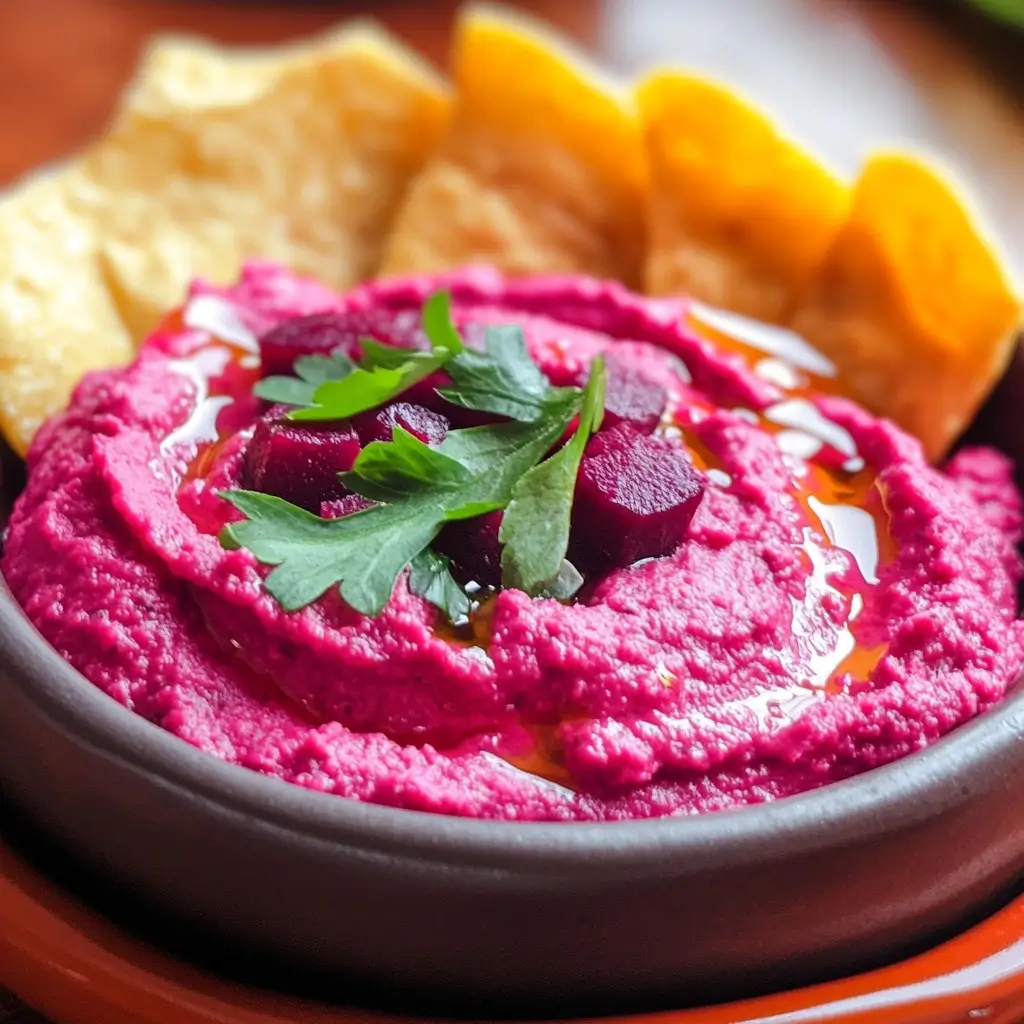

My family, always adventurous eaters, has become quite accustomed to my kitchen experiments. But when I first unveiled a bowl of vibrant, rosy-hued hummus, even their eyes widened in surprise. Beet hummus, I announced, with a flourish. The initial hesitation quickly melted away with the first dip of a pita chip. The earthy sweetness of beets, perfectly balanced with the creamy, nutty base of traditional hummus, was an instant hit. It’s become a staple in our house – a go-to appetizer for gatherings, a healthy snack for after-school cravings, and even a vibrant spread for sandwiches and wraps. This beet hummus recipe isn’t just about adding color to your plate; it’s about elevating the humble hummus to a whole new level of flavor and nutrition. Get ready to experience a dip that’s as beautiful as it is delicious!
Ingredients
To create this vibrant and flavorful beet hummus, you’ll need a handful of fresh, wholesome ingredients. Each component plays a crucial role in achieving the perfect balance of textures and tastes. Here’s what you’ll need:
- 1 medium-sized Beetroot (approximately 150-200g): Fresh beetroot is the star of the show, lending its beautiful color, earthy sweetness, and a wealth of nutrients. You can use pre-cooked beets for convenience, but roasting them yourself brings out their natural sugars and intensifies the flavor.
- 1 can (15 ounces or 425g) Chickpeas, drained and rinsed: Chickpeas, also known as garbanzo beans, are the foundation of any good hummus. They provide the creamy texture, nutty flavor, and protein base that makes hummus so satisfying. Be sure to drain and rinse them thoroughly to remove excess sodium and canning liquid.
- 1/4 cup Tahini: Tahini, a paste made from sesame seeds, is essential for authentic hummus flavor. It adds a rich, nutty, and slightly bitter note that complements the sweetness of the beets and the earthiness of the chickpeas. Opt for good quality tahini for the best flavor.
- 2-3 tablespoons Lemon Juice, freshly squeezed: Fresh lemon juice is crucial for brightening the flavors of the hummus and adding a tangy zest that cuts through the richness. Start with 2 tablespoons and add more to taste, depending on your preference for acidity.
- 1-2 cloves Garlic, minced: Garlic provides a pungent and aromatic depth of flavor. Start with one clove and add another if you prefer a stronger garlic taste. Freshly minced garlic is always recommended for the best flavor.
- 2-4 tablespoons Olive Oil, extra virgin, plus extra for drizzling: Olive oil adds richness, smoothness, and a fruity aroma to the hummus. Use good quality extra virgin olive oil for the best flavor and nutritional benefits. You’ll use it in the hummus itself and for drizzling on top.
- 1/4 teaspoon Cumin, ground: Cumin adds a warm, earthy, and slightly smoky note that enhances the overall flavor profile of the hummus, complementing both the beets and the chickpeas.
- Salt, to taste: Salt is essential for bringing all the flavors together and enhancing the overall taste of the hummus. Start with a pinch and add more to taste, remembering that saltiness can be adjusted at the end.
- Optional Garnishes: To elevate the presentation and flavor, consider garnishes such as:
- Fresh parsley, chopped
- Toasted sesame seeds
- A drizzle of olive oil
- A sprinkle of paprika or sumac
- Crumbled feta cheese (for non-vegan versions)
- Pine nuts or chopped walnuts
Instructions
Making beet hummus is surprisingly simple and straightforward. With just a few steps, you can transform these humble ingredients into a vibrant and flavorful dip. Here’s a detailed step-by-step guide to create perfect beet hummus every time:
Step 1: Prepare the Beetroot
- Roasting (Recommended for best flavor): Preheat your oven to 400°F (200°C). Wash the beetroot thoroughly and trim off the leafy tops, leaving about an inch of stem. Wrap the beetroot in aluminum foil or place it in a baking dish with a little water at the bottom and cover tightly with foil. Roast for 45-60 minutes, or until the beetroot is tender when pierced with a fork. Roasting time will depend on the size of your beetroot. Once cooked, let it cool slightly before handling.
- Boiling (Quicker method): Wash the beetroot and place it in a pot of cold water. Bring to a boil and cook for 20-30 minutes, or until tender when pierced with a fork. Drain the beetroot and let it cool slightly.
- Peeling the Beetroot: Once the beetroot is cool enough to handle, peel off the skin. Roasted beetroot skin should slip off easily. Boiled beetroot skin may require a bit more effort. Cut the peeled beetroot into chunks.
Step 2: Combine Ingredients in a Food Processor
- In the bowl of a food processor, add the drained and rinsed chickpeas, tahini, lemon juice, minced garlic, ground cumin, and salt.
- Process for about 1-2 minutes, scraping down the sides of the bowl as needed, until the mixture is smooth and creamy. This step is crucial for breaking down the chickpeas and tahini and creating a smooth base for the hummus.
Step 3: Add Beetroot and Olive Oil
- Add the cooked beetroot chunks to the food processor bowl.
- With the food processor running, slowly drizzle in 2-4 tablespoons of olive oil through the feed tube. Continue processing until the hummus is completely smooth, creamy, and vibrant pink in color.
- The amount of olive oil you add will determine the final consistency of the hummus. For a thicker hummus, use less oil; for a smoother, creamier hummus, use more.
Step 4: Taste and Adjust Seasoning
- Taste the beet hummus and adjust the seasoning to your liking. You may need to add more lemon juice for tanginess, salt for flavor, or even a little more tahini for nuttiness.
- Process again briefly to incorporate any added seasonings.
Step 5: Serve and Garnish
- Transfer the beet hummus to a serving bowl.
- Drizzle with a little extra virgin olive oil.
- Garnish with your choice of toppings, such as chopped fresh parsley, toasted sesame seeds, paprika, sumac, or crumbled feta cheese (if not vegan).
- Serve immediately or chill in the refrigerator for later. Chilling allows the flavors to meld together even further.
Nutrition Facts
Beet hummus is not only delicious but also packed with nutrients, making it a healthy and guilt-free snack or appetizer. Here’s an approximate nutritional breakdown per serving:
- Servings: Approximately 12 servings (based on 2 tablespoons per serving)
- Calories per serving: Approximately 80-100 calories (This can vary depending on the amount of olive oil used and serving size)
Approximate Nutritional Values per Serving (estimated):
- Protein: 2-3 grams
- Fat: 5-7 grams (primarily healthy fats from olive oil and tahini)
- Saturated Fat: <1 gram
- Cholesterol: 0 mg
- Sodium: Varies depending on canned chickpeas and added salt (aim for lower sodium by using low-sodium chickpeas and controlling added salt)
- Carbohydrates: 6-8 grams
- Fiber: 2-3 grams
- Sugar: 1-2 grams (naturally occurring sugars from beets and chickpeas)
Key Nutritional Benefits:
- Rich in Antioxidants: Beetroot is a powerhouse of antioxidants, particularly betalains, which give it its vibrant color and help protect cells from damage.
- Good Source of Fiber: Chickpeas and beetroot are both excellent sources of dietary fiber, which aids digestion, promotes satiety, and helps regulate blood sugar levels.
- Healthy Fats: Tahini and olive oil provide healthy monounsaturated and polyunsaturated fats, which are beneficial for heart health.
- Plant-Based Protein: Chickpeas are a good source of plant-based protein, making beet hummus a satisfying and nutritious snack for vegetarians and vegans.
- Vitamins and Minerals: Beetroot is a good source of folate, potassium, manganese, and vitamin C. Chickpeas provide iron, magnesium, and phosphorus.
- Lower in Calories than Many Dips: Compared to creamy dips like ranch or cheese dips, beet hummus is relatively lower in calories and fat while being more nutrient-dense.
Please note that these are approximate values and can vary based on specific ingredients and serving sizes. For precise nutritional information, you can use online nutrition calculators with the exact quantities of ingredients you use.
Preparation Time
The preparation time for beet hummus is relatively short, especially if you use pre-cooked beets. Here’s a breakdown:
- Prep Time:
- If roasting beets: 10-15 minutes (for washing, trimming, and wrapping/preparing beets for roasting)
- If using pre-cooked beets: 5 minutes (for gathering ingredients and prepping garlic/lemon)
- Cook Time:
- If roasting beets: 45-60 minutes (oven time)
- If boiling beets: 20-30 minutes (boiling time)
- If using pre-cooked beets: 0 minutes
- Processing Time: 5-10 minutes (food processor time)
- Total Time (using roasted beets): Approximately 1 hour – 1 hour 25 minutes
- Total Time (using boiled beets): Approximately 30-45 minutes
- Total Time (using pre-cooked beets): Approximately 10-15 minutes
Beet hummus is a fantastic make-ahead dish. You can roast or boil the beets in advance and store them in the refrigerator for up to 3 days. The hummus itself can also be made ahead and stored in the refrigerator for 3-4 days, making it perfect for meal prepping or entertaining.
How to Serve Beet Hummus
Beet hummus is incredibly versatile and can be served in a multitude of ways. Its vibrant color and delicious flavor make it a delightful addition to any meal or snack. Here are some creative and delicious ways to serve beet hummus:
- Classic Dip with Vegetables:
- Serve with a colorful platter of fresh vegetables for dipping. Excellent choices include:
- Carrot sticks
- Celery sticks
- Cucumber slices
- Bell pepper strips (red, yellow, orange)
- Cherry tomatoes
- Broccoli florets
- Cauliflower florets
- Radishes
- Snap peas
- Asparagus spears (lightly blanched or raw)
- Serve with a colorful platter of fresh vegetables for dipping. Excellent choices include:
- With Pita Bread and Chips:
- Warm pita bread triangles or wedges are a classic accompaniment to hummus.
- Serve with pita chips, tortilla chips, or even homemade baked chips for a satisfying crunch.
- Consider different types of pita bread, such as whole wheat or flavored pita.
- Spread for Sandwiches and Wraps:
- Use beet hummus as a flavorful and healthy spread in sandwiches and wraps instead of mayonnaise or other condiments.
- It pairs particularly well with:
- Vegetable wraps (with roasted vegetables, greens, sprouts)
- Falafel sandwiches
- Chicken or turkey sandwiches
- Grilled halloumi or feta sandwiches
- Topping for Toast and Crackers:
- Spread beet hummus on toast, crackers, or rice cakes for a quick and nutritious snack or light meal.
- Top with:
- Avocado slices
- Sprinkled feta cheese
- Everything bagel seasoning
- Microgreens
- A drizzle of balsamic glaze
- Part of a Mezze Platter:
- Include beet hummus as a centerpiece on a mezze platter alongside other Mediterranean dips and appetizers such as:
- Traditional hummus
- Baba ghanoush (eggplant dip)
- Tzatziki sauce
- Olives
- Feta cheese
- Dolmades (stuffed grape leaves)
- Roasted red peppers
- Include beet hummus as a centerpiece on a mezze platter alongside other Mediterranean dips and appetizers such as:
- Base for Bowls and Plates:
- Spread a layer of beet hummus at the bottom of bowls or plates and top with:
- Roasted vegetables (sweet potatoes, Brussels sprouts, carrots)
- Grilled chicken or fish
- Quinoa or couscous
- Salad greens
- Toasted nuts and seeds
- Spread a layer of beet hummus at the bottom of bowls or plates and top with:
- Garnish for Soups and Salads:
- Add a dollop of beet hummus to soups or salads for extra flavor and creaminess.
- It complements:
- Vegetable soups
- Lentil soup
- Roasted tomato soup
- Grain salads
- Mediterranean salads
Additional Tips for Perfect Beet Hummus
To ensure your beet hummus is absolutely perfect every time, here are five essential tips to keep in mind:
- Roast Your Beets for the Best Flavor: While boiling or using pre-cooked beets is convenient, roasting brings out the natural sweetness and earthy depth of flavor in beets, resulting in a richer and more complex hummus. Roasting also intensifies the color, giving you a more vibrant pink hue.
- Peel Chickpeas for Extra Smoothness (Optional but Recommended): For incredibly smooth and creamy hummus, take the extra step of peeling the chickpeas. While it might seem tedious, removing the skins makes a noticeable difference in texture. Simply pinch each chickpea to slip off the skin. If you’re short on time, this step can be skipped, but for ultimate smoothness, it’s worth the effort.
- Use Good Quality Tahini: Tahini is a key ingredient in hummus, and the quality of your tahini will significantly impact the final flavor. Opt for tahini that is smooth, creamy, and has a slightly nutty and not overly bitter taste. Stir the tahini well before using, as the sesame solids tend to settle at the bottom of the jar.
- Don’t Skimp on Lemon Juice and Garlic: Lemon juice and garlic are crucial for balancing the sweetness of the beets and adding a zesty and pungent kick to the hummus. Freshly squeezed lemon juice is always preferred over bottled. Start with the recommended amounts in the recipe and adjust to your taste. You can always add more, but you can’t take it away.
- Adjust Consistency with Olive Oil and Water: If your beet hummus is too thick, you can easily adjust the consistency by adding a tablespoon of olive oil or a tablespoon of ice water at a time while processing. Ice water can help create an even smoother and fluffier texture. Process until you reach your desired consistency. Remember that hummus will thicken slightly as it chills.
Frequently Asked Questions (FAQ) about Beet Hummus
Here are five frequently asked questions about making and enjoying beet hummus:
Q1: Can I use pre-cooked beets to make beet hummus?
A: Yes, absolutely! Using pre-cooked beets is a great shortcut and significantly reduces the preparation time. You can find pre-cooked beets in the produce section of most grocery stores, often vacuum-packed or in jars. Just make sure they are plain cooked beets and not pickled or marinated. While roasting fresh beets is recommended for the best flavor, pre-cooked beets are a perfectly acceptable and convenient option for busy days.
Q2: Can I make beet hummus ahead of time?
A: Yes, beet hummus is an excellent make-ahead dish! In fact, the flavors often meld and deepen even more after being refrigerated for a few hours or overnight. Store beet hummus in an airtight container in the refrigerator for up to 3-4 days. Before serving, you may want to stir it and add a drizzle of fresh olive oil to refresh the texture.
Q3: My beet hummus is too thick. How can I thin it out?
A: If your beet hummus is too thick, you can easily thin it out by adding a tablespoon of olive oil or ice water at a time while processing in the food processor. Ice water often works particularly well to create a smoother and fluffier texture. Process until you reach your desired consistency. Be mindful that hummus tends to thicken slightly as it chills, so you might want to err on the side of slightly thinner if you are making it ahead of time.
Q4: Can I freeze beet hummus?
A: While you can technically freeze beet hummus, the texture may change slightly upon thawing. Hummus can become a bit grainier or less smooth after freezing and thawing. If you do choose to freeze it, store it in an airtight container, leaving some headspace for expansion. Thaw in the refrigerator overnight and stir well before serving. You may need to add a little olive oil or lemon juice to restore the desired consistency. For the best texture and flavor, it is generally recommended to enjoy beet hummus fresh or within a few days of making it.
Q5: I don’t have tahini. Can I still make beet hummus?
A: Tahini is a key ingredient in traditional hummus, contributing to its characteristic nutty flavor and creamy texture. While you can technically make beet hummus without tahini, it will lack some of the authentic hummus flavor. If you absolutely cannot use tahini, you could try substituting with another nut butter, such as almond butter or cashew butter, for a slightly different but still creamy and flavorful dip. However, for the most authentic and delicious beet hummus, tahini is highly recommended. You can usually find tahini in the international foods section or health food aisle of most grocery stores.
Print
Beet Hummus Recipe
Ingredients
- 1 medium-sized Beetroot (approximately 150-200g): Fresh beetroot is the star of the show, lending its beautiful color, earthy sweetness, and a wealth of nutrients. You can use pre-cooked beets for convenience, but roasting them yourself brings out their natural sugars and intensifies the flavor.
- 1 can (15 ounces or 425g) Chickpeas, drained and rinsed: Chickpeas, also known as garbanzo beans, are the foundation of any good hummus. They provide the creamy texture, nutty flavor, and protein base that makes hummus so satisfying. Be sure to drain and rinse them thoroughly to remove excess sodium and canning liquid.
- 1/4 cup Tahini: Tahini, a paste made from sesame seeds, is essential for authentic hummus flavor. It adds a rich, nutty, and slightly bitter note that complements the sweetness of the beets and the earthiness of the chickpeas. Opt for good quality tahini for the best flavor.
- 2–3 tablespoons Lemon Juice, freshly squeezed: Fresh lemon juice is crucial for brightening the flavors of the hummus and adding a tangy zest that cuts through the richness. Start with 2 tablespoons and add more to taste, depending on your preference for acidity.
- 1–2 cloves Garlic, minced: Garlic provides a pungent and aromatic depth of flavor. Start with one clove and add another if you prefer a stronger garlic taste. Freshly minced garlic is always recommended for the best flavor.
- 2–4 tablespoons Olive Oil, extra virgin, plus extra for drizzling: Olive oil adds richness, smoothness, and a fruity aroma to the hummus. Use good quality extra virgin olive oil for the best flavor and nutritional benefits. You’ll use it in the hummus itself and for drizzling on top.
- 1/4 teaspoon Cumin, ground: Cumin adds a warm, earthy, and slightly smoky note that enhances the overall flavor profile of the hummus, complementing both the beets and the chickpeas.
- Salt, to taste: Salt is essential for bringing all the flavors together and enhancing the overall taste of the hummus. Start with a pinch and add more to taste, remembering that saltiness can be adjusted at the end.
- Optional Garnishes: To elevate the presentation and flavor, consider garnishes such as:
- Fresh parsley, chopped
- Toasted sesame seeds
- A drizzle of olive oil
- A sprinkle of paprika or sumac
- Crumbled feta cheese (for non-vegan versions)
- Pine nuts or chopped walnuts
Instructions
Step 1: Prepare the Beetroot
- Roasting (Recommended for best flavor): Preheat your oven to 400°F (200°C). Wash the beetroot thoroughly and trim off the leafy tops, leaving about an inch of stem. Wrap the beetroot in aluminum foil or place it in a baking dish with a little water at the bottom and cover tightly with foil. Roast for 45-60 minutes, or until the beetroot is tender when pierced with a fork. Roasting time will depend on the size of your beetroot. Once cooked, let it cool slightly before handling.
- Boiling (Quicker method): Wash the beetroot and place it in a pot of cold water. Bring to a boil and cook for 20-30 minutes, or until tender when pierced with a fork. Drain the beetroot and let it cool slightly.
- Peeling the Beetroot: Once the beetroot is cool enough to handle, peel off the skin. Roasted beetroot skin should slip off easily. Boiled beetroot skin may require a bit more effort. Cut the peeled beetroot into chunks.
Step 2: Combine Ingredients in a Food Processor
- In the bowl of a food processor, add the drained and rinsed chickpeas, tahini, lemon juice, minced garlic, ground cumin, and salt.
- Process for about 1-2 minutes, scraping down the sides of the bowl as needed, until the mixture is smooth and creamy. This step is crucial for breaking down the chickpeas and tahini and creating a smooth base for the hummus.
Step 3: Add Beetroot and Olive Oil
- Add the cooked beetroot chunks to the food processor bowl.
- With the food processor running, slowly drizzle in 2-4 tablespoons of olive oil through the feed tube. Continue processing until the hummus is completely smooth, creamy, and vibrant pink in color.
- The amount of olive oil you add will determine the final consistency of the hummus. For a thicker hummus, use less oil; for a smoother, creamier hummus, use more.
Step 4: Taste and Adjust Seasoning
- Taste the beet hummus and adjust the seasoning to your liking. You may need to add more lemon juice for tanginess, salt for flavor, or even a little more tahini for nuttiness.
- Process again briefly to incorporate any added seasonings.
Step 5: Serve and Garnish
- Transfer the beet hummus to a serving bowl.
- Drizzle with a little extra virgin olive oil.
- Garnish with your choice of toppings, such as chopped fresh parsley, toasted sesame seeds, paprika, sumac, or crumbled feta cheese (if not vegan).
- Serve immediately or chill in the refrigerator for later. Chilling allows the flavors to meld together even further.
Nutrition
- Serving Size: One Normal Portion
- Calories: 80-100
- Sugar: 1-2 grams
- Fat: 5-7 grams
- Saturated Fat: <1 gram
- Carbohydrates: 6-8 grams
- Fiber: 2-3 grams
- Protein: 2-3 grams
- Cholesterol: 0 mg