Ingredients
Scale
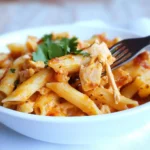
- 1 (16 oz) package of penne pasta: Penne pasta, with its cylindrical shape and angled ends, is an excellent choice for this recipe. Its ridges and hollow center are perfect for capturing and holding onto the luscious cheesy sauce, ensuring every bite is packed with flavor. However, feel free to experiment with other pasta shapes. Rotini, with its tight spirals, would also work wonderfully to grab the sauce. Farfalle (bow-tie pasta) adds a playful texture and visual appeal. Even rigatoni, similar to penne but wider and with more pronounced ridges, could be a great alternative if you prefer a heartier bite. For a gluten-free option, consider using penne made from brown rice, quinoa, or corn. Just be sure to cook gluten-free pasta according to package directions, as cooking times may vary slightly. The key is to choose a pasta shape that you enjoy and that will complement the chunky texture of the chicken and vegetables in the sauce. Using a high-quality semolina pasta will also make a noticeable difference in the final dish, providing a better texture and flavor.
- 1 clove garlic, minced (or a spoonful of the jarred stuff): Garlic is the aromatic foundation of countless savory dishes, and this Cheesy Chicken Pasta is no exception. Freshly minced garlic is always preferred for its robust and pungent flavor that mellows beautifully as it cooks. When minced, garlic releases allicin, a compound responsible for its characteristic aroma and health benefits. One clove of garlic is a good starting point, but garlic lovers might want to add two cloves for a more pronounced garlicky flavor. If you’re using jarred minced garlic, which is a convenient option for busy cooks, a spoonful is generally equivalent to about one clove. However, jarred garlic tends to be milder in flavor than fresh garlic, so you might want to use a bit more to achieve the desired intensity. Don’t be afraid to experiment with roasted garlic for a sweeter, more mellow garlic flavor. Simply roast a whole head of garlic in the oven until soft and caramelized, then squeeze out the roasted cloves and add them to the skillet along with the chicken. Garlic powder is a last resort, but fresh or jarred minced garlic is highly recommended for the best flavor in this recipe.
- 2 T olive oil: Olive oil is the cooking fat of choice for this recipe, adding a subtle fruity flavor and healthy monounsaturated fats. Extra virgin olive oil, with its richer flavor and higher polyphenol content, is a fantastic option if you have it on hand. However, regular olive oil or even light olive oil will work just as well for sautéing the chicken and garlic. The olive oil serves multiple purposes: it prevents the chicken and garlic from sticking to the skillet, it helps to conduct heat evenly for cooking, and it adds a layer of flavor to the dish. If you don’t have olive oil, you can substitute with other cooking oils like avocado oil, canola oil, or vegetable oil. Butter can also be used for a richer flavor, but be mindful that butter burns more easily than oil, so you’ll need to keep the heat at medium or medium-low. For a healthier alternative, you could even use a little bit of chicken broth or water to sauté the chicken and garlic, although this will slightly alter the flavor profile and may require more attention to prevent sticking.
- 4–6 chicken breasts, cut into chunks: Chicken breast is the protein powerhouse of this Cheesy Chicken Pasta, providing lean protein and a satisfyingly meaty texture. Using boneless, skinless chicken breasts makes preparation quick and easy. Cutting the chicken breasts into chunks ensures that they cook quickly and evenly, and also makes them easier to eat when mixed with the pasta. The recipe calls for 4–6 chicken breasts, which is a range to accommodate different appetites and preferences. If you’re feeding a large group or want extra protein, use 6 chicken breasts. If you prefer a slightly less meaty dish, 4 chicken breasts will be sufficient. You can also use chicken thighs instead of chicken breasts for a richer, more flavorful option. Chicken thighs are generally more forgiving to cook and tend to stay moist even if slightly overcooked. If using chicken thighs, make sure to trim off any excess fat. For vegetarian or vegan variations, you can substitute the chicken with plant-based protein sources like chickpeas, white beans, or tofu. Firm tofu, pressed and cubed, would work particularly well. You could also use pre-cooked rotisserie chicken for an even faster preparation. Simply shred the rotisserie chicken and add it to the skillet after sautéing the garlic.
- 1 1/4 c chunky salsa: Salsa is the secret ingredient that infuses this pasta dish with vibrant flavor, a touch of heat, and a delightful chunky texture. Chunky salsa is preferred over smooth salsa because it adds more body and visual appeal to the sauce. The type of salsa you choose will significantly impact the flavor profile of the dish. Mild salsa is a safe bet for those who are sensitive to spice, while medium salsa offers a pleasant warmth, and hot salsa will deliver a fiery kick. Consider using a salsa with roasted tomatoes for a smoky depth of flavor, or a salsa verde for a tangy, herbaceous twist. For a homemade touch, you can easily make your own chunky salsa using fresh tomatoes, onions, cilantro, jalapeños, and lime juice. The possibilities are endless! If you don’t have salsa on hand, you can substitute with diced tomatoes and a can of diced green chilies for a similar flavor profile, though it may lack the complexity of pre-made salsa. You can also add a tablespoon or two of tomato paste to deepen the tomato flavor. Experiment with different brands and styles of salsa to find your favorite combination for this Cheesy Chicken Pasta.
- 1 c frozen corn kernels: Frozen corn kernels add a touch of sweetness, a pop of color, and a satisfyingly crisp-tender texture to the pasta. Frozen corn is a convenient and readily available option, and it retains its sweetness and nutrients well. You can add the frozen corn directly to the skillet without thawing, as it will thaw quickly in the heat. If you prefer fresh corn, you can use kernels cut off the cob. About two ears of corn should yield approximately one cup of kernels. Canned corn, drained and rinsed, is also an acceptable substitute, but it may be slightly softer in texture than frozen or fresh corn. For a smoky grilled flavor, you can grill corn on the cob until slightly charred, then cut off the kernels and add them to the dish. Roasted corn kernels would also add a wonderful depth of flavor. Consider adding other vegetables like peas, black beans, or even edamame along with or instead of corn for different flavor and texture combinations.
- 1 bell pepper, diced: Bell pepper contributes a vibrant color, a slightly sweet flavor, and a satisfyingly crunchy texture to the Cheesy Chicken Pasta. The recipe calls for one bell pepper, and you can choose any color you like – red, green, yellow, or orange. Red bell peppers tend to be the sweetest, followed by orange and yellow, while green bell peppers have a slightly more bitter flavor. A combination of different colored bell peppers will make the dish visually appealing and add a variety of flavors. Dicing the bell pepper into small pieces ensures that it cooks quickly and evenly and blends well with the other ingredients. If you prefer a softer bell pepper, you can sauté it with the garlic and chicken before adding the salsa and corn. For a spicier kick, you can substitute a bell pepper with a poblano pepper or a jalapeño pepper, or add a pinch of red pepper flakes. Other vegetables that can be added along with or instead of bell pepper include zucchini, squash, or mushrooms.
- 2 c shredded cheddar cheese: Cheddar cheese is the star of the “cheesy” component of this pasta dish, adding a rich, creamy, and tangy flavor that perfectly complements the other ingredients. Shredded cheddar cheese is convenient and melts easily. You can use pre-shredded cheddar cheese, or shred your own from a block of cheddar cheese for potentially better flavor and meltability (pre-shredded cheese often contains cellulose to prevent clumping, which can affect melting). For a milder flavor, use mild cheddar cheese. For a sharper, more pronounced cheddar flavor, use sharp or extra-sharp cheddar cheese. You can also experiment with different types of cheddar cheese, such as white cheddar or aged cheddar. For a more complex flavor profile, consider using a blend of cheeses. Monterey Jack cheese melts beautifully and adds a creamy texture. Pepper Jack cheese will add a spicy kick. Colby cheese is a mild and creamy option. For a truly decadent and cheesy pasta, you can even add a layer of cream cheese or Velveeta cheese to the sauce for extra richness and creaminess. Sprinkling some Parmesan cheese on top before serving will add a salty, nutty flavor and a nice finishing touch.
Instructions
- Boil the Pasta: The first step is to get the pasta cooking. Fill a large pot with plenty of water – about 4-6 quarts is recommended for a 16 oz package of pasta. Add a generous pinch of salt to the water. Salt not only seasons the pasta itself but also helps to raise the boiling point of water slightly, which can speed up cooking. Bring the water to a rolling boil over high heat. Once boiling, add the penne pasta to the pot. Stir gently to prevent the pasta from sticking together. Cook the pasta according to the package directions for al dente. “Al dente” means “to the tooth” in Italian, and it refers to pasta that is cooked through but still firm to the bite, not mushy. This usually takes around 9-10 minutes for penne pasta, but it’s always best to check the package directions for the specific brand and type of pasta you are using. Start testing for doneness about a minute or two before the recommended cooking time is up. To test, carefully remove a piece of pasta from the boiling water using a fork or slotted spoon. Rinse it under cold water to stop the cooking process and then bite into it. It should be firm to the bite with a slightly chewy texture and no hard white core in the center.
- Sauté Chicken and Garlic: While the pasta is cooking, you can prepare the chicken and sauce. Place a large skillet over medium heat. Add 2 tablespoons of olive oil to the skillet and let it heat up for a minute or two until it shimmers. Add the minced garlic to the hot oil and sauté for about 30 seconds to 1 minute, or until fragrant. Be careful not to burn the garlic, as burnt garlic can taste bitter. Stir constantly and reduce the heat if necessary. Once the garlic is fragrant, add the chunks of chicken breast to the skillet. Season the chicken with salt and pepper to taste. You can also add other seasonings at this point, such as paprika, garlic powder, onion powder, or Italian seasoning, if desired. Cook the chicken over medium heat, stirring occasionally, until it is completely cooked through and no longer pink inside. This usually takes about 5-7 minutes, depending on the size of the chicken chunks. Use a meat thermometer to ensure the chicken reaches an internal temperature of 165°F (74°C) for food safety.
- Add Vegetables and Salsa: Once the chicken is cooked through, add the chunky salsa, diced bell pepper, and frozen corn kernels to the skillet with the chicken and garlic. Stir everything together to combine the ingredients and coat the chicken and vegetables with the salsa. Bring the mixture to a simmer over medium heat. Simmer for about 5-7 minutes, or until the bell pepper is slightly softened and the corn is heated through. Simmering allows the flavors to meld together and the sauce to thicken slightly. Stir occasionally to prevent sticking and ensure even cooking. Taste the sauce and adjust seasonings as needed. You may want to add more salt, pepper, or a pinch of red pepper flakes for extra heat. If the sauce is too thick, you can add a splash of chicken broth or pasta water to thin it out to your desired consistency.
- Combine Pasta and Sauce: By this point, the pasta should be cooked al dente. Once the pasta is done, immediately drain it in a colander. Do not rinse the pasta with cold water unless you are making a cold pasta salad. Rinsing pasta removes the starch on the surface, which helps the sauce to cling to the pasta. Add the drained pasta back to the large pot you cooked it in. Pour the chicken salsa mixture from the skillet over the pasta in the pot. Stir everything together gently but thoroughly to combine the pasta and sauce and ensure that the pasta is evenly coated with the sauce.
- Add Cheese and Serve: Finally, sprinkle the shredded cheddar cheese evenly over the top of the pasta and chicken mixture in the pot. Stir gently to incorporate some of the cheese into the pasta and allow the rest to melt on top. You can cover the pot with a lid for a minute or two to help the cheese melt faster. Alternatively, you can transfer the pasta mixture to a baking dish, top with the cheese, and bake in a preheated oven at 350°F (175°C) for about 10-15 minutes, or until the cheese is melted and bubbly. For a golden brown and crispy cheese topping, you can broil for the last minute or two, being careful not to burn the cheese. Once the cheese is melted and gooey, the Cheesy Chicken Pasta is ready to serve! Serve immediately while it’s hot and cheesy.
Nutrition
- Serving Size: One Normal Portion
- Calories: 450-550
- Sugar: 5-10g
- Sodium: 500-700mg
- Fat: 15-25g
- Saturated Fat: 8-12g
- Carbohydrates: 45-60g
- Fiber: 4-6g
- Protein: 30-40g
- Cholesterol: 100-130mg