
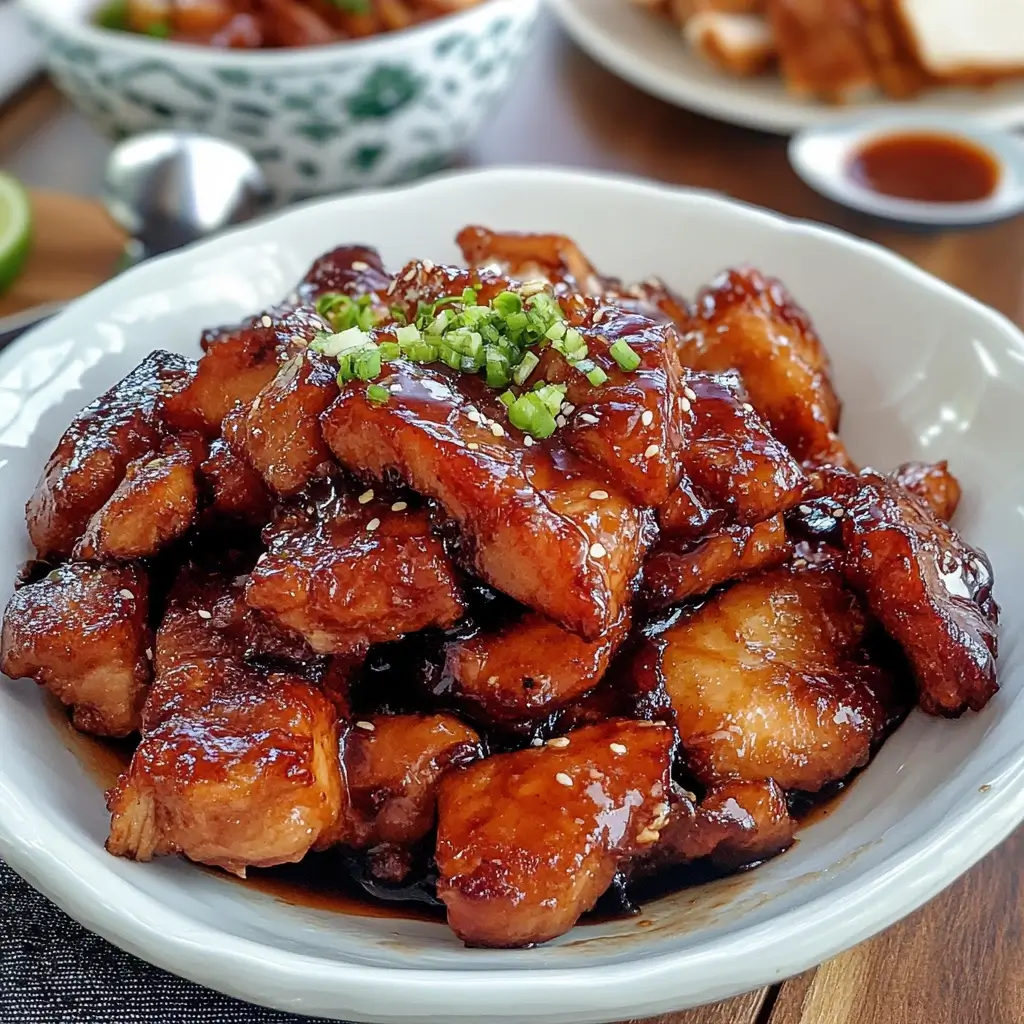
I remember the first time I decided to make Chicken Tocino from scratch. I’d always bought the pre-packaged kind, which, while convenient, often felt a bit too artificial or overly sweet. My family, especially the kids, loved tocino, but I yearned for a version where I could control the ingredients, the sweetness, and the overall flavor profile. The day I served my homemade Chicken Tocino, the reaction was instantaneous. My husband, usually a man of few words at breakfast, looked up from his plate with a surprised grin. “This is amazing,” he declared, “way better than the store-bought stuff!” The kids devoured their portions, their sticky fingers and happy smiles a testament to the recipe’s success. The vibrant reddish-hue, the perfect balance of sweet and savory, the tender, juicy chicken – it was a hit! Since then, it’s become a regular in our meal rotation, not just for breakfast, but sometimes for a quick lunch or even a comforting dinner. It’s surprisingly easy to make a big batch, freeze it, and have it ready for those busy mornings or when a craving strikes. This recipe, refined over several attempts, is the one that consistently brings those happy smiles to my family’s faces, and I’m thrilled to share it with you.
The Ultimate Homemade Chicken Tocino: A Filipino Delight
Chicken Tocino is a beloved Filipino cured meat dish, traditionally made with pork, but this chicken version is lighter, cooks faster, and is just as delicious. The name “tocino” comes from the Spanish word for bacon or cured meat. In the Philippines, it refers to a sweet and savory cured delight, typically served for breakfast as part of a “Tosilog” (Tocino, Sinangag – garlic fried rice, and Itlog – egg). This recipe will guide you through creating a batch of tender, juicy, and perfectly caramelized chicken tocino that will become a staple in your household.
Ingredients: Crafting the Perfect Marinade
To achieve that signature tocino flavor and color, the marinade is key. Here’s what you’ll need for approximately 1 kg (2.2 lbs) of chicken:
- For the Chicken:
- 1 kg (2.2 lbs) boneless, skinless chicken thighs, cut into 1/2-inch thick by 2-inch long pieces (thighs are preferred for juiciness, but chicken breast can be used)
- For the Marinade:
- ¾ cup packed light or dark brown sugar (adjust to your preferred sweetness)
- ¼ cup soy sauce (low sodium preferred, to control saltiness)
- ¼ cup pineapple juice (unsweetened, for a hint of tang and tenderizing)
- 2 tablespoons rice vinegar (or white vinegar/apple cider vinegar for acidity)
- 6-8 cloves garlic, minced finely (about 2 tablespoons)
- 1 ½ teaspoons salt (adjust if using regular soy sauce)
- 1 teaspoon annatto powder (atsuete powder) for authentic reddish color (optional, but highly recommended)
- Alternatively for color: ½ teaspoon paprika + a few drops of red food coloring
- ½ teaspoon freshly ground black pepper
- Optional for deeper umami: 1 tablespoon oyster sauce
- Optional for a slight kick: ¼ teaspoon cayenne pepper or a pinch of chili flakes
Instructions: From Marination to Caramelization
Follow these steps carefully for the best Chicken Tocino experience. The magic happens in the marination and the careful cooking process.
Part 1: Preparing and Marinating the Chicken
- Prepare the Chicken:
- If using chicken thighs, trim any excess fat. Cut the chicken thighs (or breasts) into uniform pieces, about ½-inch thick and roughly 2 inches long. Uniformity ensures even cooking. Place the cut chicken into a large, non-reactive bowl (glass or stainless steel).
- Mix the Marinade:
- In a separate medium bowl, combine all the marinade ingredients: brown sugar, soy sauce, pineapple juice, rice vinegar, minced garlic, salt, annatto powder (or paprika/food coloring), black pepper, and optional oyster sauce or cayenne pepper.
- Whisk thoroughly until the sugar and salt are completely dissolved. Taste the marinade (before adding chicken) and adjust sweetness, saltiness, or tanginess if needed. Remember the flavor will intensify as it marinates and cooks.
- Marinate the Chicken:
- Pour the marinade over the prepared chicken pieces in the large bowl.
- Using your clean hands or a pair of tongs, toss and massage the chicken pieces thoroughly to ensure every piece is well-coated with the marinade.
- Cover the bowl tightly with plastic wrap or transfer the chicken and marinade to a large, resealable zip-top bag. If using a bag, press out as much air as possible before sealing. This ensures maximum contact between the chicken and the marinade.
- Refrigerate the chicken to marinate for at least 4-6 hours. For the best, most deeply infused flavor and tender texture, marinate overnight (12-24 hours). You can even marinate for up to 48 hours for an even more intense flavor.
Part 2: Cooking the Chicken Tocino
There are a couple of popular methods to cook tocino. The traditional method involves simmering in a bit of water before frying to caramelize.
Method 1: Traditional Pan-Frying (Recommended for best caramelization)
- Prepare for Cooking:
- Take the marinated chicken out of the refrigerator about 15-20 minutes before cooking to allow it to come closer to room temperature.
- Initial Simmer:
- Place a wide, non-stick skillet or pan over medium heat.
- Arrange a single layer of chicken tocino pieces in the pan. Don’t overcrowd the pan; cook in batches if necessary.
- Pour in about ¼ to ½ cup of water (or some of the leftover marinade if you prefer, though water helps control initial caramelization better). The liquid should just barely cover the bottom of the pan.
- Cook and Reduce:
- Bring the liquid to a gentle simmer. Cook the chicken, turning occasionally, until the liquid has mostly evaporated and the chicken is cooked through. This process usually takes about 8-12 minutes, depending on the thickness of the chicken and the heat. This step essentially poaches the chicken in the flavorful liquid, ensuring it’s cooked through and remains tender.
- Caramelize:
- Once the liquid has evaporated, you’ll notice the sugars starting to stick to the pan. At this point, you can add 1-2 teaspoons of cooking oil (vegetable, canola, or coconut oil) to the pan.
- Continue to cook over medium to medium-low heat, flipping the chicken pieces frequently, until they are beautifully caramelized and slightly charred on the edges. This usually takes another 5-8 minutes. Be vigilant during this stage, as the sugar content makes tocino prone to burning. Adjust the heat as necessary.
- The chicken is done when it’s cooked through, tender, and has a rich, glossy, reddish-brown caramelized exterior.
Method 2: Baking or Air Frying (Healthier, Less Hands-On)
- Baking:
- Preheat your oven to 375°F (190°C).
- Line a baking sheet with parchment paper or lightly grease it.
- Arrange the marinated chicken pieces in a single layer on the baking sheet, ensuring they don’t overlap. Discard excess marinade or reserve it to brush on later (boil it first if you plan to reuse it as a glaze).
- Bake for 15-20 minutes, flipping the pieces halfway through, or until the chicken is cooked through and the edges are starting to caramelize. For extra caramelization, you can broil them for the last 1-2 minutes, watching carefully to prevent burning.
- Air Frying:
- Preheat your air fryer to 350-375°F (175-190°C).
- Place the marinated chicken pieces in the air fryer basket in a single layer. Avoid overcrowding; cook in batches if needed.
- Air fry for 10-15 minutes, flipping or shaking the basket halfway through, until the chicken is cooked through and nicely caramelized. Cooking time may vary depending on your air fryer model and the thickness of the chicken.
Nutrition Facts
- Servings: This recipe yields approximately 6-8 servings.
- Calories per serving (approximate): Around 350-450 calories per serving (based on 1/6th of the recipe, using chicken thighs). This is an estimate and can vary based on the exact cut of chicken, amount of sugar used, and serving size.
Disclaimer: Nutritional information is an estimate and will vary depending on the specific ingredients and quantities used, as well as cooking methods.
Preparation Time
- Active Preparation Time: 20-25 minutes (for cutting chicken and mixing marinade)
- Marinating Time: Minimum 4-6 hours, preferably overnight (12-24 hours) for best results.
- Cooking Time: 15-25 minutes per batch (depending on the cooking method)
- Total Time (excluding marination): Approximately 35-50 minutes
- Total Time (including overnight marination): Approximately 13-25 hours
How to Serve Your Delicious Chicken Tocino
Chicken Tocino is incredibly versatile. Here are some classic and creative ways to serve it:
- The Classic “Tosilog”: This is the quintessential Filipino breakfast.
- Tocino: A generous serving of your freshly cooked Chicken Tocino.
- Sinangag: Filipino garlic fried rice. To make it quickly, sauté minced garlic in oil until fragrant and golden, then add day-old cooked rice, season with salt and pepper, and stir-fry until heated through.
- Itlog: Fried egg(s), typically sunny-side up or over easy, with a runny yolk.
- Garnish (Optional): Sliced fresh tomatoes, cucumber, or a side of atchara (pickled green papaya) to cut through the richness.
- With Plain Steamed Rice: For a simpler meal, serve Chicken Tocino with a bowl of fluffy, white steamed rice. The rice perfectly complements the sweet and savory chicken.
- In a Pandesal (Filipino Bread Roll):
- Slice warm pandesal rolls.
- Stuff them with a few pieces of Chicken Tocino.
- This makes for a fantastic on-the-go breakfast or snack.
- Chicken Tocino Sandwich or Wrap:
- Use sliced bread, tortillas, or pita bread.
- Layer with Chicken Tocino, lettuce, tomato, cucumber, and a light mayo or a spicy sriracha mayo.
- As a Main Dish for Lunch or Dinner:
- Serve with a side of stir-fried vegetables (like bok choy or kangkong/water spinach).
- Pair with a simple salad for a lighter meal.
- Dipping Sauce on the Side:
- While tocino is flavorful on its own, some enjoy a dipping sauce. A common choice is spiced vinegar: white vinegar infused with minced garlic, chopped onions, black peppercorns, and a small chili (siling labuyo).
- In Fried Rice:
- Chop leftover cooked Chicken Tocino into smaller pieces.
- Add it to your fried rice along with other vegetables and eggs for a flavorful and hearty meal.
- For Meal Prepping:
- Cook a large batch and portion it out with rice and vegetables for easy grab-and-go meals throughout the week.
Additional Tips for Tocino Perfection
- Don’t Skimp on Marinating Time: The longer the chicken marinates, the more flavorful and tender it will be. Overnight is ideal, but even 4-6 hours will yield good results. Ensure the chicken is fully submerged or coated in the marinade.
- Choose Your Chicken Wisely: Boneless, skinless chicken thighs are highly recommended as they remain juicy and tender even if slightly overcooked. Chicken breast can be used, but be careful not to overcook it, as it can dry out more easily. Cut against the grain for maximum tenderness.
- Control the Caramelization Heat: The sugar in the marinade means tocino can go from perfectly caramelized to burnt very quickly. When pan-frying, once the initial liquid has evaporated and you’re in the caramelizing stage, reduce the heat to medium-low and flip the pieces frequently. Don’t walk away from the pan!
- Achieving the Perfect Color: Annatto (atsuete) powder is the traditional and natural way to get that appealing reddish hue. If you don’t have it, a little paprika combined with a tiny drop of red food coloring can work. Some brown sugars (like muscovado) will also contribute a deeper color. The caramelization process itself will also add a beautiful brown color.
- Storing and Freezing:
- Uncooked Marinated Tocino: Can be stored in an airtight container or zip-top bag in the refrigerator for up to 3-4 days. For longer storage, freeze it. Place marinated chicken in freezer-safe bags, removing as much air as possible. It can be frozen for up to 3 months. Thaw in the refrigerator overnight before cooking.
- Cooked Tocino: Store leftover cooked tocino in an airtight container in the refrigerator for up to 3-4 days. Reheat gently in a pan or microwave.
FAQ Section: Your Chicken Tocino Questions Answered
Q1: Can I use pork instead of chicken for this recipe?
A1: Absolutely! This marinade works wonderfully for pork tocino as well. Use pork shoulder (kasim) or pork belly, sliced about ¼ to ½ inch thick. The marinating and cooking process would be similar, though pork might take a little longer to cook through and render some fat. Adjust cooking times accordingly.
Q2: My tocino didn’t get that vibrant red color. What went wrong?
A2: The reddish color primarily comes from annatto (atsuete) powder or, alternatively, red food coloring. If you omitted these, your tocino will have a more natural brownish color from the soy sauce and sugar caramelization, which is still delicious! Ensure your annatto powder is fresh, as older powder can lose its potency. Also, the type of brown sugar used can affect the final color; darker brown sugars yield a darker tocino.
Q3: How can I make my Chicken Tocino less sweet?
A3: The sweetness level is easily adjustable. This recipe uses ¾ cup of brown sugar, which yields a fairly sweet tocino, typical of the Filipino style. You can reduce the brown sugar to ½ cup or even ⅓ cup if you prefer a less sweet, more savory profile. Taste the marinade before adding the chicken and adjust to your preference.
Q4: Can I prepare a large batch of marinated chicken tocino and freeze it?
A4: Yes, definitely! This recipe is perfect for batch preparation. After marinating, divide the chicken tocino into meal-sized portions in freezer-safe bags or containers. Squeeze out as much air as possible before sealing. It can be stored in the freezer for up to 3 months. Thaw frozen tocino in the refrigerator overnight before cooking as per the instructions. This is a fantastic time-saver!
Q5: Why did my tocino burn so quickly in the pan?
A5: Tocino has a high sugar content from the brown sugar in the marinade. Sugar caramelizes and then burns quite easily. To prevent burning:
* Use medium to medium-low heat once the initial simmering liquid has evaporated.
* Don’t overcrowd the pan; cook in batches if needed.
* Add a little oil after the water/marinade evaporates to help with even browning and prevent sticking.
* Flip the tocino pieces frequently during the caramelization stage.
* If your pan gets too hot or if there’s too much burnt sugar accumulating, you can wipe the pan clean (carefully!) between batches or add a tablespoon or two of water to deglaze briefly.
Enjoy making and eating your delicious homemade Chicken Tocino! It’s a taste of Filipino comfort that’s sure to become a family favorite.
Print
Chicken Tocino Recipe
Ingredients
- For the Chicken:
- 1 kg (2.2 lbs) boneless, skinless chicken thighs, cut into 1/2-inch thick by 2-inch long pieces (thighs are preferred for juiciness, but chicken breast can be used)
- For the Marinade:
- ¾ cup packed light or dark brown sugar (adjust to your preferred sweetness)
- ¼ cup soy sauce (low sodium preferred, to control saltiness)
- ¼ cup pineapple juice (unsweetened, for a hint of tang and tenderizing)
- 2 tablespoons rice vinegar (or white vinegar/apple cider vinegar for acidity)
- 6–8 cloves garlic, minced finely (about 2 tablespoons)
- 1 ½ teaspoons salt (adjust if using regular soy sauce)
- 1 teaspoon annatto powder (atsuete powder) for authentic reddish color (optional, but highly recommended)
- Alternatively for color: ½ teaspoon paprika + a few drops of red food coloring
- ½ teaspoon freshly ground black pepper
- Optional for deeper umami: 1 tablespoon oyster sauce
- Optional for a slight kick: ¼ teaspoon cayenne pepper or a pinch of chili flakes
Instructions
Part 1: Preparing and Marinating the Chicken
- Prepare the Chicken:
- If using chicken thighs, trim any excess fat. Cut the chicken thighs (or breasts) into uniform pieces, about ½-inch thick and roughly 2 inches long. Uniformity ensures even cooking. Place the cut chicken into a large, non-reactive bowl (glass or stainless steel).
- Mix the Marinade:
- In a separate medium bowl, combine all the marinade ingredients: brown sugar, soy sauce, pineapple juice, rice vinegar, minced garlic, salt, annatto powder (or paprika/food coloring), black pepper, and optional oyster sauce or cayenne pepper.
- Whisk thoroughly until the sugar and salt are completely dissolved. Taste the marinade (before adding chicken) and adjust sweetness, saltiness, or tanginess if needed. Remember the flavor will intensify as it marinates and cooks.
- Marinate the Chicken:
- Pour the marinade over the prepared chicken pieces in the large bowl.
- Using your clean hands or a pair of tongs, toss and massage the chicken pieces thoroughly to ensure every piece is well-coated with the marinade.
- Cover the bowl tightly with plastic wrap or transfer the chicken and marinade to a large, resealable zip-top bag. If using a bag, press out as much air as possible before sealing. This ensures maximum contact between the chicken and the marinade.
- Refrigerate the chicken to marinate for at least 4-6 hours. For the best, most deeply infused flavor and tender texture, marinate overnight (12-24 hours). You can even marinate for up to 48 hours for an even more intense flavor.
Part 2: Cooking the Chicken Tocino
There are a couple of popular methods to cook tocino. The traditional method involves simmering in a bit of water before frying to caramelize.
Method 1: Traditional Pan-Frying (Recommended for best caramelization)
- Prepare for Cooking:
- Take the marinated chicken out of the refrigerator about 15-20 minutes before cooking to allow it to come closer to room temperature.
- Initial Simmer:
- Place a wide, non-stick skillet or pan over medium heat.
- Arrange a single layer of chicken tocino pieces in the pan. Don’t overcrowd the pan; cook in batches if necessary.
- Pour in about ¼ to ½ cup of water (or some of the leftover marinade if you prefer, though water helps control initial caramelization better). The liquid should just barely cover the bottom of the pan.
- Cook and Reduce:
- Bring the liquid to a gentle simmer. Cook the chicken, turning occasionally, until the liquid has mostly evaporated and the chicken is cooked through. This process usually takes about 8-12 minutes, depending on the thickness of the chicken and the heat. This step essentially poaches the chicken in the flavorful liquid, ensuring it’s cooked through and remains tender.
- Caramelize:
- Once the liquid has evaporated, you’ll notice the sugars starting to stick to the pan. At this point, you can add 1-2 teaspoons of cooking oil (vegetable, canola, or coconut oil) to the pan.
- Continue to cook over medium to medium-low heat, flipping the chicken pieces frequently, until they are beautifully caramelized and slightly charred on the edges. This usually takes another 5-8 minutes. Be vigilant during this stage, as the sugar content makes tocino prone to burning. Adjust the heat as necessary.
- The chicken is done when it’s cooked through, tender, and has a rich, glossy, reddish-brown caramelized exterior.
Method 2: Baking or Air Frying (Healthier, Less Hands-On)
- Baking:
- Preheat your oven to 375°F (190°C).
- Line a baking sheet with parchment paper or lightly grease it.
- Arrange the marinated chicken pieces in a single layer on the baking sheet, ensuring they don’t overlap. Discard excess marinade or reserve it to brush on later (boil it first if you plan to reuse it as a glaze).
- Bake for 15-20 minutes, flipping the pieces halfway through, or until the chicken is cooked through and the edges are starting to caramelize. For extra caramelization, you can broil them for the last 1-2 minutes, watching carefully to prevent burning.
- Air Frying:
- Preheat your air fryer to 350-375°F (175-190°C).
- Place the marinated chicken pieces in the air fryer basket in a single layer. Avoid overcrowding; cook in batches if needed.
- Air fry for 10-15 minutes, flipping or shaking the basket halfway through, until the chicken is cooked through and nicely caramelized. Cooking time may vary depending on your air fryer model and the thickness of the chicken.
Nutrition
- Serving Size: One Normal Portion
- Calories: 350-450