Ingredients
Scale
- For the Chicken:
- 1 kg (2.2 lbs) boneless, skinless chicken thighs, cut into 1/2-inch thick by 2-inch long pieces (thighs are preferred for juiciness, but chicken breast can be used)
- For the Marinade:
- ¾ cup packed light or dark brown sugar (adjust to your preferred sweetness)
- ¼ cup soy sauce (low sodium preferred, to control saltiness)
- ¼ cup pineapple juice (unsweetened, for a hint of tang and tenderizing)
- 2 tablespoons rice vinegar (or white vinegar/apple cider vinegar for acidity)
- 6–8 cloves garlic, minced finely (about 2 tablespoons)
- 1 ½ teaspoons salt (adjust if using regular soy sauce)
- 1 teaspoon annatto powder (atsuete powder) for authentic reddish color (optional, but highly recommended)
- Alternatively for color: ½ teaspoon paprika + a few drops of red food coloring
- ½ teaspoon freshly ground black pepper
- Optional for deeper umami: 1 tablespoon oyster sauce
- Optional for a slight kick: ¼ teaspoon cayenne pepper or a pinch of chili flakes
Instructions
Part 1: Preparing and Marinating the Chicken
- Prepare the Chicken:
- If using chicken thighs, trim any excess fat. Cut the chicken thighs (or breasts) into uniform pieces, about ½-inch thick and roughly 2 inches long. Uniformity ensures even cooking. Place the cut chicken into a large, non-reactive bowl (glass or stainless steel).
- Mix the Marinade:
- In a separate medium bowl, combine all the marinade ingredients: brown sugar, soy sauce, pineapple juice, rice vinegar, minced garlic, salt, annatto powder (or paprika/food coloring), black pepper, and optional oyster sauce or cayenne pepper.
- Whisk thoroughly until the sugar and salt are completely dissolved. Taste the marinade (before adding chicken) and adjust sweetness, saltiness, or tanginess if needed. Remember the flavor will intensify as it marinates and cooks.
- Marinate the Chicken:
- Pour the marinade over the prepared chicken pieces in the large bowl.
- Using your clean hands or a pair of tongs, toss and massage the chicken pieces thoroughly to ensure every piece is well-coated with the marinade.
- Cover the bowl tightly with plastic wrap or transfer the chicken and marinade to a large, resealable zip-top bag. If using a bag, press out as much air as possible before sealing. This ensures maximum contact between the chicken and the marinade.
- Refrigerate the chicken to marinate for at least 4-6 hours. For the best, most deeply infused flavor and tender texture, marinate overnight (12-24 hours). You can even marinate for up to 48 hours for an even more intense flavor.
Part 2: Cooking the Chicken Tocino
There are a couple of popular methods to cook tocino. The traditional method involves simmering in a bit of water before frying to caramelize.
Method 1: Traditional Pan-Frying (Recommended for best caramelization)
- Prepare for Cooking:
- Take the marinated chicken out of the refrigerator about 15-20 minutes before cooking to allow it to come closer to room temperature.
- Initial Simmer:
- Place a wide, non-stick skillet or pan over medium heat.
- Arrange a single layer of chicken tocino pieces in the pan. Don’t overcrowd the pan; cook in batches if necessary.
- Pour in about ¼ to ½ cup of water (or some of the leftover marinade if you prefer, though water helps control initial caramelization better). The liquid should just barely cover the bottom of the pan.
- Cook and Reduce:
- Bring the liquid to a gentle simmer. Cook the chicken, turning occasionally, until the liquid has mostly evaporated and the chicken is cooked through. This process usually takes about 8-12 minutes, depending on the thickness of the chicken and the heat. This step essentially poaches the chicken in the flavorful liquid, ensuring it’s cooked through and remains tender.
- Caramelize:
- Once the liquid has evaporated, you’ll notice the sugars starting to stick to the pan. At this point, you can add 1-2 teaspoons of cooking oil (vegetable, canola, or coconut oil) to the pan.
- Continue to cook over medium to medium-low heat, flipping the chicken pieces frequently, until they are beautifully caramelized and slightly charred on the edges. This usually takes another 5-8 minutes. Be vigilant during this stage, as the sugar content makes tocino prone to burning. Adjust the heat as necessary.
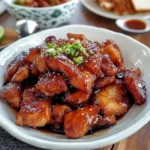
- The chicken is done when it’s cooked through, tender, and has a rich, glossy, reddish-brown caramelized exterior.
Method 2: Baking or Air Frying (Healthier, Less Hands-On)
- Baking:
- Preheat your oven to 375°F (190°C).
- Line a baking sheet with parchment paper or lightly grease it.
- Arrange the marinated chicken pieces in a single layer on the baking sheet, ensuring they don’t overlap. Discard excess marinade or reserve it to brush on later (boil it first if you plan to reuse it as a glaze).
- Bake for 15-20 minutes, flipping the pieces halfway through, or until the chicken is cooked through and the edges are starting to caramelize. For extra caramelization, you can broil them for the last 1-2 minutes, watching carefully to prevent burning.
- Air Frying:
- Preheat your air fryer to 350-375°F (175-190°C).
- Place the marinated chicken pieces in the air fryer basket in a single layer. Avoid overcrowding; cook in batches if needed.
- Air fry for 10-15 minutes, flipping or shaking the basket halfway through, until the chicken is cooked through and nicely caramelized. Cooking time may vary depending on your air fryer model and the thickness of the chicken.
Nutrition
- Serving Size: One Normal Portion
- Calories: 350-450