Ingredients
Scale
For the Bread
- 1 ¾ cups All-Purpose Flour: The foundation of our loaf, all-purpose flour provides structure and chewiness. It’s versatile and readily available, making it a perfect choice for this recipe. When measuring flour, it’s crucial to do it correctly. Avoid scooping directly from the bag, as this can compact the flour and lead to a denser bread. Instead, use a spoon to lightly fluff the flour in the bag or container, then spoon it into your measuring cup, and level it off with a straight edge. This ensures accurate measurement and a light, airy texture. For those seeking a slightly different texture or flavor profile, you could experiment with substituting a portion of the all-purpose flour with whole wheat pastry flour for a nuttier taste and added fiber. However, for this recipe, all-purpose flour truly delivers the classic loaf bread texture we’re aiming for.
- 2 teaspoons Baking Powder: This is our leavening agent, the magic ingredient that makes the bread rise and become light and fluffy. Baking powder is a chemical leavener that contains both an acid and a base, which react when moistened and heated to produce carbon dioxide gas, creating air bubbles in the batter. It’s essential to use fresh baking powder for optimal results. To test its freshness, you can place a teaspoon of baking powder in a small bowl and pour a quarter cup of hot water over it. If it fizzes vigorously, it’s still active. If it barely fizzes, it’s time to replace it. Using old or inactive baking powder can result in a flat, dense bread. Double-acting baking powder is commonly used and works perfectly in this recipe, providing a double lift – once when mixed with wet ingredients and again when heated in the oven.
- ½ teaspoon Salt: Salt isn’t just about making things salty; in baking, it plays a crucial role in enhancing flavors and balancing sweetness. It also controls the yeast (if used, though not in this recipe) and strengthens gluten, contributing to the bread’s structure. Using just half a teaspoon in this recipe perfectly balances the sweetness of the sugar and caramel, bringing out the warmth of the spices and the fruity notes of the apple. While table salt is perfectly acceptable, you could also use kosher salt. If using kosher salt, remember that its crystals are larger, so you may need to use slightly more to achieve the same level of saltiness. However, for this recipe, a level ½ teaspoon of table salt or kosher salt will work beautifully.
- 1 teaspoon Cinnamon: Cinnamon is the quintessential fall spice, and it’s absolutely essential in caramel apple bread. It imparts a warm, sweet, and slightly woody flavor that perfectly complements the apples and caramel. Ground cinnamon is readily available and easy to use. For a more intense cinnamon flavor, you can use freshly ground cinnamon sticks. Simply grate a cinnamon stick using a microplane or spice grater. Alternatively, you can add a pinch of cinnamon extract for an extra boost of flavor. Cinnamon not only adds flavor but also a beautiful aroma to the bread, making your kitchen smell incredibly inviting as it bakes.
- ¼ teaspoon Nutmeg: Nutmeg is another warm spice that adds depth and complexity to the flavor profile of this bread. Its slightly peppery and nutty notes complement the cinnamon and apple beautifully, creating a harmonious spice blend. Freshly grated nutmeg is always preferred for the most vibrant flavor. You can use a nutmeg grater or a fine microplane to grate a small amount of whole nutmeg. Pre-ground nutmeg is also convenient, but it tends to lose its potency over time, so store it in an airtight container in a cool, dark place. A little nutmeg goes a long way, so ¼ teaspoon is just the right amount to add a subtle warmth without overpowering the other flavors.
- ¾ cup Apple Sauce: Applesauce is the secret ingredient that keeps this bread incredibly moist and tender. It also adds a subtle apple flavor that enhances the overall apple theme. Unsweetened applesauce is recommended to control the sweetness of the bread, especially since we’re already adding sugar and caramel icing. You can use store-bought unsweetened applesauce or make your own homemade applesauce for an even fresher flavor. Homemade applesauce is surprisingly easy to make – simply cook peeled and cored apples with a little water until soft, then mash or blend them to your desired consistency. If you only have sweetened applesauce on hand, you may want to slightly reduce the amount of sugar in the recipe to compensate.
- 2 Large Eggs: Eggs are essential for binding the ingredients together, adding richness, and contributing to the structure of the bread. They also add moisture and a slight leavening effect. Large eggs are typically used in baking recipes, so ensure you’re using large-sized eggs. It’s always best to use eggs at room temperature when baking. Room temperature eggs emulsify more easily with other ingredients, resulting in a smoother batter and a more tender crumb. If you’ve forgotten to take your eggs out of the refrigerator, you can quickly warm them up by placing them in a bowl of warm (not hot) water for about 5-10 minutes.
- 1 cup Sugar: Sugar not only adds sweetness but also moisture and tenderness to the bread. Granulated sugar is used in this recipe for its clean sweetness and ability to dissolve easily into the wet ingredients. While white granulated sugar is the standard choice, you could experiment with using light brown sugar for a slightly more molasses-like flavor that would complement the caramel notes. However, for a classic caramel apple bread flavor, granulated sugar works perfectly. Measuring sugar accurately is important as well. Similar to flour, avoid scooping sugar directly from the bag. Instead, spoon it into your measuring cup and level it off.
- ¼ cup Vegetable Oil: Vegetable oil adds moisture and tenderness to the bread, contributing to its soft and crumbly texture. It also helps to keep the bread moist for longer. A neutral-flavored vegetable oil, such as canola oil or soybean oil, is recommended so that it doesn’t interfere with the other flavors in the bread. You could also use melted coconut oil for a slightly different flavor profile, but be mindful that coconut oil can solidify at cooler temperatures, which might affect the texture slightly if the bread is stored in the refrigerator. Olive oil is generally not recommended for this recipe as its strong flavor can compete with the delicate apple and caramel notes.
- 1 cup Diced Apples: Fresh apples are the star of this bread, providing bursts of juicy sweetness and a delightful textural contrast to the soft crumb. Choose apples that hold their shape well during baking and have a good balance of sweetness and tartness. Good options include Honeycrisp, Fuji, Gala, or Braeburn apples. Avoid apples that are too soft or mushy, as they may become too soft and lose their texture during baking. Peel and core the apples, then dice them into small, even pieces, about ½ inch in size. Tossing the diced apples with a little lemon juice can help prevent them from browning if you’re prepping them ahead of time. Folding the diced apples into the batter at the end ensures they are evenly distributed throughout the bread and remain slightly distinct in texture.
For the Caramel Icing
- 2 tablespoons Heavy Cream: Heavy cream adds richness and creaminess to the caramel icing, creating a smooth and decadent glaze. It also helps to thin out the icing to a drizzle-able consistency. Heavy cream contains a higher percentage of fat than regular cream or milk, which contributes to its richness and texture. If you don’t have heavy cream, you can substitute it with half-and-half, but the icing may be slightly less rich and thick. Avoid using milk, as it will make the icing too thin and runny.
- 2 tablespoons Butter: Butter adds flavor, richness, and shine to the caramel icing. It also helps to create a smooth and glossy texture. Unsalted butter is recommended so that you can control the saltiness of the icing. If you only have salted butter, you can omit the salt in the bread recipe to compensate. Using good quality butter will enhance the flavor of the caramel icing. Both salted and unsalted butter will melt into the caramel sauce to contribute to the richness and flavor.
- 2 tablespoons Brown Sugar: Brown sugar is the key ingredient that gives caramel icing its signature flavor and color. The molasses in brown sugar caramelizes when heated, creating a deep, rich, and slightly smoky flavor. Light brown sugar or dark brown sugar can be used, depending on your preference. Dark brown sugar will result in a richer, more intense caramel flavor, while light brown sugar will be slightly milder. Packed brown sugar is important for accurate measurement. When measuring brown sugar, pack it firmly into the measuring spoon or cup to ensure you’re using the correct amount.
- 1 cup Powdered Sugar: Powdered sugar, also known as confectioners’ sugar, provides sweetness and structure to the caramel icing. It dissolves easily into the warm caramel sauce, creating a smooth and creamy glaze. Sifting the powdered sugar before adding it to the sauce can help to prevent lumps and ensure a smooth icing. If you don’t have powdered sugar, you can make your own by blending granulated sugar in a high-speed blender or food processor until it becomes a fine powder.
- 1 teaspoon Vanilla Extract: Vanilla extract enhances the overall flavor of the caramel icing, adding a touch of warmth and sweetness. Pure vanilla extract is always preferred for the best flavor. Imitation vanilla extract can be used, but it won’t have the same depth of flavor. For an even more intense vanilla flavor, you can use vanilla bean paste or the seeds scraped from a vanilla bean. Adding vanilla extract at the end of the icing preparation, after heating, helps to preserve its delicate flavor.
Instructions
- Preheat and Prep: Begin by preheating your oven to 350°F (175°C). This ensures the oven is at the correct temperature when you place the bread in, promoting even baking. Next, prepare your loaf pan. A standard 9×5 inch loaf pan is ideal for this recipe. Line the pan with parchment paper, leaving an overhang on the sides to easily lift the baked bread out later. This parchment paper sling prevents sticking and makes cleanup a breeze. Brush the parchment paper lightly with oil or cooking spray. This extra step further ensures that the bread releases cleanly from the pan. Having your pan prepped and oven preheated sets you up for a smooth baking process.
- Whisk Dry Ingredients: In a medium-sized mixing bowl, combine all the dry ingredients: 1 ¾ cups all-purpose flour, 2 teaspoons baking powder, ½ teaspoon salt, 1 teaspoon cinnamon, and ¼ teaspoon nutmeg. Whisk these ingredients together thoroughly. Whisking is crucial because it not only combines the ingredients but also aerates the flour, preventing lumps and ensuring even distribution of the baking powder, salt, and spices throughout the batter. This step ensures that each bite of your bread is perfectly spiced and has a consistent texture.
- Combine Wet Ingredients: In a separate, larger mixing bowl, combine the wet ingredients: ¾ cup applesauce, 2 eggs, 1 cup sugar, and ¼ cup vegetable oil. Beat these ingredients together using a whisk or an electric mixer until the mixture is smooth and well combined. Beating until smooth ensures that the sugar is dissolved and the eggs are fully incorporated, creating a homogenous base for your batter. If using an electric mixer, start on low speed and gradually increase to medium speed to prevent splattering.
- Combine Wet and Dry: Gradually add the dry ingredients to the wet ingredients. Stir until just combined. Be careful not to overmix the batter at this stage. Overmixing can develop the gluten in the flour, resulting in a tough and dense bread. Mix just until the flour is incorporated and no streaks of dry flour remain. A few lumps in the batter are perfectly fine – they will smooth out as you fold in the apples. Gentle mixing is key to a tender and moist bread.
- Fold in Apples: Gently fold in 1 cup of diced apples into the batter. Folding ensures that the apples are evenly distributed throughout the batter without being crushed or broken down. Use a spatula or a large spoon to gently incorporate the apples, lifting the batter from the bottom of the bowl and folding it over the apples. Continue folding until the apples are evenly dispersed. Adding the apples at the end preserves their texture and ensures they remain distinct and juicy in the baked bread.
- Pour and Bake: Pour the batter into the prepared loaf pan, spreading it evenly. A spatula can be helpful to ensure the batter is level in the pan. Bake in the preheated oven at 350°F (175°C) for 60-70 minutes, or until a toothpick inserted into the center of the bread comes out clean. Baking time can vary slightly depending on your oven, so it’s essential to check for doneness using the toothpick test. If the toothpick comes out with wet batter on it, the bread needs to bake for a bit longer. If it comes out with moist crumbs, it’s perfectly baked. The bread should be golden brown on top and slightly springy to the touch when done.
- Cool Completely: Once baked, remove the bread from the oven and let it cool in the loaf pan for about 10-15 minutes. This allows the bread to firm up slightly before you attempt to remove it from the pan. After 10-15 minutes, carefully lift the bread out of the pan using the parchment paper overhang and place it on a wire rack to cool completely. Cooling completely is crucial before icing, as warm bread can melt the icing and make it runny. Allow the bread to cool to room temperature, or even chill it in the refrigerator for faster cooling, before proceeding with the caramel icing.
- Make Caramel Icing: While the bread is cooling, prepare the caramel icing. In a small saucepan, combine 2 tablespoons heavy cream, 2 tablespoons butter, and 2 tablespoons brown sugar. Set the saucepan over medium heat and cook, stirring constantly, until the butter is melted and the brown sugar is fully dissolved. Continue to simmer for about 1-2 minutes, stirring occasionally, until the mixture thickens slightly and becomes glossy. Remove the saucepan from the heat.
- Add Powdered Sugar and Vanilla: Gradually whisk in 1 cup of powdered sugar into the warm caramel mixture, a little at a time, until smooth and lump-free. Whisk vigorously to ensure the powdered sugar is fully incorporated and the icing is smooth and creamy. Stir in 1 teaspoon of vanilla extract. The vanilla extract enhances the caramel flavor and adds a touch of warmth. If the icing is too thick, you can add a tiny splash more heavy cream to thin it out to your desired drizzling consistency.
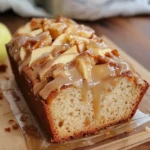
- Drizzle and Enjoy: Once the bread is completely cooled, drizzle the caramel icing evenly over the top. You can use a spoon to drizzle the icing in a decorative pattern or simply pour it over the bread and let it drip down the sides. Allow the icing to set for a few minutes before slicing and serving. The caramel icing will firm up slightly as it cools, creating a beautiful glaze on top of the bread. Slice the caramel apple bread into 12 servings and enjoy!
Nutrition
- Serving Size: One Normal Portion
- Calories: 308 kcal