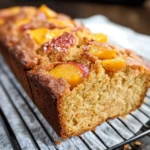
Ingredients
- All-Purpose Flour: 2 cups (approximately 250g). Make sure to spoon the flour into your measuring cup and level it off with a straight edge, rather than scooping directly from the bag, to avoid packing it too tightly. This is the structural backbone of our bread.
- Granulated Sugar: 1 cup (approximately 200g). Provides sweetness and contributes to the tender crumb and golden crust.
- Light Brown Sugar: ½ cup, packed (approximately 110g). Adds a deeper, molasses-like flavor and extra moisture compared to using only granulated sugar. Packing it ensures you get the right amount.
- Baking Soda: 1 teaspoon. Our primary chemical leavening agent, reacting with acidic components (like potentially brown sugar or buttermilk, if used) to create lift.
- Baking Powder: ½ teaspoon. Provides additional leavening power, ensuring a good rise, especially reacting when heated. Using both soda and powder gives a reliable and well-textured result.
- Salt: ½ teaspoon. Crucial for balancing the sweetness and enhancing all the other flavors, including the spices and peaches. Don’t skip it!
- Ground Cinnamon: 1 ½ teaspoons. The star spice, providing that classic warm, comforting flavor that pairs beautifully with peaches.
- Ground Nutmeg: ½ teaspoon. Adds a warm, slightly sweet, and nutty note. Freshly grated nutmeg offers superior flavor if you have it.
- Ground Ginger: ¼ teaspoon. Brings a subtle warmth and zing that complements the cinnamon and nutmeg.
- Ground Cloves or Allspice: ¼ teaspoon (Optional, but recommended). Adds depth and complexity to the spice profile. Use cloves for a stronger, pungent warmth or allspice for a blend reminiscent of cinnamon, nutmeg, and cloves.
- Large Eggs: 2. Should be at room temperature for better incorporation into the batter. Eggs act as binders, add richness, moisture, and help with leavening.
- Vegetable Oil (or Melted Butter): ½ cup (120ml). Provides moisture and tenderness. Vegetable oil generally results in a slightly moister bread that stays soft longer, while melted butter contributes a richer flavor. Ensure butter is cooled slightly after melting.
- Milk or Buttermilk: ¼ cup (60ml). Adds necessary liquid and moisture. Buttermilk can add a slight tang and contribute to a more tender crumb due to its acidity reacting with the baking soda. Room temperature is preferred.
- Vanilla Extract: 1 teaspoon. Enhances the overall sweetness and rounds out the flavors. Pure vanilla extract is recommended for the best taste.
- Diced Peaches: 1 ½ cups, fresh, canned, or frozen.
- Fresh Peaches: Use ripe but firm peaches. You’ll need about 2-3 medium peaches. Peel, pit, and dice them into roughly ½-inch pieces.
- Canned Peaches: Drain them very thoroughly. Pat them dry with paper towels to remove excess moisture, which can make the bread soggy. Dice into ½-inch pieces. Use peaches packed in juice or light syrup, not heavy syrup if possible.
- Frozen Peaches: Thaw completely and drain off all excess liquid. Pat them thoroughly dry with paper towels before dicing. Excess water is the enemy here.
Instructions
- Preheat and Prepare: Preheat your oven to 350°F (175°C). Generously grease and flour a standard 9×5 inch loaf pan. Alternatively, line the pan with parchment paper, leaving an overhang on the two longer sides for easy removal of the bread after baking. This parchment paper sling method is highly recommended.
- Combine Dry Ingredients: In a large mixing bowl, whisk together the all-purpose flour, granulated sugar, packed light brown sugar, baking soda, baking powder, salt, ground cinnamon, ground nutmeg, ground ginger, and optional ground cloves/allspice. Whisking well ensures the leavening agents and spices are evenly distributed, which is crucial for a consistent texture and flavor throughout the loaf. Break up any clumps of brown sugar.
- Combine Wet Ingredients: In a separate medium-sized bowl, whisk together the room temperature large eggs until lightly beaten. Then, whisk in the vegetable oil (or cooled melted butter), milk (or buttermilk), and vanilla extract until well combined and smooth.
- Combine Wet and Dry: Pour the wet ingredients into the bowl containing the dry ingredients. Using a rubber spatula or wooden spoon, mix just until combined. Be very careful not to overmix at this stage. Some streaks of flour remaining are perfectly fine. Overmixing develops the gluten in the flour, which will result in a tough, dense bread instead of a tender, moist one.
- Fold in Peaches: Gently fold the prepared (diced and patted dry, if necessary) 1 ½ cups of peaches into the batter using your spatula. Distribute them evenly throughout the batter without vigorously stirring. Again, minimal mixing is key.
- Transfer to Pan: Pour the thick batter into the prepared loaf pan, spreading it evenly with the spatula. If the batter seems very thick, this is normal for this type of quick bread.
- Bake: Place the loaf pan in the center rack of the preheated oven. Bake for 55 to 70 minutes. Baking times can vary depending on your oven and the moisture content of your peaches.
- Check for Doneness: Start checking for doneness around the 55-minute mark. The bread should be beautifully golden brown on top and feel set. Insert a long wooden skewer or toothpick into the absolute center of the loaf. If it comes out clean (with no wet batter clinging to it, though a few moist crumbs are okay), the bread is done. If there’s wet batter, continue baking in 5-minute increments, checking each time. Another way to check is with an instant-read thermometer; the internal temperature should register around 200-205°F (93-96°C).
- Cooling (Crucial Step!): Once baked, remove the loaf pan from the oven and place it on a wire cooling rack. Let the bread cool in the pan for at least 15-20 minutes. This allows the structure to set, preventing it from collapsing or breaking when you remove it.
- Complete Cooling: After the initial cooling period in the pan, carefully run a thin knife or offset spatula around the edges if you didn’t use parchment paper. If you used a parchment sling, simply lift the bread out using the overhangs. Place the loaf directly onto the wire rack to cool completely before slicing and serving. Cooling completely might take 1-2 hours, but patience is rewarded with bread that slices cleanly and has the best texture. Slicing while too warm can lead to a gummy texture.
Nutrition
- Serving Size: one normal portion
- Calories: 280-350