
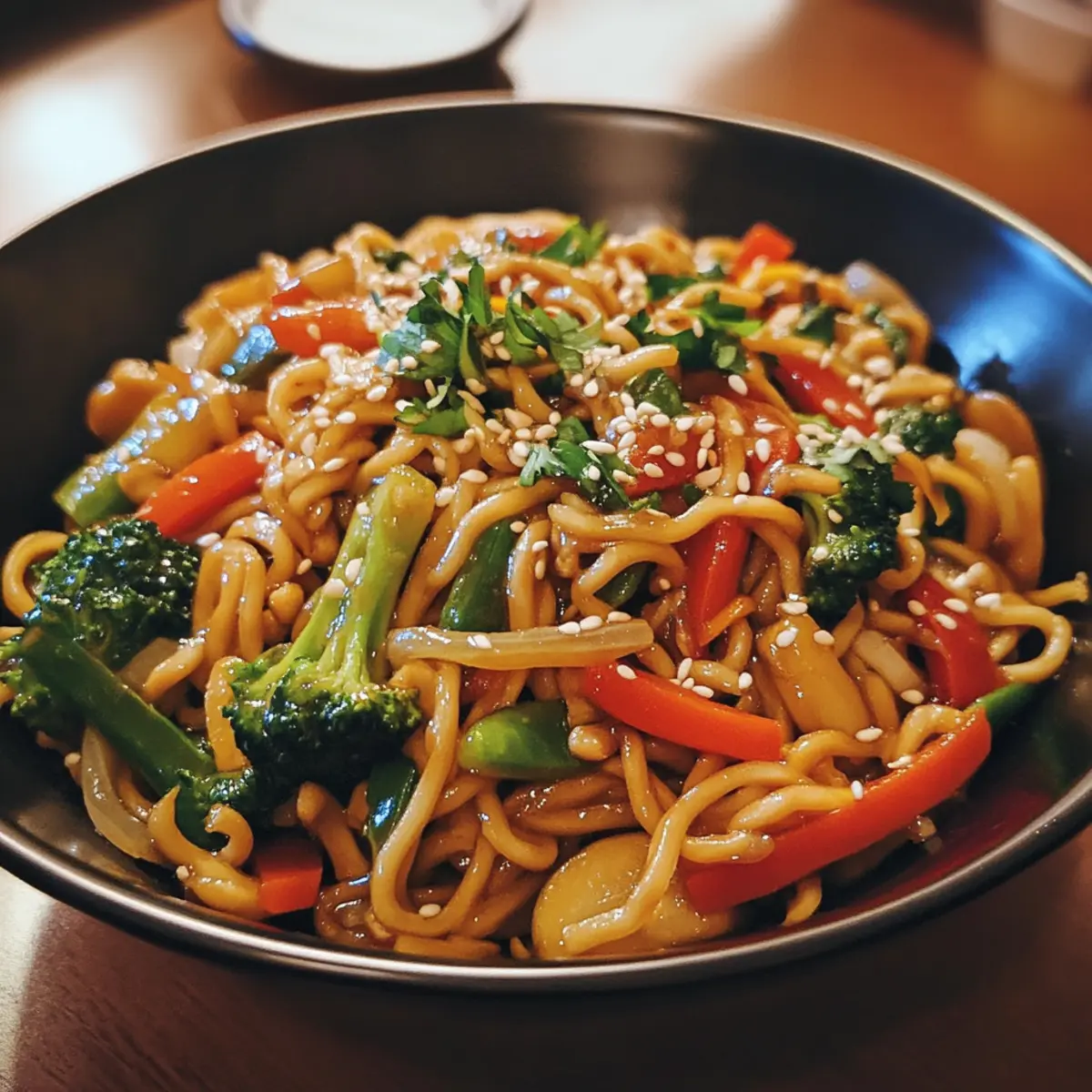
There’s something incredibly satisfying about the crisp-tender crunch of fresh vegetables mingling with savory noodles in a bowl of Vegetable Chow Mein. One evening, craving something vibrant yet easy, I tossed together a colorful medley straight from my fridge—and the result felt like a restaurant-worthy feast on a weeknight. This recipe is my go-to when I want a quick, wholesome meal that doesn’t skimp on flavor or texture. Whether you’re a seasoned home cook or just breaking free from fast food monotony, this Vegetable Chow Mein balances simplicity and taste perfectly, making it a crowd-pleaser every time.
Why choose Vegetable Chow Mein tonight?
Quick and Easy: Ready in under 30 minutes, this recipe fits perfectly into busy weeknights. Fresh and Vibrant: Crisp veggies bring a lively crunch and color that brighten any meal. Flavor Explosion: The savory, slightly sweet sauce complements the noodles and veggies beautifully. Healthy and Wholesome: Packed with nutrients, it’s a guilt-free alternative to fast food. Versatile and Customizable: Swap in your favorite vegetables or add tofu for extra protein. Crowd-Pleasing: Perfect for family dinners or impressing guests with minimal effort.
Vegetable Chow Mein Ingredients
For the Noodles and Sauce
- Lo mein or chow mein noodles – use fresh or dried; soak dried noodles in hot water for best texture.
- Soy sauce – provides the savory umami base essential for Vegetable Chow Mein flavor.
- Oyster sauce – adds a subtle sweetness and depth; substitute with hoisin sauce for vegetarian-friendly option.
- Sesame oil – just a splash enhances the aroma and gives a nutty finish.
- Cornstarch – helps thicken the sauce for a glossy, clingy coating on the noodles.
For the Vegetables
- Carrots – julienned for crunch and a touch of natural sweetness.
- Bell peppers – red, yellow, or green add vibrant color and freshness.
- Snap peas or snow peas – bring a crisp snap that contrasts beautifully with the noodles.
- Green onions – sliced thin for a mild oniony bite and garnish pop.
- Garlic and ginger – finely minced to infuse the dish with warm, fragrant tones.
Optional Add-Ins
- Tofu or cooked chicken – great protein boosts for a heartier meal.
- Chili flakes or fresh chili – for those who like a little heat.
- Sesame seeds – sprinkle on top for extra texture and visual appeal.
This lineup of perfectly balanced ingredients ensures this Vegetable Chow Mein dazzles with every bite!
How to Make Vegetable Chow Mein
- Cook Noodles: Boil water, add noodles, cook until al dente (3–4 minutes), drain and toss with a dash of sesame oil to prevent sticking.
- Whisk Together: Whisk together soy sauce, oyster sauce, cornstarch, and a splash of water until smooth; set aside so flavors meld while veggies cook.
- Heat Wok: Warm 1 tbsp oil over medium-high heat until shimmering; swirl to coat the wok, ensuring even heat for stir-frying crisp vegetables.
- Add Aromatics: Add garlic and ginger, stirring 30 seconds until fragrant and lightly golden without burning, for the dish’s warm, aromatic base.
- Stir-Fry Veggies: Toss carrots, bell peppers, and peas into the wok; stir constantly for 2–3 minutes until veggies are crisp-tender and color is vibrant.
- Thicken Sauce: Pour in the sauce mixture, stirring quickly so it thickens and clings to noodles and vegetables in about 1 minute.
- Finish & Serve: Drizzle sesame oil, sprinkle green onions and sesame seeds, then toss once more; serve immediately for best texture and flavor.
Optional: Garnish with fresh cilantro or a squeeze of lime for brightness.
Exact quantities are listed in the recipe card below.
Vegetable Chow Mein Variations
Feel free to explore these delicious twists to make your Vegetable Chow Mein even more exciting and tailored to your tastes!
-
Gluten-Free: Substitute traditional noodles with rice noodles or gluten-free pasta to accommodate dietary needs while keeping the flavor intact.
-
Add Heat: Toss in sliced jalapeños or a pinch of red pepper flakes during stir-frying for a spicy kick that warms the soul.
-
Nuts for Crunch: Cashews or chopped peanuts can be added for a delightful crunch and nutty flavor; toss them in just before serving for added texture.
-
Extra Protein: Incorporate edamame or chickpeas for plant-based protein, making your chow mein both satisfying and nutritious without sacrificing that classic taste.
-
Herb Boost: Fresh herbs like basil or cilantro sprinkled over the top just before serving can elevate the dish with a fresh, aromatic layer.
-
Savory Broth: For added richness, use vegetable broth instead of water in the sauce mixture, creating a deep flavor profile that’s incredibly comforting.
-
Seasonal Veggies: Experiment with whatever vegetables are in season—zucchini, mushrooms, or even broccoli can add new flavors and textures that surprise your palate.
-
Coconut Twist: For a tropical flair, drizzle coconut milk into the sauce for a creamy texture and a hint of sweetness that balances the savory elements beautifully.
With these delightful variations, your Vegetable Chow Mein can become a unique creation each time you prepare it, ensuring no two meals are ever the same! Enjoy the journey of flavor!
What to Serve with Vegetable Chow Mein?
Imagine a colorful table filled with dishes that complement the delightful crunch and savory flavors of your Vegetable Chow Mein, creating a meal to remember!
-
Crispy Spring Rolls: These delightful bites add a crunchy texture and delicious flavor, making them a perfect starter alongside the chow mein.
-
Garlic Bok Choy: Sautéing bok choy with garlic brings a tender, vibrant side that enhances the meal’s freshness and nutrition.
-
Sesame Cucumber Salad: This refreshing dish, with its crisp cucumbers, offers a cool contrast to the warm noodles and adds a splash of brightness.
-
Sweet and Sour Sauce: Serve this tangy sauce on the side for those who love an extra kick of flavor to dip their noodles in.
-
Asian Pear Slices: Their naturally sweet and crisp texture is a light, palate-cleansing accompaniment to the umami-packed chow mein.
-
Iced Green Tea: A refreshing drink that complements the flavors gracefully, providing a soothing contrast to the savory elements of the dish.
Each of these pairings brings a unique element that beautifully enhances your Vegetable Chow Mein experience!
Make Ahead Options
Vegetable Chow Mein is a fantastic dish to prep ahead, saving you precious time on busy weeknights! You can chop your vegetables and prepare the sauce (soy sauce, oyster sauce, cornstarch mixture) up to 24 hours in advance; simply store them in airtight containers in the refrigerator to maintain their crispness and flavor. The noodles can be cooked and tossed with a dash of sesame oil, keeping them from sticking together, and refrigerated for up to 3 days. When you’re ready to serve, just stir-fry the garlic and ginger, add the prepped veggies, noodles, and sauce, and finish cooking as directed. You’ll enjoy a quick and delicious meal that tastes just as fresh!
Expert Tips for Vegetable Chow Mein
- Prep Veggies Uniformly: Cut vegetables into similar sizes to ensure even cooking and a perfect crisp-tender crunch in your Vegetable Chow Mein.
- Don’t Overcook Noodles: Cook noodles just until al dente; overcooked noodles become mushy and soggy, detracting from the dish’s delightful texture.
- High Heat Stir-Fry: Use a hot wok or skillet to quickly sear vegetables, locking in their vibrant color and freshness without losing crunch.
- Thicken Sauce Carefully: Whisk cornstarch with cold water before adding to hot vegetables to avoid lumps and ensure a glossy sauce coating.
- Add Aromatics Early: Garlic and ginger must be fragrant but not burnt—stir-fry briefly on medium heat to avoid bitterness and enhance flavor.
- Customize Thoughtfully: Feel free to swap or add vegetables and proteins—but keep balance in texture and flavors for that authentic Vegetable Chow Mein experience.
How to Store and Freeze Vegetable Chow Mein
Fridge: Store leftover Vegetable Chow Mein in an airtight container for up to 3 days; reheat in a microwave or skillet with a splash of water to revive moisture.
Freezer: Freeze cooled vegetable chow mein in an airtight container for up to 2 months. When ready to enjoy, thaw overnight in the fridge and reheat thoroughly.
Temperature: Allow the dish to cool completely before placing it in the fridge or freezer to prevent condensation and sogginess.
Reheating: When reheating, add a little water or broth to help the noodles regain their texture and prevent drying out.
Vegetable Chow Mein Recipe FAQs
How do I select the best vegetables for Vegetable Chow Mein?
Look for fresh, crisp vegetables with bright colors—carrots should be firm without dark spots, bell peppers shiny and taut-skinned, and snap peas crisp with no signs of wilting. The fresher the veggies, the more vibrant and crunchy your chow mein will be!
Can I store leftover Vegetable Chow Mein in the fridge? How long will it stay fresh?
Absolutely! Store your leftovers in an airtight container and keep them refrigerated. They’ll stay fresh and tasty for up to 3 to 4 days. When reheating, add a splash of water or broth to maintain moisture and prevent the noodles from drying out.
Is it possible to freeze Vegetable Chow Mein? If yes, what’s the best way to do it?
Yes, you can freeze it! Let the chow mein cool completely, then transfer it to a freezer-safe airtight container or heavy-duty freezer bag. Freeze for up to 2 months. To enjoy, thaw overnight in the fridge and reheat gently in a skillet or microwave, adding a bit of water to restore texture. I recommend portioning it before freezing to make meal planning even easier!
What if my noodles become mushy or clump together when reheating?
That can happen if noodles overcook or aren’t tossed with oil before storage. To rescue them, reheat gently with a splash of water while stirring frequently. Using sesame oil right after draining the noodles helps keep them separate and silky. Remember, cooking noodles al dente originally is key to preventing mushiness later.
Is Vegetable Chow Mein safe for pets or suitable for common dietary allergies?
This recipe is not recommended for pets due to ingredients like garlic and soy sauce, which can be harmful to animals. For allergy-sensitive diets, check labels carefully—if soy or gluten is an issue, try gluten-free noodles and tamari instead of soy sauce. The recipe is versatile enough for tweaks, so don’t hesitate to adapt it for your needs!
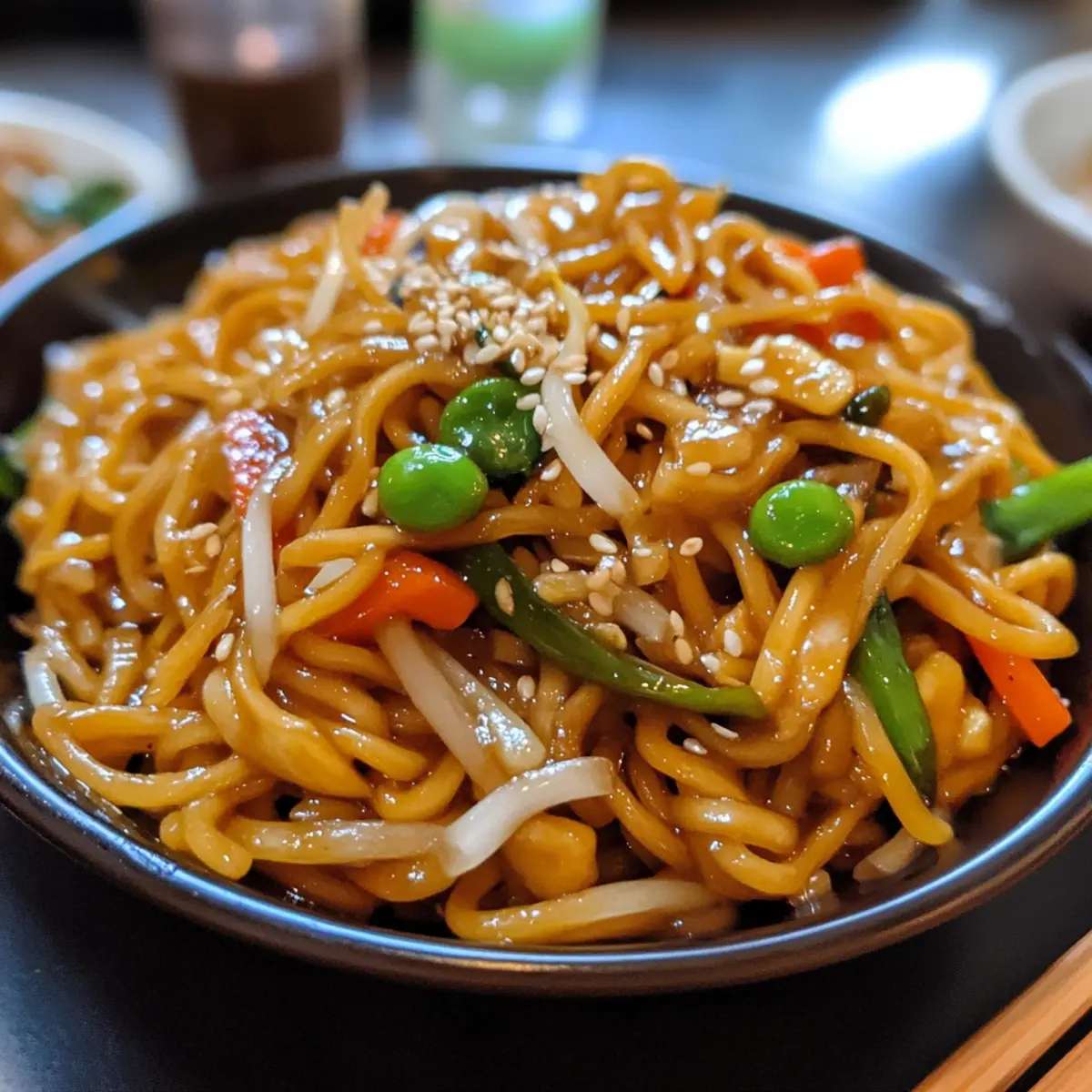
Easy Veggie Chow Mein Recipe That Bursts With Flavor
Ingredients
Equipment
Method
- Boil water, add noodles, cook until al dente (3–4 minutes), drain and toss with a dash of sesame oil.
- Whisk together soy sauce, oyster sauce, cornstarch, and a splash of water until smooth; set aside.
- Warm 1 tbsp oil over medium-high heat until shimmering; swirl to coat the wok.
- Add garlic and ginger, stirring for 30 seconds until fragrant.
- Toss in carrots, bell peppers, and peas; stir constantly for 2–3 minutes until veggies are crisp-tender.
- Pour in the sauce mixture, stirring quickly until it thickens and clings to noodles and vegetables in about 1 minute.
- Drizzle sesame oil, sprinkle green onions and sesame seeds, then toss once more; serve immediately.