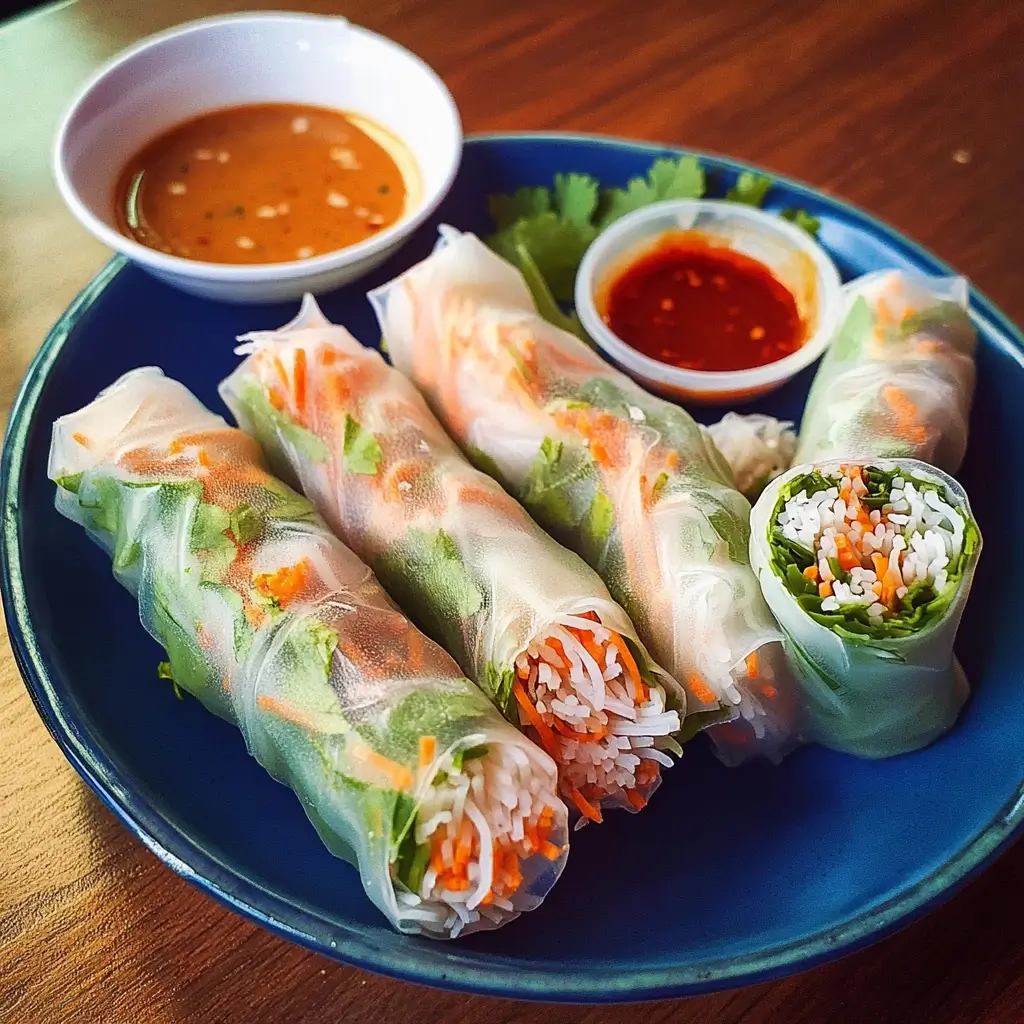
I still remember the first time I truly got fresh spring rolls. It wasn’t at a fancy restaurant, but at a friend’s bustling family gathering. The table was a vibrant canvas of colorful, prepped ingredients: glistening cooked shrimp, thinly sliced pork, mountains of fresh herbs, crisp vegetables, and bowls of steaming vermicelli. Everyone was chatting, laughing, and expertly (or not-so-expertly, in my case initially!) rolling their own creations. The magic wasn’t just in the interactive process, but in that first bite – the cool, yielding rice paper giving way to a symphony of textures and flavors: tender noodles, crunchy veg, succulent protein, and an explosion of fresh mint and cilantro. But the real star, the element that tied everything together and had everyone reaching for more, was the dipping sauce. It was a creamy, savory, slightly sweet, and nutty peanut sauce that was, simply put, addictive. Since then, I’ve made countless batches, tweaking and perfecting both the rolls and, crucially, that “best sauce.” My family now requests these for everything from light summer dinners to party appetizers. They’re surprisingly easy once you get the hang of it, incredibly versatile, and always a showstopper. The freshness is unparalleled, and making them at home means you control the quality and quantity of every delicious component. Trust me, once you try these, especially with this incredible sauce, you’ll be hooked too!
Fresh Spring Rolls with The Best Peanut Dipping Sauce: A Culinary Delight
This recipe will guide you through creating the most vibrant and flavorful fresh spring rolls, paired with a peanut dipping sauce so good, you’ll want to put it on everything. We’re focusing on fresh, high-quality ingredients to make every bite a memorable experience.
Ingredients: Crafting Your Perfect Spring Roll
Let’s break down what you’ll need for approximately 12-16 spring rolls and a generous batch of our signature peanut sauce.
For the Spring Rolls:
- Rice Paper Wrappers: 1 package (about 16-20 sheets, 22cm or 8.5-inch diameter) – look for brands made from tapioca and rice flour for good elasticity.
- Cooked Protein (Choose one or a combination):
- Shrimp: 1 lb (450g) medium shrimp, peeled, deveined, cooked (boiled or steamed until pink), and sliced in half lengthwise.
- Pork: 8 oz (225g) pork loin or shoulder, thinly sliced and boiled or pan-fried until cooked through.
- Chicken: 8 oz (225g) boneless, skinless chicken breast, poached or grilled and thinly sliced or shredded.
- Tofu (for vegetarian/vegan): 1 block (14-16 oz) firm or extra-firm tofu, pressed, and either pan-fried in strips until golden or used raw and thinly sliced.
- Rice Vermicelli Noodles: 4-5 oz (115-140g) dried rice vermicelli noodles, cooked according to package directions, rinsed with cold water, and drained well.
- Lettuce: 1 small head of butter lettuce, green leaf lettuce, or romaine, leaves separated, washed, and torn into manageable pieces.
- Fresh Herbs (Essential for flavor!):
- Mint: 1 large bunch, leaves picked.
- Cilantro: 1 large bunch, leaves and tender stems.
- Thai Basil (optional but highly recommended): 1/2 bunch, leaves picked (has a distinct anise-like flavor).
- Vegetables (for crunch and color):
- Carrots: 2 medium carrots, peeled and julienned (matchstick size).
- Cucumber: 1 medium cucumber, peeled (optional), seeded, and julienned.
- Bell Pepper (optional): 1 red or yellow bell pepper, thinly sliced.
- Bean Sprouts (optional): 1 cup, fresh.
For the Best Peanut Dipping Sauce:
- Creamy Peanut Butter: 1/2 cup (120g) – use a good quality natural, unsweetened one if possible.
- Hoisin Sauce: 1/4 cup (60ml) – this adds depth and sweetness.
- Water: 1/4 cup (60ml) warm water, plus more to reach desired consistency.
- Rice Vinegar: 2 tablespoons (30ml) – for a tangy kick.
- Soy Sauce (or Tamari for gluten-free): 2 tablespoons (30ml) – for umami.
- Lime Juice: 1 tablespoon (15ml) fresh lime juice – brightens everything up.
- Honey or Maple Syrup (for vegan): 1-2 teaspoons, or to taste, for a touch of sweetness.
- Fresh Garlic: 1-2 cloves, minced or grated.
- Fresh Ginger (optional but adds warmth): 1 teaspoon, freshly grated.
- Chili Garlic Sauce (e.g., Sambal Oelek): 1-2 teaspoons, or to taste, for a little heat.
- Toasted Sesame Oil (optional): 1/2 teaspoon for nutty aroma.
- Garnish (optional): Crushed roasted peanuts, a drizzle of chili oil.
Instructions: Assembling Your Masterpieces
Follow these steps carefully for spring roll success. The key is preparation (“mise en place”) – having all your ingredients prepped and ready to go before you start rolling makes the process smooth and enjoyable.
Step 1: Prepare the Peanut Dipping Sauce
- In a small saucepan or a microwave-safe bowl, combine the peanut butter, hoisin sauce, 1/4 cup warm water, rice vinegar, soy sauce (or tamari), lime juice, honey (or maple syrup), minced garlic, grated ginger (if using), and chili garlic sauce.
- If using a saucepan, heat over low-medium heat, whisking continuously until the sauce is smooth and well combined. Do not let it boil.
- If using a microwave, heat in 30-second intervals, whisking in between, until smooth.
- Whisk in the toasted sesame oil, if using.
- Check the consistency. If the sauce is too thick, whisk in a little more warm water, one teaspoon at a time, until it reaches your desired dipping consistency (it should be pourable but still thick enough to coat).
- Taste and adjust seasonings if necessary – more lime for tang, more honey/maple for sweetness, more chili for heat.
- Transfer to a serving bowl. If desired, garnish with crushed peanuts or a swirl of chili oil just before serving. The sauce can be made ahead and stored in an airtight container in the refrigerator for up to a week (it will thicken when chilled, so you may need to thin it with a little water and gently rewarm or bring to room temperature before serving).
Step 2: Prepare All Spring Roll Fillings
- Cook Protein: If you haven’t already, cook your chosen protein (shrimp, pork, chicken, or tofu). Slice shrimp in half lengthwise. Thinly slice pork or chicken. Pan-fry or bake tofu strips until lightly golden, or use raw if preferred. Set aside.
- Cook Noodles: Cook the rice vermicelli noodles according to package instructions. This usually involves boiling for a few minutes, then draining and rinsing thoroughly with cold water to stop the cooking process and remove excess starch. Drain very well. You can toss them with a tiny bit of sesame oil to prevent sticking if desired.
- Prep Vegetables & Herbs: Wash and dry all your herbs and lettuce. Pick herb leaves from stems. Tear lettuce into pieces roughly 3-4 inches long. Julienned carrots and cucumbers. Thinly slice bell peppers if using. Have bean sprouts ready.
- Set Up Your Rolling Station: This is crucial for efficiency. Arrange all your prepped fillings in separate bowls or on a large platter in an assembly-line fashion. You’ll want your cooked protein, noodles, lettuce, herbs, and vegetables all within easy reach.
Step 3: Assemble the Spring Rolls
- Prepare Rolling Water: Fill a large, shallow dish (a pie plate or a large skillet works well) with warm water (not too hot, just comfortably warm to the touch).
- Hydrate Rice Paper: Take one sheet of rice paper and submerge it completely in the warm water for about 15-30 seconds, or until it becomes soft and pliable. The exact time will depend on the brand of rice paper. Don’t oversoak, or it will become too sticky and tear easily. It should still have a little firmness when you remove it, as it will continue to soften as you fill it.
- Lay Out Wrapper: Carefully lay the softened rice paper flat on a clean, damp work surface. A large plastic cutting board or even a clean, damp kitchen towel can work well. The dampness helps prevent sticking.
- Layer the Fillings (The “Pretty Side”):
- About one-third of the way from the edge closest to you, place 3-4 shrimp halves (pink side down, if you want the color to show through) or a few slices of your chosen protein in a horizontal line, leaving about an inch of space on each side.
- Right above the protein, add a few leaves of fresh mint, cilantro, and Thai basil. These will also show through and look beautiful.
- Layer Remaining Fillings:
- On top of the herbs (or slightly overlapping towards you), place a small handful of lettuce.
- Follow with a small bundle of rice vermicelli noodles.
- Top with a few julienned carrots, cucumbers, and any other vegetables you’re using (like bell pepper or bean sprouts).
- Important: Don’t overfill the roll! It’s tempting, but it makes rolling difficult and can cause tearing. Start with less filling than you think you need; you can always add more to the next roll.
- Roll It Up:
- Fold Sides: Gently fold the left and right sides of the rice paper wrapper inwards over the filling. This creates a neat, enclosed package.
- Roll Tightly: Starting from the edge closest to you (where the lettuce and noodles are), carefully and tightly roll the wrapper upwards, away from you, over the fillings, much like rolling a burrito. Try to keep the roll compact as you go. The initial layer of shrimp and herbs will now be encased and visible on the outside.
- The rice paper will stick to itself to seal the roll.
- Set Aside and Repeat: Place the finished spring roll on a platter, seam-side down. To prevent sticking if you’re making many, ensure they aren’t touching too much, or place a small piece of plastic wrap or a lettuce leaf between them. Cover the finished rolls with a damp paper towel or plastic wrap to keep them from drying out while you assemble the rest.
- Repeat the process with the remaining rice paper sheets and fillings until all ingredients are used.
Nutrition Facts
- Servings: This recipe makes approximately 12-16 spring rolls.
- Serving Size: 2-3 spring rolls (depending on appetite and if served as an appetizer or main).
- Calories per serving (estimated for 2 rolls with shrimp and ~2 tbsp sauce): Approximately 300-400 calories.
Disclaimer: Nutritional information is an estimate and can vary significantly based on specific ingredients used (e.g., type of peanut butter, amount of oil in cooked protein), portion sizes, and optional additions. For precise nutritional data, using a dedicated calculator with your exact ingredients is recommended.
Preparation Time
- Sauce Preparation: 10-15 minutes
- Filling Preparation (cooking protein, noodles, chopping veg): 30-45 minutes (can be done concurrently or partially ahead)
- Assembly Time: 2-3 minutes per roll once you get the hang of it. For 16 rolls, allow 30-45 minutes.
- Total Estimated Time: Approximately 1 hour 15 minutes to 1 hour 45 minutes (much of this can be passive cooking or prepping in advance).
How to Serve Your Fresh Spring Rolls
Fresh spring rolls are best enjoyed immediately after they are made, or within a few hours, for optimal texture and freshness. Here are some delightful ways to serve them:
- As an Appetizer: Arrange 2-3 rolls per person on a platter. Serve the peanut dipping sauce in a central bowl or individual small dipping bowls.
- As a Light Lunch or Dinner: A larger portion of 3-4 rolls can make a satisfying and healthy meal.
- Party Platter: Create a large, colorful platter of spring rolls for gatherings. Garnish the platter with extra fresh herbs like mint sprigs or cilantro.
- With Extra Garnishes:
- Provide small bowls of crushed roasted peanuts for sprinkling over the sauce or rolls.
- Offer lime wedges for an extra squeeze of fresh citrus.
- A small dish of extra chili garlic sauce or sriracha for those who like more heat.
- Family Style: Lay out all the components and let everyone build their own rolls at the table for a fun, interactive meal.
- Paired with Other Dishes: They complement other Southeast Asian dishes wonderfully, such as a light pho, a green papaya salad, or grilled satay skewers.
- Keep the Sauce Separate: Always serve the dipping sauce on the side. Do not pour it over the rolls, as this will make the rice paper soggy.
Additional Tips for Spring Roll Perfection
- Don’t Oversoak Rice Paper: This is the most common mistake. Rice paper only needs a brief dip in warm water. It should still feel slightly firm when you take it out; it will continue to soften on your work surface. Over-soaked paper becomes gummy, sticky, and tears easily.
- Work Surface Matters: A slightly damp, clean plastic cutting board is ideal. Some people prefer using a clean, damp (not wet) kitchen towel. Experiment to see what works best for you to prevent sticking without making the paper too wet.
- Prep All Ingredients First (Mise en Place): Having everything chopped, cooked, and laid out before you start rolling makes the assembly process much smoother and more enjoyable. You don’t want to be fussing with chopping carrots while your rice paper dries out or becomes too sticky.
- Don’t Overfill: It’s tempting to pack your rolls, but less is more, especially when you’re starting. Overfilling makes them difficult to roll tightly and increases the chance of tearing. You’ll get a feel for the right amount after a few tries.
- Sauce Customization & Alternatives:
- Peanut Sauce Texture: Adjust the thickness of your peanut sauce with a little extra warm water until it’s perfect for dipping.
- Spice Level: Easily control the heat by adding more or less chili garlic sauce.
- Alternative Sauce – Nuoc Cham: For a lighter, tangier, non-creamy option, try a traditional Vietnamese dipping sauce called Nuoc Cham. It’s typically made with fish sauce, lime juice, sugar, water, garlic, and chili. This offers a completely different but equally delicious flavor profile.
Frequently Asked Questions (FAQ)
Q1: Why do my rice paper wrappers keep tearing when I roll them?
A1: Tearing is usually due to a few reasons:
* Over-soaking: The paper becomes too delicate. Reduce soaking time to 15-20 seconds in warm (not hot) water.
* Dry work surface: If the surface is too dry, the paper can stick and tear when you try to manipulate it. Use a damp board or towel.
* Overfilling: Too much filling puts stress on the wrapper.
* Sharp ingredients: Be mindful of sharp edges from things like unblanched carrot sticks; ensure fillings are relatively smooth.
* Rough handling: Roll gently but firmly.
Q2: Can I make fresh spring rolls ahead of time?
A2: Fresh spring rolls are best enjoyed within a few hours of making them, as the rice paper can dry out or become tough over time, and the fillings can make them soggy.
* Short-term (a few hours): If making them a few hours ahead for a party, lay them in a single layer on a platter, not touching each other (or separated by plastic wrap/lettuce). Cover tightly with plastic wrap or a damp paper towel and refrigerate.
* Prep components ahead: The best strategy for “making ahead” is to prepare all the fillings (cook protein, noodles, chop veggies) and the sauce a day in advance. Store them separately in airtight containers in the fridge. Then, assemble the rolls just before serving.
Q3: How can I make these spring rolls vegetarian or vegan?
A3: Easily!
* Protein: Use pan-fried or baked tofu strips (seasoned with soy sauce and sesame oil for extra flavor), edamame, or even just increase the amount of vegetables and noodles. Sautéed shiitake or oyster mushrooms also make a great umami-rich filling.
* Sauce: For the peanut sauce, ensure your hoisin sauce is vegan (most are, but check labels) and use maple syrup instead of honey. If you opt for a Nuoc Cham, use a vegan fish sauce alternative or a light soy sauce base with extra lime and sugar.
Q4: Are fresh spring rolls gluten-free?
A4: Yes, they can be easily made gluten-free.
* Rice paper and vermicelli noodles are naturally gluten-free.
* For the sauce: Use tamari instead of regular soy sauce. Double-check that your hoisin sauce is certified gluten-free, as some brands may contain wheat. Most peanut butters are gluten-free, but always check labels.
Q5: How do I store leftover spring rolls and the peanut sauce?
A5:
* Spring Rolls: Store leftover rolls in a single layer in an airtight container in the refrigerator, separated by plastic wrap or lettuce leaves to prevent sticking. Try to eat them within 24 hours. The rice paper may become a bit chewier.
* Peanut Sauce: Store leftover sauce in an airtight container in the refrigerator. It will last for up to a week. The sauce will thicken when cold; you may need to thin it with a little warm water and gently stir or rewarm it before serving again.
Enjoy the delightful process of making and savoring these incredibly fresh and flavorful spring rolls with their irresistible peanut dipping sauce! They are a testament to how simple, fresh ingredients can create something truly special.
Print
Fresh Spring Rolls with The Best Peanut Dipping Sauce Recipe
Ingredients
For the Spring Rolls:
- Rice Paper Wrappers: 1 package (about 16-20 sheets, 22cm or 8.5-inch diameter) – look for brands made from tapioca and rice flour for good elasticity.
- Cooked Protein (Choose one or a combination):
- Shrimp: 1 lb (450g) medium shrimp, peeled, deveined, cooked (boiled or steamed until pink), and sliced in half lengthwise.
- Pork: 8 oz (225g) pork loin or shoulder, thinly sliced and boiled or pan-fried until cooked through.
- Chicken: 8 oz (225g) boneless, skinless chicken breast, poached or grilled and thinly sliced or shredded.
- Tofu (for vegetarian/vegan): 1 block (14-16 oz) firm or extra-firm tofu, pressed, and either pan-fried in strips until golden or used raw and thinly sliced.
- Rice Vermicelli Noodles: 4-5 oz (115-140g) dried rice vermicelli noodles, cooked according to package directions, rinsed with cold water, and drained well.
- Lettuce: 1 small head of butter lettuce, green leaf lettuce, or romaine, leaves separated, washed, and torn into manageable pieces.
- Fresh Herbs (Essential for flavor!):
- Mint: 1 large bunch, leaves picked.
- Cilantro: 1 large bunch, leaves and tender stems.
- Thai Basil (optional but highly recommended): 1/2 bunch, leaves picked (has a distinct anise-like flavor).
- Vegetables (for crunch and color):
- Carrots: 2 medium carrots, peeled and julienned (matchstick size).
- Cucumber: 1 medium cucumber, peeled (optional), seeded, and julienned.
- Bell Pepper (optional): 1 red or yellow bell pepper, thinly sliced.
- Bean Sprouts (optional): 1 cup, fresh.
For the Best Peanut Dipping Sauce:
- Creamy Peanut Butter: 1/2 cup (120g) – use a good quality natural, unsweetened one if possible.
- Hoisin Sauce: 1/4 cup (60ml) – this adds depth and sweetness.
- Water: 1/4 cup (60ml) warm water, plus more to reach desired consistency.
- Rice Vinegar: 2 tablespoons (30ml) – for a tangy kick.
- Soy Sauce (or Tamari for gluten-free): 2 tablespoons (30ml) – for umami.
- Lime Juice: 1 tablespoon (15ml) fresh lime juice – brightens everything up.
- Honey or Maple Syrup (for vegan): 1-2 teaspoons, or to taste, for a touch of sweetness.
- Fresh Garlic: 1-2 cloves, minced or grated.
- Fresh Ginger (optional but adds warmth): 1 teaspoon, freshly grated.
- Chili Garlic Sauce (e.g., Sambal Oelek): 1-2 teaspoons, or to taste, for a little heat.
- Toasted Sesame Oil (optional): 1/2 teaspoon for nutty aroma.
- Garnish (optional): Crushed roasted peanuts, a drizzle of chili oil.
Instructions
Step 1: Prepare the Peanut Dipping Sauce
- In a small saucepan or a microwave-safe bowl, combine the peanut butter, hoisin sauce, 1/4 cup warm water, rice vinegar, soy sauce (or tamari), lime juice, honey (or maple syrup), minced garlic, grated ginger (if using), and chili garlic sauce.
- If using a saucepan, heat over low-medium heat, whisking continuously until the sauce is smooth and well combined. Do not let it boil.
- If using a microwave, heat in 30-second intervals, whisking in between, until smooth.
- Whisk in the toasted sesame oil, if using.
- Check the consistency. If the sauce is too thick, whisk in a little more warm water, one teaspoon at a time, until it reaches your desired dipping consistency (it should be pourable but still thick enough to coat).
- Taste and adjust seasonings if necessary – more lime for tang, more honey/maple for sweetness, more chili for heat.
- Transfer to a serving bowl. If desired, garnish with crushed peanuts or a swirl of chili oil just before serving. The sauce can be made ahead and stored in an airtight container in the refrigerator for up to a week (it will thicken when chilled, so you may need to thin it with a little water and gently rewarm or bring to room temperature before serving).
Step 2: Prepare All Spring Roll Fillings
- Cook Protein: If you haven’t already, cook your chosen protein (shrimp, pork, chicken, or tofu). Slice shrimp in half lengthwise. Thinly slice pork or chicken. Pan-fry or bake tofu strips until lightly golden, or use raw if preferred. Set aside.
- Cook Noodles: Cook the rice vermicelli noodles according to package instructions. This usually involves boiling for a few minutes, then draining and rinsing thoroughly with cold water to stop the cooking process and remove excess starch. Drain very well. You can toss them with a tiny bit of sesame oil to prevent sticking if desired.
- Prep Vegetables & Herbs: Wash and dry all your herbs and lettuce. Pick herb leaves from stems. Tear lettuce into pieces roughly 3-4 inches long. Julienned carrots and cucumbers. Thinly slice bell peppers if using. Have bean sprouts ready.
- Set Up Your Rolling Station: This is crucial for efficiency. Arrange all your prepped fillings in separate bowls or on a large platter in an assembly-line fashion. You’ll want your cooked protein, noodles, lettuce, herbs, and vegetables all within easy reach.
Step 3: Assemble the Spring Rolls
- Prepare Rolling Water: Fill a large, shallow dish (a pie plate or a large skillet works well) with warm water (not too hot, just comfortably warm to the touch).
- Hydrate Rice Paper: Take one sheet of rice paper and submerge it completely in the warm water for about 15-30 seconds, or until it becomes soft and pliable. The exact time will depend on the brand of rice paper. Don’t oversoak, or it will become too sticky and tear easily. It should still have a little firmness when you remove it, as it will continue to soften as you fill it.
- Lay Out Wrapper: Carefully lay the softened rice paper flat on a clean, damp work surface. A large plastic cutting board or even a clean, damp kitchen towel can work well. The dampness helps prevent sticking.
- Layer the Fillings (The “Pretty Side”):
- About one-third of the way from the edge closest to you, place 3-4 shrimp halves (pink side down, if you want the color to show through) or a few slices of your chosen protein in a horizontal line, leaving about an inch of space on each side.
- Right above the protein, add a few leaves of fresh mint, cilantro, and Thai basil. These will also show through and look beautiful.
- Layer Remaining Fillings:
- On top of the herbs (or slightly overlapping towards you), place a small handful of lettuce.
- Follow with a small bundle of rice vermicelli noodles.
- Top with a few julienned carrots, cucumbers, and any other vegetables you’re using (like bell pepper or bean sprouts).
- Important: Don’t overfill the roll! It’s tempting, but it makes rolling difficult and can cause tearing. Start with less filling than you think you need; you can always add more to the next roll.
- Roll It Up:
- Fold Sides: Gently fold the left and right sides of the rice paper wrapper inwards over the filling. This creates a neat, enclosed package.
- Roll Tightly: Starting from the edge closest to you (where the lettuce and noodles are), carefully and tightly roll the wrapper upwards, away from you, over the fillings, much like rolling a burrito. Try to keep the roll compact as you go. The initial layer of shrimp and herbs will now be encased and visible on the outside.
- The rice paper will stick to itself to seal the roll.
- Set Aside and Repeat: Place the finished spring roll on a platter, seam-side down. To prevent sticking if you’re making many, ensure they aren’t touching too much, or place a small piece of plastic wrap or a lettuce leaf between them. Cover the finished rolls with a damp paper towel or plastic wrap to keep them from drying out while you assemble the rest.
- Repeat the process with the remaining rice paper sheets and fillings until all ingredients are used.
Nutrition
- Serving Size: One Normal Portion
- Calories: 300-400