
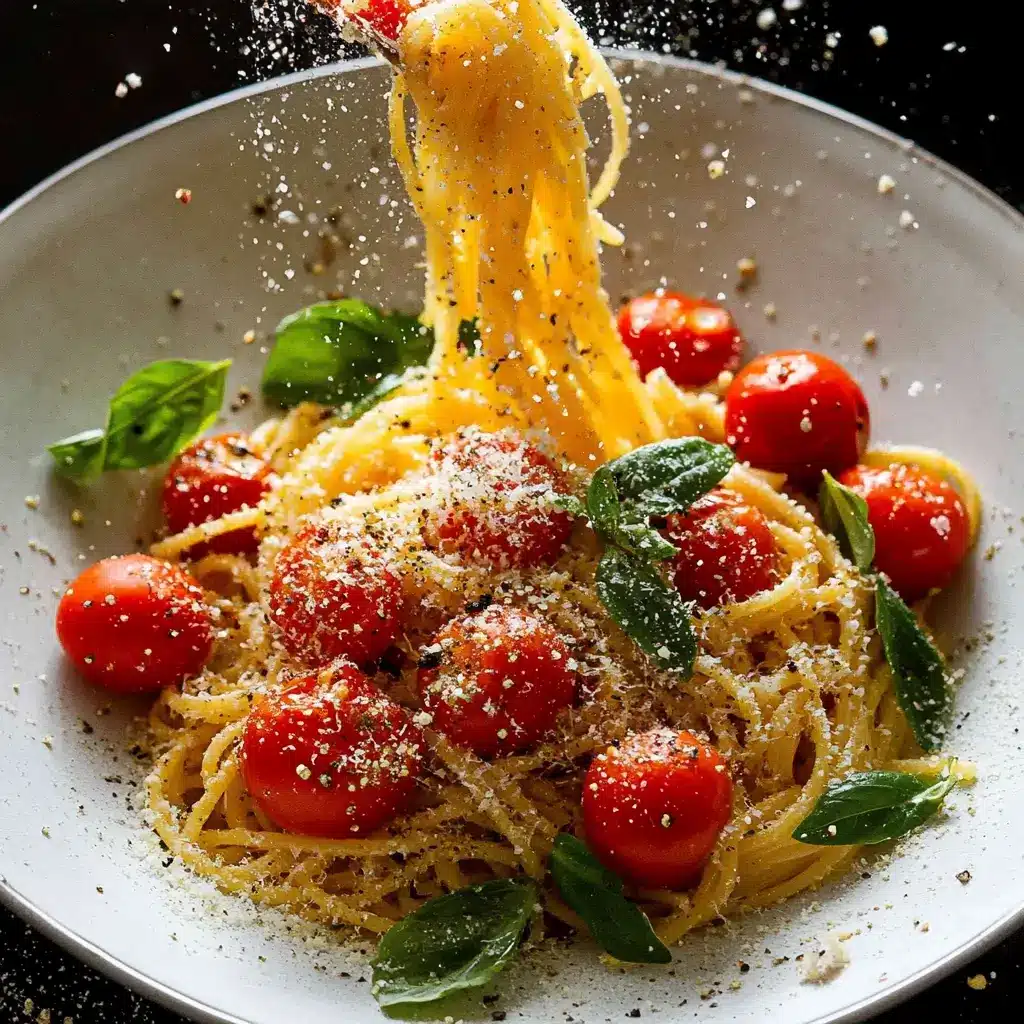
There are some recipes that just scream summer, and this Fresh Tomato Pasta Toss is definitively one of them. I remember the first time I made it; it was one of those sweltering August afternoons when the thought of standing over a simmering sauce for hours felt completely unbearable. I had a glut of gorgeous cherry tomatoes from the garden, glistening like little red jewels, and a bunch of basil perfuming the entire kitchen. I wanted something quick, something vibrant, something that tasted like sunshine. This recipe was born out of that craving for simplicity and freshness. I tossed the warm pasta with the uncooked, marinated tomatoes, garlic, olive oil, and basil, and the result was instantaneous magic. The heat from the pasta gently warmed the tomatoes, releasing their juices to mingle with the fragrant olive oil and garlic, creating the most incredibly light yet flavorful sauce. My family devoured it. Even my pickiest eater, who usually eyes vegetables with suspicion, couldn’t get enough of the sweet, juicy tomatoes and the salty kick of Parmesan. It has since become a staple in our house, especially during tomato season. It’s proof that sometimes, the most memorable meals are the ones that let simple, beautiful ingredients shine with minimal fuss. It’s fast, it’s versatile, and it delivers a taste of pure, unadulterated summer joy with every single bite.
Fresh Tomato Pasta Toss: Ingredients
Creating this vibrant and flavorful dish relies on the quality and freshness of its components. While the core concept is simple, selecting the right ingredients elevates it from merely good to truly exceptional. Here’s a detailed breakdown of what you’ll need, designed for approximately 4-6 servings:
- Pasta: 1 pound (450g) dried pasta. The shape matters more than you might think! Long strands like spaghetti, linguine, or fettuccine work beautifully, allowing the light sauce to coat them evenly. However, shapes with nooks and crannies, such as fusilli, rotini, penne, or orecchiette, are also fantastic choices as they trap the delicious bits of tomato, garlic, and basil. Consider using a quality bronze-die cut pasta if available; its rougher texture helps the sauce cling better. Whole wheat pasta can also be used for added fiber and a nuttier flavor, though it might slightly alter the dish’s delicate taste profile.
- Fresh Tomatoes: 2 pints (about 4 cups or 600-700g) cherry or grape tomatoes. These are ideal due to their high juice content, thin skins, and inherent sweetness. Look for tomatoes that are firm yet yield slightly to pressure, deeply colored, and smell fragrant at the stem end. A mix of colors (red, yellow, orange) can make the dish visually stunning. If using larger tomatoes (like Roma or vine-ripened), you’ll need about 4-5 medium ones, seeded and diced into roughly ½-inch pieces. The key is fresh and ripe – underripe tomatoes will lack sweetness and flavour, while overripe ones can become mushy. During peak season, exploring heirloom varieties can add unique flavour nuances.
- Garlic: 3-4 large cloves, minced. Fresh garlic is non-negotiable here; its pungent aroma and sharp bite are crucial. Adjust the amount based on your preference and the size of the cloves. Mince them finely to ensure they distribute evenly throughout the sauce and release their flavor without overwhelming any single bite. Avoid pre-minced jarred garlic, as its flavor is often muted and can have a slightly acidic or off-taste.
- Extra Virgin Olive Oil: ½ cup (120ml), plus extra for drizzling. This is the backbone of the “sauce.” Choose a good quality, flavorful extra virgin olive oil, as its taste will prominently feature in the final dish. A fruity or peppery oil can add wonderful complexity. Don’t skimp here; it emulsifies with the tomato juices and pasta water to create a luscious coating.
- Fresh Basil: ½ packed cup fresh basil leaves, roughly chopped or torn. Like garlic, fresh basil is essential for that signature Italian summer flavor. Its sweet, slightly peppery, and minty notes are irreplaceable. Add it towards the end of the preparation to preserve its bright color and delicate aroma. Dried basil offers a different, more concentrated flavour profile and lacks the freshness required for this particular dish. If you absolutely must substitute, use about 1.5 tablespoons of dried basil, but the result will be significantly different.
- Parmesan Cheese: ½ cup (about 50g) freshly grated Parmesan cheese (Parmigiano-Reggiano recommended), plus more for serving. Use a block of good quality Parmesan and grate it yourself just before using. Pre-grated cheese often contains anti-caking agents that can affect its melting quality and flavour. The salty, nutty depth of real Parmigiano-Reggiano is incomparable and adds a crucial savoury element. Pecorino Romano can be substituted for a sharper, saltier kick.
- Salt: 1.5 – 2 teaspoons kosher salt or sea salt, divided (plus more for pasta water). Salt is vital for seasoning the pasta water adequately (it should taste like the sea!) and for drawing out the juices from the tomatoes and enhancing all the other flavors. Adjust the amount based on your taste and the saltiness of your cheese.
- Black Pepper: ½ teaspoon freshly ground black pepper, or to taste. Freshly ground pepper offers a more potent and complex flavour than pre-ground varieties.
- Red Pepper Flakes (Optional): ¼ – ½ teaspoon crushed red pepper flakes. For those who enjoy a gentle warmth or a spicy kick, a pinch of red pepper flakes added with the garlic can provide a lovely counterpoint to the sweet tomatoes and rich olive oil. Adjust the amount based on your heat preference.
Step-by-Step Instructions
This recipe’s beauty lies in its simplicity and the parallel processing – preparing the fresh “sauce” while the pasta cooks. Follow these steps for a perfect Fresh Tomato Pasta Toss every time:
- Prepare the Tomato Mixture (The No-Cook Sauce): This is the heart of the dish, where the fresh flavours meld. In a large serving bowl (large enough to eventually hold the pasta too), combine the halved or quartered cherry/grape tomatoes (or diced larger tomatoes), the finely minced garlic, the ½ cup of extra virgin olive oil, about 1 teaspoon of kosher salt, the freshly ground black pepper, and the optional red pepper flakes (if using). Stir everything together gently but thoroughly, ensuring the tomatoes are well coated in the oil and seasonings. The salt will begin to draw moisture from the tomatoes, starting the process of creating the light sauce.
- Why a large bowl? You’ll eventually toss the hot pasta directly in this bowl, minimizing cleanup and allowing the pasta to immediately interact with the fresh ingredients.
- Timing: Ideally, let this mixture sit at room temperature for at least 15-30 minutes while you prepare and cook the pasta. This marinating time allows the flavours to meld and deepen significantly. If you’re short on time, even 10 minutes helps.
- Cook the Pasta: Bring a large pot of water to a rolling boil. Add a generous amount of salt – typically 1 to 2 tablespoons for 4-6 quarts of water. The water should taste distinctly salty, like seawater. This is crucial for flavouring the pasta from the inside out. Add the pasta (1 pound) to the boiling salted water and cook according to the package directions, stirring occasionally to prevent sticking. Aim for al dente – tender but still firm to the bite. Overcooked pasta will become mushy and won’t hold up well to the tossing.
- Why salt the water? Pasta absorbs water as it cooks, so this is your primary opportunity to season the pasta itself. Under-salted water leads to bland pasta, no matter how flavourful the sauce.
- Why al dente? The pasta will continue to cook slightly when tossed with the hot pasta water and the tomato mixture. Cooking it al dente ensures it retains a pleasant texture in the final dish.
- Reserve Pasta Water: Just before the pasta is ready to be drained, carefully scoop out about 1 cup (240ml) of the starchy cooking water using a heatproof mug or ladle. This cloudy, starchy liquid is culinary gold! It helps to emulsify the olive oil and tomato juices, creating a smoother, more cohesive sauce that clings beautifully to the pasta, rather than leaving a pool of oil at the bottom of the bowl. Set this reserved water aside.
- Drain the Pasta: Once the pasta reaches the perfect al dente texture, drain it quickly using a colander. Do not rinse the pasta. Rinsing removes the surface starch that is essential for helping the sauce adhere.
- Combine and Toss: Immediately transfer the hot, drained pasta directly into the large serving bowl containing the marinated tomato mixture. The heat from the pasta is key here – it will gently warm the tomatoes, soften the garlic slightly, and help release all the wonderful aromas.
- Add Enhancements & Emulsify: Add the chopped fresh basil and the ½ cup of freshly grated Parmesan cheese to the bowl with the pasta and tomatoes. Now, add about ¼ cup (60ml) of the reserved hot pasta water. Using tongs or two large spoons, toss everything together vigorously but carefully. The goal is to coat every strand of pasta with the tomato mixture, cheese, and herbs. The hot pasta water will help melt the cheese and combine with the olive oil and tomato juices to form a light, glossy sauce. If the pasta seems dry, add more reserved pasta water, one tablespoon at a time, until it reaches your desired consistency.
- Why add basil last? Adding fresh basil to the hot pasta at the end preserves its vibrant green color and fresh, delicate flavour. Prolonged heat would cause it to wilt excessively and lose its aromatic punch.
- The Tossing Technique: Be thorough but avoid crushing the tomatoes completely. You want some to break down slightly to contribute to the sauce, while others remain mostly intact for bursts of juicy flavour.
- Taste and Adjust Seasoning: Once everything is well combined, take a taste. Adjust the seasoning as needed. You might need a bit more salt (especially depending on the saltiness of your Parmesan), more black pepper, or even another pinch of red pepper flakes if you like it spicier.
- Serve Immediately: This dish is best served immediately while the pasta is hot and the tomatoes are perfectly warmed through but still fresh-tasting. Divide the Fresh Tomato Pasta Toss among warmed serving bowls or plates. Garnish generously with additional freshly grated Parmesan cheese, perhaps a few small fresh basil leaves, and an optional drizzle of good quality extra virgin olive oil.
Nutritional Information (Estimated)
Understanding the nutritional profile of your meals can be helpful for dietary planning and mindful eating. Please note that the following values are estimates per serving, assuming the recipe yields approximately 5 servings. Actual values can vary based on specific ingredient choices (type of pasta, exact amount of oil and cheese used, size of tomatoes) and serving sizes.
- Servings: Approximately 4-6 (Calculation based on 5 servings)
- Calories per Serving: Approximately 450-550 kcal
Breakdown Insights:
- Carbohydrates: The primary source of calories comes from the pasta, providing energy. Choosing whole wheat pasta increases fiber content, aiding digestion and promoting satiety.
- Fat: A significant portion comes from the extra virgin olive oil, which primarily consists of heart-healthy monounsaturated fats. Parmesan cheese also contributes fat, including saturated fat. While olive oil is beneficial, portion control is key if managing fat intake.
- Protein: Pasta and Parmesan cheese provide a moderate amount of protein. To boost protein content significantly, consider adding grilled chicken, shrimp, chickpeas, or white beans (see FAQ).
- Vitamins and Minerals: This dish shines thanks to the fresh tomatoes, which are rich in Vitamin C, potassium, and the antioxidant lycopene (which becomes more bioavailable when tomatoes are consumed with fat, like olive oil). Fresh basil contributes Vitamin K and antioxidants. Using enriched pasta adds B vitamins and iron.
- Sodium: Sodium content comes mainly from the salt added during cooking and the Parmesan cheese. Be mindful of added salt if you are monitoring sodium intake; tasting before adding extra salt at the end is crucial.
Health Considerations:
This Fresh Tomato Pasta Toss can absolutely be part of a healthy, balanced diet. Its emphasis on fresh vegetables, healthy fats, and portion-controlled pasta makes it a much lighter alternative to many creamy or heavy meat-based pasta sauces. The combination of fiber (especially if using whole wheat pasta), healthy fats, and fresh vitamins makes it a satisfying and nutritious meal, particularly when enjoyed during the peak season for tomatoes. For a lighter version, you can slightly reduce the amount of olive oil or cheese, though this will impact the flavour and richness. Pairing it with a side salad further boosts the vegetable and nutrient intake.
Preparation & Cooking Time
One of the major appeals of this Fresh Tomato Pasta Toss is its speed and efficiency, making it ideal for busy weeknights or lazy summer days.
- Preparation Time: Approximately 15 minutes. This includes washing and halving/quartering the tomatoes, mincing the garlic, chopping the basil, and grating the cheese. If you practice mise en place (having all your ingredients prepped and ready before you start cooking), this stage flows very smoothly.
- Marinating Time (Recommended): 15-30 minutes. While the tomatoes marinate, you’ll be boiling the water and cooking the pasta, so this time doesn’t add significantly to the active hands-on time.
- Cooking Time: Approximately 10-15 minutes. This is primarily the time it takes to bring the pasta water to a boil and cook the pasta until al dente, according to package directions.
- Total Time: Approximately 30-45 minutes (including marinating time). From starting your prep to serving the finished dish, you can realistically have this beautiful meal on the table in well under an hour, and much of that time is passive (waiting for water to boil, pasta to cook, tomatoes to marinate).
This quick turnaround time, combined with the minimal actual cooking required (only the pasta needs boiling), makes it an exceptionally practical and rewarding recipe.
How to Serve Your Fresh Tomato Pasta Toss
Serving this pasta is all about enhancing its fresh, vibrant character. Presentation and accompaniments can turn this simple dish into a truly memorable meal. Here are some ideas:
- Garnishes (Essential Finishing Touches):
- Extra Parmesan: Always offer extra freshly grated Parmesan cheese at the table. Its salty, nutty flavour is the perfect complement.
- Fresh Basil: A few whole or torn fresh basil leaves sprinkled over the top add a pop of green color and fresh aroma.
- Olive Oil Drizzle: A final, light drizzle of high-quality extra virgin olive oil just before serving enhances the richness and fruitiness.
- Cracked Black Pepper: A fresh grinding of black pepper adds a final touch of spice.
- Red Pepper Flakes: For those who like heat, offer extra red pepper flakes on the side.
- Serving Vessels:
- Large Platter: Serve family-style on a large, wide platter. This looks abundant and inviting, allowing everyone to serve themselves.
- Individual Bowls: Portion into shallow pasta bowls. Warming the bowls slightly beforehand can help keep the pasta hot for longer.
- Side Dishes:
- Crusty Bread: Absolutely essential! Slices of crusty Italian bread, baguette, or focaccia are perfect for soaking up any delicious sauce left in the bowl. Garlic bread is also a fantastic pairing.
- Simple Green Salad: A light green salad with a simple vinaigrette (lemon juice, olive oil, salt, pepper) provides a refreshing contrast. Think arugula, mixed greens, or romaine. Avoid heavy, creamy dressings.
- Grilled or Roasted Vegetables: Simple grilled zucchini, asparagus, bell peppers, or eggplant complement the summer theme beautifully.
- Caprese Skewers: Echo the tomato and basil theme with mini Caprese skewers (cherry tomatoes, small mozzarella balls, basil leaves) on the side.
- Wine Pairings:
- Crisp White Wines: Sauvignon Blanc, Pinot Grigio, or Vermentino are excellent choices. Their acidity cuts through the richness of the olive oil and complements the fresh tomatoes.
- Dry Rosé: A dry Rosé from Provence or Italy works wonderfully, offering fruity notes without being sweet, matching the dish’s summery vibe.
- Light-Bodied Red Wines (Use Caution): If you prefer red, choose something very light and low in tannins, like a Bardolino or a Frappato. Heavy reds will likely overpower the delicate flavours.
- Occasions:
- Weeknight Dinners: Its speed and simplicity make it perfect for busy evenings.
- Summer Lunches: Light, refreshing, and satisfying without being heavy.
- Al Fresco Dining: Ideal for eating outdoors on a patio or balcony.
- Casual Entertaining: Easy to make for guests, visually appealing, and universally loved.
Expert Tips for the Perfect Fresh Tomato Pasta Toss
Elevate your Fresh Tomato Pasta Toss from good to great with these five expert tips:
- Use the Absolute Best Tomatoes You Can Find: Since the tomatoes are the star and are used raw, their quality is paramount. Seek out ripe, in-season cherry or grape tomatoes bursting with sweetness and flavour. Farmer’s market tomatoes during summer are often ideal. Taste one before you start – if it’s bland, your pasta will be too. Using flavourful, juicy tomatoes makes a world of difference. Don’t be afraid to mix colors for visual appeal.
- Don’t Skimp on Good Quality Extra Virgin Olive Oil: This isn’t just a cooking medium; it’s a key flavour component and the base of your sauce. Use a good quality Extra Virgin Olive Oil with a flavour profile you enjoy (fruity, peppery, or mild). The oil emulsifies with the tomato juices and starchy pasta water to create the luscious coating for the pasta. Using a cheap or bland oil will result in a less flavourful dish.
- Harness the Magic of Reserved Pasta Water: Never underestimate the power of that starchy, salty pasta water. It’s the secret ingredient that transforms the oil, tomato juice, and cheese into a cohesive, glossy sauce that clings to the pasta rather than pooling at the bottom. Start by adding about ¼ cup when tossing, and add more, a tablespoon at a time, only if needed to achieve the desired consistency. Don’t forget to salt your pasta water generously in the first place!
- Fresh Basil is Non-Negotiable (Almost): The aromatic, sweet, slightly peppery flavour of fresh basil is crucial to the authentic taste of this dish. Add it right at the end, just before serving, to preserve its colour and delicate flavour. If you absolutely cannot find fresh basil, you could substitute with about 1.5 tablespoons of dried basil added to the tomato mixture while it marinates, but be aware that the fresh, vibrant character of the dish will be significantly compromised. If possible, grow a small pot of basil on your windowsill!
- Allow Time for Marinating (If Possible): While you can make this dish very quickly, letting the tomato, garlic, olive oil, and salt mixture sit at room temperature for 15-30 minutes before adding the hot pasta makes a noticeable difference. This allows the salt to draw out more juices from the tomatoes and gives the garlic time to infuse the oil, creating a more flavourful and integrated base “sauce.” It’s a small step that yields significant flavour rewards.
Frequently Asked Questions (FAQ)
Here are answers to some common questions about making Fresh Tomato Pasta Toss:
- Q: Can I use canned tomatoes instead of fresh ones?
- A: While technically possible, using canned tomatoes fundamentally changes the dish. This recipe is built around the bright, vibrant taste and texture of fresh, uncooked tomatoes mingling with hot pasta. Canned tomatoes (diced or whole) have been cooked and processed, resulting in a softer texture and a different, often more acidic or “cooked” flavour profile. If you must use canned, opt for high-quality canned cherry tomatoes or diced tomatoes, drain them very well, and understand the result will be more akin to a quick cooked sauce rather than the intended fresh toss. The magic of the raw tomato flavour will be lost.
- Q: Can I make this recipe ahead of time?
- A: This dish is definitively best enjoyed immediately after preparation. The appeal lies in the contrast between the hot pasta and the fresh, lightly warmed tomato mixture. If made too far ahead, the pasta can absorb too much liquid and become soft, the basil will lose its vibrancy, and the fresh character diminishes. You can prep the tomato, garlic, and oil mixture a few hours ahead and keep it covered at room temperature (or refrigerated if longer, but bring to room temp before using). Then, just cook the pasta and toss everything together right before serving. Leftovers can be stored in the refrigerator for 1-2 days, but are best reheated gently on the stovetop with a splash of water or olive oil, or even enjoyed cold or at room temperature like a pasta salad (though the texture will be different).
- Q: What are the best pasta shapes to use for this recipe?
- A: You have flexibility here! Long strands like spaghetti, linguine, fettuccine, or bucatini work well, allowing the light sauce to coat them elegantly. However, shapes with ridges, curves, or hollows are excellent at catching the bits of tomato, garlic, and cheese. Consider fusilli, rotini, penne, rigatoni, orecchiette (“little ears”), or even farfalle (bow ties). Choose a shape you enjoy, preferably one with some texture (like bronze-cut) to help the sauce adhere better.
- Q: Can I add protein to make it a more substantial meal?
- A: Absolutely! This pasta toss is a fantastic base for adding protein. Some great options include:
- Grilled or Sautéed Shrimp: Add cooked shrimp during the last minute of tossing.
- Grilled Chicken Breast: Slice grilled chicken and toss it in with the pasta.
- Canned Tuna (Oil-Packed): Flake good quality oil-packed tuna and gently fold it in.
- White Beans: Add a can of drained and rinsed cannellini beans or chickpeas for a vegetarian protein boost.
- Fresh Mozzarella: Small balls (bocconcini or ciliegine) or torn pieces of fresh mozzarella added at the end add creamy richness.
- Italian Sausage: Cooked and crumbled Italian sausage can add a savoury depth.
- A: Absolutely! This pasta toss is a fantastic base for adding protein. Some great options include:
- Q: How can I make this recipe vegan?
- A: Making a delicious vegan version is very simple! The main component to address is the Parmesan cheese.
- Omit the Cheese: The dish is still flavourful without cheese, relying on the tomatoes, garlic, basil, and olive oil. You might want to add a pinch more salt.
- Use Vegan Parmesan: There are many commercially available vegan Parmesan alternatives made from nuts or tofu. Choose one you like the flavour of and add it as you would regular Parmesan.
- Nutritional Yeast: Sprinkle in 1-2 tablespoons of nutritional yeast when tossing. It provides a cheesy, nutty, umami flavour profile that mimics Parmesan effectively.
- Toasted Breadcrumbs: For texture and savoury flavour, top the finished pasta with toasted Panko or regular breadcrumbs sautéed with a little garlic and olive oil. Ensure all other ingredients, particularly your chosen pasta, are certified vegan if strict adherence is required.
- A: Making a delicious vegan version is very simple! The main component to address is the Parmesan cheese.
This Fresh Tomato Pasta Toss is more than just a recipe; it’s an approach to cooking that celebrates simplicity, freshness, and the vibrant flavours of peak-season produce. It’s a quick, adaptable, and utterly delicious way to bring a taste of the Italian summer to your table any day of the week. Enjoy the process and the delightful results!
Print
Fresh Tomato Pasta Toss Recipe
Ingredients
- Pasta: 1 pound (450g) dried pasta. The shape matters more than you might think! Long strands like spaghetti, linguine, or fettuccine work beautifully, allowing the light sauce to coat them evenly. However, shapes with nooks and crannies, such as fusilli, rotini, penne, or orecchiette, are also fantastic choices as they trap the delicious bits of tomato, garlic, and basil. Consider using a quality bronze-die cut pasta if available; its rougher texture helps the sauce cling better. Whole wheat pasta can also be used for added fiber and a nuttier flavor, though it might slightly alter the dish’s delicate taste profile.
- Fresh Tomatoes: 2 pints (about 4 cups or 600-700g) cherry or grape tomatoes. These are ideal due to their high juice content, thin skins, and inherent sweetness. Look for tomatoes that are firm yet yield slightly to pressure, deeply colored, and smell fragrant at the stem end. A mix of colors (red, yellow, orange) can make the dish visually stunning. If using larger tomatoes (like Roma or vine-ripened), you’ll need about 4-5 medium ones, seeded and diced into roughly ½-inch pieces. The key is fresh and ripe – underripe tomatoes will lack sweetness and flavour, while overripe ones can become mushy. During peak season, exploring heirloom varieties can add unique flavour nuances.
- Garlic: 3-4 large cloves, minced. Fresh garlic is non-negotiable here; its pungent aroma and sharp bite are crucial. Adjust the amount based on your preference and the size of the cloves. Mince them finely to ensure they distribute evenly throughout the sauce and release their flavor without overwhelming any single bite. Avoid pre-minced jarred garlic, as its flavor is often muted and can have a slightly acidic or off-taste.
- Extra Virgin Olive Oil: ½ cup (120ml), plus extra for drizzling. This is the backbone of the “sauce.” Choose a good quality, flavorful extra virgin olive oil, as its taste will prominently feature in the final dish. A fruity or peppery oil can add wonderful complexity. Don’t skimp here; it emulsifies with the tomato juices and pasta water to create a luscious coating.
- Fresh Basil: ½ packed cup fresh basil leaves, roughly chopped or torn. Like garlic, fresh basil is essential for that signature Italian summer flavor. Its sweet, slightly peppery, and minty notes are irreplaceable. Add it towards the end of the preparation to preserve its bright color and delicate aroma. Dried basil offers a different, more concentrated flavour profile and lacks the freshness required for this particular dish. If you absolutely must substitute, use about 1.5 tablespoons of dried basil, but the result will be significantly different.
- Parmesan Cheese: ½ cup (about 50g) freshly grated Parmesan cheese (Parmigiano-Reggiano recommended), plus more for serving. Use a block of good quality Parmesan and grate it yourself just before using. Pre-grated cheese often contains anti-caking agents that can affect its melting quality and flavour. The salty, nutty depth of real Parmigiano-Reggiano is incomparable and adds a crucial savoury element. Pecorino Romano can be substituted for a sharper, saltier kick.
- Salt: 1.5 – 2 teaspoons kosher salt or sea salt, divided (plus more for pasta water). Salt is vital for seasoning the pasta water adequately (it should taste like the sea!) and for drawing out the juices from the tomatoes and enhancing all the other flavors. Adjust the amount based on your taste and the saltiness of your cheese.
- Black Pepper: ½ teaspoon freshly ground black pepper, or to taste. Freshly ground pepper offers a more potent and complex flavour than pre-ground varieties.
- Red Pepper Flakes (Optional): ¼ – ½ teaspoon crushed red pepper flakes. For those who enjoy a gentle warmth or a spicy kick, a pinch of red pepper flakes added with the garlic can provide a lovely counterpoint to the sweet tomatoes and rich olive oil. Adjust the amount based on your heat preference.
Instructions
- Prepare the Tomato Mixture (The No-Cook Sauce): This is the heart of the dish, where the fresh flavours meld. In a large serving bowl (large enough to eventually hold the pasta too), combine the halved or quartered cherry/grape tomatoes (or diced larger tomatoes), the finely minced garlic, the ½ cup of extra virgin olive oil, about 1 teaspoon of kosher salt, the freshly ground black pepper, and the optional red pepper flakes (if using). Stir everything together gently but thoroughly, ensuring the tomatoes are well coated in the oil and seasonings. The salt will begin to draw moisture from the tomatoes, starting the process of creating the light sauce.
- Why a large bowl? You’ll eventually toss the hot pasta directly in this bowl, minimizing cleanup and allowing the pasta to immediately interact with the fresh ingredients.
- Timing: Ideally, let this mixture sit at room temperature for at least 15-30 minutes while you prepare and cook the pasta. This marinating time allows the flavours to meld and deepen significantly. If you’re short on time, even 10 minutes helps.
- Cook the Pasta: Bring a large pot of water to a rolling boil. Add a generous amount of salt – typically 1 to 2 tablespoons for 4-6 quarts of water. The water should taste distinctly salty, like seawater. This is crucial for flavouring the pasta from the inside out. Add the pasta (1 pound) to the boiling salted water and cook according to the package directions, stirring occasionally to prevent sticking. Aim for al dente – tender but still firm to the bite. Overcooked pasta will become mushy and won’t hold up well to the tossing.
- Why salt the water? Pasta absorbs water as it cooks, so this is your primary opportunity to season the pasta itself. Under-salted water leads to bland pasta, no matter how flavourful the sauce.
- Why al dente? The pasta will continue to cook slightly when tossed with the hot pasta water and the tomato mixture. Cooking it al dente ensures it retains a pleasant texture in the final dish.
- Reserve Pasta Water: Just before the pasta is ready to be drained, carefully scoop out about 1 cup (240ml) of the starchy cooking water using a heatproof mug or ladle. This cloudy, starchy liquid is culinary gold! It helps to emulsify the olive oil and tomato juices, creating a smoother, more cohesive sauce that clings beautifully to the pasta, rather than leaving a pool of oil at the bottom of the bowl. Set this reserved water aside.
- Drain the Pasta: Once the pasta reaches the perfect al dente texture, drain it quickly using a colander. Do not rinse the pasta. Rinsing removes the surface starch that is essential for helping the sauce adhere.
- Combine and Toss: Immediately transfer the hot, drained pasta directly into the large serving bowl containing the marinated tomato mixture. The heat from the pasta is key here – it will gently warm the tomatoes, soften the garlic slightly, and help release all the wonderful aromas.
- Add Enhancements & Emulsify: Add the chopped fresh basil and the ½ cup of freshly grated Parmesan cheese to the bowl with the pasta and tomatoes. Now, add about ¼ cup (60ml) of the reserved hot pasta water. Using tongs or two large spoons, toss everything together vigorously but carefully. The goal is to coat every strand of pasta with the tomato mixture, cheese, and herbs. The hot pasta water will help melt the cheese and combine with the olive oil and tomato juices to form a light, glossy sauce. If the pasta seems dry, add more reserved pasta water, one tablespoon at a time, until it reaches your desired consistency.
- Why add basil last? Adding fresh basil to the hot pasta at the end preserves its vibrant green color and fresh, delicate flavour. Prolonged heat would cause it to wilt excessively and lose its aromatic punch.
- The Tossing Technique: Be thorough but avoid crushing the tomatoes completely. You want some to break down slightly to contribute to the sauce, while others remain mostly intact for bursts of juicy flavour.
- Taste and Adjust Seasoning: Once everything is well combined, take a taste. Adjust the seasoning as needed. You might need a bit more salt (especially depending on the saltiness of your Parmesan), more black pepper, or even another pinch of red pepper flakes if you like it spicier.
- Serve Immediately: This dish is best served immediately while the pasta is hot and the tomatoes are perfectly warmed through but still fresh-tasting. Divide the Fresh Tomato Pasta Toss among warmed serving bowls or plates. Garnish generously with additional freshly grated Parmesan cheese, perhaps a few small fresh basil leaves, and an optional drizzle of good quality extra virgin olive oil.
Nutrition
- Serving Size: One Normal Portion
- Calories: 450-550 kcal