


Herb-infused deviled eggs have become a staple in our household, especially during spring and summer gatherings. The first time I made them, I was looking for a way to elevate the classic deviled egg for an Easter brunch. My family, who are generally fans of traditional flavors, were initially skeptical about the addition of fresh herbs. However, from the first bite, their doubts vanished. The vibrant, fresh taste of dill, chives, and parsley transformed the creamy filling into something truly special. They were light, refreshing, and utterly addictive. Even my youngest, who usually avoids anything green, couldn’t get enough of them! Since then, these herb-infused deviled eggs have become a requested dish at every potluck, picnic, and holiday meal. They are incredibly easy to prepare, yet they always feel elegant and taste like a gourmet treat. If you’re looking for a simple way to impress your guests and bring a burst of freshness to your appetizer spread, look no further than these delightful herb-infused deviled eggs. They are a guaranteed crowd-pleaser and a testament to how a few simple ingredients can create something truly extraordinary.
Ingredients
To create these flavorful Herb-Infused Deviled Eggs, you will need a handful of simple, fresh ingredients. The quality of these ingredients, especially the eggs and herbs, will significantly impact the final taste and texture of your deviled eggs. Here’s a detailed breakdown of what you’ll need:
- 6 Large Eggs: The foundation of our deviled eggs, large eggs are the standard size used in most recipes and provide the perfect amount of egg white to hold a generous filling. When selecting eggs, opt for fresh, high-quality eggs. While brown or white eggs will both work, consider using eggs from pasture-raised chickens if you can find them, as they often have richer yolks and a more vibrant color, which will enhance the visual appeal of your deviled eggs. Make sure your eggs are cold when you start boiling them; this helps to prevent cracking.
- 3 Tablespoons Mayonnaise: Mayonnaise is the key to the creamy and rich texture of deviled egg filling. It binds the yolks together and adds a lusciousness that is essential to the classic deviled egg experience. For the best flavor, choose a good quality mayonnaise. Full-fat mayonnaise will provide the richest flavor and creamiest texture, but you can use light mayonnaise if you prefer to reduce the fat content. However, be aware that light mayonnaise might alter the texture slightly, making it a bit less rich. Consider experimenting with different types of mayonnaise for subtle flavor variations. For instance, avocado oil mayonnaise can add a slightly healthier twist, while olive oil mayonnaise can offer a different flavor profile. Avoid using salad dressing (like Miracle Whip) as a substitute for mayonnaise, as it has a sweeter and tangier flavor that will drastically change the taste of your deviled eggs and is not traditionally used in this recipe.
- 1 Teaspoon Dijon Mustard: Dijon mustard is a crucial ingredient for adding a tangy kick and depth of flavor to the deviled egg filling. Its sharp, slightly spicy flavor cuts through the richness of the mayonnaise and egg yolks, creating a balanced and complex taste. Dijon mustard is preferred over yellow mustard because it has a more sophisticated and less vinegary flavor. Using a good quality Dijon mustard will make a noticeable difference. If you don’t have Dijon mustard on hand, you can substitute it with a teaspoon of whole grain mustard for a slightly different texture and flavor, or a half teaspoon of yellow mustard in a pinch, but the flavor profile will be less refined.
- 1 Teaspoon White Vinegar: White vinegar adds another layer of tanginess and acidity to the filling, complementing the Dijon mustard and brightening the overall flavor profile. It also helps to thin out the yolk mixture slightly, creating a smoother, more spoonable consistency. White vinegar is ideal because its clean, sharp flavor doesn’t overpower the other ingredients. You can also use apple cider vinegar for a slightly milder, fruitier tang, or lemon juice for a brighter, citrusy note. Start with 1 teaspoon and adjust to taste, depending on your preference for tanginess.
- Salt and Pepper to Taste: Salt and pepper are essential seasonings that enhance all the other flavors in the deviled eggs. Salt brings out the natural flavors of the eggs, mayonnaise, and herbs, while pepper adds a subtle warmth and spice. Use fine sea salt or kosher salt for the best flavor. Freshly ground black pepper is always preferred for its more aromatic and robust flavor compared to pre-ground pepper. Season generously to taste, starting with a pinch of salt and pepper and adding more as needed until the filling is perfectly seasoned. Remember to taste the filling after adding all the ingredients and adjust the seasoning accordingly.
- 2 Tablespoons Fresh Dill, Chopped: Fresh dill is one of the key herbs that infuses these deviled eggs with their signature flavor. Dill has a bright, slightly grassy, and slightly anise-like flavor that pairs beautifully with eggs and mayonnaise. Fresh dill is essential for this recipe; dried dill will not provide the same vibrant flavor and fresh aroma. When chopping dill, make sure to chop it finely so it disperses evenly throughout the filling. If you love dill, feel free to add a bit more than 2 tablespoons for an even more pronounced dill flavor.
- 2 Tablespoons Fresh Chives, Chopped: Fresh chives add a delicate oniony flavor and a subtle sharpness to the deviled eggs. Their mild, grassy taste complements the dill and parsley perfectly, creating a harmonious blend of herbaceous flavors. Like dill, fresh chives are crucial for this recipe. Chives are easy to chop finely and their slender shape makes them visually appealing in the filling. If you don’t have chives, you can substitute them with finely chopped scallion greens for a similar, though slightly stronger, oniony flavor.
- 1 Tablespoon Fresh Parsley, Chopped: Fresh parsley adds a fresh, clean, and slightly peppery note to the deviled eggs. It provides a counterpoint to the richer flavors of mayonnaise and egg yolks and contributes to the overall herbaceousness of the dish. Flat-leaf parsley (Italian parsley) is preferred over curly parsley for its more robust flavor and smoother texture. Make sure to chop the parsley finely so it blends seamlessly into the filling. Parsley also adds a touch of green color to the filling, enhancing its visual appeal.
- Paprika for Garnish: Paprika is used as a classic garnish for deviled eggs, adding a touch of color and a very subtle hint of smoky sweetness. While it’s primarily for visual appeal, a good quality paprika can also contribute a mild flavor. Sweet paprika is the most common type used for garnish, but you can also use smoked paprika for a slightly smokier flavor or hot paprika for a touch of heat if you prefer. A light sprinkle of paprika is all you need to add a pop of color to the finished deviled eggs. You can use a fine mesh sieve to sprinkle the paprika evenly for a more professional look.
By using these high-quality ingredients and following the recipe, you’ll create herb-infused deviled eggs that are bursting with fresh flavors and have the perfect creamy texture. Don’t be afraid to adjust the herbs to your liking and experiment with different types of mayonnaise or vinegar to customize the flavor profile to your personal preference.
Instructions
Making Herb-Infused Deviled Eggs is a straightforward process, but following these detailed instructions will ensure perfectly cooked eggs, a creamy and flavorful filling, and beautifully presented appetizers.
Step 1: Boil the Eggs
- Choose the Right Pot: Select a pot that is large enough to hold all six eggs in a single layer without overcrowding. Overcrowding can lead to uneven cooking and increased risk of cracking.
- Place Eggs in the Pot: Gently place the eggs in the pot. Arrange them in a single layer to ensure even cooking.
- Cover with Cold Water: Cover the eggs completely with cold tap water. The water should be about an inch above the eggs. Starting with cold water helps the eggs heat up gradually, reducing the likelihood of cracking due to sudden temperature changes.
- Bring to a Boil: Place the pot on the stovetop over high heat and bring the water to a rolling boil. A rolling boil is characterized by large, vigorous bubbles that cannot be stirred down.
- Cover and Remove from Heat: Once the water reaches a rolling boil, immediately turn off the heat and remove the pot from the burner. Cover the pot tightly with a lid.
- Let Sit for 12 Minutes: Allow the eggs to sit in the hot water, covered, for precisely 12 minutes. This timing is crucial for achieving perfectly hard-boiled yolks that are cooked through but still creamy and not dry or chalky. Using a timer is highly recommended for accuracy.
- Prepare Ice Water Bath: While the eggs are sitting, prepare an ice water bath. Fill a large bowl with cold water and several ice cubes. This ice bath is essential for quickly stopping the cooking process and making the eggs easier to peel.
- Transfer to Ice Water: After 12 minutes, carefully transfer the eggs from the hot water to the ice water bath using a slotted spoon or tongs. Submerge the eggs completely in the ice water.
- Cool Completely: Let the eggs cool in the ice water for at least 15-20 minutes, or until they are completely cold to the touch. Cooling them thoroughly makes them much easier to peel. You can even leave them in the ice water for longer if needed.
Step 2: Prepare the Filling
- Peel the Eggs: Once the eggs are completely cooled, it’s time to peel them. Gently tap each egg all over on a hard surface (like the countertop) to create cracks in the shell. Start peeling under cold running water. The water helps to get under the shell and separate it from the egg white. Peel carefully, starting from the larger end of the egg where there is often an air pocket. If the shell is sticking, continue peeling under running water. Perfectly peeled eggs will have smooth, intact egg whites.
- Cut Eggs in Half: After peeling all the eggs, pat them dry with a paper towel. Cut each egg lengthwise in half using a sharp knife. Cutting lengthwise creates a larger surface area for the filling and is the traditional way to prepare deviled eggs.
- Remove Yolks: Carefully scoop out the egg yolks from each egg white half using a small spoon. Place the yolks in a medium-sized mixing bowl. Arrange the egg white halves on a serving platter or a plate.
- Mash Yolks: Using a fork, mash the egg yolks in the bowl until they are crumbly and broken down. This makes it easier to incorporate the other ingredients and create a smooth filling.
- Add Mayonnaise, Dijon Mustard, Vinegar, Salt, and Pepper: Add the mayonnaise, Dijon mustard, white vinegar, salt, and pepper to the mashed yolks in the bowl.
- Mix Until Creamy: Using the fork or a rubber spatula, mix all the ingredients together until they are thoroughly combined and the mixture is smooth and creamy. Taste the filling at this stage and adjust the seasoning if needed. You may want to add a little more salt, pepper, mustard, or vinegar to taste. The consistency should be thick but easily spoonable or pipeable.
Step 3: Add Herbs
- Chop Fresh Herbs: If you haven’t already, finely chop the fresh dill, chives, and parsley. Ensure the herbs are chopped into small pieces so they distribute evenly throughout the filling.
- Stir in Herbs: Add the chopped dill, chives, and parsley to the creamy yolk mixture in the bowl.
- Combine Thoroughly: Gently stir the herbs into the yolk mixture until they are evenly distributed throughout. The herbs will add a vibrant green color and fresh aroma to the filling.
Step 4: Fill the Egg Whites
- Choose Filling Method: You can fill the egg whites using either a spoon or a piping bag. Spooning is simpler and faster, while piping creates a more decorative and professional look.
- Spoon Filling: If spooning, simply use a small spoon to scoop a generous amount of the yolk mixture and fill each egg white half. Mound the filling slightly for a more appealing presentation.
- Piping Filling (Optional): For piping, transfer the yolk mixture to a piping bag fitted with a decorative tip (such as a star tip). Pipe the filling into each egg white half in a swirl or rosette pattern. Piping adds a touch of elegance and is ideal for special occasions.
Step 5: Garnish
- Sprinkle with Paprika: Once all the egg whites are filled, lightly sprinkle paprika over the top of each deviled egg. Use a fine mesh sieve for even distribution. Paprika adds a pop of color and a subtle hint of flavor.
- Optional Garnishes: For extra visual appeal and flavor, you can add other garnishes in addition to or instead of paprika. Consider:
- Extra Fresh Herbs: A tiny sprig of fresh dill, chive, or parsley placed on top of each deviled egg adds a fresh, vibrant touch and reinforces the herb flavors.
- Finely Chopped Chives or Parsley: Sprinkle finely chopped chives or parsley over the eggs for a simple, elegant garnish.
- Pickled Vegetables: Tiny pieces of pickled capers, cornichons, or sweet pickles can add a briny or sweet contrast to the creamy filling.
- Smoked Paprika: Use smoked paprika for a deeper, smokier flavor and a richer color.
- Everything Bagel Seasoning: A sprinkle of everything bagel seasoning adds texture and a savory, garlicky, and seedy flavor.
Step 6: Serve and Enjoy!
- Chill (Optional): While herb-infused deviled eggs can be served immediately, chilling them in the refrigerator for about 30 minutes to an hour can help the flavors meld together and make them even more refreshing.
- Arrange on Platter: Arrange the finished herb-infused deviled eggs attractively on a serving platter. You can line the platter with lettuce leaves or fresh herbs for a decorative base.
- Serve Cold: Deviled eggs are best served cold. Keep them refrigerated until just before serving.
- Enjoy! Serve your beautiful and flavorful Herb-Infused Deviled Eggs as an appetizer or side dish and watch them disappear!
By following these detailed instructions, you will be able to create perfect Herb-Infused Deviled Eggs that are not only delicious but also visually appealing and sure to impress your guests.
Nutrition Facts
Herb-infused deviled eggs are a relatively light and nutritious appetizer, providing a good source of protein and healthy fats. Here’s an estimated nutritional breakdown for this recipe:
Servings: 12 deviled egg halves (2 halves per serving, 6 servings total)
Approximate Calories per Serving (2 halves): 150-180 calories (This is an estimate and can vary based on the type of mayonnaise used and specific ingredient brands)
Approximate Nutritional Breakdown per Serving (2 halves):
- Protein: 7-8 grams
- Fat: 12-15 grams (primarily from egg yolks and mayonnaise, including healthy monounsaturated and polyunsaturated fats, as well as saturated fats)
- Saturated Fat: 3-4 grams
- Cholesterol: Approximately 200-250 mg (from egg yolks)
- Sodium: Varies depending on salt added and mayonnaise, approximately 100-150 mg
- Carbohydrates: 1-2 grams (negligible)
- Fiber: Less than 1 gram
- Vitamins and Minerals: Good source of Vitamin A, Vitamin B12, Riboflavin, Folate, Phosphorus, and Selenium (from eggs and herbs)
Important Notes:
- Calories can vary: The calorie count is an estimate. Using light mayonnaise will reduce the fat and calorie content.
- Cholesterol: Deviled eggs are relatively high in cholesterol due to the egg yolks. Individuals monitoring their cholesterol intake should consume them in moderation.
- Nutrient Density: Despite being relatively calorie-dense, deviled eggs provide valuable nutrients, particularly protein and vitamins from the eggs, and vitamins and antioxidants from the fresh herbs.
- Portion Control: Deviled eggs are often served as appetizers, and portion control is important, especially if you are watching your calorie or fat intake. Two halves per serving is a reasonable portion size.
This nutritional information is intended as a general guide. For precise nutritional information, you can use online nutrition calculators and input the specific brands and types of ingredients you use. Enjoy herb-infused deviled eggs as a delicious and reasonably nutritious appetizer in moderation as part of a balanced diet.
Preparation Time
Herb-Infused Deviled Eggs are quick and easy to prepare, making them a perfect appetizer for gatherings and events. Here’s a breakdown of the estimated preparation and cook times:
- Prep Time: Approximately 20-25 minutes (This includes peeling eggs, chopping herbs, and mixing the filling)
- Cook Time (Boiling Eggs): 15 minutes (12 minutes sitting time + time to bring to a boil, approximately 3 minutes)
- Cooling Time: 15-20 minutes (Time for eggs to cool in ice water)
- Total Time: Approximately 50-60 minutes
Time Breakdown:
- Boiling Eggs: 5 minutes (active time to bring water to boil) + 12 minutes (sitting time) = 17 minutes
- Cooling Eggs: 15-20 minutes (mostly inactive time)
- Peeling Eggs: 5-7 minutes (active time, can vary based on peeling skill)
- Preparing Filling & Filling Eggs: 10-15 minutes (active time for chopping herbs, mashing yolks, mixing filling, and filling egg whites)
- Garnishing: 2-3 minutes (active time)
Tips for Time Efficiency:
- Boil Eggs in Advance: You can boil the eggs up to 2-3 days in advance and store them unpeeled in the refrigerator. This will save you significant time on the day you plan to make the deviled eggs.
- Chop Herbs While Eggs Boil: While the eggs are boiling and cooling, you can chop the fresh herbs to maximize your time.
- Use a Food Processor (Optional): If you are making a large batch of deviled eggs, you can use a food processor to quickly mash the egg yolks and combine the filling ingredients for faster preparation.
- Prepare Filling in Advance: You can prepare the deviled egg filling (without filling the egg whites) up to a day in advance and store it covered in the refrigerator. Fill the egg whites just before serving.
Herb-Infused Deviled Eggs are a great make-ahead appetizer. You can prepare them a few hours in advance and keep them refrigerated until serving. This makes them a convenient and stress-free option for parties and gatherings.
How to Serve Herb-Infused Deviled Eggs
Herb-Infused Deviled Eggs are incredibly versatile and can be served in a variety of ways, making them perfect for numerous occasions. Here are some ideas on how to serve them:
- Classic Appetizer Platter:
- Simple Elegance: Arrange the deviled eggs on a beautiful platter. You can line the platter with fresh lettuce leaves, arugula, or a bed of fresh herbs like dill or parsley for a visually appealing base.
- Garnish Variety: Offer a selection of garnishes alongside the platter, allowing guests to customize their deviled eggs. Options include: extra paprika, chopped chives, crumbled bacon, capers, pickled onions, or hot sauce.
- Complementary Appetizers: Pair the deviled eggs with other classic appetizers on the platter, such as: cheese and crackers, olives, marinated artichoke hearts, crudités with dip, or shrimp cocktail.
- Easter Brunch or Spring Gathering:
- Thematic Presentation: For Easter or spring-themed events, decorate the platter with spring flowers or edible blossoms. Use pastel-colored platters or serving dishes to enhance the spring vibe.
- Brunch Buffet: Include herb-infused deviled eggs as part of a larger brunch buffet alongside other brunch favorites like: quiche, frittata, fruit salad, pastries, bagels with cream cheese and smoked salmon, and breakfast meats.
- Spring Drinks: Serve with refreshing spring drinks like: mimosas, sparkling lemonade, iced tea, or fruit-infused water.
- Picnics and Outdoor Events:
- Portable and Packable: Deviled eggs are perfect for picnics. Use a deviled egg carrier or a container with compartments to transport them safely and prevent them from sliding around.
- Picnic Basket Staple: Include deviled eggs as a key component of your picnic basket alongside: sandwiches, wraps, fruit, cheese, crackers, and refreshing beverages.
- Keep Cold: Ensure the deviled eggs are kept chilled in a cooler with ice packs, especially during warm weather, to maintain food safety.
- Party Appetizer or Cocktail Party:
- Elegant Bites: Herb-infused deviled eggs are sophisticated enough for cocktail parties. Serve them on elegant appetizer plates or trays.
- Mini Deviled Eggs: For bite-sized appetizers, consider using quail eggs instead of chicken eggs to create mini deviled eggs. These are particularly elegant and easy to eat in one bite.
- Cocktail Pairings: Pair deviled eggs with classic cocktails like: martinis, gin and tonics, or sparkling wine. Their savory and herbaceous flavor complements dry and crisp drinks well.
- Side Dish for Lunch or Light Dinner:
- Salad Accompaniment: Serve 2-3 deviled egg halves alongside a light salad for a protein-rich and satisfying lunch or light dinner. A simple green salad or a Nicoise salad pairs well.
- Soup and Deviled Eggs: Deviled eggs can be a delightful side dish to a bowl of soup, especially creamy vegetable soups or chilled soups like gazpacho.
- Sandwich or Wrap Side: Serve a deviled egg or two as a side to a sandwich or wrap for added protein and flavor.
- Creative Presentation Ideas:
- Piping Bags and Tips: Use piping bags and decorative tips to create visually stunning deviled eggs with swirls, rosettes, or other patterns.
- Edible Flowers: Garnish with edible flowers like pansies, violas, or chive blossoms for a beautiful and sophisticated touch, especially for spring and summer events.
- Herb Sprigs: Use small sprigs of fresh dill, chives, or parsley as garnishes to emphasize the herb-infused nature of the dish.
- Color Variations: Experiment with adding a tiny amount of natural food coloring (like beet juice for pink or turmeric for yellow) to the yolk mixture for a fun and colorful twist, especially for themed parties.
No matter how you choose to serve them, Herb-Infused Deviled Eggs are sure to be a hit. Their fresh flavor, creamy texture, and elegant presentation make them a welcome addition to any table.
Additional Tips for Perfect Herb-Infused Deviled Eggs
To elevate your Herb-Infused Deviled Eggs from good to absolutely outstanding, consider these additional tips:
- Start with Truly Fresh Herbs: The flavor of these deviled eggs hinges on the freshness and quality of the herbs. Use vibrant, freshly picked herbs whenever possible. If buying from the store, choose herbs that are bright green and fragrant, avoiding any that are wilted or yellowing. For the best flavor, chop the herbs just before adding them to the filling to preserve their aromatic oils. Consider growing your own herbs at home for ultimate freshness and convenience.
- Achieve Perfectly Hard-Boiled Eggs: Overcooked yolks can be dry and crumbly, while undercooked yolks are too soft. Follow the boiling instructions precisely: bring to a rolling boil, remove from heat, cover, and let sit for 12 minutes. Immediately transfer to an ice bath to stop cooking and ensure easy peeling. For even more consistent results, try steaming your eggs instead of boiling. Steaming often leads to easier peeling and more tender egg whites. Place eggs in a steamer basket over boiling water and steam for 15-17 minutes.
- Make-Ahead Magic (But Not Too Far Ahead): Deviled eggs are excellent for making ahead, but for the best quality, assemble them no more than 24 hours before serving. You can boil and peel the eggs up to 2-3 days in advance and store them separately in the refrigerator. The yolk filling can also be prepared a day ahead and stored in an airtight container in the fridge. However, it’s best to fill the egg whites and garnish them closer to serving time to prevent the filling from drying out and the herbs from wilting. If making ahead, store the filled deviled eggs in an airtight container in a single layer to prevent them from being crushed.
- Elevate the Mayonnaise: While classic mayonnaise works beautifully, consider experimenting with flavored mayonnaises for an extra layer of depth. Garlic aioli, roasted red pepper mayonnaise, or even a truffle mayonnaise can add a gourmet twist. Alternatively, you can enhance plain mayonnaise by whisking in a touch of lemon zest, a pinch of garlic powder, or a dash of hot sauce before adding it to the yolk mixture. For a slightly healthier option, you can substitute a portion of the mayonnaise with Greek yogurt or avocado for added creaminess and nutrients, while reducing some of the fat.
- Spice It Up or Tone It Down: Herb-infused deviled eggs are wonderfully versatile when it comes to flavor profiles. If you like a little heat, add a pinch of cayenne pepper, a dash of hot sauce (like Tabasco or Sriracha), or finely diced jalapeño to the yolk mixture. For a smoky flavor, use smoked paprika for garnish or add a drop of liquid smoke to the filling. If you prefer a milder flavor, ensure you use Dijon mustard and white vinegar sparingly and focus on the fresh herb flavors. You can also experiment with different herb combinations. Try adding tarragon, basil, or cilantro in place of or in addition to the dill, chives, and parsley for unique flavor variations.
By incorporating these tips into your recipe, you’ll be well on your way to creating herb-infused deviled eggs that are not only delicious and beautiful but also perfectly tailored to your taste preferences and sure to impress everyone who tries them.
FAQ Section: Ingredients
Q1: Can I use dried herbs instead of fresh herbs?
A: While technically you can use dried herbs in a pinch, it is highly recommended to use fresh herbs for Herb-Infused Deviled Eggs. Fresh herbs provide a much brighter, more vibrant, and aromatic flavor that is essential to the recipe’s fresh and lively character. Dried herbs have a more concentrated and often less nuanced flavor profile compared to fresh herbs. If you must substitute, use about 1 teaspoon of dried dill, 1 teaspoon of dried chives, and ½ teaspoon of dried parsley for every 2 tablespoons of fresh herbs. However, be aware that the flavor will be significantly less fresh and vibrant, and the overall taste of the deviled eggs will be compromised. For the best results, always opt for fresh herbs.
Q2: What type of mayonnaise is best for deviled eggs?
A: The best type of mayonnaise for deviled eggs is a good quality, full-fat mayonnaise. Full-fat mayonnaise provides the richest flavor and creamiest texture, which are key to the classic deviled egg experience. You can use regular mayonnaise made with soybean oil, or explore other options like avocado oil mayonnaise or olive oil mayonnaise for slightly different flavor profiles and potentially healthier fat sources. Avoid using salad dressing (like Miracle Whip) as a substitute, as it is sweeter and tangier than mayonnaise and will drastically alter the flavor of your deviled eggs. Light mayonnaise can be used to reduce fat content, but it may result in a slightly less rich and creamy texture. Experiment to find your preferred type, but for the most classic and delicious results, stick with a good quality, full-fat mayonnaise.
Q3: Can I substitute yellow mustard for Dijon mustard?
A: While you can substitute yellow mustard for Dijon mustard in Herb-Infused Deviled Eggs, Dijon mustard is generally preferred for its more refined and complex flavor. Dijon mustard has a sharper, tangier, and slightly spicy flavor compared to the milder, more vinegary flavor of yellow mustard. Dijon mustard adds a depth of flavor that complements the richness of the egg yolks and mayonnaise and enhances the overall taste profile of the deviled eggs. If you only have yellow mustard on hand, you can use about ½ teaspoon to 1 teaspoon as a substitute, but be aware that the flavor will be less nuanced and sophisticated. For the best results, using Dijon mustard is highly recommended. Whole grain mustard can also be used as an alternative for a slightly different texture and flavor dimension.
Q4: Is white vinegar essential, or can I use other types of vinegar?
A: White vinegar is a good choice for Herb-Infused Deviled Eggs because it provides a clean, sharp tanginess that brightens the flavor without overpowering the other ingredients, especially the fresh herbs. However, you can certainly experiment with other types of vinegar to customize the flavor profile. Apple cider vinegar can be used for a slightly milder, fruitier tang. Lemon juice is another excellent substitute for a brighter, citrusy note that pairs wonderfully with fresh herbs. Red wine vinegar or balsamic vinegar are generally not recommended as they can be too strong and overpowering for the delicate flavors of deviled eggs. Start with 1 teaspoon of white vinegar (or your chosen substitute) and adjust to taste. Taste the filling after adding the vinegar and add more if you prefer a tangier flavor.
Q5: Can I make these deviled eggs vegan?
A: Making traditional deviled eggs vegan is challenging as the eggs are the primary ingredient. However, you can create a vegan “deviled egg” inspired appetizer. Instead of eggs, you can use a base of firm or extra-firm tofu, mashed potatoes, or white beans (like cannellini beans) to mimic the creamy texture of egg yolks. Vegan mayonnaise is readily available and can be used as a substitute for regular mayonnaise. Nutritional yeast can be added to the filling to provide a cheesy, umami flavor that is often associated with eggs. Fresh herbs can still be incorporated to create herb-infused vegan “deviled” bites. While they won’t be traditional deviled eggs, these vegan alternatives can capture some of the flavor and texture profiles of the classic appetizer and cater to vegan diets. You can find specific vegan deviled egg recipes online that provide detailed instructions and ingredient lists for these substitutions.
Print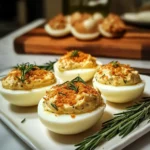
Herb-infused Deviled Eggs Recipe
Ingredients
- 6 Large Eggs: The foundation of our deviled eggs, large eggs are the standard size used in most recipes and provide the perfect amount of egg white to hold a generous filling. When selecting eggs, opt for fresh, high-quality eggs. While brown or white eggs will both work, consider using eggs from pasture-raised chickens if you can find them, as they often have richer yolks and a more vibrant color, which will enhance the visual appeal of your deviled eggs. Make sure your eggs are cold when you start boiling them; this helps to prevent cracking.
- 3 Tablespoons Mayonnaise: Mayonnaise is the key to the creamy and rich texture of deviled egg filling. It binds the yolks together and adds a lusciousness that is essential to the classic deviled egg experience. For the best flavor, choose a good quality mayonnaise. Full-fat mayonnaise will provide the richest flavor and creamiest texture, but you can use light mayonnaise if you prefer to reduce the fat content. However, be aware that light mayonnaise might alter the texture slightly, making it a bit less rich. Consider experimenting with different types of mayonnaise for subtle flavor variations. For instance, avocado oil mayonnaise can add a slightly healthier twist, while olive oil mayonnaise can offer a different flavor profile. Avoid using salad dressing (like Miracle Whip) as a substitute for mayonnaise, as it has a sweeter and tangier flavor that will drastically change the taste of your deviled eggs and is not traditionally used in this recipe.
- 1 Teaspoon Dijon Mustard: Dijon mustard is a crucial ingredient for adding a tangy kick and depth of flavor to the deviled egg filling. Its sharp, slightly spicy flavor cuts through the richness of the mayonnaise and egg yolks, creating a balanced and complex taste. Dijon mustard is preferred over yellow mustard because it has a more sophisticated and less vinegary flavor. Using a good quality Dijon mustard will make a noticeable difference. If you don’t have Dijon mustard on hand, you can substitute it with a teaspoon of whole grain mustard for a slightly different texture and flavor, or a half teaspoon of yellow mustard in a pinch, but the flavor profile will be less refined.
- 1 Teaspoon White Vinegar: White vinegar adds another layer of tanginess and acidity to the filling, complementing the Dijon mustard and brightening the overall flavor profile. It also helps to thin out the yolk mixture slightly, creating a smoother, more spoonable consistency. White vinegar is ideal because its clean, sharp flavor doesn’t overpower the other ingredients. You can also use apple cider vinegar for a slightly milder, fruitier tang, or lemon juice for a brighter, citrusy note. Start with 1 teaspoon and adjust to taste, depending on your preference for tanginess.
- Salt and Pepper to Taste: Salt and pepper are essential seasonings that enhance all the other flavors in the deviled eggs. Salt brings out the natural flavors of the eggs, mayonnaise, and herbs, while pepper adds a subtle warmth and spice. Use fine sea salt or kosher salt for the best flavor. Freshly ground black pepper is always preferred for its more aromatic and robust flavor compared to pre-ground pepper. Season generously to taste, starting with a pinch of salt and pepper and adding more as needed until the filling is perfectly seasoned. Remember to taste the filling after adding all the ingredients and adjust the seasoning accordingly.
- 2 Tablespoons Fresh Dill, Chopped: Fresh dill is one of the key herbs that infuses these deviled eggs with their signature flavor. Dill has a bright, slightly grassy, and slightly anise-like flavor that pairs beautifully with eggs and mayonnaise. Fresh dill is essential for this recipe; dried dill will not provide the same vibrant flavor and fresh aroma. When chopping dill, make sure to chop it finely so it disperses evenly throughout the filling. If you love dill, feel free to add a bit more than 2 tablespoons for an even more pronounced dill flavor.
- 2 Tablespoons Fresh Chives, Chopped: Fresh chives add a delicate oniony flavor and a subtle sharpness to the deviled eggs. Their mild, grassy taste complements the dill and parsley perfectly, creating a harmonious blend of herbaceous flavors. Like dill, fresh chives are crucial for this recipe. Chives are easy to chop finely and their slender shape makes them visually appealing in the filling. If you don’t have chives, you can substitute them with finely chopped scallion greens for a similar, though slightly stronger, oniony flavor.
- 1 Tablespoon Fresh Parsley, Chopped: Fresh parsley adds a fresh, clean, and slightly peppery note to the deviled eggs. It provides a counterpoint to the richer flavors of mayonnaise and egg yolks and contributes to the overall herbaceousness of the dish. Flat-leaf parsley (Italian parsley) is preferred over curly parsley for its more robust flavor and smoother texture. Make sure to chop the parsley finely so it blends seamlessly into the filling. Parsley also adds a touch of green color to the filling, enhancing its visual appeal.
- Paprika for Garnish: Paprika is used as a classic garnish for deviled eggs, adding a touch of color and a very subtle hint of smoky sweetness. While it’s primarily for visual appeal, a good quality paprika can also contribute a mild flavor. Sweet paprika is the most common type used for garnish, but you can also use smoked paprika for a slightly smokier flavor or hot paprika for a touch of heat if you prefer. A light sprinkle of paprika is all you need to add a pop of color to the finished deviled eggs. You can use a fine mesh sieve to sprinkle the paprika evenly for a more professional look.
Instructions
Step 1: Boil the Eggs
- Choose the Right Pot: Select a pot that is large enough to hold all six eggs in a single layer without overcrowding. Overcrowding can lead to uneven cooking and increased risk of cracking.
- Place Eggs in the Pot: Gently place the eggs in the pot. Arrange them in a single layer to ensure even cooking.
- Cover with Cold Water: Cover the eggs completely with cold tap water. The water should be about an inch above the eggs. Starting with cold water helps the eggs heat up gradually, reducing the likelihood of cracking due to sudden temperature changes.
- Bring to a Boil: Place the pot on the stovetop over high heat and bring the water to a rolling boil. A rolling boil is characterized by large, vigorous bubbles that cannot be stirred down.
- Cover and Remove from Heat: Once the water reaches a rolling boil, immediately turn off the heat and remove the pot from the burner. Cover the pot tightly with a lid.
- Let Sit for 12 Minutes: Allow the eggs to sit in the hot water, covered, for precisely 12 minutes. This timing is crucial for achieving perfectly hard-boiled yolks that are cooked through but still creamy and not dry or chalky. Using a timer is highly recommended for accuracy.
- Prepare Ice Water Bath: While the eggs are sitting, prepare an ice water bath. Fill a large bowl with cold water and several ice cubes. This ice bath is essential for quickly stopping the cooking process and making the eggs easier to peel.
- Transfer to Ice Water: After 12 minutes, carefully transfer the eggs from the hot water to the ice water bath using a slotted spoon or tongs. Submerge the eggs completely in the ice water.
- Cool Completely: Let the eggs cool in the ice water for at least 15-20 minutes, or until they are completely cold to the touch. Cooling them thoroughly makes them much easier to peel. You can even leave them in the ice water for longer if needed.
Step 2: Prepare the Filling
- Peel the Eggs: Once the eggs are completely cooled, it’s time to peel them. Gently tap each egg all over on a hard surface (like the countertop) to create cracks in the shell. Start peeling under cold running water. The water helps to get under the shell and separate it from the egg white. Peel carefully, starting from the larger end of the egg where there is often an air pocket. If the shell is sticking, continue peeling under running water. Perfectly peeled eggs will have smooth, intact egg whites.
- Cut Eggs in Half: After peeling all the eggs, pat them dry with a paper towel. Cut each egg lengthwise in half using a sharp knife. Cutting lengthwise creates a larger surface area for the filling and is the traditional way to prepare deviled eggs.
- Remove Yolks: Carefully scoop out the egg yolks from each egg white half using a small spoon. Place the yolks in a medium-sized mixing bowl. Arrange the egg white halves on a serving platter or a plate.
- Mash Yolks: Using a fork, mash the egg yolks in the bowl until they are crumbly and broken down. This makes it easier to incorporate the other ingredients and create a smooth filling.
- Add Mayonnaise, Dijon Mustard, Vinegar, Salt, and Pepper: Add the mayonnaise, Dijon mustard, white vinegar, salt, and pepper to the mashed yolks in the bowl.
- Mix Until Creamy: Using the fork or a rubber spatula, mix all the ingredients together until they are thoroughly combined and the mixture is smooth and creamy. Taste the filling at this stage and adjust the seasoning if needed. You may want to add a little more salt, pepper, mustard, or vinegar to taste. The consistency should be thick but easily spoonable or pipeable.
Step 3: Add Herbs
- Chop Fresh Herbs: If you haven’t already, finely chop the fresh dill, chives, and parsley. Ensure the herbs are chopped into small pieces so they distribute evenly throughout the filling.
- Stir in Herbs: Add the chopped dill, chives, and parsley to the creamy yolk mixture in the bowl.
- Combine Thoroughly: Gently stir the herbs into the yolk mixture until they are evenly distributed throughout. The herbs will add a vibrant green color and fresh aroma to the filling.
Step 4: Fill the Egg Whites
- Choose Filling Method: You can fill the egg whites using either a spoon or a piping bag. Spooning is simpler and faster, while piping creates a more decorative and professional look.
- Spoon Filling: If spooning, simply use a small spoon to scoop a generous amount of the yolk mixture and fill each egg white half. Mound the filling slightly for a more appealing presentation.
- Piping Filling (Optional): For piping, transfer the yolk mixture to a piping bag fitted with a decorative tip (such as a star tip). Pipe the filling into each egg white half in a swirl or rosette pattern. Piping adds a touch of elegance and is ideal for special occasions.
Step 5: Garnish
- Sprinkle with Paprika: Once all the egg whites are filled, lightly sprinkle paprika over the top of each deviled egg. Use a fine mesh sieve for even distribution. Paprika adds a pop of color and a subtle hint of flavor.
- Optional Garnishes: For extra visual appeal and flavor, you can add other garnishes in addition to or instead of paprika. Consider:
- Extra Fresh Herbs: A tiny sprig of fresh dill, chive, or parsley placed on top of each deviled egg adds a fresh, vibrant touch and reinforces the herb flavors.
- Finely Chopped Chives or Parsley: Sprinkle finely chopped chives or parsley over the eggs for a simple, elegant garnish.
- Pickled Vegetables: Tiny pieces of pickled capers, cornichons, or sweet pickles can add a briny or sweet contrast to the creamy filling.
- Smoked Paprika: Use smoked paprika for a deeper, smokier flavor and a richer color.
- Everything Bagel Seasoning: A sprinkle of everything bagel seasoning adds texture and a savory, garlicky, and seedy flavor.
Step 6: Serve and Enjoy!
- Chill (Optional): While herb-infused deviled eggs can be served immediately, chilling them in the refrigerator for about 30 minutes to an hour can help the flavors meld together and make them even more refreshing.
- Arrange on Platter: Arrange the finished herb-infused deviled eggs attractively on a serving platter. You can line the platter with lettuce leaves or fresh herbs for a decorative base.
- Serve Cold: Deviled eggs are best served cold. Keep them refrigerated until just before serving.
- Enjoy! Serve your beautiful and flavorful Herb-Infused Deviled Eggs as an appetizer or side dish and watch them disappear!
Nutrition
- Serving Size: One Normal Portion
- Calories: 150-180
- Sodium: 100-150 mg
- Fat: 12-15 grams
- Saturated Fat: 3-4 grams
- Carbohydrates: 1-2 grams
- Fiber: Less than 1 gram
- Protein: 7-8 grams
- Cholesterol: 200-250 mg