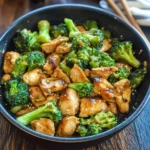
Ingredients
- 1 1/2 lbs chicken breast, cut into 1-inch cubes: Chicken breast is the lean protein source in this dish. Opt for boneless, skinless chicken breasts for convenience and ease of cutting. Cubing the chicken into 1-inch pieces ensures even cooking and allows for maximum surface area to absorb the flavorful sauce. You can also use chicken thighs for a richer flavor, but remember to adjust cooking time accordingly as thighs take slightly longer to cook. Ensure your chicken is fresh and properly thawed if using frozen chicken.
- 2 tablespoons vegetable or canola oil: A neutral oil with a high smoke point is crucial for stir-frying. Vegetable oil and canola oil are excellent choices because they can withstand the high heat needed for stir-frying without burning or imparting unwanted flavors. These oils help to prevent the chicken and broccoli from sticking to the pan and contribute to a beautiful sear and crispness. You can also use peanut oil, which is traditional in many Asian stir-fries and adds a subtle nutty flavor. Avoid olive oil as its smoke point is too low for high-heat stir-frying.
- 3 cups broccoli florets, cut into smaller pieces: Broccoli is the star vegetable, providing both texture and nutritional value. Fresh broccoli florets are recommended for the best flavor and crisp-tender texture. Cutting the florets into smaller, bite-sized pieces ensures they cook quickly and evenly in the stir-fry and are easy to eat. If you prefer, you can also use frozen broccoli florets, but make sure to thaw them completely and pat them dry before adding them to the pan to prevent excess moisture and ensure proper browning.
For the Sauce:
The sauce is where the magic happens! It’s a harmonious blend of umami, sweetness, and a touch of spice that elevates the simple chicken and broccoli to takeout perfection.
- 1/2 tablespoon minced ginger root: Fresh ginger root is indispensable for authentic Asian flavors. It provides a warm, pungent, and slightly sweet aroma that complements the other sauce ingredients beautifully. Mincing the ginger finely releases its flavor effectively. If you don’t have fresh ginger, you can use ground ginger, but the flavor will be less vibrant; use about 1/2 teaspoon of ground ginger as a substitute.
- 1/2 tablespoon minced garlic: Garlic is another foundational flavor in Asian cooking. It adds a pungent, savory, and slightly sweet note that rounds out the sauce. Like ginger, mincing the garlic ensures its flavor is evenly distributed. Fresh garlic is always preferred, but in a pinch, you can use garlic powder; use about 1/2 teaspoon of garlic powder as a substitute.
- 1/3 cup oyster sauce: Oyster sauce is a key ingredient that provides a deep umami richness and savory depth to the sauce. It’s made from oyster extracts, soy sauce, and other seasonings. It’s not actually fishy but rather intensely savory and slightly sweet. If you are vegetarian or vegan, you can substitute with hoisin sauce or vegetarian oyster sauce made from mushrooms.
- 1 tablespoon soy sauce (low sodium): Soy sauce adds saltiness and umami to the sauce. Using low sodium soy sauce allows you to control the salt level and prevents the dish from becoming overly salty. If you are gluten-free, you can use tamari, which is a gluten-free soy sauce alternative.
- 1/3 cup chicken broth (low sodium): Chicken broth adds moisture to the sauce and helps to create a smooth and pourable consistency. Using low sodium chicken broth again allows you to control the saltiness of the final dish. You can also use vegetable broth for a vegetarian option.
- 1 teaspoon sesame oil: Sesame oil provides a distinctive nutty aroma and flavor that is characteristic of Asian cuisine. A little goes a long way, so just a teaspoon is enough to add a significant flavor boost. Use toasted sesame oil for the most intense flavor.
- 1 tablespoon light brown sugar or honey: A touch of sweetness balances the savory and salty flavors in the sauce. Light brown sugar adds a subtle molasses note, while honey provides a floral sweetness. You can use either or adjust the amount to your preference.
- 1/4 teaspoon red pepper flakes: Red pepper flakes add a subtle kick of heat to the dish. If you prefer a milder flavor, you can reduce or omit the red pepper flakes. For more intense heat, you can increase the amount or use a pinch of cayenne pepper.
- 1 tablespoon cornstarch: Cornstarch is used as a thickening agent to create a glossy glaze for the sauce. When combined with liquid and heated, cornstarch creates a slurry that thickens the sauce and gives it a beautiful sheen.
For Garnish:
- Sesame seeds: Sesame seeds add a nutty flavor and visual appeal as a garnish. Toasted sesame seeds offer a more intense flavor.
- Chopped green onions: Green onions provide a fresh, mild onion flavor and a pop of color as a garnish.
Instructions
Step 1: Prepare the Sauce
The first step is to get the sauce ready. This can be done while the chicken marinates or just before you start cooking. In a medium bowl, combine all the sauce ingredients: minced ginger root, minced garlic, oyster sauce, low sodium soy sauce, low sodium chicken broth, sesame oil, light brown sugar or honey, red pepper flakes, and cornstarch. Whisk all the ingredients together thoroughly until they are fully combined and the cornstarch is dissolved. This ensures a smooth and lump-free sauce. Set the sauce aside.
Step 2: Marinate the Chicken (Optional but Recommended)
For the most flavorful and tender chicken, marinating is highly recommended, although it’s optional if you are short on time. Place the cubed chicken in a large ziplock bag or a bowl. Pour the prepared sauce over the chicken, ensuring all pieces are well coated. Seal the bag or cover the bowl and transfer it to the refrigerator. Marinate for at least 30 minutes, or ideally for a few hours or even overnight. The longer the chicken marinates, the more flavor it will absorb, and the more tender it will become. The marinade also helps to break down the chicken proteins, resulting in a more succulent texture. If you are short on time, even a 15-20 minute marinade will make a difference.
Step 3: Cook the Broccoli
When you are ready to cook, place a stir-fry wok or a large cast iron pan (a large skillet will also work) over medium-high heat. Add 2 tablespoons of vegetable or canola oil to the hot pan. Once the oil is shimmering and hot (this should take about a minute or two), add the broccoli florets. Toss the broccoli to coat it in the oil. Cook for 4-6 minutes, stirring occasionally, until the broccoli is tender-crisp and bright green. You want the broccoli to be cooked through but still have a slight bite to it. Avoid overcooking, as it can become mushy. Once the broccoli is cooked to your liking, transfer it to a plate and set aside.
Step 4: Cook the Chicken
Now it’s time to cook the chicken. In the same pan, which should still be hot, add the marinated chicken and the sauce to the skillet. Spread the chicken in a single layer as much as possible. If you have a lot of chicken, it’s better to cook it in batches to avoid overcrowding the pan, which can steam the chicken instead of searing it.
Let the chicken cook without moving for about 1 minute. This allows the bottom of the chicken pieces to sear and develop a nice golden-brown color. After 1 minute, begin stirring and tossing the chicken frequently, cooking until it is no longer pink and cooked through. This should take about 7-8 minutes, depending on the size of your chicken cubes and the heat of your pan. As the chicken cooks, the sauce will thicken and reduce, forming a glossy glaze that coats the chicken beautifully. Ensure the chicken reaches an internal temperature of 165°F (74°C) for food safety.
Step 5: Combine and Finish
Once the chicken is cooked and glazed, return the cooked broccoli to the pan with the chicken and sauce. Stir everything together gently to combine. Cook for another 2-3 minutes, stirring constantly, until the broccoli and chicken are heated through and everything is well coated in the flavorful sauce. This final step ensures all the components are perfectly combined and heated to the ideal serving temperature.
Step 6: Garnish and Serve
Remove the Chicken and Broccoli stir-fry from the heat. Transfer it to a serving dish or individual plates. Garnish generously with sesame seeds and chopped green onions. Serve immediately while hot and enjoy! This dish is best served fresh.
Nutrition
- Serving Size: One Normal Portion
- Calories: 265 kcal