
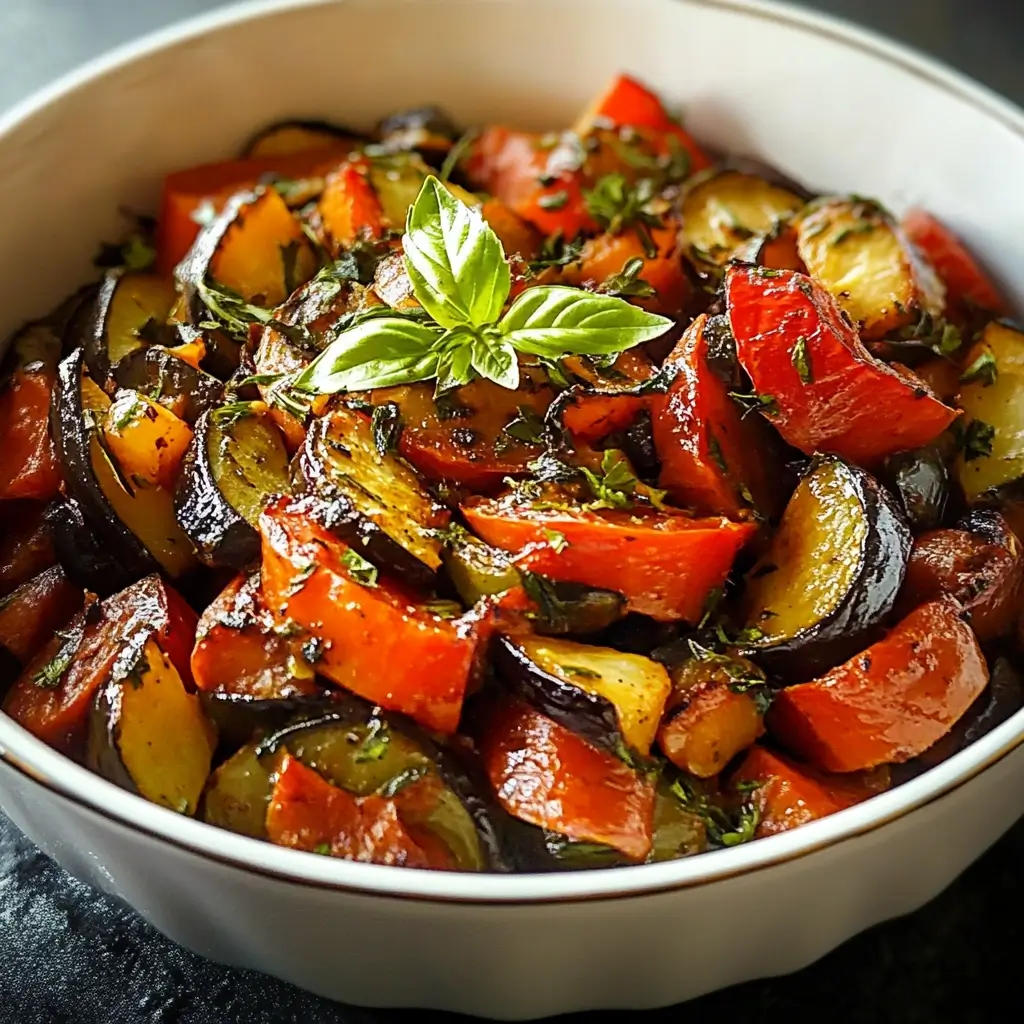
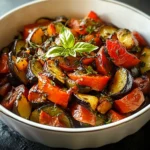
Ratatouille. Just the name itself conjures images of sun-drenched Provençal landscapes, brimming with vibrant vegetables and the fragrant aroma of herbs. For years, I’d only encountered ratatouille in restaurants, often as a rustic, somewhat haphazard stew. However, discovering this layered ratatouille recipe was a revelation. It transformed my perception of this classic dish, elevating it from humble comfort food to a visually stunning and incredibly flavorful culinary experience. The first time I prepared this for my family, the reaction was unanimous – pure delight. Even my vegetable-skeptic teenager couldn’t resist the colorful presentation and the melt-in-your-mouth tenderness of the eggplant, zucchini, and tomatoes. The rich tomato sauce, infused with garlic and aromatic herbs, binds everything together beautifully. What I particularly appreciate about this recipe, beyond its deliciousness, is its simplicity. Despite its elegant appearance, it’s surprisingly easy to make, requiring minimal hands-on time. It’s become a staple in our home, a perfect showcase for summer’s bounty and a guaranteed crowd-pleaser, whether we’re enjoying a casual weeknight dinner or entertaining guests. If you’re looking for a healthy, vegetarian (or vegan!) dish that’s both impressive and approachable, look no further. This layered ratatouille is a true gem.
Ingredients: The Heart of Ratatouille’s Flavor
The beauty of ratatouille lies in the harmonious blend of fresh, seasonal vegetables. This recipe champions simplicity and quality, relying on a handful of key ingredients to create a dish that’s bursting with flavor. Each component plays a vital role, contributing to the overall taste, texture, and visual appeal of the final layered masterpiece. Let’s delve into the ingredients and understand why each one is essential for crafting the perfect homemade ratatouille.
- 4 tbsp Olive Oil (divided): Olive oil is the foundation of Mediterranean cooking and absolutely crucial for ratatouille. We use it in two stages. Firstly, to sauté the aromatic base of onion, garlic, and carrot, building a flavorful foundation for the sauce. Secondly, the remaining olive oil is brushed over the layered vegetables before baking, ensuring they become beautifully tender and slightly caramelized, adding depth and richness to the dish. Opt for a good quality extra virgin olive oil for the best flavor and health benefits.
- 4 Garlic Cloves (minced): Garlic is a powerhouse of flavor, adding a pungent and savory note that is quintessential to ratatouille. Minced garlic infuses the olive oil as it cooks, creating a fragrant base for the tomato sauce. Don’t be shy with the garlic; its robust flavor mellows beautifully as it cooks, contributing a subtle sweetness and complexity to the overall dish. Freshly minced garlic is always preferred for its superior aroma and taste compared to pre-minced options.
- 1/2 Small Onion (chopped): Onion forms the aromatic backbone of the ratatouille sauce. When sautéed in olive oil, it becomes sweet and translucent, adding a foundational savory layer to the dish. Yellow or white onions are both suitable for this recipe. Chopping the onion into small pieces ensures it cooks evenly and blends seamlessly into the sauce, creating a smooth and flavorful base.
- 1/3 cup Carrot (shredded): Shredded carrot might seem like an unexpected addition to ratatouille, but it plays a crucial role in adding subtle sweetness and depth of flavor to the tomato sauce. It also contributes a touch of natural thickening to the sauce as it cooks down. Finely shredded carrot melts into the sauce, becoming almost undetectable in texture but contributing significantly to the overall richness and complexity of the flavor profile.
- 14 oz Crushed Tomatoes: Crushed tomatoes form the heart of the ratatouille sauce, providing the tangy, juicy base that complements the sweetness of the vegetables. A good quality can of crushed tomatoes is essential. Look for brands that use ripe, vine-ripened tomatoes for the best flavor. The crushed texture creates a rustic and slightly chunky sauce, perfectly complementing the sliced vegetables. You can also use diced tomatoes if you prefer a chunkier sauce, but crushed tomatoes generally yield a smoother and more integrated result.
- 2 tsp Dried Basil: Basil is a classic Mediterranean herb that perfectly complements the flavors of tomatoes, eggplant, and zucchini. Dried basil adds a warm, slightly peppery, and aromatic note to the ratatouille sauce. Dried herbs are convenient and readily available, and basil’s flavor holds up well in dried form. If you prefer fresh basil, you can use about 2 tablespoons of chopped fresh basil, adding it towards the end of the sauce simmering time to preserve its fresh flavor.
- 1/2 tsp Dried Parsley: Parsley adds a fresh, herbaceous, and slightly grassy note to the ratatouille, balancing the richness of the tomatoes and basil. Dried parsley provides a subtle but important layer of flavor complexity. Similar to basil, dried parsley is a convenient and readily available option. If you opt for fresh parsley, use about 1 tablespoon of chopped fresh parsley, adding it towards the end of the sauce simmering time for the best flavor and vibrant green color.
- 1 Small Eggplant (sliced 1/8 inch thick circles): Eggplant is a quintessential ratatouille vegetable, contributing a creamy, melt-in-your-mouth texture and a slightly earthy flavor. Small eggplants are ideal as they are less likely to be bitter. Slicing the eggplant into 1/8-inch thick circles ensures even cooking and allows it to become tender and caramelized in the oven. Look for firm, smooth eggplants with a deep purple color.
- 2 Small Zucchini (sliced 1/8 inch thick circles): Zucchini adds a delicate sweetness and a slightly firm-tender texture to the ratatouille. Small zucchini are preferred for their sweeter flavor and fewer seeds. Slicing them into 1/8-inch thick circles ensures they cook evenly and retain some texture while becoming tender in the oven. Choose firm, bright green zucchini without blemishes.
- 3 Roma Tomatoes (sliced 1/8 inch thick circles): Roma tomatoes, also known as plum tomatoes, are ideal for ratatouille due to their meaty texture and lower water content compared to other tomato varieties. This prevents the ratatouille from becoming too watery. Slicing them into 1/8-inch thick circles ensures they cook through evenly and maintain their shape while baking. Select firm, ripe Roma tomatoes with a vibrant red color.
- Salt (to taste): Salt is the essential seasoning that enhances all the flavors in the ratatouille. It balances the sweetness of the vegetables and brings out the savory notes of the herbs and garlic. Season generously throughout the cooking process, tasting and adjusting as needed. Kosher salt or sea salt are excellent choices for their clean, pure flavor.
- Black Pepper (to taste): Black pepper adds a subtle warmth and a touch of spice to the ratatouille, complementing the other flavors and adding depth. Freshly ground black pepper is always preferred for its more pungent and aromatic flavor compared to pre-ground pepper. Season to taste, adjusting the amount to your preference.
Instructions: Crafting Your Layered Ratatouille Masterpiece
Creating this layered ratatouille is a delightful culinary journey, broken down into manageable steps. From building the flavorful sauce to artfully arranging the vegetables, each stage contributes to the final masterpiece. Follow these detailed instructions to ensure success and unlock the vibrant flavors of this classic dish.
- Preheat the Oven to 375°F (190°C): Begin by preheating your oven to 375°F (190°C). This ensures the oven is at the correct temperature when you place the ratatouille inside, promoting even cooking and optimal vegetable tenderness. Preheating is a crucial step for consistent baking results.
- Sauté the Aromatics: In a large 10-inch non-stick sauté pan, heat 2 tablespoons of olive oil over medium-high heat. Allow the oil to heat up until it shimmers slightly, indicating it’s ready for cooking. Add the chopped onion and minced garlic to the hot oil. Sauté, stirring frequently, until the onion becomes translucent and softened, about 3-5 minutes. This process releases the aromatic compounds in the onion and garlic, creating a flavorful base for the sauce. Be careful not to burn the garlic; reduce the heat if necessary.
- Add Carrot and Continue Sautéing: Add the shredded carrot to the pan with the softened onion and garlic. Continue to sauté, stirring occasionally, for another 3-5 minutes, until the carrot begins to soften slightly. Sautéing the carrot helps to mellow its raw flavor and release its natural sweetness, further enriching the sauce base.
- Simmer the Tomato Sauce: Pour the 14 oz can of crushed tomatoes into the pan with the sautéed vegetables. Add the dried basil and dried parsley. Stir well to combine all the ingredients, ensuring the herbs are evenly distributed throughout the tomato sauce. Bring the sauce to a gentle simmer.
- Thicken and Season the Sauce: Reduce the heat to low and simmer the tomato sauce uncovered for 15 minutes, or until it has slightly thickened. Simmering allows the flavors to meld together beautifully and the sauce to reduce slightly, concentrating its taste. Stir occasionally to prevent sticking. After 15 minutes, taste the sauce and adjust the seasoning with salt and black pepper to your liking. Seasoning is crucial at this stage to ensure the sauce is flavorful and balanced. Start with a pinch of salt and pepper, taste, and add more gradually until you achieve the desired flavor profile.
- Prepare the Baking Dish: Pour the thickened tomato sauce into a 2-quart baking dish. Spread the sauce evenly across the bottom of the dish, creating a bed for the layered vegetables. The sauce acts as a moisture barrier and flavor base for the ratatouille.
- Layer the Vegetables: Now comes the artistic part! Arrange the sliced eggplant, zucchini, and Roma tomatoes in a circular pattern, standing upright in the baking dish over the tomato sauce. Alternate the vegetables as you layer, creating a visually appealing and colorful pattern. Start from the outer edge of the dish and work your way inwards. The tight layering not only looks beautiful but also helps the vegetables cook evenly and retain their shape.
- Brush with Olive Oil: Brush the remaining 2 tablespoons of olive oil evenly over the top of the layered vegetables. This helps the vegetables to roast and caramelize in the oven, enhancing their flavor and preventing them from drying out. Ensure all the exposed surfaces of the vegetables are lightly coated with olive oil.
- Cover and Bake: Cover the baking dish tightly with aluminum foil. This creates a steamy environment in the oven, helping the vegetables to cook through and become tender. Bake in the preheated oven at 375°F (190°C) for 30 minutes.
- Uncover and Continue Baking: After 30 minutes, carefully remove the aluminum foil from the baking dish. Return the uncovered ratatouille to the oven and continue to bake for another 40 minutes, or until the vegetables are tender and slightly caramelized around the edges. Baking uncovered allows the excess moisture to evaporate, concentrating the flavors and creating a slightly roasted texture on the vegetables. Check for tenderness by piercing the vegetables with a fork; they should be easily pierced without resistance.
- Serve Immediately: Once the ratatouille is cooked through and tender, remove it from the oven and let it rest for a few minutes before serving. Serve immediately while it’s warm and the vegetables are at their peak tenderness and flavor. Garnish with fresh herbs like basil or parsley, if desired, for an extra touch of freshness and visual appeal.
Nutrition Facts: Wholesome Goodness in Every Serving
This layered ratatouille recipe isn’t just delicious; it’s also a nutritional powerhouse, packed with vitamins, minerals, and fiber. Perfect for health-conscious individuals and those seeking vibrant, plant-based meals, this dish offers a guilt-free indulgence.
- Servings: 6 servings
- Calories: 140 calories per serving
This calorie count is approximate and can vary slightly depending on the specific brands and ingredients used. However, it highlights the fact that ratatouille is a naturally low-calorie dish, primarily composed of vegetables and a modest amount of olive oil.
Beyond calories, ratatouille is rich in:
- Vitamins: Excellent source of Vitamin C, Vitamin K, and Vitamin A, thanks to the tomatoes, zucchini, and eggplant.
- Minerals: Contains potassium, manganese, and copper, essential for various bodily functions.
- Fiber: High in dietary fiber from all the vegetables, promoting digestive health and satiety.
- Antioxidants: Packed with antioxidants from the colorful vegetables, which help protect against cell damage.
This makes layered ratatouille a healthy and satisfying meal choice, fitting into vegetarian, vegan, and gluten-free diets. It’s a wonderful way to incorporate a variety of vegetables into your diet in a delicious and flavorful way.
Preparation Time: Effortless Elegance on Your Plate
One of the many advantages of this layered ratatouille recipe is its relatively quick preparation time. Despite its impressive presentation and depth of flavor, it doesn’t require hours in the kitchen. Here’s a breakdown of the time commitment:
- Prep Time: 20 minutes
- This includes washing and chopping the vegetables, mincing the garlic, chopping the onion, and shredding the carrot. Efficient knife skills can further reduce prep time.
- Cook Time: 1 hour 10 minutes
- This encompasses the simmering of the tomato sauce (15 minutes) and the baking time in the oven (30 minutes covered + 40 minutes uncovered).
- Total Time: 1 hour 30 minutes
In just an hour and a half, you can have a beautiful and flavorful layered ratatouille ready to serve. Much of the cooking time is hands-off, allowing you to attend to other tasks while the oven works its magic. This makes it a perfect dish for weeknight dinners or weekend gatherings when you want to impress without spending all day in the kitchen.
How to Serve Layered Ratatouille: Versatility on a Plate
Layered ratatouille is incredibly versatile and can be enjoyed in numerous ways, making it a fantastic dish for various occasions and dietary preferences. Here are some serving suggestions to inspire you:
- As a Main Course (Vegetarian/Vegan Delight):
- Serve a generous portion of ratatouille as a hearty and satisfying vegetarian or vegan main course.
- Pair it with crusty bread for dipping into the flavorful sauce.
- Serve alongside a simple green salad for a complete and balanced meal.
- For added protein, consider serving it with a side of quinoa, couscous, or lentils.
- As a Side Dish (Complement to Protein):
- Ratatouille makes an excellent side dish to accompany grilled or roasted meats, poultry, or fish.
- Its vibrant flavors and textures complement a wide range of proteins.
- Serve it alongside grilled chicken, roasted lamb, pan-seared fish, or even tofu for a vegetarian protein boost.
- Warm or Cold (Seasonal Flexibility):
- Enjoy ratatouille warm straight from the oven for a comforting and hearty meal, especially during cooler months.
- It’s also delicious served at room temperature or even chilled, making it a refreshing option for warmer weather.
- Cold ratatouille is perfect for picnics, potlucks, or as a make-ahead dish for easy lunches.
- With Grains or Pasta (Carb-Conscious Options):
- Serve ratatouille over a bed of fluffy couscous, quinoa, or rice for a satisfying and grain-based meal.
- Toss it with cooked pasta, such as penne or fusilli, for a simple and flavorful pasta dish.
- For a lower-carb option, consider serving it with cauliflower rice or zucchini noodles.
- Topped with Cheese (For Cheese Lovers):
- For a non-vegan option, sprinkle grated Parmesan cheese or crumbled feta cheese over the ratatouille before baking uncovered for the last 10-15 minutes.
- The cheese adds a salty and savory element that complements the vegetable flavors beautifully.
- A sprinkle of fresh mozzarella during the last few minutes of baking will create a melty and gooey topping.
- As a Bruschetta Topping (Appetizer or Light Meal):
- Spoon chilled or room temperature ratatouille over toasted baguette slices brushed with olive oil for a delicious and elegant bruschetta appetizer.
- Garnish with fresh basil leaves and a drizzle of balsamic glaze for added flavor and visual appeal.
Additional Tips for Perfect Homemade Ratatouille
While this layered ratatouille recipe is straightforward, a few extra tips can elevate your dish from good to exceptional. These insights will help you maximize flavor, texture, and presentation, ensuring ratatouille success every time.
- Use High-Quality Seasonal Vegetables: The foundation of excellent ratatouille is fresh, seasonal vegetables. Choose ripe, firm vegetables at their peak flavor. Summer is the ideal time to make ratatouille when eggplant, zucchini, and tomatoes are at their best. Consider visiting a local farmers market for the freshest and most flavorful produce.
- Slice Vegetables Uniformly: Aim for consistent 1/8-inch thick slices for all vegetables. Uniform slicing ensures even cooking, preventing some vegetables from becoming overcooked while others are still undercooked. A mandoline slicer can be helpful for achieving uniform slices quickly and easily, but a sharp knife and careful cutting will also work perfectly well.
- Don’t Overcrowd the Pan When Sautéing: When sautéing the onion, garlic, and carrot, ensure you don’t overcrowd the pan. Overcrowding can lower the pan temperature and cause the vegetables to steam instead of sautéing, hindering browning and flavor development. If necessary, sauté the vegetables in batches to ensure they brown properly and develop optimal flavor.
- Simmer the Sauce to Concentrate Flavors: Allow the tomato sauce to simmer for the full 15 minutes (or even longer for a richer flavor). Simmering reduces excess liquid and concentrates the flavors of the tomatoes, garlic, onion, and herbs, resulting in a more robust and flavorful base for the ratatouille. Taste and adjust seasonings after simmering to ensure the sauce is perfectly balanced.
- Adjust Baking Time Based on Vegetable Tenderness: Baking time can vary slightly depending on your oven and the ripeness of the vegetables. Check for tenderness after the initial covered baking time and again after uncovering. The vegetables should be tender and easily pierced with a fork but not mushy. If the vegetables are still firm after the suggested baking time, continue baking uncovered in 10-minute increments until they reach the desired tenderness.
Frequently Asked Questions (FAQ) About Layered Ratatouille
Curious about ratatouille? Here are answers to some common questions to help you confidently create this delicious dish at home.
Q1: Can I use different vegetables in ratatouille?
A: Absolutely! While eggplant, zucchini, and tomatoes are classic ratatouille vegetables, you can certainly incorporate others. Bell peppers (red, yellow, or orange), yellow squash, and mushrooms are all excellent additions. Feel free to experiment with seasonal vegetables you enjoy, keeping in mind that different vegetables may require slightly different cooking times.
Q2: Can I make ratatouille ahead of time?
A: Yes, ratatouille is a fantastic make-ahead dish! In fact, many believe it tastes even better the next day as the flavors meld and deepen overnight. You can prepare the ratatouille completely, let it cool, and then store it in an airtight container in the refrigerator for up to 3-4 days. Reheat it gently in the oven or microwave before serving.
Q3: Is ratatouille freezer-friendly?
A: Ratatouille can be frozen, although the texture of the vegetables might change slightly upon thawing. To freeze, allow the cooked ratatouille to cool completely, then transfer it to freezer-safe containers or bags. Freeze for up to 2-3 months. Thaw overnight in the refrigerator before reheating. It’s best to freeze ratatouille that is slightly less cooked than you would serve immediately, as the vegetables may soften further during thawing and reheating.
Q4: Can I make ratatouille without eggplant?
A: Yes, if you don’t like eggplant or don’t have it available, you can make ratatouille without it. Simply omit the eggplant and slightly increase the amount of zucchini or other vegetables to maintain the volume of the dish. The flavor will be slightly different without the eggplant’s creamy texture, but it will still be delicious.
Q5: How can I prevent my ratatouille from being watery?
A: To prevent watery ratatouille:
* Use Roma tomatoes: Roma tomatoes have less water content than other varieties.
* Simmer the sauce sufficiently: Simmering the tomato sauce for 15 minutes reduces excess liquid.
* Don’t overcrowd the baking dish: Overcrowding can trap steam and lead to watery vegetables. Use a baking dish that comfortably fits the vegetables in a single layer.
* Bake uncovered for the last portion of cooking: Baking uncovered allows excess moisture to evaporate, concentrating the flavors and preventing a watery consistency.
Homemade Ratatouille Recipe
Ingredients
- 4 tbsp Olive Oil (divided): Olive oil is the foundation of Mediterranean cooking and absolutely crucial for ratatouille. We use it in two stages. Firstly, to sauté the aromatic base of onion, garlic, and carrot, building a flavorful foundation for the sauce. Secondly, the remaining olive oil is brushed over the layered vegetables before baking, ensuring they become beautifully tender and slightly caramelized, adding depth and richness to the dish. Opt for a good quality extra virgin olive oil for the best flavor and health benefits.
- 4 Garlic Cloves (minced): Garlic is a powerhouse of flavor, adding a pungent and savory note that is quintessential to ratatouille. Minced garlic infuses the olive oil as it cooks, creating a fragrant base for the tomato sauce. Don’t be shy with the garlic; its robust flavor mellows beautifully as it cooks, contributing a subtle sweetness and complexity to the overall dish. Freshly minced garlic is always preferred for its superior aroma and taste compared to pre-minced options.
- 1/2 Small Onion (chopped): Onion forms the aromatic backbone of the ratatouille sauce. When sautéed in olive oil, it becomes sweet and translucent, adding a foundational savory layer to the dish. Yellow or white onions are both suitable for this recipe. Chopping the onion into small pieces ensures it cooks evenly and blends seamlessly into the sauce, creating a smooth and flavorful base.
- 1/3 cup Carrot (shredded): Shredded carrot might seem like an unexpected addition to ratatouille, but it plays a crucial role in adding subtle sweetness and depth of flavor to the tomato sauce. It also contributes a touch of natural thickening to the sauce as it cooks down. Finely shredded carrot melts into the sauce, becoming almost undetectable in texture but contributing significantly to the overall richness and complexity of the flavor profile.
- 14 oz Crushed Tomatoes: Crushed tomatoes form the heart of the ratatouille sauce, providing the tangy, juicy base that complements the sweetness of the vegetables. A good quality can of crushed tomatoes is essential. Look for brands that use ripe, vine-ripened tomatoes for the best flavor. The crushed texture creates a rustic and slightly chunky sauce, perfectly complementing the sliced vegetables. You can also use diced tomatoes if you prefer a chunkier sauce, but crushed tomatoes generally yield a smoother and more integrated result.
- 2 tsp Dried Basil: Basil is a classic Mediterranean herb that perfectly complements the flavors of tomatoes, eggplant, and zucchini. Dried basil adds a warm, slightly peppery, and aromatic note to the ratatouille sauce. Dried herbs are convenient and readily available, and basil’s flavor holds up well in dried form. If you prefer fresh basil, you can use about 2 tablespoons of chopped fresh basil, adding it towards the end of the sauce simmering time to preserve its fresh flavor.
- 1/2 tsp Dried Parsley: Parsley adds a fresh, herbaceous, and slightly grassy note to the ratatouille, balancing the richness of the tomatoes and basil. Dried parsley provides a subtle but important layer of flavor complexity. Similar to basil, dried parsley is a convenient and readily available option. If you opt for fresh parsley, use about 1 tablespoon of chopped fresh parsley, adding it towards the end of the sauce simmering time for the best flavor and vibrant green color.
- 1 Small Eggplant (sliced 1/8 inch thick circles): Eggplant is a quintessential ratatouille vegetable, contributing a creamy, melt-in-your-mouth texture and a slightly earthy flavor. Small eggplants are ideal as they are less likely to be bitter. Slicing the eggplant into 1/8-inch thick circles ensures even cooking and allows it to become tender and caramelized in the oven. Look for firm, smooth eggplants with a deep purple color.
- 2 Small Zucchini (sliced 1/8 inch thick circles): Zucchini adds a delicate sweetness and a slightly firm-tender texture to the ratatouille. Small zucchini are preferred for their sweeter flavor and fewer seeds. Slicing them into 1/8-inch thick circles ensures they cook evenly and retain some texture while becoming tender in the oven. Choose firm, bright green zucchini without blemishes.
- 3 Roma Tomatoes (sliced 1/8 inch thick circles): Roma tomatoes, also known as plum tomatoes, are ideal for ratatouille due to their meaty texture and lower water content compared to other tomato varieties. This prevents the ratatouille from becoming too watery. Slicing them into 1/8-inch thick circles ensures they cook through evenly and maintain their shape while baking. Select firm, ripe Roma tomatoes with a vibrant red color.
- Salt (to taste): Salt is the essential seasoning that enhances all the flavors in the ratatouille. It balances the sweetness of the vegetables and brings out the savory notes of the herbs and garlic. Season generously throughout the cooking process, tasting and adjusting as needed. Kosher salt or sea salt are excellent choices for their clean, pure flavor.
- Black Pepper (to taste): Black pepper adds a subtle warmth and a touch of spice to the ratatouille, complementing the other flavors and adding depth. Freshly ground black pepper is always preferred for its more pungent and aromatic flavor compared to pre-ground pepper. Season to taste, adjusting the amount to your preference.
Instructions
- Preheat the Oven to 375°F (190°C): Begin by preheating your oven to 375°F (190°C). This ensures the oven is at the correct temperature when you place the ratatouille inside, promoting even cooking and optimal vegetable tenderness. Preheating is a crucial step for consistent baking results.
- Sauté the Aromatics: In a large 10-inch non-stick sauté pan, heat 2 tablespoons of olive oil over medium-high heat. Allow the oil to heat up until it shimmers slightly, indicating it’s ready for cooking. Add the chopped onion and minced garlic to the hot oil. Sauté, stirring frequently, until the onion becomes translucent and softened, about 3-5 minutes. This process releases the aromatic compounds in the onion and garlic, creating a flavorful base for the sauce. Be careful not to burn the garlic; reduce the heat if necessary.
- Add Carrot and Continue Sautéing: Add the shredded carrot to the pan with the softened onion and garlic. Continue to sauté, stirring occasionally, for another 3-5 minutes, until the carrot begins to soften slightly. Sautéing the carrot helps to mellow its raw flavor and release its natural sweetness, further enriching the sauce base.
- Simmer the Tomato Sauce: Pour the 14 oz can of crushed tomatoes into the pan with the sautéed vegetables. Add the dried basil and dried parsley. Stir well to combine all the ingredients, ensuring the herbs are evenly distributed throughout the tomato sauce. Bring the sauce to a gentle simmer.
- Thicken and Season the Sauce: Reduce the heat to low and simmer the tomato sauce uncovered for 15 minutes, or until it has slightly thickened. Simmering allows the flavors to meld together beautifully and the sauce to reduce slightly, concentrating its taste. Stir occasionally to prevent sticking. After 15 minutes, taste the sauce and adjust the seasoning with salt and black pepper to your liking. Seasoning is crucial at this stage to ensure the sauce is flavorful and balanced. Start with a pinch of salt and pepper, taste, and add more gradually until you achieve the desired flavor profile.
- Prepare the Baking Dish: Pour the thickened tomato sauce into a 2-quart baking dish. Spread the sauce evenly across the bottom of the dish, creating a bed for the layered vegetables. The sauce acts as a moisture barrier and flavor base for the ratatouille.
- Layer the Vegetables: Now comes the artistic part! Arrange the sliced eggplant, zucchini, and Roma tomatoes in a circular pattern, standing upright in the baking dish over the tomato sauce. Alternate the vegetables as you layer, creating a visually appealing and colorful pattern. Start from the outer edge of the dish and work your way inwards. The tight layering not only looks beautiful but also helps the vegetables cook evenly and retain their shape.
- Brush with Olive Oil: Brush the remaining 2 tablespoons of olive oil evenly over the top of the layered vegetables. This helps the vegetables to roast and caramelize in the oven, enhancing their flavor and preventing them from drying out. Ensure all the exposed surfaces of the vegetables are lightly coated with olive oil.
- Cover and Bake: Cover the baking dish tightly with aluminum foil. This creates a steamy environment in the oven, helping the vegetables to cook through and become tender. Bake in the preheated oven at 375°F (190°C) for 30 minutes.
- Uncover and Continue Baking: After 30 minutes, carefully remove the aluminum foil from the baking dish. Return the uncovered ratatouille to the oven and continue to bake for another 40 minutes, or until the vegetables are tender and slightly caramelized around the edges. Baking uncovered allows the excess moisture to evaporate, concentrating the flavors and creating a slightly roasted texture on the vegetables. Check for tenderness by piercing the vegetables with a fork; they should be easily pierced without resistance.
- Serve Immediately: Once the ratatouille is cooked through and tender, remove it from the oven and let it rest for a few minutes before serving. Serve immediately while it’s warm and the vegetables are at their peak tenderness and flavor. Garnish with fresh herbs like basil or parsley, if desired, for an extra touch of freshness and visual appeal.
Nutrition
- Serving Size: One Normal Portion
- Calories: 140