
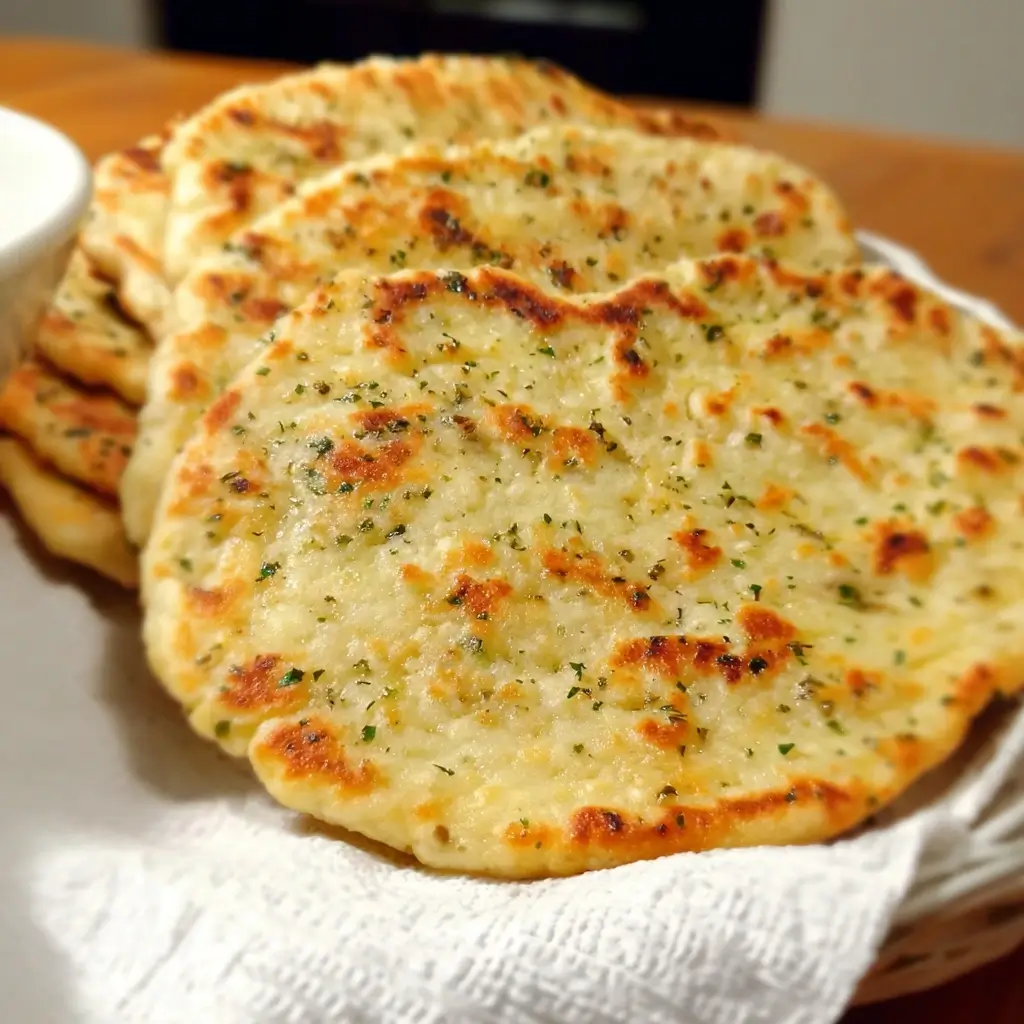

Let me tell you, this homemade yogurt flatbread recipe has become an absolute staple in our kitchen, and I’m bursting to share it with you! The first time I whipped these up, the aroma alone was enough to make my family wander into the kitchen, eyes wide with anticipation. What truly sold them – and me – was the incredible texture: pillowy soft, delightfully chewy, with just the right amount of golden-brown char from the pan. My kids, who can be notoriously picky, now request “those yummy yogurt breads” for everything from dipping into hummus to scooping up saucy curries. I’ve even caught my husband sneaking a plain one, still warm from the skillet! What I adore most is the simplicity. No yeast means no long proofing times, making these a fantastic option for a weeknight side or a quick weekend baking project. The yogurt not only adds a subtle, pleasant tang but also contributes to that unbelievably tender crumb. Forget dry, uninspiring store-bought flatbreads; once you try this recipe, you’ll be hooked on the fresh, warm, homemade goodness. It’s a versatile, quick, and utterly delicious addition to any meal, and the satisfaction of making them from scratch is just the cherry on top!
The Ultimate Homemade Yogurt Flatbread Recipe
This recipe for homemade yogurt flatbread is designed to be straightforward, yielding soft, pliable, and incredibly flavorful flatbreads perfect for any occasion. The magic lies in the simplicity of the ingredients and the quick cooking process, resulting in a bread that’s far superior to anything you can buy. The tang of the yogurt combined with the slight char from pan-frying creates an irresistible taste and texture.
Ingredients You’ll Need
To create these wonderfully soft and flavorful yogurt flatbreads, you’ll need a few basic pantry staples. The quality of your yogurt will significantly impact the final taste and texture, so opt for a good quality plain yogurt.
- All-Purpose Flour: 2 ½ cups (approximately 300g), plus extra for dusting
- Why All-Purpose? It has a moderate protein content, which gives the flatbreads a good balance of structure and tenderness. You can experiment with bread flour for a chewier texture or a mix of all-purpose and whole wheat for a nuttier flavor and added fiber.
- Plain Yogurt: 1 cup (approximately 245g), full-fat or Greek yogurt recommended
- The Star Ingredient: Yogurt adds moisture, fat, and acidity. The acidity reacts with the baking powder to create a lighter, fluffier texture, while the fat contributes to tenderness and flavor. Full-fat or Greek yogurt yields the richest results. If using Greek yogurt, which is thicker, you might need a tiny bit more or a splash of water to get the dough consistency right.
- Baking Powder: 2 teaspoons
- The Leavening Agent: Since this is a no-yeast recipe, baking powder is crucial for giving the flatbreads their lift and airy pockets as they cook. Ensure your baking powder is fresh for optimal results.
- Salt: 1 teaspoon
- Flavor Enhancer: Salt doesn’t just make the flatbreads salty; it enhances all the other flavors and also helps to control the leavening action.
- Sugar (Optional): 1 teaspoon
- Balancing Act: A small amount of sugar can balance the tanginess of the yogurt and aid in browning, though it’s not strictly necessary.
- Olive Oil or Melted Butter: 2 tablespoons, plus extra for brushing (optional)
- For Richness and Pliability: Adding a little fat to the dough itself contributes to a softer, more pliable flatbread. Brushing with oil or melted butter after cooking adds flavor and helps keep them soft.
- Warm Water (Optional): 1-2 tablespoons, if needed
- Consistency Adjustment: Depending on the thickness of your yogurt and the humidity, you might need a touch of warm water to bring the dough together.
Step-by-Step Instructions
Follow these detailed instructions to ensure your yogurt flatbreads turn out perfectly every time. The process is quick and doesn’t require any special equipment beyond a bowl and a good skillet.
- Combine Dry Ingredients:
- In a large mixing bowl, whisk together the 2 ½ cups of all-purpose flour, 2 teaspoons of baking powder, 1 teaspoon of salt, and (if using) 1 teaspoon of sugar. Whisking helps to evenly distribute the baking powder and salt, ensuring consistent leavening and flavor.
- Add Wet Ingredients:
- Create a well in the center of the dry ingredients. Add the 1 cup of plain yogurt and 2 tablespoons of olive oil (or melted butter).
- Using a fork or your hands, gradually incorporate the flour into the wet ingredients until a shaggy dough begins to form.
- Knead the Dough:
- Turn the dough out onto a lightly floured surface.
- Knead for 3-5 minutes, just until the dough comes together and becomes smooth and slightly elastic. Be careful not to over-knead; we’re not developing gluten as extensively as in a yeasted bread. The dough should be soft and slightly tacky, but not overly sticky. If it’s too sticky, add a tablespoon of flour at a time. If it seems too dry and isn’t coming together, add warm water, one teaspoon at a time.
- Why Knead (Even a Little)? Even minimal kneading helps to hydrate the flour properly and develop just enough gluten structure for the flatbreads to hold their shape and have a pleasant chew.
- Rest the Dough (Crucial Step!):
- Form the dough into a ball and place it back in the mixing bowl. Cover the bowl with a clean kitchen towel or plastic wrap.
- Let the dough rest at room temperature for at least 20-30 minutes. This resting period allows the gluten to relax, making the dough much easier to roll out. It also allows the flour to fully hydrate and the baking powder to start its work. For even better flavor and texture, you can let it rest for up to an hour.
- Divide and Shape the Dough:
- After resting, gently punch down the dough and transfer it back to your lightly floured surface.
- Divide the dough into 8 equal pieces. You can eyeball this or use a kitchen scale for more uniform flatbreads (each piece will be around 65-70g).
- Roll each piece into a smooth ball. Cover the balls with the kitchen towel while you work to prevent them from drying out.
- Roll Out the Flatbreads:
- Take one dough ball and, on a lightly floured surface, use a rolling pin to roll it out into a thin circle or oval, about 6-8 inches in diameter and roughly ⅛ inch thick. Don’t worry about perfect shapes; rustic is part of their charm!
- If the dough springs back too much while rolling, let it rest for another 5 minutes before trying again.
- As you roll out each flatbread, you can stack them with a small piece of parchment paper in between to prevent sticking, or just keep them separate on a floured surface.
- Cook the Flatbreads:
- Heat a heavy-bottomed skillet (cast iron is excellent for this) or a griddle over medium-high heat. You want the pan to be hot enough to cook the flatbreads quickly and create those lovely charred spots, but not so hot that they burn before cooking through.
- You can cook the flatbreads in a dry pan or lightly brush the pan with a tiny bit of oil or ghee.
- Carefully place one rolled-out flatbread onto the hot skillet.
- Cook for 1-2 minutes per side. You’ll see bubbles start to form on the surface. Once the underside has golden-brown spots and some charring, flip it and cook the other side for another 1-2 minutes until it’s also nicely browned and cooked through. Some flatbreads might puff up dramatically, which is a great sign!
- Pan Temperature Tip: If the flatbreads are browning too quickly, reduce the heat slightly. If they are taking too long to get color and aren’t puffing, increase the heat a bit.
- Keep Warm and Serve:
- As each flatbread is cooked, transfer it to a plate and cover it with a clean kitchen towel. This helps to trap the steam and keeps the flatbreads soft and pliable.
- If desired, you can brush the warm flatbreads with a little melted butter, garlic butter, or olive oil, and sprinkle with fresh herbs like parsley or cilantro.
- Serve warm and enjoy!
Nutritional Information (Approximate)
Please note that these values are estimates and can vary based on the specific ingredients used (e.g., type of yogurt, added oil).
- Servings: This recipe makes approximately 8 flatbreads.
- Calories per serving (1 flatbread): Approximately 180-220 calories.
Breakdown per flatbread (approximate):
- Fat: 4-6g (can be higher if brushed generously with oil/butter)
- Saturated Fat: 1-2g (depending on yogurt and added butter/oil)
- Carbohydrates: 28-32g
- Fiber: 1-2g
- Sugar: 2-3g (includes natural sugars from yogurt and any added sugar)
- Protein: 5-7g
- Sodium: Around 300-350mg
The yogurt contributes protein and some calcium, while the flour is the primary source of carbohydrates. Using whole wheat flour would increase the fiber content.
Time Commitment
Understanding the time involved can help you plan when to make these delicious flatbreads. They are relatively quick compared to yeasted breads.
- Preparation Time:
- Mixing and Kneading: 10-15 minutes
- Resting Time: 20-30 minutes (minimum), up to 1 hour
- Cooking Time:
- Approximately 2-4 minutes per flatbread. For 8 flatbreads, this means about 16-32 minutes of active cooking, depending on your pan size and how many you can cook at once.
- Total Time:
- Approximately 50 minutes to 1 hour 15 minutes (including the minimum resting time).
This makes them feasible for a weeknight meal if you start the dough resting while you prepare other components of your dinner.
How to Serve Your Delicious Yogurt Flatbread
Homemade yogurt flatbreads are incredibly versatile! Their soft texture and mild tang make them a perfect companion to a wide array of dishes and cuisines. Here are some inspiring ways to serve them:
- As a Side for Curries and Stews:
- Tear off pieces to scoop up rich Indian curries like Butter Chicken, Chana Masala, or Dal Makhani.
- Serve alongside hearty stews, chilis, or saucy Middle Eastern tagines. The flatbreads are perfect for soaking up every last bit of delicious sauce.
- With Dips and Spreads:
- Hummus: Classic and always a winner.
- Baba Ghanoush: The smoky eggplant dip pairs beautifully.
- Tzatziki: The cool, cucumber-yogurt dip complements the yogurt in the bread.
- Spicy Feta Dip (Tirokafteri): For a fiery kick.
- Guacamole or Salsa: A great alternative to tortilla chips.
- For Wraps and Gyros:
- Their pliability makes them ideal for rolling. Fill with grilled chicken or lamb, falafel, fresh vegetables, and your favorite sauce for a quick and satisfying meal.
- Use as a base for shawarma-style wraps.
- Mini Pizzas or Open-Faced Sandwiches:
- Lightly pre-cook the flatbread, then top with tomato sauce, cheese, and your favorite pizza toppings. Pop under the broiler or in a hot oven until a_melted and bubbly.
- Use as a base for open-faced sandwiches with toppings like avocado and egg, smoked salmon and cream cheese, or roasted vegetables and goat cheese.
- Alongside Soups and Salads:
- Serve warm with a comforting bowl of lentil soup, tomato soup, or a hearty vegetable soup.
- Offer them with a large Greek salad or a Mediterranean chopped salad for a light yet filling meal.
- Breakfast or Brunch Option:
- Serve with scrambled eggs, shakshuka, or alongside a full English breakfast.
- Drizzle with honey and a sprinkle of cinnamon for a slightly sweet treat.
- Garlic Bread Alternative:
- Brush warm flatbreads with melted garlic butter and a sprinkle of parsley for an instant, flavorful garlic bread.
- Simple Snack:
- Enjoy them plain, still warm from the pan, perhaps with a light sprinkle of sea salt or za’atar.
No matter how you choose to serve them, these homemade yogurt flatbreads are sure to be a hit!
Additional Tips for Flatbread Perfection
Elevate your yogurt flatbread game with these extra tips and tricks:
- Yogurt Quality Matters:
Opt for full-fat plain yogurt or Greek yogurt for the best flavor and texture. Full-fat yogurt provides more richness and moisture, leading to softer, more tender flatbreads. If using Greek yogurt, which is thicker, you might need to add a tablespoon or two of water to the dough to achieve the right consistency. Avoid flavored or sweetened yogurts. - Don’t Overwork the Dough:
Unlike some yeast breads that require extensive kneading to develop gluten, these flatbreads benefit from minimal kneading. Knead just until the dough comes together and is smooth (about 3-5 minutes). Over-kneading can make the flatbreads tough rather than tender and pillowy. - Embrace the Rest:
The 20-30 minute resting period after kneading is crucial. It allows the gluten strands to relax, making the dough much easier to roll out without it constantly springing back. It also gives the baking powder time to start working its magic, contributing to a lighter texture. Don’t skip this step! - Experiment with Flavors in the Dough:
Don’t be afraid to customize your flatbreads!- Herbs: Add 1-2 tablespoons of finely chopped fresh herbs like cilantro, parsley, chives, or dill to the dough. Dried herbs like oregano, thyme, or rosemary (use about 1-2 teaspoons) also work well.
- Spices: Incorporate a teaspoon of cumin, coriander, turmeric (for color and flavor), smoked paprika, or a pinch of cayenne for some heat.
- Garlic/Onion: Add a teaspoon of garlic powder or onion powder for a savory boost. Finely minced fresh garlic can also be used, but be careful as it can burn during cooking.
- Achieve the Perfect Cook – Pan Temperature is Key:
Getting your skillet to the right temperature (medium-high) is vital.- Too Low: The flatbreads will cook slowly, dry out, and won’t puff up or develop those desirable charred spots.
- Too High: The outside will burn before the inside is cooked through.
A cast-iron skillet is ideal as it retains heat well and distributes it evenly. You know the pan is ready when a drop of water sizzles and evaporates quickly. Adjust the heat as needed during cooking. Don’t overcrowd the pan; cook flatbreads one or two at a time for best results.
Frequently Asked Questions (FAQ)
Here are answers to some common questions about making homemade yogurt flatbreads:
- Q: Can I use whole wheat flour instead of all-purpose flour?
- A: Yes, you can substitute whole wheat flour, or use a blend (e.g., half whole wheat, half all-purpose). Keep in mind that 100% whole wheat flatbreads will be denser and have a nuttier, more robust flavor. Whole wheat flour also tends to absorb more liquid, so you might need to add an extra tablespoon or two of yogurt or water to get the dough to the right consistency. Start with the recipe as written and adjust if the dough feels too dry.
- Q: My flatbreads didn’t puff up. What did I do wrong?
- A: Several factors can prevent puffing:
- Pan not hot enough: The pan needs to be sufficiently hot (medium-high heat) to create steam quickly inside the dough, causing it to puff.
- Dough too thick or too thin: If rolled too thick, it might not cook through evenly and puff. If too thin, there might not be enough dough to trap steam. Aim for about ⅛ inch thickness.
- Old baking powder: Ensure your baking powder is fresh and active. Test it by adding a teaspoon to a bit of hot water; it should bubble vigorously.
- Dough too dry: If the dough lacks moisture, it won’t produce enough steam to puff.
- Not enough resting time: The resting period helps with texture and leavening.
- A: Several factors can prevent puffing:
- Q: How do I store leftover yogurt flatbreads, and can I freeze them?
- A: To store leftover flatbreads, let them cool completely, then place them in an airtight container or a resealable plastic bag. They can be stored at room temperature for 1-2 days or in the refrigerator for 3-4 days.
- Yes, they freeze beautifully! Once cooled, stack them with pieces of parchment paper in between (to prevent sticking), then place them in a freezer-safe bag or container. They can be frozen for up to 2-3 months. Reheat from frozen in a dry skillet, toaster, oven, or microwave until warmed through.
- Q: Can I make this recipe vegan?
- A: Yes, you can make a vegan version. The main substitution will be the yogurt. Use a plain, unsweetened plant-based yogurt (like coconut, soy, or almond yogurt). Choose one that is relatively thick, similar to dairy yogurt. You may also want to ensure your optional sugar is vegan-certified, and use olive oil instead of butter. The flavor profile will be slightly different but still delicious.
- Q: Can I prepare the dough ahead of time?
- A: Yes, you can prepare the dough, complete the kneading, and then store it in an airtight container in the refrigerator for up to 24 hours. The baking powder might lose a little potency over a longer period, but it should still work well. When ready to use, let the dough sit at room temperature for about 30-60 minutes to make it easier to roll out before proceeding with dividing, shaping, and cooking. This is a great way to save time on busy days!
Homemade Yogurt Flatbread Recipe
Ingredients
- All-Purpose Flour: 2 ½ cups (approximately 300g), plus extra for dusting
- Why All-Purpose? It has a moderate protein content, which gives the flatbreads a good balance of structure and tenderness. You can experiment with bread flour for a chewier texture or a mix of all-purpose and whole wheat for a nuttier flavor and added fiber.
- Plain Yogurt: 1 cup (approximately 245g), full-fat or Greek yogurt recommended
- The Star Ingredient: Yogurt adds moisture, fat, and acidity. The acidity reacts with the baking powder to create a lighter, fluffier texture, while the fat contributes to tenderness and flavor. Full-fat or Greek yogurt yields the richest results. If using Greek yogurt, which is thicker, you might need a tiny bit more or a splash of water to get the dough consistency right.
- Baking Powder: 2 teaspoons
- The Leavening Agent: Since this is a no-yeast recipe, baking powder is crucial for giving the flatbreads their lift and airy pockets as they cook. Ensure your baking powder is fresh for optimal results.
- Salt: 1 teaspoon
- Flavor Enhancer: Salt doesn’t just make the flatbreads salty; it enhances all the other flavors and also helps to control the leavening action.
- Sugar (Optional): 1 teaspoon
- Balancing Act: A small amount of sugar can balance the tanginess of the yogurt and aid in browning, though it’s not strictly necessary.
- Olive Oil or Melted Butter: 2 tablespoons, plus extra for brushing (optional)
- For Richness and Pliability: Adding a little fat to the dough itself contributes to a softer, more pliable flatbread. Brushing with oil or melted butter after cooking adds flavor and helps keep them soft.
- Warm Water (Optional): 1-2 tablespoons, if needed
- Consistency Adjustment: Depending on the thickness of your yogurt and the humidity, you might need a touch of warm water to bring the dough together.
Instructions
- Combine Dry Ingredients:
- In a large mixing bowl, whisk together the 2 ½ cups of all-purpose flour, 2 teaspoons of baking powder, 1 teaspoon of salt, and (if using) 1 teaspoon of sugar. Whisking helps to evenly distribute the baking powder and salt, ensuring consistent leavening and flavor.
- Add Wet Ingredients:
- Create a well in the center of the dry ingredients. Add the 1 cup of plain yogurt and 2 tablespoons of olive oil (or melted butter).
- Using a fork or your hands, gradually incorporate the flour into the wet ingredients until a shaggy dough begins to form.
- Knead the Dough:
- Turn the dough out onto a lightly floured surface.
- Knead for 3-5 minutes, just until the dough comes together and becomes smooth and slightly elastic. Be careful not to over-knead; we’re not developing gluten as extensively as in a yeasted bread. The dough should be soft and slightly tacky, but not overly sticky. If it’s too sticky, add a tablespoon of flour at a time. If it seems too dry and isn’t coming together, add warm water, one teaspoon at a time.
- Why Knead (Even a Little)? Even minimal kneading helps to hydrate the flour properly and develop just enough gluten structure for the flatbreads to hold their shape and have a pleasant chew.
- Rest the Dough (Crucial Step!):
- Form the dough into a ball and place it back in the mixing bowl. Cover the bowl with a clean kitchen towel or plastic wrap.
- Let the dough rest at room temperature for at least 20-30 minutes. This resting period allows the gluten to relax, making the dough much easier to roll out. It also allows the flour to fully hydrate and the baking powder to start its work. For even better flavor and texture, you can let it rest for up to an hour.
- Divide and Shape the Dough:
- After resting, gently punch down the dough and transfer it back to your lightly floured surface.
- Divide the dough into 8 equal pieces. You can eyeball this or use a kitchen scale for more uniform flatbreads (each piece will be around 65-70g).
- Roll each piece into a smooth ball. Cover the balls with the kitchen towel while you work to prevent them from drying out.
- Roll Out the Flatbreads:
- Take one dough ball and, on a lightly floured surface, use a rolling pin to roll it out into a thin circle or oval, about 6-8 inches in diameter and roughly ⅛ inch thick. Don’t worry about perfect shapes; rustic is part of their charm!
- If the dough springs back too much while rolling, let it rest for another 5 minutes before trying again.
- As you roll out each flatbread, you can stack them with a small piece of parchment paper in between to prevent sticking, or just keep them separate on a floured surface.
- Cook the Flatbreads:
- Heat a heavy-bottomed skillet (cast iron is excellent for this) or a griddle over medium-high heat. You want the pan to be hot enough to cook the flatbreads quickly and create those lovely charred spots, but not so hot that they burn before cooking through.
- You can cook the flatbreads in a dry pan or lightly brush the pan with a tiny bit of oil or ghee.
- Carefully place one rolled-out flatbread onto the hot skillet.
- Cook for 1-2 minutes per side. You’ll see bubbles start to form on the surface. Once the underside has golden-brown spots and some charring, flip it and cook the other side for another 1-2 minutes until it’s also nicely browned and cooked through. Some flatbreads might puff up dramatically, which is a great sign!
- Pan Temperature Tip: If the flatbreads are browning too quickly, reduce the heat slightly. If they are taking too long to get color and aren’t puffing, increase the heat a bit.
- Keep Warm and Serve:
- As each flatbread is cooked, transfer it to a plate and cover it with a clean kitchen towel. This helps to trap the steam and keeps the flatbreads soft and pliable.
- If desired, you can brush the warm flatbreads with a little melted butter, garlic butter, or olive oil, and sprinkle with fresh herbs like parsley or cilantro.
- Serve warm and enjoy!
Nutrition
- Serving Size: One Normal Portion
- Calories: 180-220
- Sugar: 2-3g
- Sodium: 300-350mg
- Fat: 4-6g
- Saturated Fat: 1-2g
- Carbohydrates: 28-32g
- Fiber: 1-2g
- Protein: 5-7g