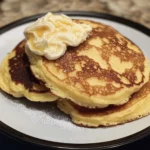
Ingredients
Scale
- 2 oz Cream Cheese: The star of the show! Cream cheese is the magic ingredient that gives these pancakes their unique fluffy texture and subtle richness. It also contributes significantly to the low-carb nature of the recipe. It’s important to use full-fat cream cheese for the best keto results and flavor. Reduced-fat cream cheese might alter the texture and won’t provide the same satisfying fat content. Make sure your cream cheese is softened, but not melted, before you start mixing. This ensures it incorporates smoothly into the batter without becoming greasy. Using a good quality cream cheese will also enhance the overall taste of your pancakes. Think about using Philadelphia cream cheese or a similar reputable brand for the best results. If you are feeling adventurous, you could even experiment with flavored cream cheese (like chive and onion for a savory pancake – though that’s a recipe for another day!). For this sweet pancake recipe, plain, full-fat cream cheese is definitely the way to go. If you are in a pinch and only have whipped cream cheese, you can use it, but the texture might be slightly less dense. Block cream cheese, softened, is truly ideal for this recipe.
- 2 Large Eggs: Eggs are the binding agent in these pancakes, holding everything together and adding structure. Large eggs are specified in the recipe for consistent results. Using smaller eggs might make the batter a little too thick, while extra-large eggs might make it too runny. Eggs are also a fantastic source of protein and healthy fats, making them a keto diet staple. Make sure your eggs are fresh for the best flavor and texture. Whisking the eggs well at the beginning is an important step as it incorporates air, contributing to the fluffiness of the final pancakes. If you are allergic to eggs, unfortunately, it will be difficult to substitute them in this recipe and achieve the same pancake texture. Egg substitutes designed for baking might work, but the keto compatibility and taste will need to be carefully considered. For best results, stick with fresh, large eggs.
- 1 tablespoon Butter: Butter adds flavor, richness, and helps with browning during cooking. Using butter in the batter and for cooking the pancakes ensures a delicious, buttery flavor throughout. You can use salted or unsalted butter depending on your preference. If using salted butter, you might want to slightly reduce any added salt in the recipe (though there is no added salt in this recipe, it’s something to keep in mind for other recipes). For cooking the pancakes, butter not only prevents sticking but also creates a beautiful golden-brown crust and enhances the overall taste. You can use coconut oil as a substitute for butter if you are dairy-free or prefer a different flavor profile. However, butter definitely contributes to the classic pancake flavor we all know and love. Using clarified butter or ghee can also be beneficial as they have a higher smoke point and are less likely to burn during cooking, especially if you are cooking at a slightly higher heat. However, regular butter works perfectly well for these pancakes at medium heat.
- ½ teaspoon Stevia Glycerite (use this stevia – amazon link): Sweetness without the carbs! Stevia glycerite is a keto-friendly sweetener that provides sweetness without spiking blood sugar levels. The recipe specifies stevia glycerite and even provides an Amazon link, suggesting this particular type of stevia works best. Stevia glycerite is known for having less of a bitter aftertaste compared to some other stevia products. It’s important to use the recommended amount as stevia is very potent, and too much can result in an overly sweet or slightly bitter taste. If you don’t have stevia glycerite, you can substitute with other keto-friendly sweeteners. Powdered erythritol or monk fruit sweetener would work well. Start with the same amount (½ teaspoon) and adjust to your sweetness preference in future batches. Liquid sweeteners like liquid monk fruit or other liquid stevia extracts can also be used, but you may need to adjust the amount slightly as liquid sweeteners can be more concentrated. Always taste the batter before cooking to ensure it’s sweet enough for your liking. Remember that the sweetness will be slightly less pronounced once cooked. For those new to keto sweeteners, it’s always best to start with the recommended amount and adjust gradually in subsequent batches until you find your perfect level of sweetness.
- ½ teaspoon Vanilla Extract: Vanilla extract enhances the overall flavor of the pancakes, adding warmth and depth. Pure vanilla extract is recommended for the best flavor. Imitation vanilla extract can be used in a pinch, but the flavor will be less rich and complex. Vanilla extract complements the cream cheese and sweetener beautifully, creating that classic pancake flavor we all crave. If you are feeling adventurous, you could experiment with other extracts like almond extract, lemon extract, or even a hint of cinnamon extract. For a richer vanilla flavor, you could also use vanilla bean paste. However, for simplicity and ease, vanilla extract works perfectly and delivers a wonderful flavor to these keto cream cheese pancakes. Don’t underestimate the power of vanilla extract – it elevates these pancakes from just being good to being truly delicious.
Instructions
- Whisk the Eggs: In a medium-sized bowl, crack both large eggs. Using a whisk, vigorously whisk the eggs until they are well combined and slightly frothy. This step is important as whisking incorporates air into the eggs, which contributes to the light and fluffy texture of the pancakes. Whisk for about 30-60 seconds until the yolks and whites are fully blended and the mixture appears slightly pale and aerated. Using a wire whisk is recommended for this step as it effectively incorporates air. You can also use an electric hand mixer on low speed for a very short time if you prefer, but whisking by hand is usually sufficient and quick for just two eggs. Set the whisked eggs aside while you prepare the cream cheese.
- Soften the Cream Cheese: Take your 2 oz of cream cheese (ensure it’s full-fat and block style for best results) and place it in a microwave-safe bowl. Microwave the cream cheese on high power for short intervals, about 10-15 seconds at a time. Check the consistency after each interval. You want the cream cheese to soften to a spreadable consistency, but it’s crucial not to melt it completely. Over-microwaving can cause the cream cheese to become too liquid and greasy, which will negatively affect the pancake batter. The goal is to make it soft enough to easily blend with the eggs and other ingredients. If you don’t have a microwave, you can soften the cream cheese by placing it in a bowl set over a simmering pot of water (a double boiler) or simply let it sit at room temperature for about 30-60 minutes until it softens naturally. Microwaving is the quickest method, just be careful not to overheat. The ideal consistency is soft and pliable, like softened butter, not melted like liquid cheese sauce.
- Combine Ingredients: Add the softened cream cheese to the bowl with the whisked eggs. Also, add the ½ teaspoon of stevia glycerite (or your chosen keto-friendly sweetener) and the ½ teaspoon of vanilla extract to the bowl. Now, using your whisk again, begin to whisk all the ingredients together until they are very well combined. This step might take a few minutes of vigorous whisking to ensure the cream cheese is fully incorporated into the egg mixture and there are no lumps. Continue whisking until the batter is smooth and homogenous. Initially, it might seem like the cream cheese is resisting blending, but with consistent whisking, it will eventually emulsify into a smooth batter. Don’t rush this step; a well-combined batter is key to fluffy pancakes. The final batter will be relatively thin, more liquid than a traditional pancake batter, but this is normal for keto cream cheese pancakes. If you find any small lumps of cream cheese remaining after whisking for a few minutes, you can use an immersion blender for just a few seconds to ensure a completely smooth batter, but whisking should usually be sufficient.
- Heat the Skillets and Butter: Place two mini skillets (or a larger skillet if you prefer larger pancakes) over medium heat. Allow the skillets to heat up properly before adding butter. Once the skillets are hot, add about half of the tablespoon of butter, divided between the two skillets. Let the butter melt completely and coat the bottom of each skillet evenly. The butter not only prevents the pancakes from sticking but also adds flavor and helps them brown beautifully. Ensure the skillets are heated to medium heat; if they are too hot, the pancakes will brown too quickly on the outside and might be undercooked in the center. If they are not hot enough, the pancakes might spread too much and not brown properly. Medium heat is ideal for achieving a golden-brown exterior and a cooked-through interior. You’ll know the skillets are ready when the melted butter shimmers slightly and a drop of batter sizzles gently when added.
- Cook the Pancakes: Once the skillets are heated and buttered, pour about ¼ of the batter into each skillet. This recipe makes about 4 mini pancakes, so you’ll use half the batter for this first batch. Cook the pancakes for approximately 2 minutes on the first side, or until the edges appear set and the bottoms are golden brown. You can gently lift an edge of a pancake with a spatula to check for browning. Once the bottoms are golden brown, carefully flip the pancakes using a thin spatula. Cook for another minute on the second side, or until they are cooked through and golden brown on both sides. The cooking time might vary slightly depending on the heat of your skillet and the thickness of your pancakes. Don’t overcrowd the skillets; cooking in batches ensures even cooking and prevents the temperature of the skillet from dropping too much.
- Repeat and Serve: Remove the cooked pancakes from the skillets and set them aside on a plate. Repeat the process with the remaining batter, adding more butter to the pans as needed to prevent sticking and ensure even browning. You might need to add a little more butter for each batch to maintain that buttery flavor and prevent sticking. Once all the batter is used and the pancakes are cooked, serve them immediately while they are warm and fluffy. Keto cream cheese pancakes are best enjoyed fresh. Serve with your favorite keto-friendly toppings (see serving suggestions below) and enjoy your delicious, low-carb breakfast!
Nutrition
- Serving Size: One Normal Portion
- Calories: 250-300
- Fat: 20-25 grams
- Carbohydrates: 2-3 grams
- Protein: 10-15 grams