

In the realm of side dishes, there are those that merely accompany the main course and then there are those that steal the show. This Maple Soy Roasted Vegetables recipe firmly belongs to the latter category. From the moment the tantalizing aroma of roasting vegetables infused with maple and soy fills your kitchen, you know you’re in for a treat. My family, initially skeptical about a vegetable-centric side, was utterly captivated by the vibrant flavors and textures of this dish. The sweetness of the maple syrup perfectly balances the umami-richness of Kikkoman Soy Sauce, creating a savory-sweet glaze that caramelizes beautifully on the vegetables. The butternut squash becomes tender and slightly sweet, the Brussels sprouts develop a delightful crispness, and the addition of pecans, pumpkin seeds, and dried cherries introduces a wonderful textural contrast and bursts of sweetness and nutty flavor. This is not just a side dish; it’s a culinary experience, a celebration of simple ingredients transformed into something truly extraordinary. It’s become a regular feature on our dinner table, and I’m excited to share this incredibly easy and delicious recipe with you. Prepare to be amazed at how effortlessly this dish elevates any meal, bringing both health and incredible flavor to your plate.
Ingredients
This Maple Soy Roasted Vegetables recipe is built around a harmonious blend of fresh, wholesome ingredients, each playing a vital role in creating the final masterpiece. Let’s delve into each component and understand its contribution to the overall flavor profile and nutritional value of this dish.
- ¼ cup Kikkoman® Soy Sauce (Non-GMO): The cornerstone of our savory glaze, Kikkoman® Soy Sauce is more than just saltiness. It’s a fermented wonder, brimming with umami, that fifth taste sensation described as savory and deeply satisfying. Using Kikkoman® Soy Sauce, particularly the Non-GMO variety, ensures a high-quality, authentic flavor that is crucial for the depth of this recipe. Soy sauce not only provides saltiness but also adds a complex, rich flavor that enhances the natural sweetness of the maple syrup and the earthiness of the vegetables. It acts as a flavor enhancer, bringing out the best in all the other ingredients. Choosing a Non-GMO soy sauce aligns with a health-conscious approach, ensuring you’re using a product made with carefully selected ingredients and processes.
- 3 tablespoons Maple Syrup: Nature’s liquid gold, maple syrup brings a distinctive sweetness and a subtle caramel-like depth that is unparalleled. Unlike refined sugars, pure maple syrup contains antioxidants and minerals, adding a touch of nutritional value alongside its delightful flavor. It’s not just about sweetness; maple syrup lends a unique nuanced flavor profile that complements the soy sauce beautifully, creating that signature sweet and savory balance that makes this dish so irresistible. The sticky nature of maple syrup also contributes to the glaze, helping the sauce cling to the vegetables and caramelize during roasting, creating those delicious, slightly crispy edges.
- 2 tablespoon Olive Oil: A kitchen staple, olive oil is essential for roasting vegetables. It not only prevents the vegetables from drying out and sticking to the baking sheet but also helps them to brown beautifully and develop a slightly crispy exterior. Olive oil is also a healthy fat, rich in monounsaturated fatty acids and antioxidants, contributing to the overall nutritional benefits of the dish. Its mild flavor allows the other ingredients to shine, while its presence is crucial for achieving the perfect roasted texture. Choose a good quality extra virgin olive oil for the best flavor and health benefits.
- 1 teaspoon Fresh Thyme Leaves, finely chopped: Fresh thyme brings an herbaceous and slightly earthy note that elevates the entire dish. Its fragrant aroma and delicate flavor add a layer of complexity that cuts through the richness of the maple and soy. Finely chopping the thyme ensures that its flavor is evenly distributed throughout the dressing and released during cooking. Fresh herbs, like thyme, are packed with flavor and also offer antioxidants and vitamins. The aromatic quality of thyme enhances the overall sensory experience of the dish, making it even more appealing.
- ½ teaspoon Garlic, minced: Garlic is a flavor powerhouse, adding a pungent and aromatic dimension to the dressing. Minced garlic infuses the sauce with its characteristic savory and slightly spicy notes, creating a depth of flavor that is essential for balancing the sweetness. Garlic also has numerous health benefits, including immune-boosting properties and antioxidants. Its presence in this recipe adds not only flavor but also a nutritional boost. Freshly minced garlic is always preferred for its vibrant flavor compared to pre-minced options.
- ¼ teaspoon Black Pepper: A simple yet crucial ingredient, black pepper adds a touch of spice and enhances the flavors of all the other components. It provides a subtle warmth and a slight bite that prevents the dish from being overly sweet. Freshly ground black pepper is always recommended for its superior flavor and aroma compared to pre-ground pepper. It plays a vital role in seasoning and balancing the overall flavor profile of the roasted vegetables.
- 1 medium Butternut Squash, peeled, deseeded and cubed: Butternut squash is the star vegetable of this dish, offering a sweet and nutty flavor and a creamy texture when roasted. It’s packed with vitamins, minerals, and fiber, making it a nutritious and delicious choice. Cubing the squash ensures even cooking and allows it to caramelize beautifully in the oven. Butternut squash provides a substantial and satisfying element to the dish, making it a more filling and wholesome side. Its vibrant orange color also adds visual appeal to the final presentation.
- 2 cups Brussels Sprouts, halved: Brussels sprouts, often misunderstood, are transformed into a delicious delight when roasted. Roasting brings out their natural sweetness and reduces any bitterness, resulting in tender interiors and crispy, slightly caramelized outer leaves. Halving the Brussels sprouts ensures they cook evenly and allows the glaze to penetrate them effectively. Brussels sprouts are also incredibly nutritious, packed with vitamins, fiber, and antioxidants. They add a slightly bitter and earthy counterpoint to the sweetness of the butternut squash and the glaze, creating a balanced flavor profile.
- 1 cup Unsalted Pecans, sliced: Pecans introduce a wonderful textural contrast and a rich, buttery flavor to the dish. Their slight crunch and nutty sweetness complement the tender vegetables and the savory-sweet glaze perfectly. Unsalted pecans allow you to control the overall saltiness of the dish, ensuring it’s balanced. Slicing the pecans helps them toast evenly in the oven and distribute throughout the vegetables. Pecans also provide healthy fats and antioxidants, adding to the nutritional value.
- ½ cup Dried Cherries: Dried cherries bring a burst of chewy sweetness and a slightly tart counterpoint to the savory and nutty flavors. Their vibrant red color also adds visual appeal to the dish. Dried cherries rehydrate slightly during roasting, becoming plump and juicy. They offer a concentrated sweetness and a unique flavor that complements the other ingredients beautifully. You can also use other dried fruits like cranberries or apricots for variation, but dried cherries offer a particularly delightful flavor profile in this recipe.
- ⅓ cup Unsalted Pumpkin Seeds: Pumpkin seeds, also known as pepitas, add another layer of texture and nutty flavor. They provide a satisfying crunch and a slightly earthy taste that complements the pecans and the vegetables. Unsalted pumpkin seeds ensure you control the salt level of the dish. They are also a good source of magnesium, zinc, and healthy fats, adding to the nutritional benefits. Scattering them over the vegetables during the final roasting stage allows them to toast lightly, enhancing their flavor and texture.
Instructions
Creating this Maple Soy Roasted Vegetables masterpiece is surprisingly straightforward and requires minimal effort, making it perfect for weeknight dinners or elegant gatherings. Follow these simple steps to bring this flavor explosion to your table:
- Preheat and Prepare: Begin by preheating your oven to 350ºF (175°C). This temperature is ideal for roasting vegetables, allowing them to cook through evenly and develop a beautiful caramelization without burning. While the oven is preheating, line a large baking sheet with parchment paper. Parchment paper is your best friend when roasting vegetables as it prevents sticking, ensures easy cleanup, and promotes even browning.
- Whisk the Flavorful Dressing: In a small mixing bowl, embark on creating the star of the show – the maple soy dressing. Whisk together ¼ cup Kikkoman® Soy Sauce, 3 tablespoons maple syrup, 2 tablespoons olive oil, 1 teaspoon finely chopped fresh thyme leaves, ½ teaspoon minced garlic, and ¼ teaspoon black pepper. Whisking ensures all the ingredients are well combined and emulsified, creating a homogenous and flavorful dressing. Set this bowl aside; this liquid gold will transform our vegetables into something extraordinary. The aroma at this stage already hints at the deliciousness to come!
- Coat the Vegetables: In a medium mixing bowl, combine the cubed butternut squash and halved Brussels sprouts. These are the hearty vegetables that form the base of our dish. Pour half of the prepared dressing over the vegetables. Using your hands or a spatula, gently stir and toss the vegetables to ensure they are evenly coated with the dressing. This initial coating allows the vegetables to absorb the flavorful marinade during the first stage of roasting, infusing them from the inside out.
- First Bake: Spread the dressed vegetables in a single layer onto the prepared baking sheet. Avoid overcrowding the baking sheet, as this can lead to steaming rather than roasting. If necessary, use two baking sheets to ensure proper spacing. Place the baking sheet in the preheated oven and bake for 30 minutes. This initial roasting period allows the vegetables to soften and begin to caramelize, developing their inherent sweetness and roasted flavors.
- Add the Finishing Touches: After 30 minutes, carefully remove the baking sheet from the oven. At this stage, the vegetables will be partially cooked and fragrant. Now, it’s time to add the textural and flavor enhancers. Scatter the sliced pecans, pumpkin seeds, and dried cherries evenly over the vegetables on the baking sheet. These additions will toast and become wonderfully fragrant during the final roasting stage.
- Second Bake and Glaze: Drizzle the remaining dressing evenly over all the ingredients on the baking sheet, ensuring the nuts, seeds, and dried cherries also get a touch of that flavorful glaze. Return the baking sheet to the oven for an additional 10 minutes. This final roasting time allows the nuts and seeds to toast to golden perfection, the dried cherries to plump up slightly, and the remaining dressing to caramelize further, creating a beautiful glaze that coats all the ingredients.
- Serve Hot and Enjoy: After the final 10 minutes, remove the baking sheet from the oven. The vegetables should be tender, slightly caramelized, and beautifully glazed, with toasted nuts and plump dried cherries scattered throughout. Serve immediately while hot. The aroma and visual appeal alone will be enough to entice everyone to the table. Enjoy the symphony of flavors and textures – the sweet and savory glaze, the tender vegetables, the crunchy nuts and seeds, and the chewy bursts of dried cherries. This Maple Soy Roasted Vegetables dish is a guaranteed crowd-pleaser!
Nutrition Facts
This Maple Soy Roasted Vegetables recipe is not only delicious but also packed with nutritional goodness. It’s a vibrant and healthy side dish that contributes to a balanced meal. Please note that the following nutrition information is an estimate and can vary based on specific ingredient brands and portion sizes.
Servings: Makes 6 servings
Estimated Calories per Serving: Approximately 250-300 calories per serving
Detailed Nutritional Highlights (per serving, approximate):
- Calories: 250-300 kcal
- Protein: 5-7 grams
- Fat: 15-20 grams
- Healthy Fats: Primarily from olive oil, pecans, and pumpkin seeds, rich in monounsaturated and polyunsaturated fats, beneficial for heart health.
- Carbohydrates: 25-35 grams
- Fiber: 5-7 grams – Excellent source of dietary fiber from vegetables, nuts, and seeds, promoting digestive health and satiety.
- Sugars: Naturally occurring sugars from vegetables and maple syrup.
- Vitamins and Minerals:
- Vitamin A: Butternut squash and Brussels sprouts are rich in Vitamin A, important for vision, immune function, and skin health.
- Vitamin C: Brussels sprouts are a good source of Vitamin C, an antioxidant that supports the immune system.
- Vitamin K: Brussels sprouts are also high in Vitamin K, essential for blood clotting and bone health.
- Potassium: Butternut squash and Brussels sprouts contribute to potassium intake, important for blood pressure regulation.
- Magnesium: Pumpkin seeds and pecans are good sources of magnesium, involved in numerous bodily functions.
- Manganese: Pecans are rich in manganese, an essential trace mineral.
- Copper: Pecans also provide copper, important for iron absorption and energy production.
- Antioxidants: From vegetables, olive oil, maple syrup, pecans, pumpkin seeds, and dried cherries, contributing to overall health and protection against cell damage.
Key Nutritional Benefits:
- High in Fiber: Promotes digestive health, helps regulate blood sugar levels, and contributes to feelings of fullness.
- Good Source of Healthy Fats: Provides essential fatty acids, supporting heart health and brain function.
- Rich in Vitamins and Minerals: Offers a wide array of essential vitamins and minerals vital for overall health and well-being.
- Antioxidant-Rich: Helps protect the body against oxidative stress and damage from free radicals.
- Vegetarian and Gluten-Free (naturally): Suitable for various dietary preferences and needs.
This Maple Soy Roasted Vegetables dish is a delicious and nutritious way to incorporate more vegetables into your diet. It provides a balanced combination of macronutrients and micronutrients, making it a healthy and satisfying side dish option.
Preparation Time
One of the many advantages of this Maple Soy Roasted Vegetables recipe is its incredibly quick and easy preparation. Perfect for busy weeknights or when you need a delicious side dish without spending hours in the kitchen.
Prep Time: 10 minutes
The prep time is remarkably short, primarily focused on:
- Vegetable Prep: Peeling, deseeding, and cubing the butternut squash, and halving the Brussels sprouts. This is the most hands-on part but is still quite efficient.
- Dressing Whisking: Measuring and whisking together the soy sauce, maple syrup, olive oil, thyme, garlic, and pepper – a quick and simple step.
- Ingredient Gathering: Pulling out all the ingredients from your pantry and refrigerator.
Cook Time: 40 minutes
The cook time is primarily hands-off, allowing you to focus on other aspects of your meal or simply relax while the oven works its magic.
- First Bake: 30 minutes – This is the initial roasting period where the vegetables soften and begin to caramelize.
- Second Bake: 10 minutes – This final roasting period allows the nuts, seeds, and dried cherries to toast, the glaze to set, and the flavors to meld together beautifully.
Total Time (Prep + Cook): 50 minutes
In under an hour, from start to finish, you can have a vibrant, flavorful, and healthy side dish ready to grace your table. The minimal active time involved makes this recipe a true weeknight winner. The majority of the time is spent in the oven, allowing you to multitask or simply unwind while the delicious aromas fill your kitchen.
How to Serve
Maple Soy Roasted Vegetables are incredibly versatile and can be served in a multitude of ways, complementing a wide range of main courses and cuisines. Here are some delightful serving suggestions to inspire you:
- As a Classic Side Dish:
- Roasted Meats: Pair perfectly with roasted chicken, turkey, pork tenderloin, or beef roast. The sweetness of the vegetables balances the savory richness of the meats.
- Grilled Fish or Salmon: The glaze complements the delicate flavor of grilled fish, especially salmon, cod, or halibut.
- Steaks: Serve alongside grilled or pan-seared steaks for a balanced and flavorful meal.
- Vegetarian and Vegan Mains:
- Grain Bowls: Add to quinoa, farro, or rice bowls with plant-based protein sources like chickpeas, lentils, or tofu for a complete and nutritious vegetarian or vegan meal.
- Pasta Dishes: Toss with pasta, pesto, and Parmesan cheese (for vegetarian) or nutritional yeast (for vegan) for a hearty and flavorful pasta salad or warm pasta dish.
- Polenta or Risotto: Serve atop creamy polenta or risotto for a comforting and elegant vegetarian entree.
- Vegetarian Wellington: Include roasted vegetables as part of the filling for a vegetarian Wellington for a special occasion.
- Holiday and Special Occasions:
- Thanksgiving or Christmas: A beautiful and flavorful addition to holiday feasts, offering a healthy and vibrant vegetable side amongst richer dishes.
- Potlucks and Gatherings: Easily transportable and always a crowd-pleaser at potlucks, holiday gatherings, or dinner parties.
- Elegant Dinner Parties: The sophisticated flavors and presentation make it suitable for more formal dinner parties as a refined side dish.
- Serving Temperature and Presentation:
- Serve Hot: Best enjoyed hot straight from the oven to appreciate the crispness of the vegetables and the warmth of the glaze.
- Garnish: Garnish with extra fresh thyme sprigs, a sprinkle of chopped pecans, or a drizzle of balsamic glaze for enhanced visual appeal and flavor.
- Serving Platter: Arrange on a beautiful serving platter to showcase the vibrant colors and textures of the dish.
- Creative Leftover Uses:
- Salads: Cold roasted vegetables are delicious in salads. Chop them up and add to mixed greens with a vinaigrette dressing.
- Frittatas or Quiches: Incorporate leftover roasted vegetables into frittatas, quiches, or breakfast stratas for a flavorful and nutritious brunch option.
- Soups: Add to vegetable soups or pureed soups for extra flavor and texture.
- Sandwiches or Wraps: Use as a filling for vegetarian sandwiches or wraps with hummus, feta cheese, or other desired toppings.
No matter how you choose to serve it, Maple Soy Roasted Vegetables are guaranteed to be a delightful addition to any meal, bringing vibrant flavor, healthy goodness, and effortless elegance to your table.
Additional Tips for Perfect Maple Soy Roasted Vegetables
To ensure your Maple Soy Roasted Vegetables turn out perfectly every time, here are five additional tips to keep in mind:
- Even Vegetable Size is Key: For even cooking, ensure your butternut squash and Brussels sprouts are cut into similarly sized pieces. This will prevent some pieces from being overcooked while others are still undercooked. Aim for roughly 1-inch cubes for the squash and halving the Brussels sprouts lengthwise. Consistency in size promotes uniform roasting and ensures each piece is perfectly tender and caramelized.
- Don’t Overcrowd the Baking Sheet: Overcrowding the baking sheet will cause the vegetables to steam rather than roast. Steam prevents browning and caramelization, resulting in soggy vegetables instead of the desired crispy edges. Use a large enough baking sheet or use two baking sheets if necessary to spread the vegetables in a single layer with some space between them. Good airflow around the vegetables is crucial for proper roasting and achieving that beautiful caramelized texture.
- Adjust Sweetness to Your Preference: The recipe uses 3 tablespoons of maple syrup, which provides a balanced sweetness. However, sweetness preference is subjective. If you prefer a less sweet dish, start with 2 tablespoons of maple syrup and taste the dressing before coating the vegetables. You can always add a little more if needed. Conversely, if you enjoy a sweeter flavor profile, you can increase the maple syrup slightly, up to 4 tablespoons. Taste and adjust to find your perfect sweet spot.
- Customize Your Vegetable Mix: While butternut squash and Brussels sprouts are the stars of this recipe, feel free to experiment with other root vegetables or hearty vegetables. Consider adding:
- Sweet Potatoes: Cubed sweet potatoes would complement the flavors beautifully and add another layer of sweetness and texture.
- Carrots: Chunky carrots would roast nicely and add a different type of sweetness and color.
- Red Onion Wedges: Red onion wedges would caramelize wonderfully and add a savory-sweet element.
- Broccoli or Cauliflower Florets: Add these in the last 20 minutes of roasting as they cook faster than root vegetables.
- Bell Peppers: Chunks of bell peppers can add sweetness and vibrant color, also add them in the later stage of roasting.
Adjust the roasting time slightly depending on the density of the vegetables you choose. Root vegetables will generally require longer roasting times compared to softer vegetables.
- Toast Nuts and Seeds for Enhanced Flavor: To maximize the flavor of the pecans and pumpkin seeds, consider toasting them lightly before adding them to the roasted vegetables. You can toast them in a dry pan over medium heat for a few minutes until fragrant and lightly golden, or spread them on a separate baking sheet and toast in the oven for 5-7 minutes alongside the vegetables (just keep a close eye on them to prevent burning). Toasting nuts and seeds intensifies their nutty flavor and adds an extra layer of deliciousness to the final dish. This step is optional but highly recommended for a more pronounced nutty flavor.
By following these tips, you’ll be well on your way to creating perfect Maple Soy Roasted Vegetables that are bursting with flavor, beautifully roasted, and sure to impress.
Frequently Asked Questions (FAQ) – Ingredients
Here are some frequently asked questions specifically focusing on the ingredients used in this Maple Soy Roasted Vegetables recipe:
Q1: Can I substitute regular soy sauce for Kikkoman® Soy Sauce?
A: While you can technically use regular soy sauce, Kikkoman® Soy Sauce is highly recommended for its superior quality and authentic flavor. Kikkoman® Soy Sauce is naturally brewed, which contributes to a richer, more complex umami flavor compared to chemically produced soy sauces. Using Kikkoman® will significantly enhance the depth and savory notes of the dressing and the overall dish. If you must substitute, opt for another naturally brewed soy sauce for the best results, and be mindful that the flavor profile might be slightly different.
Q2: Can I use a different type of sweetener instead of maple syrup?
A: Maple syrup is integral to the signature flavor of this recipe, providing a unique sweetness and caramel-like depth that is difficult to replicate perfectly. However, if you need to substitute, you could consider:
* Honey: Honey offers a similar viscosity and sweetness but has a different floral flavor profile. It can be used as a 1:1 substitute.
* Agave Nectar: Agave nectar is sweeter than maple syrup, so you might need to use slightly less. It has a neutral flavor, which will result in a less complex flavor compared to maple syrup.
* Brown Sugar: Melted brown sugar can provide a caramel-like sweetness, but it lacks the liquid consistency needed for the dressing. You might need to add a little water or extra olive oil to achieve the desired dressing consistency.
* Avoid refined white sugar: White sugar will lack the depth and complexity of maple syrup and is not recommended for this recipe.
While substitutions can be made, maple syrup is truly the best choice for achieving the intended flavor profile of Maple Soy Roasted Vegetables.
Q3: Can I use dried thyme instead of fresh thyme?
A: Fresh thyme is preferred for its brighter, more vibrant flavor. However, if you only have dried thyme on hand, you can use it. As a general rule, use about one-third the amount of dried herbs compared to fresh. So, instead of 1 teaspoon of fresh thyme, use about ⅓ teaspoon of dried thyme. Keep in mind that dried thyme has a more concentrated flavor, but it lacks the fresh, aromatic notes of fresh thyme. If using dried thyme, you might want to add it to the dressing a bit earlier to allow it to rehydrate and release its flavor.
Q4: What if I don’t have pecans, pumpkin seeds, or dried cherries? Can I substitute them?
A: Absolutely! The pecans, pumpkin seeds, and dried cherries add texture, flavor, and visual appeal, but they are not strictly essential. You can substitute them with:
* Nuts: Walnuts, almonds, hazelnuts, or cashews would all work well in place of pecans. Use sliced or chopped nuts for best results.
* Seeds: Sunflower seeds, sesame seeds, or hemp seeds can be used instead of pumpkin seeds.
* Dried Fruit: Dried cranberries, apricots, raisins, or chopped dates can be substituted for dried cherries.
Choose substitutions based on your preferences and what you have available. The key is to maintain a balance of textures and flavors.
Q5: Can I use frozen butternut squash and Brussels sprouts?
A: While fresh vegetables are always recommended for roasting to achieve the best texture and flavor, you can use frozen butternut squash and Brussels sprouts in a pinch. However, there are a few things to consider:
* Thawing is Recommended: It’s best to thaw frozen vegetables slightly before roasting and pat them dry thoroughly with paper towels to remove excess moisture. Frozen vegetables tend to release more water during cooking, which can hinder browning.
* Roasting Time Might Vary: Frozen vegetables may cook slightly faster than fresh vegetables. Keep an eye on them and adjust the roasting time accordingly.
* Texture Might Be Slightly Softer: Frozen vegetables may not roast as crisply as fresh vegetables due to the water content. However, they will still be flavorful and nutritious.
* Consider adding vegetables in stages: If using frozen vegetables, you might want to add them to the oven a bit later than fresh vegetables to prevent them from becoming too mushy.
For the best results in terms of texture and flavor, fresh vegetables are always preferred for roasting. However, frozen vegetables can be a convenient alternative when fresh options are not available, just adjust your cooking technique slightly.
Print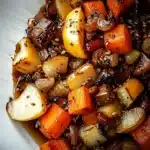
Maple Soy Roasted Vegetables Recipe
Ingredients
- ¼ cup Kikkoman® Soy Sauce (Non-GMO): The cornerstone of our savory glaze, Kikkoman® Soy Sauce is more than just saltiness. It’s a fermented wonder, brimming with umami, that fifth taste sensation described as savory and deeply satisfying. Using Kikkoman® Soy Sauce, particularly the Non-GMO variety, ensures a high-quality, authentic flavor that is crucial for the depth of this recipe. Soy sauce not only provides saltiness but also adds a complex, rich flavor that enhances the natural sweetness of the maple syrup and the earthiness of the vegetables. It acts as a flavor enhancer, bringing out the best in all the other ingredients. Choosing a Non-GMO soy sauce aligns with a health-conscious approach, ensuring you’re using a product made with carefully selected ingredients and processes.
- 3 tablespoons Maple Syrup: Nature’s liquid gold, maple syrup brings a distinctive sweetness and a subtle caramel-like depth that is unparalleled. Unlike refined sugars, pure maple syrup contains antioxidants and minerals, adding a touch of nutritional value alongside its delightful flavor. It’s not just about sweetness; maple syrup lends a unique nuanced flavor profile that complements the soy sauce beautifully, creating that signature sweet and savory balance that makes this dish so irresistible. The sticky nature of maple syrup also contributes to the glaze, helping the sauce cling to the vegetables and caramelize during roasting, creating those delicious, slightly crispy edges.
- 2 tablespoon Olive Oil: A kitchen staple, olive oil is essential for roasting vegetables. It not only prevents the vegetables from drying out and sticking to the baking sheet but also helps them to brown beautifully and develop a slightly crispy exterior. Olive oil is also a healthy fat, rich in monounsaturated fatty acids and antioxidants, contributing to the overall nutritional benefits of the dish. Its mild flavor allows the other ingredients to shine, while its presence is crucial for achieving the perfect roasted texture. Choose a good quality extra virgin olive oil for the best flavor and health benefits.
- 1 teaspoon Fresh Thyme Leaves, finely chopped: Fresh thyme brings an herbaceous and slightly earthy note that elevates the entire dish. Its fragrant aroma and delicate flavor add a layer of complexity that cuts through the richness of the maple and soy. Finely chopping the thyme ensures that its flavor is evenly distributed throughout the dressing and released during cooking. Fresh herbs, like thyme, are packed with flavor and also offer antioxidants and vitamins. The aromatic quality of thyme enhances the overall sensory experience of the dish, making it even more appealing.
- ½ teaspoon Garlic, minced: Garlic is a flavor powerhouse, adding a pungent and aromatic dimension to the dressing. Minced garlic infuses the sauce with its characteristic savory and slightly spicy notes, creating a depth of flavor that is essential for balancing the sweetness. Garlic also has numerous health benefits, including immune-boosting properties and antioxidants. Its presence in this recipe adds not only flavor but also a nutritional boost. Freshly minced garlic is always preferred for its vibrant flavor compared to pre-minced options.
- ¼ teaspoon Black Pepper: A simple yet crucial ingredient, black pepper adds a touch of spice and enhances the flavors of all the other components. It provides a subtle warmth and a slight bite that prevents the dish from being overly sweet. Freshly ground black pepper is always recommended for its superior flavor and aroma compared to pre-ground pepper. It plays a vital role in seasoning and balancing the overall flavor profile of the roasted vegetables.
- 1 medium Butternut Squash, peeled, deseeded and cubed: Butternut squash is the star vegetable of this dish, offering a sweet and nutty flavor and a creamy texture when roasted. It’s packed with vitamins, minerals, and fiber, making it a nutritious and delicious choice. Cubing the squash ensures even cooking and allows it to caramelize beautifully in the oven. Butternut squash provides a substantial and satisfying element to the dish, making it a more filling and wholesome side. Its vibrant orange color also adds visual appeal to the final presentation.
- 2 cups Brussels Sprouts, halved: Brussels sprouts, often misunderstood, are transformed into a delicious delight when roasted. Roasting brings out their natural sweetness and reduces any bitterness, resulting in tender interiors and crispy, slightly caramelized outer leaves. Halving the Brussels sprouts ensures they cook evenly and allows the glaze to penetrate them effectively. Brussels sprouts are also incredibly nutritious, packed with vitamins, fiber, and antioxidants. They add a slightly bitter and earthy counterpoint to the sweetness of the butternut squash and the glaze, creating a balanced flavor profile.
- 1 cup Unsalted Pecans, sliced: Pecans introduce a wonderful textural contrast and a rich, buttery flavor to the dish. Their slight crunch and nutty sweetness complement the tender vegetables and the savory-sweet glaze perfectly. Unsalted pecans allow you to control the overall saltiness of the dish, ensuring it’s balanced. Slicing the pecans helps them toast evenly in the oven and distribute throughout the vegetables. Pecans also provide healthy fats and antioxidants, adding to the nutritional value.
- ½ cup Dried Cherries: Dried cherries bring a burst of chewy sweetness and a slightly tart counterpoint to the savory and nutty flavors. Their vibrant red color also adds visual appeal to the dish. Dried cherries rehydrate slightly during roasting, becoming plump and juicy. They offer a concentrated sweetness and a unique flavor that complements the other ingredients beautifully. You can also use other dried fruits like cranberries or apricots for variation, but dried cherries offer a particularly delightful flavor profile in this recipe.
- ⅓ cup Unsalted Pumpkin Seeds: Pumpkin seeds, also known as pepitas, add another layer of texture and nutty flavor. They provide a satisfying crunch and a slightly earthy taste that complements the pecans and the vegetables. Unsalted pumpkin seeds ensure you control the salt level of the dish. They are also a good source of magnesium, zinc, and healthy fats, adding to the nutritional benefits. Scattering them over the vegetables during the final roasting stage allows them to toast lightly, enhancing their flavor and texture.
Instructions
- Preheat and Prepare: Begin by preheating your oven to 350ºF (175°C). This temperature is ideal for roasting vegetables, allowing them to cook through evenly and develop a beautiful caramelization without burning. While the oven is preheating, line a large baking sheet with parchment paper. Parchment paper is your best friend when roasting vegetables as it prevents sticking, ensures easy cleanup, and promotes even browning.
- Whisk the Flavorful Dressing: In a small mixing bowl, embark on creating the star of the show – the maple soy dressing. Whisk together ¼ cup Kikkoman® Soy Sauce, 3 tablespoons maple syrup, 2 tablespoons olive oil, 1 teaspoon finely chopped fresh thyme leaves, ½ teaspoon minced garlic, and ¼ teaspoon black pepper. Whisking ensures all the ingredients are well combined and emulsified, creating a homogenous and flavorful dressing. Set this bowl aside; this liquid gold will transform our vegetables into something extraordinary. The aroma at this stage already hints at the deliciousness to come!
- Coat the Vegetables: In a medium mixing bowl, combine the cubed butternut squash and halved Brussels sprouts. These are the hearty vegetables that form the base of our dish. Pour half of the prepared dressing over the vegetables. Using your hands or a spatula, gently stir and toss the vegetables to ensure they are evenly coated with the dressing. This initial coating allows the vegetables to absorb the flavorful marinade during the first stage of roasting, infusing them from the inside out.
- First Bake: Spread the dressed vegetables in a single layer onto the prepared baking sheet. Avoid overcrowding the baking sheet, as this can lead to steaming rather than roasting. If necessary, use two baking sheets to ensure proper spacing. Place the baking sheet in the preheated oven and bake for 30 minutes. This initial roasting period allows the vegetables to soften and begin to caramelize, developing their inherent sweetness and roasted flavors.
- Add the Finishing Touches: After 30 minutes, carefully remove the baking sheet from the oven. At this stage, the vegetables will be partially cooked and fragrant. Now, it’s time to add the textural and flavor enhancers. Scatter the sliced pecans, pumpkin seeds, and dried cherries evenly over the vegetables on the baking sheet. These additions will toast and become wonderfully fragrant during the final roasting stage.
- Second Bake and Glaze: Drizzle the remaining dressing evenly over all the ingredients on the baking sheet, ensuring the nuts, seeds, and dried cherries also get a touch of that flavorful glaze. Return the baking sheet to the oven for an additional 10 minutes. This final roasting time allows the nuts and seeds to toast to golden perfection, the dried cherries to plump up slightly, and the remaining dressing to caramelize further, creating a beautiful glaze that coats all the ingredients.
- Serve Hot and Enjoy: After the final 10 minutes, remove the baking sheet from the oven. The vegetables should be tender, slightly caramelized, and beautifully glazed, with toasted nuts and plump dried cherries scattered throughout. Serve immediately while hot. The aroma and visual appeal alone will be enough to entice everyone to the table. Enjoy the symphony of flavors and textures – the sweet and savory glaze, the tender vegetables, the crunchy nuts and seeds, and the chewy bursts of dried cherries. This Maple Soy Roasted Vegetables dish is a guaranteed crowd-pleaser!
Nutrition
- Serving Size: One Normal Portion
- Calories: 250-300 kcal
- Fat: 15-20 grams
- Carbohydrates: 25-35 grams
- Fiber: 5-7 grams
- Protein: 5-7 grams