There are some dishes that just have a magical way of transporting you. For me, Moroccan Chicken & Rice is one of those culinary time machines. The first time I made this fragrant dish, my kitchen transformed into a bustling Marrakech souk, filled with the warm, inviting aromas of cumin, ginger, and saffron. It was a weeknight, and honestly, I was looking for something a little different, a departure from our usual rotation of pasta and chicken. Little did I know, this recipe would become a family staple, requested time and time again. The tender, spice-infused chicken, nestled amongst fluffy, flavorful rice, is a symphony of textures and tastes. Even my pickiest eater, usually wary of anything beyond plain chicken nuggets, devoured it with gusto, proclaiming it “the best chicken ever!”. From that day on, Moroccan Chicken & Rice has held a special place in our hearts, and on our dinner table. It’s a dish that’s both comforting and exciting, simple enough for a weeknight yet impressive enough for company. If you’re looking to add a touch of exotic flavor and warmth to your kitchen, look no further – this recipe is your passport to a delicious Moroccan culinary journey.
Ingredients: Your Spice Rack’s Time to Shine
To embark on this flavorful adventure, gather these key ingredients. Don’t be intimidated by the spice list – each one plays a crucial role in creating the authentic Moroccan taste profile. Using fresh, high-quality ingredients will elevate the dish even further, but pantry staples will work beautifully too.
For the Chicken:
- Chicken Pieces: 2 lbs bone-in, skin-on chicken thighs and drumsticks (about 8-10 pieces). Bone-in and skin-on chicken provides the most flavor and moisture during cooking. You can also use boneless, skinless thighs, but cooking time may need to be adjusted slightly, and the flavor might be less intense. For a leaner option, chicken breasts can be used, but be mindful not to overcook them as they can become dry.
- Olive Oil: 2 tablespoons. Extra virgin olive oil is preferred for its flavor and health benefits, but any cooking oil with a neutral flavor, such as vegetable or canola oil, will work.
- Onion: 1 large, chopped. Yellow or white onions are suitable choices. Diced onions provide a base flavor and texture to the dish.
- Garlic: 4 cloves, minced. Fresh garlic is essential for its pungent aroma and flavor. Pre-minced garlic can be used as a substitute, but fresh is always best.
- Ginger: 1 tablespoon, freshly grated. Fresh ginger adds a warm, spicy, and slightly sweet note. Ginger paste can be used as a substitute, but fresh ginger’s flavor is more vibrant.
- Canned Diced Tomatoes: 1 (14.5 ounce) can, undrained. Diced tomatoes provide acidity, moisture, and sweetness to the sauce. Fire-roasted diced tomatoes can add a smoky depth of flavor.
- Chicken Broth: 2 cups. Low-sodium chicken broth allows you to control the saltiness of the dish. Vegetable broth can be used for a slightly different flavor profile.
- Lemon: 1, cut into wedges and also zest of half a lemon. Fresh lemon juice adds brightness and acidity, balancing the richness of the spices. Lemon zest intensifies the citrusy aroma and flavor.
- Fresh Cilantro: ¼ cup, chopped, for garnish (optional). Fresh cilantro provides a vibrant, herbaceous finish. Fresh parsley can be used as a substitute if you prefer.
The Moroccan Spice Blend (This is where the magic happens!):
- Ground Cumin: 2 teaspoons. Cumin is a warm, earthy spice that is fundamental to Moroccan cuisine.
- Ground Turmeric: 1 teaspoon. Turmeric adds a warm, slightly bitter, and earthy flavor, as well as a beautiful golden color.
- Ground Ginger: 1 teaspoon. Ground ginger complements the fresh ginger and adds another layer of warmth and spice.
- Ground Cinnamon: ½ teaspoon. Cinnamon provides a sweet and warm aroma, adding a touch of complexity to the spice blend.
- Paprika: 1 teaspoon. Sweet paprika adds a mild, fruity flavor and vibrant red color. Smoked paprika can be used for a smoky twist.
- Saffron Threads: A pinch (about ¼ teaspoon). Saffron is the “king of spices,” adding a unique floral aroma, subtle honey-like flavor, and vibrant yellow-orange hue. It’s a bit pricey, but a little goes a long way. If saffron is unavailable, you can omit it, but it does contribute significantly to the authentic Moroccan flavor. Turmeric can help mimic the color if you desire.
- Salt: To taste. Kosher salt or sea salt is recommended.
- Black Pepper: To taste. Freshly ground black pepper is preferred for its bolder flavor.
For the Rice:
- Basmati Rice: 1 cup. Basmati rice is a long-grain rice known for its fragrant aroma and fluffy texture. It’s a classic choice for Moroccan dishes. Jasmine rice can be used as a substitute, but basmati is preferred for its drier, less sticky texture.
- Water or Chicken Broth: 2 cups. Using chicken broth instead of water will infuse the rice with even more flavor.
- Olive Oil or Butter: 1 tablespoon. Olive oil or butter adds richness and helps prevent the rice from sticking.
- Salt: To taste.
Optional Ingredients for Extra Flavor and Texture:
- Raisins or Dried Apricots: ¼ cup, roughly chopped. Dried fruits add sweetness and chewy texture, which are common in Moroccan cuisine. Soak them in warm water for 10 minutes to plump them up before adding.
- Almonds, Toasted: ¼ cup, slivered or chopped. Toasted almonds provide a crunchy contrast and nutty flavor. Other nuts like pistachios or pine nuts can also be used.
- Green Olives: ½ cup, pitted and halved. Green olives add a briny, salty element that complements the spices and chicken.
- Preserved Lemon: ¼ preserved lemon, rind only, rinsed and finely chopped. Preserved lemon is a signature Moroccan ingredient, adding a unique salty, tangy, and fermented citrus flavor. If you can find it, it will elevate the dish significantly. If unavailable, you can add a bit more fresh lemon zest and a pinch of salt.
Instructions: Crafting Your Moroccan Culinary Masterpiece
Now that you have all your ingredients ready, let’s embark on the cooking process. This recipe is surprisingly straightforward, even for beginner cooks. Follow these step-by-step instructions to create a truly authentic and flavorful Moroccan Chicken & Rice.
Step 1: Prepare the Chicken and Spice Rub
- Pat the Chicken Dry: Use paper towels to pat the chicken pieces thoroughly dry. This step is crucial for achieving a beautiful golden-brown sear. Dry chicken browns better and crisps up nicely.
- Combine Spices: In a small bowl, whisk together all the spices: cumin, turmeric, ground ginger, cinnamon, paprika, saffron, salt, and black pepper. Ensure the spices are well combined to create a uniform flavor profile.
- Spice Rub: Generously rub the spice mixture all over the chicken pieces, ensuring every part is coated. Massage the spices into the chicken for a few minutes to ensure they penetrate the meat and skin. This spice rub is the heart of the Moroccan flavor. Let the chicken marinate for at least 20 minutes, or up to 2 hours in the refrigerator for deeper flavor development. The longer it marinates, the more flavorful the chicken will become.
Step 2: Sear the Chicken
- Heat Olive Oil: In a large, heavy-bottomed pot or Dutch oven (about 5-6 quart size) over medium-high heat, heat the olive oil until it shimmers. The pot should be large enough to accommodate all the chicken pieces and rice later on.
- Sear Chicken: Working in batches if necessary to avoid overcrowding the pot, sear the chicken pieces skin-side down first, for about 4-5 minutes until golden brown and crispy. Then, flip and sear the other side for another 2-3 minutes. Searing the chicken locks in the juices and creates a flavorful crust. Don’t worry about cooking the chicken through at this stage; you just want to brown it. Remove the seared chicken from the pot and set aside.
Step 3: Sauté Aromatics and Build the Sauce
- Sauté Onion: In the same pot, reduce the heat to medium and add the chopped onion. Sauté for about 5-7 minutes, stirring occasionally, until softened and translucent. Scrape up any browned bits from the bottom of the pot – these are called “fond” and are packed with flavor.
- Add Garlic and Ginger: Add the minced garlic and grated ginger to the pot and sauté for another minute until fragrant. Be careful not to burn the garlic, as it can become bitter.
- Add Tomatoes and Broth: Pour in the canned diced tomatoes (undrained) and chicken broth. Stir well to combine. Bring the mixture to a simmer, scraping up any remaining browned bits from the bottom of the pot.
- Return Chicken: Gently place the seared chicken pieces back into the pot, nestling them into the tomato-broth mixture. Ensure the chicken is mostly submerged in the liquid.
Step 4: Simmer the Chicken
- Simmer Covered: Cover the pot with a lid, reduce the heat to low, and simmer gently for 30-40 minutes, or until the chicken is cooked through and tender. The internal temperature of the chicken should reach 165°F (74°C). Simmering allows the chicken to become incredibly tender and absorb the flavors of the sauce.
- Check for Doneness: To check if the chicken is done, pierce the thickest part of a thigh with a fork. The juices should run clear, not pink. If using a meat thermometer, insert it into the thickest part of the thigh, avoiding the bone.
Step 5: Cook the Rice
- Remove Chicken Temporarily: Once the chicken is cooked through, carefully remove it from the pot and set aside on a plate, keeping it warm. Leave the sauce in the pot.
- Add Rice: Add the basmati rice to the sauce in the pot. Stir to ensure the rice is evenly distributed and submerged in the liquid.
- Bring to Boil, Then Simmer: Bring the mixture back to a boil over medium-high heat. Once boiling, reduce the heat to the lowest setting, cover the pot tightly with a lid, and simmer for 18-20 minutes, or until the rice is cooked through and has absorbed all the liquid. Do not lift the lid during the simmering process, as this can release steam and affect the cooking of the rice.
- Check Rice Doneness: After 18-20 minutes, check the rice. It should be tender and fluffy, and all the liquid should be absorbed. If there is still liquid remaining, continue to simmer for a few more minutes, checking periodically. If the rice is cooked but still a bit wet, you can remove the lid and cook for a minute or two over low heat to evaporate any excess liquid.
- Fluff Rice: Once the rice is cooked, remove the pot from the heat and let it stand, covered, for 5 minutes. This allows the steam to redistribute and the rice to become even fluffier. After 5 minutes, fluff the rice gently with a fork.
Step 6: Combine and Serve
- Return Chicken to Pot: Gently nestle the cooked chicken pieces back into the pot on top of the rice.
- Add Lemon Zest and Juice: Sprinkle the lemon zest over the chicken and rice, and squeeze fresh lemon juice over the entire dish. This brightens the flavors and adds a final touch of freshness.
- Garnish (Optional): Garnish with chopped fresh cilantro, toasted almonds, raisins, or green olives, if desired.
- Serve Hot: Serve Moroccan Chicken & Rice hot, directly from the pot or transferred to a serving platter. Serve with lemon wedges on the side for extra zest.
Nutrition Facts: A Wholesome and Flavorful Meal
This Moroccan Chicken & Rice recipe is not only delicious but also offers a balanced and nutritious meal. Keep in mind that these are estimated values and can vary based on specific ingredients and portion sizes.
- Servings: Approximately 6-8 servings
- Calories per Serving (estimated): 450-550 calories (This is a rough estimate and can vary depending on the size of chicken pieces, amount of rice, and added ingredients like dried fruits and nuts).
Approximate Macronutrient Breakdown per Serving (estimated):
- Protein: 35-45 grams (from chicken and a small amount from rice)
- Fat: 20-30 grams (from chicken skin, olive oil, and some fat in chicken itself)
- Carbohydrates: 40-50 grams (primarily from rice and tomatoes)
Important Notes:
- These are estimates and can vary. For more precise nutritional information, you can use online recipe analyzers or nutrition tracking apps, inputting the specific brands and quantities of ingredients you use.
- Choosing skinless chicken will significantly reduce the fat content.
- Using brown rice instead of white basmati rice will increase the fiber content.
- Adding vegetables like bell peppers or zucchini can boost the vitamin and mineral content and add more fiber.
Preparation Time: From Prep to Plate
This recipe is wonderfully manageable, even on busy weeknights. Here’s a breakdown of the estimated time involved:
- Prep Time: 20-25 minutes (This includes chopping vegetables, grating ginger, measuring spices, and prepping chicken)
- Marinating Time: 20 minutes (minimum) to 2 hours (optional, for deeper flavor)
- Cook Time: 1 hour (approximately, including searing, simmering chicken, and cooking rice)
- Total Time: Approximately 1 hour 40 minutes to 2 hours 25 minutes (including marinating time)
Tips for Time Management:
- Prep Ahead: Chop the onion and garlic, grate the ginger, and measure out the spices in advance. You can do this the day before and store them separately in airtight containers.
- Marinate Chicken in the Morning: If you have time in the morning, prepare the spice rub and marinate the chicken. This will deepen the flavor and save time in the evening.
- Use Pre-minced Garlic and Ginger: While fresh is best, using pre-minced garlic and ginger can save a few minutes of prep time.
- Multitask: While the chicken is simmering, you can prepare any side dishes or set the table.
How to Serve: Complementing the Moroccan Feast
Moroccan Chicken & Rice is a complete meal in itself, but you can elevate the dining experience with complementary side dishes and serving suggestions.
Serving Suggestions:
- Classic Couscous: Serve alongside a side of fluffy couscous. Couscous is a staple in Moroccan cuisine and pairs beautifully with the flavors of the chicken and rice. You can simply prepare plain couscous or dress it up with herbs, dried fruits, or toasted nuts.
- Refreshing Salad: A light and refreshing salad is a perfect counterpoint to the richness of the chicken and rice. Consider a Moroccan-inspired salad with cucumbers, tomatoes, red onion, parsley, mint, and a lemon-olive oil dressing. A simple green salad with a vinaigrette also works well.
- Warm Flatbread or Pita Bread: Serve with warm flatbread or pita bread for scooping up the flavorful chicken and rice and soaking up the delicious sauce. Naan bread or Moroccan-style flatbread (Khobz) would be excellent choices.
- Yogurt or Tzatziki Sauce: A dollop of plain yogurt, Greek yogurt, or tzatziki sauce (yogurt-cucumber-garlic sauce) adds a cool and creamy element that complements the warm spices.
- Roasted Vegetables: Roasted vegetables like bell peppers, zucchini, eggplant, or carrots would be a hearty and healthy addition. Toss them with olive oil and some of the Moroccan spices before roasting.
Garnishing Ideas:
- Fresh Cilantro or Parsley: A sprinkle of chopped fresh cilantro or parsley adds a vibrant green color and fresh herbaceousness.
- Toasted Almonds or Pine Nuts: Toasted almonds or pine nuts provide a delightful crunch and nutty flavor.
- Raisins or Dried Apricots: A scattering of raisins or dried apricots adds sweetness and chewy texture.
- Green Olives: Halved green olives offer a briny, salty pop of flavor.
- Lemon Wedges: Always serve with lemon wedges for squeezing fresh lemon juice over the dish, enhancing the brightness and flavors.
Presentation Tips:
- Serve in a Tagine (Optional): For a truly authentic Moroccan presentation, serve the chicken and rice in a tagine (a traditional Moroccan earthenware pot with a conical lid). If you don’t have a tagine, a large serving platter or the Dutch oven you cooked it in will work just fine.
- Arrange Chicken Nicely: Arrange the chicken pieces attractively on top of the rice.
- Garnish Generously: Don’t be shy with the garnishes! They add visual appeal and enhance the overall flavor and texture.
Additional Tips: Elevating Your Moroccan Chicken & Rice Game
Want to take your Moroccan Chicken & Rice to the next level? Here are five additional tips to enhance the flavor, texture, and overall experience:
- Spice Level Customization: Moroccan cuisine can range from mild to moderately spicy. This recipe is moderately spiced, but you can easily adjust the spice level to your preference. For a milder dish, reduce the amount of paprika and cumin. For a spicier kick, add a pinch of cayenne pepper or a finely chopped chili pepper (like serrano or bird’s eye chili) along with the garlic and ginger. You can also add a dash of harissa paste (Moroccan chili paste) for extra heat and complex flavor.
- Experiment with Different Vegetables: Feel free to add other vegetables to the dish to make it even heartier and more nutritious. Diced bell peppers (red, yellow, or orange), zucchini, eggplant, carrots, or even chickpeas would be delicious additions. Add vegetables along with the tomatoes and broth and adjust simmering time accordingly to ensure they are cooked through but not mushy.
- Make it in a Slow Cooker or Instant Pot: This recipe can be easily adapted for a slow cooker or Instant Pot. For a slow cooker, sear the chicken as directed, then place all ingredients (except rice and cilantro) in the slow cooker. Cook on low for 6-8 hours or on high for 3-4 hours, until chicken is tender. Cook rice separately and serve chicken and sauce over rice. For an Instant Pot, use the sauté function to sear chicken and sauté aromatics. Add remaining ingredients (except rice and cilantro), and cook on high pressure for 10-12 minutes, followed by a natural pressure release for 10 minutes. Quick release remaining pressure. Remove chicken, add rice and water/broth (adjust liquid amount for Instant Pot rice cooking guidelines), and cook on high pressure for 5 minutes, followed by a natural pressure release for 5 minutes.
- Infuse Extra Flavor into the Rice: To enhance the flavor of the rice, try toasting the rice grains before adding liquid. After sautéing the onions and garlic, add the dry basmati rice to the pot and toast for 2-3 minutes, stirring constantly, until lightly fragrant. Then, add the liquid and proceed with cooking the rice as instructed. Toasting the rice adds a nutty flavor and helps to prevent it from becoming sticky. You can also add a bay leaf or a cinnamon stick to the rice cooking liquid for subtle aromatic infusion.
- Make Ahead and Storage Tips: Moroccan Chicken & Rice is a fantastic make-ahead dish. The flavors actually deepen and meld together even more beautifully after a day or two in the refrigerator. You can prepare the entire dish up to 2-3 days in advance. Store it in an airtight container in the refrigerator. Reheat gently on the stovetop or in the microwave until heated through. For longer storage, cooked Moroccan Chicken & Rice can be frozen for up to 2-3 months. Thaw overnight in the refrigerator before reheating.
FAQ: Your Moroccan Chicken & Rice Questions Answered
Got questions about making Moroccan Chicken & Rice? Here are answers to some frequently asked questions to ensure your culinary success:
Q1: Can I use boneless, skinless chicken thighs or breasts?
A: Yes, you can definitely use boneless, skinless chicken thighs or breasts. Boneless, skinless thighs will remain more moist than breasts. If using breasts, be careful not to overcook them, as they can become dry. Reduce the simmering time to about 20-25 minutes for boneless, skinless chicken, or until they are cooked through (internal temperature of 165°F/74°C). Searing is still recommended for flavor development, even with skinless chicken.
Q2: I don’t have saffron. Can I still make this dish?
A: Absolutely! Saffron adds a unique flavor and color, but it is an expensive spice and can be omitted if you don’t have it. The dish will still be delicious without it. To compensate for the color, you can use a little extra turmeric. For a slightly different flavor profile, you could consider adding a tiny pinch of ground cardamom or mace, though neither is a direct substitute for saffron.
Q3: Can I make this recipe vegetarian or vegan?
A: Yes, you can easily adapt this recipe to be vegetarian or vegan. Substitute the chicken with hearty vegetables like chickpeas, butternut squash, potatoes, or cauliflower florets. For a vegetarian version, you can use vegetable broth. To make it vegan, ensure you are using plant-based oil and vegetable broth. Adjust cooking times as needed for the vegetables. Chickpeas can be added along with the tomatoes and broth and simmered until tender. Root vegetables like potatoes or butternut squash may require a longer simmering time to become tender.
Q4: What kind of rice is best for Moroccan Chicken & Rice?
A: Basmati rice is the classic and best choice for Moroccan Chicken & Rice. Its long grains, fragrant aroma, and fluffy texture complement the dish beautifully. Jasmine rice can be used as a substitute, but basmati is preferred for its drier, less sticky texture, which works well with the sauce. Avoid using short-grain rice like sushi rice or Arborio rice, as they are too starchy and will become sticky and mushy.
Q5: How long does Moroccan Chicken & Rice last in the refrigerator and freezer?
A: Moroccan Chicken & Rice will last for 3-4 days in the refrigerator when stored in an airtight container. Ensure it cools down completely before refrigerating. For longer storage, you can freeze it for up to 2-3 months. Freeze in freezer-safe containers or bags. Thaw overnight in the refrigerator before reheating. Reheat thoroughly on the stovetop or in the microwave until heated through. The flavors often improve after refrigeration and reheating, making it a great dish for meal prepping or making ahead of time.
Print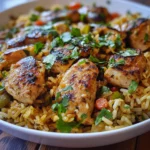
Moroccan Chicken & Rice Recipe
Ingredients
For the Chicken:
- Chicken Pieces: 2 lbs bone-in, skin-on chicken thighs and drumsticks (about 8-10 pieces). Bone-in and skin-on chicken provides the most flavor and moisture during cooking. You can also use boneless, skinless thighs, but cooking time may need to be adjusted slightly, and the flavor might be less intense. For a leaner option, chicken breasts can be used, but be mindful not to overcook them as they can become dry.
- Olive Oil: 2 tablespoons. Extra virgin olive oil is preferred for its flavor and health benefits, but any cooking oil with a neutral flavor, such as vegetable or canola oil, will work.
- Onion: 1 large, chopped. Yellow or white onions are suitable choices. Diced onions provide a base flavor and texture to the dish.
- Garlic: 4 cloves, minced. Fresh garlic is essential for its pungent aroma and flavor. Pre-minced garlic can be used as a substitute, but fresh is always best.
- Ginger: 1 tablespoon, freshly grated. Fresh ginger adds a warm, spicy, and slightly sweet note. Ginger paste can be used as a substitute, but fresh ginger’s flavor is more vibrant.
- Canned Diced Tomatoes: 1 (14.5 ounce) can, undrained. Diced tomatoes provide acidity, moisture, and sweetness to the sauce. Fire-roasted diced tomatoes can add a smoky depth of flavor.
- Chicken Broth: 2 cups. Low-sodium chicken broth allows you to control the saltiness of the dish. Vegetable broth can be used for a slightly different flavor profile.
- Lemon: 1, cut into wedges and also zest of half a lemon. Fresh lemon juice adds brightness and acidity, balancing the richness of the spices. Lemon zest intensifies the citrusy aroma and flavor.
- Fresh Cilantro: ¼ cup, chopped, for garnish (optional). Fresh cilantro provides a vibrant, herbaceous finish. Fresh parsley can be used as a substitute if you prefer.
The Moroccan Spice Blend (This is where the magic happens!):
- Ground Cumin: 2 teaspoons. Cumin is a warm, earthy spice that is fundamental to Moroccan cuisine.
- Ground Turmeric: 1 teaspoon. Turmeric adds a warm, slightly bitter, and earthy flavor, as well as a beautiful golden color.
- Ground Ginger: 1 teaspoon. Ground ginger complements the fresh ginger and adds another layer of warmth and spice.
- Ground Cinnamon: ½ teaspoon. Cinnamon provides a sweet and warm aroma, adding a touch of complexity to the spice blend.
- Paprika: 1 teaspoon. Sweet paprika adds a mild, fruity flavor and vibrant red color. Smoked paprika can be used for a smoky twist.
- Saffron Threads: A pinch (about ¼ teaspoon). Saffron is the “king of spices,” adding a unique floral aroma, subtle honey-like flavor, and vibrant yellow-orange hue. It’s a bit pricey, but a little goes a long way. If saffron is unavailable, you can omit it, but it does contribute significantly to the authentic Moroccan flavor. Turmeric can help mimic the color if you desire.
- Salt: To taste. Kosher salt or sea salt is recommended.
- Black Pepper: To taste. Freshly ground black pepper is preferred for its bolder flavor.
For the Rice:
- Basmati Rice: 1 cup. Basmati rice is a long-grain rice known for its fragrant aroma and fluffy texture. It’s a classic choice for Moroccan dishes. Jasmine rice can be used as a substitute, but basmati is preferred for its drier, less sticky texture.
- Water or Chicken Broth: 2 cups. Using chicken broth instead of water will infuse the rice with even more flavor.
- Olive Oil or Butter: 1 tablespoon. Olive oil or butter adds richness and helps prevent the rice from sticking.
- Salt: To taste.
Instructions
Step 1: Prepare the Chicken and Spice Rub
- Pat the Chicken Dry: Use paper towels to pat the chicken pieces thoroughly dry. This step is crucial for achieving a beautiful golden-brown sear. Dry chicken browns better and crisps up nicely.
- Combine Spices: In a small bowl, whisk together all the spices: cumin, turmeric, ground ginger, cinnamon, paprika, saffron, salt, and black pepper. Ensure the spices are well combined to create a uniform flavor profile.
- Spice Rub: Generously rub the spice mixture all over the chicken pieces, ensuring every part is coated. Massage the spices into the chicken for a few minutes to ensure they penetrate the meat and skin. This spice rub is the heart of the Moroccan flavor. Let the chicken marinate for at least 20 minutes, or up to 2 hours in the refrigerator for deeper flavor development. The longer it marinates, the more flavorful the chicken will become.
Step 2: Sear the Chicken
- Heat Olive Oil: In a large, heavy-bottomed pot or Dutch oven (about 5-6 quart size) over medium-high heat, heat the olive oil until it shimmers. The pot should be large enough to accommodate all the chicken pieces and rice later on.
- Sear Chicken: Working in batches if necessary to avoid overcrowding the pot, sear the chicken pieces skin-side down first, for about 4-5 minutes until golden brown and crispy. Then, flip and sear the other side for another 2-3 minutes. Searing the chicken locks in the juices and creates a flavorful crust. Don’t worry about cooking the chicken through at this stage; you just want to brown it. Remove the seared chicken from the pot and set aside.
Step 3: Sauté Aromatics and Build the Sauce
- Sauté Onion: In the same pot, reduce the heat to medium and add the chopped onion. Sauté for about 5-7 minutes, stirring occasionally, until softened and translucent. Scrape up any browned bits from the bottom of the pot – these are called “fond” and are packed with flavor.
- Add Garlic and Ginger: Add the minced garlic and grated ginger to the pot and sauté for another minute until fragrant. Be careful not to burn the garlic, as it can become bitter.
- Add Tomatoes and Broth: Pour in the canned diced tomatoes (undrained) and chicken broth. Stir well to combine. Bring the mixture to a simmer, scraping up any remaining browned bits from the bottom of the pot.
- Return Chicken: Gently place the seared chicken pieces back into the pot, nestling them into the tomato-broth mixture. Ensure the chicken is mostly submerged in the liquid.
Step 4: Simmer the Chicken
- Simmer Covered: Cover the pot with a lid, reduce the heat to low, and simmer gently for 30-40 minutes, or until the chicken is cooked through and tender. The internal temperature of the chicken should reach 165°F (74°C). Simmering allows the chicken to become incredibly tender and absorb the flavors of the sauce.
- Check for Doneness: To check if the chicken is done, pierce the thickest part of a thigh with a fork. The juices should run clear, not pink. If using a meat thermometer, insert it into the thickest part of the thigh, avoiding the bone.
Step 5: Cook the Rice
- Remove Chicken Temporarily: Once the chicken is cooked through, carefully remove it from the pot and set aside on a plate, keeping it warm. Leave the sauce in the pot.
- Add Rice: Add the basmati rice to the sauce in the pot. Stir to ensure the rice is evenly distributed and submerged in the liquid.
- Bring to Boil, Then Simmer: Bring the mixture back to a boil over medium-high heat. Once boiling, reduce the heat to the lowest setting, cover the pot tightly with a lid, and simmer for 18-20 minutes, or until the rice is cooked through and has absorbed all the liquid. Do not lift the lid during the simmering process, as this can release steam and affect the cooking of the rice.
- Check Rice Doneness: After 18-20 minutes, check the rice. It should be tender and fluffy, and all the liquid should be absorbed. If there is still liquid remaining, continue to simmer for a few more minutes, checking periodically. If the rice is cooked but still a bit wet, you can remove the lid and cook for a minute or two over low heat to evaporate any excess liquid.
- Fluff Rice: Once the rice is cooked, remove the pot from the heat and let it stand, covered, for 5 minutes. This allows the steam to redistribute and the rice to become even fluffier. After 5 minutes, fluff the rice gently with a fork.
Step 6: Combine and Serve
- Return Chicken to Pot: Gently nestle the cooked chicken pieces back into the pot on top of the rice.
- Add Lemon Zest and Juice: Sprinkle the lemon zest over the chicken and rice, and squeeze fresh lemon juice over the entire dish. This brightens the flavors and adds a final touch of freshness.
- Garnish (Optional): Garnish with chopped fresh cilantro, toasted almonds, raisins, or green olives, if desired.
- Serve Hot: Serve Moroccan Chicken & Rice hot, directly from the pot or transferred to a serving platter. Serve with lemon wedges on the side for extra zest.
Nutrition
- Serving Size: one normal portion
- Calories: 450-550
- Fat: 20-30 grams
- Carbohydrates: 40-50 grams
- Protein: 35-45 grams