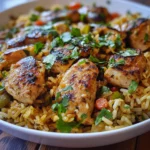
Ingredients
For the Chicken:
- Chicken Pieces: 2 lbs bone-in, skin-on chicken thighs and drumsticks (about 8-10 pieces). Bone-in and skin-on chicken provides the most flavor and moisture during cooking. You can also use boneless, skinless thighs, but cooking time may need to be adjusted slightly, and the flavor might be less intense. For a leaner option, chicken breasts can be used, but be mindful not to overcook them as they can become dry.
- Olive Oil: 2 tablespoons. Extra virgin olive oil is preferred for its flavor and health benefits, but any cooking oil with a neutral flavor, such as vegetable or canola oil, will work.
- Onion: 1 large, chopped. Yellow or white onions are suitable choices. Diced onions provide a base flavor and texture to the dish.
- Garlic: 4 cloves, minced. Fresh garlic is essential for its pungent aroma and flavor. Pre-minced garlic can be used as a substitute, but fresh is always best.
- Ginger: 1 tablespoon, freshly grated. Fresh ginger adds a warm, spicy, and slightly sweet note. Ginger paste can be used as a substitute, but fresh ginger’s flavor is more vibrant.
- Canned Diced Tomatoes: 1 (14.5 ounce) can, undrained. Diced tomatoes provide acidity, moisture, and sweetness to the sauce. Fire-roasted diced tomatoes can add a smoky depth of flavor.
- Chicken Broth: 2 cups. Low-sodium chicken broth allows you to control the saltiness of the dish. Vegetable broth can be used for a slightly different flavor profile.
- Lemon: 1, cut into wedges and also zest of half a lemon. Fresh lemon juice adds brightness and acidity, balancing the richness of the spices. Lemon zest intensifies the citrusy aroma and flavor.
- Fresh Cilantro: ¼ cup, chopped, for garnish (optional). Fresh cilantro provides a vibrant, herbaceous finish. Fresh parsley can be used as a substitute if you prefer.
The Moroccan Spice Blend (This is where the magic happens!):
- Ground Cumin: 2 teaspoons. Cumin is a warm, earthy spice that is fundamental to Moroccan cuisine.
- Ground Turmeric: 1 teaspoon. Turmeric adds a warm, slightly bitter, and earthy flavor, as well as a beautiful golden color.
- Ground Ginger: 1 teaspoon. Ground ginger complements the fresh ginger and adds another layer of warmth and spice.
- Ground Cinnamon: ½ teaspoon. Cinnamon provides a sweet and warm aroma, adding a touch of complexity to the spice blend.
- Paprika: 1 teaspoon. Sweet paprika adds a mild, fruity flavor and vibrant red color. Smoked paprika can be used for a smoky twist.
- Saffron Threads: A pinch (about ¼ teaspoon). Saffron is the “king of spices,” adding a unique floral aroma, subtle honey-like flavor, and vibrant yellow-orange hue. It’s a bit pricey, but a little goes a long way. If saffron is unavailable, you can omit it, but it does contribute significantly to the authentic Moroccan flavor. Turmeric can help mimic the color if you desire.
- Salt: To taste. Kosher salt or sea salt is recommended.
- Black Pepper: To taste. Freshly ground black pepper is preferred for its bolder flavor.
For the Rice:
- Basmati Rice: 1 cup. Basmati rice is a long-grain rice known for its fragrant aroma and fluffy texture. It’s a classic choice for Moroccan dishes. Jasmine rice can be used as a substitute, but basmati is preferred for its drier, less sticky texture.
- Water or Chicken Broth: 2 cups. Using chicken broth instead of water will infuse the rice with even more flavor.
- Olive Oil or Butter: 1 tablespoon. Olive oil or butter adds richness and helps prevent the rice from sticking.
- Salt: To taste.
Instructions
Step 1: Prepare the Chicken and Spice Rub
- Pat the Chicken Dry: Use paper towels to pat the chicken pieces thoroughly dry. This step is crucial for achieving a beautiful golden-brown sear. Dry chicken browns better and crisps up nicely.
- Combine Spices: In a small bowl, whisk together all the spices: cumin, turmeric, ground ginger, cinnamon, paprika, saffron, salt, and black pepper. Ensure the spices are well combined to create a uniform flavor profile.
- Spice Rub: Generously rub the spice mixture all over the chicken pieces, ensuring every part is coated. Massage the spices into the chicken for a few minutes to ensure they penetrate the meat and skin. This spice rub is the heart of the Moroccan flavor. Let the chicken marinate for at least 20 minutes, or up to 2 hours in the refrigerator for deeper flavor development. The longer it marinates, the more flavorful the chicken will become.
Step 2: Sear the Chicken
- Heat Olive Oil: In a large, heavy-bottomed pot or Dutch oven (about 5-6 quart size) over medium-high heat, heat the olive oil until it shimmers. The pot should be large enough to accommodate all the chicken pieces and rice later on.
- Sear Chicken: Working in batches if necessary to avoid overcrowding the pot, sear the chicken pieces skin-side down first, for about 4-5 minutes until golden brown and crispy. Then, flip and sear the other side for another 2-3 minutes. Searing the chicken locks in the juices and creates a flavorful crust. Don’t worry about cooking the chicken through at this stage; you just want to brown it. Remove the seared chicken from the pot and set aside.
Step 3: Sauté Aromatics and Build the Sauce
- Sauté Onion: In the same pot, reduce the heat to medium and add the chopped onion. Sauté for about 5-7 minutes, stirring occasionally, until softened and translucent. Scrape up any browned bits from the bottom of the pot – these are called “fond” and are packed with flavor.
- Add Garlic and Ginger: Add the minced garlic and grated ginger to the pot and sauté for another minute until fragrant. Be careful not to burn the garlic, as it can become bitter.
- Add Tomatoes and Broth: Pour in the canned diced tomatoes (undrained) and chicken broth. Stir well to combine. Bring the mixture to a simmer, scraping up any remaining browned bits from the bottom of the pot.
- Return Chicken: Gently place the seared chicken pieces back into the pot, nestling them into the tomato-broth mixture. Ensure the chicken is mostly submerged in the liquid.
Step 4: Simmer the Chicken
- Simmer Covered: Cover the pot with a lid, reduce the heat to low, and simmer gently for 30-40 minutes, or until the chicken is cooked through and tender. The internal temperature of the chicken should reach 165°F (74°C). Simmering allows the chicken to become incredibly tender and absorb the flavors of the sauce.
- Check for Doneness: To check if the chicken is done, pierce the thickest part of a thigh with a fork. The juices should run clear, not pink. If using a meat thermometer, insert it into the thickest part of the thigh, avoiding the bone.
Step 5: Cook the Rice
- Remove Chicken Temporarily: Once the chicken is cooked through, carefully remove it from the pot and set aside on a plate, keeping it warm. Leave the sauce in the pot.
- Add Rice: Add the basmati rice to the sauce in the pot. Stir to ensure the rice is evenly distributed and submerged in the liquid.
- Bring to Boil, Then Simmer: Bring the mixture back to a boil over medium-high heat. Once boiling, reduce the heat to the lowest setting, cover the pot tightly with a lid, and simmer for 18-20 minutes, or until the rice is cooked through and has absorbed all the liquid. Do not lift the lid during the simmering process, as this can release steam and affect the cooking of the rice.
- Check Rice Doneness: After 18-20 minutes, check the rice. It should be tender and fluffy, and all the liquid should be absorbed. If there is still liquid remaining, continue to simmer for a few more minutes, checking periodically. If the rice is cooked but still a bit wet, you can remove the lid and cook for a minute or two over low heat to evaporate any excess liquid.
- Fluff Rice: Once the rice is cooked, remove the pot from the heat and let it stand, covered, for 5 minutes. This allows the steam to redistribute and the rice to become even fluffier. After 5 minutes, fluff the rice gently with a fork.
Step 6: Combine and Serve
- Return Chicken to Pot: Gently nestle the cooked chicken pieces back into the pot on top of the rice.
- Add Lemon Zest and Juice: Sprinkle the lemon zest over the chicken and rice, and squeeze fresh lemon juice over the entire dish. This brightens the flavors and adds a final touch of freshness.
- Garnish (Optional): Garnish with chopped fresh cilantro, toasted almonds, raisins, or green olives, if desired.
- Serve Hot: Serve Moroccan Chicken & Rice hot, directly from the pot or transferred to a serving platter. Serve with lemon wedges on the side for extra zest.
Nutrition
- Serving Size: one normal portion
- Calories: 450-550
- Fat: 20-30 grams
- Carbohydrates: 40-50 grams
- Protein: 35-45 grams