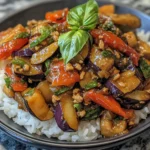

Pasta Primavera is a classic Italian-American dish that beautifully celebrates the bounty of fresh vegetables. Its name itself, “Primavera,” means spring in Italian, reflecting the vibrancy and freshness of the ingredients used. This delightful dish is not only a feast for the eyes with its array of colors but also a healthy, flavorful meal perfect for any season. Whether you’re a seasoned chef or a beginner in the kitchen, Pasta Primavera is easy to prepare and sure to impress. In this article, we’ll explore how to make this delicious dish, its nutritional benefits, serving suggestions, and more.
Ingredients
To create a mouthwatering Pasta Primavera, you will need the following ingredients:
- 8 oz pasta of your choice: Opt for a type that holds sauce well, such as penne, farfalle, or spaghetti. Whole grain or legume-based pasta can be used for a healthier twist.
- 1 cup broccoli florets: These not only add a crunchy texture but are also rich in vitamins C and K, fiber, and antioxidants.
- 1 cup bell peppers, sliced: Use a mix of red, yellow, or orange for a sweet and colorful twist, packed with vitamin A and antioxidants.
- 1 cup cherry tomatoes, halved: These add a juicy burst of flavor and are a great source of Vitamin C and lycopene.
- 1 cup zucchini, sliced: Provides a mild taste and is low in calories yet high in nutrients like potassium and vitamin A.
- 3 cloves garlic, minced: Infuses the dish with a warm, aromatic flavor, and offers health benefits such as boosting the immune system.
- 3 tbsp olive oil: Enhances the flavors and helps sauté the garlic and vegetables. Opt for extra virgin olive oil for its heart-healthy properties.
- Salt and pepper to taste: Essential for seasoning and enhancing the natural flavors of the ingredients.
- Grated Parmesan cheese (optional): Adds a rich, savory note and contains calcium and protein.
- Fresh basil for garnish: Offers a fresh, fragrant finish that elevates the dish’s presentation and flavor profile.
Instructions
Follow these simple steps to prepare your Pasta Primavera:
1. Cook the Pasta
Begin by cooking the pasta according to the package instructions. Be sure to salt the water generously for added flavor. Once cooked to al dente, drain the pasta and set it aside, reserving a small amount of pasta water for later use.
2. Prepare the Vegetables
In a large pan, heat the olive oil over medium heat. Add the minced garlic and sauté for about 1 minute until fragrant, making sure not to burn it, as burnt garlic can impart a bitter taste.
3. Cook the Vegetables
Add the broccoli, bell peppers, zucchini, and cherry tomatoes to the pan. Cook for 5-7 minutes, stirring occasionally, until the vegetables are tender yet still crisp. This method helps retain their vibrant color and nutritional value.
4. Combine Pasta and Vegetables
Toss the cooked pasta into the pan with the sautéed vegetables. If desired, add a splash of the reserved pasta water to help bind the sauce. Season the mixture with salt and pepper to taste, ensuring everything is well-coated.
5. Serve
Serve the Pasta Primavera warm, topped with grated Parmesan cheese and garnished with fresh basil if desired. The cheese will melt slightly, adding a creamy texture to the dish.
Enjoy this vibrant dish as a main course or a side!
Nutrition Facts
Pasta Primavera is not only delicious but also nutritious. Here’s a breakdown of the nutritional content per serving:
- Calories: 320
- Protein: 10g
- Fat: 14g
- Carbohydrates: 40g
- Fiber: 5g
This dish is a great source of vitamins and minerals, thanks to the array of vegetables included. It’s a balanced meal that provides energy, supports digestion, and contributes to overall health. The high fiber content from the vegetables promotes a healthy gut, while the healthy fats from olive oil and cheese can support heart health.
How to Serve
Pasta Primavera is a versatile dish that can be servPasta Primavera is not just a dish; it’s a celebration of vibrant vegetables and the delightful textures of pasta, making it an incredibly versatile option for any dining occasion. Here, we delve deeper into the various ways this dish can be served, enhancing your culinary experience and ensuring that it fits seamlessly into any meal setting.
As a Main Course
When served as a main course, Pasta Primavera shines as a light yet satisfying option, ideal for both lunch and dinner. The combination of al dente pasta with a medley of seasonal vegetables—such as bell peppers, zucchini, cherry tomatoes, and asparagus—creates a colorful and flavorful plate. To elevate this dish, consider incorporating a light garlic and olive oil sauce or a creamy Alfredo for a richer experience.
Accompanying Pasta Primavera with a simple green salad introduces a refreshing contrast. A salad made with mixed greens, a squeeze of lemon, and a light vinaigrette not only complements the pasta but also adds a healthful crunch. For added protein, you can toss in some grilled chicken, shrimp, or chickpeas to make the dish even more filling, turning it into a well-rounded meal that satisfies both the palate and the appetite.
As a Side Dish
Pasta Primavera makes an excellent side dish, enhancing the overall presentation and nutritional value of any meal. Its bright colors and variety of textures add visual appeal to the plate, making it a perfect accompaniment for grilled meats such as chicken, fish, or steak. The dish’s lightness balances the richness of the grilled proteins, while the freshness of the vegetables complements the smoky flavors imparted by grilling.
To further elevate this side dish, consider adding a sprinkle of freshly grated Parmesan cheese or a drizzle of balsamic glaze just before serving. These finishing touches not only enhance the flavors but also create a more sophisticated presentation.
Family Style
Serving Pasta Primavera family-style can transform a meal into a communal event, fostering connection and conversation around the dining table. Present the dish in a large, beautiful bowl at the center, allowing guests to serve themselves. This not only encourages sharing but also makes for an interactive dining experience.
Consider adding a variety of serving utensils and garnishes, such as freshly chopped basil or parsley, to allow guests to customize their plates. Including a selection of toasted garlic bread or a charcuterie board as additional sides can create a festive atmosphere, perfect for family gatherings or casual get-togethers with friends.
For Special Occasions
When it comes to special occasions, Pasta Primavera can be elevated to a new level of sophistication. Using colorful pasta shapes like fusilli, farfalle, or even squid ink pasta can add visual flair and intrigue to the dish. The vibrant colors and various shapes not only make the dish more appealing but also invite guests to enjoy the meal with their eyes before they take their first bite.
To further enhance the presentation, consider garnishing the dish with microgreens or edible flowers, which provide a touch of elegance and creativity. Serving the pasta on elegant dinnerware or in individual portions can also add a refined touch, making it suitable for celebrations, dinner parties, or even holiday feasts.
Wine and Beverage Pairings
Pairing Pasta Primavera with the right beverage can significantly enhance the overall dining experience. A crisp white wine, such as Sauvignon Blanc, with its refreshing acidity and notes of citrus and herbs, complements the freshness of the vegetables beautifully. Alternatively, a light red wine like Pinot Noir, with its subtle berry flavors and smooth finish, can provide a delightful contrast without overpowering the dish.
For those who prefer non-alcoholic options, sparkling water with a splash of lemon or a hint of cucumber provides a refreshing palate cleanser that pairs well with the flavors of the dish. Herbal iced teas or even a light lemonade can also serve as delightful accompaniments, making the meal feel complete and satisfying.
Conclusion
Pasta Primavera’s versatility is one of its most appealing characteristics, allowing it to seamlessly fit into various dining contexts. Whether enjoyed as a main course, a side dish, served family-style, or presented for special occasions, this dish can be tailored to suit any palate or occasion. By considering thoughtful pairings and presentations, Pasta Primavera can transform from a simple meal into an unforgettable culinary experience that brings joy and connection to the table.
Additional Tips
Enhance your Pasta Primavera with these helpful tips:
- Choose Fresh Ingredients: The quality of the vegetables will significantly impact the taste and nutritional value of your dish. Visit local farmer’s markets for the freshest produce.
- Experiment with Vegetables: Feel free to add or substitute other vegetables like asparagus, peas, or mushrooms based on your preference or seasonal availability. Seasonal variations can keep the dish exciting.
- Add Protein: For added protein, consider including grilled chicken, shrimp, or chickpeas, transforming Pasta Primavera into a more substantial meal.
- Make it Vegan: Omit the Parmesan cheese or use a plant-based alternative. Nutritional yeast can provide a cheesy flavor without dairy.
- Spice it Up: Add a pinch of red pepper flakes or a dash of lemon juice for an extra kick. Freshly cracked black pepper can also enhance the overall flavor profile.
FAQs
Q: Can I make Pasta Primavera ahead of time?
A: Yes, you can prepare the dish ahead of time and store it in an airtight container in the refrigerator for up to 3 days. Reheat gently on the stovetop or in the microwave before serving to avoid overcooking the vegetables.
Q: Can I freeze Pasta Primavera?
A: While it’s possible to freeze Pasta Primavera, the texture of the vegetables may change upon thawing. If freezing, slightly undercook the vegetables to retain some texture, and store in a freezer-safe container for up to 2 months.
Q: What type of pasta works best for this dish?
A: Any pasta that holds sauce well will work. Penne, farfalle, or rotini are great choices, but feel free to use your favorite variety, including whole grain or gluten-free options.
Q: How can I make this dish gluten-free?
A: Use gluten-free pasta options like rice pasta, quinoa pasta, or chickpea pasta to accommodate dietary restrictions while maintaining flavor and texture.
Q: What can I use as a substitute for Parmesan cheese?
A: Nutritional yeast is an excellent alternative for a cheesy flavor without dairy. You can also try vegan Parmesan cheese or simply omit it for a lighter version.
Conclusion
Pasta Primavera is a vibrant, light, and nourishing dish that has become a timeless favorite in kitchens around the world. The name “Primavera” means “spring” in Italian, and it perfectly captures the essence of the dish, which showcases the freshest, most colorful vegetables of the season. It combines tender pasta with a medley of sautéed or roasted vegetables like bell peppers, zucchini, cherry tomatoes, asparagus, peas, and carrots. The result is a delightful balance of flavors, textures, and nutritional value that make it an irresistible choice for any meal.
This dish is incredibly versatile. While the classic version typically uses pasta such as spaghetti or penne, you can easily substitute with other types of pasta, such as fettuccine, fusilli, or farfalle. The vegetables can also be customized to whatever is in season, allowing for endless variations. In the winter, you can use root vegetables like sweet potatoes or winter squash, while in the summer, zucchini, eggplant, and sun-ripened tomatoes shine in the dish.
What makes Pasta Primavera so special is its simplicity. The combination of sautéed or roasted vegetables and olive oil brings out their natural sweetness and richness, and a touch of garlic adds depth to the flavor profile. Fresh herbs like basil, parsley, or thyme can be added for a fragrant finish, and a generous sprinkle of Parmesan or Pecorino Romano cheese provides a savory, creamy element that ties everything together. For those looking for a lighter version, the dish can be made without cheese or with a plant-based alternative, making it a great option for vegans or lactose-intolerant diners.
The dish is perfect for nearly any occasion. On a busy weeknight, Pasta Primavera can be made in under 30 minutes, making it a go-to for a quick, wholesome meal. Yet, its fresh flavors and beautiful presentation also make it an excellent choice for a sophisticated dinner party or family gathering. It pairs beautifully with light appetizers, fresh salads, and a crisp white wine, making it ideal for entertaining.
Pasta Primavera is also highly adaptable to different dietary preferences. It can be made gluten-free by using gluten-free pasta, or you can add protein options like grilled chicken, shrimp, or even tofu for a heartier meal. The use of fresh vegetables ensures that the dish is packed with vitamins, fiber, and antioxidants, making it a nutritious option for those looking to eat more plant-based or clean food.
Whether you’re preparing it for yourself, your family, or guests, Pasta Primavera is a dish that always brings joy. It’s a celebration of the bounty of nature and a wonderful reminder that food can be both nourishing and delicious. With its ease of preparation, health benefits, and versatility, Pasta Primavera will undoubtedly continue to be a beloved dish for years to come, adapted to suit the changing seasons and evolving tastes. So embrace the colors, textures, and flavors of the season, and let Pasta Primavera become a staple in your culinary repertoire.
Print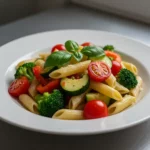
Pasta Primavera recipe
Ingredients
- 8 oz pasta of your choice: Opt for a type that holds sauce well, such as penne, farfalle, or spaghetti. Whole grain or legume-based pasta can be used for a healthier twist.
- 1 cup broccoli florets: These not only add a crunchy texture but are also rich in vitamins C and K, fiber, and antioxidants.
- 1 cup bell peppers, sliced: Use a mix of red, yellow, or orange for a sweet and colorful twist, packed with vitamin A and antioxidants.
- 1 cup cherry tomatoes, halved: These add a juicy burst of flavor and are a great source of Vitamin C and lycopene.
- 1 cup zucchini, sliced: Provides a mild taste and is low in calories yet high in nutrients like potassium and vitamin A.
- 3 cloves garlic, minced: Infuses the dish with a warm, aromatic flavor, and offers health benefits such as boosting the immune system.
- 3 tbsp olive oil: Enhances the flavors and helps sauté the garlic and vegetables. Opt for extra virgin olive oil for its heart-healthy properties.
- Salt and pepper to taste: Essential for seasoning and enhancing the natural flavors of the ingredients.
- Grated Parmesan cheese (optional): Adds a rich, savory note and contains calcium and protein.
- Fresh basil for garnish: Offers a fresh, fragrant finish that elevates the dish’s presentation and flavor profile.
Instructions
Begin by cooking the pasta according to the package instructions. Be sure to salt the water generously for added flavor. Once cooked to al dente, drain the pasta and set it aside, reserving a small amount of pasta water for later use.
In a large pan, heat the olive oil over medium heat. Add the minced garlic and sauté for about 1 minute until fragrant, making sure not to burn it, as burnt garlic can impart a bitter taste.
Add the broccoli, bell peppers, zucchini, and cherry tomatoes to the pan. Cook for 5-7 minutes, stirring occasionally, until the vegetables are tender yet still crisp. This method helps retain their vibrant color and nutritional value.
Toss the cooked pasta into the pan with the sautéed vegetables. If desired, add a splash of the reserved pasta water to help bind the sauce. Season the mixture with salt and pepper to taste, ensuring everything is well-coated.
Serve the Pasta Primavera warm, topped with grated Parmesan cheese and garnished with fresh basil if desired. The cheese will melt slightly, adding a creamy texture to the dish.
Nutrition
- Serving Size: 1 normal portion
- Calories: 320kcal
- Fat: 14g
- Carbohydrates: 40g
- Fiber: 5g
- Protein: 10g