
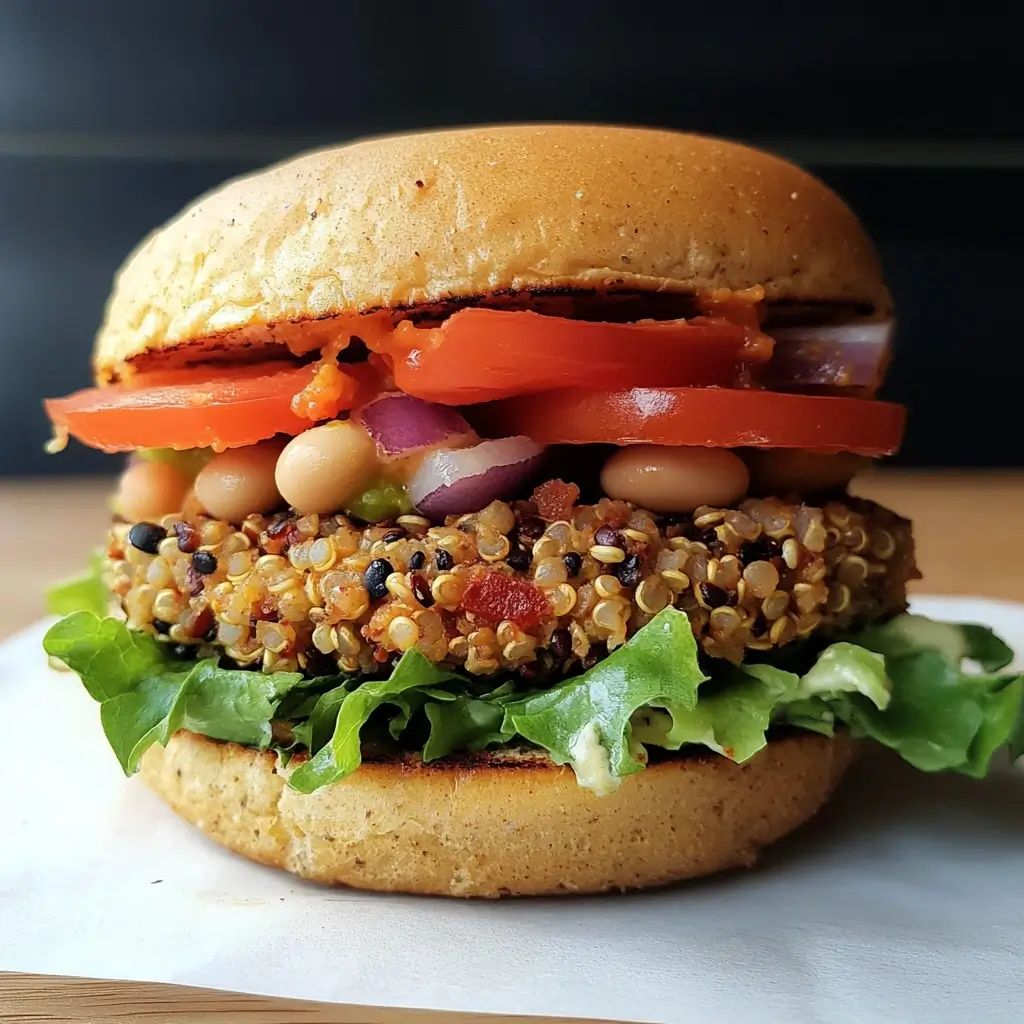

After countless recipe experiments in my kitchen, some become staples, requested time and time again by family and friends. This Quinoa and White Bean Burger is undoubtedly one of those cherished recipes. From the first time I whipped up a batch, the aroma alone was enough to draw everyone into the kitchen, eager to taste. The texture is delightfully firm yet tender, and the flavor – a beautiful blend of earthy quinoa, creamy white beans, and savory spices – is simply irresistible. Even the most dedicated meat-eaters in my family have raved about these burgers, often surprised by how satisfying and delicious a plant-based burger can truly be. It’s become our go-to for summer barbecues, quick weeknight dinners, and even packed lunches. If you’re looking for a healthy, flavorful, and incredibly versatile vegetarian burger, look no further – this Quinoa and White Bean Burger is about to become your new favorite too.
Ingredients
This Quinoa and White Bean Burger recipe relies on a harmonious blend of simple, wholesome ingredients that come together to create a flavorful and texturally satisfying patty. Each component plays a crucial role, contributing to the overall taste, structure, and nutritional value of the burger. Let’s delve deeper into each ingredient and understand its purpose:
- 1 cup Cooked Quinoa: Quinoa forms the heart of this burger, providing a substantial base and a wealth of nutritional benefits. When cooked, quinoa offers a slightly nutty and earthy flavor, along with a pleasingly chewy texture that prevents the burger from becoming mushy. Its protein and fiber content also contribute to the burger’s satisfying nature. For optimal texture, ensure your quinoa is cooked until fluffy and tender, but not overly wet. If you are using pre-cooked quinoa, make sure it is relatively dry to avoid excess moisture in the burger mixture. Different types of quinoa, such as white, red, or black, can be used interchangeably, though white quinoa tends to have the mildest flavor, making it a versatile choice for this recipe.
- 1 (15-ounce) can White Beans, rinsed and drained: White beans, such as cannellini, Great Northern, or navy beans, are the creamy binding agent in these burgers. They lend a mild, buttery flavor and a smooth texture that helps to hold the patties together. Rinsing and draining the beans thoroughly is crucial to remove excess sodium and moisture, preventing the burgers from becoming too wet and mushy. Mashing the white beans, either with a fork or potato masher, is essential to create a smooth paste that will bind the other ingredients effectively. Don’t over-mash; you want some texture to remain, but ensure most beans are broken down.
- 1/2 cup Breadcrumbs (Panko or Regular): Breadcrumbs act as another binding agent and help to absorb excess moisture, creating a firmer burger patty. Panko breadcrumbs, known for their larger, flakier texture, will result in a slightly crispier exterior, while regular breadcrumbs offer a finer texture and a softer bite. You can use store-bought breadcrumbs or make your own from stale bread. For a gluten-free option, substitute with gluten-free breadcrumbs or finely ground almond flour.
- 1/4 cup finely chopped Onion: Onion adds a savory depth and aromatic complexity to the burger. Finely chopping the onion ensures it cooks through evenly and distributes its flavor throughout the patty without overpowering other ingredients. Yellow or white onions are excellent choices, offering a balanced flavor that complements the other components. Red onion can also be used for a slightly sharper taste. Sautéing the onion lightly before adding it to the burger mixture can mellow its flavor and enhance its sweetness, especially if you prefer a less pungent onion taste.
- 2 cloves Garlic, minced: Garlic is a flavor powerhouse, adding a pungent and savory note that elevates the overall taste profile of the burger. Freshly minced garlic is highly recommended for its robust flavor, but garlic powder can be used as a substitute in a pinch (about 1 teaspoon). Roasting the garlic cloves before mincing can impart a sweeter, mellower garlic flavor if you desire a more subtle garlic presence.
- 1/4 cup chopped Fresh Parsley: Fresh parsley brings a vibrant, herbaceous freshness and a touch of green color to the burger. Its slightly peppery and clean flavor brightens the overall taste and complements the earthy notes of quinoa and beans. Flat-leaf parsley (Italian parsley) or curly parsley can be used, both offering a similar flavor profile. Other fresh herbs like cilantro, basil, or chives can be used as alternatives or additions to create different flavor variations.
- 1 tablespoon Olive Oil: Olive oil is used for sautéing the onion and garlic, as well as potentially for brushing the burgers before cooking. It adds a subtle richness and helps to develop the flavors of the aromatics. Extra virgin olive oil is a healthy and flavorful choice. Other cooking oils like avocado oil or coconut oil can also be used.
- 1 tablespoon Lemon Juice: Lemon juice adds a touch of acidity and brightness that balances the richness of the beans and quinoa. It enhances the other flavors and prevents the burger from tasting bland. Freshly squeezed lemon juice is always preferred for its vibrant flavor, but bottled lemon juice can be used as a convenient alternative. Lime juice can also be substituted for a slightly different citrusy note.
- 1 teaspoon Ground Cumin: Cumin provides a warm, earthy, and slightly smoky flavor that adds depth and complexity to the burger. It complements the beans and quinoa beautifully and contributes to a savory, almost Southwestern-inspired flavor profile. Ground cumin is readily available, but you can also toast cumin seeds and grind them yourself for a more intense flavor.
- 1 teaspoon Smoked Paprika: Smoked paprika adds a smoky, slightly sweet, and subtly spicy element that enhances the savory character of the burger. It imparts a beautiful reddish hue and contributes to a more complex and flavorful patty. Regular paprika can be used as a substitute if smoked paprika is unavailable, but the smoky flavor will be missed.
- 1/2 teaspoon Salt: Salt is essential for seasoning and enhancing the flavors of all the ingredients. It balances the sweetness and acidity and brings out the natural tastes of the quinoa, beans, and spices. Adjust the amount of salt to your taste preference. Sea salt or kosher salt are excellent choices.
- 1/4 teaspoon Black Pepper: Black pepper adds a touch of spice and enhances the overall flavor profile. Freshly ground black pepper is always preferred for its brighter and more aromatic flavor. Adjust the amount of pepper to your liking.
- Optional: 1/4 cup crumbled Feta Cheese or Vegan Feta (for topping or mixing into burgers): Feta cheese (or vegan feta) adds a salty, tangy, and creamy element that can elevate the burger’s flavor profile. Crumbled feta can be mixed directly into the burger mixture for added flavor throughout, or it can be used as a topping after cooking for a salty and tangy finish. Vegan feta alternatives are readily available for those following a vegan diet, providing a similar salty and tangy flavor profile.
Instructions
Creating these flavorful Quinoa and White Bean Burgers is a straightforward process, broken down into easy-to-follow steps. From prepping the ingredients to cooking the patties to perfection, this guide will walk you through each stage, ensuring a delicious and successful outcome every time.
- Prepare the Quinoa: If you haven’t already, cook the quinoa according to package directions. Typically, this involves rinsing 1/2 cup of dry quinoa and then simmering it in 1 cup of water or vegetable broth for about 15-20 minutes, or until all the liquid is absorbed and the quinoa is fluffy. Allow the cooked quinoa to cool slightly while you prepare the other ingredients. Cooling the quinoa slightly helps to prevent the burger mixture from becoming too wet.
- Sauté Aromatics: Heat 1 tablespoon of olive oil in a skillet over medium heat. Add the finely chopped onion and cook for about 5-7 minutes, or until softened and translucent. Add the minced garlic and cook for another minute until fragrant, being careful not to burn the garlic. Sautéing the onion and garlic beforehand mellows their raw flavors and brings out their sweetness, contributing to a more balanced and palatable burger. Remove the skillet from the heat and set aside to cool slightly.
- Mash the White Beans: In a large mixing bowl, add the rinsed and drained white beans. Using a fork or a potato masher, mash the beans until mostly smooth, but still slightly chunky. You don’t want a completely smooth puree; some texture from the beans is desirable for the burger’s structure. Mashing the beans is crucial for creating a binding agent that will hold the burger patties together.
- Combine Ingredients: Add the cooked quinoa, sautéed onion and garlic mixture, breadcrumbs, chopped fresh parsley, lemon juice, ground cumin, smoked paprika, salt, and black pepper to the bowl with the mashed white beans. If using feta cheese, add it now as well.
- Mix Thoroughly: Use your hands or a spatula to thoroughly combine all the ingredients until well mixed. The mixture should be moist but not overly wet and should hold together when pressed. If the mixture seems too wet, add a tablespoon or two more of breadcrumbs. If it seems too dry, add a teaspoon of olive oil or water at a time until it reaches the right consistency.
- Form Patties: Divide the mixture into 4-6 equal portions, depending on your desired burger size. Shape each portion into a patty about 3/4-inch thick. For best results and to prevent sticking, wet your hands slightly with water when forming the patties. Gently press and shape each patty to create a uniform thickness.
- Chill Patties (Optional but Recommended): Place the formed patties on a plate or baking sheet lined with parchment paper. Cover with plastic wrap and refrigerate for at least 30 minutes, or up to an hour. Chilling the patties helps them to firm up and hold their shape better during cooking, making them easier to handle and less likely to crumble. While chilling is optional, it is highly recommended for optimal texture and cooking results.
- Cook the Burgers: There are several cooking methods you can use for these burgers:
- Skillet/Pan-Frying: Heat 1-2 tablespoons of olive oil in a large skillet over medium heat. Once hot, carefully place the patties in the skillet, being careful not to overcrowd the pan. Cook for about 4-5 minutes per side, or until golden brown and heated through. Gently flip the burgers using a spatula, being careful not to break them.
- Baking: Preheat oven to 400°F (200°C). Place the patties on a baking sheet lined with parchment paper. Bake for 20-25 minutes, flipping halfway through, until golden brown and heated through. Baking is a healthier option as it requires less oil.
- Grilling: Preheat grill to medium heat. Lightly brush the grill grates with oil to prevent sticking. Grill the patties for about 4-5 minutes per side, or until grill marks appear and burgers are heated through. Grilling imparts a smoky flavor and a slightly charred exterior, which is desirable for many.
- Air Frying: Preheat air fryer to 375°F (190°C). Place patties in the air fryer basket in a single layer (you may need to cook in batches). Air fry for 12-15 minutes, flipping halfway through, until golden brown and heated through. Air frying offers a crispy exterior with less oil than pan-frying.
- Serve: Once cooked, carefully remove the burgers from the skillet, oven, grill, or air fryer. Serve immediately on burger buns with your favorite toppings. (See “How to Serve” section below for serving suggestions.)
Nutrition Facts
(Per Serving – approximate, based on 4 servings per recipe, without bun or toppings. Nutritional values can vary based on specific ingredient brands and portion sizes.)
- Serving Size: 1 burger patty (approximately 1/4 of the recipe)
- Calories: Approximately 280-320 calories
- Protein: 12-15 grams
- Fat: 8-12 grams
- Saturated Fat: 1-2 grams
- Unsaturated Fat: 6-10 grams
- Cholesterol: 0 mg
- Sodium: 400-500 mg (can vary based on canned bean rinsing and added salt)
- Carbohydrates: 35-40 grams
- Fiber: 8-10 grams
- Sugar: 2-3 grams
- Iron: 15-20% DV (Daily Value)
- Calcium: 8-10% DV
- Potassium: 10-15% DV
Note: These values are estimates. For precise nutritional information, use a nutrition calculator with the specific brands and quantities of ingredients you use. This burger is a good source of plant-based protein, fiber, and iron, and is relatively low in saturated fat and cholesterol. It’s a healthy and satisfying vegetarian option.
Preparation Time
- Prep Time: 25-30 minutes (includes cooking quinoa and prepping ingredients)
- Cook Time: 10-20 minutes (depending on cooking method)
- Total Time: 35-50 minutes
Note: Chilling time for the patties (30-60 minutes) is optional but recommended and is not included in the total active preparation time. If chilling, factor in additional time for this step. This recipe is relatively quick to prepare, especially if you use pre-cooked quinoa.
How to Serve
These Quinoa and White Bean Burgers are incredibly versatile and can be served in a multitude of delicious ways. From classic burger builds to creative bowls and salads, the possibilities are endless. Here are some ideas to inspire your serving options:
- Classic Burger Style:
- Buns: Serve on your favorite burger buns – whole wheat, brioche, sourdough, or gluten-free options.
- Lettuce: Crisp lettuce leaves like romaine or butter lettuce provide a refreshing crunch.
- Tomato: Sliced ripe tomatoes add juicy sweetness and acidity.
- Onion: Thinly sliced red onion or caramelized onions offer different flavor profiles.
- Pickles: Dill pickles or sweet pickles provide tanginess and crunch.
- Cheese: Slices of cheddar, Monterey Jack, provolone, or vegan cheese alternatives.
- Sauces: Ketchup, mustard, mayonnaise, sriracha mayo, BBQ sauce, or vegan aioli.
- Mediterranean Inspired:
- Pita Bread or Wraps: Serve in warm pita bread or wraps instead of buns.
- Hummus: Spread hummus inside the pita or wrap for creamy, nutty flavor.
- Tzatziki Sauce: Drizzle with cool and refreshing tzatziki sauce.
- Feta Cheese or Vegan Feta: Crumble feta cheese or vegan feta over the burger.
- Cucumber and Tomato Salad: Serve alongside a fresh cucumber and tomato salad with a lemon-herb dressing.
- Olives: Add Kalamata olives for a salty, briny touch.
- Southwestern Flair:
- Tortillas: Use tortillas (corn or flour) for a burger wrap.
- Avocado or Guacamole: Top with sliced avocado or guacamole for creamy richness.
- Salsa: Spoon on your favorite salsa – pico de gallo, corn salsa, or mango salsa.
- Black Beans and Corn: Serve with a side of black beans and corn salad.
- Spicy Mayo or Chipotle Aioli: Use a spicy mayo or chipotle aioli for a kick.
- Pepper Jack Cheese: Melt pepper jack cheese on top for extra spice.
- Burger Bowls or Salads:
- Grain Bowls: Deconstruct the burger and serve it over a bed of quinoa, brown rice, or couscous. Add roasted vegetables, greens, and a flavorful dressing.
- Salads: Crumble the burger over a large salad of mixed greens, chopped vegetables, and a vinaigrette dressing.
- Topping Bar: Set up a topping bar with various options and let everyone customize their own bowls or salads.
- Side Dish Suggestions:
- French Fries or Sweet Potato Fries: Classic burger companions.
- Potato Salad or Coleslaw: Picnic favorites that complement burgers well.
- Green Salad: A simple green salad provides freshness and balance.
- Roasted Vegetables: Roasted vegetables like broccoli, carrots, or bell peppers.
- Fruit Salad: A light and refreshing fruit salad.
- Corn on the Cob: Grilled or boiled corn on the cob is a summery side dish.
Additional Tips
To ensure your Quinoa and White Bean Burgers are consistently delicious and easy to make, consider these helpful tips:
- Proper Quinoa Cooking: Overcooked or mushy quinoa will lead to a soggy burger. Cook quinoa according to package directions, using the correct water-to-quinoa ratio. Fluff with a fork after cooking and let it cool slightly before adding it to the burger mixture. Ensure it’s not overly wet.
- Bean Moisture Control: White beans can retain a lot of moisture. Thoroughly rinse and drain canned beans. After mashing, if the bean mixture seems too wet, you can gently pat them dry with paper towels before adding them to the other ingredients. Excess moisture is the enemy of firm burger patties.
- Chill for Firmness: Don’t skip the chilling step! Refrigerating the formed patties for at least 30 minutes (or even longer) is crucial for them to firm up. Chilled patties hold their shape much better during cooking and are less likely to fall apart. This step significantly improves the texture and ease of handling.
- Flavor Boost with Spices and Herbs: Don’t be shy with the spices and herbs! Cumin, smoked paprika, garlic, and parsley are foundational, but feel free to experiment. Add a pinch of chili flakes for heat, oregano or thyme for earthiness, or cilantro for a brighter, citrusy note. Taste and adjust seasonings as needed to create your perfect flavor profile.
- Cooking Method Versatility: Explore different cooking methods to find your preferred texture. Pan-frying offers a crispy exterior, baking is a healthier option, grilling adds smoky flavor, and air frying provides a crispy-yet-lighter result. Each method yields slightly different textures, so experiment to see what you like best. Adjust cooking times slightly based on your chosen method and desired level of doneness.
FAQ Section
Q1: Can I make these burgers gluten-free?
A: Yes! To make these burgers gluten-free, simply substitute the breadcrumbs with gluten-free breadcrumbs or finely ground almond flour. Ensure all other ingredients are also gluten-free if you have strict dietary needs. The quinoa and beans themselves are naturally gluten-free.
Q2: Can I freeze these burgers?
A: Absolutely! These burgers freeze beautifully, making them great for meal prepping. Cook the burgers completely, let them cool to room temperature, and then wrap them individually in plastic wrap or parchment paper. Place the wrapped burgers in a freezer-safe bag or container and freeze for up to 2-3 months. To reheat, you can thaw them in the refrigerator overnight or cook them directly from frozen in a skillet, oven, or air fryer until heated through.
Q3: I don’t have white beans. Can I use another type of bean?
A: Yes, you can substitute white beans with other beans, although it will slightly alter the flavor and texture. Cannellini, Great Northern, and navy beans are the closest in flavor and texture to each other. You could also use chickpeas (garbanzo beans) or black beans for a different flavor profile. Chickpeas will lend a slightly nuttier flavor, while black beans will provide a more earthy and robust taste.
Q4: My burger mixture is too wet. What can I do?
A: If your burger mixture is too wet, the most common culprit is excess moisture from the beans or quinoa. Try adding more breadcrumbs, one tablespoon at a time, until the mixture reaches a workable consistency. You can also add a tablespoon of oat flour or almond flour. Make sure your quinoa is not overcooked and that you have rinsed and drained the beans thoroughly. Chilling the mixture for longer can also help to firm it up.
Q5: Can I make these burgers vegan?
A: Yes, this recipe is naturally vegan if you omit the optional feta cheese, or use a vegan feta alternative. Ensure you are using plant-based breadcrumbs (most are, but always check the label). Serve with vegan buns and vegan toppings and sauces for a completely plant-based and delicious meal.
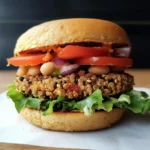
Quinoa and White Bean Burger Recipe
Ingredients
- 1 cup Cooked Quinoa: Quinoa forms the heart of this burger, providing a substantial base and a wealth of nutritional benefits. When cooked, quinoa offers a slightly nutty and earthy flavor, along with a pleasingly chewy texture that prevents the burger from becoming mushy. Its protein and fiber content also contribute to the burger’s satisfying nature. For optimal texture, ensure your quinoa is cooked until fluffy and tender, but not overly wet. If you are using pre-cooked quinoa, make sure it is relatively dry to avoid excess moisture in the burger mixture. Different types of quinoa, such as white, red, or black, can be used interchangeably, though white quinoa tends to have the mildest flavor, making it a versatile choice for this recipe.
- 1 (15-ounce) can White Beans, rinsed and drained: White beans, such as cannellini, Great Northern, or navy beans, are the creamy binding agent in these burgers. They lend a mild, buttery flavor and a smooth texture that helps to hold the patties together. Rinsing and draining the beans thoroughly is crucial to remove excess sodium and moisture, preventing the burgers from becoming too wet and mushy. Mashing the white beans, either with a fork or potato masher, is essential to create a smooth paste that will bind the other ingredients effectively. Don’t over-mash; you want some texture to remain, but ensure most beans are broken down.
- 1/2 cup Breadcrumbs (Panko or Regular): Breadcrumbs act as another binding agent and help to absorb excess moisture, creating a firmer burger patty. Panko breadcrumbs, known for their larger, flakier texture, will result in a slightly crispier exterior, while regular breadcrumbs offer a finer texture and a softer bite. You can use store-bought breadcrumbs or make your own from stale bread. For a gluten-free option, substitute with gluten-free breadcrumbs or finely ground almond flour.
- 1/4 cup finely chopped Onion: Onion adds a savory depth and aromatic complexity to the burger. Finely chopping the onion ensures it cooks through evenly and distributes its flavor throughout the patty without overpowering other ingredients. Yellow or white onions are excellent choices, offering a balanced flavor that complements the other components. Red onion can also be used for a slightly sharper taste. Sautéing the onion lightly before adding it to the burger mixture can mellow its flavor and enhance its sweetness, especially if you prefer a less pungent onion taste.
- 2 cloves Garlic, minced: Garlic is a flavor powerhouse, adding a pungent and savory note that elevates the overall taste profile of the burger. Freshly minced garlic is highly recommended for its robust flavor, but garlic powder can be used as a substitute in a pinch (about 1 teaspoon). Roasting the garlic cloves before mincing can impart a sweeter, mellower garlic flavor if you desire a more subtle garlic presence.
- 1/4 cup chopped Fresh Parsley: Fresh parsley brings a vibrant, herbaceous freshness and a touch of green color to the burger. Its slightly peppery and clean flavor brightens the overall taste and complements the earthy notes of quinoa and beans. Flat-leaf parsley (Italian parsley) or curly parsley can be used, both offering a similar flavor profile. Other fresh herbs like cilantro, basil, or chives can be used as alternatives or additions to create different flavor variations.
- 1 tablespoon Olive Oil: Olive oil is used for sautéing the onion and garlic, as well as potentially for brushing the burgers before cooking. It adds a subtle richness and helps to develop the flavors of the aromatics. Extra virgin olive oil is a healthy and flavorful choice. Other cooking oils like avocado oil or coconut oil can also be used.
- 1 tablespoon Lemon Juice: Lemon juice adds a touch of acidity and brightness that balances the richness of the beans and quinoa. It enhances the other flavors and prevents the burger from tasting bland. Freshly squeezed lemon juice is always preferred for its vibrant flavor, but bottled lemon juice can be used as a convenient alternative. Lime juice can also be substituted for a slightly different citrusy note.
- 1 teaspoon Ground Cumin: Cumin provides a warm, earthy, and slightly smoky flavor that adds depth and complexity to the burger. It complements the beans and quinoa beautifully and contributes to a savory, almost Southwestern-inspired flavor profile. Ground cumin is readily available, but you can also toast cumin seeds and grind them yourself for a more intense flavor.
- 1 teaspoon Smoked Paprika: Smoked paprika adds a smoky, slightly sweet, and subtly spicy element that enhances the savory character of the burger. It imparts a beautiful reddish hue and contributes to a more complex and flavorful patty. Regular paprika can be used as a substitute if smoked paprika is unavailable, but the smoky flavor will be missed.
- 1/2 teaspoon Salt: Salt is essential for seasoning and enhancing the flavors of all the ingredients. It balances the sweetness and acidity and brings out the natural tastes of the quinoa, beans, and spices. Adjust the amount of salt to your taste preference. Sea salt or kosher salt are excellent choices.
- 1/4 teaspoon Black Pepper: Black pepper adds a touch of spice and enhances the overall flavor profile. Freshly ground black pepper is always preferred for its brighter and more aromatic flavor. Adjust the amount of pepper to your liking.
- Optional: 1/4 cup crumbled Feta Cheese or Vegan Feta (for topping or mixing into burgers): Feta cheese (or vegan feta) adds a salty, tangy, and creamy element that can elevate the burger’s flavor profile. Crumbled feta can be mixed directly into the burger mixture for added flavor throughout, or it can be used as a topping after cooking for a salty and tangy finish. Vegan feta alternatives are readily available for those following a vegan diet, providing a similar salty and tangy flavor profile.
Instructions
- Prepare the Quinoa: If you haven’t already, cook the quinoa according to package directions. Typically, this involves rinsing 1/2 cup of dry quinoa and then simmering it in 1 cup of water or vegetable broth for about 15-20 minutes, or until all the liquid is absorbed and the quinoa is fluffy. Allow the cooked quinoa to cool slightly while you prepare the other ingredients. Cooling the quinoa slightly helps to prevent the burger mixture from becoming too wet.
- Sauté Aromatics: Heat 1 tablespoon of olive oil in a skillet over medium heat. Add the finely chopped onion and cook for about 5-7 minutes, or until softened and translucent. Add the minced garlic and cook for another minute until fragrant, being careful not to burn the garlic. Sautéing the onion and garlic beforehand mellows their raw flavors and brings out their sweetness, contributing to a more balanced and palatable burger. Remove the skillet from the heat and set aside to cool slightly.
- Mash the White Beans: In a large mixing bowl, add the rinsed and drained white beans. Using a fork or a potato masher, mash the beans until mostly smooth, but still slightly chunky. You don’t want a completely smooth puree; some texture from the beans is desirable for the burger’s structure. Mashing the beans is crucial for creating a binding agent that will hold the burger patties together.
- Combine Ingredients: Add the cooked quinoa, sautéed onion and garlic mixture, breadcrumbs, chopped fresh parsley, lemon juice, ground cumin, smoked paprika, salt, and black pepper to the bowl with the mashed white beans. If using feta cheese, add it now as well.
- Mix Thoroughly: Use your hands or a spatula to thoroughly combine all the ingredients until well mixed. The mixture should be moist but not overly wet and should hold together when pressed. If the mixture seems too wet, add a tablespoon or two more of breadcrumbs. If it seems too dry, add a teaspoon of olive oil or water at a time until it reaches the right consistency.
- Form Patties: Divide the mixture into 4-6 equal portions, depending on your desired burger size. Shape each portion into a patty about 3/4-inch thick. For best results and to prevent sticking, wet your hands slightly with water when forming the patties. Gently press and shape each patty to create a uniform thickness.
- Chill Patties (Optional but Recommended): Place the formed patties on a plate or baking sheet lined with parchment paper. Cover with plastic wrap and refrigerate for at least 30 minutes, or up to an hour. Chilling the patties helps them to firm up and hold their shape better during cooking, making them easier to handle and less likely to crumble. While chilling is optional, it is highly recommended for optimal texture and cooking results.
- Cook the Burgers: There are several cooking methods you can use for these burgers:
- Skillet/Pan-Frying: Heat 1-2 tablespoons of olive oil in a large skillet over medium heat. Once hot, carefully place the patties in the skillet, being careful not to overcrowd the pan. Cook for about 4-5 minutes per side, or until golden brown and heated through. Gently flip the burgers using a spatula, being careful not to break them.
- Baking: Preheat oven to 400°F (200°C). Place the patties on a baking sheet lined with parchment paper. Bake for 20-25 minutes, flipping halfway through, until golden brown and heated through. Baking is a healthier option as it requires less oil.
- Grilling: Preheat grill to medium heat. Lightly brush the grill grates with oil to prevent sticking. Grill the patties for about 4-5 minutes per side, or until grill marks appear and burgers are heated through. Grilling imparts a smoky flavor and a slightly charred exterior, which is desirable for many.
- Air Frying: Preheat air fryer to 375°F (190°C). Place patties in the air fryer basket in a single layer (you may need to cook in batches). Air fry for 12-15 minutes, flipping halfway through, until golden brown and heated through. Air frying offers a crispy exterior with less oil than pan-frying.
- Serve: Once cooked, carefully remove the burgers from the skillet, oven, grill, or air fryer. Serve immediately on burger buns with your favorite toppings. (See “How to Serve” section below for serving suggestions.)
Nutrition
- Serving Size: One Normal Portion
- Calories: 280-320
- Sugar: 2-3 grams
- Sodium: 400-500 mg
- Fat: 8-12 grams
- Saturated Fat: 1-2 grams
- Unsaturated Fat: 6-10 grams
- Carbohydrates: 35-40 grams
- Fiber: 8-10 grams
- Protein: 12-15 grams
- Cholesterol: 0 mg