Ingredients
Scale
- 1 cup Cooked Quinoa: Quinoa forms the heart of this burger, providing a substantial base and a wealth of nutritional benefits. When cooked, quinoa offers a slightly nutty and earthy flavor, along with a pleasingly chewy texture that prevents the burger from becoming mushy. Its protein and fiber content also contribute to the burger’s satisfying nature. For optimal texture, ensure your quinoa is cooked until fluffy and tender, but not overly wet. If you are using pre-cooked quinoa, make sure it is relatively dry to avoid excess moisture in the burger mixture. Different types of quinoa, such as white, red, or black, can be used interchangeably, though white quinoa tends to have the mildest flavor, making it a versatile choice for this recipe.
- 1 (15-ounce) can White Beans, rinsed and drained: White beans, such as cannellini, Great Northern, or navy beans, are the creamy binding agent in these burgers. They lend a mild, buttery flavor and a smooth texture that helps to hold the patties together. Rinsing and draining the beans thoroughly is crucial to remove excess sodium and moisture, preventing the burgers from becoming too wet and mushy. Mashing the white beans, either with a fork or potato masher, is essential to create a smooth paste that will bind the other ingredients effectively. Don’t over-mash; you want some texture to remain, but ensure most beans are broken down.
- 1/2 cup Breadcrumbs (Panko or Regular): Breadcrumbs act as another binding agent and help to absorb excess moisture, creating a firmer burger patty. Panko breadcrumbs, known for their larger, flakier texture, will result in a slightly crispier exterior, while regular breadcrumbs offer a finer texture and a softer bite. You can use store-bought breadcrumbs or make your own from stale bread. For a gluten-free option, substitute with gluten-free breadcrumbs or finely ground almond flour.
- 1/4 cup finely chopped Onion: Onion adds a savory depth and aromatic complexity to the burger. Finely chopping the onion ensures it cooks through evenly and distributes its flavor throughout the patty without overpowering other ingredients. Yellow or white onions are excellent choices, offering a balanced flavor that complements the other components. Red onion can also be used for a slightly sharper taste. Sautéing the onion lightly before adding it to the burger mixture can mellow its flavor and enhance its sweetness, especially if you prefer a less pungent onion taste.
- 2 cloves Garlic, minced: Garlic is a flavor powerhouse, adding a pungent and savory note that elevates the overall taste profile of the burger. Freshly minced garlic is highly recommended for its robust flavor, but garlic powder can be used as a substitute in a pinch (about 1 teaspoon). Roasting the garlic cloves before mincing can impart a sweeter, mellower garlic flavor if you desire a more subtle garlic presence.
- 1/4 cup chopped Fresh Parsley: Fresh parsley brings a vibrant, herbaceous freshness and a touch of green color to the burger. Its slightly peppery and clean flavor brightens the overall taste and complements the earthy notes of quinoa and beans. Flat-leaf parsley (Italian parsley) or curly parsley can be used, both offering a similar flavor profile. Other fresh herbs like cilantro, basil, or chives can be used as alternatives or additions to create different flavor variations.
- 1 tablespoon Olive Oil: Olive oil is used for sautéing the onion and garlic, as well as potentially for brushing the burgers before cooking. It adds a subtle richness and helps to develop the flavors of the aromatics. Extra virgin olive oil is a healthy and flavorful choice. Other cooking oils like avocado oil or coconut oil can also be used.
- 1 tablespoon Lemon Juice: Lemon juice adds a touch of acidity and brightness that balances the richness of the beans and quinoa. It enhances the other flavors and prevents the burger from tasting bland. Freshly squeezed lemon juice is always preferred for its vibrant flavor, but bottled lemon juice can be used as a convenient alternative. Lime juice can also be substituted for a slightly different citrusy note.
- 1 teaspoon Ground Cumin: Cumin provides a warm, earthy, and slightly smoky flavor that adds depth and complexity to the burger. It complements the beans and quinoa beautifully and contributes to a savory, almost Southwestern-inspired flavor profile. Ground cumin is readily available, but you can also toast cumin seeds and grind them yourself for a more intense flavor.
- 1 teaspoon Smoked Paprika: Smoked paprika adds a smoky, slightly sweet, and subtly spicy element that enhances the savory character of the burger. It imparts a beautiful reddish hue and contributes to a more complex and flavorful patty. Regular paprika can be used as a substitute if smoked paprika is unavailable, but the smoky flavor will be missed.
- 1/2 teaspoon Salt: Salt is essential for seasoning and enhancing the flavors of all the ingredients. It balances the sweetness and acidity and brings out the natural tastes of the quinoa, beans, and spices. Adjust the amount of salt to your taste preference. Sea salt or kosher salt are excellent choices.
- 1/4 teaspoon Black Pepper: Black pepper adds a touch of spice and enhances the overall flavor profile. Freshly ground black pepper is always preferred for its brighter and more aromatic flavor. Adjust the amount of pepper to your liking.
- Optional: 1/4 cup crumbled Feta Cheese or Vegan Feta (for topping or mixing into burgers): Feta cheese (or vegan feta) adds a salty, tangy, and creamy element that can elevate the burger’s flavor profile. Crumbled feta can be mixed directly into the burger mixture for added flavor throughout, or it can be used as a topping after cooking for a salty and tangy finish. Vegan feta alternatives are readily available for those following a vegan diet, providing a similar salty and tangy flavor profile.
Instructions
- Prepare the Quinoa: If you haven’t already, cook the quinoa according to package directions. Typically, this involves rinsing 1/2 cup of dry quinoa and then simmering it in 1 cup of water or vegetable broth for about 15-20 minutes, or until all the liquid is absorbed and the quinoa is fluffy. Allow the cooked quinoa to cool slightly while you prepare the other ingredients. Cooling the quinoa slightly helps to prevent the burger mixture from becoming too wet.
- Sauté Aromatics: Heat 1 tablespoon of olive oil in a skillet over medium heat. Add the finely chopped onion and cook for about 5-7 minutes, or until softened and translucent. Add the minced garlic and cook for another minute until fragrant, being careful not to burn the garlic. Sautéing the onion and garlic beforehand mellows their raw flavors and brings out their sweetness, contributing to a more balanced and palatable burger. Remove the skillet from the heat and set aside to cool slightly.
- Mash the White Beans: In a large mixing bowl, add the rinsed and drained white beans. Using a fork or a potato masher, mash the beans until mostly smooth, but still slightly chunky. You don’t want a completely smooth puree; some texture from the beans is desirable for the burger’s structure. Mashing the beans is crucial for creating a binding agent that will hold the burger patties together.
- Combine Ingredients: Add the cooked quinoa, sautéed onion and garlic mixture, breadcrumbs, chopped fresh parsley, lemon juice, ground cumin, smoked paprika, salt, and black pepper to the bowl with the mashed white beans. If using feta cheese, add it now as well.
- Mix Thoroughly: Use your hands or a spatula to thoroughly combine all the ingredients until well mixed. The mixture should be moist but not overly wet and should hold together when pressed. If the mixture seems too wet, add a tablespoon or two more of breadcrumbs. If it seems too dry, add a teaspoon of olive oil or water at a time until it reaches the right consistency.
- Form Patties: Divide the mixture into 4-6 equal portions, depending on your desired burger size. Shape each portion into a patty about 3/4-inch thick. For best results and to prevent sticking, wet your hands slightly with water when forming the patties. Gently press and shape each patty to create a uniform thickness.
- Chill Patties (Optional but Recommended): Place the formed patties on a plate or baking sheet lined with parchment paper. Cover with plastic wrap and refrigerate for at least 30 minutes, or up to an hour. Chilling the patties helps them to firm up and hold their shape better during cooking, making them easier to handle and less likely to crumble. While chilling is optional, it is highly recommended for optimal texture and cooking results.
- Cook the Burgers: There are several cooking methods you can use for these burgers:
- Skillet/Pan-Frying: Heat 1-2 tablespoons of olive oil in a large skillet over medium heat. Once hot, carefully place the patties in the skillet, being careful not to overcrowd the pan. Cook for about 4-5 minutes per side, or until golden brown and heated through. Gently flip the burgers using a spatula, being careful not to break them.
- Baking: Preheat oven to 400°F (200°C). Place the patties on a baking sheet lined with parchment paper. Bake for 20-25 minutes, flipping halfway through, until golden brown and heated through. Baking is a healthier option as it requires less oil.
- Grilling: Preheat grill to medium heat. Lightly brush the grill grates with oil to prevent sticking. Grill the patties for about 4-5 minutes per side, or until grill marks appear and burgers are heated through. Grilling imparts a smoky flavor and a slightly charred exterior, which is desirable for many.
- Air Frying: Preheat air fryer to 375°F (190°C). Place patties in the air fryer basket in a single layer (you may need to cook in batches). Air fry for 12-15 minutes, flipping halfway through, until golden brown and heated through. Air frying offers a crispy exterior with less oil than pan-frying.
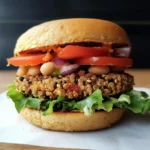
- Serve: Once cooked, carefully remove the burgers from the skillet, oven, grill, or air fryer. Serve immediately on burger buns with your favorite toppings. (See “How to Serve” section below for serving suggestions.)
Nutrition
- Serving Size: One Normal Portion
- Calories: 280-320
- Sugar: 2-3 grams
- Sodium: 400-500 mg
- Fat: 8-12 grams
- Saturated Fat: 1-2 grams
- Unsaturated Fat: 6-10 grams
- Carbohydrates: 35-40 grams
- Fiber: 8-10 grams
- Protein: 12-15 grams
- Cholesterol: 0 mg