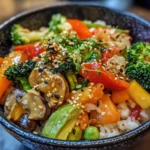
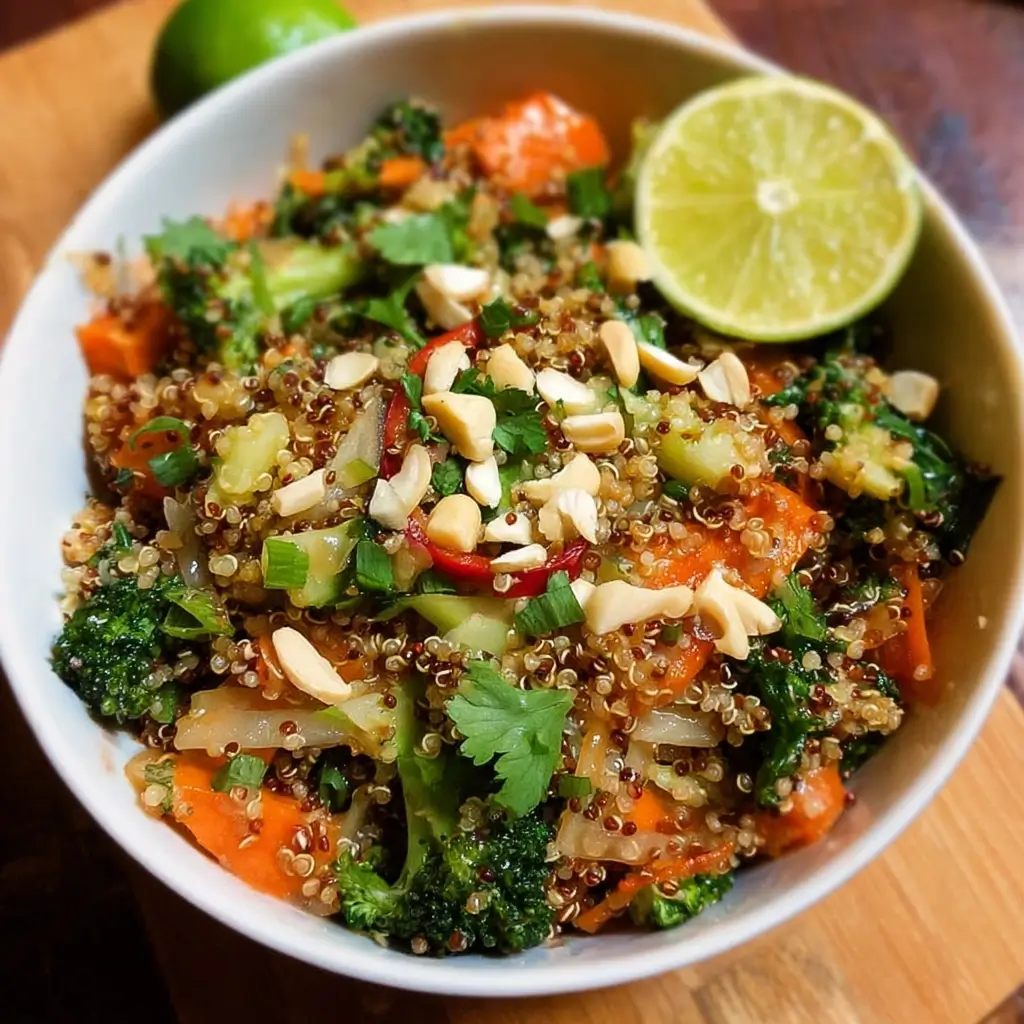
It was one of those weeknights where inspiration felt miles away, yet the craving for something vibrant, healthy, and deeply satisfying was undeniable. My family, often a tough crowd for anything overtly “too healthy,” was surprisingly intrigued when I mentioned a “Thai-inspired bowl.” The aroma that filled the kitchen as the peanut sauce simmered and the colourful vegetables sautéed was the first sign of success. When I finally presented these Thai Veggie Quinoa Bowls, brimming with colour and texture, there was an initial hush, followed by the delightful clinking of forks. My eldest, usually a skeptic of quinoa, declared it “actually amazing,” while my partner was already asking if we could have it again next week. The fresh crunch of the veggies, the fluffy quinoa, and that incredibly addictive, creamy, and tangy peanut sauce – it was a symphony of flavours that pleased everyone. It’s now a firm favourite, a testament to how easily wholesome food can also be incredibly delicious and exciting. This recipe isn’t just a meal; it’s an experience, a little burst of Southeast Asian sunshine in a bowl, and I’m thrilled to share how you can bring this joy to your table too.
Embark on a Flavor Journey: The Irresistible Thai Veggie Quinoa Bowl
Welcome to a culinary adventure that promises to tantalize your taste buds and nourish your body! The Thai Veggie Quinoa Bowl is more than just a recipe; it’s a vibrant tapestry of textures, colours, and bold flavours, all harmoniously combined to create a meal that’s both exhilaratingly delicious and impressively healthy. Imagine fluffy, protein-packed quinoa forming the perfect canvas for a medley of crisp, colourful vegetables, all generously drizzled with a creamy, dreamy, and utterly addictive Thai peanut sauce. This dish is a celebration of fresh ingredients, a nod to the exotic allure of Thai cuisine, and a testament to how easy it can be to create wholesome, plant-powered meals that don’t compromise on taste. Whether you’re a seasoned vegan, a curious vegetarian, or simply someone looking to incorporate more plant-based goodness into your diet, this Thai Veggie Quinoa Bowl is destined to become a staple in your culinary repertoire. It’s perfect for a quick weeknight dinner, a satisfying lunch, or even an impressive offering for guests. Get ready to discover your new favourite way to enjoy quinoa!
Ingredients for Your Thai Veggie Quinoa Bowl
To create this masterpiece of flavour and nutrition, you’ll need a selection of fresh, vibrant ingredients. We’ve broken them down into components for clarity: the quinoa base, the colourful vegetable medley, the star of the show – the Thai peanut sauce, and of course, those all-important garnishes for the perfect finishing touch.
For the Quinoa:
- Quinoa: 1 cup (uncooked, any colour – white, red, or tri-colour work beautifully)
- This ancient grain is the foundation of our bowl, providing a complete protein source and a delightful, slightly nutty flavour. Rinsing it before cooking is key to removing any natural bitterness.
- Vegetable Broth or Water: 2 cups
- Using vegetable broth instead of water infuses the quinoa with an extra layer of subtle flavour right from the start.
- Salt: ¼ teaspoon (optional, if your broth is unsalted)
For the Colourful Vegetable Medley:
- Coconut Oil or Sesame Oil: 1 tablespoon (for sautéing)
- Coconut oil adds a hint of sweetness, while sesame oil imparts a deeper, nuttier aroma typical of Asian cuisine.
- Red Bell Pepper: 1 medium, thinly sliced
- Adds sweetness, a vibrant red hue, and a good dose of Vitamin C.
- Yellow or Orange Bell Pepper: 1 medium, thinly sliced
- Brings more colour, sweetness, and essential nutrients to the mix.
- Carrots: 2 medium, julienned or thinly sliced into matchsticks
- Provide a lovely crunch, sweetness, and a beta-carotene boost.
- Broccoli Florets: 1 ½ cups, cut into small, bite-sized pieces
- A nutritional powerhouse, broccoli adds a beautiful green and a satisfying texture when lightly cooked.
- Edamame: 1 cup, shelled (fresh or frozen and thawed)
- These young soybeans offer a pop of green, a pleasant chewy texture, and a significant protein punch.
- Red Onion: ½ medium, thinly sliced (optional, for a sharper bite)
- Adds a pungent kick and visual appeal if you enjoy its flavour profile.
- Garlic: 2 cloves, minced
- A foundational aromatic that builds depth of flavour in the sautéed vegetables.
- Fresh Ginger: 1 tablespoon, grated or finely minced
- Lends a warm, zesty spice that is quintessentially Thai.
For the Creamy Thai Peanut Sauce:
- Natural Creamy Peanut Butter: ½ cup (unsweetened is best)
- The heart of our sauce, providing richness, creaminess, and that irresistible nutty flavour.
- Low-Sodium Soy Sauce or Tamari (for gluten-free): ¼ cup
- Adds umami depth and saltiness. Tamari is a great gluten-free alternative.
- Fresh Lime Juice: 2 tablespoons (from about 1 large lime)
- Brings essential brightness and acidity to balance the richness of the peanut butter.
- Rice Vinegar: 1 tablespoon
- Adds another layer of tang and complexity to the sauce.
- Maple Syrup or Agave Nectar: 1-2 tablespoons (adjust to taste)
- Provides a touch of sweetness to balance the savoury and tangy elements. Start with less and add more if needed.
- Sesame Oil (Toasted): 1 teaspoon
- Imparts a deep, nutty, and aromatic flavour crucial for that authentic Thai taste.
- Sriracha or Red Pepper Flakes: ½ – 1 teaspoon (or to taste, for a touch of heat)
- Adjust the amount based on your preference for spiciness. A little goes a long way!
- Warm Water: 2-4 tablespoons (or more, to reach desired consistency)
- Helps to thin the sauce to a perfectly pourable, yet still creamy, consistency.
- Garlic Clove: 1 small, minced or grated (optional, for extra garlicky kick in the sauce)
- Fresh Ginger: ½ teaspoon, grated (optional, for extra zing in the sauce)
For Garnish (Optional but Highly Recommended):
- Fresh Cilantro: ¼ cup, roughly chopped
- Adds a burst of freshness and a characteristic Southeast Asian flavour.
- Chopped Peanuts: 2 tablespoons, roasted and unsalted
- Reinforces the nutty theme and adds a delightful crunch.
- Sesame Seeds: 1 tablespoon (toasted or untoasted)
- A subtle nutty flavour and visual appeal.
- Lime Wedges: For serving
- Allows individuals to add an extra squeeze of fresh lime juice to their bowl.
- Sliced Green Onions: 2 tablespoons
- Offers a mild, fresh oniony bite and a splash of green.
This comprehensive list ensures you have everything on hand to create a truly spectacular and authentic-tasting Thai Veggie Quinoa Bowl. The beauty of this recipe lies in its adaptability, so feel free to substitute vegetables based on seasonality or personal preference.
Crafting Your Culinary Masterpiece: Step-by-Step Instructions
Creating this Thai Veggie Quinoa Bowl is a joyful process, with each step building upon the last to create a harmonious blend of flavours and textures. Follow these detailed instructions for a perfect result every time.
Step 1: Cook the Quinoa – The Perfect Fluffy Base
- Rinse Thoroughly: Place the 1 cup of uncooked quinoa in a fine-mesh sieve. Rinse it under cold running water for at least 30 seconds, or until the water runs clear. This step is crucial for removing saponins, a natural coating that can give quinoa a bitter or soapy taste.
- Combine and Boil: In a medium saucepan, combine the rinsed quinoa, 2 cups of vegetable broth (or water), and ¼ teaspoon of salt (if using). Bring the mixture to a rolling boil over medium-high heat.
- Simmer Gently: Once boiling, reduce the heat to low, cover the saucepan with a tight-fitting lid, and let it simmer for 15 minutes. It’s important not to lift the lid during this time, as the steam is essential for cooking the quinoa perfectly.
- Rest and Fluff: After 15 minutes, remove the saucepan from the heat and let it stand, still covered, for another 5 minutes. This allows the quinoa to absorb any remaining moisture and finish steaming.
- Fluff with a Fork: Uncover the quinoa and gently fluff it with a fork. You’ll know it’s perfectly cooked when the grains are translucent, and the germ (a little spiral) has separated. Set aside, covered, to keep warm.
Step 2: Prepare the Vegetables – A Symphony of Crunch and Colour
- Prep the Aromatics: While the quinoa is cooking, prepare your vegetables. Thinly slice the red, yellow (or orange) bell peppers, and red onion (if using). Julienned or thinly slice the carrots. Cut the broccoli into small, manageable florets. Mince the 2 cloves of garlic and grate or finely mince the 1 tablespoon of fresh ginger for the vegetable sauté.
- Sauté the Hardy Veggies: Heat the 1 tablespoon of coconut oil (or sesame oil) in a large skillet or wok over medium-high heat. Once the oil is shimmering, add the sliced carrots and broccoli florets. Sauté for 3-4 minutes, stirring occasionally, until they begin to soften but remain crisp-tender.
- Add Softer Veggies and Aromatics: Add the sliced bell peppers and red onion (if using) to the skillet. Continue to sauté for another 2-3 minutes.
- Incorporate Aromatics and Edamame: Stir in the minced garlic and grated ginger. Cook for another minute until fragrant – be careful not to burn the garlic. Finally, add the shelled edamame and cook for 1-2 minutes more, just until heated through. The vegetables should be vibrant and crisp-tender, not mushy.
- Season Lightly (Optional): You can add a tiny pinch of salt and pepper to the vegetables if desired, but remember the peanut sauce will add a lot of flavour. Remove from heat and set aside.
Step 3: Whisk Up the Divine Thai Peanut Sauce – The Soul of the Bowl
- Combine Ingredients: In a medium bowl, combine the ½ cup of natural creamy peanut butter, ¼ cup of low-sodium soy sauce (or tamari), 2 tablespoons of fresh lime juice, 1 tablespoon of rice vinegar, 1-2 tablespoons of maple syrup (or agave), 1 teaspoon of toasted sesame oil, and ½ – 1 teaspoon of Sriracha (or red pepper flakes). If you’re adding extra garlic or ginger to the sauce, include it here as well (1 small minced garlic clove, ½ teaspoon grated ginger).
- Whisk Until Smooth: Whisk all the ingredients together vigorously until well combined and smooth. The mixture will likely be quite thick at this point.
- Adjust Consistency: Gradually add 2-4 tablespoons of warm water, one tablespoon at a time, whisking continuously, until the sauce reaches your desired consistency. It should be pourable but still rich and creamy, able to coat the back of a spoon. Taste and adjust seasonings if necessary – you might want a little more lime for tang, sweetener for sweetness, or Sriracha for heat.
Step 4: Assemble Your Thai Veggie Quinoa Bowls – The Grand Finale!
- Create the Base: Divide the cooked, fluffed quinoa equally among 4 serving bowls. This forms the hearty and nutritious foundation.
- Layer the Veggies: Artfully arrange a generous portion of the colourful sautéed vegetable medley on top of the quinoa in each bowl. Try to distribute the different types of vegetables evenly for visual appeal and balanced flavour in every bite.
- Drizzle Generously with Peanut Sauce: Now for the best part! Drizzle a liberal amount of the prepared Thai peanut sauce over the vegetables and quinoa. Don’t be shy – this sauce is what brings everything together! You can also serve extra sauce on the side for those who like it extra saucy.
- Garnish with Flair: Sprinkle your chosen garnishes over each bowl. Chopped fresh cilantro, roasted peanuts, sesame seeds, and sliced green onions all add wonderful finishing touches of flavour, texture, and visual appeal.
- Serve Immediately: Place a lime wedge on the side of each bowl for a final spritz of freshness. Serve your beautiful Thai Veggie Quinoa Bowls immediately while warm and enjoy the explosion of flavours!
This step-by-step guide ensures that even novice cooks can achieve a restaurant-quality Thai Veggie Quinoa Bowl at home. The process is straightforward, and the rewards are immensely flavourful and satisfying.
Nutritional Powerhouse: Understanding Your Bowl’s Benefits
This Thai Veggie Quinoa Bowl isn’t just a feast for the eyes and palate; it’s also a nutritional champion, packed with ingredients that contribute to a healthy and balanced diet.
- Servings: This recipe is designed to generously serve 4 people as a main course.
- Calories per Serving (Approximate): Each serving contains approximately 500-600 calories. This is an estimate and can vary based on the exact quantities of ingredients used, especially the amount of peanut butter and oil.
A Closer Look at the Nutritional Value:
- Complete Protein: Quinoa is a standout ingredient, offering all nine essential amino acids, making it a complete protein source – fantastic for vegetarians, vegans, and anyone looking to boost their protein intake. Edamame and peanut butter further contribute to the protein content, aiding in muscle repair, satiety, and overall energy levels.
- Fiber-Rich: The combination of quinoa, a whole grain, and a wide array of vegetables like broccoli, carrots, and bell peppers makes this bowl exceptionally high in dietary fiber. Fiber is crucial for digestive health, helps regulate blood sugar levels, promotes feelings of fullness (aiding in weight management), and can contribute to lowering cholesterol.
- Vitamins and Minerals Galore:
- Vitamin C: Abundant in bell peppers and broccoli, Vitamin C is a powerful antioxidant that supports the immune system and collagen production.
- Vitamin A (from Beta-Carotene): Carrots and colourful bell peppers are rich in beta-carotene, which the body converts to Vitamin A, essential for vision, immune function, and skin health.
- B Vitamins: Quinoa and vegetables contribute various B vitamins, vital for energy metabolism and nervous system function.
- Iron: Quinoa and edamame provide a good source of iron, important for oxygen transport in the blood.
- Magnesium and Manganese: Quinoa is also a good source of these minerals, involved in numerous bodily processes, including bone health and enzyme function.
- Healthy Fats: The natural peanut butter and sesame oil provide heart-healthy monounsaturated and polyunsaturated fats. These fats are beneficial for cardiovascular health and help with the absorption of fat-soluble vitamins.
- Antioxidants: The vibrant colours of the vegetables (red, orange, green) signify the presence of various phytonutrients and antioxidants. These compounds help combat oxidative stress in the body, protecting cells from damage and reducing the risk of chronic diseases.
- Plant-Powered Goodness: This bowl is entirely plant-based (if using maple syrup/agave and tamari for gluten-free/vegan needs), making it an excellent choice for those following vegetarian or vegan lifestyles, or simply aiming to reduce their meat consumption. Plant-based diets are often associated with lower risks of heart disease, type 2 diabetes, and certain types of cancer.
By enjoying a Thai Veggie Quinoa Bowl, you’re treating yourself to a meal that is as nourishing as it is delicious, supporting your overall health and well-being with every flavourful bite.
Time is Precious: Preparation and Cooking Time
Understanding the time commitment for a recipe is key to planning your meals effectively, especially on busy weeknights. Here’s a breakdown of how long it will take to bring your Thai Veggie Quinoa Bowl from pantry to plate:
- Preparation Time: Approximately 20-25 minutes
- This includes:
- Rinsing the quinoa.
- Washing, chopping, slicing, and julienning all the vegetables (bell peppers, carrots, broccoli, red onion).
- Mincing garlic and grating ginger for both the vegetable sauté and potentially the sauce.
- Measuring out all the ingredients for the peanut sauce.
- Preparing garnishes like chopping cilantro and peanuts.
- Efficiency Tip: You can often chop vegetables while the quinoa is starting to cook to save time. If you have pre-chopped veggies or use a food processor for tasks like julienning carrots, this time can be reduced.
- This includes:
- Cooking Time: Approximately 20-25 minutes
- This includes:
- Cooking the quinoa (about 15 minutes simmering + 5 minutes resting).
- Sautéing the vegetables (about 8-10 minutes total).
- Whisking together the peanut sauce (about 3-5 minutes, mostly for combining and achieving the right consistency).
- This includes:
- Total Time: Approximately 40-50 minutes
- From starting your prep to serving the assembled bowls, you can expect this delightful meal to be ready in under an hour. Many of the steps can be done concurrently (e.g., preparing vegetables while quinoa cooks, making the sauce while vegetables sauté), which makes the process feel efficient and manageable.
This Thai Veggie Quinoa Bowl strikes a wonderful balance between delivering complex, satisfying flavours and being reasonably quick to prepare, making it an excellent option for a wholesome weeknight dinner without spending hours in the kitchen.
Serving Suggestions: Elevate Your Thai Quinoa Bowl Experience
While this Thai Veggie Quinoa Bowl is a complete and satisfying meal on its own, here are some creative ways to serve and present it, enhancing the dining experience for yourself, your family, or your guests:
- Family-Style Platter:
- Arrange the cooked quinoa on a large platter.
- Create distinct sections for each sautéed vegetable (or a colourful mix).
- Serve the peanut sauce in a separate bowl with a ladle.
- Have small bowls of garnishes (cilantro, peanuts, sesame seeds, green onions, lime wedges) alongside.
- This allows everyone to build their own bowl according to their preferences, making it interactive and fun, especially for kids or picky eaters.
- Meal Prep Perfection:
- Portion the cooked quinoa into individual meal prep containers.
- Divide the sautéed vegetables among the containers, keeping them separate from the quinoa if you prefer to reheat them differently.
- Store the peanut sauce in small, separate airtight containers or mini sauce cups.
- Pack garnishes like chopped peanuts and sesame seeds separately to maintain their crunch.
- When ready to eat, simply assemble, drizzle with sauce, and enjoy a healthy, pre-made lunch or dinner.
- Elevated Dinner Party Presentation:
- Use wide, shallow bowls for an elegant look.
- Carefully mound the quinoa in the center.
- Artfully arrange the colourful vegetables around and on top of the quinoa, showcasing the variety of textures and colours.
- Drizzle the peanut sauce in a decorative swirl or pattern.
- Garnish meticulously with fresh cilantro sprigs, a neat sprinkle of sesame seeds, and a strategically placed lime wedge.
- Add Extra Protein (Optional):
- While already protein-rich, you can boost it further by adding:
- Crispy Tofu or Tempeh: Pan-fry or bake cubes of tofu or tempeh (perhaps marinated in a bit of soy sauce and ginger) and add them to the bowl.
- Grilled Chicken or Shrimp: For non-vegetarian versions, grilled chicken breast strips or succulent shrimp would complement the Thai flavours beautifully.
- A Fried Egg: A runny yolk from a sunny-side-up or poached egg can add richness and an extra layer of flavour.
- While already protein-rich, you can boost it further by adding:
- Spicy Kick Variations:
- Offer a small dish of extra Sriracha, chili garlic sauce, or fresh thinly sliced Thai chilies on the side for those who love an extra fiery kick.
- Side of Freshness:
- A simple side salad of cucumber ribbons dressed with a little rice vinegar and sesame oil can offer a cool, crisp contrast to the warm bowl.
- Lettuce Wraps Adaptation:
- Serve the quinoa and veggie mixture with large lettuce leaves (like butter lettuce or romaine hearts) for a lighter, grain-bowl-meets-lettuce-wrap experience. Drizzle with peanut sauce before wrapping.
By considering these serving suggestions, you can tailor your Thai Veggie Quinoa Bowl to any occasion, from a quick solo meal to an impressive gathering, ensuring every bite is a delightful experience.
Pro Tips for the Perfect Thai Veggie Quinoa Bowl
To take your Thai Veggie Quinoa Bowl from great to absolutely exceptional, here are five pro tips that focus on enhancing flavour, texture, and overall enjoyment:
- Toast Your Quinoa for Deeper Flavor: Before adding liquid, after rinsing the quinoa, toast it in the dry saucepan over medium heat for 2-3 minutes, stirring constantly. You’ll notice a delightful nutty aroma. This simple step intensifies the natural nutty flavour of the quinoa, adding another layer of complexity to the base of your bowl. Be careful not to burn it; a light golden hue and fragrant smell are what you’re aiming for.
- Don’t Overcook the Vegetables – Keep the Crunch: The beauty of this bowl lies in the contrast of textures. Aim for crisp-tender vegetables, not soft or mushy ones. Sauté them over medium-high heat quickly. Broccoli should still be bright green, and bell peppers should retain a slight bite. This not only preserves their texture but also their vibrant colours and nutrients. If your pan is crowded, cook vegetables in batches to ensure they stir-fry rather than steam.
- Master the Peanut Sauce Consistency and Balance: The peanut sauce is pivotal.
- Consistency: Use warm water to thin the sauce, as it incorporates more smoothly with the peanut butter than cold water. Add it gradually until you reach a consistency that’s easily pourable but still clings nicely to the quinoa and veggies.
- Balance: Taste, taste, taste! The “perfect” balance of sweet (maple syrup/agave), salty (soy sauce), tangy (lime juice/rice vinegar), and spicy (Sriracha) is subjective. Start with the recommended amounts, then adjust one element at a time until it sings to your palate. A little extra lime juice can brighten it up, while a touch more sweetener can mellow the tang.
- Embrace Fresh Garnishes for Maximum Impact: Never underestimate the power of fresh garnishes. The brightness of fresh cilantro, the crunch of roasted peanuts, the subtle nuttiness of sesame seeds, and the zesty kick from a final squeeze of lime juice elevate the dish significantly. They add not just flavour but also varied textures and visual appeal, transforming a simple bowl into a restaurant-worthy meal. Prepare them just before serving for ultimate freshness.
- Ingredient Temperature Matters for the Sauce: If your natural peanut butter is very cold and firm straight from the fridge, it can be harder to whisk into a smooth sauce. Letting it come to room temperature or gently warming it for a few seconds in the microwave (without the lid, in a microwave-safe bowl) can make the sauce-making process much easier and result in a silkier texture. Similarly, using warm water helps everything emulsify better.
By incorporating these pro tips, you’ll enhance every component of your Thai Veggie Quinoa Bowl, ensuring a truly memorable and delicious culinary experience.
Frequently Asked Questions (FAQ) About Your Thai Veggie Quinoa Bowl
Here are answers to some common questions you might have about making and enjoying this Thai Veggie Quinoa Bowl:
Q1: Can I make this recipe gluten-free?
A1: Absolutely! This recipe is easily adaptable to be gluten-free. Quinoa is naturally gluten-free. The main ingredient to watch is the soy sauce. To make it gluten-free, simply substitute the regular soy sauce with Tamari, which is a Japanese soy sauce variety typically made without wheat, or use a specifically labeled gluten-free soy sauce. Always double-check the labels of all your packaged ingredients (like vegetable broth or peanut butter) to ensure they are certified gluten-free if you have celiac disease or severe gluten sensitivity.
Q2: I have a peanut allergy. Is there a good substitute for peanut butter in the sauce?
A2: Yes, there are excellent alternatives if you have a peanut allergy or wish to avoid peanuts.
* Almond Butter: Creamy almond butter can be a direct substitute and will yield a similarly rich and nutty sauce, albeit with a distinct almond flavour.
* Sunflower Seed Butter (SunButter): This is a fantastic nut-free option that provides a similar creamy texture and a pleasant, earthy flavour. It’s often recommended for school-safe recipes.
* Tahini (Sesame Seed Paste): While it will give a more Middle Eastern flavour profile than Thai, tahini can create a delicious creamy sauce. You might want to adjust other seasonings slightly, perhaps adding a bit more sweetness or lime to balance tahini’s natural bitterness.
When using any substitute, you may need to adjust the amount of liquid (warm water) to achieve the desired sauce consistency.
Q3: How long will this Thai Veggie Quinoa Bowl last in the refrigerator, and is it good for meal prep?
A3: This bowl is excellent for meal prep! Stored properly, it will last for 3-4 days in the refrigerator. For best results:
* Store the cooked quinoa, sautéed vegetables, and peanut sauce in separate airtight containers.
* Assemble the bowls just before serving or eating. This prevents the quinoa from becoming too soggy and keeps the vegetables crisp.
* The peanut sauce may thicken in the fridge; you can whisk in a teaspoon or two of warm water to loosen it up before serving.
* Add fresh garnishes like cilantro and chopped peanuts just before eating to maintain their freshness and crunch.
Q4: Can I use different vegetables than the ones listed?
A4: Definitely! This recipe is incredibly versatile. Feel free to swap in or add other vegetables based on your preferences, what’s in season, or what you have on hand. Some great additions or substitutions include:
* Snap peas or snow peas for extra crunch
* Mushrooms (shiitake, cremini) for an umami boost
* Zucchini or yellow squash, sliced
* Bok choy, chopped
* Cauliflower florets
* Asparagus spears, cut into pieces
Adjust cooking times based on the hardiness of the vegetables you choose. The goal is to have them all crisp-tender.
Q5: Can I make the peanut sauce ahead of time?
A5: Yes, making the peanut sauce ahead of time is a great way to save time! Prepare the sauce as directed, then store it in an airtight container in the refrigerator. It will keep well for up to a week. The sauce will likely thicken considerably when chilled due to the peanut butter. Before serving, let it sit at room temperature for about 15-20 minutes, or gently warm it. You’ll likely need to whisk in a tablespoon or two of warm water to bring it back to its ideal pourable consistency. Give it a good stir, taste, and adjust seasonings if needed before drizzling over your bowls.
Thai Veggie Quinoa Bowl Recipe
Ingredients
For the Quinoa:
- Quinoa: 1 cup (uncooked, any colour – white, red, or tri-colour work beautifully)
- This ancient grain is the foundation of our bowl, providing a complete protein source and a delightful, slightly nutty flavour. Rinsing it before cooking is key to removing any natural bitterness.
- Vegetable Broth or Water: 2 cups
- Using vegetable broth instead of water infuses the quinoa with an extra layer of subtle flavour right from the start.
- Salt: ¼ teaspoon (optional, if your broth is unsalted)
For the Colourful Vegetable Medley:
- Coconut Oil or Sesame Oil: 1 tablespoon (for sautéing)
- Coconut oil adds a hint of sweetness, while sesame oil imparts a deeper, nuttier aroma typical of Asian cuisine.
- Red Bell Pepper: 1 medium, thinly sliced
- Adds sweetness, a vibrant red hue, and a good dose of Vitamin C.
- Yellow or Orange Bell Pepper: 1 medium, thinly sliced
- Brings more colour, sweetness, and essential nutrients to the mix.
- Carrots: 2 medium, julienned or thinly sliced into matchsticks
- Provide a lovely crunch, sweetness, and a beta-carotene boost.
- Broccoli Florets: 1 ½ cups, cut into small, bite-sized pieces
- A nutritional powerhouse, broccoli adds a beautiful green and a satisfying texture when lightly cooked.
- Edamame: 1 cup, shelled (fresh or frozen and thawed)
- These young soybeans offer a pop of green, a pleasant chewy texture, and a significant protein punch.
- Red Onion: ½ medium, thinly sliced (optional, for a sharper bite)
- Adds a pungent kick and visual appeal if you enjoy its flavour profile.
- Garlic: 2 cloves, minced
- A foundational aromatic that builds depth of flavour in the sautéed vegetables.
- Fresh Ginger: 1 tablespoon, grated or finely minced
- Lends a warm, zesty spice that is quintessentially Thai.
For the Creamy Thai Peanut Sauce:
- Natural Creamy Peanut Butter: ½ cup (unsweetened is best)
- The heart of our sauce, providing richness, creaminess, and that irresistible nutty flavour.
- Low-Sodium Soy Sauce or Tamari (for gluten-free): ¼ cup
- Adds umami depth and saltiness. Tamari is a great gluten-free alternative.
- Fresh Lime Juice: 2 tablespoons (from about 1 large lime)
- Brings essential brightness and acidity to balance the richness of the peanut butter.
- Rice Vinegar: 1 tablespoon
- Adds another layer of tang and complexity to the sauce.
- Maple Syrup or Agave Nectar: 1-2 tablespoons (adjust to taste)
- Provides a touch of sweetness to balance the savoury and tangy elements. Start with less and add more if needed.
- Sesame Oil (Toasted): 1 teaspoon
- Imparts a deep, nutty, and aromatic flavour crucial for that authentic Thai taste.
- Sriracha or Red Pepper Flakes: ½ – 1 teaspoon (or to taste, for a touch of heat)
- Adjust the amount based on your preference for spiciness. A little goes a long way!
- Warm Water: 2-4 tablespoons (or more, to reach desired consistency)
- Helps to thin the sauce to a perfectly pourable, yet still creamy, consistency.
- Garlic Clove: 1 small, minced or grated (optional, for extra garlicky kick in the sauce)
- Fresh Ginger: ½ teaspoon, grated (optional, for extra zing in the sauce)
Instructions
Step 1: Cook the Quinoa – The Perfect Fluffy Base
- Rinse Thoroughly: Place the 1 cup of uncooked quinoa in a fine-mesh sieve. Rinse it under cold running water for at least 30 seconds, or until the water runs clear. This step is crucial for removing saponins, a natural coating that can give quinoa a bitter or soapy taste.
- Combine and Boil: In a medium saucepan, combine the rinsed quinoa, 2 cups of vegetable broth (or water), and ¼ teaspoon of salt (if using). Bring the mixture to a rolling boil over medium-high heat.
- Simmer Gently: Once boiling, reduce the heat to low, cover the saucepan with a tight-fitting lid, and let it simmer for 15 minutes. It’s important not to lift the lid during this time, as the steam is essential for cooking the quinoa perfectly.
- Rest and Fluff: After 15 minutes, remove the saucepan from the heat and let it stand, still covered, for another 5 minutes. This allows the quinoa to absorb any remaining moisture and finish steaming.
- Fluff with a Fork: Uncover the quinoa and gently fluff it with a fork. You’ll know it’s perfectly cooked when the grains are translucent, and the germ (a little spiral) has separated. Set aside, covered, to keep warm.
Step 2: Prepare the Vegetables – A Symphony of Crunch and Colour
- Prep the Aromatics: While the quinoa is cooking, prepare your vegetables. Thinly slice the red, yellow (or orange) bell peppers, and red onion (if using). Julienned or thinly slice the carrots. Cut the broccoli into small, manageable florets. Mince the 2 cloves of garlic and grate or finely mince the 1 tablespoon of fresh ginger for the vegetable sauté.
- Sauté the Hardy Veggies: Heat the 1 tablespoon of coconut oil (or sesame oil) in a large skillet or wok over medium-high heat. Once the oil is shimmering, add the sliced carrots and broccoli florets. Sauté for 3-4 minutes, stirring occasionally, until they begin to soften but remain crisp-tender.
- Add Softer Veggies and Aromatics: Add the sliced bell peppers and red onion (if using) to the skillet. Continue to sauté for another 2-3 minutes.
- Incorporate Aromatics and Edamame: Stir in the minced garlic and grated ginger. Cook for another minute until fragrant – be careful not to burn the garlic. Finally, add the shelled edamame and cook for 1-2 minutes more, just until heated through. The vegetables should be vibrant and crisp-tender, not mushy.
- Season Lightly (Optional): You can add a tiny pinch of salt and pepper to the vegetables if desired, but remember the peanut sauce will add a lot of flavour. Remove from heat and set aside.
Step 3: Whisk Up the Divine Thai Peanut Sauce – The Soul of the Bowl
- Combine Ingredients: In a medium bowl, combine the ½ cup of natural creamy peanut butter, ¼ cup of low-sodium soy sauce (or tamari), 2 tablespoons of fresh lime juice, 1 tablespoon of rice vinegar, 1-2 tablespoons of maple syrup (or agave), 1 teaspoon of toasted sesame oil, and ½ – 1 teaspoon of Sriracha (or red pepper flakes). If you’re adding extra garlic or ginger to the sauce, include it here as well (1 small minced garlic clove, ½ teaspoon grated ginger).
- Whisk Until Smooth: Whisk all the ingredients together vigorously until well combined and smooth. The mixture will likely be quite thick at this point.
- Adjust Consistency: Gradually add 2-4 tablespoons of warm water, one tablespoon at a time, whisking continuously, until the sauce reaches your desired consistency. It should be pourable but still rich and creamy, able to coat the back of a spoon. Taste and adjust seasonings if necessary – you might want a little more lime for tang, sweetener for sweetness, or Sriracha for heat.
Step 4: Assemble Your Thai Veggie Quinoa Bowls – The Grand Finale!
- Create the Base: Divide the cooked, fluffed quinoa equally among 4 serving bowls. This forms the hearty and nutritious foundation.
- Layer the Veggies: Artfully arrange a generous portion of the colourful sautéed vegetable medley on top of the quinoa in each bowl. Try to distribute the different types of vegetables evenly for visual appeal and balanced flavour in every bite.
- Drizzle Generously with Peanut Sauce: Now for the best part! Drizzle a liberal amount of the prepared Thai peanut sauce over the vegetables and quinoa. Don’t be shy – this sauce is what brings everything together! You can also serve extra sauce on the side for those who like it extra saucy.
- Garnish with Flair: Sprinkle your chosen garnishes over each bowl. Chopped fresh cilantro, roasted peanuts, sesame seeds, and sliced green onions all add wonderful finishing touches of flavour, texture, and visual appeal.
- Serve Immediately: Place a lime wedge on the side of each bowl for a final spritz of freshness. Serve your beautiful Thai Veggie Quinoa Bowls immediately while warm and enjoy the explosion of flavours!
Nutrition
- Serving Size: One Normal Portion
- Calories: 500-600