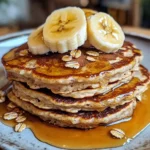
Ingredients
Ripe Bananas (2 Medium-Sized)
Bananas are not just the star ingredient in this recipe; they are the foundation upon which everything else is built. The ripeness of your bananas is paramount to the success of these pancakes. We’re not talking about slightly yellow bananas here; we’re aiming for spotty, brown-flecked bananas. Why is ripeness so crucial?
- Natural Sweetness: As bananas ripen, their starch content converts into sugars, primarily sucrose, fructose, and glucose. This natural sugar transformation is what provides the pancakes with their delightful sweetness, eliminating the need for any added refined sugars. The riper the banana, the sweeter your pancakes will be.
- Moisture and Binding: Ripe bananas are softer and contain more moisture. When mashed, they become almost creamy, contributing to the moist and tender texture of the pancakes. Furthermore, the pectin in ripe bananas acts as a natural binder, helping to hold the pancakes together without the need for eggs or gluten.
- Flavor Profile: Ripe bananas develop a richer, more complex flavor compared to their unripe counterparts. This enhanced banana flavor is a key characteristic of these pancakes, providing a naturally sweet and fruity note that is both comforting and delicious.
Choosing the Right Bananas: Look for bananas that are generously speckled with brown spots. A few brown spots indicate ripeness, while mostly brown bananas are overly ripe and might be too mushy. If your bananas are not quite ripe enough, you can expedite the ripening process. One quick trick is to place them in a paper bag with an apple or a ripe banana for a day or two. The ethylene gas released by these fruits will speed up the ripening of the bananas. Alternatively, if you need ripe bananas immediately, you can microwave unripe bananas for 15-20 seconds. This softens them and brings out their sweetness, although it’s not quite the same as naturally ripened bananas.
Nutritional Powerhouse: Beyond their functional role in the recipe, bananas are nutritional powerhouses. They are an excellent source of potassium, an essential electrolyte that supports heart health and muscle function. They are also rich in fiber, promoting digestive health and keeping you feeling full and satisfied. Bananas also contain vitamin B6, vitamin C, and various antioxidants, contributing to overall well-being.
Rolled Oats (1 Cup)
Rolled oats are the second essential ingredient, bringing texture, structure, and a wealth of nutritional benefits to these pancakes. While instant oats or steel-cut oats might come to mind, rolled oats are the ideal choice for this recipe due to their texture and cooking properties.
- Texture and Structure: Rolled oats, also known as old-fashioned oats, are oat groats that have been steamed and then rolled into flat flakes. This process partially cooks them, making them quicker to cook than steel-cut oats and providing a softer texture than oat groats. When blended, rolled oats break down to create a flour-like consistency that gives the pancakes their structure and slightly chewy texture. They provide substance without making the pancakes dense or heavy.
- Gluten-Free Option: For those following a gluten-free diet, it’s important to choose certified gluten-free rolled oats. While oats are naturally gluten-free, they are often processed in facilities that also handle wheat, barley, and rye, leading to potential cross-contamination. Certified gluten-free oats are processed and packaged in dedicated gluten-free facilities, ensuring they are safe for individuals with celiac disease or gluten sensitivities.
- Nutritional Benefits: Oats are a nutritional superstar, packed with fiber, particularly beta-glucan, a type of soluble fiber known for its cholesterol-lowering properties and ability to promote satiety. They are also a good source of complex carbohydrates, providing sustained energy release, and contain protein and essential minerals like manganese, phosphorus, magnesium, and zinc. Incorporating oats into your breakfast is a fantastic way to kickstart your day with sustained energy and essential nutrients.
Choosing the Right Oats: Opt for rolled oats that are fresh and have a pleasant, slightly nutty aroma. Avoid oats that smell stale or musty. For gluten-free pancakes, always look for certified gluten-free rolled oats. You can find them readily available in most supermarkets and health food stores.
Plant-Based Milk (1/4 Cup)
Plant-based milk is the final key ingredient, adding moisture and helping to bring the batter together to the perfect pourable consistency. With the rise in popularity of vegan and dairy-free diets, there is a plethora of plant-based milk options available. Each type of plant-based milk brings its own unique flavor and texture to the pancakes.
- Moisture and Consistency: Plant-based milk provides the necessary liquid to bind the dry ingredients (oats and mashed bananas) and create a batter that is pourable and cooks evenly. It helps to achieve the desired fluffy and tender texture of the pancakes.
- Variety of Options: You have a wide array of plant-based milk choices to experiment with, each offering slightly different flavors and textures:
- Almond Milk: A popular choice due to its mild, slightly nutty flavor and low calorie count. It adds a subtle sweetness and light texture to the pancakes.
- Soy Milk: A higher protein option compared to other plant-based milks. Soy milk has a creamy texture and a slightly richer flavor, which can enhance the overall taste of the pancakes.
- Oat Milk: Naturally creamy and slightly sweet, oat milk complements the oat flavor in the pancakes and adds a lovely richness. It’s also a good option for those with nut allergies.
- Coconut Milk (from a carton, not canned): Adds a subtle tropical flavor. Ensure you use the thinner carton variety, not the thick canned coconut milk, as the latter will make the batter too dense.
- Other Options: Rice milk (very mild and thin), cashew milk (creamy and slightly sweet), or even hemp milk can be used, each contributing a unique nuance to the flavor profile.
Instructions
1. Prepare Your Ingredients
The first step is to gather all your ingredients and prepare them for blending.
- Bananas: Ensure your bananas are ripe – ideally spotty and soft. Peel the bananas and break them into chunks to make blending easier. If your bananas are not quite ripe enough, you can microwave them for 15-20 seconds to soften them slightly. This not only softens them but also helps to release their natural sweetness.
- Rolled Oats: Measure out 1 cup of rolled oats. If you are using certified gluten-free oats, ensure they are labeled as such.
- Plant-Based Milk: Measure out 1/4 cup of your chosen plant-based milk. Have a little extra milk on hand in case you need to adjust the batter consistency later.
- Optional Add-ins: If you are using any optional add-ins like vanilla extract, cinnamon, or chia seeds, measure them out and have them ready to add to the blender.
Having all your ingredients prepped and ready will streamline the pancake-making process, making it even faster and more efficient.
2. Blend the Batter
This is where the magic happens! Combine all the ingredients in a blender or food processor.
- Combine Ingredients: Place the banana chunks, rolled oats, and plant-based milk into your blender or food processor. Add any optional add-ins you are using at this stage as well.
- Blend Until Smooth: Blend the mixture until it forms a smooth, thick batter. Blend for about 30-60 seconds, or until all the oats are completely broken down and the batter is homogenous.
- Check Consistency: The batter should have a pourable consistency, similar to traditional pancake batter. It should be thick enough to hold its shape when poured onto the pan but thin enough to spread slightly.
- Adjust Consistency (If Needed): If the batter is too thick, add plant-based milk one tablespoon at a time, blending after each addition, until you reach the desired consistency. If the batter is too thin (which is less likely), you can add a tablespoon of oats to thicken it, and blend again.
- Rest (Optional): While not strictly necessary, allowing the batter to rest for 5-10 minutes can help the oats absorb more of the liquid, resulting in slightly thicker pancakes.
Pro Tip for Texture: If you prefer pancakes with a chunkier texture, instead of blending all the ingredients, mash the bananas with a fork in a bowl. Then, add the rolled oats and plant-based milk and mix by hand until just combined. This method will leave some oat texture in the pancakes.
3. Heat the Pan
Properly heating the pan is crucial for achieving evenly cooked, golden-brown pancakes that are not burnt or undercooked.
- Choose Your Pan: A non-stick skillet or griddle is ideal for making pancakes, as it minimizes sticking and the need for excessive oil. If you don’t have a non-stick pan, a well-seasoned cast iron skillet or a regular skillet will work, but you’ll need to use a little oil to prevent sticking.
- Heat Over Medium Heat: Place your skillet or griddle over medium heat. Medium heat is generally the sweet spot for pancakes – it’s hot enough to cook them through without burning the outside too quickly.
- Test the Heat: To check if the pan is hot enough, you can do a water droplet test. Flick a few drops of water onto the hot pan. If the water droplets sizzle and evaporate quickly, the pan is ready. If they just sit there or evaporate slowly, the pan is not hot enough yet.
- Add Oil (If Needed): If you are using a non-stick pan, you may not need any oil. However, for extra insurance against sticking or to add a touch of flavor, you can lightly grease the pan with a small amount of coconut oil, vegan butter, or cooking spray. If using a regular skillet, a thin layer of oil is recommended.
- Heat Evenly: Allow the pan to heat evenly for 1-2 minutes before adding the batter. This ensures that the pancakes cook uniformly across their surface.
4. Cook the Pancakes
Now it’s time to cook those beautiful pancakes!
- Pour the Batter: Once the pan is heated, pour 1/4 cup of batter onto the hot pan for each pancake. You can use a measuring cup or a spoon to portion the batter. Leave some space between each pancake so they have room to spread slightly.
- Cook First Side (2-3 Minutes): Cook the pancakes for 2-3 minutes on the first side, or until bubbles start to form on the surface and the edges begin to look set and lift slightly. These bubbles are a visual cue that the pancakes are cooking and air is being incorporated, contributing to their fluffiness.
- Flip Carefully: Once bubbles have formed and the edges are set, carefully flip the pancakes using a spatula. Slide the spatula under the pancake and flip it over in one smooth motion.
- Cook Second Side (1-2 Minutes): Cook the other side for another 1-2 minutes, or until golden brown and cooked through. The second side usually cooks faster than the first.
- Check for Doneness: To ensure the pancakes are cooked through, you can gently press on the center of a pancake. It should feel firm and spring back slightly. You can also insert a toothpick into the center; it should come out clean.
- Avoid Pressing Down: Resist the urge to press down on the pancakes with a spatula while they are cooking. Pressing down will deflate them and make them dense rather than fluffy.
5. Serve and Enjoy
The final and most rewarding step is to serve and savor your freshly cooked Vegan Banana Oatmeal Pancakes!
- Transfer to a Plate: As each batch of pancakes is cooked, transfer them to a plate. You can stack them up to keep them warm while you cook the remaining batter.
- Serve Warm: These pancakes are best enjoyed warm, right off the pan.
- Add Your Favorite Toppings: Get creative with your toppings! Fresh fruit, maple syrup, nut butter, vegan yogurt, or a sprinkle of cinnamon are all fantastic choices. See the “How to Serve” section below for more topping ideas.
- Enjoy Immediately: Serve and enjoy your delicious, healthy, and easy-to-make Vegan Banana Oatmeal Pancakes immediately!
Nutrition
- Serving Size: One Normal Portion
- Calories: 250-300 kcal
- Sugar: 15-20g
- Sodium: 10-50mg
- Fat: 5-8g
- Saturated Fat: 1-2g
- Unsaturated Fat: 4-6g
- Carbohydrates: 45-55g
- Fiber: 8-10g
- Protein: 5-7g
- Cholesterol: 0mg