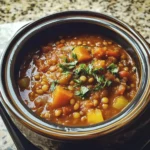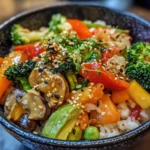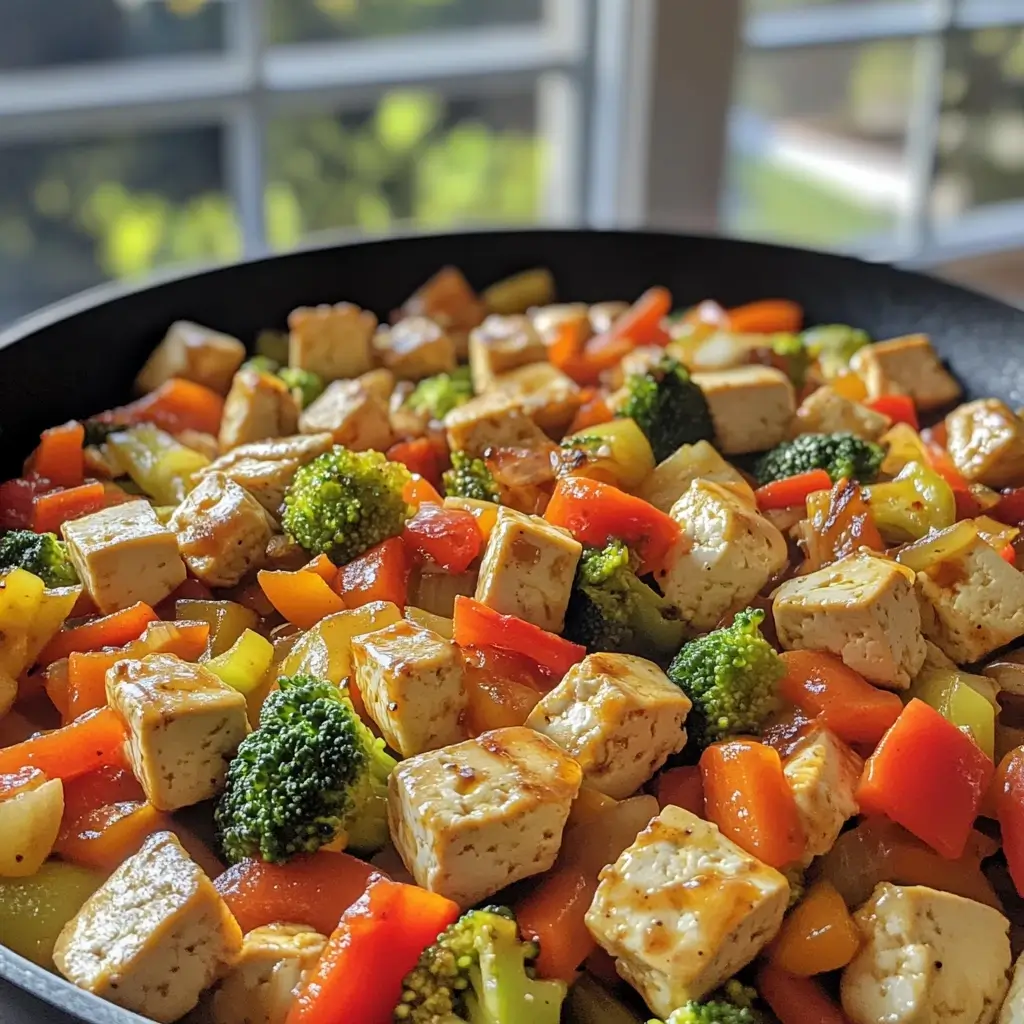

Stir-frying is an ancient cooking technique that has transcended cultures and continents, offering a quick, nutritious, and delicious meal solution. One of its most loved variants is the Vegetable Stir-Fry with Tofu. This delightful dish is not only a feast for the eyes with its colorful array of vegetables but also a treat for the palate with its harmonious blend of flavors and textures. Whether you’re a seasoned chef or a kitchen novice, this guide will help you master the art of making the perfect Vegetable Stir-Fry with Tofu. Let’s dive in!
Ingredients
Creating a flavorful Vegetable Stir-Fry with Tofu begins with gathering fresh, high-quality ingredients. Below is a list of what you’ll need:
- 1 block firm tofu, cubed
- 2 cups mixed vegetables:
- Bell peppers
- Broccoli
- Carrots
- 3 tbsp soy sauce or coconut aminos
- 2 tbsp olive oil or sesame oil
- 1 tsp garlic powder
- 1 tsp ginger powder or fresh ginger, minced
- Cooked rice or noodles for serving
These ingredients are not just tasty; they are also packed with nutrients, making this dish a healthy choice for any meal.
Instructions
Creating a Vegetable Stir-Fry with Tofu is straightforward, and the following steps will guide you through the process:
- Prep Tofu:
- Start by pressing the tofu to remove excess moisture. This step is crucial for achieving a crispy texture. Once pressed, cube the tofu into bite-sized pieces.
- Cook Tofu:
- In a pan, heat 1 tablespoon of oil over medium heat. Add the cubed tofu and cook until golden brown, about 5-7 minutes. Ensure to turn the pieces occasionally for even cooking. Remove the tofu from the pan and set it aside.
- Stir-Fry Veggies:
- In the same pan, add the remaining tablespoon of oil. Toss in the mixed vegetables and cook for 5-6 minutes until they are tender but still vibrant in color.
- Combine:
- Return the tofu to the pan with the vegetables. Stir in the soy sauce, garlic powder, and ginger. Cook for another 2-3 minutes, stirring well to ensure the tofu and vegetables are well-coated with the sauce.
- Serve:
- Serve the stir-fry hot over a bed of cooked rice or noodles of your choice.
Nutrition Facts
Understanding the nutritional value of your meals is crucial for maintaining a balanced diet. Here’s a breakdown of the nutritional content per serving of Vegetable Stir-Fry with Tofu:
- Calories: 300
- Protein: 15g
- Carbohydrates: 30g
- Fat: 15g
- Fiber: 4g
This dish offers a balanced mix of macronutrients, making it not only delicious but also a healthful option for lunch or dinner.
How to Serve
While the Vegetable Stir-Fry with Tofu is delightful on its own, there are numerous serving suggestions that can enhance your dining experience and elevate this dish to new heights. Here are some comprehensive ideas to consider:
Over Rice
One of the most traditional and comforting ways to serve Vegetable Stir-Fry with Tofu is over a bed of steamed rice. Jasmine rice, known for its fragrant aroma and slightly sticky texture, complements the stir-fry beautifully, allowing the flavors to meld together. Alternatively, brown rice adds a nutty flavor and chewy texture, making it a wholesome choice packed with fiber and nutrients. For an extra layer of flavor, consider seasoning the rice with a splash of soy sauce or a sprinkle of sesame oil before layering on the stir-fry. Garnish with chopped green onions or sesame seeds for an added crunch.
With Noodles
For those looking to switch things up, pairing the stir-fry with noodles can introduce a delightful variation. Rice noodles, often found in Asian cuisine, are light and absorb the sauce well, while soba noodles, made from buckwheat, add a unique earthy flavor and are rich in protein. Prepare the noodles according to package instructions, then toss them with a bit of sesame oil or soy sauce before adding the stir-fry on top. For added flair, you can include a handful of fresh herbs, such as cilantro or basil, to brighten the dish and enhance the overall flavor profile.
As a Side Dish
Vegetable Stir-Fry with Tofu can also serve as a vibrant and nutritious side dish, complementing a larger meal. It pairs exceptionally well with grilled meats, such as teriyaki chicken or miso-glazed salmon, where the smoky flavors of the proteins contrast beautifully with the freshness of the vegetables. Additionally, it can accompany other protein sources like shrimp or tempeh, creating a balanced plate. To serve it as a side, consider plating a smaller portion alongside the mains, perhaps with a garnish of toasted sesame seeds or a drizzle of chili oil for a spicy kick.
In a Wrap
For a fun and healthy twist, consider transforming the stir-fry into a wrap. Use warm tortillas—flour or whole wheat—for a soft and flexible option, or opt for large lettuce leaves, such as romaine or butter lettuce, for a low-carb, gluten-free alternative. Simply spoon the stir-fry mixture onto the center of the wrap, add a few slices of avocado or a dollop of hummus for creaminess, and roll it up tightly. This method not only makes for a quick and easy meal but also adds an interactive element to dining, as everyone can create their own wraps at the table. Serve with a side of dipping sauce, such as a spicy peanut sauce or a tangy soy-vinegar dip, to enhance the flavors even further.
Additional Serving Ideas
- As a Salad: For a lighter option, consider serving the stir-fry chilled as a salad. Toss the stir-fried vegetables and tofu with mixed greens, sliced cucumbers, and a sesame dressing for a refreshing dish.
- With a Protein Boost: Enhance the nutritional profile of your meal by adding other proteins. Grilled chickpeas or edamame can be mixed into the stir-fry, providing additional texture and taste.
- Topped with Egg: For a heartier dish, top the stir-fry with a fried or poached egg. The runny yolk adds richness and a creamy component that complements the vegetables beautifully.
By exploring these serving suggestions, you can transform your Vegetable Stir-Fry with Tofu from a simple dish into a versatile centerpiece for any meal. Whether you choose to serve it over rice, alongside grilled meats, in a wrap, or as part of a refreshing salad, the possibilities are endless, allowing you to tailor the dining experience to your preferences and those of your guests. Enjoy experimenting with these ideas to make every meal memorable!
Additional Tips
To elevate your Vegetable Stir-Fry with Tofu and ensure it reaches its full culinary potential, consider these comprehensive tips:
Press the Tofu Well
One of the most critical steps in preparing tofu for stir-frying is to press it adequately. Tofu, particularly the firm or extra-firm varieties, contains a significant amount of water that can hinder achieving that coveted crispy texture. Here’s how to do it effectively:
- Choose the Right Tofu: Opt for firm or extra-firm tofu, as it holds its shape better during cooking and absorbs flavors more effectively.
- Pressing Technique: Wrap the tofu block in a clean kitchen towel or several paper towels. Place a heavy object, such as a cast-iron skillet or a stack of plates, on top for about 20-30 minutes. This will help expel excess moisture.
- Cube and Marinate: After pressing, cut the tofu into cubes or slices as desired. For added flavor, consider marinating the tofu in soy sauce, sesame oil, or your preferred marinade for at least 15-30 minutes before cooking.
High Heat is Crucial
Stir-frying is an art that requires precise temperature control. Cooking at high heat is essential for several reasons:
- Quick Cooking: High heat ensures that the ingredients cook rapidly, which not only retains their vibrant colors but also their nutritional value and crunch.
- Non-Stick Properties: A hot pan helps create a non-stick surface, allowing the tofu and vegetables to sear rather than steam. Use a good-quality wok or large skillet that can withstand high temperatures.
- Achieving a Wok Hei: Aim for that elusive “wok hei” or “breath of the wok,” a smoky flavor imparted during high-heat cooking. Preheat your wok or skillet until it’s just beginning to smoke before adding oil.
Experiment with Vegetables
One of the joys of stir-frying is the versatility it offers. Don’t hesitate to get creative with your vegetable choices:
- Seasonal Varieties: Incorporate seasonal vegetables for freshness and flavor. For instance, in spring, consider adding asparagus or snap peas; in summer, zucchini and bell peppers shine.
- Color Contrast: Use a mix of colorful vegetables like red bell peppers, orange carrots, green broccoli, and purple cabbage to create a visually appealing dish.
- Cooking Times: Be aware of the cooking times for different vegetables. Start with those that take longer to cook, like carrots and broccoli, and add quicker-cooking options, such as leafy greens and bell peppers, later in the process.
Adjust the Sauce
The sauce is the heart of any stir-fry, and adjusting it to suit your taste can make a significant difference:
- Layering Flavors: Besides the base sauce (typically soy sauce or tamari), consider adding aromatics like minced garlic, shallots, or scallions for depth.
- Acidity and Heat: For a tangy kick, a splash of rice vinegar or lime juice can brighten the dish. If you enjoy heat, add red pepper flakes, sriracha, or fresh chili peppers to spice things up.
- Thickening the Sauce: If you prefer a thicker sauce, mix a teaspoon of cornstarch with a splash of water to create a slurry. Add this to the stir-fry in the final stages of cooking to achieve a glossy finish.
Use Fresh Ginger
Fresh ginger is a powerhouse of flavor and health benefits, and using it instead of powdered ginger can elevate your stir-fry:
- Flavor Profile: Fresh ginger adds a zesty, peppery kick that powdered ginger cannot replicate. Grate or finely chop fresh ginger to release its essential oils and maximize flavor.
- Cooking Technique: Add fresh ginger at the beginning of the cooking process to infuse the oil, allowing its flavor to permeate the entire dish.
- Storage Tips: Store fresh ginger in the freezer for longer shelf life. You can easily grate it directly from the freezer, making it a convenient option for future stir-fries.
By following these additional tips, you can transform your Vegetable Stir-Fry with Tofu into a culinary masterpiece that is not only delicious but also visually striking and packed with nutrients. Enjoy the process of cooking and the delightful results!
FAQs
1. Can I use different types of tofu?
Yes, while firm tofu is recommended for its texture, you can experiment with extra-firm or even silken tofu for different results. Just be aware that silken tofu is softer and may not hold up as well during cooking.
2. Is it possible to make this dish gluten-free?
Absolutely! Use tamari or coconut aminos instead of soy sauce to keep the dish gluten-free.
3. How can I store leftovers?
Store any leftovers in an airtight container in the refrigerator for up to 3 days. To reheat, simply sauté the stir-fry in a pan over medium heat until warmed through.
4. Can I add protein other than tofu?
Yes, you can substitute tofu with other proteins like tempeh, chicken, or shrimp, adjusting the cooking time as needed.
5. What oils work best for stir-frying?
High smoke point oils like sesame oil, peanut oil, or vegetable oil are ideal for stir-frying due to their ability to handle high heat without burning.
Conclusion
Vegetable Stir-Fry with Tofu is a dish that beautifully showcases the magic of fresh, wholesome ingredients coming together in a flavorful harmony. With its vibrant medley of colors, textures, and tastes, it is both a feast for the eyes and a delight for the palate. This dish is a testament to the versatility of tofu, which absorbs the flavors of marinades and sauces, transforming into a delicious and satisfying protein option.
Perfect for busy weeknights, this stir-fry is quick to prepare and adaptable to whatever vegetables you have on hand. Crisp bell peppers, broccoli florets, snap peas, and carrots add crunch, while mushrooms, zucchini, or bok choy provide depth and variety. The tofu, whether pan-fried for a crispy exterior or simply sautéed until golden, pairs seamlessly with the vegetables, creating a balanced and nourishing meal.
The sauce is where this dish truly shines, tying all the elements together. A classic combination of soy sauce, ginger, garlic, and a touch of sesame oil brings savory, aromatic notes, while optional additions like chili flakes, hoisin sauce, or a drizzle of honey can elevate the flavor profile further. Serve the stir-fry over steamed rice, quinoa, or noodles to complete the meal, or enjoy it on its own for a lighter option.
Vegetable Stir-Fry with Tofu is also incredibly accommodating for dietary needs. It’s naturally vegetarian and can easily be made vegan or gluten-free by substituting tamari for soy sauce. It’s a dish that encourages creativity and experimentation—try adding nuts or seeds for extra crunch, or finish with a squeeze of lime and fresh herbs for a burst of freshness.
What makes this dish even more special is the opportunity to connect with the ingredients and enjoy the process of cooking. From the vibrant sizzle of vegetables in the pan to the tantalizing aroma of the sauce as it caramelizes, every step is a sensory experience. Whether you’re cooking for yourself, family, or friends, this stir-fry is sure to impress and satisfy.
By following this guide, you’re not just preparing a meal—you’re crafting a nutritious, delicious masterpiece that’s perfect for any occasion. Embrace the simplicity, enjoy the process, and most importantly, savor every flavorful bite of this delightful Vegetable Stir-Fry with Tofu!
Print
Vegetable Stir-Fry with Tofu
Ingredients
Creating a flavorful Vegetable Stir-Fry with Tofu begins with gathering fresh, high-quality ingredients. Below is a list of what you’ll need:
- 1 block firm tofu, cubed
- 2 cups mixed vegetables:
- Bell peppers
- Broccoli
- Carrots
- 3 tbsp soy sauce or coconut aminos
- 2 tbsp olive oil or sesame oil
- 1 tsp garlic powder
- 1 tsp ginger powder or fresh ginger, minced
- Cooked rice or noodles for serving
These ingredients are not just tasty; they are also packed with nutrients, making this dish a healthy choice for any meal.
Instructions
Creating a Vegetable Stir-Fry with Tofu is straightforward, and the following steps will guide you through the process:
- Prep Tofu:
- Start by pressing the tofu to remove excess moisture. This step is crucial for achieving a crispy texture. Once pressed, cube the tofu into bite-sized pieces.
- Cook Tofu:
- In a pan, heat 1 tablespoon of oil over medium heat. Add the cubed tofu and cook until golden brown, about 5-7 minutes. Ensure to turn the pieces occasionally for even cooking. Remove the tofu from the pan and set it aside.
- Stir-Fry Veggies:
- In the same pan, add the remaining tablespoon of oil. Toss in the mixed vegetables and cook for 5-6 minutes until they are tender but still vibrant in color.
- Combine:
- Return the tofu to the pan with the vegetables. Stir in the soy sauce, garlic powder, and ginger. Cook for another 2-3 minutes, stirring well to ensure the tofu and vegetables are well-coated with the sauce.
- Serve:
- Serve the stir-fry hot over a bed of cooked rice or noodles of your choice.
Nutrition
- Serving Size: 1 normal portion
- Calories: 300
- Fat: 15g
- Carbohydrates: 30g
- Fiber: 4g
- Protein: 15g