
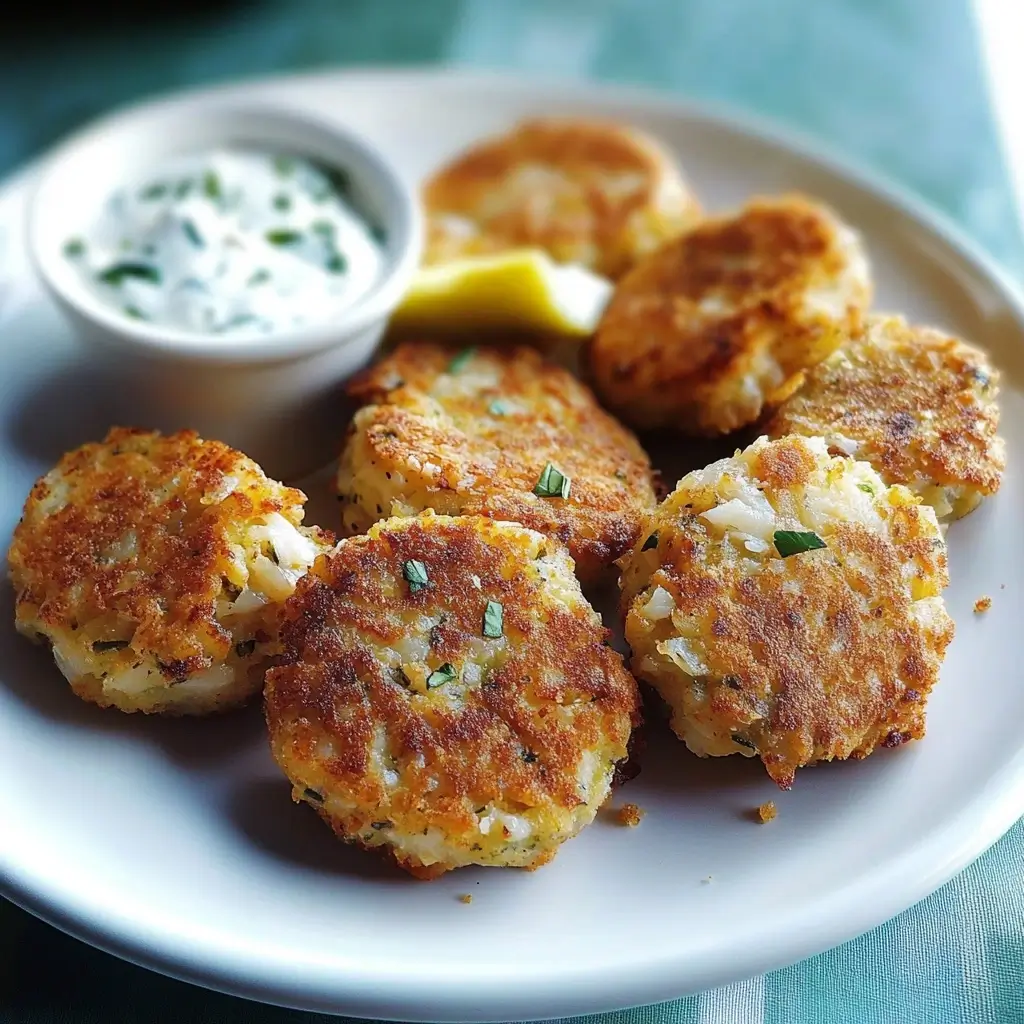

Crafting a delicious appetizer that’s both impressive and surprisingly easy to make is always a win in my book. These Zesty Mini Crab Cakes have become a staple in our home, perfect for everything from casual family gatherings to more formal dinner parties. The first time I made them, I was a little hesitant – crab cakes always seemed a bit fussy. But this recipe is wonderfully straightforward and delivers an explosion of flavor in each bite-sized morsel. The zestiness from the lemon and a hint of spice really elevates the delicate crab meat, and the mini size makes them ideal for appetizers, or even a light meal served with a fresh salad. My family absolutely devours them, and they always disappear in minutes whenever I bring them to potlucks or parties. The crispy exterior and tender, flavorful interior are simply irresistible, and I’m excited to share this recipe so you can experience the same delightful success.
Ingredients: The Foundation of Flavorful Zesty Mini Crab Cakes
Creating truly exceptional Zesty Mini Crab Cakes starts with selecting the right ingredients. Each component plays a crucial role in building the texture, flavor profile, and overall deliciousness of these delightful appetizers. Let’s delve into each ingredient, understanding its purpose and offering insights for optimal selection.
- 1 pound Lump Crab Meat, Fresh or Pasteurized (not imitation): The star of the show! When it comes to crab meat, quality is paramount. Lump crab meat, known for its large, tender pieces and sweet, delicate flavor, is the ideal choice for crab cakes. Opt for fresh crab meat if it’s readily available and in season. If using pasteurized crab meat, ensure it’s stored correctly and hasn’t passed its expiration date. Avoid imitation crab meat (surimi) entirely, as it lacks the authentic crab flavor and texture we’re aiming for. For a richer flavor and slightly more budget-friendly option, you can use a combination of lump and claw crab meat. Claw meat has a stronger, more pronounced crab flavor and a slightly shredded texture, which can add depth to your crab cakes. Be meticulous in picking through the crab meat to remove any stray pieces of shell or cartilage. This step, while slightly time-consuming, is essential for ensuring a pleasant eating experience and preventing any unexpected crunchy surprises.
- 1/2 cup Panko Bread Crumbs, plus more for coating: Panko bread crumbs are a game-changer for achieving that coveted crispy exterior on your crab cakes. Their larger, flakier texture creates a lighter and airier coating compared to regular bread crumbs, resulting in a delightful crunch without becoming heavy or dense. We use panko both in the crab cake mixture and for coating. Incorporating panko into the mixture helps bind the ingredients together while maintaining a tender interior. For coating, panko creates a beautiful golden-brown crust when pan-fried or baked. If you don’t have panko on hand, you can use regular bread crumbs, but the texture will be slightly different. For gluten-free options, consider using gluten-free panko or finely ground almond flour for the coating.
- 1/4 cup Mayonnaise: Mayonnaise serves as a crucial binder and adds moisture and richness to the crab cakes. It helps hold the ingredients together, preventing them from becoming dry or crumbly. Use a good quality, full-fat mayonnaise for the best flavor and texture. Reduced-fat mayonnaise can be used, but it may slightly alter the richness and moisture content. For a tangier flavor profile, consider using a flavored mayonnaise, such as lemon-dill mayonnaise, to complement the zesty theme of the recipe.
- 2 tablespoons Dijon Mustard: Dijon mustard is the secret weapon for adding a subtle tang and depth of flavor to these crab cakes. Its sharp, slightly pungent notes cut through the richness of the crab meat and mayonnaise, creating a more balanced and complex flavor profile. Dijon mustard also acts as a binder and emulsifier, helping to create a smoother and more cohesive crab cake mixture. If you prefer a milder flavor, you can substitute with yellow mustard, but Dijon mustard is highly recommended for its distinctive character. For a spicier kick, consider using a stone-ground mustard with horseradish.
- 1 large Egg, lightly beaten: The egg is another essential binder in this recipe, working in conjunction with the mayonnaise and bread crumbs to hold the crab cakes together. It provides structure and helps prevent the crab cakes from falling apart during cooking. Lightly beating the egg ensures it incorporates evenly into the mixture. For egg allergies or vegan alternatives, you can use a flax egg (1 tablespoon flaxseed meal mixed with 3 tablespoons water, let sit for 5 minutes to thicken) or a commercial egg replacer.
- 2 tablespoons Fresh Lemon Juice: Fresh lemon juice is the key to the “zesty” in Zesty Mini Crab Cakes. Its bright, acidic flavor enhances the sweetness of the crab meat and adds a refreshing zing that elevates the entire dish. Always use freshly squeezed lemon juice for the best flavor; bottled lemon juice often lacks the same vibrancy and freshness. Lemon juice also helps to balance the richness of the mayonnaise and mustard. Don’t be shy with the lemon juice – it’s a crucial element in creating that signature zesty flavor.
- 1 tablespoon Lemon Zest: Lemon zest adds another layer of bright, citrusy flavor and aromatic complexity. The zest contains the lemon’s essential oils, which are packed with flavor and aroma. Use a microplane or fine grater to zest the lemon, being careful to only grate the yellow part of the peel and avoid the bitter white pith underneath. The combination of lemon juice and zest provides a more nuanced and intense lemon flavor compared to using just lemon juice alone.
- 1 tablespoon Worcestershire Sauce: Worcestershire sauce might seem like an unexpected ingredient in crab cakes, but it adds a subtle umami depth that enhances the overall flavor. Its complex blend of flavors – savory, tangy, sweet, and slightly spicy – adds a richness and complexity that elevates the crab cakes beyond just simple seafood appetizers. Don’t skip the Worcestershire sauce; it makes a noticeable difference in the final flavor profile.
- 1 teaspoon Old Bay Seasoning: Old Bay seasoning is a classic seafood seasoning that perfectly complements crab meat. Its blend of spices, including celery salt, paprika, and black pepper, adds a savory and slightly spicy kick that enhances the natural flavors of the crab. Old Bay is a staple in many crab cake recipes, and for good reason – it provides a distinctive and delicious flavor profile that is synonymous with seafood dishes. If you don’t have Old Bay, you can create a similar blend using celery salt, paprika, black pepper, and a pinch of cayenne pepper.
- 1/2 teaspoon Hot Sauce (such as Tabasco or your favorite brand): A touch of hot sauce adds a subtle warmth and spice that balances the richness of the crab and other ingredients. It doesn’t make the crab cakes overly spicy, but rather provides a pleasant background heat that enhances the overall flavor complexity. Use your favorite hot sauce – Tabasco, Frank’s RedHot, or even a milder chili sauce will work. Adjust the amount of hot sauce to your preference; if you prefer less spice, start with a smaller amount and taste the mixture before forming the crab cakes.
- 2 tablespoons Fresh Parsley, finely chopped: Fresh parsley adds a pop of fresh, herbaceous flavor and a touch of color to the crab cakes. Its bright, slightly peppery notes complement the seafood and other seasonings. Finely chop the parsley so it distributes evenly throughout the mixture. Other fresh herbs, such as chives or dill, can also be added or substituted for parsley to customize the flavor profile.
- 2 tablespoons Unsalted Butter: Butter is used for pan-frying the crab cakes, imparting a rich, buttery flavor and helping to achieve a golden-brown, crispy exterior. Unsalted butter allows you to control the saltiness of the dish. You can also use a combination of butter and olive oil for pan-frying; the butter provides flavor, while the olive oil has a higher smoke point and can help prevent the butter from burning.
- 2 tablespoons Olive Oil (optional, for pan-frying): Olive oil, used in combination with butter or on its own, is another option for pan-frying the crab cakes. It provides a neutral flavor and helps to create a crispy exterior. Extra virgin olive oil can be used, but regular olive oil is also suitable for pan-frying.
- Salt and Black Pepper to taste: Seasoning is crucial to bring out the flavors of all the ingredients. Taste the crab cake mixture before forming the patties and adjust the salt and black pepper to your preference. Remember that Old Bay seasoning already contains salt, so season judiciously. Freshly ground black pepper is recommended for its more robust flavor compared to pre-ground pepper.
Instructions: Crafting Perfect Zesty Mini Crab Cakes Step by Step
Now that we’ve gathered our high-quality ingredients, let’s embark on the step-by-step process of creating these delectable Zesty Mini Crab Cakes. Follow these instructions carefully to ensure success and achieve perfectly textured and flavorful crab cakes every time.
- Gently Prepare the Crab Meat: Begin by carefully examining the crab meat for any remaining shell fragments or cartilage. This is a crucial step to avoid any unpleasant surprises while enjoying your crab cakes. Gently pick through the crab meat, being mindful not to break up the delicate lumps too much. We want to maintain some texture in the final product. Place the cleaned crab meat in a large mixing bowl.
- Combine Wet Ingredients: In a separate medium-sized bowl, whisk together the mayonnaise, Dijon mustard, lightly beaten egg, fresh lemon juice, lemon zest, Worcestershire sauce, hot sauce, and Old Bay seasoning. Whisk until all ingredients are well combined and emulsified, creating a smooth and flavorful base for our crab cake mixture. This pre-mixing ensures even distribution of flavors throughout the crab cakes.
- Incorporate Wet into Dry (Carefully!): Pour the wet ingredient mixture over the prepared crab meat in the large mixing bowl. Gently fold the wet ingredients into the crab meat using a rubber spatula or your hands. Be careful not to overmix at this stage. Overmixing can break down the delicate crab meat and result in tough crab cakes. We want to combine the ingredients just until they are evenly moistened.
- Add Bread Crumbs and Parsley: Sprinkle the 1/2 cup of panko bread crumbs and the finely chopped fresh parsley over the crab and wet ingredient mixture. Again, gently fold these ingredients into the mixture until just combined. The bread crumbs will help bind the mixture together, and the parsley will add freshness and flavor. Avoid overmixing to maintain the tender texture of the crab cakes.
- Chill the Mixture (Crucial for Shaping): Cover the bowl tightly with plastic wrap and refrigerate the crab cake mixture for at least 30 minutes, or up to 1 hour. Chilling is a critical step as it allows the mixture to firm up, making it much easier to shape into mini crab cakes. Chilling also helps the flavors meld together and enhances the overall texture of the final product.
- Shape into Mini Crab Cakes: Once chilled, remove the crab cake mixture from the refrigerator. Line a baking sheet with parchment paper. Using a tablespoon or a small cookie scoop, portion out the crab cake mixture and gently shape it into mini patties, about 1-1.5 inches in diameter and about 1/2 inch thick. Place the shaped crab cakes onto the prepared baking sheet. Aim for uniform size and shape for even cooking.
- Coat with Panko (for Extra Crispness): Place the remaining panko bread crumbs in a shallow dish. Gently roll each mini crab cake in the panko bread crumbs, pressing lightly to ensure they adhere evenly to all sides. This extra coating of panko will create a beautifully crispy crust when pan-fried or baked.
- Pan-Fry or Bake (Your Choice): You have two cooking options: pan-frying for a golden-brown crust or baking for a slightly healthier approach.
- Pan-Frying: Heat the unsalted butter and olive oil (if using) in a large skillet over medium heat until the butter is melted and shimmering. Carefully place the panko-coated mini crab cakes in the hot skillet, being careful not to overcrowd the pan. Work in batches if necessary. Cook for 3-4 minutes per side, or until golden brown and heated through. The internal temperature should reach 145°F (63°C).
- Baking: Preheat oven to 375°F (190°C). Place the panko-coated mini crab cakes on a baking sheet lined with parchment paper. Drizzle or brush lightly with melted butter or olive oil (optional, for added browning and flavor). Bake for 15-20 minutes, or until golden brown and heated through. The internal temperature should reach 145°F (63°C).
- Serve Immediately: Once cooked, carefully remove the Zesty Mini Crab Cakes from the skillet or oven. Serve them immediately while they are hot and crispy. Garnish with fresh parsley sprigs or lemon wedges, if desired. Serve with your favorite dipping sauce (see serving suggestions below) and enjoy!
Nutrition Facts: A Bite of Deliciousness with Nutritional Awareness
Understanding the nutritional content of what we eat is increasingly important. While Zesty Mini Crab Cakes are a delightful treat, it’s good to be mindful of their nutritional profile. Please note that these are approximate values, as they can vary based on specific ingredients and portion sizes. The following nutrition facts are estimated per serving, assuming a recipe yields approximately 24 mini crab cakes, with a serving size of 2 mini crab cakes.
Servings: Approximately 12 servings (2 mini crab cakes per serving)
Calories per Serving (estimated): Approximately 150-180 calories
- Protein: 8-10 grams
- Fat: 8-10 grams
- Saturated Fat: 2-3 grams
- Unsaturated Fat: 5-7 grams
- Cholesterol: 50-60 mg
- Sodium: 250-350 mg
- Carbohydrates: 8-10 grams
- Fiber: 1-2 grams
- Sugar: 1-2 grams
Important Notes:
- These are estimations and can vary. Using reduced-fat mayonnaise or baking instead of pan-frying can reduce fat content.
- Crab meat is a good source of protein and omega-3 fatty acids, but also contains cholesterol.
- Panko bread crumbs contribute carbohydrates.
- The sodium content can be influenced by the amount of Old Bay seasoning and salt used.
- This analysis does not include dipping sauces, which will add to the overall nutritional values.
For more accurate nutritional information, you can use online nutrition calculators, inputting the specific brands and quantities of ingredients you use. Enjoy these Zesty Mini Crab Cakes in moderation as part of a balanced diet.
Preparation Time: From Prep to Plate in Under an Hour
One of the beauties of this Zesty Mini Crab Cake recipe is its efficiency. You can have these flavorful appetizers ready to enjoy in under an hour, making them perfect for both planned gatherings and spontaneous cravings. Here’s a breakdown of the estimated preparation time:
- Prep Time: 20-25 minutes (includes ingredient gathering, crab meat preparation, mixing ingredients, and chilling time – initial chilling, not the full 30-60 minutes)
- Ingredient Gathering: 5 minutes
- Crab Meat Preparation (picking for shells): 5-7 minutes
- Mixing Ingredients: 8-10 minutes
- Initial Chilling (to firm slightly for shaping): 5 minutes (rest of chilling happens while you prep other things or relax)
- Cook Time: 15-20 minutes (pan-frying or baking)
- Pan-Frying: 10-12 minutes (approximately 3-4 minutes per side, per batch)
- Baking: 15-20 minutes
- Total Time (Approximate): 35-45 minutes (excluding full chilling time, but including initial chilling for easier shaping)
- If including the full 30-60 minute chilling time, the total time from start to finish would be closer to 1 hour to 1 hour 15 minutes. However, the active time is still under 45 minutes.
Time-Saving Tips:
- Prep Ingredients Ahead: Chop parsley, zest lemon, and measure out spices while the crab meat is chilling. This streamlines the mixing process.
- Use Pasteurized Crab Meat: While fresh is ideal, pasteurized crab meat is a convenient and time-saving option.
- Chill While You Prep Other Dishes: If making these for a party, chill the crab cake mixture while you prepare other appetizers or side dishes.
- Bake for Hands-Off Cooking: Baking is slightly more hands-off than pan-frying, freeing you up to do other things while the crab cakes are in the oven.
- Make Ahead (Partially): You can prepare the crab cake mixture and shape the patties ahead of time (even the day before). Store shaped patties, covered, in the refrigerator until ready to cook. This is a great way to get ahead for parties.
How to Serve Zesty Mini Crab Cakes: Versatile and Delightful
Zesty Mini Crab Cakes are incredibly versatile and can be served in a variety of ways, making them perfect for appetizers, light meals, or even as part of a larger seafood spread. Here are some delicious serving suggestions:
- As Appetizers:
- Classic Cocktail Party: Arrange mini crab cakes on a platter, garnished with fresh parsley sprigs and lemon wedges. Serve with a selection of dipping sauces (see below).
- Passed Hors d’oeuvres: Serve warm mini crab cakes on small plates or appetizer spoons, drizzled with a sauce and garnished with a microgreen or a tiny sprig of dill.
- Crab Cake Sliders: Place a mini crab cake on a slider bun with a dollop of remoulade sauce, shredded lettuce, and a slice of tomato for a fun and satisfying appetizer.
- As a Light Meal:
- Crab Cake Salad: Serve 2-3 mini crab cakes atop a bed of mixed greens with a light vinaigrette. Add sliced avocado, cherry tomatoes, and cucumber for a more substantial salad.
- Crab Cake Plate: Serve mini crab cakes alongside a fresh side salad (like a cucumber and tomato salad or a coleslaw) and a lemon wedge for a simple and satisfying lunch or light dinner.
- Dipping Sauces – Essential Companions:
- Classic Remoulade Sauce: A creamy, tangy, and slightly spicy sauce made with mayonnaise, Dijon mustard, capers, pickles, and herbs. A quintessential pairing for crab cakes.
- Lemon-Garlic Aioli: A simple yet flavorful aioli made with mayonnaise, garlic, lemon juice, and olive oil. The bright lemon and pungent garlic complement the crab beautifully.
- Spicy Sriracha Mayo: Combine mayonnaise with sriracha sauce to your desired level of spiciness for a creamy and fiery dipping sauce.
- Sweet Chili Sauce: For a contrasting sweet and spicy flavor, serve with a store-bought or homemade sweet chili sauce.
- Tartar Sauce: A classic seafood sauce made with mayonnaise, pickles, capers, and herbs. A familiar and comforting choice.
- Side Dishes that Complement Crab Cakes:
- Coleslaw: A creamy or vinegar-based coleslaw provides a refreshing and crunchy contrast to the richness of the crab cakes.
- Cucumber and Tomato Salad: A light and refreshing salad with cucumbers, tomatoes, red onion, and a simple vinaigrette.
- Grilled Asparagus: Grilled asparagus spears offer a healthy and flavorful side.
- Roasted Corn Salad: A sweet and savory corn salad with roasted corn, bell peppers, and a light dressing.
- French Fries or Sweet Potato Fries: For a more casual and indulgent meal, serve with fries.
- Garnishes for Presentation:
- Fresh Parsley Sprigs: Add a pop of green and freshness.
- Lemon Wedges: Essential for squeezing over the crab cakes for extra zest.
- Microgreens or Dill Sprigs: Add a touch of elegance and visual appeal, especially for appetizers.
- Red Pepper Flakes (Optional): A sprinkle of red pepper flakes adds a subtle hint of color and spice.
Additional Tips for Zesty Mini Crab Cake Perfection
To elevate your Zesty Mini Crab Cakes from delicious to truly exceptional, consider these five additional tips that will help you achieve optimal flavor and texture:
- Don’t Overmix the Crab Cake Mixture: Gentle handling is key! Overmixing the crab cake mixture will result in tough and rubbery crab cakes. Mix just until the ingredients are combined. Think of it like folding in air – you want to keep the mixture light and airy. Overmixing develops the gluten in the bread crumbs and compacts the crab meat, leading to a less desirable texture.
- Chill the Mixture Thoroughly: Resist the urge to skip the chilling step. Chilling the crab cake mixture is crucial for two reasons: First, it allows the mixture to firm up, making it much easier to shape the mini crab cakes without them falling apart. Second, it allows the flavors to meld and deepen, resulting in a more cohesive and flavorful final product. Aim for at least 30 minutes, but an hour is even better.
- Use a Cookie Scoop for Uniform Size: For perfectly portioned and evenly cooked mini crab cakes, use a tablespoon-sized cookie scoop to portion out the mixture. This ensures that each crab cake is approximately the same size, leading to consistent cooking times and a more professional presentation. Uniform size also helps with even browning and prevents some crab cakes from being overcooked while others are undercooked.
- Don’t Overcrowd the Pan (if Pan-Frying): When pan-frying, avoid overcrowding the skillet. Overcrowding lowers the temperature of the oil and can result in steamed rather than crispy crab cakes. Work in batches, leaving space between each crab cake in the pan. This allows for proper browning and ensures each crab cake develops a beautifully crisp exterior. Maintain a consistent medium heat and allow the oil to come back up to temperature between batches.
- Taste and Adjust Seasoning Before Cooking: Before shaping and cooking all the crab cakes, cook a small test patty to check the seasoning. This is a crucial step to ensure the flavor is to your liking. Taste the cooked test patty and adjust the seasoning of the remaining mixture as needed. You may want to add more salt, pepper, lemon juice, Old Bay seasoning, or hot sauce to achieve your desired flavor profile. This step allows you to customize the recipe to your personal preferences before committing to cooking the entire batch.
Frequently Asked Questions (FAQ) About Zesty Mini Crab Cakes
Have questions about making Zesty Mini Crab Cakes? Here are answers to some common queries to help you achieve crab cake success:
Q1: Can I use frozen crab meat?
A1: While fresh or pasteurized crab meat is ideal, you can use frozen crab meat in a pinch. However, it’s essential to thaw it completely and drain it very well. Excess moisture from frozen crab meat can make the crab cake mixture too wet and difficult to shape. Thaw the crab meat overnight in the refrigerator or use the quick-thaw method (submerging the sealed package in cold water). After thawing, gently squeeze out any excess water before using. Keep in mind that frozen crab meat might have a slightly less delicate texture compared to fresh or pasteurized crab meat.
Q2: Can I make these crab cakes ahead of time?
A2: Yes, you can prepare the crab cake mixture and shape the patties ahead of time. This is a great time-saving strategy, especially when preparing for parties. You can prepare the mixture up to 24 hours in advance and store it, covered, in the refrigerator. You can also shape the patties and store them, covered, on a baking sheet in the refrigerator for up to a few hours before cooking. However, for the best texture, it is recommended to cook the crab cakes shortly before serving. Cooked crab cakes are best enjoyed immediately for optimal crispiness and flavor.
Q3: Can I bake these crab cakes instead of pan-frying?
A3: Absolutely! Baking is a healthier alternative to pan-frying and still yields delicious results. Preheat your oven to 375°F (190°C) and bake the crab cakes for 15-20 minutes, or until golden brown and heated through. For extra browning and flavor, you can lightly drizzle or brush the tops of the crab cakes with melted butter or olive oil before baking. Baked crab cakes will be slightly less crispy than pan-fried ones, but still flavorful and enjoyable.
Q4: What if my crab cake mixture is too wet?
A4: If your crab cake mixture seems too wet, you can add a little more panko bread crumbs, one tablespoon at a time, until the mixture reaches a workable consistency. Be careful not to add too much, as this can make the crab cakes dry. Another trick is to add a tablespoon of finely ground almond flour, which absorbs moisture well without altering the flavor significantly. Ensure you drained the crab meat well and didn’t add too much liquid from the wet ingredients. Chilling the mixture for a longer period can also help firm it up.
Q5: Can I freeze cooked crab cakes?
A5: While technically you can freeze cooked crab cakes, it’s generally not recommended as freezing can negatively impact their texture and flavor. Cooked crab cakes tend to become drier and less crispy after thawing and reheating. If you do need to freeze them, let them cool completely, then wrap them individually in plastic wrap and place them in a freezer-safe bag. Reheat from frozen in a 350°F (175°C) oven until heated through, but be aware they may not be as crisp as freshly cooked crab cakes. For best results, enjoy crab cakes fresh.
Print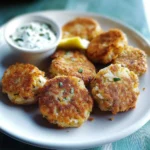
Zesty Mini Crab Cakes Recipe
Ingredients
- 1 pound Lump Crab Meat, Fresh or Pasteurized (not imitation): The star of the show! When it comes to crab meat, quality is paramount. Lump crab meat, known for its large, tender pieces and sweet, delicate flavor, is the ideal choice for crab cakes. Opt for fresh crab meat if it’s readily available and in season. If using pasteurized crab meat, ensure it’s stored correctly and hasn’t passed its expiration date. Avoid imitation crab meat (surimi) entirely, as it lacks the authentic crab flavor and texture we’re aiming for. For a richer flavor and slightly more budget-friendly option, you can use a combination of lump and claw crab meat. Claw meat has a stronger, more pronounced crab flavor and a slightly shredded texture, which can add depth to your crab cakes. Be meticulous in picking through the crab meat to remove any stray pieces of shell or cartilage. This step, while slightly time-consuming, is essential for ensuring a pleasant eating experience and preventing any unexpected crunchy surprises.
- 1/2 cup Panko Bread Crumbs, plus more for coating: Panko bread crumbs are a game-changer for achieving that coveted crispy exterior on your crab cakes. Their larger, flakier texture creates a lighter and airier coating compared to regular bread crumbs, resulting in a delightful crunch without becoming heavy or dense. We use panko both in the crab cake mixture and for coating. Incorporating panko into the mixture helps bind the ingredients together while maintaining a tender interior. For coating, panko creates a beautiful golden-brown crust when pan-fried or baked. If you don’t have panko on hand, you can use regular bread crumbs, but the texture will be slightly different. For gluten-free options, consider using gluten-free panko or finely ground almond flour for the coating.
- 1/4 cup Mayonnaise: Mayonnaise serves as a crucial binder and adds moisture and richness to the crab cakes. It helps hold the ingredients together, preventing them from becoming dry or crumbly. Use a good quality, full-fat mayonnaise for the best flavor and texture. Reduced-fat mayonnaise can be used, but it may slightly alter the richness and moisture content. For a tangier flavor profile, consider using a flavored mayonnaise, such as lemon-dill mayonnaise, to complement the zesty theme of the recipe.
- 2 tablespoons Dijon Mustard: Dijon mustard is the secret weapon for adding a subtle tang and depth of flavor to these crab cakes. Its sharp, slightly pungent notes cut through the richness of the crab meat and mayonnaise, creating a more balanced and complex flavor profile. Dijon mustard also acts as a binder and emulsifier, helping to create a smoother and more cohesive crab cake mixture. If you prefer a milder flavor, you can substitute with yellow mustard, but Dijon mustard is highly recommended for its distinctive character. For a spicier kick, consider using a stone-ground mustard with horseradish.
- 1 large Egg, lightly beaten: The egg is another essential binder in this recipe, working in conjunction with the mayonnaise and bread crumbs to hold the crab cakes together. It provides structure and helps prevent the crab cakes from falling apart during cooking. Lightly beating the egg ensures it incorporates evenly into the mixture. For egg allergies or vegan alternatives, you can use a flax egg (1 tablespoon flaxseed meal mixed with 3 tablespoons water, let sit for 5 minutes to thicken) or a commercial egg replacer.
- 2 tablespoons Fresh Lemon Juice: Fresh lemon juice is the key to the “zesty” in Zesty Mini Crab Cakes. Its bright, acidic flavor enhances the sweetness of the crab meat and adds a refreshing zing that elevates the entire dish. Always use freshly squeezed lemon juice for the best flavor; bottled lemon juice often lacks the same vibrancy and freshness. Lemon juice also helps to balance the richness of the mayonnaise and mustard. Don’t be shy with the lemon juice – it’s a crucial element in creating that signature zesty flavor.
- 1 tablespoon Lemon Zest: Lemon zest adds another layer of bright, citrusy flavor and aromatic complexity. The zest contains the lemon’s essential oils, which are packed with flavor and aroma. Use a microplane or fine grater to zest the lemon, being careful to only grate the yellow part of the peel and avoid the bitter white pith underneath. The combination of lemon juice and zest provides a more nuanced and intense lemon flavor compared to using just lemon juice alone.
- 1 tablespoon Worcestershire Sauce: Worcestershire sauce might seem like an unexpected ingredient in crab cakes, but it adds a subtle umami depth that enhances the overall flavor. Its complex blend of flavors – savory, tangy, sweet, and slightly spicy – adds a richness and complexity that elevates the crab cakes beyond just simple seafood appetizers. Don’t skip the Worcestershire sauce; it makes a noticeable difference in the final flavor profile.
- 1 teaspoon Old Bay Seasoning: Old Bay seasoning is a classic seafood seasoning that perfectly complements crab meat. Its blend of spices, including celery salt, paprika, and black pepper, adds a savory and slightly spicy kick that enhances the natural flavors of the crab. Old Bay is a staple in many crab cake recipes, and for good reason – it provides a distinctive and delicious flavor profile that is synonymous with seafood dishes. If you don’t have Old Bay, you can create a similar blend using celery salt, paprika, black pepper, and a pinch of cayenne pepper.
- 1/2 teaspoon Hot Sauce (such as Tabasco or your favorite brand): A touch of hot sauce adds a subtle warmth and spice that balances the richness of the crab and other ingredients. It doesn’t make the crab cakes overly spicy, but rather provides a pleasant background heat that enhances the overall flavor complexity. Use your favorite hot sauce – Tabasco, Frank’s RedHot, or even a milder chili sauce will work. Adjust the amount of hot sauce to your preference; if you prefer less spice, start with a smaller amount and taste the mixture before forming the crab cakes.
- 2 tablespoons Fresh Parsley, finely chopped: Fresh parsley adds a pop of fresh, herbaceous flavor and a touch of color to the crab cakes. Its bright, slightly peppery notes complement the seafood and other seasonings. Finely chop the parsley so it distributes evenly throughout the mixture. Other fresh herbs, such as chives or dill, can also be added or substituted for parsley to customize the flavor profile.
- 2 tablespoons Unsalted Butter: Butter is used for pan-frying the crab cakes, imparting a rich, buttery flavor and helping to achieve a golden-brown, crispy exterior. Unsalted butter allows you to control the saltiness of the dish. You can also use a combination of butter and olive oil for pan-frying; the butter provides flavor, while the olive oil has a higher smoke point and can help prevent the butter from burning.
- 2 tablespoons Olive Oil (optional, for pan-frying): Olive oil, used in combination with butter or on its own, is another option for pan-frying the crab cakes. It provides a neutral flavor and helps to create a crispy exterior. Extra virgin olive oil can be used, but regular olive oil is also suitable for pan-frying.
- Salt and Black Pepper to taste: Seasoning is crucial to bring out the flavors of all the ingredients. Taste the crab cake mixture before forming the patties and adjust the salt and black pepper to your preference. Remember that Old Bay seasoning already contains salt, so season judiciously. Freshly ground black pepper is recommended for its more robust flavor compared to pre-ground pepper.
Instructions
- Gently Prepare the Crab Meat: Begin by carefully examining the crab meat for any remaining shell fragments or cartilage. This is a crucial step to avoid any unpleasant surprises while enjoying your crab cakes. Gently pick through the crab meat, being mindful not to break up the delicate lumps too much. We want to maintain some texture in the final product. Place the cleaned crab meat in a large mixing bowl.
- Combine Wet Ingredients: In a separate medium-sized bowl, whisk together the mayonnaise, Dijon mustard, lightly beaten egg, fresh lemon juice, lemon zest, Worcestershire sauce, hot sauce, and Old Bay seasoning. Whisk until all ingredients are well combined and emulsified, creating a smooth and flavorful base for our crab cake mixture. This pre-mixing ensures even distribution of flavors throughout the crab cakes.
- Incorporate Wet into Dry (Carefully!): Pour the wet ingredient mixture over the prepared crab meat in the large mixing bowl. Gently fold the wet ingredients into the crab meat using a rubber spatula or your hands. Be careful not to overmix at this stage. Overmixing can break down the delicate crab meat and result in tough crab cakes. We want to combine the ingredients just until they are evenly moistened.
- Add Bread Crumbs and Parsley: Sprinkle the 1/2 cup of panko bread crumbs and the finely chopped fresh parsley over the crab and wet ingredient mixture. Again, gently fold these ingredients into the mixture until just combined. The bread crumbs will help bind the mixture together, and the parsley will add freshness and flavor. Avoid overmixing to maintain the tender texture of the crab cakes.
- Chill the Mixture (Crucial for Shaping): Cover the bowl tightly with plastic wrap and refrigerate the crab cake mixture for at least 30 minutes, or up to 1 hour. Chilling is a critical step as it allows the mixture to firm up, making it much easier to shape into mini crab cakes. Chilling also helps the flavors meld together and enhances the overall texture of the final product.
- Shape into Mini Crab Cakes: Once chilled, remove the crab cake mixture from the refrigerator. Line a baking sheet with parchment paper. Using a tablespoon or a small cookie scoop, portion out the crab cake mixture and gently shape it into mini patties, about 1-1.5 inches in diameter and about 1/2 inch thick. Place the shaped crab cakes onto the prepared baking sheet. Aim for uniform size and shape for even cooking.
- Coat with Panko (for Extra Crispness): Place the remaining panko bread crumbs in a shallow dish. Gently roll each mini crab cake in the panko bread crumbs, pressing lightly to ensure they adhere evenly to all sides. This extra coating of panko will create a beautifully crispy crust when pan-fried or baked.
- Pan-Fry or Bake (Your Choice): You have two cooking options: pan-frying for a golden-brown crust or baking for a slightly healthier approach.
- Pan-Frying: Heat the unsalted butter and olive oil (if using) in a large skillet over medium heat until the butter is melted and shimmering. Carefully place the panko-coated mini crab cakes in the hot skillet, being careful not to overcrowd the pan. Work in batches if necessary. Cook for 3-4 minutes per side, or until golden brown and heated through. The internal temperature should reach 145°F (63°C).
- Baking: Preheat oven to 375°F (190°C). Place the panko-coated mini crab cakes on a baking sheet lined with parchment paper. Drizzle or brush lightly with melted butter or olive oil (optional, for added browning and flavor). Bake for 15-20 minutes, or until golden brown and heated through. The internal temperature should reach 145°F (63°C).
- Serve Immediately: Once cooked, carefully remove the Zesty Mini Crab Cakes from the skillet or oven. Serve them immediately while they are hot and crispy. Garnish with fresh parsley sprigs or lemon wedges, if desired. Serve with your favorite dipping sauce (see serving suggestions below) and enjoy!
Nutrition
- Serving Size: one normal portion
- Calories: 150-180
- Sugar: 1-2 grams
- Sodium: 250-350 mg
- Fat: 8-10 grams
- Saturated Fat: 2-3 grams
- Unsaturated Fat: 5-7 grams
- Carbohydrates: 8-10 grams
- Fiber: 1-2 grams
- Protein: 8-10 grams
- Cholesterol: 50-60 mg